
Reviewed · OSAKA TEA CEREMONY & MATCHA EXPERIENCES
Samurai dress-up and shows, plus Tea Ceremony & Calligraphy
Walk into this Osaka cultural center and you can trade your street clothes for samurai armor, watch sword performances at close range, play traditional music, and then slow down with tea and calligraphy. It is a lively mix of stage show and hands-on activity, all under one roof.
I like the indoor setting, which makes this a useful plan in Osaka rain or summer heat. I also like the range: you can move from the theatrical energy of sword fighting to the careful brushwork of calligraphy and the quiet manners of a tea ceremony.
The main thing to consider is the price. At $123.87 per person, this is not a cheap photo stop, and the experience may feel too packaged for anyone seeking a more formal or traditional ceremony. The optional kimono experience costs an additional ¥19,800 per person.
In This Review
- Key Points at a Glance
- What This Osaka Experience Actually Feels Like
- Putting on Samurai Armor Near Dotonbori
- The Tea Ceremony: A Change of Pace
- Calligraphy You Can Take Home
- Traditional Music Adds Another Hands-On Layer
- Location, Timing, and Comfort
- What the $123.87 Price Buys You
- How the Staff Shape the Visit
- Who Should Book It, and Who Should Skip It
- Booking, Cancellation, and Practical Details
- Should You Book This Osaka Cultural Experience?
- FAQ
- Where does the experience take place?
- How long does the experience last?
- What activities are included?
- Is the experience indoors?
- Is the experience near public transportation?
- What is included with the booking?
- Is kimono dressing included?
- Can most people participate?
- What is the cancellation policy?
Key Points at a Glance
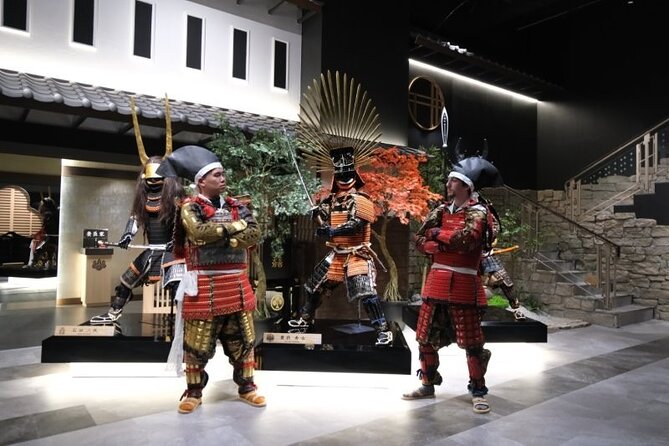
- Samurai armor and sword action: Dress in armor and take part in an entertaining samurai-themed show with sword performances.
- Tea and calligraphy together: You get two calmer cultural activities that balance the noise and movement of the performance.
- Traditional music included: Live music and a music class add another practical, hands-on element.
- Five minutes from Dotonbori: The venue fits easily into an evening around Namba, Shinsaibashi, and the canal district.
- Indoor in every season: Rain, cold, and Osaka humidity will not affect the program.
- Friendly personal help: Staff members including Roi and Maya have been singled out for careful assistance and a warm manner.
What This Osaka Experience Actually Feels Like
This is not a walking tour through old Osaka. It is a compact cultural activity in an indoor venue near the city’s main entertainment district. You arrive at Shinsaibashi ARTY Inn, where the program brings several Japanese arts together in one place.
That format is useful if you have only a few days in Osaka. Instead of spending separate afternoons arranging a tea ceremony, a calligraphy lesson, a costume rental, and a performance, you can sample all four in roughly three hours.
I would think of it as a cultural sampler with real participation. You are not only sitting in an audience. You put on armor, handle a brush, learn about tea, and join parts of the music program. At the same time, the show-based format means this is designed for accessibility and fun rather than for specialists in Japanese history or traditional arts.
The staff’s role matters here. The experience involves costumes, props, movement, and several different activities, so clear help makes a difference. Roi and Maya are specifically noted for paying close attention to individual requests. That is encouraging if you are celebrating an anniversary, traveling with family, or simply want patient guidance while trying something new.
More tea ceremonies and matcha sessions:
- Osaka: Tea Ceremony Experience
★ 4.9 · 1,426 reviews - Tea Ceremony Experience in Osaka Doutonbori
★ 5.0 · 754 reviews - Matcha Making Class in Osaka with Authentic Japanese Sweets Set
★ 5.0 · 509 reviews
Putting on Samurai Armor Near Dotonbori
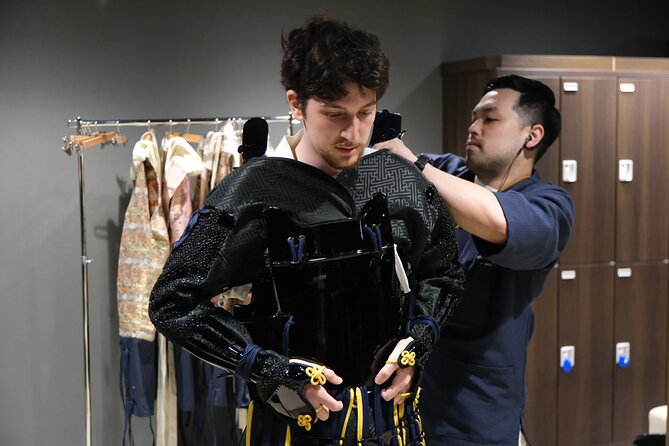
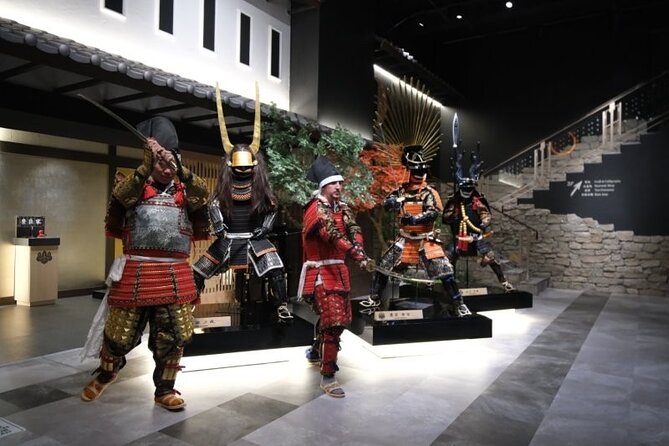
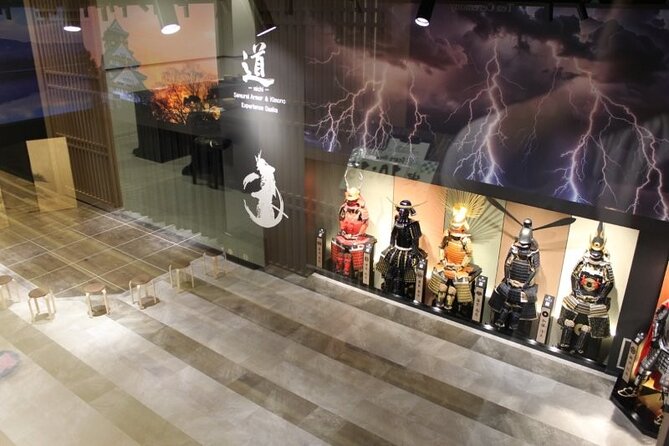
The armor is the visual centerpiece. You get the chance to dress as a samurai and then take part in the show while wearing it. The appeal is obvious: this is more memorable than simply posing beside a display case.
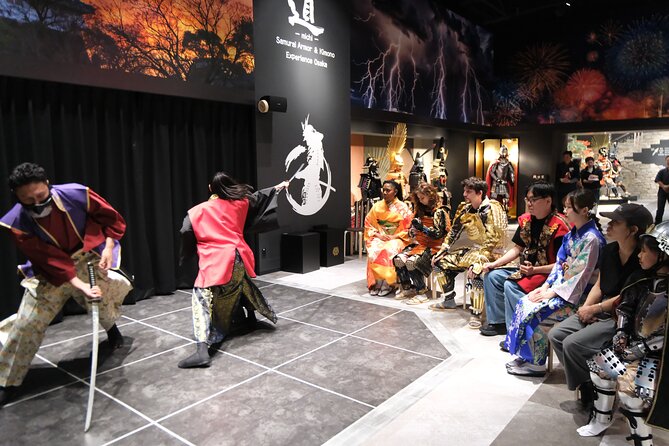
The armor also changes how you experience the performance. You are not watching only from a seat. You become part of the scene, with staff helping you take part in the action and presenting the sword performance around you.
The sword show is described as dynamic, and the program includes live traditional music. Expect theatrical entertainment rather than combat training or a martial arts course. The available information does not promise a full lesson in sword technique, so you should book this for performance, costume, and participation, not for serious weapons instruction.
That distinction helps set the right expectations. If you want a polished introduction to samurai imagery with plenty of photo opportunities, this should suit you. If your priority is an academic explanation of armor construction or a long lesson in historical swordsmanship, you may find the presentation light.
The armor itself has earned strong praise for its appearance and quality. I would allow time to enjoy the costume instead of rushing straight to the next activity. The program lets you see Japanese culture from several angles, but the samurai section is likely to be the most playful and energetic part.
The Tea Ceremony: A Change of Pace
After the noise of the sword show and music, the tea ceremony provides a welcome change of rhythm. You can watch the careful preparation and take part in a refined Japanese custom rather than simply consuming a drink at a café.
Tea ceremony has value because the details matter. The movements, order, and manners are part of the experience. Even a short introduction can help you notice how much care Japanese culture gives to presentation and hospitality.
This is also where the experience becomes more balanced. A samurai show can be exciting, but the tea ceremony gives you time to sit, observe, and concentrate. You may appreciate that contrast if you are visiting Osaka with children or a mixed-age group, since not everyone wants nonstop action.
The program includes complimentary coffee or tea, along with hot and cold water and tea. That is separate from the cultural ceremony itself, but it is a useful comfort during a three-hour indoor visit.
The available details do not specify the particular tea, sweets, utensils, or the ceremony’s exact sequence. I would therefore treat it as an introduction rather than a formal school of tea ceremony. You get a taste of the practice without needing prior knowledge or special clothing.
Calligraphy You Can Take Home
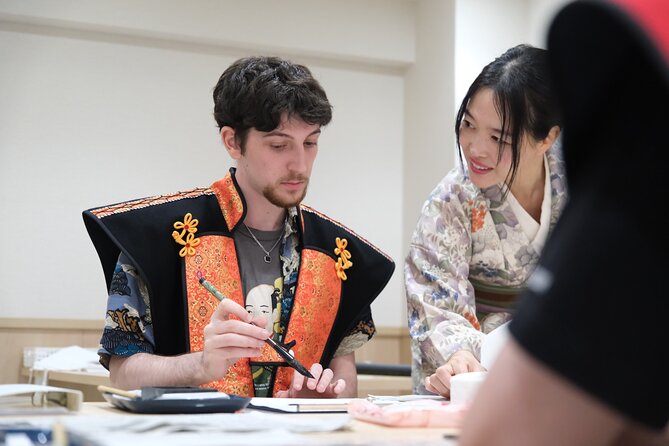
Calligraphy is one of the strongest reasons to choose this activity over a simple costume photo session. You get to try Japanese brush writing yourself, with staff assistance, and create a piece of calligraphy rather than only watching someone else work.
Calligraphy rewards patience. The brush behaves differently from a pencil, and the pressure and direction of each stroke affect the result. Even beginners can enjoy the process because the goal is not perfect professional technique. It is learning how the writing is formed and making something personal.
The activity also gives you a quieter memory of Osaka. Samurai armor makes a striking photograph, but a piece of calligraphy can serve as a small souvenir of what you actually did. I would keep it flat and protected during the rest of your trip if you plan to carry it home.
You should expect guidance rather than a long specialist course. The program is built around several cultural activities, so calligraphy is one part of the three-hour visit. That is a strength for curious first-time visitors, though someone hoping for an advanced lesson may want a dedicated calligraphy school instead.
More samurai and ninja experiences:
- Samurai Training Experience KENDO in Osaka
★ 5.0 · 515 reviews - OSAKA NIGHT FUSION Japanese Taiko Kabuki Samurai Dance Show
★ 4.8 · 155 reviews - Osaka: Samurai Training Experience KENDO in Osaka
★ 5.0 · 111 reviews - Osaka: A Modern Samurai, Kabuki, Taiko, & Dance Show
★ 4.5 · 66 reviews
Traditional Music Adds Another Hands-On Layer
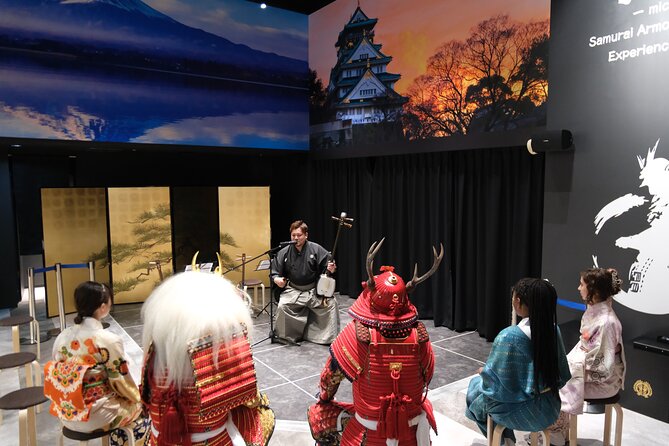
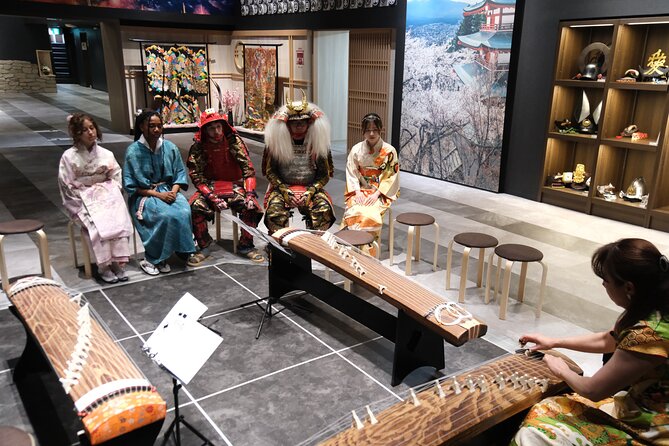
The program includes live traditional music and a music class. This is an important detail, because it broadens the experience beyond the better-known samurai, tea, and calligraphy themes.
The music section is interactive. You get a chance to try the activity rather than simply watch a concert. The available information does not name the instruments or explain how long the lesson lasts, so I would not book it expecting a full concert or a detailed musician’s workshop.
Still, the combination works well. You see a performance, then have a chance to participate in a different art form. That variety keeps the visit moving and helps explain why the experience can fill about three hours without relying on one long show.
The staff’s friendly and careful approach is especially useful during this part. Traditional instruments can feel unfamiliar, and a relaxed instructor can make the difference between standing back and giving it a try.
Location, Timing, and Comfort
The venue is about a five-minute walk from Dotonbori, putting it in a very practical spot for an Osaka day or evening. You can combine it with the food, shopping, and canal sights around Namba and Shinsaibashi without committing to a long transfer across the city.
It is also within a ten-minute walk of public transportation from the Namba or Shinsaibashi area. The exact station route is not provided, so check your map before setting out, especially if you are carrying luggage or arriving after a long day.
The experience lasts approximately three hours. That is long enough to include several activities, but short enough to fit beside other Osaka plans. I would avoid scheduling a tight restaurant reservation immediately afterward, since costume changes, performances, and activity timing can vary.
Everything takes place indoors. This is a real advantage in Osaka, where hot, humid summers and sudden rain can disrupt outdoor plans. An indoor program also gives you a reliable option for a cruise-port day, and the venue can be reached by a short taxi ride from the cruise terminal according to the available booking details.
A locker is included, which is handy when you are carrying shopping bags or day-trip gear. WiFi is also listed, along with complimentary hot and cold water and tea. These are small details, but they make a multi-part activity more comfortable.
The experience is described as suitable for most people. No special fitness requirement is given. Even so, the armor and costume activities may involve standing or movement, and the available information does not specify wheelchair access or detailed mobility arrangements. If that matters to you, ask the provider before booking.
What the $123.87 Price Buys You
At $123.87 per person, this experience asks you to pay for breadth and convenience. You are getting several cultural activities in one indoor visit, staff assistance, costumes, performances, tea, calligraphy, music, and the location near Dotonbori.
I think the value is strongest when you would otherwise book several separate activities. It can also make sense for a first visit to Japan, since you can sample customs that may seem difficult to arrange on your own.
The value is weaker if you mainly want a costume photograph. A shorter samurai photo session would likely be a better match for that goal, though no separate photo-only price is provided here. Likewise, a dedicated tea school or calligraphy class may suit you better if one art form matters more than the full mix.
The optional kimono experience costs ¥19,800 per person. That fee is not included in the stated price, so budget carefully if you want both samurai armor and kimono dressing. The information confirms that kimono is an add-on, but it does not give the duration or exact contents of that separate option.
The perfect audience is someone who values participation, variety, and ease. Families, first-time visitors, couples marking an anniversary, cruise passengers, and anyone planning around central Osaka may find the cost reasonable. A serious student of tea, calligraphy, music, or samurai history may prefer a more focused class.
How the Staff Shape the Visit
The strongest praise focuses on the staff. The service is described as professional, polite, caring, and attentive from arrival to departure. That matters more here than it would on a standard sightseeing stop because you depend on staff to explain the schedule and help with several different activities.
You can choose which activity to begin with, according to the available details. That flexibility helps if your group has different interests. One person may want the armor first, while another would rather begin with tea or calligraphy.
The personal attention from Roi and Maya is a useful sign for people with special requests or a celebration planned. It does not mean every visit will have those exact staff members, so I would not treat their presence as guaranteed. It does suggest that the provider,道-michi-, places weight on direct assistance.
The experience is recommended by 100 percent of the people who rated it, with a five out of five score from 27 ratings. That is a small sample, so I would read it as a strong signal about service and enjoyment, not as proof that every person will find the format ideal.
Who Should Book It, and Who Should Skip It
I would book this if you want a broad taste of Japanese culture without moving between several venues. It is especially handy when rain threatens, when you have limited time in Osaka, or when your group includes people who want different kinds of activities.
It also fits visitors who prefer to learn by doing. You will not simply hear an explanation of samurai, tea, calligraphy, or music. You will put on armor, try a brush, take part in tea customs, and join a music activity.
Families may appreciate the mixture of quiet and active sections. Couples can use the personalized help and costume element for a special occasion. Cruise passengers can fit it into an Osaka stop, provided the timing of the port day allows enough room for transportation and the three-hour program.
I would hesitate if you dislike staged performances or if you want a deeply traditional ceremony with strict formality. The program is designed to welcome beginners and entertain an international audience. That accessibility is its strength, but it also means the experience may not satisfy someone seeking advanced instruction.
Booking, Cancellation, and Practical Details
Your confirmation is issued at the time of booking, and the ticket is mobile, so you do not need to manage a paper voucher. The venue is near public transportation and close to Dotonbori, but I would still arrive with your route checked in advance.
Free cancellation is available if you cancel at least 24 hours before the start time. Inside that 24-hour window, you receive no refund, and changes are not accepted. The cut-off follows local Osaka time, so keep that in mind if you are booking from another time zone.
The listed price is $123.87 per person. Coffee or tea, hot and cold water, tea service, a locker, and WiFi are included in the provided details. Kimono dressing is not included and costs ¥19,800 per person.
Should You Book This Osaka Cultural Experience?
Book it if you want one convenient, indoor visit that combines costume, stage action, music, tea, and calligraphy. The staff attention, central location, and variety make it a practical choice for a first Osaka trip, a family outing, or a special celebration.
Skip it if you want a quiet, formal tea ceremony, serious calligraphy training, or a detailed study of samurai history. At $123.87, you should use the full range of activities to get good value. If you do that, this is a lively and easy way to add Japanese culture to a Dotonbori itinerary.
FAQ
Where does the experience take place?
It takes place at Shinsaibashi ARTY Inn in Osaka. The venue is about a five-minute walk from Dotonbori.
How long does the experience last?
The experience lasts approximately three hours.
What activities are included?
You can dress in samurai armor, join samurai shows and sword performances, enjoy live traditional music, try a music class, take part in a tea ceremony, and practice Japanese calligraphy.
Is the experience indoors?
Yes. All activities take place indoors.
Is the experience near public transportation?
Yes. The venue is within a ten-minute walk of public transportation from the Namba or Shinsaibashi area.
What is included with the booking?
The provided details include coffee or tea, complimentary hot and cold water and tea, WiFi, and use of a locker.
Is kimono dressing included?
No. Wearing a kimono costs an additional ¥19,800 per person.
Can most people participate?
The experience is described as suitable for most people. The available information does not provide detailed accessibility arrangements.
What is the cancellation policy?
You can cancel for a full refund up to 24 hours before the experience start time. Cancellations or changes made less than 24 hours before the start time are not accepted and are not refundable.
More Traditional Craft Workshops
- 1.5〜2 Hours Traditional Kintsugi Work Shop in Namba Osaka
★ 5.0 · 75 reviews - Osaka: Private Japanese Calligraphy Experience
★ 5.0 · 66 reviews - From Osaka: Sakai Knife Maker or Blacksmith Walking Tour
★ 4.9 · 64 reviews - Calligraphy Workshop in Namba, Dotonbori
★ 5.0 · 57 reviews
Just added around Osaka
- Osaka Early Morning Osaka Castle Tour Avoid Crowds★ 5.0 · 3 reviews
- Guided Tour of Some Attractions in Osaka by Private Car★ 5.0 · 3 reviews
- Nara Day Trip from Osaka with a Licensed Guide★ 5.0 · 3 reviews
- Private Transfer Between Kyoto and Kansai Airport KIX★ 5.0 · 3 reviews
- Shared Arrival Transfer: Osaka Itami Airport to Osaka City★ 5.0 · 3 reviews
- Osaka: Sushi Making Class and Dotonbori Food Tour★ 4.7 · 3 reviews
- Osaka Night Photography Workshop★ 5.0 · 3 reviews
- Kyoto Full day Tour Kinkakuji, Kiyomizu-dera and Fushimi Inari★ 4.5 · 3 reviews
Osaka Tea Ceremony & Matcha Experiences, compared.
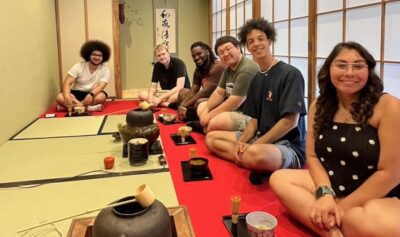

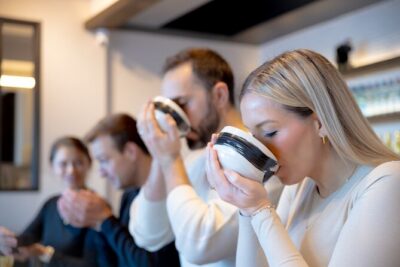
Matcha Making Class in Osaka with Authentic Japanese Sweets Set
Read our review →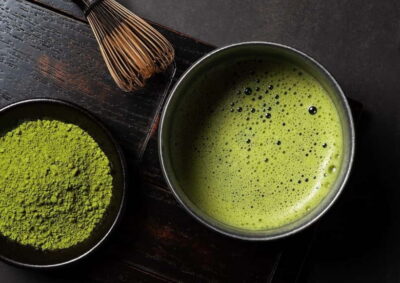
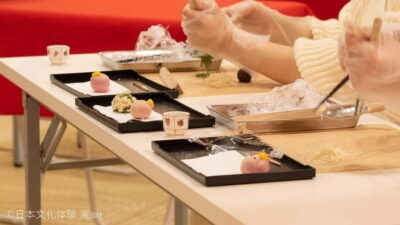
Japanese Traditional Sweets Making and Tea Ceremony
Read our review →
Osaka Temple Cool Foot Bath & Matcha Experience〈45min〉
Read our review →
Samurai Show, Tea Ceremony, Japanese Traditional Activities
Read our review →
Browse the lists this tour appears in