
Reviewed · DOTONBORI & NAMBA TOURS
Tea Ceremony Experience in Osaka Doutonbori
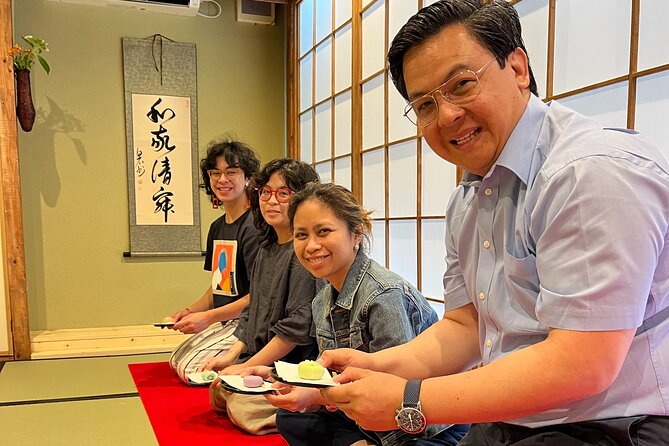
Osaka’s Dotonbori is all bright signs, loud streets, and quick meals. Upstairs from that commotion, this 45-minute tea ceremony offers a quiet lesson in one of Japan’s most careful traditions. You watch the host prepare matcha, learn the basic manners, then whisk and drink your own bowl with a seasonal sweet.
I like the small-group format, which gives the instructor time to correct your technique and answer questions. I also like the family-friendly caffeine-free matcha milk, a thoughtful touch if you are bringing children. The main consideration is the location: finding the right building can be tricky, and children under five may not be admitted to the regular plan.
In This Review
- Key points at a glance
- A quiet tea room in the middle of Dotonbori
- What happens during the 45-minute session
- The hosts make the difference
- A hands-on lesson, not just a demonstration
- Matcha, sweets, and the family question
- Why the Dotonbori setting works
- What you get for $20.69
- Who will enjoy this Osaka activity
- Booking, timing, and small practical details
- Should you book the Dotonbori tea ceremony?
- FAQ
- Where does the tea ceremony take place?
- How long does the tea ceremony last?
- Do I make my own matcha?
- Is a Japanese sweet included?
- Can children take part?
- How many people can join the activity?
- Can I cancel for a refund?
Key points at a glance
- A calm room above Dotonbori: Step away from Osaka’s noisy restaurant district without leaving central Chuo Ward.
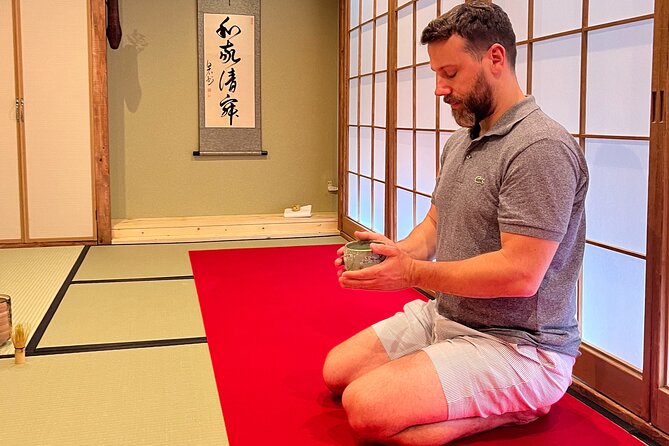
- You make your own matcha: Watch the host first, then use the tools yourself and drink the tea you prepare.
- Clear cultural instruction: Learn about ceremony etiquette, the meaning of the movements, and the tea tradition’s links to samurai society.
- Hosts with a personal touch: Instructors including Kazu, Mai, and Soda have guided guests through the process in friendly English.
- Good for families: Children can receive caffeine-free matcha milk, but contact the provider before bringing anyone under five.
- Low-cost cultural stop: At $20.69 per person, it is an accessible way to add a hands-on Japanese activity to a Dotonbori day.
A quiet tea room in the middle of Dotonbori
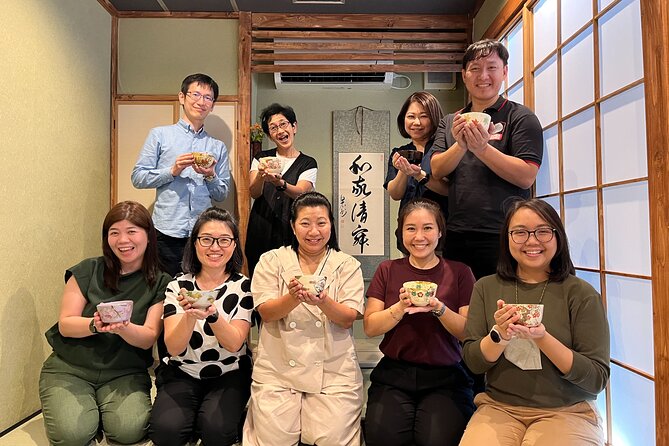
The appeal here is the contrast. You meet at Tea Ceremony Osaka The Osaka, at 1-chome Higashi-5-26, Dotonbori Building, second floor. The address puts you right in central Osaka, close to the famous food and entertainment streets, yet the ceremony itself is designed to slow the pace.
This is not a grand temple setting or a full-day cultural program. It is a short, informal introduction held indoors. That makes it easy to fit between sightseeing, shopping, and dinner, but it also means you should set your expectations correctly. You are getting a focused lesson and tasting, not an exhaustive study of every school of Japanese tea.
The room’s quiet rhythm is part of the experience. The teacher’s movements, the sound of the tools, and the pause before drinking the tea create a marked change from the streets below. Several people found this calm especially welcome at the end of a long Japan trip.
More of Dotonbori and Namba after dark:
- Osaka Local Foodie Walking Tour in Dotonbori and Shinsekai
★ 5.0 · 985 reviews - Osaka: Dotonbori District River Cruise with Drink Discount
★ 4.2 · 876 reviews - Ultimate Osaka Walking Tour: Castle, Dotonbori & Hidden Gems
★ 5.0 · 862 reviews
What happens during the 45-minute session
The activity begins with an explanation of the tea ceremony’s cultural role. Your instructor discusses its development as a Japanese art form dating back to the 16th century, along with the customs that shape the preparation and drinking of matcha.
You learn that the ceremony is not simply about making green tea. The arrangement of the tools, the order of movements, the way the bowl is handled, and the respect shown between host and guest all matter. One particularly interesting point covered in the lesson is the tea room’s historic role among samurai, who used tea gatherings as a setting for conversation about politics and strategy.
The instructor then demonstrates the preparation. Watch closely as the host handles the bowl, scoop, whisk, and other equipment in the correct order. This demonstration gives you a useful frame for the hands-on portion, since the process can look simple until you try to repeat it yourself.
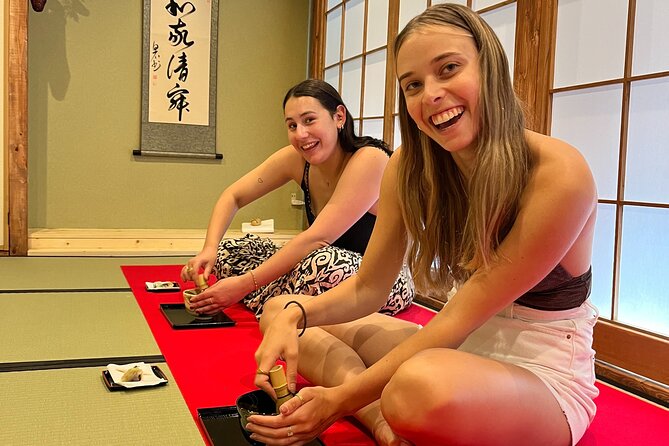
After watching, you make your own matcha. You are not left to guess what to do. The teacher guides you through the steps and shows you how to whisk the tea into a smooth, foamy drink. The interactive part is more memorable than simply watching a professional, and it gives you a better sense of the care behind an everyday bowl of matcha.
You also learn how to serve and drink the tea properly. A traditional Japanese sweet is served with the matcha, usually reflecting the season. The sweet is not just a snack on the side. It balances matcha’s grassy, slightly bitter flavor and forms part of the traditional tasting sequence.
The session ends back at the same meeting point. The advertised duration is about 45 minutes, though one description of the experience called it roughly an hour. Plan for the stated 45-minute session and allow a little extra time if your group has questions or moves at a relaxed pace.
The hosts make the difference
The experience is led by instructors with more than a decade of teaching experience, and the individual host can vary. Kazu is described as warm, relaxed, and playful, even using light sound effects and demonstrating the traditional foot shuffle in an approachable way.
Mai has guided people through the history, preparation, and drinking customs with a friendly manner. Soda has also led sessions, explaining the steps before letting the group prepare its own tea. The important point for you is that the class is not presented as a silent ritual you must simply observe.
English communication is part of the experience, and the teaching style is conversational. That helps when you want to ask why a movement matters or how to hold the bowl. It also makes the class suitable for first-time visitors who may know little about matcha beyond its modern café popularity.
The instructors also appear attentive to the small practical moments that can affect a visit. In one case, a host helped when a phone was accidentally taken by another participant and waited while it was returned. That sort of care is valuable in a short activity, where a small problem could otherwise spoil the mood.
A hands-on lesson, not just a demonstration
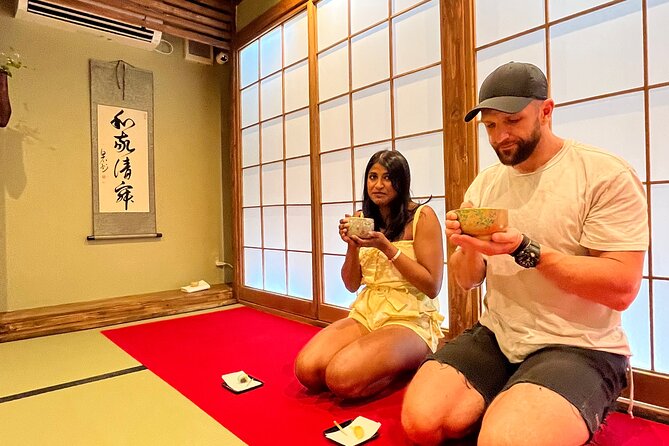
Many cultural activities give you a short explanation, a photo opportunity, and little else. This one gives you a job to do. You watch the tea master first, then repeat the process yourself.
That shift from watching to making is the strongest feature of the class. You notice the texture of the tea, the effort needed to whisk it, and the difference between a casual cup and tea prepared with formal attention. Your first bowl may not look exactly like the instructor’s, and that is part of the fun.
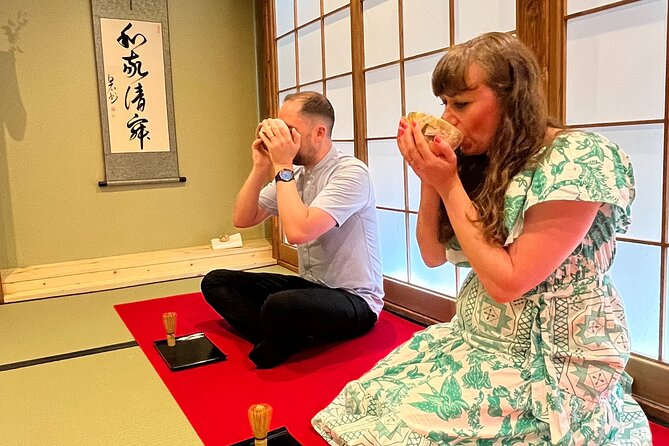
The lesson also covers manners that are easy to miss if you only visit a tea shop. You learn the proper way to receive the bowl, how to appreciate the sweet, and how to drink the matcha respectfully. These details give the activity more weight than a standard cooking demonstration.
At the same time, this is a beginner class. You should not expect to master the full discipline of tea ceremony in one sitting. The value lies in gaining a clear introduction and enough practical knowledge to recognize the care involved when you see tea prepared again.
More tea ceremonies and matcha sessions:
- Osaka: Tea Ceremony Experience
★ 4.9 · 1,426 reviews - Matcha Making Class in Osaka with Authentic Japanese Sweets Set
★ 5.0 · 509 reviews - Osaka: Matcha Making Experience with Japanese Sweets
★ 5.0 · 146 reviews - Osaka: Japanese Traditional Sweets Making and Tea Ceremony
★ 4.7 · 118 reviews
Matcha, sweets, and the family question
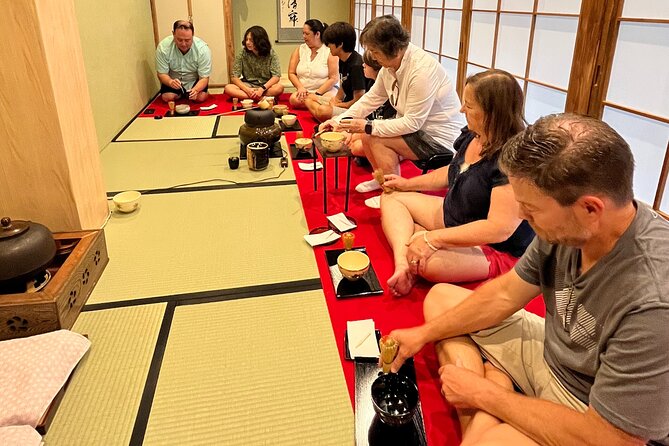
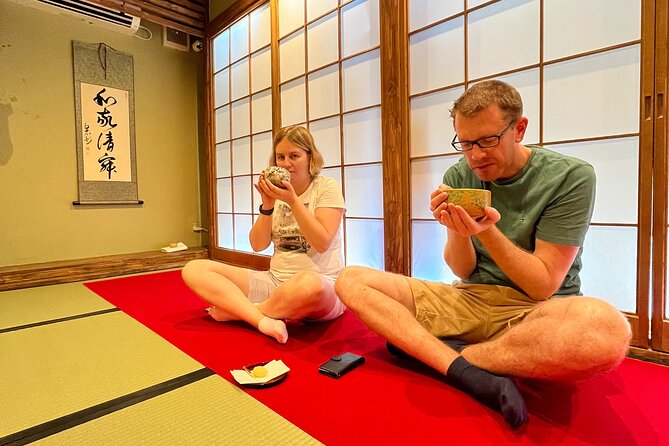
The tea itself is the main tasting, with a traditional Japanese sweet served alongside it. Matcha has a distinct flavor that can be grassy, earthy, and bitter, especially if you are used to sweetened tea drinks. The sweet helps soften that edge.
Children are included in the family-friendly plan, but regular matcha may not be suitable for them because it contains caffeine. A caffeine-free matcha milk option is available for children. This lets younger participants take part in the ritual without being expected to drink the standard tea.
There is an important age rule. If you plan to bring a child under five, contact the provider in advance. Children under five may not be allowed into the regular plan, even when accompanied by an adult who has purchased a ticket. Do not assume a paid adult seat automatically covers a very young child.
For older children, the activity works best when they can listen, handle the tools carefully, and take part in a quiet setting. The teacher’s interactive approach helps, but this is still a formal cultural lesson rather than a free-play activity.
Why the Dotonbori setting works
Dotonbori is one of Osaka’s most crowded and energetic areas. It is famous for food, neon, canal-side views, and late-night activity. That makes the tea room a useful pause in your sightseeing day.
You do not need to travel across the city to reach a traditional experience. You can pair the ceremony with a meal in Dotonbori, a walk through the surrounding shopping streets, or an evening visit to Osaka’s entertainment district. The short duration keeps the activity from taking over your schedule.
The setting is also a reminder that Japanese culture is not confined to remote temples or historic villages. A tea ceremony can exist in a modern commercial district and still retain its focus on manners, attention, and hospitality.
The drawback is that an address in Dotonbori does not guarantee an effortless arrival. The instructions specifically warn that some map links may point to the wrong place. Search Google Maps for Tea Ceremony Osaka The Osaka, and look for 1-chome Higashi-5-26. The word Higashi, meaning east, is important. The commonly mistyped address 1-5-26 may lead you astray.
Give yourself time to find the building and reach the second floor. The mobile ticket is convenient once you arrive, but it does not remove the need to check the address carefully.
What you get for $20.69
At $20.69 per person, this is priced as an easy add-on rather than a major splurge. You receive instruction, a demonstration, the chance to prepare and drink your own matcha, and a Japanese sweet. You also get a short cultural lesson that helps explain why the ceremony is performed as it is.
The price looks especially fair if you want a hands-on activity but do not want to commit to a long class or a formal costume package. You do not need to spend half a day getting to a distant venue, and the central location makes it simple to combine with other Osaka plans.
The value depends on what you want from a tea ceremony. If you are seeking a highly formal, traditional setting with elaborate clothing, a long sequence of rituals, or a private master-led appointment, this short share plan may feel basic. If you want a clear introduction, friendly guidance, and the chance to try the tools yourself, the cost is easier to justify.
The shared plan is intended for people comfortable attending with others. The group can include as many as 15 participants, though some sessions have been much smaller, with only a few couples or around six people. A smaller group gives you more personal attention. A full group may feel less intimate, but the instructor still leads everyone through the same steps.
Who will enjoy this Osaka activity
I would recommend it to first-time visitors who want cultural context without a long lecture. The history is explained in plain terms, then connected to things you can see and do with your own hands.
It is also a good fit for families with children old enough to follow instructions. The caffeine-free matcha milk removes one concern, while the practical activity gives children something concrete to focus on.
Couples and solo visitors can use it as a peaceful break from Osaka’s crowded center. It is also a sensible choice for the final day of a Japan trip, when you may want one calm, meaningful activity rather than another busy attraction.
You may want to skip it if you dislike bitter tea, have no interest in etiquette, or prefer a strictly private experience. The shared plan is social by design, and the ceremony asks you to sit quietly and pay attention for part of the session.
Booking, timing, and small practical details
Your booking confirmation arrives at the time of purchase, and the activity operates near public transportation. The mobile ticket means you can keep the reservation on your phone rather than carrying a printed voucher.
Use Google Maps rather than relying blindly on the map pin connected to the address. Search for the activity name, then confirm Higashi-5-26 and the second-floor location before setting out.
The experience offers free cancellation when you cancel at least 24 hours before the local start time. Cancellations or changes made less than 24 hours ahead are not refunded or accepted, so check your Osaka plans before booking.
If you need to cancel, remember that the cut-off follows Osaka local time. That detail matters if you are arranging the activity from another time zone.
Should you book the Dotonbori tea ceremony?
Book it if you want a short, affordable, hands-on introduction to Japanese culture in a central Osaka location. The combination of a clear demonstration, your own matcha preparation, traditional sweets, and practical etiquette gives the session more substance than a simple tasting.
I especially like it for families, first-time Japan visitors, and anyone who wants a quiet counterpoint to Dotonbori’s noise. Choose another option if you want an elaborate formal ceremony or a private, highly traditional setting.
Before booking, confirm the address, allow time to find the second-floor venue, and contact the provider if a child under five is coming. With those points handled, this is a well-priced way to slow down, learn something useful, and leave Osaka with more than another photograph of the neon streets.
FAQ
Where does the tea ceremony take place?
It takes place at Tea Ceremony Osaka The Osaka, at 1-chome Higashi-5-26, Dotonbori Building, second floor, in Chuo Ward, Osaka.
How long does the tea ceremony last?
The activity lasts approximately 45 minutes. One description of the session refers to an experience of about one hour, so allowing a little extra time is sensible.
Do I make my own matcha?
Yes. The instructor first demonstrates the ceremony and teaches you the customs, then you can prepare and drink your own matcha tea.
Is a Japanese sweet included?
Yes. The experience includes traditional Japanese sweets served with the matcha.
Can children take part?
The activity is family-friendly, and caffeine-free matcha milk is available for children. If you are bringing a child under five, contact the provider in advance, since children under five may not be admitted to the regular plan.
How many people can join the activity?
The maximum group size is 15 people. The share plan is designed for participants attending together with other people.
Can I cancel for a refund?
You can receive a full refund if you cancel at least 24 hours before the local start time. Cancellations or changes made less than 24 hours before the start are not accepted or refunded.
Just added around Osaka
- Nara Day Trip from Osaka with a Licensed Guide★ 5.0 · 3 reviews
- Osaka Early Morning Osaka Castle Tour Avoid Crowds★ 5.0 · 3 reviews
- Guided Tour of Some Attractions in Osaka by Private Car★ 5.0 · 3 reviews
- Private Transfer Between Kyoto and Kansai Airport KIX★ 5.0 · 3 reviews
- Shared Arrival Transfer: Osaka Itami Airport to Osaka City★ 5.0 · 3 reviews
- Osaka: Sushi Making Class and Dotonbori Food Tour★ 4.7 · 3 reviews
- Osaka Night Photography Workshop★ 5.0 · 3 reviews
- Kyoto Full day Tour Kinkakuji, Kiyomizu-dera and Fushimi Inari★ 4.5 · 3 reviews
Dotonbori & Namba Tours, compared.

Osaka Local Foodie Walking Tour in Dotonbori and Shinsekai
Read our review →
Dotonbori District River Cruise with Drink Discount
Read our review →
Ultimate Osaka Walking Tour: Castle, Dotonbori & Hidden Gems
Read our review →

Dotonbori River Cruise with Glico Sign & Neon Views
Read our review →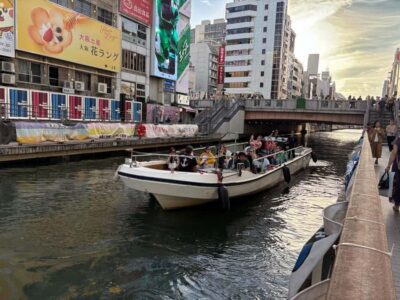
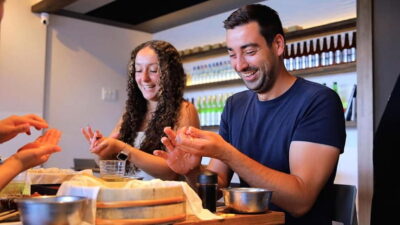
Roll and Authentic Sushi Making Class in Dotonbori
Read our review →Browse the lists this tour appears in