
Reviewed · OSAKA NIGHT TOURS
Osaka Night Photography Workshop
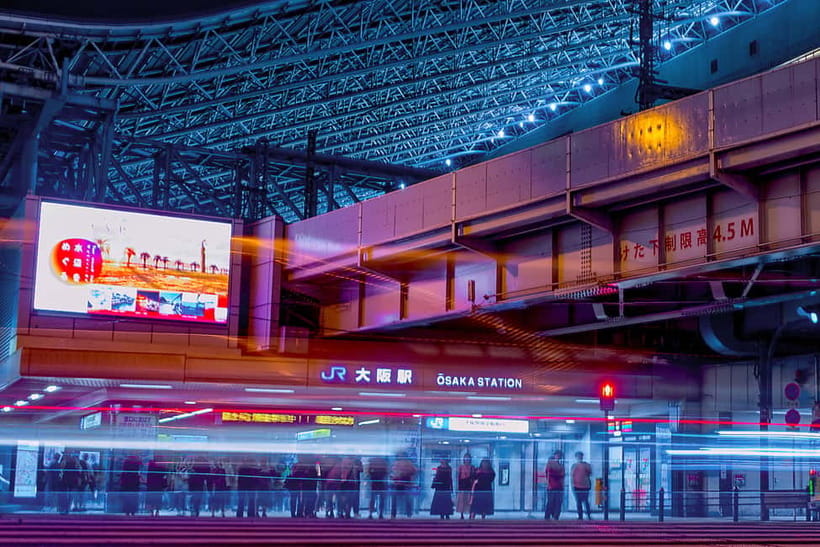
Osaka turns into a photographer’s classroom after dark. With Irven Lewis, you’ll work from the neon glow of Dotonbori through Nipponbashi and Shinsekai, learning how to make sharp, well-exposed night images instead of simply pointing at bright signs. The route finishes in Tennōji after a train ride, with plenty of room for extra shots.
I like the private format, which lets Irven match the pace to your skill rather than giving a fixed lecture to a crowd. I also like the practical focus on manual settings, tripods, light trails, and timing. The main caution is simple: three hours can involve a lot of walking, and the route may cover so much ground that your battery gives out before you do.
In This Review
- Key points at a glance
- Why Osaka works so well at night
- Starting at Dotonbori with difficult light
- Nipponbashi and the value of changing locations
- Shinsekai for a more nostalgic Osaka mood
- The train to Tennōji and the final shooting stretch
- What you will actually learn
- How the private format affects the experience
- Is $200 good value for three hours?
- A note about the Osaka and Kyoto details
- Who should book this Osaka workshop?
- Final decision: book it for coaching, not just sightseeing
- FAQ
- Where does the Osaka Night Photography Workshop take place?
- How long does the workshop last?
- How much does the workshop cost?
- Is this a private activity?
- Who leads the workshop?
- Is the workshop suitable for beginners?
- What cameras can I use?
- Is the workshop conducted in English?
- Is food included?
- What should I bring?
- Can I cancel the booking?
- Can I pay later?
Key points at a glance
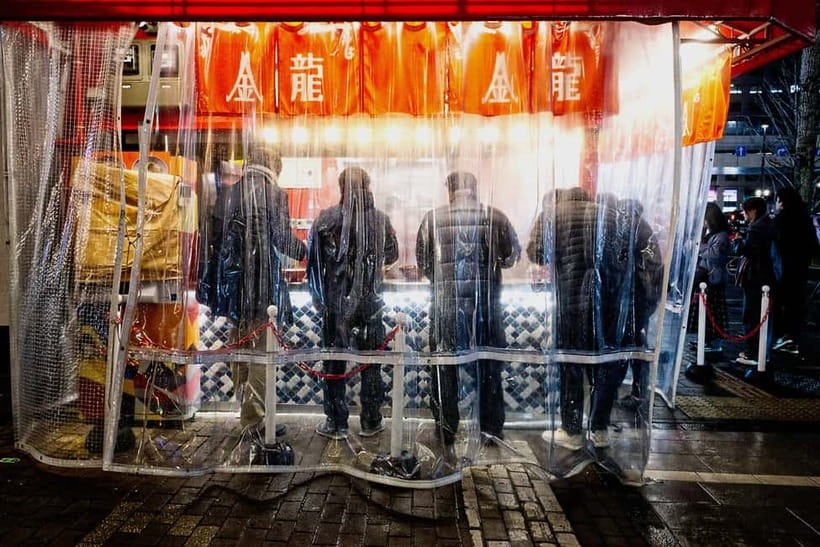
- Dotonbori after dark: Start among Osaka’s famous signs, crowds, reflections, and strong artificial light.
- Real camera practice: Work with aperture, ISO, shutter speed, composition, framing, and manual exposure.
- A route with changing moods: Move from Dotonbori to Nipponbashi and old-style Shinsekai, then continue to Tennōji.
- Private coaching with Irven Lewis: Get guidance shaped around your camera and current ability.
- Good for every skill level: Beginners can learn camera basics, while experienced photographers can request less familiar locations.
- Bring spare power: One participant covered so much ground that an extra battery became essential.
Why Osaka works so well at night
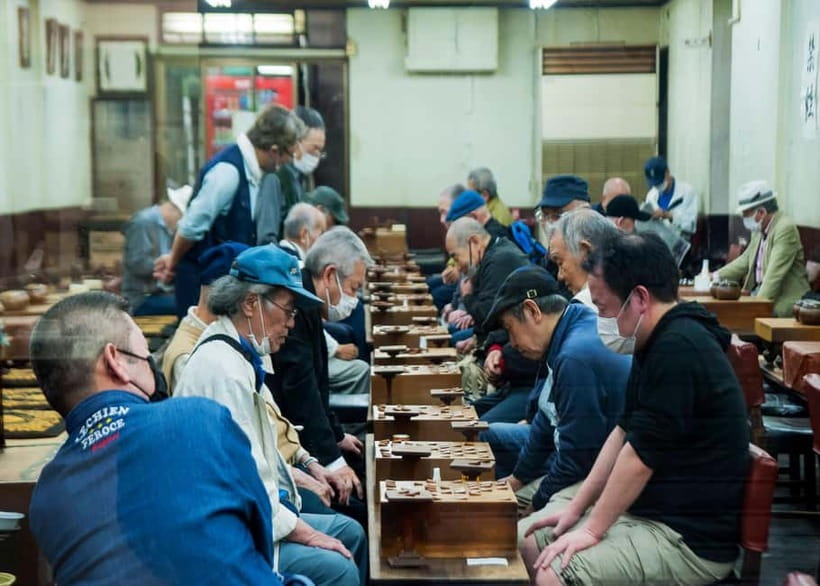
Osaka gives you several different types of night photography in a short session. Dotonbori offers bold color and reflected light. Nipponbashi brings a different urban feel, while Shinsekai has older streets and a more nostalgic character. Tennōji adds another set of possible subjects at the end of the route.
That variety matters because good night photography is not only about neon. You need to learn how your camera reacts to bright signs, dark faces, moving people, deep shadows, and mixed light. This workshop gives you several settings to handle rather than keeping you in one easy location.
You also get a guide who can help decide what deserves your attention. In a crowded district, it is easy to spend twenty minutes photographing the same sign from the same angle. Irven’s role is to point out subjects, suggest ways to frame them, and help you understand why one shot works better than another.
More traditional craft workshops:
- 1.5〜2 Hours Traditional Kintsugi Work Shop in Namba Osaka
★ 5.0 · 75 reviews - Osaka: Private Japanese Calligraphy Experience
★ 5.0 · 66 reviews - From Osaka: Sakai Knife Maker or Blacksmith Walking Tour
★ 4.9 · 64 reviews
Starting at Dotonbori with difficult light
Dotonbori is the natural place to begin. Its famous streets are full of signs, shopfronts, pedestrians, waterways, and reflections. It is visually strong, but it is not an easy place for a beginner to photograph well.
The bright signs can fool your camera’s meter. A shutter speed that works for a dark street may wash out a large illuminated sign. A setting that protects the sign may leave people and buildings too dark. This is where the exposure triangle becomes useful rather than abstract.
You’ll work with:
- Aperture, which controls the lens opening and affects depth of field.
- Shutter speed, which controls motion and can create blur or light trails.
- ISO, which brightens the image but can add digital noise.
Irven also teaches composition and framing, so the session is not just a technical exercise. You might learn to use reflections, repeating signs, leading lines, or a person passing through the frame. The goal is to show the character of Osaka, not merely record that you were there.
For absolute beginners, this first stop can feel like a lot at once. That is why the private group matters. You can stop and ask how to change a setting, where to find manual mode, or why an image looks too dark. More experienced photographers can use the same location to work on timing, unusual angles, and stronger visual structure.
Nipponbashi and the value of changing locations
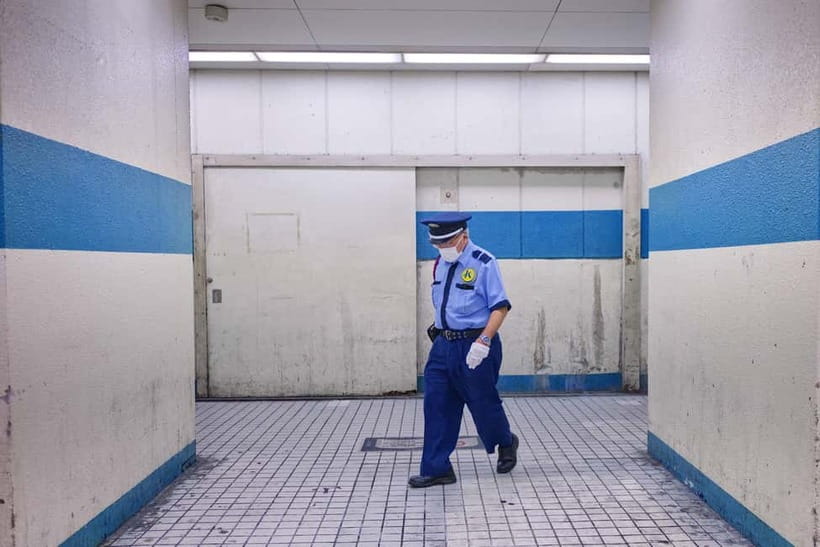
The move to Nipponbashi keeps the workshop from becoming a single-location photo walk. You’ll continue practicing, but with a different set of subjects and light conditions. The precise route can be adjusted around your interests and pace, which is useful if you prefer street scenes, architecture, signage, or people.
This part of the evening is also where coaching can become more personal. A beginner may need help holding the camera steady or choosing a starting shutter speed. An experienced photographer may want help finding a less obvious viewpoint or making a familiar street look less predictable.
The workshop supports DSLR and mirrorless cameras, but you do not need expensive gear. Smartphone users are welcome too. That makes the instruction practical for couples or private groups with different equipment. The techniques may differ from one device to another, but the basic ideas of light, timing, framing, and subject choice still apply.
If you use a camera with interchangeable lenses, bring the equipment you can comfortably carry. The evening includes walking, and a heavy bag can become a burden before the best scenes arrive.
Shinsekai for a more nostalgic Osaka mood
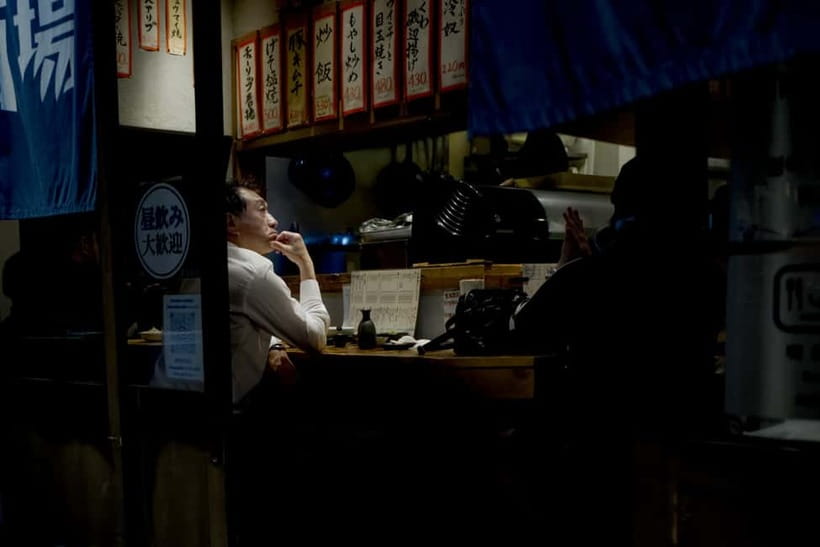
Shinsekai changes the tone of the route. Instead of relying only on modern neon, you’ll photograph streets with a more nostalgic feel. That contrast is one of the strongest reasons to choose this workshop over a standard sightseeing walk.
Here, composition may matter more than sheer brightness. Look for layered streets, older shopfronts, overhead signs, narrow views, and the contrast between warm and cool light. You’ll have chances to think about how much of the frame to include and how to make an ordinary street feel deliberate.
Night street photography also depends on timing. A person crossing at the right moment can give scale and life to a scene. A passing light can add movement. A quiet gap can produce a cleaner image. Irven’s coaching covers timing as well as camera settings, so you are learning when to press the shutter, not simply which buttons to use.
The drawback is that the route’s variety comes with physical demands. One three-hour session can cover a good deal of Osaka, and one participant specifically warned that there may be lots of walking. Wear comfortable shoes and avoid bringing more gear than you need.
More photoshoots and photo walks:
- Osaka: Private Vibrant Nighttime Photoshoot (Dotonbori)
★ 4.9 · 80 reviews - Kimono photoshoot-Includes 100 photo data
★ 5.0 · 21 reviews - Guided Photography Tour in Osaka: Capturing Memories
★ 4.5 · 20 reviews - Osaka Dotonbori Night Photoshoot – Private | Pro Photographer
★ 5.0 · 19 reviews
The train to Tennōji and the final shooting stretch
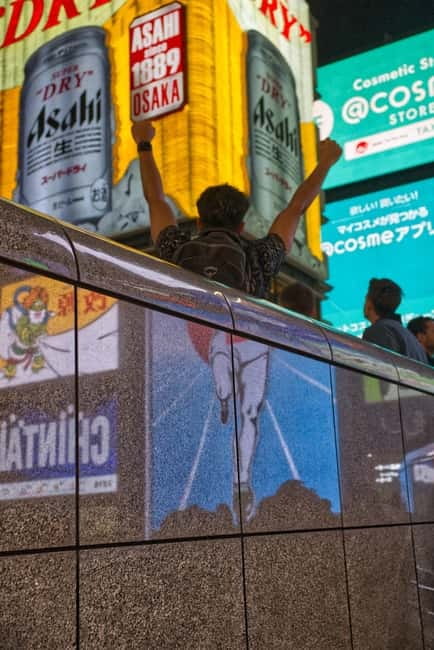
The route continues by train to Tennōji, where more photo opportunities await. The train ride gives the evening a sense of movement, but you should confirm the details of transport and any fare arrangements when booking, since the supplied information does not state whether train tickets are included.
Tennōji is the final area named in the route, and it gives you a chance to apply what you have learned. By this stage, you may be more comfortable changing settings without stopping to search through menus. You can also compare your early Dotonbori photographs with later work and see where your choices have improved.
This final section can be especially useful for a beginner. At the start, you may concentrate on getting a properly exposed image. Later, you can think about whether the subject is placed well, whether the frame feels crowded, and whether a slower shutter speed adds something useful.
For an experienced photographer, Tennōji can be a chance to ask for a different kind of help. You might request less familiar spots or focus on a particular technique. Irven has shown flexibility when clients asked to visit places outside his usual route, so it is worth raising your interests before the session begins.
What you will actually learn
The workshop is built around hands-on practice rather than a long explanation followed by independent wandering. You’ll be guided through the process of taking control of your camera and then applying each setting to real Osaka scenes.
Expect attention to:
- Manual camera settings
- The exposure triangle
- Aperture and depth of field
- ISO and low-light image quality
- Shutter speed and motion
- Tripod use
- Light trails
- Composition and framing
- Timing and subject placement
Tripod work is a useful inclusion. At night, a tripod can help you use a slower shutter speed while keeping static parts of the frame sharp. It can also support light-trail images and illuminated scenes. The listing does not say whether a tripod is provided, so ask if you do not plan to bring one.
The optional evening focus on light trails and illuminated scenes fits the route well. Ask about this option in advance if it is a priority for you, since it is described as optional rather than guaranteed for every booking.
Photo review and feedback are also included. Constructive critique can be more useful than simply collecting many files. Irven can help you see why an image is weak, how a frame could be simplified, or which technical choice caused a problem.
How the private format affects the experience
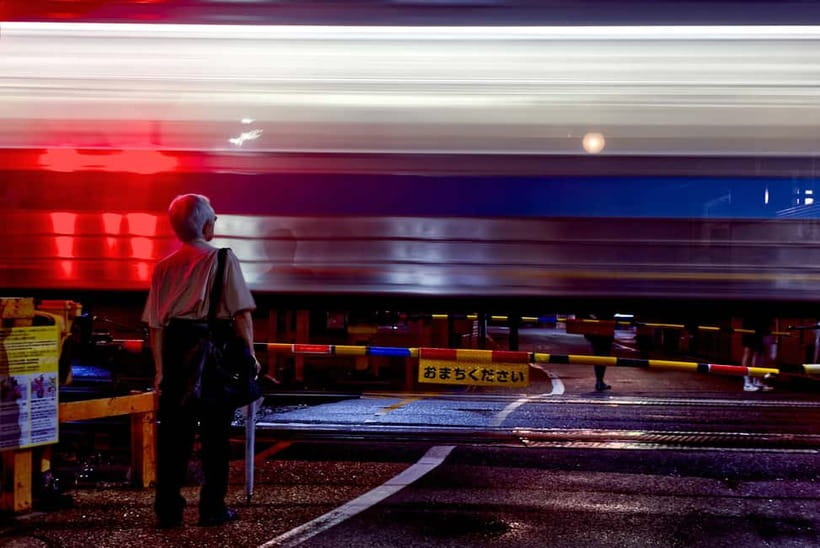
This is a private group activity, not a large photo walk. That changes the pace. You can spend longer on a subject if you need more practice, or move on if a location does not interest you.
It also makes the session suitable for a wide range of ability. Absolute beginners can start with camera basics. Professionals can use Irven as a local photo guide and ask for specific spots or techniques. A private booking is particularly useful if one person wants technical instruction while another wants help with street composition.
Irven matched the pace to a novice photographer’s ability during one session, while also taking a client to locations outside his normal route when asked. That suggests you should be clear about your goals before the evening starts. Tell him whether you want a beginner lesson, a fast-moving location hunt, street portraits, architecture, light trails, or a mix.
The session is in English. It is wheelchair accessible, but the route includes walking through several districts and a train transfer. If you use a wheelchair or have mobility concerns, discuss the exact route and pace before booking rather than assuming every street section will be equally easy.
Is $200 good value for three hours?
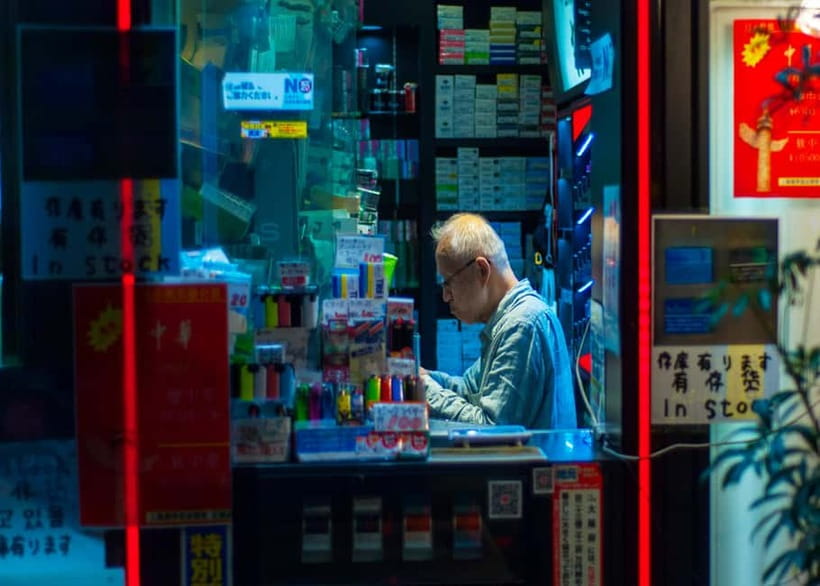
At $200 per person, this is not a budget photo walk. The value comes from the private instruction and the amount of personal attention, not from the number of hours alone.
If you are already comfortable with manual exposure and only want a guide to Osaka’s famous signs, you may find the price harder to justify. You could explore Dotonbori on your own and take plenty of snapshots. The workshop makes more financial sense if you want feedback, technical coaching, or access to a route shaped around your interests.
Beginners may get lasting value from learning how to use the camera properly instead of relying on automatic mode. A photographer who owns good equipment but rarely uses manual settings may also find the session worthwhile. Professionals and serious enthusiasts can treat the $200 as the cost of a private local guide who helps turn limited evening hours into a focused shoot.
Food is not included. Plan to eat before or after the workshop, or ask about the route timing if you need a meal break. The activity lasts three hours, and the information provided does not specify whether transportation costs or equipment rental are included.
Free cancellation is available up to 24 hours before the activity for a full refund. You can also reserve now and pay later, which helps if your Osaka plans are still changing.
A note about the Osaka and Kyoto details
The main experience description is clearly an Osaka night route through Dotonbori, Nipponbashi, Shinsekai, and Tennōji. However, the included features also name Kyoto locations such as Kiyomizu-dera, Yasaka Pagoda, Fushimi Inari Taisha, Gion, and the Shirakawa Canal.
That is a significant detail to clarify before paying. The activity is titled and described as an Osaka workshop, while the Kyoto places appear to belong to a broader photography offering. Ask Irven or Shoot Travel Japan which city and stops apply to your chosen booking. Do not assume a three-hour Osaka session includes a trip to Kyoto.
Who should book this Osaka workshop?
You should consider booking if you want:
- A private lesson instead of a group lecture
- Help moving beyond automatic camera settings
- A local route through several Osaka districts
- Guidance with night scenes, light trails, and reflections
- A flexible pace matched to your ability
- A photo guide who can consider special location requests
- Support for a DSLR, mirrorless camera, or smartphone
You may want a different activity if you dislike walking, want a very slow session in one place, or already have strong night photography skills and only need a quick list of locations. The workshop covers a lot in three hours, so it favors active practice over a relaxed café-to-café evening.
Final decision: book it for coaching, not just sightseeing
I would book this experience if improving your photography is part of the point of your Osaka visit. The route gives you neon, older streets, changing light, and a final stop in Tennōji, while the private format lets Irven focus on your actual skill level.
The best preparation is to arrive with a charged camera, spare batteries, comfortable shoes, and a clear idea of what you want to photograph. If you hope to visit unusual locations or concentrate on light trails, say so before the workshop. Also confirm the Osaka route, the Kyoto references, tripod arrangements, and train costs.
For a beginner, this can turn a confusing night shoot into a useful lesson. For a serious photographer, it offers local direction and flexible access to Osaka scenes. Just allow for plenty of walking and a fast pace, and bring enough battery power for an evening that may cover more ground than expected.
FAQ
Where does the Osaka Night Photography Workshop take place?
The main route begins in Dotonbori, continues to Nipponbashi and Shinsekai, and then goes by train to Tennōji. The activity is based in Osaka, Japan.
How long does the workshop last?
The workshop lasts three hours.
How much does the workshop cost?
The price is $200 per person.
Is this a private activity?
Yes. The experience is offered as a private group.
Who leads the workshop?
The photography guide is Irven Lewis.
Is the workshop suitable for beginners?
Yes. It is designed for absolute beginners learning camera basics as well as professionals seeking a local photography guide.
What cameras can I use?
DSLR cameras, mirrorless cameras, and smartphones are welcome.
Is the workshop conducted in English?
Yes. The live guide speaks English, and English is the listed language.
Is food included?
No. Food is not included.
What should I bring?
Bring comfortable shoes. Extra camera batteries are also a sensible choice because the route may cover several Osaka areas and involve plenty of shooting.
Can I cancel the booking?
Yes. You can cancel up to 24 hours in advance for a full refund.
Can I pay later?
Yes. You can reserve the activity and pay later, so you do not need to pay anything at the time of booking.
More Tours After Dark
- Osaka Nighttime tour
★ 5.0 · 270 reviews - Osaka After Dark: Small-Group Night Food Tour (Max 6)
★ 4.5 · 245 reviews - Osaka: Bar-Hopping Night Tour in Namba
★ 4.7 · 117 reviews - Osaka: Dark Side of Osaka Night Walking Tour
★ 4.9 · 89 reviews
Just added around Osaka
- Nara Day Trip from Osaka with a Licensed Guide★ 5.0 · 3 reviews
- Osaka Early Morning Osaka Castle Tour Avoid Crowds★ 5.0 · 3 reviews
- Guided Tour of Some Attractions in Osaka by Private Car★ 5.0 · 3 reviews
- Private Transfer Between Kyoto and Kansai Airport KIX★ 5.0 · 3 reviews
- Shared Arrival Transfer: Osaka Itami Airport to Osaka City★ 5.0 · 3 reviews
- Osaka: Sushi Making Class and Dotonbori Food Tour★ 4.7 · 3 reviews
- Kyoto Full day Tour Kinkakuji, Kiyomizu-dera and Fushimi Inari★ 4.5 · 3 reviews
- Osaka: Koji Kinutani Tenku Art Museum Entry Ticket★ 3.1 · 3 reviews
Osaka Night Tours, compared.
Osaka After Dark: Small-Group Night Food Tour (Max 6)
Read our review →

Hidden Gems and Bustling Districts of Osaka Night Tour
Read our review →Browse the lists this tour appears in