
Reviewed · OSAKA SAMURAI & NINJA EXPERIENCES
Osaka: Samurai Training Experience KENDO in Osaka
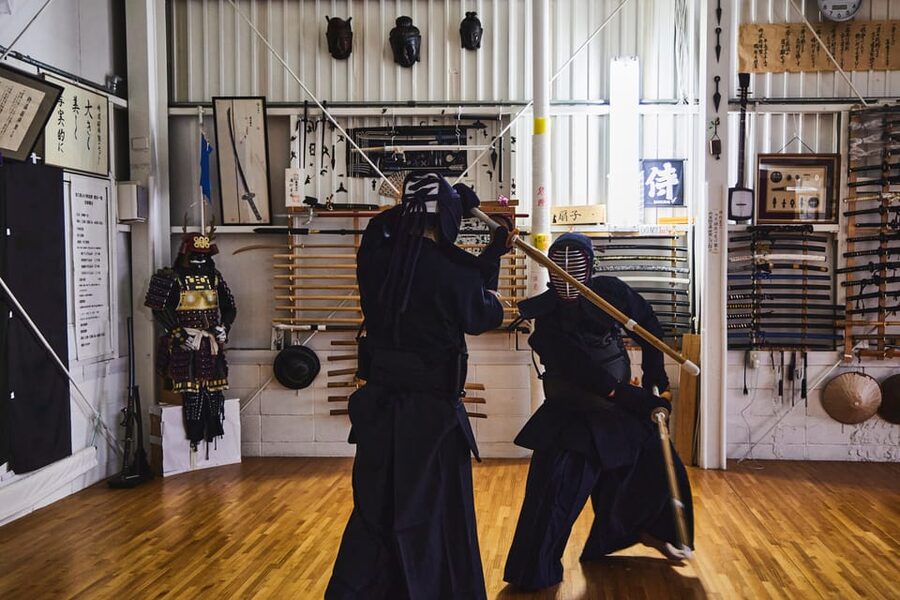
The striking thing here is that you do not just pose with a plastic sword. You learn the manners, movement, shouting, footwork, and controlled strikes of Kendo, then put on full armour and face a real sparring session in a working Osaka dojo. Toshi and his team keep the lesson friendly, clear, and serious about safety.
I like the mix of hands-on training and Japanese culture, and I like that the instructors adjust the session to your level instead of expecting athletic ability. The photo session is another smart touch, giving you a lasting souvenir. The main consideration is physical effort: the armour is safe and protective, but the footwork and repeated strikes can leave your legs and feet tired.
In This Review
- Key points to know before booking
- Entering an Osaka dojo, not a staged photo set
- The opening lesson: Samurai, Bushidō, and Reiho
- Getting dressed in dōgi, hakama, and bogu
- Learning stance, footwork, and the shinai
- Paired practice and controlled sparring
- Samurai photographs with a real sense of place
- How hard are two hours in Kendo armour?
- English instruction and personal attention
- Is $127 good value for two hours?
- Who should book this Osaka Kendo session?
- Should you book it?
- FAQ
- How long does the Osaka Kendo activity last?
- What languages are used during the session?
- Do I need previous Kendo or martial arts experience?
- Will I wear real Kendo armour?
- Can I spar during the activity?
- Are children allowed to participate?
- Is the activity suitable for older people?
- What should I bring?
- Can I cancel for a refund?
Key points to know before booking
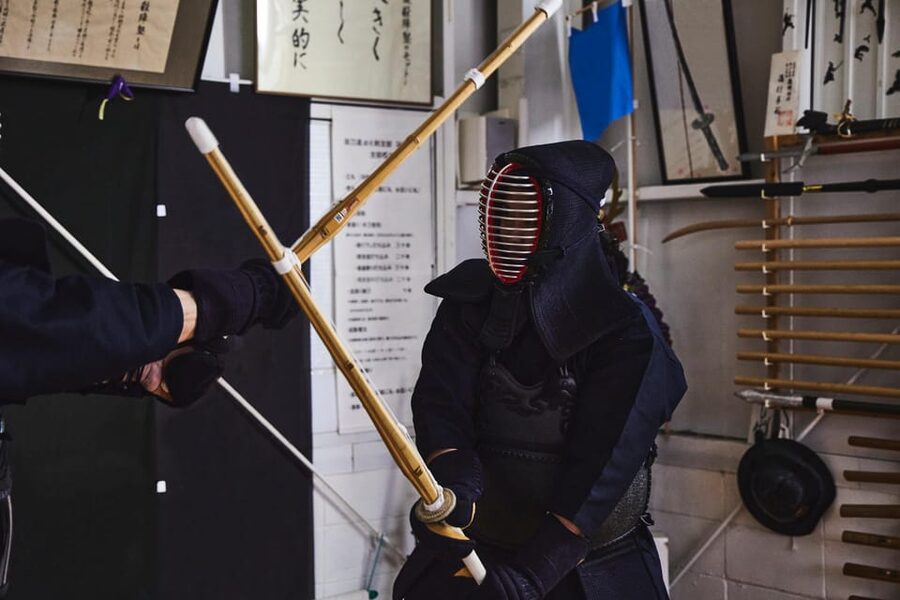
- Full Kendo equipment: Wear the dōgi, hakama, men, kote, dō, and tare, then train with a bamboo shinai.
- Real instruction: Toshi, assisted by staff such as Kumiko, Vicky, and Nao, teaches in English and Japanese.
- A proper cultural lesson: Learn about Samurai tradition, Bushidō, Reiho etiquette, Kendo rules, and the sport’s development.
- Match-style practice: After basic drills, you can spar with another participant and, when suitable, with the instructor.
- Photos inside the dojo: Pose in Kendo gear with Samurai props and capture action shots during the session.
- Beginner-friendly, but active: No previous martial arts experience is needed, though you should expect a real workout.
Entering an Osaka dojo, not a staged photo set
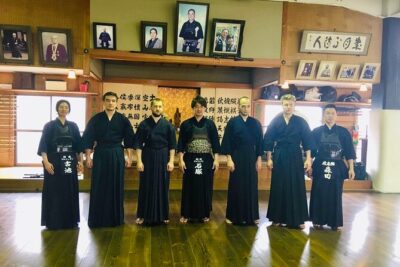
This activity takes place at a genuine Kendo training space in Osaka City. That distinction matters. The room is used for instruction, practice, and sparring, so the experience has the feel of a martial arts lesson rather than a costume attraction built only for photographs.
The training area is described as bright, spacious, and clean. That gives you room to move and makes the armour session feel less cramped. It also helps if you are bringing children or older family members who would rather watch part of the action before trying it themselves.
The tone is welcoming but not careless. Kendo begins with discipline and respect, and the instructors introduce those ideas before handing you a sword. You learn that the sport is built around focus, self-control, sincerity, and respect for the person opposite you.
That cultural frame gives the activity more weight. You are not simply learning how to hit a target with a bamboo sword. You are learning why Kendo places such importance on controlled movement, proper conduct, and the relationship between opponent and partner.
More samurai and ninja experiences:
- Samurai Training Experience KENDO in Osaka
★ 5.0 · 515 reviews - OSAKA NIGHT FUSION Japanese Taiko Kabuki Samurai Dance Show
★ 4.8 · 155 reviews - Osaka: A Modern Samurai, Kabuki, Taiko, & Dance Show
★ 4.5 · 66 reviews
The opening lesson: Samurai, Bushidō, and Reiho
The first part covers Samurai culture and the development of Kendo. You hear about Bushidō, often translated as the way of the warrior, and how modern Kendo reflects older martial values without being the same thing as historical battlefield combat.
You are also introduced to Reiho, the etiquette of Japanese martial arts. Bowing, preparation, attention, and respect are not decorative extras here. They form part of the practice, and learning them early helps you understand why a Kendo session looks more formal than a typical introductory sports class.
The explanations are given in English and Japanese. Toshi speaks English, and assistants help clarify points when needed. This is useful because the lesson includes unfamiliar terms, equipment names, and rules. You can ask questions as you go rather than nodding through a speech and hoping the important parts become clear later.
Several participants with no martial arts background found the teaching easy to follow because the instructors repeat and demonstrate movements patiently. That patience is especially useful when you are trying to remember posture, foot position, grip, and correct striking order at the same time.
Getting dressed in dōgi, hakama, and bogu
The costume change is part of the lesson, not a quick theatrical add-on. You put on the traditional Kendo uniform, including the dōgi and hakama, before adding protective equipment known collectively as bogu.
The armour includes:
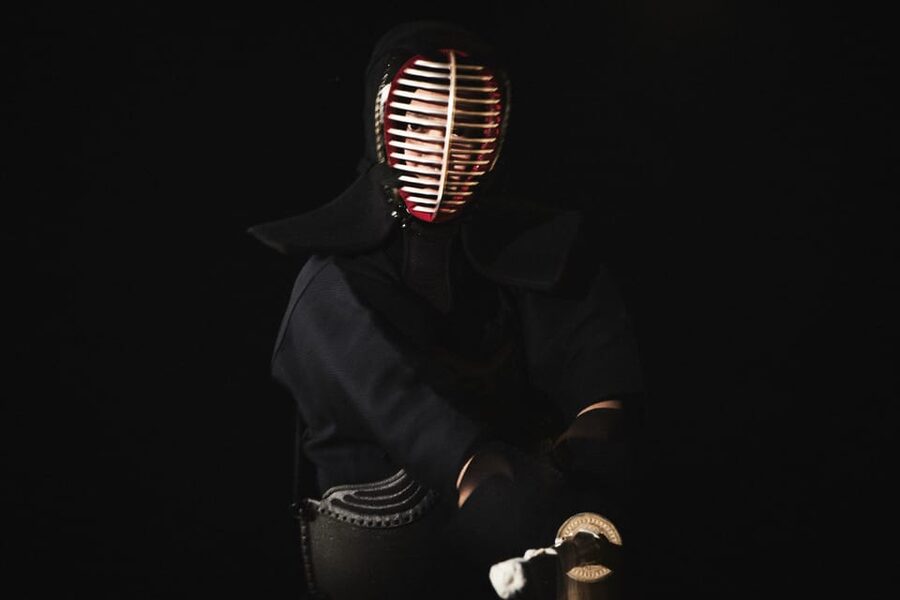
- Men, the protective helmet and face covering
- Kote, the padded gloves
- Dō, the chest and torso protector
- Tare, the waist and lower-body protection
You also receive a shinai, the bamboo sword used in Kendo. The equipment changes your sense of movement at once. Your vision is more limited once the men is on, your hands are protected by the kote, and the weight and structure of the armour make simple footwork feel more deliberate.
For the best fit, provide your height, weight, and gender when booking. That information helps the team prepare suitable equipment and is worth supplying carefully. A good fit matters for comfort, safe movement, and your ability to concentrate on the lesson instead of fussing with loose or tight armour.
The equipment is kept clean, and the training space is also described as clean. Still, remember that this is active gear. You will be wearing layers and moving repeatedly, so bring a drink. Alcohol and drugs are not allowed.
Learning stance, footwork, and the shinai
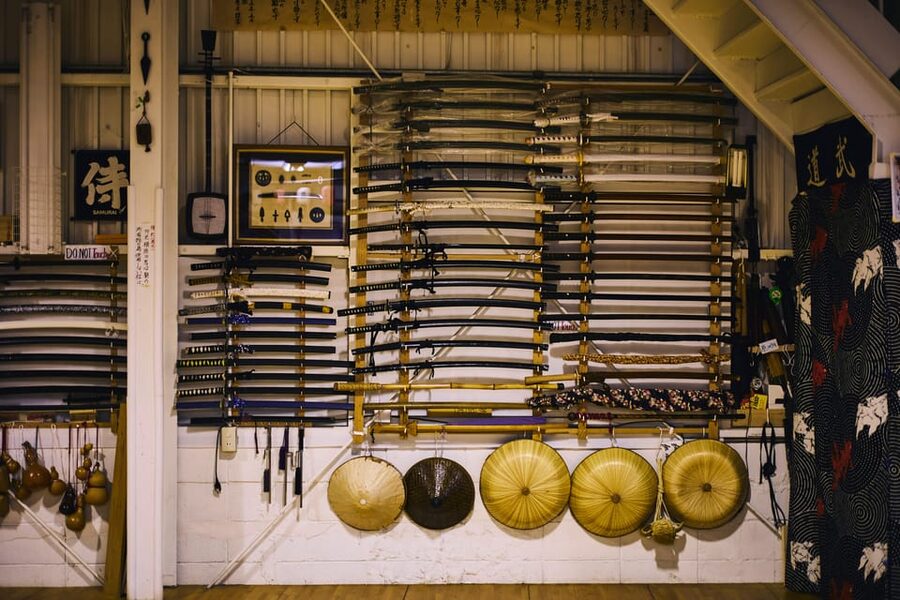
Before any combat, Toshi takes you through the basic position and movement of Kendo. You learn how to hold the shinai, stand correctly, move your feet, and make the main strikes.
The lesson builds in stages. You might first practise drawing or presenting the sword, then work through basic attacks. Later, the instruction can include blocks, counters, and defensive movement. This gradual order is one of the best features of the session because it gives complete beginners a clear path from unfamiliar equipment to controlled practice.
Kendo rewards timing and spirit, not raw strength. That is good news if you are not especially sporty. You do not need to arrive with martial arts experience, and the instructors let you work within your own ability.
You will, however, need to pay attention. The armour does not make the activity effortless, and correct footwork takes concentration. Several hours later, you might notice tired feet and legs, particularly if you commit fully to the drills. I would schedule this before a quiet evening rather than immediately before a long night of walking.
The calls and sounds of Kendo are part of the experience. You may be encouraged to shout as you practise, which helps with breath, energy, and focus. It can feel slightly awkward for the first few minutes, especially if you are a quiet person. That awkwardness usually fades once everyone is taking part.
A completely different way to spend a day in Osaka:
- Osaka Go Karting Tour with Funny Costume
★ 5.0 · 2,658 reviews - Osaka Castle: Museum and Tower Entry Ticket
★ 4.5 · 2,380 reviews - Osaka: Shinsekai Food Tour with 13-15 Dishes at 5 Eateries
★ 4.8 · 2,204 reviews - Osaka Food Tour: 13 Dishes at 5 Local Eateries
★ 5.0 · 2,149 reviews
Paired practice and controlled sparring
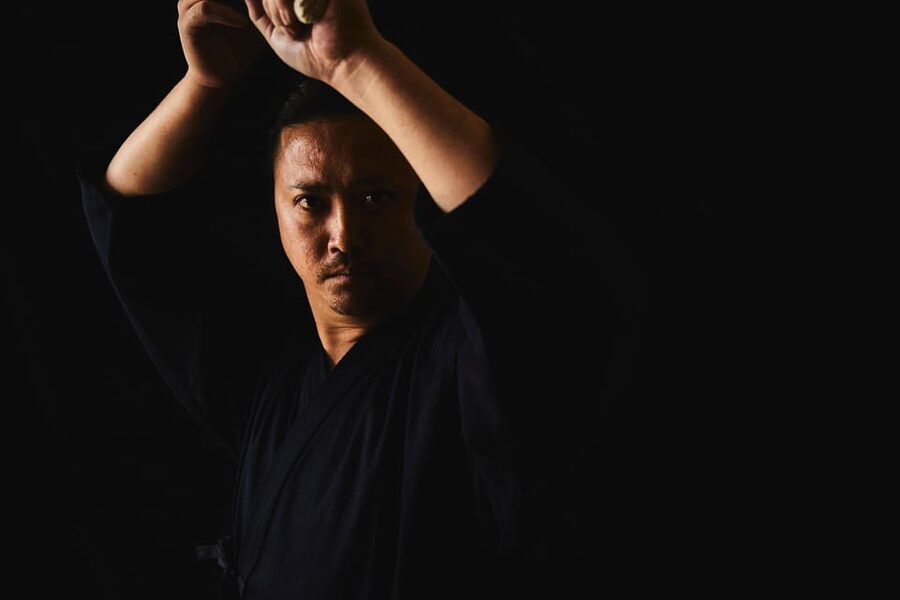
Once you have the basic movements, the class shifts from drills to paired practice. This is where the lesson becomes more than a costume session.
You practise with another participant when numbers and ability allow. The final section follows real Kendo rules in a match-style format, with attention to timing, spirit, accuracy, and control. The purpose is not to overpower your partner or swing wildly. It is to use the technique you have just learned.
Some sessions include sparring with Toshi or another skilled practitioner. This can be exciting because you get to test your reactions against someone who understands the sport far better than a first-time participant. The instructor keeps the exchange respectful and suitable for the people taking part.
If you are booking with a partner, friend, or family member, the pairing can add a playful competitive edge. One practical point is that different fitness levels or experience levels can affect the feel of the match. The instructors adjust the class, but you may enjoy it most if everyone in your group is comfortable with a moderate physical challenge.
The protective armour helps keep the session injury-free, but it is still a contact activity. Listen carefully to instructions, use the shinai as shown, and do not treat the match as a free-for-all. The fun comes from control.
Samurai photographs with a real sense of place
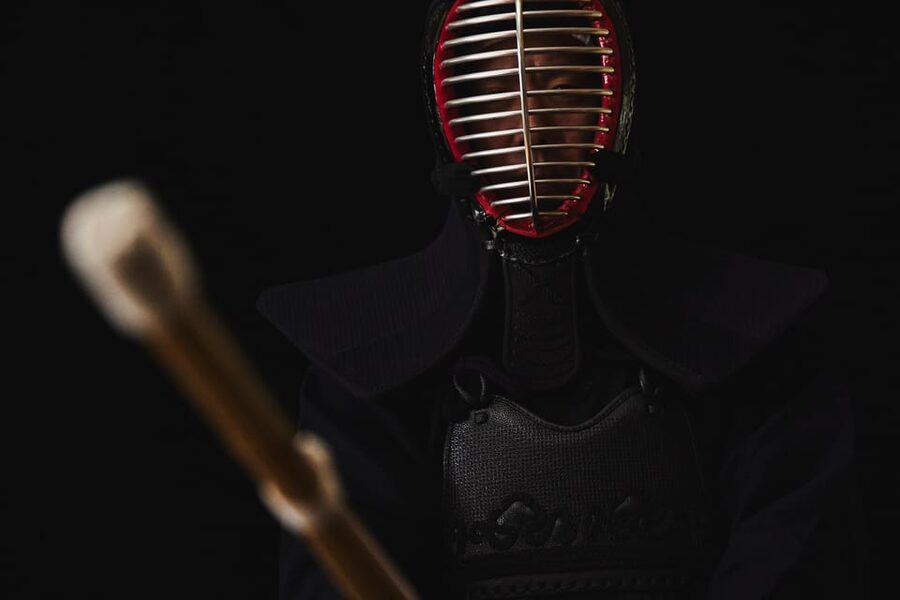
The photo session gives the activity a lighter ending. Inside the dojo, you can pose in your uniform and armour with Samurai items, swords, and other props. You may also have photos taken during practice, creating a mix of formal portraits and action images.
This works well because you have already learned how the equipment is worn and used. You are not simply dressing up for a picture. You have spent time learning the stance, holding the shinai, and following Kendo etiquette, so the photos carry more meaning.
The photo session is also helpful for family groups. Younger children may take part mainly by wearing uniforms, trying on armour, and posing. Children aged 3 to 5 do not receive the same training as adults, and the programme is chiefly a photo opportunity for them. Children under 2 cannot try Kendo.
Families with school-age children can find a good balance between instruction, photos, and practice. One family with a 10-year-old found the setting child-friendly, with clean equipment and an enjoyable final combat section. The activity can work well for children who like Samurai stories, anime, or physical play, provided they understand that the lesson includes rules and listening, not just sword swinging.
How hard are two hours in Kendo armour?
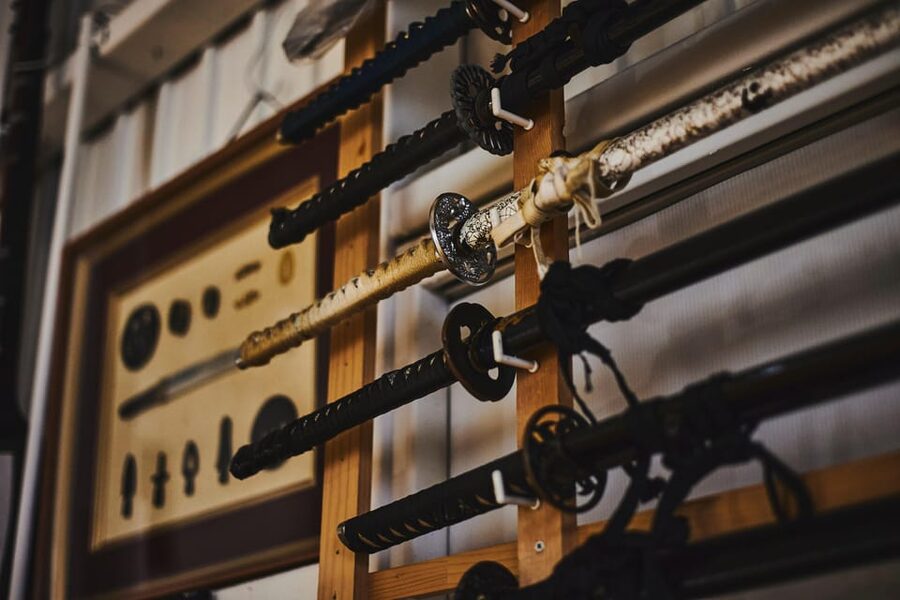
The advertised duration is two hours, though changing and extra time around the session can make your visit longer. One family was asked to arrive 30 minutes early for changing and received water and snacks afterward, making the total time close to three hours.
The physical level is moderate but real. You stand, step, strike, shout, and repeat movements while wearing protective gear. Fit participants have described it as a strong workout, while beginners have also managed it with patient guidance.
I would bring water or another drink and wear comfortable clothing under the uniform. The activity is wheelchair accessible, but the information does not specify how much of the active Kendo portion can be adapted for each individual. If you use a wheelchair, contact the provider before booking to discuss the practical details.
Participants over 76 may view the activity but cannot try Kendo. The programme is not suitable for people over 75, according to the booking information. That age rule is clear, so check it before paying.
English instruction and personal attention
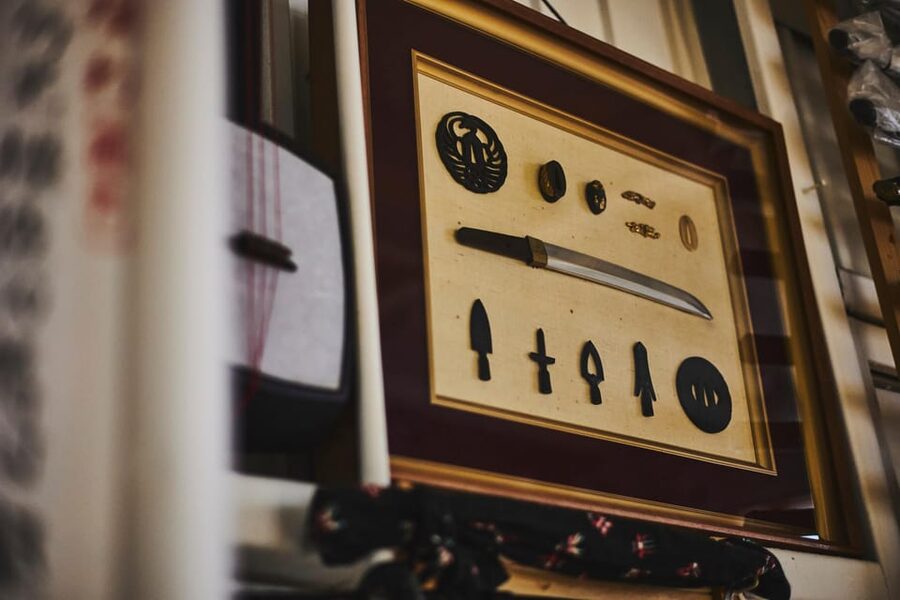
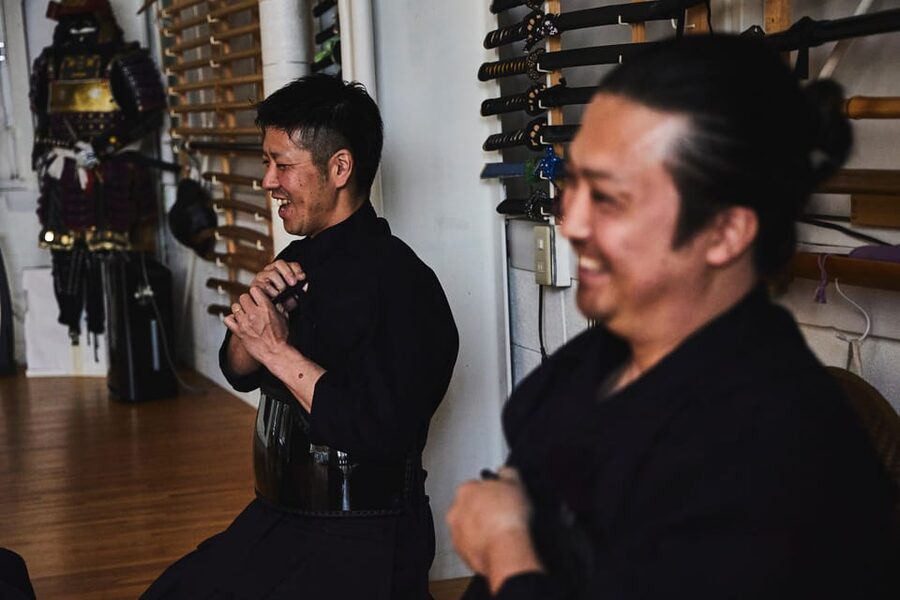
The strongest part of this activity is the teaching. Toshi is described as patient, encouraging, humorous, and highly experienced in Kendo. His assistants help with clothing, photos, translation, and cultural explanations.
Names that appear in the teaching team include Kumiko, Vicky, and Nao. The exact staff mix may vary, but you can expect English and Japanese instruction, with support when a term or movement needs extra explanation.
Group size can affect the session. Some bookings become semi-private or private when only one or two people attend, giving you a great deal of attention. One solo participant still received a full session, including history and strong sparring, rather than having the activity cancelled.
That is an important advantage if you are travelling alone. You do not need a friend to make the booking worthwhile. At the same time, a larger group may give you more partners to practise with, while a small group can provide more direct corrections. The best format depends on what you want.
The hosts have also offered local suggestions over tea and snacks, including ramen shops and places to visit. That is not the main reason to book, but it is a useful personal touch after an active lesson.
Is $127 good value for two hours?
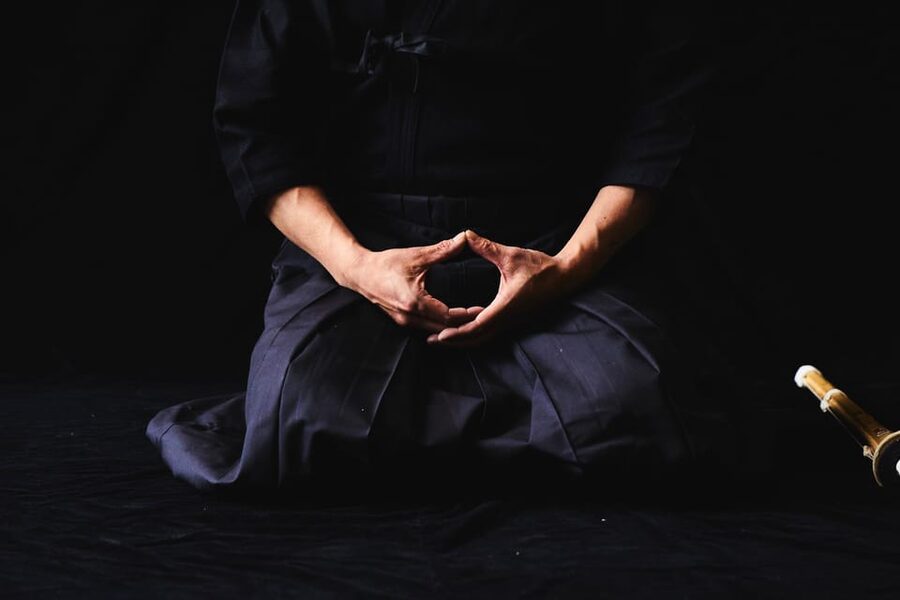
At $127 per person, this is not a cheap Osaka attraction. You are paying more than you would for a basic museum ticket or a short cultural demonstration.
The value comes from the amount packed into the session. You receive a cultural talk, uniform and armour use, instruction, shinai practice, paired drills, match-style combat, and Samurai photographs. You also get direct guidance from an experienced instructor in a genuine dojo, rather than a quick turn in costume.
The price makes the most sense if you want participation instead of observation. If you mainly want a photograph in Samurai clothing, a shorter photo attraction may cost less. If you want to understand Kendo, wear the full bogu, learn basic technique, and test it in sparring, the two-hour format offers far more substance.
Small groups improve the value because you may receive near-private attention. Families and couples also get a shared activity that feels different from the usual Osaka food, shopping, and sightseeing schedule.
Free cancellation is available up to two days in advance for a full refund. Check the available starting times when booking, since the session schedule can vary.
Who should book this Osaka Kendo session?
I would recommend it to:
- First-time martial arts participants who enjoy learning by doing
- Samurai and anime fans who want something more authentic than a costume photo
- Active families with children old enough to follow instructions
- Couples or friends looking for a shared challenge
- Solo visitors who want a guided cultural activity
- Experienced martial artists who would enjoy respectful sparring with a skilled practitioner
I would think twice if you dislike contact sports, become uncomfortable in enclosed protective gear, or want a quiet cultural lecture. This is a physical class with shouting, movement, and competition.
You should also be realistic about the age rules. Children aged 3 to 5 mainly take photos, children under 2 cannot participate, and people over 75 cannot try Kendo. Everyone else should still consider their own mobility and comfort with a moderate workout.
Should you book it?
Book this experience if you want to feel how Kendo works, not just hear about it. The combination of etiquette, Samurai culture, authentic equipment, patient instruction, and controlled sparring gives you a clear introduction in a short time.
The best reason to go is the balance. You get serious teaching without a stern atmosphere, physical effort without a demand for athletic skill, and memorable photographs without reducing the whole visit to a photo shoot.
At $127, it is a special-occasion activity rather than a casual budget stop. For a one-time Osaka visit, I think it earns its price when you value direct contact with Japanese martial tradition and want an active memory of Japan. Bring a drink, provide accurate sizing information, and leave room in your schedule for tired legs afterward.
FAQ
How long does the Osaka Kendo activity last?
The scheduled activity lasts two hours. Changing before or after the session may add time, and one family reported spending close to three hours in total.
What languages are used during the session?
Instruction is available in English and Japanese. Toshi speaks English, and assistants can help explain the lesson when needed.
Do I need previous Kendo or martial arts experience?
No. The programme is designed mainly for beginners and first-time participants. People with previous Kendo or martial arts experience are also welcome.
Will I wear real Kendo armour?
Yes. You wear a dōgi and hakama, then protective armour including the men, kote, dō, and tare. You also use a shinai, which is a bamboo sword.
Can I spar during the activity?
Yes. After learning basic posture, footwork, strikes, safety, and rules, you take part in paired practice and a match-style combat session. Suitable participants may also spar with an instructor.
Are children allowed to participate?
Children under 2 cannot try Kendo. Children aged 3 to 5 mainly wear uniforms and armour and take photos, so they do not receive the same training as adults.
Is the activity suitable for older people?
People over 76 may attend for viewing only and cannot try Kendo. The activity is not suitable for people over 75.
What should I bring?
Bring drinks. You should also provide your height, weight, and gender when booking to help the team prepare a comfortable and safe equipment fit.
Can I cancel for a refund?
You can cancel up to two days in advance for a full refund. Check the available starting times when you book.
Just added around Osaka
- Nara Day Trip from Osaka with a Licensed Guide★ 5.0 · 3 reviews
- Osaka Early Morning Osaka Castle Tour Avoid Crowds★ 5.0 · 3 reviews
- Guided Tour of Some Attractions in Osaka by Private Car★ 5.0 · 3 reviews
- Private Transfer Between Kyoto and Kansai Airport KIX★ 5.0 · 3 reviews
- Shared Arrival Transfer: Osaka Itami Airport to Osaka City★ 5.0 · 3 reviews
- Osaka: Sushi Making Class and Dotonbori Food Tour★ 4.7 · 3 reviews
- Osaka Night Photography Workshop★ 5.0 · 3 reviews
- Kyoto Full day Tour Kinkakuji, Kiyomizu-dera and Fushimi Inari★ 4.5 · 3 reviews
Osaka Samurai & Ninja Experiences, compared.
Osaka 2-Hour Genuine Kendo / Samurai Experience In Japan
Read our review →
Learn Bushido – Trial Slashing with Samurai Sword
Read our review →
Samurai Show, Tea Ceremony, Japanese Traditional Activities
Read our review →
Private Samurai Experience – Train with Sword Master
Read our review →
Honor – Experience Samurai & traditional Culture to the fullest
Read our review →
Browse the lists this tour appears in