
Reviewed · DOTONBORI & NAMBA TOURS
1.5〜2 Hours Traditional Kintsugi Work Shop in Namba Osaka
Kintsugi turns damage into decoration, and this small Namba workshop lets you take part in the final, most visible stage: applying lacquer and sprinkling 23K gold powder along the repaired lines. Jo, also called Josuke or Zenkei, teaches the craft in a traditional wooden Kura building filled with Japanese art and antiques.
I like the maximum five-person class, which gives you time to ask questions and work without being rushed. I also like the calm extras, especially the informal matcha preparation and tasting that often follows the craft session. The main thing to know is that this is an introduction lasting about 90 minutes to two hours, not a full pottery restoration course, and your plate is sent later rather than taken home immediately.
In This Review
- Key points to know before booking
- What you actually do during the Namba workshop
- Why the five-person limit matters
- Inside the traditional Kura building
- The gold application is the memorable part
- Matcha, mochi, and the gentle finish
- How authentic is this short introduction?
- Who will get the most from the experience
- Is $125.53 a fair price?
- Practical tips for a smooth visit
- Should you book this kintsugi workshop?
- FAQ
- How long does the kintsugi workshop last?
- What will I make during the class?
- Can I take my plate home immediately?
- How many people can join the class?
- Is matcha included in the activity?
- Where does the workshop take place?
Key points to know before booking
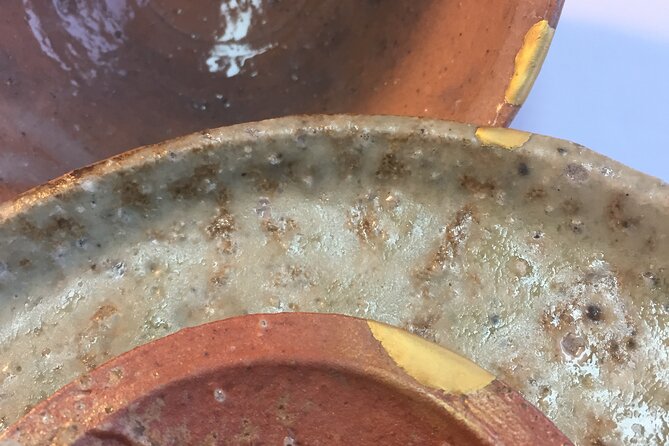
- You work with 23K gold powder: The class focuses on decorating a prepared kintsugi plate and seeing how gold transforms the repaired lines.
- The group is capped at five people: Small numbers allow Jo to give hands-on help and answer questions.
- The setting is part of the experience: The workshop takes place in a traditional wooden Kura building with a gallery of Japanese art and antiques.
- Matcha may be included: Several sessions have ended with a demonstration of authentic matcha preparation, along with tea and mochi.
- Your plate needs time to cure: It is delivered in five to seven days. Shipping to an address in Japan is free, while international shipping costs 5,000 yen.
- The location takes a little care to find: Save a few minutes for the entrance near Motomachi in Naniwa Ward, close to Namba Yasaka Shrine.
What you actually do during the Namba workshop
The class begins with an introduction to kintsugi and Japanese lacquer. Jo explains the craft’s place in Japanese culture, the materials involved, and the ideas connected with repairing rather than hiding an object’s past.
That background matters. Without it, sprinkling gold can feel like a simple craft project. With it, you understand why the repaired line is meant to remain visible. The workshop gives you enough context to see the plate as more than a souvenir.
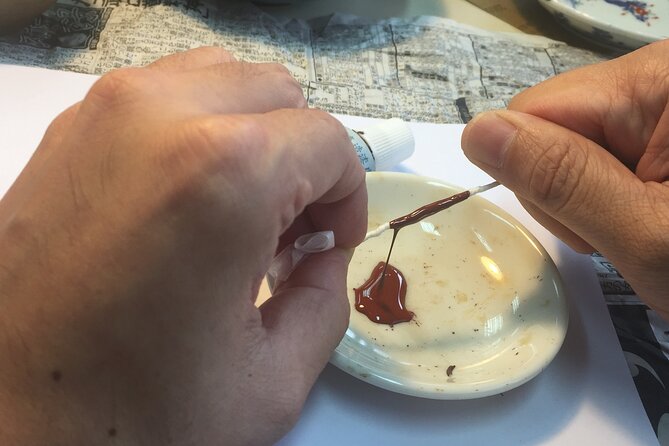
The hands-on work centers on a plate prepared for the session. You learn how to decorate the repaired area with lacquer and gold powder, then make your own finished design under instruction. The process is accessible, but it still requires a steady hand and patience.
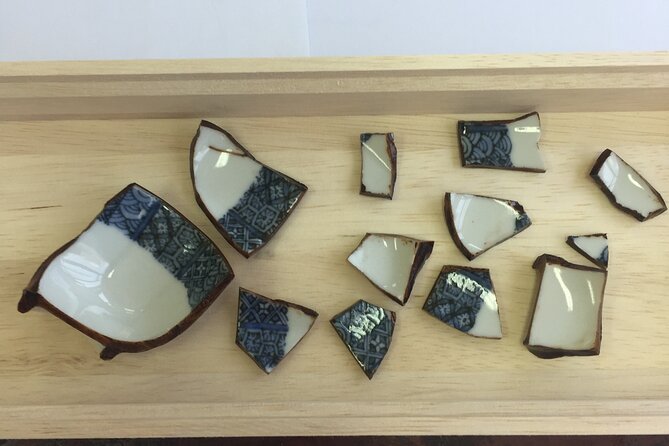
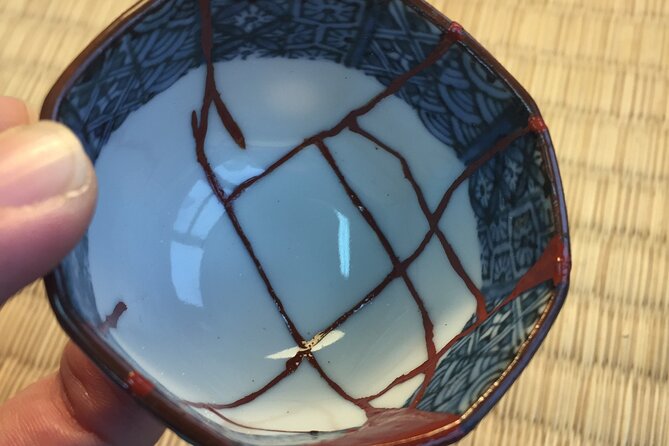
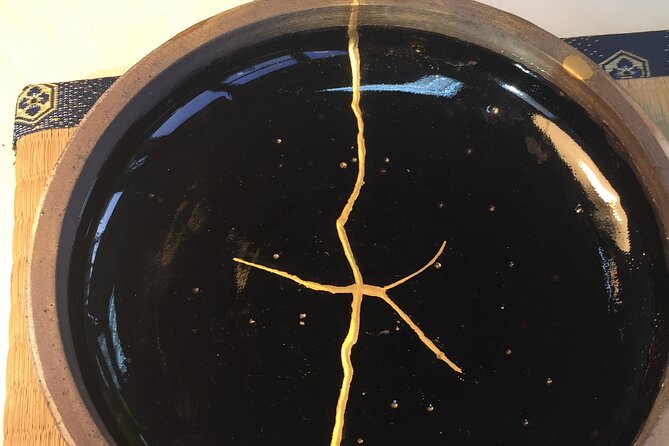
One useful point is that the result may use a chopping style rather than the cracked pattern often shown in photographs. If you book expecting to repair a shattered bowl from start to finish, adjust that expectation. You are taking part in the final decorative stage on a prepared item, which makes the activity practical within a short class.
The instructor explains each step and helps as you go. That close support is especially useful when handling lacquer and placing the gold. You are not left to guess how much material to use or where to apply it.
More of Dotonbori and Namba after dark:
- Osaka Local Foodie Walking Tour in Dotonbori and Shinsekai
★ 5.0 · 985 reviews - Osaka: Dotonbori District River Cruise with Drink Discount
★ 4.2 · 876 reviews - Ultimate Osaka Walking Tour: Castle, Dotonbori & Hidden Gems
★ 5.0 · 862 reviews
Why the five-person limit matters
A class of up to five people feels very different from a large group demonstration. You have room to ask about the tools, the lacquer, the gold, and the meaning of the technique. Jo can move between participants and give direct guidance while you work.
The small size also suits people who want a quiet activity during a busy Osaka schedule. Kintsugi is careful work, and the slower pace gives you a chance to focus. The studio atmosphere is described as calm and welcoming, a useful change after time in crowded shopping streets and transport stations.
Solo participants may find themselves in an especially personal session if no one else books the same time. Couples, families, and small groups can also work well here. Children have taken part with adult help, and the simple final-stage process gives them something tangible to do.
Still, do not expect a formal art-school lesson. The experience is friendly and conversational, with history, questions, practical instruction, and time to work. If you want a technical course covering every stage of traditional lacquer restoration, this short introduction will feel limited.
Inside the traditional Kura building
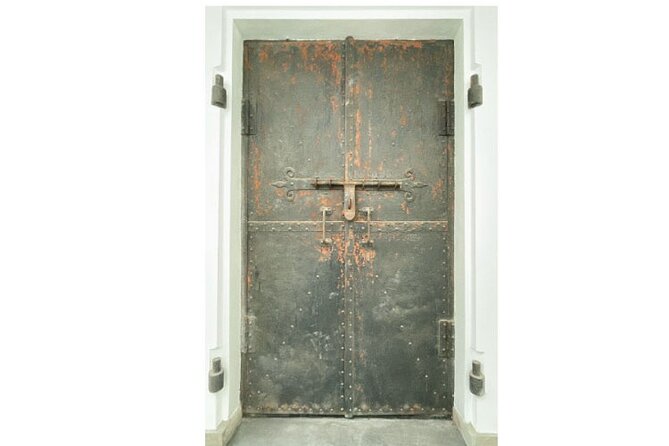
The workshop is held in a building called a Kura, a traditional Japanese structure with wooden architecture. The setting adds real character to the class. You are not working in a generic activity room, but in a space connected to older Japanese building traditions.
After the craft session, you can look around the gallery and see Japanese art and antiques. This is a worthwhile part of the visit because it puts your small plate beside objects made with much greater skill and age. You get a sense of how repair, materials, and careful handwork fit into a wider Japanese craft culture.
The building may take a little effort to locate. The meeting point is in Naniwa Ward at Motomachi 2-chome, near Namba, with the listed address including Mansion New Namba. The entrance is not necessarily obvious at first glance, so save several minutes rather than arriving at the last moment.
Namba Yasaka Shrine is nearby. It is a practical place to visit before or after class, especially if you want to add another cultural stop without crossing the city. Some participants have also received local suggestions from Jo, which can make the workshop useful as a small neighborhood orientation.
The gold application is the memorable part
The gold is what most people picture when they hear kintsugi, and this is the part you get to perform yourself. After the lacquer is applied, you sprinkle 23K gold powder over the line. The bright finish catches the light and gives the plate its distinctive appearance.
This is not a disposable souvenir assembled in a few seconds. You are working with a traditional material and learning why the finish requires care. The class gives you enough explanation to appreciate the difference between merely painting a gold stripe and following a kintsugi method.
Jo’s teaching style is patient and clear. He explains the sequence, demonstrates what to do, and helps correct small mistakes. The atmosphere is relaxed rather than strict, but the work still rewards concentration.
You should also understand the timing. The plate needs to cure, so you do not leave with it in your bag. The stated delivery time is five to seven days. Domestic delivery to an address in Japan is free. International shipping is available for 5,000 yen, charged separately.
That shipping cost is important when judging the price. At $125.53 per person, the experience is not a cheap souvenir-making stop. Part of what you pay for is the small class, the instruction, the gallery setting, the materials, and the finished plate. If you need the item sent overseas, add the 5,000 yen delivery fee to your budget.
More traditional craft workshops:
- Osaka: Private Japanese Calligraphy Experience
★ 5.0 · 66 reviews - From Osaka: Sakai Knife Maker or Blacksmith Walking Tour
★ 4.9 · 64 reviews - Osaka: Traditional Japanese Ceramics Private Experience
★ 5.0 · 57 reviews - Calligraphy Workshop in Namba, Dotonbori
★ 5.0 · 57 reviews
Matcha, mochi, and the gentle finish
The listed activity focuses on kintsugi, but matcha has become a welcome part of many sessions. Jo may show you how to prepare matcha in the traditional way, with attention to creating the froth on top. Tea and mochi have also been served as a relaxed finish.
This extra works because it follows the same slower rhythm as the craft. You finish your plate, sit back, and learn another small piece of Japanese practice. It is not a full tea ceremony, so book this for the kintsugi rather than for a formal tea-school lesson.
The matcha segment is also a good cultural bridge. You move from a craft that gives broken pottery new life to a drink prepared with care and attention. It makes the visit feel less like a single transaction and more like time spent with an instructor who wants to share several parts of Japanese daily culture.
The tea is not guaranteed as a separately advertised feature in the core schedule, so I would treat it as an extra rather than the reason to book. The main activity remains the plate and the kintsugi lesson.
How authentic is this short introduction?
The class gives you a genuine look at kintsugi materials, ideas, and finishing work. You learn about lacquer history, see examples in the gallery, and use real gold powder. The setting also helps: an old wooden building feels more fitting than a modern hotel conference room.
But authenticity does not mean you complete every part of the traditional process. The session lasts roughly 1.5 to two hours, and the plate is prepared so you can focus on the finishing stages. You do not appear to collect lacquer from trees, build a broken vessel from fragments, or complete several weeks of curing during the visit.
That limitation is sensible. Full traditional kintsugi takes time and specialist skill. A short class allows you to take part without committing days to a workshop. You still see the key visual transformation and leave with a piece made through your own effort.
I would recommend it to anyone who wants a hands-on introduction rather than a museum lecture. It is also a strong choice if your Osaka plans already include food, shopping, and sightseeing but need one quieter activity.
Who will get the most from the experience
This workshop suits couples, families with older children, solo visitors, and small groups of friends. It works particularly well for people interested in pottery, Japanese design, craft traditions, or activities that produce something personal.
It is also a good rainy-day plan in principle, but the activity information says the experience requires good weather and may be canceled if conditions are poor. If that happens, you are offered another date or a full refund.
You do not need to be an artist. The instructor provides the materials and explains the process. Most people can participate, and service animals are allowed. The main health warning is lacquer allergy, so avoid booking if you know you react to lacquer or related materials.
Morning and afternoon classes give you useful scheduling choice. A morning visit leaves the rest of the day open for Namba, Dotonbori, or another Osaka neighborhood. An afternoon class can fit after lunch and before an evening meal, though you should allow time to locate the entrance.
Is $125.53 a fair price?
The price is high for a 90-minute craft activity, so the value depends on what you want from it. If you only want a quick object to carry home, this is not the best bargain. Your plate is shipped later, and international delivery costs extra.
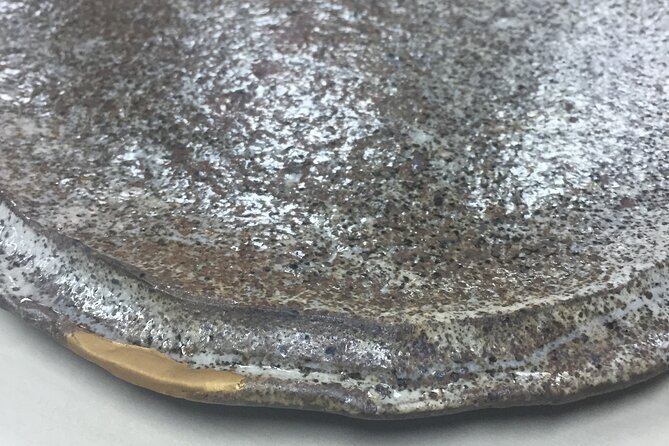
I think the price makes more sense if you value instruction and setting. You receive all materials, work in a group of no more than five, learn from an instructor who explains both technique and cultural meaning, see the gallery, and receive your own gold-finished plate after curing.
The added matcha experience can improve the value, especially if you had hoped to try tea preparation elsewhere. Local tips from Jo and the nearby shrine are useful bonuses, though they should not be counted as formal parts of the tour.
Free cancellation is available when you cancel at least 24 hours before the start time. Inside that window, there is no refund, and changes are not accepted. That is worth noting because the class has limited spaces and weather can affect the schedule.
Practical tips for a smooth visit
Save the full address on your phone and arrive early enough to find the entrance. The meeting point is in Naniwa Ward, near public transport, but the building can be a little tricky to identify.
Plan for roughly two hours, even though the stated duration is about 1.5 hours. The craft itself may be shorter or longer depending on questions, group size, and the extra tea preparation.
Do not plan to put the plate straight into your suitcase. It is delivered in five to seven days. If you are staying in Japan, provide a domestic address for free shipping. If you are flying home soon, ask about international shipping and budget 5,000 yen.
Wear something you can work comfortably in, and tell the provider about any lacquer allergy before booking. The class is hands-on, so you will get more from it if you are willing to slow down and follow the process carefully.
Should you book this kintsugi workshop?
Book it if you want a personal Japanese cultural activity with a skilled teacher, a very small group, and a finished plate made during your visit. The old Kura building, gallery, gold application, and possible matcha session give it more substance than a basic souvenir class.
Skip it if your budget is tight, you need to leave Osaka immediately, or you want to restore your own broken pottery from the first repair step to the final polish. For most visitors seeking a calm, thoughtful break from sightseeing, the workshop offers a memorable use of two hours in Namba. Just include international shipping in the cost and allow time to find the door.
FAQ
How long does the kintsugi workshop last?
The activity lasts approximately 1 hour 30 minutes, though some sessions may take closer to two hours.
What will I make during the class?
You will decorate a kintsugi plate using lacquer and 23K gold powder. The workshop focuses on the final decorative stages rather than completing an entire restoration from broken pottery.
Can I take my plate home immediately?
No. The plate needs time to cure and is delivered in five to seven days. Domestic shipping to an address in Japan is free. International shipping is available for 5,000 yen.
How many people can join the class?
The maximum group size is five people, allowing for personalized instruction.
Is matcha included in the activity?
Matcha preparation and tasting, sometimes served with mochi, have been part of sessions. The main scheduled activity is the kintsugi workshop, so treat the tea portion as an additional feature rather than the central focus.
Where does the workshop take place?
The workshop meets in Naniwa Ward, Motomachi 2-chome, Osaka, at the listed Mansion New Namba address. It takes place in a traditional wooden building called a Kura, near public transportation and Namba Yasaka Shrine.
More 2-Hour Experiences in Osaka
- Osaka: 2-Hour Nightlife District Walking & Local Food Culture
★ 5.0 · 199 reviews - Osaka: 2-Hour Local Street Food Tour – Dotonbori & Namba
★ 4.6 · 95 reviews - Osaka 2-Hour Genuine Kendo / Samurai Experience In Japan
★ 5.0 · 65 reviews
Just added around Osaka
- Nara Day Trip from Osaka with a Licensed Guide★ 5.0 · 3 reviews
- Osaka Early Morning Osaka Castle Tour Avoid Crowds★ 5.0 · 3 reviews
- Guided Tour of Some Attractions in Osaka by Private Car★ 5.0 · 3 reviews
- Private Transfer Between Kyoto and Kansai Airport KIX★ 5.0 · 3 reviews
- Shared Arrival Transfer: Osaka Itami Airport to Osaka City★ 5.0 · 3 reviews
- Osaka: Sushi Making Class and Dotonbori Food Tour★ 4.7 · 3 reviews
- Osaka Night Photography Workshop★ 5.0 · 3 reviews
- Kyoto Full day Tour Kinkakuji, Kiyomizu-dera and Fushimi Inari★ 4.5 · 3 reviews
Dotonbori & Namba Tours, compared.

Osaka Local Foodie Walking Tour in Dotonbori and Shinsekai
Read our review →
Dotonbori District River Cruise with Drink Discount
Read our review →
Ultimate Osaka Walking Tour: Castle, Dotonbori & Hidden Gems
Read our review →


Dotonbori River Cruise with Glico Sign & Neon Views
Read our review →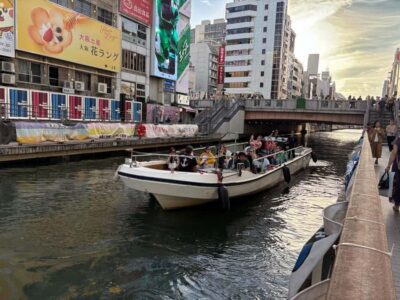
Browse the lists this tour appears in