
Reviewed · OSAKA SAMURAI & NINJA EXPERIENCES
OSAKA NIGHT FUSION Japanese Taiko Kabuki Samurai Dance Show
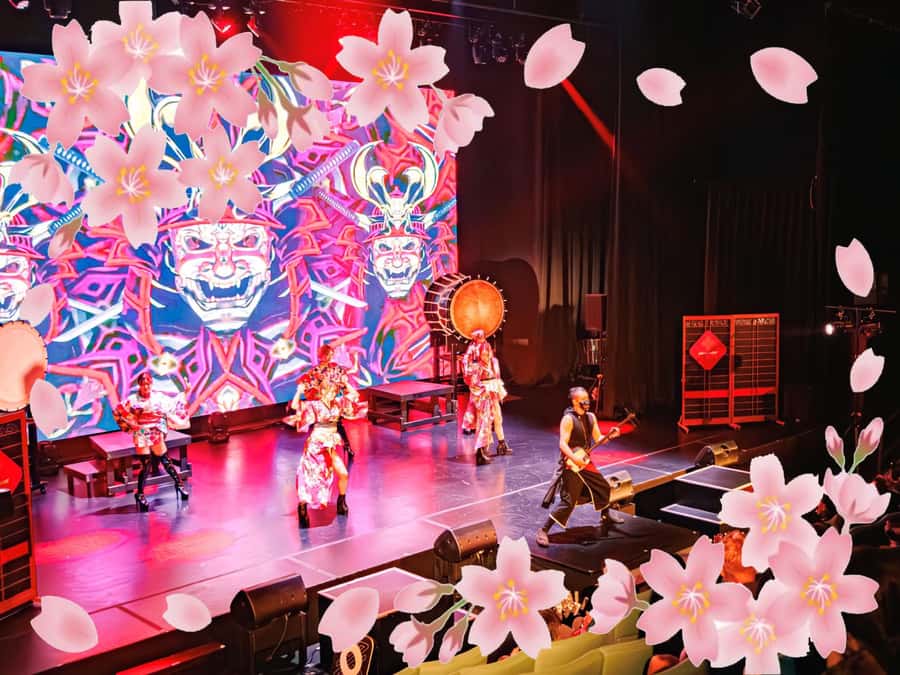
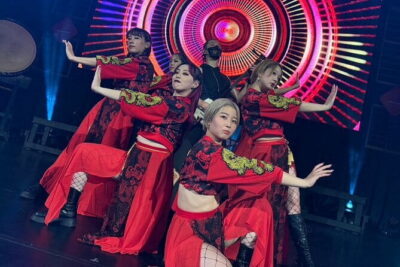
Osaka Night Fusion turns Japanese stage traditions into a 50-minute party show, with taiko drums, kabuki-inspired movement, samurai and ninja scenes, shamisen, shakuhachi, modern dance, and club-style music. You watch from your seat, but you may also clap, move, play a drum, or join a short section of the action.
I like the big musical variety and the way the performers keep the room involved rather than presenting a quiet museum version of Japanese culture. I also like the price: at $40, this is a reasonable evening activity if you want something lively and different from another bar or restaurant. The main caution is that the show is designed for adults and may include explicit lyrics, so it may not suit young children or every audience.
In This Review
- Key points to know before booking
- What kind of show is Osaka Night Fusion?
- Entering Tempo Harbor Theater
- A fast-moving blend of Japanese instruments
- Kabuki, samurai, and ninja in a modern setting
- How audience participation works
- Why the 50-minute length works
- The adult-content warning
- Is $40 a fair price?
- Who will enjoy Osaka Night Fusion most?
- Practical advice for your evening
- Should you book Osaka Night Fusion?
- FAQ
- Where does Osaka Night Fusion take place?
- How long does the show last?
- What is included in the ticket?
- How much does the experience cost?
- Is the show available in English?
- How early should I arrive?
- Can I enter after the show begins?
- Does the show include audience participation?
- Is the show suitable for children?
Key points to know before booking
- Taiko is a major highlight: Powerful drum numbers bring some of the show’s biggest bursts of sound and movement.
- Traditional and modern styles share one stage: Shamisen, shakuhachi, kabuki, samurai, ninja-inspired scenes, dance, and contemporary music all appear.
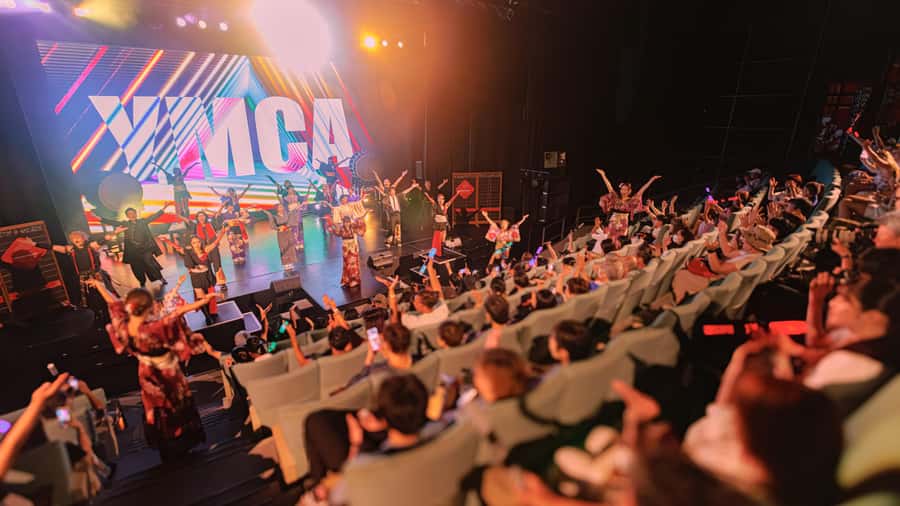
- You are part of the action: Audience participation can include clapping, movement, playing a large taiko drum, or joining performers on stage.
- Plan for a strict start time: Arrive at least five minutes early. Late entry is not allowed once the performance begins.
- It is a short, focused night out: The performance runs about 50 minutes, making it easy to fit around dinner or evening plans.
- Check the content warning: Explicit lyrics may be used, and the show is better suited to adults than to young children.
What kind of show is Osaka Night Fusion?
I would describe Osaka Night Fusion as a stage spectacle rather than a formal lesson in Japanese culture. It takes recognizable elements of Japanese performance and places them inside a high-energy music show.
You will see traditional instruments such as taiko drums, shamisen, and shakuhachi. You will also see kabuki and samurai ideas, along with ninja-inspired scenes. These elements are creatively adapted for the production, so you should not expect a strict historical presentation or a full kabuki play.
That distinction matters. If you want a detailed explanation of kabuki technique, historical costumes, or the religious roots of taiko, this is not the right format. If you want to feel the force of the drums, see Japanese performance styles beside modern dance, and take part in a cheerful evening show, it makes much more sense.
The cast uses both Japanese and English, which helps international visitors follow the interactive parts. You do not need to understand every lyric or spoken line to enjoy the rhythm and visual action.
More samurai and ninja experiences:
- Samurai Training Experience KENDO in Osaka
★ 5.0 · 515 reviews - Osaka: Samurai Training Experience KENDO in Osaka
★ 5.0 · 111 reviews - Osaka: A Modern Samurai, Kabuki, Taiko, & Dance Show
★ 4.5 · 66 reviews
Entering Tempo Harbor Theater
The meeting point is on the fourth floor of Tempo Harbor Theater. You reach it by taking the escalator inside Osaka Cultural Center.
I would give yourself more than the required five minutes. The venue itself is straightforward once you are inside, but finding the right floor and settling in takes a little time. This is especially important because the production does not allow entry after the show starts.
That strict rule is easy to understand in a theatrical production. Late arrivals would interrupt a dark room, a drum sequence, or an audience participation segment. Still, it means this is not an activity to pair with a tight dinner reservation across town.
The show ends back at the meeting point, so there is no second transfer or separate finish location to figure out.
A fast-moving blend of Japanese instruments
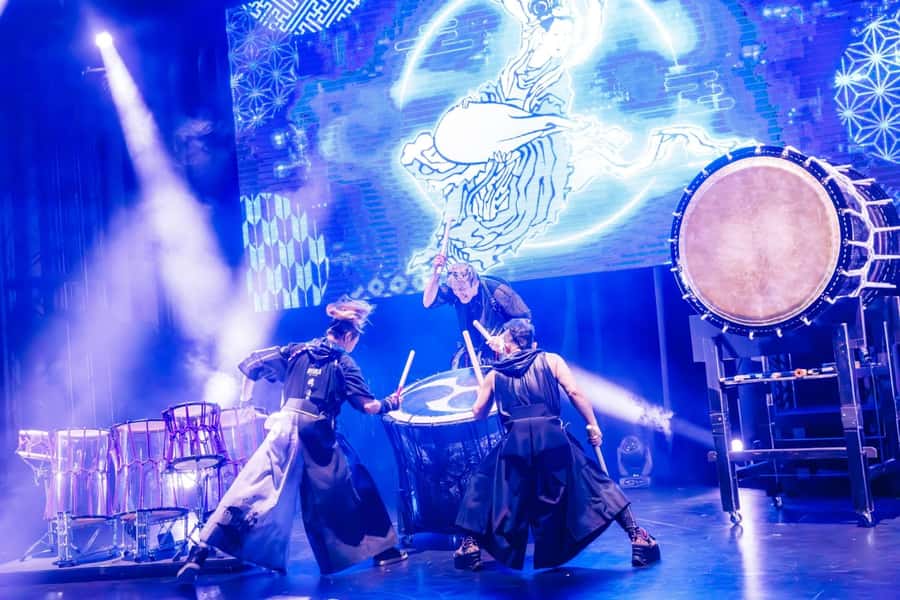
The music is the heart of the production. Taiko drums provide the loudest physical impact, with performers using rhythm, synchronized movement, and strong visual gestures to fill the room.
I would especially recommend this show if you have been hoping to see taiko but could not find a dedicated drum performance that fitted your schedule. One audience member who originally wanted a taiko show found this production as an alternative and still enjoyed the drum work, along with the other instruments and dances.
The shamisen adds a different sound, while the shakuhachi brings a more traditional wind-instrument color. These instruments are not presented as separate concert pieces all night. Instead, they appear within a larger production that shifts between Japanese forms and dance music.
That mix gives the show its unusual character. A traditional instrument may lead into a modern dance section, or a samurai-inspired image may appear beside a high-energy musical number. The transitions are designed for entertainment, not for a quiet cultural demonstration.
Kabuki, samurai, and ninja in a modern setting
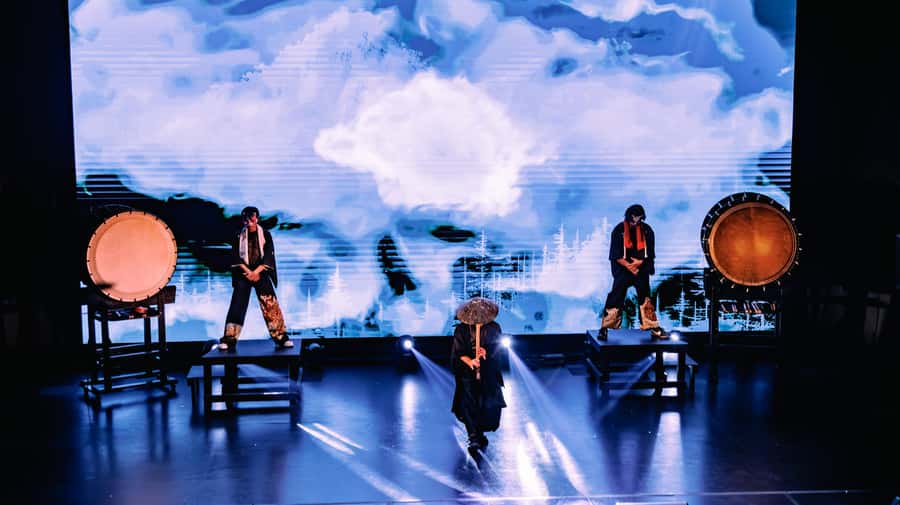
The kabuki and ninja elements are inspired by tradition but adapted for this production. You should think of them as theatrical images and movement styles rather than a complete presentation of classical kabuki or historical martial arts.
That approach works well for a first look. You get quick visual clues: dramatic poses, stylized movement, traditional clothing, and samurai or ninja themes. The show then moves on before any one style becomes too formal or slow.
I like this format for an evening in Osaka because it gives you a taste of several performance traditions in one sitting. You do not need to commit to a long classical program, and you do not need a background in Japanese theater to understand the basic mood of each scene.
The trade-off is depth. Each element receives limited time, so anyone seeking a serious study of kabuki, shamisen, or samurai history will want a separate cultural activity. Osaka Night Fusion is about the combined effect.
More sumo, taiko and stage shows:
- Osaka: Sumo Show & Experience w/ Optional Kimono & Hot Pot
★ 4.5 · 609 reviews - Osaka: Sumo Stage Show with Bento or Snack + Fight & Photo
★ 4.3 · 364 reviews - Osaka: English Stand Up Comedy Show at Osaka Comedy Club
★ 4.7 · 203 reviews - Osaka: UTAGE Japanese Taiko Live Show
★ 4.9 · 167 reviews
How audience participation works
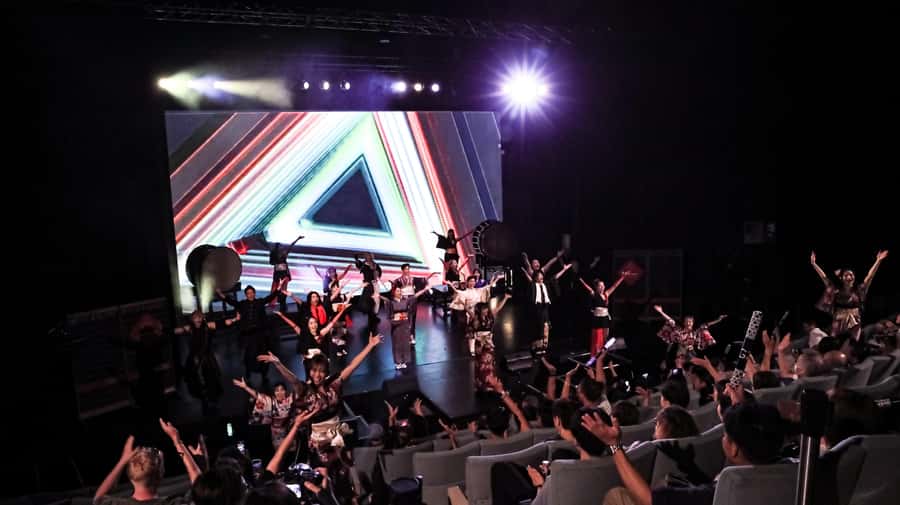
The show does not ask you to sit silently from beginning to end. Performers lead interactive sections and encourage the audience to become part of the production.
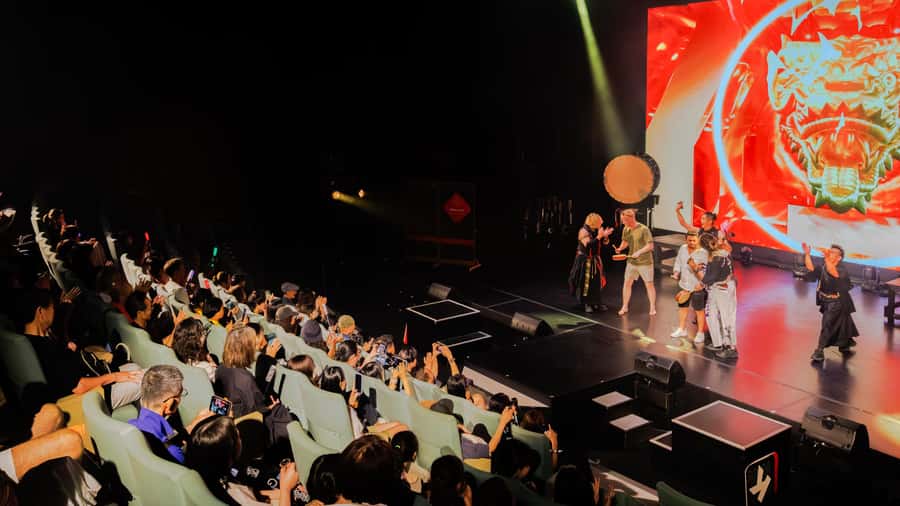
Participation may involve clapping, following simple movements, responding to the performers, or playing a large taiko drum. Some audience members have also been brought onto the stage. The aim is to keep the mood playful rather than demanding.
If you are traveling alone, do not assume this makes the show uncomfortable. The interactive parts are presented as group fun, and performers make an effort to involve the full room. You can still expect a little unpredictability, so this is not ideal if you strongly prefer to remain unnoticed.
Front-row seats may give you the best chance to take part directly. At the same time, the cast works to include people farther back, so you do not need a front seat to enjoy the music and dancing.
The small-room energy can be a plus. With fewer people between you and the performers, the exchange feels more direct. The downside is that a small audience can make the participation feel more personal, which some people will love and others may find slightly awkward.
Why the 50-minute length works
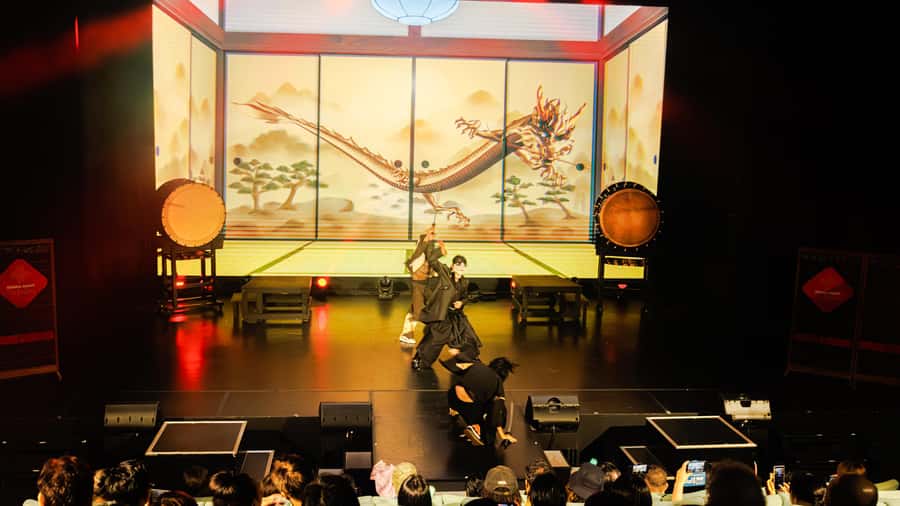
The show runs for about 50 minutes. I consider that a useful length for a city evening.
It is long enough to give you several types of performance, but short enough to fit before or after dinner. You can add it to an evening without giving up an entire night, and the pace is likely to feel brisk because the production keeps changing styles.
A short show also helps if you are traveling with children or family members who do not usually attend theater. The content warning still matters, but the running time is manageable.
The limitation is that you should not expect a long narrative. This is not a two-hour drama with carefully developed characters. It is a sequence of musical, dance, and theatrical moments tied together by a common Japanese theme.
The adult-content warning
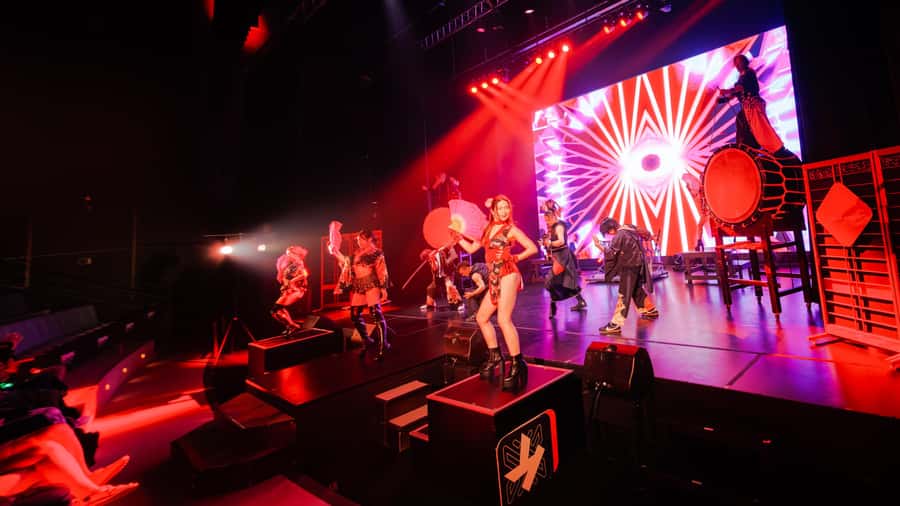
The production may include explicit lyrics. Several audience accounts also describe the show as better suited to adults than young children because of the language.
I would take that warning seriously. The show’s tone is lively and playful, but traditional costumes and instruments do not automatically make the content family-friendly. If you are bringing children, check your own comfort level before booking.
For adults, the language may simply be part of the modern music format. Still, if you want a strictly traditional or all-ages cultural performance, choose a different program.
Is $40 a fair price?
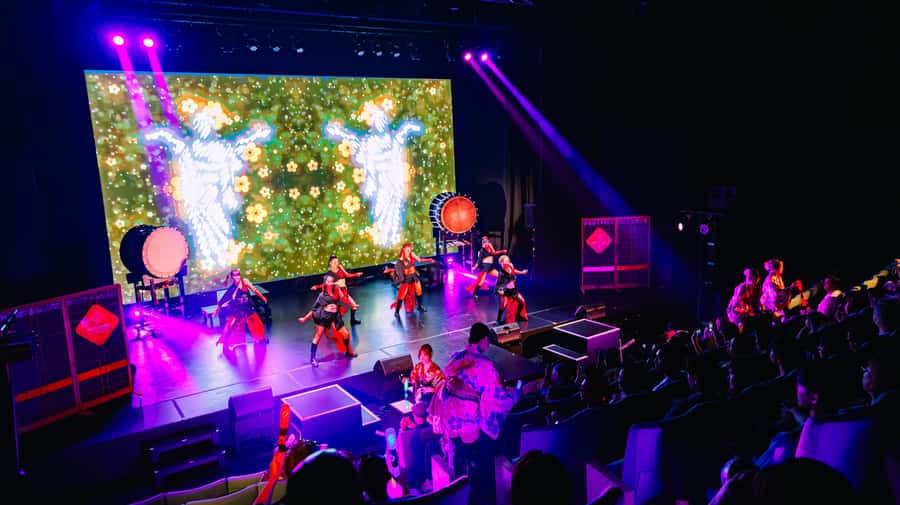
The listed price is $40 per person, and admission is included. No separate guide, meal, or cultural workshop is part of the stated package.
I see the value in the price if you want a complete evening performance without paying for a long theater production. You get a concentrated mix of music, dance, costumes, audience interaction, and modern staging. For many people, the combination is more appealing than paying the same amount for a passive concert with only one style.
The value is also helped by the compact length. You are buying a focused night activity, not an all-evening package. That makes it easier to fit into an Osaka itinerary.
The price is less attractive if your main goal is a pure taiko concert or a formal kabuki performance. In that case, part of what you pay goes toward the broad mix of styles and interactive showmanship. You may prefer a specialist performance, if one fits your schedule.
Some audience members have had photos with the full ensemble after the show, and one account described free drinks during the performance. These details are not listed as included benefits, so I would not book on the assumption that either is guaranteed.
Who will enjoy Osaka Night Fusion most?
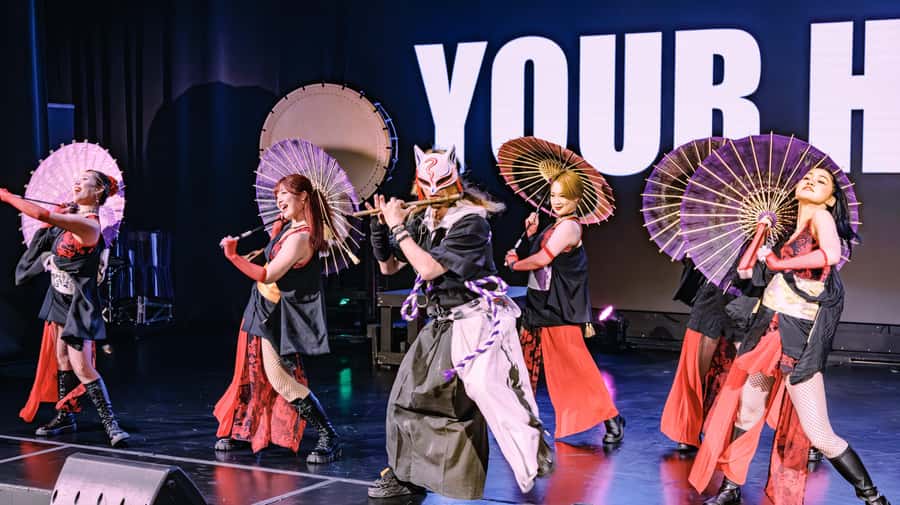
I would recommend it to you if you enjoy:
- Live music with a strong visual element
- Short, energetic shows
- Japanese instruments presented in a modern format
- Audience participation
- Unusual evening activities
- Performances that do not require much background knowledge
It is especially useful for a first visit to Osaka when you want to encounter Japanese culture in an easy, entertaining way. You get several recognizable forms in one place, and the English support makes the interactive instructions accessible.
Solo visitors can enjoy it, too. The participation is shared with the room, and the performers work to keep people comfortable. Couples and small groups will likely appreciate the party-like mood.
I would hesitate to recommend it if you want quiet, formal theater, a historically exact presentation, or a show with no audience involvement. Families should also consider the explicit-lyrics warning before booking.
Practical advice for your evening
Arrive early enough to find the fourth-floor meeting point, use the escalator inside Osaka Cultural Center, and settle in before the start. The five-minute minimum is not a suggestion to test. Once the show begins, you cannot enter.
Wear something that lets you move comfortably if you are happy to take part. You may remain seated for much of the show, but the interactive sections can involve clapping, gestures, or a chance to play the taiko drum.
If you want the best chance of being close to the action, request or select a front-row place when booking if that option is available. Do not worry that a rear seat makes the show pointless, since the performers try to include the entire audience.
Keep your evening flexible after the performance. The activity ends where it begins, and you can then continue on to dinner or another Osaka night stop.
Reservations can be made with payment later, and cancellation is available up to 24 hours before the show for a full refund. That gives you useful flexibility when your Osaka plans are still changing.
Should you book Osaka Night Fusion?
I would book this show if you want high-energy Japanese entertainment, especially if taiko, dance, and audience participation sound more appealing than a quiet cultural presentation.
The strongest reason to go is the performers’ energy. The show brings together talented drummers, musicians, dancers, and theatrical artists, and the varied format keeps the 50 minutes moving. The audience interaction adds a personal touch that a standard stage performance cannot provide.
I would skip it only if you need a strictly traditional performance, dislike being asked to participate, or are looking for an all-ages show with no explicit lyrics. For everyone else, $40 is a fair price for a lively, unusual Osaka night out, and the short running time makes it easy to fit into your plans.
FAQ
Where does Osaka Night Fusion take place?
The meeting place is on the fourth floor of Tempo Harbor Theater. You can reach it using the escalator inside Osaka Cultural Center.
How long does the show last?
The performance lasts about 50 minutes.
What is included in the ticket?
The listed inclusion is admission to the show.
How much does the experience cost?
The price is $40 per person.
Is the show available in English?
The available languages are Japanese and English.
How early should I arrive?
You should arrive at least five minutes before the scheduled start time.
Can I enter after the show begins?
No. Entry is not allowed once the performance has started because of production requirements.
Does the show include audience participation?
Yes. Interactive sections invite the audience to take part, and participation can include movement, responses, or playing a taiko drum.
Is the show suitable for children?
The show may contain explicit lyrics and is not necessarily suitable for all ages. Several audience accounts describe it as better suited to adults than young children.
Just added around Osaka
- Nara Day Trip from Osaka with a Licensed Guide★ 5.0 · 3 reviews
- Osaka Early Morning Osaka Castle Tour Avoid Crowds★ 5.0 · 3 reviews
- Guided Tour of Some Attractions in Osaka by Private Car★ 5.0 · 3 reviews
- Private Transfer Between Kyoto and Kansai Airport KIX★ 5.0 · 3 reviews
- Shared Arrival Transfer: Osaka Itami Airport to Osaka City★ 5.0 · 3 reviews
- Osaka: Sushi Making Class and Dotonbori Food Tour★ 4.7 · 3 reviews
- Osaka Night Photography Workshop★ 5.0 · 3 reviews
- Kyoto Full day Tour Kinkakuji, Kiyomizu-dera and Fushimi Inari★ 4.5 · 3 reviews
Osaka Samurai & Ninja Experiences, compared.
Osaka 2-Hour Genuine Kendo / Samurai Experience In Japan
Read our review →
Learn Bushido – Trial Slashing with Samurai Sword
Read our review →
Samurai Show, Tea Ceremony, Japanese Traditional Activities
Read our review →
Private Samurai Experience – Train with Sword Master
Read our review →
Honor – Experience Samurai & traditional Culture to the fullest
Read our review →Browse the lists this tour appears in