
Reviewed · OSAKA TEA CEREMONY & MATCHA EXPERIENCES
Matcha Making Class in Osaka with Authentic Japanese Sweets Set
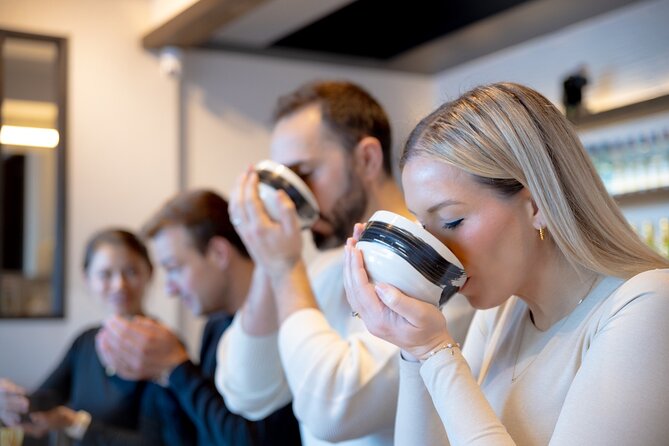
Osaka’s food scene gets plenty of attention, but this one-hour matcha class offers a quieter way to understand Japanese taste. You learn where matcha comes from, how it is prepared, and how to whisk your own cup before pairing it with traditional Japanese sweets.
I like the small maximum group of six, which gives the instructor time to correct your technique. I also like the practical focus: you do not just watch a ceremony, you learn steps you can repeat at home. The main drawback is finding the entrance. Several people needed extra time, so arrive early and use the available video directions if needed.
In This Review
- Key points to know before booking
- A calm hour in Higashishinsaibashi
- Learning what matcha really is
- Whisking your own bowl of matcha
- Matcha, sweets, and the tea experience
- What the $21.89 price gets you
- Choosing morning or afternoon
- Who will enjoy this Osaka class
- How the teaching style shapes the experience
- Booking, cancellation, and practical details
- Should you book the matcha class?
- FAQ
- How long does the matcha class last?
- Where does the matcha class begin?
- Where does the activity end?
- What is included in the price?
- Are hotel transfers included?
- Is the class taught in English?
- Do I need previous matcha-making experience?
- How many people can join the class?
- Are morning and afternoon sessions available?
- Can I cancel for a full refund?
Key points to know before booking
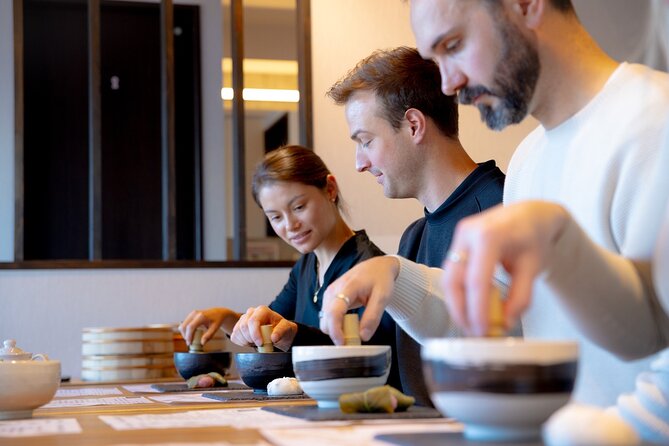
- You make the matcha yourself: The instructor guides you through each step and helps fix mistakes.
- The class is limited to six people: This keeps the lesson personal and makes questions easy.
- English-speaking hosts lead the session: Momo, Fuko, Yui, and Matty have all led classes noted for clear, friendly instruction.
- History comes with the hands-on lesson: Visuals and short quizzes explain matcha’s background in an easy way.
- Japanese sweets are included: The small treats balance matcha’s strong, earthy flavor.
- Morning and afternoon times are available: You can fit the class around sightseeing in Osaka.
A calm hour in Higashishinsaibashi
The experience begins at Matcha Making Osaka, at 1-chōme-16-20 Higashishinsaibashi, Chuo Ward, Osaka. It is near public transportation, and the class ends at the same location.
This part of Osaka is useful for an activity like this. You can place the class between other plans in the city rather than give up half a day for a distant excursion. At about one hour, it fits neatly before lunch, during an afternoon break, or before an evening meal.
I would not cut the timing too close. The address itself is clear, but finding the correct building and entrance can take longer than expected. One practical tip is to check the location instructions and watch the short direction video before leaving. A few extra minutes at the start will make the experience feel much more relaxed.
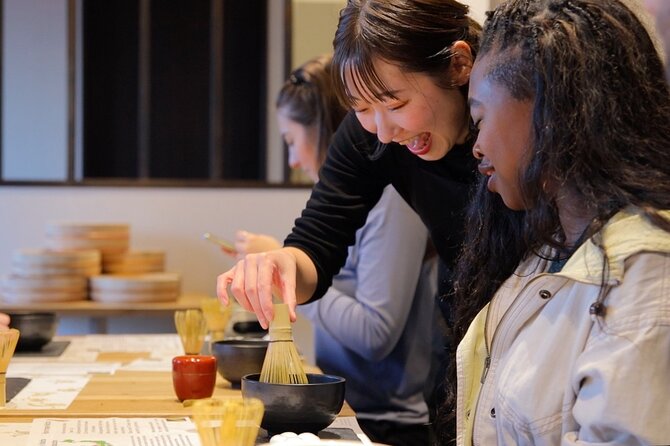
The class has a maximum of six people. That matters here. Matcha preparation is simple once you see it, but small movements make a difference. In a large demonstration, you might miss the correction that turns a flat cup into a properly whisked one. In this setting, you have a better chance to ask questions and receive direct help.
More tea ceremonies and matcha sessions:
- Osaka: Tea Ceremony Experience
★ 4.9 · 1,426 reviews - Tea Ceremony Experience in Osaka Doutonbori
★ 5.0 · 754 reviews - Osaka: Matcha Making Experience with Japanese Sweets
★ 5.0 · 146 reviews
Learning what matcha really is
The class does more than hand you a whisk and a bowl. It begins with background on matcha, including where it comes from and how it is made. The explanations are designed for beginners, so you do not need any previous knowledge.
The teaching style is lively rather than solemn. Fuko has used visuals and short quizzes to make the information easier to remember. That may sound like a small touch, but it helps break up the information and gives you a reason to pay attention before the practical part begins.
Momo has also been praised for making the introduction clear and friendly. Yui is noted for easy-to-follow instruction, while Matty has brought an entertaining and interactive approach to the class. The host for your session may vary, but the important point is that the format is built around explanation, questions, and participation.
I like this balance. You get some cultural context without sitting through a long lecture. You also avoid the opposite problem, a quick photo opportunity with no understanding of what you are doing.
Whisking your own bowl of matcha
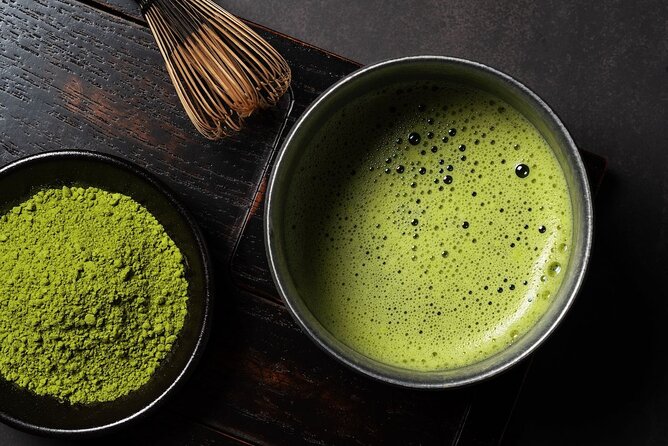
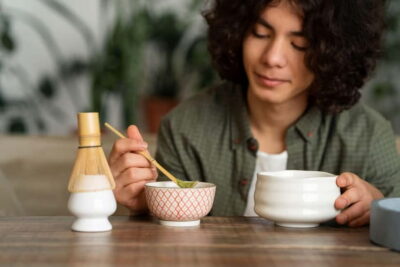
The central part of the experience is hands-on preparation. The tools and ingredients are set out for you, and the instructor explains the process step by step. You then prepare your own matcha under guidance.
For someone who has bought matcha in Kyoto or ordered matcha drinks at home, this is the useful part. The class shows you how the drink is made rather than treating the powder as a mystery ingredient. The instructor can point out mistakes as you work, which is especially helpful if you have never used the traditional tools before.
You also receive advice for making matcha at home. That gives the class value beyond the cup you drink in Osaka. You are not simply collecting a cultural memory. You are learning a repeatable method and getting practical tips that can help you avoid a disappointing result later.
The format is beginner-friendly, but it is not only for people who already love matcha. The flavor can be strong, grassy, and slightly bitter. Japanese sweets help soften that experience, and the class gives you a better sense of how matcha is traditionally enjoyed.
Matcha, sweets, and the tea experience
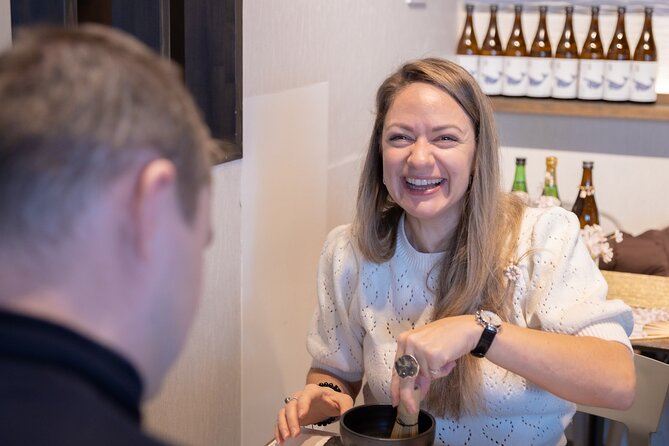
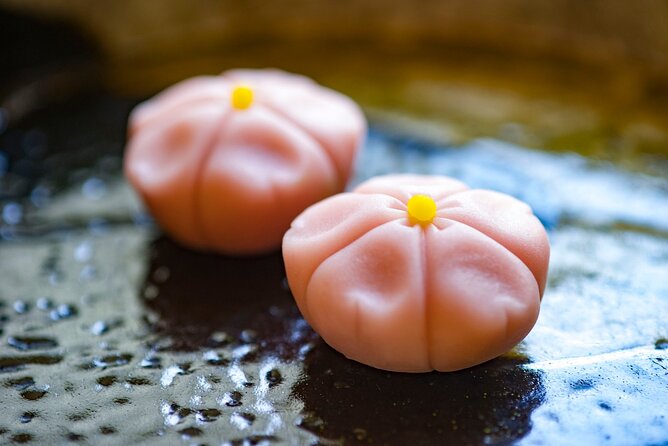
Once your tea is prepared, you drink it with Japanese sweets. The sweets are included in the price and serve a purpose beyond decoration. Their sweetness works against matcha’s more assertive taste, making the pairing easier to appreciate.
The exact sweets are not specified, so you should not book this expecting a particular pastry or confection. The important promise is the combination of authentic matcha and a small set of Japanese sweets, served as part of the class.
The session also includes a tea ceremony element. This is best understood as a friendly introduction rather than a lengthy formal ceremony. You learn about the customs and preparation while taking part yourself. If you want a highly formal, silent ceremony in a traditional tea house, this is probably not the right choice. If you want an accessible cultural lesson where you can ask questions and make tea, it is a better fit.
I especially like that the experience leaves room for photos. You can document the tools, tea, and sweets without the whole activity becoming a staged picture stop. The calm setting and small group make it easier to focus on the process.
A few more Osaka tours and experiences worth a look
- Osaka: Japanese Traditional Sweets Making and Tea Ceremony
★ 4.7 · 118 reviews - Japanese Traditional Sweets “Nerikiri” making
★ 4.2 · 5 reviews
What the $21.89 price gets you
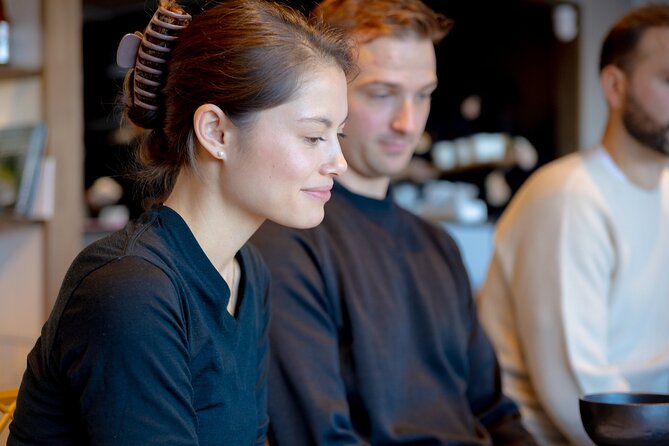
At $21.89 per person, this is a modestly priced cultural activity in Osaka. The fee includes an English-speaking instructor, matcha, Japanese sweets, and use of the prepared tools and ingredients.
The value comes from the instruction. You could buy a matcha drink for less, but that would not teach you how to prepare it or explain its place in Japanese culture. You could also attend a more formal tea event, but that may cost more and offer less hands-on practice.
The one-hour length keeps the price easy to justify, particularly if you want a short activity between major Osaka sights. I would view it as a practical introduction rather than a full culinary workshop. You are paying for guidance, cultural context, and a tasting session, not a large meal or an extensive tea course.
There is no hotel pickup or drop-off. That is not a serious issue for this kind of city activity, but you need to reach the meeting point on your own. Since the location is near public transportation, it should work well as part of an independent Osaka day.
Choosing morning or afternoon
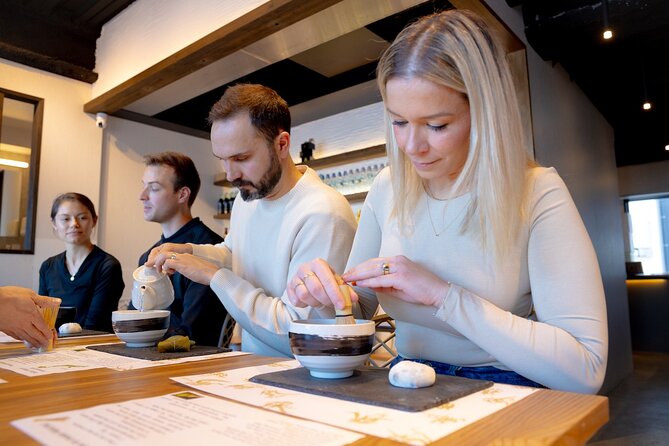
Morning and afternoon sessions are available. I like having both options because matcha can fit different kinds of itineraries.
A morning class gives you a gentle start before a day of sightseeing. It may also suit you if you want to learn the preparation method before visiting tea shops or buying matcha elsewhere in Japan. An afternoon session works well after exploring the city, especially when you need a quiet pause before dinner.
The class lasts approximately one hour, so you can plan around it without losing a major block of your day. Still, I would allow extra time for arrival and finding the entrance. The activity itself is short, but the route to the room may not be as obvious as the street address suggests.
Because the group is small, punctuality matters. Arriving at the last moment can make the beginning feel rushed and can inconvenience the instructor and other participants.
Who will enjoy this Osaka class
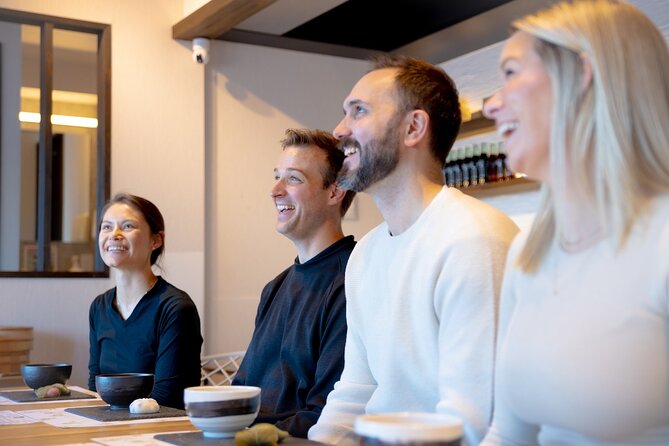
I would recommend this experience to several kinds of people:
- First-time matcha drinkers who want an easy introduction without committing to a formal ceremony.
- Matcha fans who have enjoyed the drink but never learned how to make it properly.
- Families and mixed-interest groups because the visual explanations, quizzes, sweets, and short format keep the class approachable.
- Solo visitors who want a social activity with a small group rather than a large tour.
- Couples and friends looking for a calm break from Osaka’s louder food and shopping districts.
- People planning to buy matcha who want to understand the preparation process before taking some home.
I would be less likely to choose it if you want a full meal, a long workshop, or a highly formal tea ceremony. The class is compact and casual. That is its strength, but it also sets a clear limit.
You do not need prior experience. The instructor prepares the materials and walks you through the process. Service animals are allowed, and the activity is near public transportation, though the supplied information does not give more detail about the physical layout or other accessibility features.
How the teaching style shapes the experience
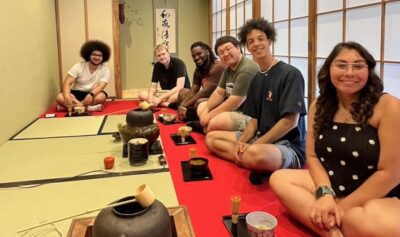
The strongest part of this class is the way information and action are mixed. You hear about matcha, see how it is prepared, answer a few questions, and then try it yourself. That sequence is more effective than a talk alone because you immediately put the information to use.
I also appreciate the repeated emphasis on clear English. Hosts such as Fuko and Yui have been noted for explanations that are easy to follow, while Momo and Matty have helped make the session warm and interactive. Instructor style can vary, but the class has room for personality rather than relying on a rigid script.
The quizzes are a smart touch for families and anyone who finds cultural lectures hard to remember. They also make the history less intimidating. You do not need to know Japanese tea terms before arriving.
The class may feel too light for someone who already studies tea ceremony. In that case, the practical home-making advice could still be useful, but the cultural portion may cover familiar ground.
Booking, cancellation, and practical details
Your confirmation is received at booking, and the ticket is mobile, so you can show it from your phone. The activity starts and finishes at the Higashishinsaibashi meeting point.
Free cancellation is available if you cancel at least 24 hours before the start time. Cancellations made less than 24 hours ahead do not receive a refund, and changes within that period are not accepted. The cut-off uses Osaka local time, so check the time carefully if you are changing plans from another time zone.
The class has been booked frequently and carries a 5 out of 5 rating from 509 reviews, with 100 percent recommendation shown in the supplied information. That level of approval fits the experience’s strengths: personal instruction, friendly hosts, clear explanations, and tasty sweets. Still, the location issue is worth taking seriously. Plan the route before class rather than assuming the address will be instantly obvious.
Should you book the matcha class?
Book it if you want a short, hands-on cultural activity that teaches you something useful. The small group, English instruction, home-making tips, and Japanese sweets make the $21.89 price fair, especially for solo visitors, couples, families, and anyone curious about matcha.
Skip it if you want a long formal ceremony, a substantial meal, or an advanced study of tea. For most visitors, though, this is an easy way to add a calm hour to an Osaka itinerary. Just allow extra time to find the building, arrive ready to participate, and expect a friendly introduction rather than a grand ceremonial performance.
FAQ
How long does the matcha class last?
The class lasts approximately one hour.
Where does the matcha class begin?
It begins at Matcha Making Osaka, 1-chōme-16-20 Higashishinsaibashi, Chuo Ward, Osaka, 542-0083, Japan.
Where does the activity end?
The class ends back at the meeting point.
What is included in the price?
The price includes an English-speaking instructor, matcha, and Japanese sweets.
Are hotel transfers included?
No. Hotel pickup and drop-off are not included.
Is the class taught in English?
Yes. An English-speaking instructor leads the class.
Do I need previous matcha-making experience?
No. The activity is beginner-friendly, and no prior experience is required.
How many people can join the class?
The activity has a maximum of six participants.
Are morning and afternoon sessions available?
Yes. You can choose from morning and afternoon class times.
Can I cancel for a full refund?
Yes, if you cancel at least 24 hours before the experience start time. Cancellations made less than 24 hours in advance are not refundable.
Just added around Osaka
- Nara Day Trip from Osaka with a Licensed Guide★ 5.0 · 3 reviews
- Osaka Early Morning Osaka Castle Tour Avoid Crowds★ 5.0 · 3 reviews
- Guided Tour of Some Attractions in Osaka by Private Car★ 5.0 · 3 reviews
- Private Transfer Between Kyoto and Kansai Airport KIX★ 5.0 · 3 reviews
- Shared Arrival Transfer: Osaka Itami Airport to Osaka City★ 5.0 · 3 reviews
- Osaka: Sushi Making Class and Dotonbori Food Tour★ 4.7 · 3 reviews
- Osaka Night Photography Workshop★ 5.0 · 3 reviews
- Kyoto Full day Tour Kinkakuji, Kiyomizu-dera and Fushimi Inari★ 4.5 · 3 reviews
Osaka Tea Ceremony & Matcha Experiences, compared.

Japanese Traditional Sweets Making and Tea Ceremony
Read our review →
Osaka Temple Cool Foot Bath & Matcha Experience〈45min〉
Read our review →
Samurai Show, Tea Ceremony, Japanese Traditional Activities
Read our review →
Osaka; Japanese Tea ceremony experience, Macha and Sencha
Read our review →Browse the lists this tour appears in