
Reviewed · OSAKA TEA CEREMONY & MATCHA EXPERIENCES
Samurai Show, Tea Ceremony, Japanese Traditional Activities
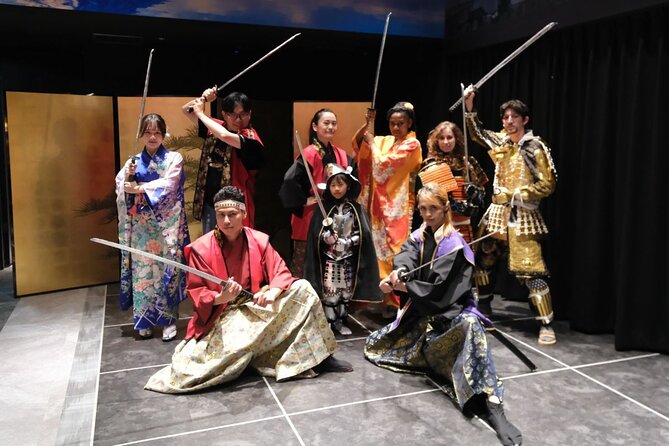
The best part of this Osaka experience is that you do more than watch. You can practice simple samurai movements, try traditional instruments, brush Japanese calligraphy, and prepare green tea. It feels part show, part workshop, and part cultural introduction.
I like the hands-on format, especially for families and first-time visitors. I also like the mix of quiet activities, such as tea and calligraphy, with the lively samurai performance. The main thing to keep in mind is that the basic ticket does not include samurai armor, a kimono, or ninja dress-up, and the performance may feel theatrical rather than historically rigorous.
In This Review
- Key points to know before you book
- What this Osaka cultural experience actually feels like
- The samurai performance brings the energy
- Tea ceremony slows everything down
- Calligraphy gives you something to take home
- Japanese music is more fun when you try it
- Costumes add pictures, not essential content
- Why the $44.92 price can be good value
- Who will get the most from it
- Timing, meeting point, and cancellation details
- Small practical tips for a better visit
- Should you book this Osaka experience?
- FAQ
- Where does the activity start?
- Where does the activity end?
- How long does the experience last?
- What activities are included?
- Are samurai armor and kimono included?
- Is the experience suitable for most people?
- Can I use a mobile ticket?
- What is the cancellation policy?
Key points to know before you book
- Samurai action plus calm tea rituals: The program shifts from swordplay and stage combat to calligraphy and tea preparation.
- Traditional music is interactive: You can see performances and try selected Japanese instruments yourself.
- Plan on more than 2.5 hours: The advertised program lasts about 150 minutes, but some schedules run 3.5 to 4 hours when every activity is included.
- Costumes cost extra: Samurai armor, kimono, and ninja attire are not part of the standard price.
- A good rainy-day choice: The activity takes place in a large indoor facility, though the operator lists good weather as a requirement for operation.
- Small enough for personal help: The maximum group size is 20, and staff assist with photos, Japanese phrases, and moving between activities.
What this Osaka cultural experience actually feels like
At about $44.92 per person, this is not a formal museum tour or a quiet tea lesson. It is a lively cultural program built around several short activities. You move through demonstrations, explanations, and chances to try things yourself.
That format matters. Japanese culture can feel difficult to approach if you do not know the rules or language. Here, staff guide you through the basic steps and let you make mistakes without fuss. You may not become a calligraphy expert or a skilled musician in one afternoon, but you will understand more because your hands are involved.
The venue is described as a large facility near public transportation, with the meeting point at Shinsaibashi ARTY Inn, 2-chōme-17-3 Nishishinsaibashi, in Osaka’s Chuo Ward. It begins and ends at the same meeting point. The location puts this activity within the wider Shinsaibashi and Dotonbori sightseeing area, so it can fit neatly into a day spent around central Osaka.
The advertised length is approximately two hours and 30 minutes. I would protect at least three hours, since the order and pace of the activities can stretch. If you choose every available part, including a costume option, you might spend closer to three and a half or four hours.
More tea ceremonies and matcha sessions:
- Osaka: Tea Ceremony Experience
★ 4.9 · 1,426 reviews - Tea Ceremony Experience in Osaka Doutonbori
★ 5.0 · 754 reviews - Matcha Making Class in Osaka with Authentic Japanese Sweets Set
★ 5.0 · 509 reviews
The samurai performance brings the energy
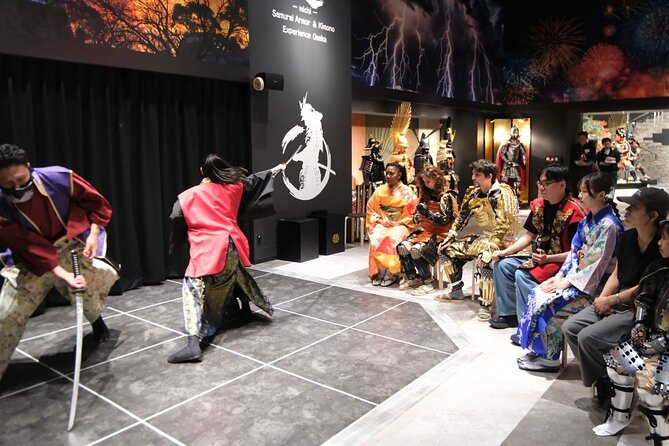
The samurai segment is the loudest and most theatrical part of the program. You watch a staged performance and then get a chance to practice selected moves with safe, non-real swords. The action is designed for participation and laughs, not combat training.
Some sessions include two separate samurai shows. You may first watch a performance and later join a short practice section. This gives the activity a useful rhythm: you see the professionals demonstrate the movement before trying a simple version yourself.
Children tend to respond well to this part because it is physical and playful. Adults can enjoy it too, especially if they are willing to take part rather than remain in the audience. One particularly popular feature is practicing with a performer who plays the role with humor, which helps keep the sword activity relaxed.
You should set your expectations correctly. This is not a scholarly lesson in military history, and one attendee found the samurai portion less convincing than the tea, music, and calligraphy. The armor and props may also be reproductions rather than museum pieces. If you want detailed information about armor construction or samurai warfare, you will need a specialist museum or historical tour.
Still, as a short stage show followed by safe participation, the samurai segment gives the afternoon its spark. I would especially value it if you are visiting Osaka with children, teenagers, or friends who enjoy performance.
Tea ceremony slows everything down
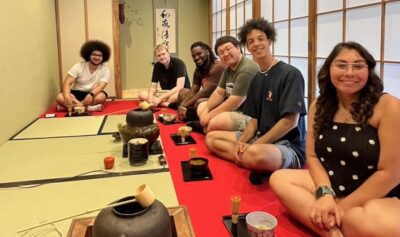
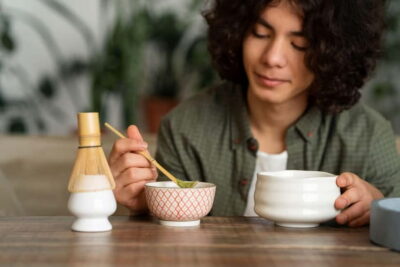
The tea ceremony provides a useful contrast to the swordplay. You learn how green tea is prepared and how to follow the basic movements of a traditional tea setting. The point is not simply drinking tea. It is learning to notice order, care, and restraint.
Staff explain what to do, so you do not need prior experience. You can ask questions and learn the correct method rather than guessing from a tourist photo opportunity. The ceremony is one of the more approachable ways to encounter Japanese customs because the activity has a clear sequence.
I like that the tea portion gives you a quiet break after the louder performances. It also helps explain an important part of Japanese culture: small gestures matter. How you handle the cup, how you sit, and how you receive the tea all carry meaning.
Do not expect the full atmosphere of a historic tea house. This is a group activity within a larger entertainment and workshop venue. The setting is made for access and participation, not private contemplation. That is a fair trade if you want an introduction rather than a highly formal ceremony.
Calligraphy gives you something to take home
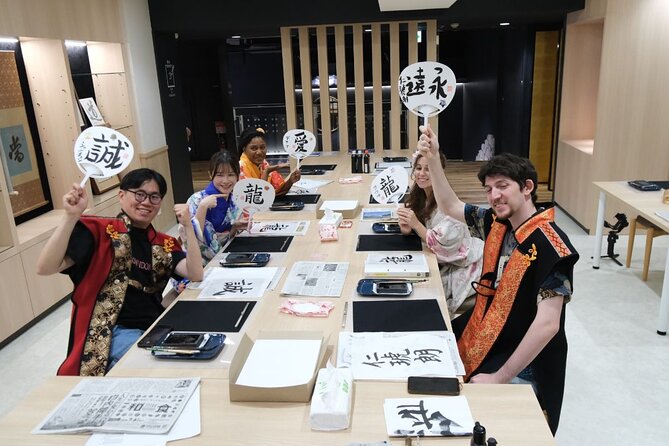
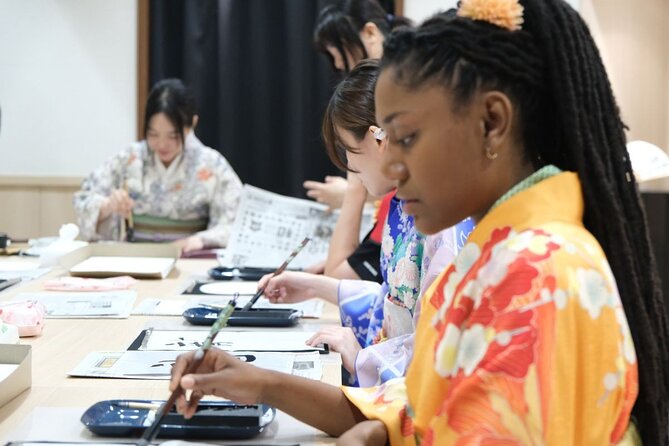
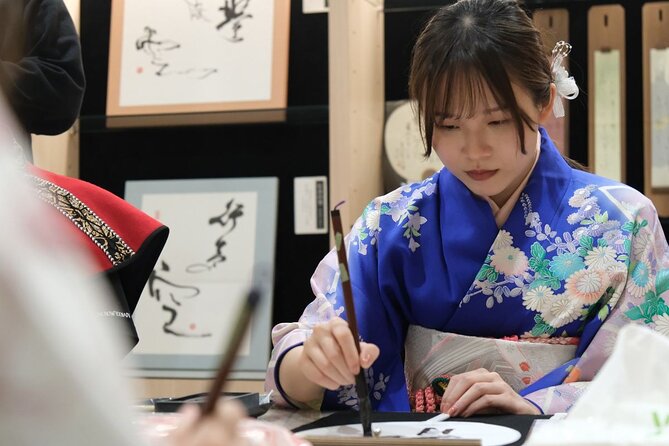
The calligraphy lesson is one of the most practical sections because you create a personal piece rather than only watching a demonstration. You learn how to hold the brush and make selected marks under guidance.
Several accounts describe taking home a personalized fan. That small souvenir gives the activity more value than a quick brushstroke on scrap paper. It also makes calligraphy suitable for children and adults who want a quiet craft after the samurai show.
Calligraphy rewards patience, but you do not need artistic talent to enjoy it. The staff help with technique and basic Japanese language. If you are trying to learn a little Japanese during your visit, this is a natural place to ask about characters and pronunciation.
The lesson is likely to be introductory, given the number of activities in the same session. I would see it as a cultural craft class, not a full study of Japanese writing systems. Even so, brushing a character yourself gives you a better sense of the discipline behind the art.
More samurai and ninja experiences:
- Samurai Training Experience KENDO in Osaka
★ 5.0 · 515 reviews - OSAKA NIGHT FUSION Japanese Taiko Kabuki Samurai Dance Show
★ 4.8 · 155 reviews - Osaka: Samurai Training Experience KENDO in Osaka
★ 5.0 · 111 reviews - Osaka: A Modern Samurai, Kabuki, Taiko, & Dance Show
★ 4.5 · 66 reviews
Japanese music is more fun when you try it
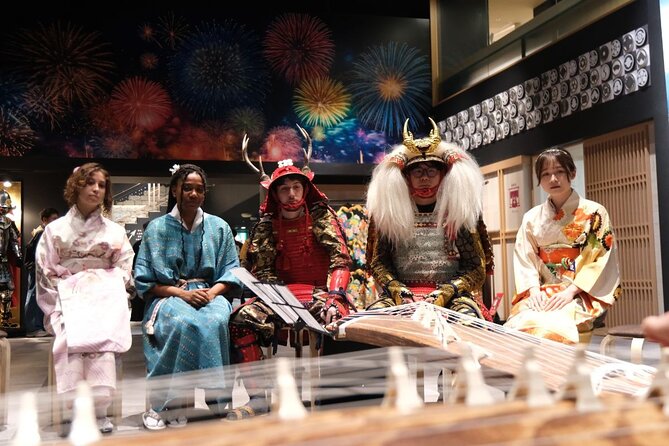
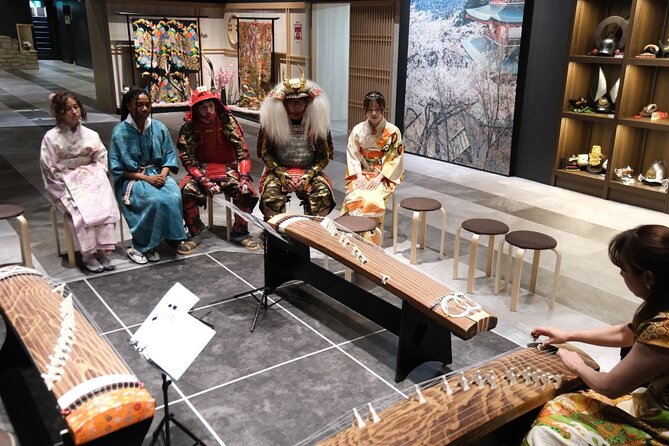
The music section includes performances on traditional Japanese instruments, followed by chances to play selected instruments. Instruments mentioned in the experience include a Japanese guitar, a Japanese flute, a harp, and a complex Japanese keyboard-style instrument.
The exact instruments and order can vary, but the design is clear: you listen first, then try. That approach makes the music easier to appreciate. The sounds may be unfamiliar, and producing a clean note can be harder than it looks. That is part of the fun.
You might not master the flute in one visit, but you can understand how the instrument feels and how musicians create its sound. Trying an instrument also turns a passive concert into a short workshop.
This section works well for mixed-age groups. Someone who is not interested in calligraphy may enjoy the music. Someone who finds the samurai show too theatrical may prefer the slower instruction here. I would allow extra time if you want to try more than one instrument or ask detailed questions.
Costumes add pictures, not essential content
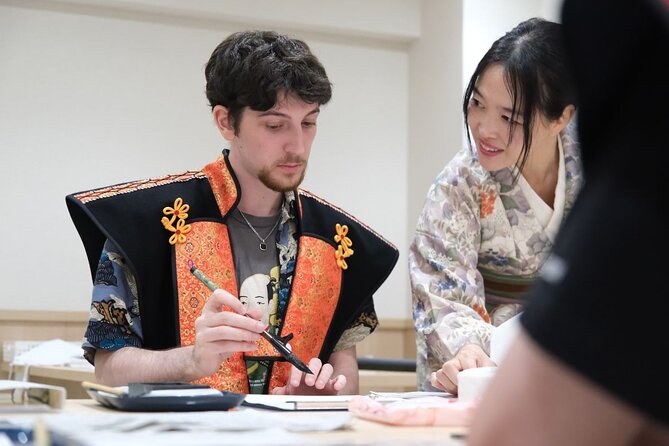
Samurai armor and kimono experiences are not included in the basic admission. Ninja attire is also listed separately from the included activities. You should treat costume dress-up as an optional add-on, not part of the $44.92 price.
A kimono option was described by one participant as costing 5,000 yen. The attendants helped with dressing, photographs, and moving around the venue, and the participant kept the socks and undergarments. Prices and conditions can change, so check the current option when booking.
The costume is most useful if you want photographs or a more visual family activity. It is not required for the tea, calligraphy, music, or samurai programs. If your budget is tight, I would spend the standard admission on the activities first.
Samurai armor may appeal to children and anyone fascinated by Japanese warriors. But remember that the experience does not automatically include it. If armor is your main reason for booking, confirm the current package before paying.
Why the $44.92 price can be good value
At roughly $45, the standard admission covers several separate activities: a samurai performance, tea ceremony, calligraphy, traditional music, and interactive practice. Many Osaka attractions charge similar money for a single viewing experience, so the variety gives this program a strong value case.
The real value depends on how much you participate. If you only watch the shows and skip the workshops, the price feels less attractive. If you try the instruments, complete the calligraphy activity, join the samurai practice, and take part in tea preparation, you receive a full afternoon rather than a short photo stop.
The maximum group size is 20. That is not a private class, but it is small enough for staff to keep the group moving and offer personal help. Several accounts describe staff assisting with photographs, Japanese phrases, and activity instructions. Yui and Miyu are specifically named among the staff appreciated for making the visit welcoming.
I would compare the price with your day’s other plans. This is a good choice if you want one central Osaka booking that combines entertainment and cultural activities. It is less suitable if you prefer a single specialist experience with long, detailed instruction.
Who will get the most from it
I would recommend this for families because the program keeps changing pace. Children can watch the samurai performance, try an instrument, make calligraphy, and learn the basic tea routine. One family group of 10 found enough variety for grandparents, parents, and grandchildren, with staff showing patience throughout.
It also suits couples and friends who want a shared activity instead of another viewing platform or shopping stop. You can take photographs, laugh through your first attempt at an instrument, and leave with a calligraphy souvenir.
First-time visitors to Japan may find this especially useful. The program introduces several familiar symbols of Japanese culture in one place, without requiring you to know the etiquette in advance. It is also a practical option during bad weather because the venue is indoors.
I would be more cautious if you want a deeply traditional or academically detailed experience. The program is broad and accessible, so each part is relatively short. The samurai show is staged, props may be reproductions, and the tea ceremony is adapted for a group setting.
Timing, meeting point, and cancellation details
You meet at Shinsaibashi ARTY Inn in Nishishinsaibashi, Osaka. The activity returns to that same point, and the venue is near public transportation. The program is listed as taking place around Dotonbori, making it easy to pair with sightseeing in central Osaka.
Confirmation is sent when you book, and mobile tickets are accepted. Most people can participate, and the group is limited to a maximum of 20.
Free cancellation is available if you cancel at least 24 hours before the local start time. Changes or cancellations inside that window are not accepted for a refund. The operator also states that the activity requires good weather. If it is canceled for weather, you are offered another date or a full refund.
The weather condition is worth checking because the activity itself is described as indoor. I would rely on the operator’s final notice rather than assume that rain automatically means cancellation.
Small practical tips for a better visit
- Leave a time cushion: Book this when you have a relaxed afternoon, not immediately before a train or dinner reservation.
- Wear comfortable clothing: You may participate in sword movements and move between stations.
- Decide about costumes early: Kimono and armor are not included, and the optional dress-up can add time.
- Bring your phone: Staff help with photographs, and the activities create better memories when you can record a few moments.
- Expect help with language: Staff assist with Japanese phrases and activity instructions, which is useful for first-time visitors.
- Participate fully: The value comes from trying the instruments, brush, tea preparation, and safe sword practice.
Should you book this Osaka experience?
I would book it if you want a broad, cheerful introduction to Japanese culture and like to take part. The combination of samurai performance, tea, calligraphy, and traditional music offers more variety than the price suggests.
I would skip it if your main goal is a serious study of samurai armor, a formal tea ceremony, or a long music lesson. The program is theatrical and introductory, with optional costumes at extra cost.
For most families, first-time visitors, and anyone with a spare half-day in Osaka, this is a sensible pick. Give it at least three hours, confirm the costume price if you want dress-up, and arrive ready to try things rather than simply watch.
FAQ
Where does the activity start?
It starts at Shinsaibashi ARTY Inn, 2-chōme-17-3 Nishishinsaibashi, Chuo Ward, Osaka, 542-0086, Japan.
Where does the activity end?
It ends back at the same meeting point.
How long does the experience last?
The advertised duration is approximately two hours and 30 minutes, or about 150 minutes. You may need three to four hours to complete every activity at a relaxed pace.
What activities are included?
The included program features a tea ceremony, calligraphy, traditional Japanese music, and a samurai performance.
Are samurai armor and kimono included?
No. Samurai armor, kimono, and ninja attire are not included in the standard activity.
Is the experience suitable for most people?
The activity states that most people can participate. The maximum group size is 20.
Can I use a mobile ticket?
Yes. The experience includes a mobile ticket.
What is the cancellation policy?
You can receive a full refund if you cancel at least 24 hours before the local start time. Cancellations or changes made less than 24 hours before the start are not accepted for a refund. If the operator cancels because of poor weather, you are offered another date or a full refund.
Just added around Osaka
- Guided Tour of Some Attractions in Osaka by Private Car★ 5.0 · 3 reviews
- Nara Day Trip from Osaka with a Licensed Guide★ 5.0 · 3 reviews
- Osaka Early Morning Osaka Castle Tour Avoid Crowds★ 5.0 · 3 reviews
- Private Transfer Between Kyoto and Kansai Airport KIX★ 5.0 · 3 reviews
- Shared Arrival Transfer: Osaka Itami Airport to Osaka City★ 5.0 · 3 reviews
- Osaka: Sushi Making Class and Dotonbori Food Tour★ 4.7 · 3 reviews
- Osaka Night Photography Workshop★ 5.0 · 3 reviews
- Kyoto Full day Tour Kinkakuji, Kiyomizu-dera and Fushimi Inari★ 4.5 · 3 reviews
Osaka Tea Ceremony & Matcha Experiences, compared.

Matcha Making Class in Osaka with Authentic Japanese Sweets Set
Read our review →
Japanese Traditional Sweets Making and Tea Ceremony
Read our review →
Osaka Temple Cool Foot Bath & Matcha Experience〈45min〉
Read our review →
Osaka; Japanese Tea ceremony experience, Macha and Sencha
Read our review →Browse the lists this tour appears in