
Reviewed · OSAKA CRAFT WORKSHOPS
Osaka: Private Japanese Calligraphy Experience
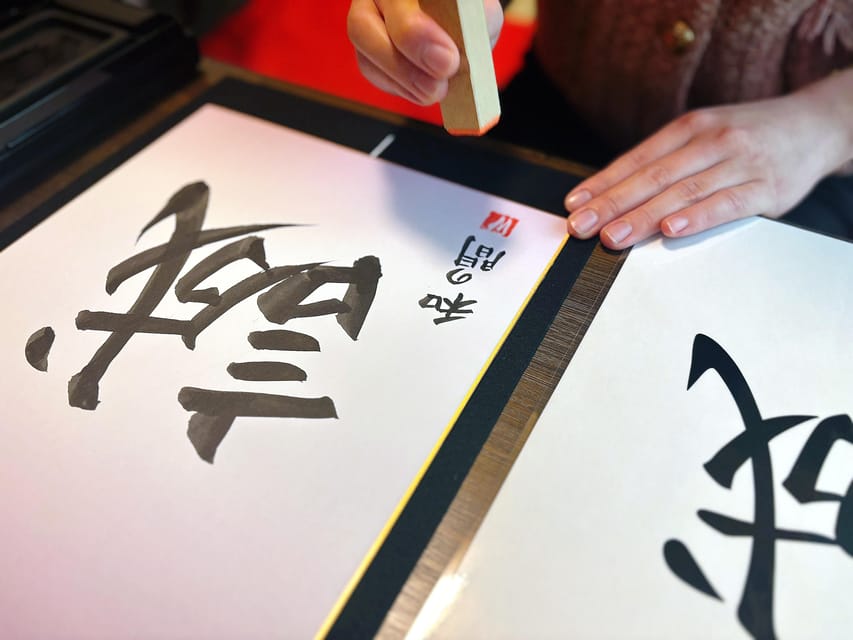
Turning your name into kanji chosen to reflect your personality is the heart of this 90-minute Osaka experience. You do not simply copy a character from a worksheet. You discuss words, meanings, and themes, then create a personal piece of Japanese art with a brush, colored paper, your name, and a stamp.
I like the calm, private setup. You can ask questions freely, slow down for a child, or request plenty of photos without worrying about a larger group. I also like that the instructor gives you something real to take home, rather than a quick demonstration that disappears when the class ends.
The main consideration is that calligraphy is harder than it looks. Your hand may shake, and the final work will still show the fact that you made it yourself. That is part of the charm, but perfectionists should expect practice, not instant mastery.
In This Review
- Key points before you book
- Why the personal kanji choice matters
- What happens during the 90-minute session
- 1. Choose a theme and discuss the characters
- 2. Learn the basic brush movements
- 3. Practice before the final work
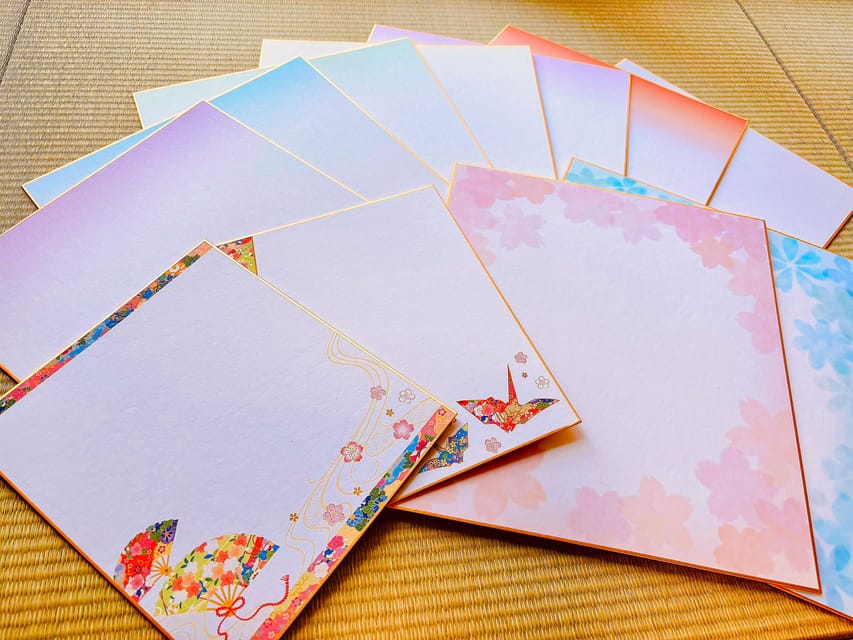
- 4. Select colored paper
- 5. Create the final calligraphy artwork
- 6. Add your Japanese name and stamp
- A quiet private setting in the middle of Osaka
- The instructor and language support
- Location in Namba and finding the meeting point
- Is $51 per person a good value?
- What this experience does not include
- Who should book this Osaka class?
- Booking details that affect your plans
- Should you book the WA NO MA calligraphy experience?
- FAQ
- How long does the Japanese calligraphy experience last?
- Where is the meeting point?
- How will I identify the staff?
- Is the activity private?
- Which languages does the instructor speak?
- Can children take part?
- What should I bring?
- Is tea ceremony included?
- Can I cancel for a full refund?
- Is the activity wheelchair accessible?
Key points before you book
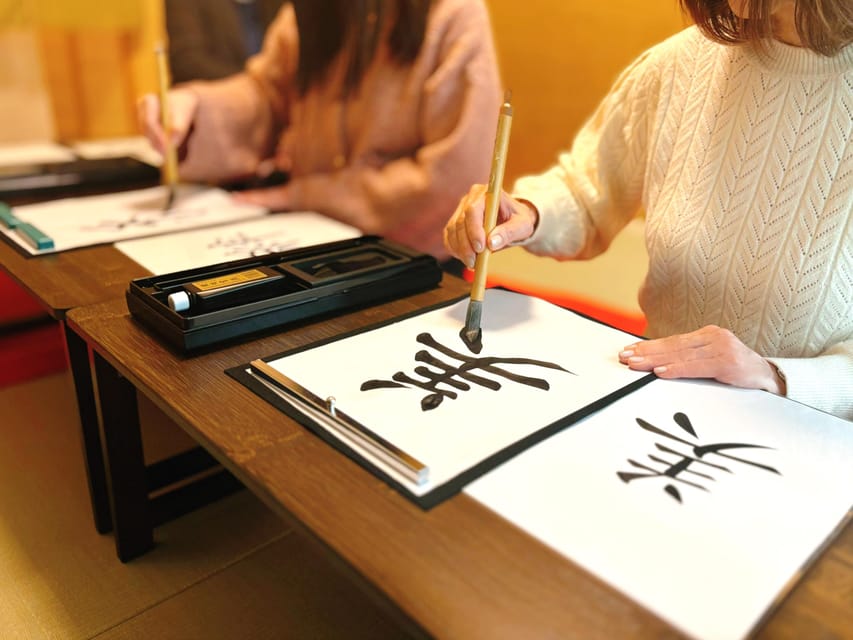
- Your name becomes a custom kanji design: Choose words and themes, then work with the instructor to find characters that suit you.
- The whole session is private: Your group receives close attention, with time for photos, questions, and a pace that works for children.
- You practice before making the final piece: The lesson covers basic brush movements before you use colored paper.
- The souvenir is made by you: Finish your artwork with your Japanese name and a personal stamp.
- The studio is in central Namba: It is about a short walk west from the New Osaka Hotel Shinsaibashi and close to Shinsaibashi-suji.
- Families have a useful alternative: Young children can use water calligraphy, which avoids dirty hands and clothing.
Why the personal kanji choice matters
Japanese calligraphy can look mysterious when you first see it. A character may be attractive, but its meaning matters just as much as its shape. This lesson gives you a reason to slow down and understand what you are writing.
At the start, you choose a theme or tell the instructor about favorite words and letters. The instructor can suggest kanji that express an idea such as happiness, connection, or another quality that fits your personality. You then learn what the characters mean and how their strokes are formed.
This is a better souvenir than buying a decorative character with no idea what it says. You leave with a piece connected to your own trip and a little context to explain it when you show it at home.
The process also removes some of the pressure around language. You do not need to arrive knowing Japanese. The instructor speaks English and Japanese, explains the meaning of the characters, and answers questions about the writing system and culture.
More traditional craft workshops:
- 1.5〜2 Hours Traditional Kintsugi Work Shop in Namba Osaka
★ 5.0 · 75 reviews - From Osaka: Sakai Knife Maker or Blacksmith Walking Tour
★ 4.9 · 64 reviews - Osaka: Traditional Japanese Ceramics Private Experience
★ 5.0 · 57 reviews
What happens during the 90-minute session
The schedule can be adjusted to suit your group, but the usual sequence is clear and sensible.
1. Choose a theme and discuss the characters
You begin by talking about what you want to write. You can suggest favorite letters or words, or ask for help finding kanji that express you.
This opening gives the class a personal direction. It also helps you avoid choosing a character only because it looks impressive. Ask about pronunciation, meaning, and why a particular character works for your theme.
2. Learn the basic brush movements
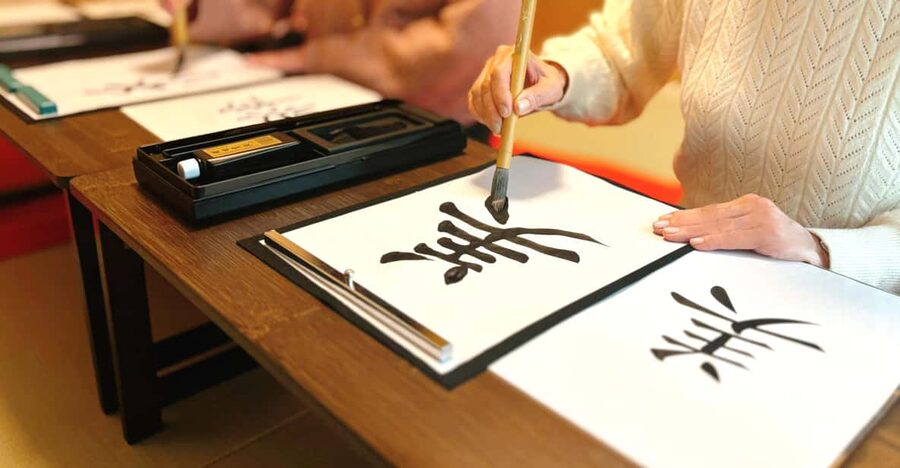
Before you make the final artwork, the instructor explains the basic practices used in calligraphy. You learn how to approach the strokes and how brush movement affects the shape of the character.
This part deserves your full attention. Calligraphy is not just handwriting with a different tool. The pace, pressure, and direction of each movement affect the result. Several people who have taken the class found the art more difficult than it appeared, but also enjoyed the challenge.
Expect correction and hands-on guidance when needed. The instructor’s patient approach is especially useful if you have never held a calligraphy brush before. Children can take part too, and the lesson can be slowed to match their pace.
A few more Osaka tours and experiences worth a look
- Private Osaka Walking Tour: Highlights & Hidden Gems
★ 5.0 · 569 reviews - 3/4/5 Hours Private Tour in Osaka with Local Guide
★ 5.0 · 189 reviews - Osaka’s Best and Brightest: Private Full-Day Tour by Vehicle
★ 5.0 · 147 reviews - Full Day Tour of Kyoto with Private Transportation
★ 5.0 · 130 reviews
3. Practice before the final work
You get time to try the movements before making the piece you will take home. That practice matters because it lets you make mistakes without wasting your chosen paper.
You may find that your hand shakes at first. That is normal for beginners, and the instructor can offer feedback on the strokes. The goal is not to produce a museum-quality character. It is to learn enough control to make a piece that carries your own effort.
4. Select colored paper
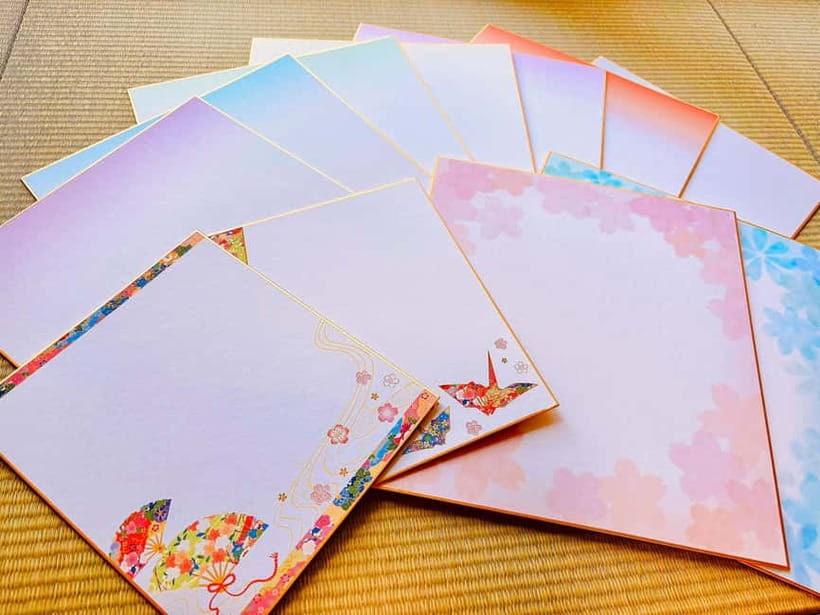
Once you have practiced, choose a favorite sheet of colored paper from the available selection. The paper gives the final work more presence than plain practice paper and makes it easier to display later.
Take a moment with this choice. Your character, ink, name, and stamp will all sit on this background, so the color becomes part of the finished design.
5. Create the final calligraphy artwork
You then print your selected kanji on the paper. The instructor remains close by to guide you through the process and help you handle the brush with care.
The final piece is not mass-produced or filled in by someone else. You create it during the lesson, with support. That makes the uneven parts meaningful rather than disappointing.
6. Add your Japanese name and stamp
To finish, you write your name in Japanese characters and add your initials with a stamp. This final step gives the work a personal signature and completes the connection between you and the artwork.
The result is a one-of-a-kind souvenir. You can take it home flat and give it a place in your apartment, travel journal, or collection of mementos.
A quiet private setting in the middle of Osaka
The private format changes the feel of the class. You are not trying to keep up with a room full of strangers or waiting for the instructor to reach your table. The instructor can focus closely on your group and explain a stroke again if you need it.
It also makes the experience flexible. You can ask the instructor to take many photos while you work, request a slower pace for a child, or make other adjustments that help your group enjoy the session.
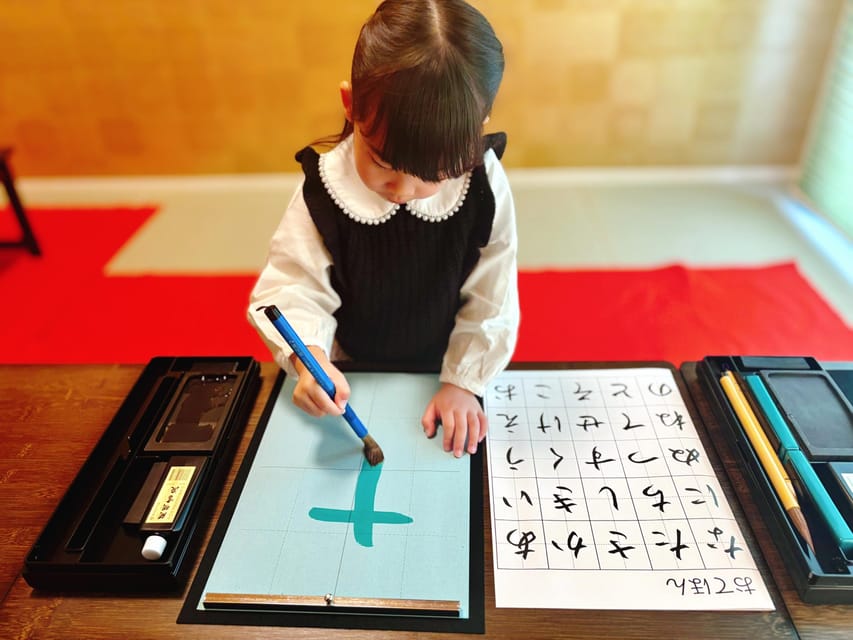
That privacy is particularly useful for families. Younger children may lose interest during a formal cultural lesson, but the hands-on brushwork gives them something to do. Water calligraphy is available for young children, helping prevent ink from getting on their hands and clothes.
The calm pace is another strong point. Calligraphy requires attention, controlled movement, and pauses between strokes. Several participants found the process peaceful, almost meditative. You should not book this expecting a loud, fast-moving activity. It is a quiet hour and a half with room to concentrate.
The instructor and language support
The instructor teaches in English and Japanese. That is enough for you to ask about the characters, the writing process, and aspects of Japanese culture connected to calligraphy.
The instructor’s manner is one of the most important parts of this experience. The teaching style is described as friendly, encouraging, professional, and patient. Those qualities matter because a beginner can feel awkward when the first strokes look nothing like the model.
You should also expect an introduction to the different Japanese symbol systems and some background on the history of calligraphy. The lesson is practical first, but it gives you more than brush technique.
The provider is Japanese Culture Experience WA NO MA. The meeting staff wear kimonos, making them easy to identify outside the building. If your booking confirmation names a specific instructor, keep that information handy, but the key point is that the session is led in English or Japanese and tailored to your group.
Location in Namba and finding the meeting point
The studio is in Namba, one of the easiest parts of Osaka to combine with sightseeing and shopping. It is close to Shinsaibashi-suji shopping street, so you can pair the class with time in the covered arcade or nearby central Osaka.
For the meeting point, go to the entrance of the New Osaka Hotel Shinsaibashi. From there, walk west for about 30 seconds. Look for a blue vending machine near the entrance.
Staff wait outside the main entrance five minutes before your scheduled start time and wear kimonos. Arrive with enough time to identify the hotel and vending machine rather than rushing in from the shopping street.
The central location is convenient, but the meeting instructions still deserve attention. Namba and Shinsaibashi have many streets, shops, and hotel entrances. Save the meeting details before leaving your accommodation.
Is $51 per person a good value?
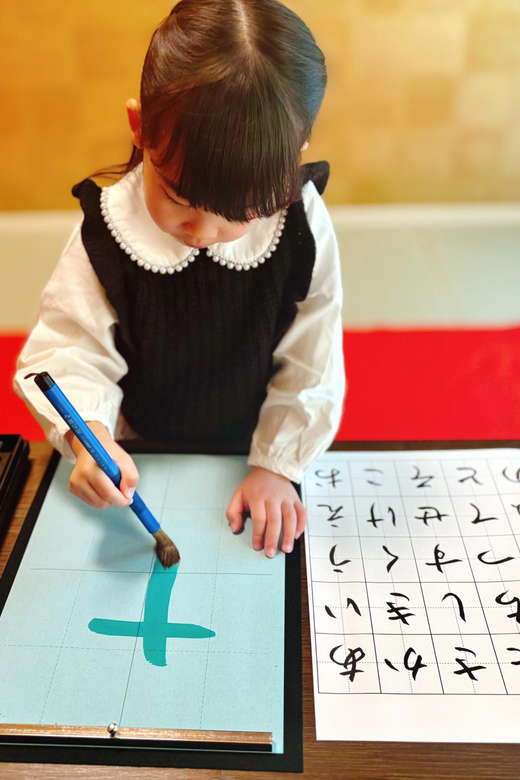
At $51 per person, this is not the cheapest short activity in Osaka. It becomes a stronger value when you consider what is included: a private 90-minute lesson, an instructor, colored paper, and all fees and taxes.
The private format is the main reason the price can make sense. A couple receives individual attention rather than joining a large public workshop. A family can ask for a child-friendly pace, and you can spend more time correcting your own technique.
You also receive a handmade artwork rather than only a memory or a few photographs. The value is partly practical and partly personal. If you want a polished professional calligraphy piece, this may not satisfy you. If you want to learn the basics and create something tied to your visit, the price is easier to justify.
The activity is especially good value for two people who want a quiet cultural experience. It is also useful for families looking for something indoors and structured, particularly on a day when you want a break from Osaka’s busy streets.
What this experience does not include
Tea ceremony is not part of this calligraphy plan. If you want both activities, you need to reserve the separate private tea ceremony and calligraphy option.
That distinction matters because the class itself is focused on brushwork, kanji, and creating your artwork. You should not expect a tea presentation to be added during the 90 minutes.
All fees and taxes are included, as is the colored paper. You do not need to pay an additional instructor fee. Bring socks, and do not smoke during the activity.
The experience is not suitable for wheelchair users. This is an important practical limitation to check before booking.
Who should book this Osaka class?
I would recommend this experience to you if you want a souvenir with a story behind it. It suits couples, families, and small private groups who prefer personal instruction over a crowded workshop.
It is also a good choice if you are curious about Japanese writing but do not speak Japanese. The instructor can explain the characters in English, and you can ask questions as you work.
Families with children aged around seven and up may find the lesson particularly rewarding, based on the way children have taken part successfully. Younger children can use water calligraphy, which reduces the worry about ink on clothes.
You may want to skip it if your schedule is extremely tight, if you dislike sitting still, or if you only want a quick photo opportunity. The best results come from paying attention to the practice and accepting that your first strokes may be clumsy.
Booking details that affect your plans
The experience lasts 90 minutes, with starting times available according to the date you select. The schedule can be adjusted on request, but you should arrange changes in advance rather than assume they will happen automatically.
You can reserve now and pay later, which gives you some flexibility while planning an Osaka itinerary. Free cancellation is available up to 24 hours before the experience for a full refund.
The group type is private. The listed languages are English and Japanese. Remember to bring socks, and note that smoking is not allowed.
Should you book the WA NO MA calligraphy experience?
Book it if you want to make something personal, learn the meaning behind your kanji, and spend a calm 90 minutes with an attentive instructor. The combination of private teaching, a central Namba location, child-friendly adjustments, and a finished artwork gives the experience real substance.
I would be especially inclined to book this for a couple or family. You can work at your own pace, take photos without disturbing other participants, and leave with a souvenir that reflects your own choices.
Skip it if you want a formal tea ceremony, a fully polished artwork made by a professional, or an activity with constant movement. For everyone else, this is a thoughtful way to connect with Japanese culture and take home something you actually made.
FAQ
How long does the Japanese calligraphy experience last?
The experience lasts 90 minutes.
Where is the meeting point?
Meet at the entrance of the New Osaka Hotel Shinsaibashi. Walk west for about 30 seconds and look for a blue vending machine near the entrance.
How will I identify the staff?
The staff wait outside the building in front of the main entrance five minutes before the scheduled booking time. They wear kimonos.
Is the activity private?
Yes. The experience is arranged as a private group activity, with close attention from the instructor.
Which languages does the instructor speak?
The activity is offered in English and Japanese.
Can children take part?
Yes. The schedule can be adjusted to suit a child’s pace, and young children can use water calligraphy to help prevent ink from getting on their hands and clothes.
What should I bring?
Bring socks.
Is tea ceremony included?
No. Tea ceremony is not included in this plan. A separate Osaka private tea ceremony and calligraphy plan is available for visitors who want both activities.
Can I cancel for a full refund?
Yes. You can cancel up to 24 hours in advance for a full refund.
Is the activity wheelchair accessible?
The experience is not suitable for wheelchair users.
Just added around Osaka
- Nara Day Trip from Osaka with a Licensed Guide★ 5.0 · 3 reviews
- Osaka Early Morning Osaka Castle Tour Avoid Crowds★ 5.0 · 3 reviews
- Guided Tour of Some Attractions in Osaka by Private Car★ 5.0 · 3 reviews
- Private Transfer Between Kyoto and Kansai Airport KIX★ 5.0 · 3 reviews
- Shared Arrival Transfer: Osaka Itami Airport to Osaka City★ 5.0 · 3 reviews
- Osaka: Sushi Making Class and Dotonbori Food Tour★ 4.7 · 3 reviews
- Osaka Night Photography Workshop★ 5.0 · 3 reviews
- Kyoto Full day Tour Kinkakuji, Kiyomizu-dera and Fushimi Inari★ 4.5 · 3 reviews
Osaka Craft Workshops, compared.
1.5〜2 Hours Traditional Kintsugi Work Shop in Namba Osaka
Read our review →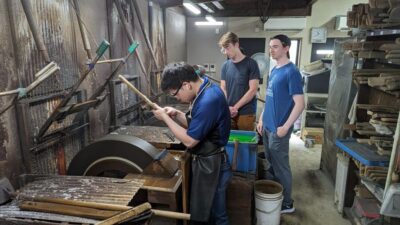
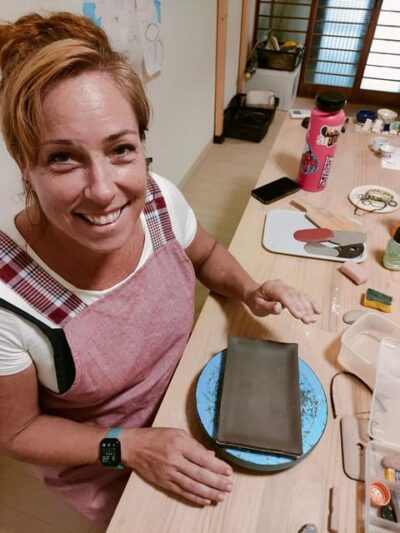
Traditional Japanese Ceramics Private Experience
Read our review →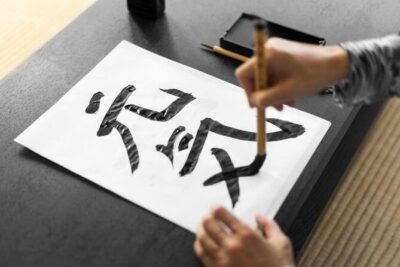

Learning Zen of Japanese Calligraphy in kimono near Osaka Castle
Read our review →
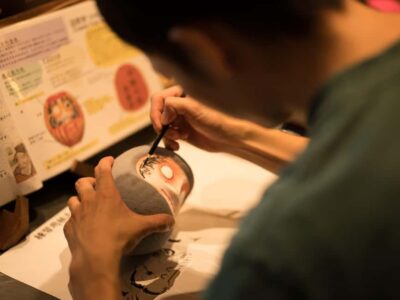
Osaka Daruma Workshop — Paint Your Own Good-Luck Daruma
Read our review →
Browse the lists this tour appears in