
Reviewed · KYOTO DAY TRIPS FROM OSAKA
Kyoto Full day Tour Kinkakuji, Kiyomizu-dera and Fushimi Inari
Kyoto packs three of Japan’s most recognizable sights into one long day here: the Golden Pavilion, Kiyomizu-dera, and Fushimi Inari’s red torii gates. You travel by air-conditioned vehicle, with a multilingual guide handling the route from Osaka or Kyoto.
I like the generous three hours at Kiyomizu-dera, which gives you time for the temple and the old streets of Ninenzaka and Sannenzaka. I also like the flexible starting point, since you can meet in Osaka at 8:40 a.m. or Kyoto at 9:50 a.m. The tradeoff is a busy schedule with up to 40 people, and traffic can shorten sightseeing time.
In This Review
- Key Points At A Glance
- Why This Day Trip Works For A First Kyoto Visit
- Meeting In Osaka Or Kyoto
- Kinkaku-ji And The Golden Pavilion
- Three Hours Around Kiyomizu-dera
- Fushimi Inari’s Long Red Gateways
- What The Guides Add
- Is $53.85 A Fair Price?
- Timing, Walking, And Practical Limits
- Who Should Book This Kyoto Day?
- FAQ
- Where does the tour begin?
- What time does the tour end?
- Are temple admission fees included?
- Is lunch included?
- How large can the group be?
- What happens if I arrive late?
Key Points At A Glance
- Three major Kyoto sights in one day: Visit Kinkaku-ji, Kiyomizu-dera, and Fushimi Inari-taisha without arranging separate transport.
- Two departure choices: Meet at 8:40 a.m. in Osaka or 9:50 a.m. in Kyoto, with drop-off around 6:10 p.m.
- The longest stop is Kiyomizu-dera: Three hours allows time for the temple, Ninenzaka, Sannenzaka, tea houses, and possible kimono wear.
- Admission costs extra: Budget about $4 for Kinkaku-ji and $4 for Kiyomizu-dera, plus your own lunch.
- Small cost, large coverage: The $53.85 price includes transport and a multilingual guide, but not the two paid temple entries.
- Guide service can make the day easier: Yiyi is praised for clear communication, while Frederick is described as caring, fun, and attentive.
Why This Day Trip Works For A First Kyoto Visit
Kyoto can be awkward to cover from Osaka on your own. The sights sit in different parts of the city, and a simple-looking route can involve several trains, buses, and long walks. This tour links three major stops in one outing, using an air-conditioned vehicle and a multilingual guide.
That convenience is the main reason I would consider it. You are paying $53.85 per person for about nine and a half hours, transportation, and guide service. Add roughly $8 for the two temple admissions, then allow extra for lunch. For a first visit, that is a reasonable way to see a lot without spending your day studying transit maps.
The route is not a slow, intimate Kyoto walk. The vehicle may carry as many as 40 people, and the schedule depends on traffic and weather. If you want long meals, quiet temple study, or time to wander without a clock, a private tour or self-guided visit will suit you better.
Still, the selection is smart. Kinkaku-ji gives you the polished postcard view. Kiyomizu-dera provides an older temple complex and traditional lanes. Fushimi Inari changes the mood with its long sequence of red gates and a more reflective feel.
More day trips over to Kyoto:
- Osaka/Kyoto: Hiroshima Miyajima Bus Tour & Shinkansen Ticket
★ 4.7 · 919 reviews - Ancient Capital Tour: Kyoto and Nara Highlights from Kyoto/Osaka
★ 4.5 · 332 reviews - Osaka/Kyoto: Amanohashidate & Miyama Tour with Boat & Lunch
★ 4.6 · 207 reviews
Meeting In Osaka Or Kyoto
You have two starting options. The Osaka meeting time is 8:40 a.m., while the Kyoto meeting time is 9:50 a.m. This difference matters because the Osaka departure includes the trip into Kyoto, while the Kyoto departure lets you begin closer to the sights.
Arrive 15 minutes early. The guide carries a yellow flag marked with the Gogoday logo, and you join by giving the name used for the booking. Late arrivals and no-shows do not receive a refund, so this is not a morning for cutting things close.
The advertised end time is around 6:10 p.m., giving you roughly 9.5 hours from the Osaka start. Traffic, weather, or other unexpected problems can change the order or reduce time at a stop. I would avoid booking an evening activity that requires a precise arrival time.
The tour is confirmed at booking, and the meeting point is near public transportation. A mobile ticket keeps the practical side simple, but you still need to keep your phone available at the meeting point.
Kinkaku-ji And The Golden Pavilion
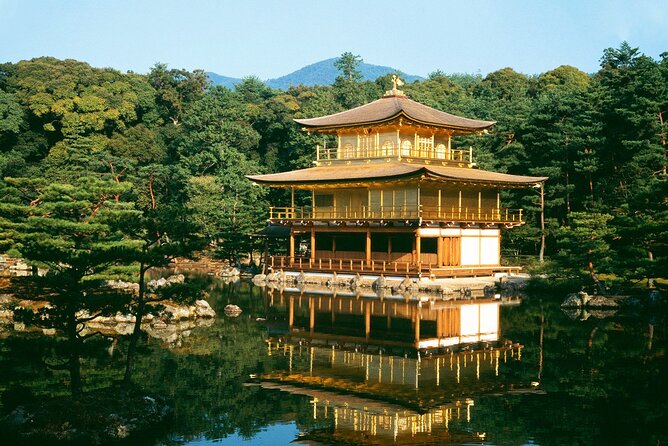
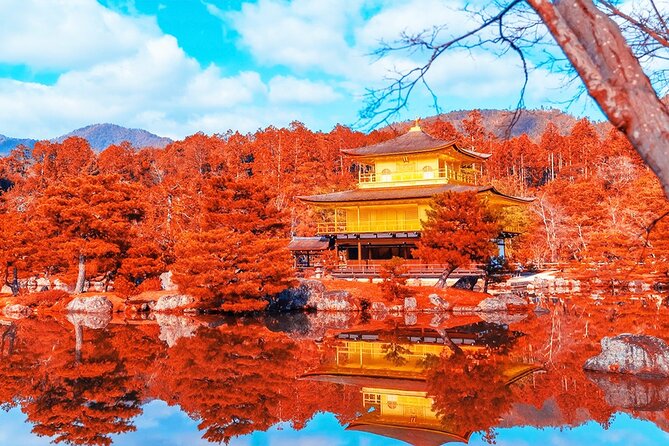
The first sightseeing stop is Kinkaku-ji, also called the Golden Pavilion. Its gold-covered upper levels reflect against the surrounding setting, creating the kind of view that explains why this temple appears on so many Kyoto postcards.
You have about 40 minutes here. That is enough for the main view and a quick look around, but it is not a long temple visit. The short stop keeps the whole day moving, though you should not expect time for an unhurried exploration of every path.
Admission is not included. The stated cost is $4 per person, so keep that amount separate from the tour price. The tour information highlights autumn foliage around the pavilion, but seasonal color depends on your travel dates. The pavilion remains the main attraction in any season.
This stop suits you if you want a clear first look at one of Kyoto’s most famous buildings. It may feel brief if Kinkaku-ji is the main reason you came. The tour’s strength is coverage, not giving every sight a full morning.
I like the order of the day. You see the highly recognizable pavilion early, before spending the largest block of time in the Kiyomizu area. It gives you a strong start, though the exact experience can change with crowds and traffic.
Three Hours Around Kiyomizu-dera
Kiyomizu-dera is the centerpiece of the schedule, with three hours allocated to the temple and its surrounding streets. The temple dates back more than 1,200 years and is a UNESCO World Heritage Site, giving this part of the day more depth than a quick photo stop.
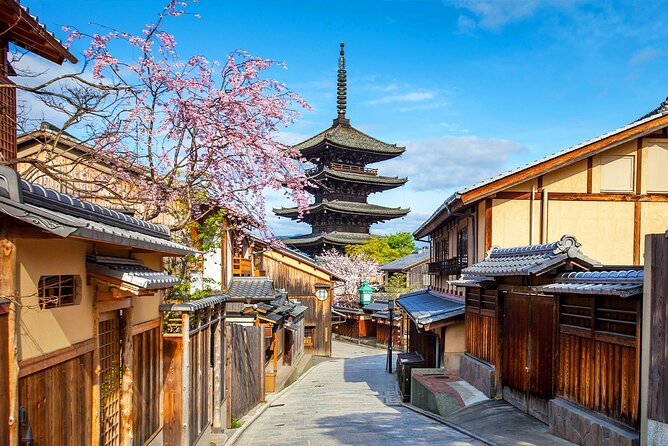
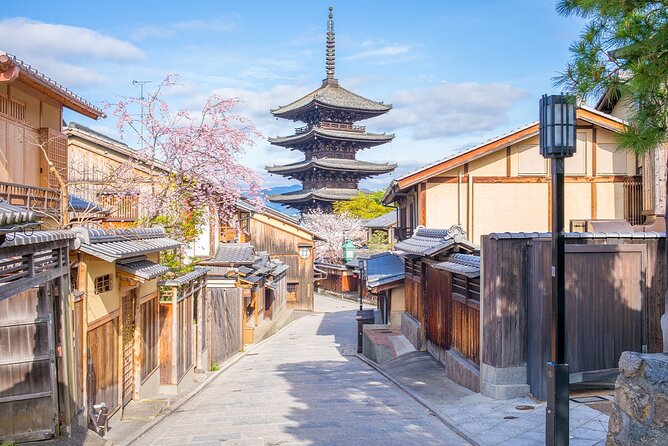
Admission costs another $4 per person and is not included. Once inside, you can explore the temple area, then use the remaining time around Ninenzaka and Sannenzaka. These historic lanes are lined with traditional wooden tea houses and other old-style buildings, creating a very different feel from the open view at Kinkaku-ji.
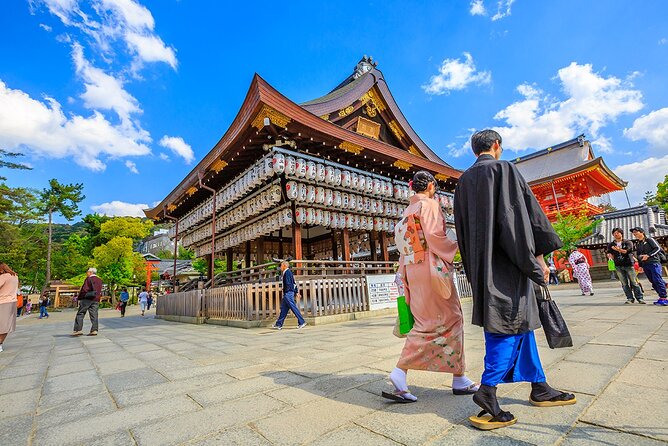
This is also the part of the outing where you can consider wearing a traditional kimono and walking through the old districts. The tour description presents kimono as an option, but it does not state that rental or dressing is included. You should treat it as something to arrange separately, not as part of the $53.85 price.
Three hours sounds generous, but it can pass quickly. You need to allow time for the temple, streets, food, shops, and meeting back with the group. If you stop often for photos or a meal, you may not have time to see every corner.
I like this balance of major monument and ordinary street life. Kiyomizu-dera gives you a formal religious site, while Ninenzaka and Sannenzaka let you walk through the kind of traditional Kyoto setting many people hope to find. The drawback is that the area can feel crowded, and the schedule may not leave room for leisurely browsing.
Lunch is not included. Three hours gives you a chance to arrange your own meal, but no specific restaurant or lunch stop is promised. Plan your food spending separately and keep an eye on the meeting time.
A few more Osaka tours and experiences worth a look
- Osaka: Minoh, Katsuoji Temple, & Minoh Falls Full-day Tour
★ 4.9 · 172 reviews - Osaka’s Best and Brightest: Private Full-Day Tour by Vehicle
★ 5.0 · 147 reviews - Full Day Tour of Kyoto with Private Transportation
★ 5.0 · 130 reviews - Full Day Hiroshima and Miyajima Tour by Bullet Train from Osaka
★ 4.5 · 117 reviews
Fushimi Inari’s Long Red Gateways
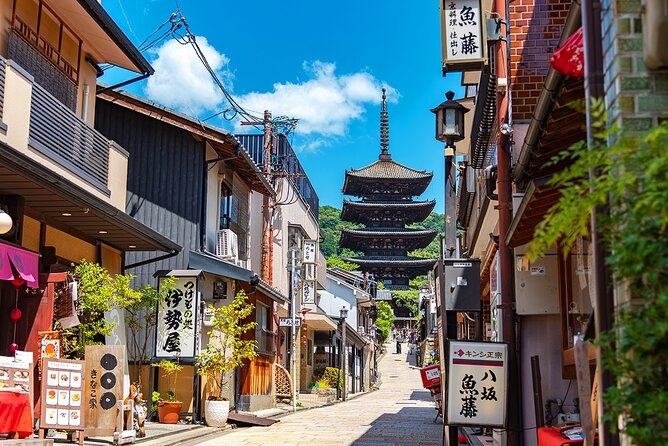
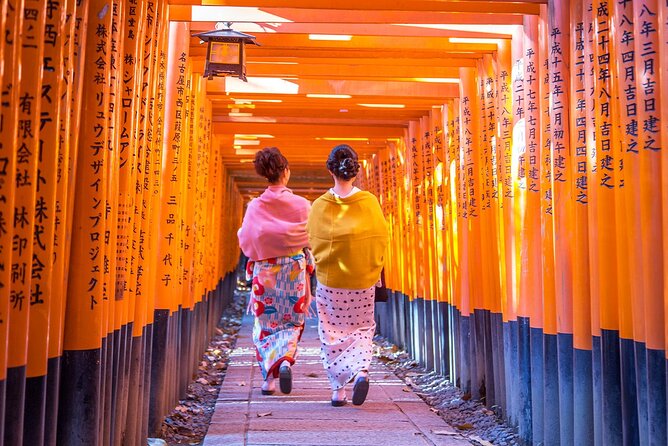
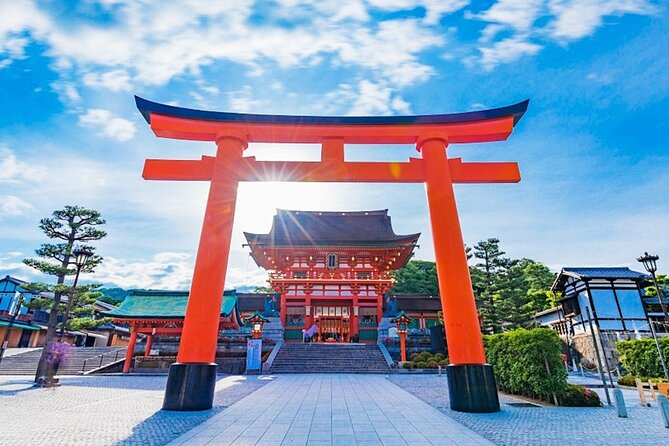
The final stop is Fushimi Inari-taisha, with about one hour and ten minutes to explore. The shrine is famous for its thousands of red torii gates, which form striking paths through the shrine grounds.
You do not pay an admission fee here. That helps offset the two $4 temple charges, though lunch remains your responsibility. The free entry also makes this a straightforward final stop, with no extra ticket to handle.
The allotted time lets you experience the gates and the shrine atmosphere, but it is not enough for a full outing at every level of the mountain paths. Fushimi Inari can be approached as a short walk through the lower gates or as a much longer uphill excursion. The tour does not promise a complete climb, so you should plan around the group’s schedule.
This is a good final stop because it offers a change of pace. After the buildings and narrow lanes around Kiyomizu-dera, the repeating gates create a more open, walking-focused experience. You get a memorable taste of the shrine without needing to organize a separate visit.
Keep your expectations practical. One hour and ten minutes is useful for the main section, but not for a slow pilgrimage-style walk far up the mountain. If reaching the higher viewpoints is a personal priority, you may prefer visiting Fushimi Inari independently on another day.
What The Guides Add
The guide service is multilingual, which is helpful when the day includes several meeting points and a large group. The most useful role is practical: keeping everyone moving, explaining the stops, and helping you understand where to return after free time.
Two guide names appear in the feedback connected with this experience. Yiyi is praised for helpful communication, while Frederick is described as fun, caring, and attentive to the group. Those details suggest that the guide can be more than someone who points out the next building. Good communication matters when you have limited time at each sight.
Guide assignments can change, so you should not book on the assumption that one particular person will lead your departure. Still, the comments give you useful expectations: clear coordination and care for the group are important strengths when the outing includes several stops and a sizable vehicle.
A maximum of 40 people is not small. You may need to stay alert at meeting times and follow instructions closely. The benefit is the lower price and shared transport. The cost is less freedom to linger.
Is $53.85 A Fair Price?
At $53.85, this is priced as a practical sightseeing day rather than a premium private experience. Transportation and a multilingual guide are included, while Kinkaku-ji and Kiyomizu-dera admissions cost about $4 each. Lunch is also separate.
Your likely minimum sightseeing budget is therefore around $61.85 before food, assuming the stated admission prices remain current. That is still a fair amount for a full day linking Osaka or Kyoto with three major sights, especially if you value an air-conditioned vehicle and do not want to plan the connections yourself.
The value is strongest for a first visit. You see three landmarks that are spread across Kyoto, and you receive a fixed structure for the day. It is less valuable for you if you already know Kyoto’s transit system, prefer to set your own pace, or want extended time at one temple.
The group size also affects the price equation. A group of up to 40 can mean waiting for people and less personal attention, but it helps keep the fare moderate. If your priority is convenience at a reasonable cost, that is a sensible exchange.
Timing, Walking, And Practical Limits
The day lasts about 9.5 hours from the Osaka meeting time to the approximate drop-off. The itinerary includes temple grounds, shrine paths, and traditional streets, so you should expect regular walking. The supplied information says most people can participate, but it does not provide a detailed mobility assessment or a route description for each stop.
The 40-minute Kinkaku-ji visit is tightly timed. Kiyomizu-dera receives three hours, and Fushimi Inari receives one hour and ten minutes. Those blocks make the priorities clear: a quick look at Kinkaku-ji, a fuller visit in the Kiyomizu district, then a focused walk through Fushimi Inari.
Weather and road conditions can affect the plan. Attractions may be shortened or canceled, and the operator advises leaving your evening open rather than arranging something that cannot be changed. That is especially important if you are returning to Osaka and have a fixed dinner, train, or show.
The yellow flag makes the group easier to identify, but arriving early is still your responsibility. No refunds apply to late arrivals or no-shows. Free cancellation is available if you cancel at least 24 hours before the local start time, while changes or cancellations inside that window are not accepted.
Who Should Book This Kyoto Day?
I would recommend this tour to you if you are staying in Osaka, have only one Kyoto day, and want to cover the classic sights with minimal planning. It also suits first-time visitors who prefer a guide and shared vehicle to several train and bus connections.
It is a good match if you want a mix of architecture, religious sites, old streets, and walking paths. The kimono option around Kiyomizu-dera adds a traditional touch if you arrange it separately, though it should not be treated as an included feature.
I would hesitate if you want to hike far up Fushimi Inari, spend a full morning at Kinkaku-ji, or stop for long meals and shopping. The group can reach 40 people, and road delays may cut into sightseeing time.
The strongest parts are the carefully chosen stops, the three-hour Kiyomizu-dera block, and the convenience of transport from Osaka or Kyoto. The main compromises are extra admission fees, lunch costs, a fixed timetable, and possible traffic delays.
FAQ
Where does the tour begin?
You can meet the guide in Osaka at 8:40 a.m. or in Kyoto at 9:50 a.m. The exact meeting point is near public transportation.
What time does the tour end?
The drop-off is scheduled for around 6:10 p.m. when departing from the Osaka meeting point, making the total duration about 9.5 hours.
Are temple admission fees included?
No. Kinkaku-ji costs $4 per person and Kiyomizu-dera costs $4 per person according to the supplied tour details. Fushimi Inari has free admission.
Is lunch included?
No. You need to pay for lunch separately during the day.
How large can the group be?
The tour can have a maximum of 40 travelers.
What happens if I arrive late?
The guide holds a yellow flag with the Gogoday logo. You should arrive 15 minutes early and give the guide the name used for booking. Late arrivals and no-shows are not eligible for a refund.
Just added around Osaka
- Nara Day Trip from Osaka with a Licensed Guide★ 5.0 · 3 reviews
- Osaka Early Morning Osaka Castle Tour Avoid Crowds★ 5.0 · 3 reviews
- Guided Tour of Some Attractions in Osaka by Private Car★ 5.0 · 3 reviews
- Private Transfer Between Kyoto and Kansai Airport KIX★ 5.0 · 3 reviews
- Shared Arrival Transfer: Osaka Itami Airport to Osaka City★ 5.0 · 3 reviews
- Osaka: Sushi Making Class and Dotonbori Food Tour★ 4.7 · 3 reviews
- Osaka Night Photography Workshop★ 5.0 · 3 reviews
- Osaka: Koji Kinutani Tenku Art Museum Entry Ticket★ 3.1 · 3 reviews
Kyoto Day Trips from Osaka, compared.

Osaka/Kyoto: Hiroshima Miyajima Bus Tour & Shinkansen Ticket
Read our review →
Ancient Capital Tour: Kyoto and Nara Highlights from Kyoto/Osaka
Read our review →
Osaka/Kyoto: Amanohashidate & Miyama Tour with Boat & Lunch
Read our review →

Sagano Romantic Train & Arashiyama, Kiyomizudera, Fushimi Inari Taisha Day Tour
Read our review →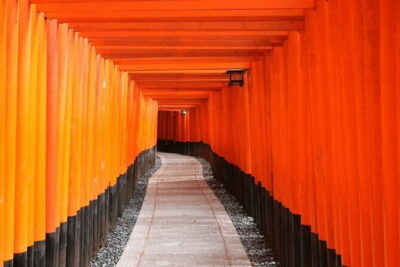
Full Day Tour of Kyoto with Private Transportation
Read our review →
Kyoto & Nara Private customized tour with English speaking Guide
Read our review →Full Day Kyoto Tour : Bamboo Forest, Golden Temple, Fushimi Inari
Read our review →Browse the lists this tour appears in