
Reviewed · OSAKA TEA CEREMONY & MATCHA EXPERIENCES
Osaka: Tea Ceremony and Matcha Tea Bowl Making Workshop
The best part of this Osaka workshop is that you do not just watch Japanese craft from the sidelines. You prepare matcha with a tea ceremony master, then shape your own bowl with Anna, a ceramist trained in Osaka and Barcelona. I like the calm tea lesson and the chance to make something you can use at home. I also like the private-group format, which gives you room to ask questions and work at your own pace.
The main drawback is practical: your bowl is not ready to take home. It is sent to your address after about two months, and shipping costs are not included. The workshop is also not suitable for children under 13 or wheelchair users, so check those points before booking.
In This Review
- Key points to know before you book
- Why this Osaka workshop feels different
- Meeting at JR Teradacho Station
- Learning the rhythm of matcha
- Shaping your own matcha tea bowl
- Waiting two months for the finished bowl
- Is $134 a fair price?
- Spending time in Ikuno Ward afterward
- Who will enjoy this most
- What the strongest praise tells you
- Booking details worth keeping in mind
- Should you book the tea ceremony and bowl workshop?
- FAQ
- How long does the workshop last?
- Where do I meet the staff?
- What languages are available?
- Is the experience private?
- Is matcha included?
- Are Japanese sweets included?
- Can I take my tea bowl home the same day?
- Is shipping included in the price?
- What happens if I am late?
- Who cannot take part?
Key points to know before you book
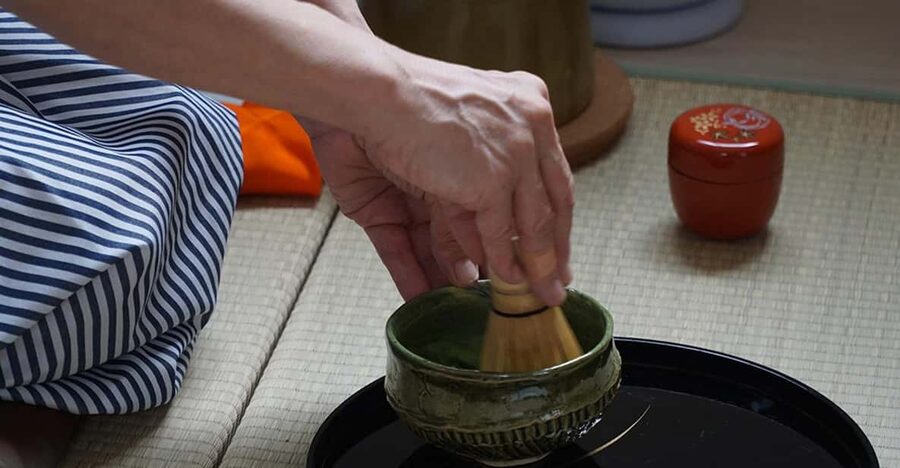
- Two crafts in one two-hour visit: Learn tea ceremony basics, prepare matcha, and make a tea bowl in the same session.
- A personal lesson with Anna: The ceramist studied pottery in Osaka and Barcelona and guides you through shaping and decoration.
- Matcha and sweets are included: You prepare the tea and enjoy Japanese sweets with it.
- A private English-language group: The session is designed for your own group rather than a large mixed tour.
- Your bowl arrives later: Firing and shipping take about two months, with postage charged separately.
- Easy meeting point: Meet staff holding a Ceramics Tocoton sign at the north exit of JR Teradacho Station.
Why this Osaka workshop feels different
Osaka offers plenty of food tours, castle visits, and neon-lit evenings. This experience gives you a quieter look at Japanese culture through two linked skills: preparing tea and making the vessel used to drink it.
That pairing matters. A tea bowl is not just a cup with a fancy name. Its shape, weight, surface, and uneven handmade character all affect the way tea is held and enjoyed. After you try the tea ceremony, you have a better sense of why the bowl matters.
I like this structure because the first half gives context to the second. You are not simply making a piece of pottery and hoping it feels Japanese. You first see how a tea bowl fits into a formal tradition, then create your own version using traditional Japanese pottery techniques.
The experience takes place in Ikuno Ward, a local Osaka area away from the city’s best-known sightseeing stops. The workshop itself is the main event, but the location also gives you a reason to spend time in a less tourist-focused part of the city afterward.
More tea ceremonies and matcha sessions:
- Osaka: Tea Ceremony Experience
★ 4.9 · 1,426 reviews - Tea Ceremony Experience in Osaka Doutonbori
★ 5.0 · 754 reviews - Matcha Making Class in Osaka with Authentic Japanese Sweets Set
★ 5.0 · 509 reviews
Meeting at JR Teradacho Station
Your meeting point is the north exit of JR Teradacho Station. Look for a staff member holding a signboard marked Ceramics Tocoton.
This is a useful arrangement for a hands-on activity, since it avoids the guesswork of finding a small studio on your own. Still, give yourself enough time to locate the correct exit. Japanese railway stations can have several entrances, and arriving at the wrong side of the tracks can cost you more time than expected.
If you will be more than 15 minutes late, contact the provider. Arriving more than 15 minutes late is treated as a no-show, which is especially important for a two-hour private session with a fixed sequence.
The activity is offered in English. The tea ceremony master leads the tea portion, while Anna handles the pottery work. The available information does not give the tea master’s name, but it does identify Anna as the ceramist and describes her training in Osaka and Barcelona.
Learning the rhythm of matcha
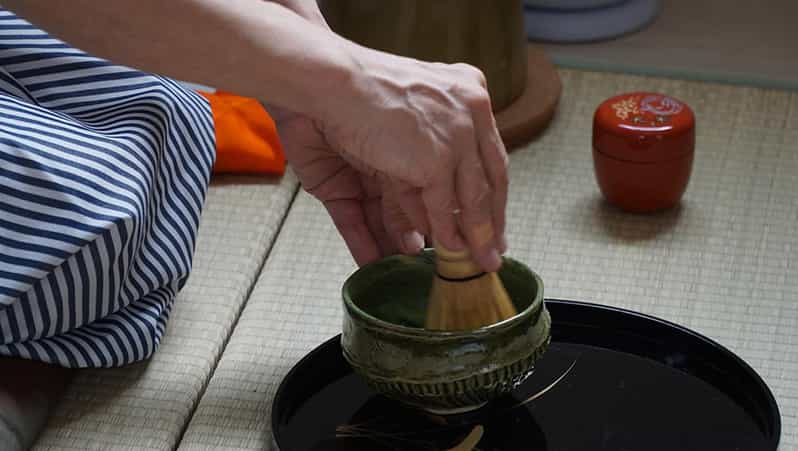
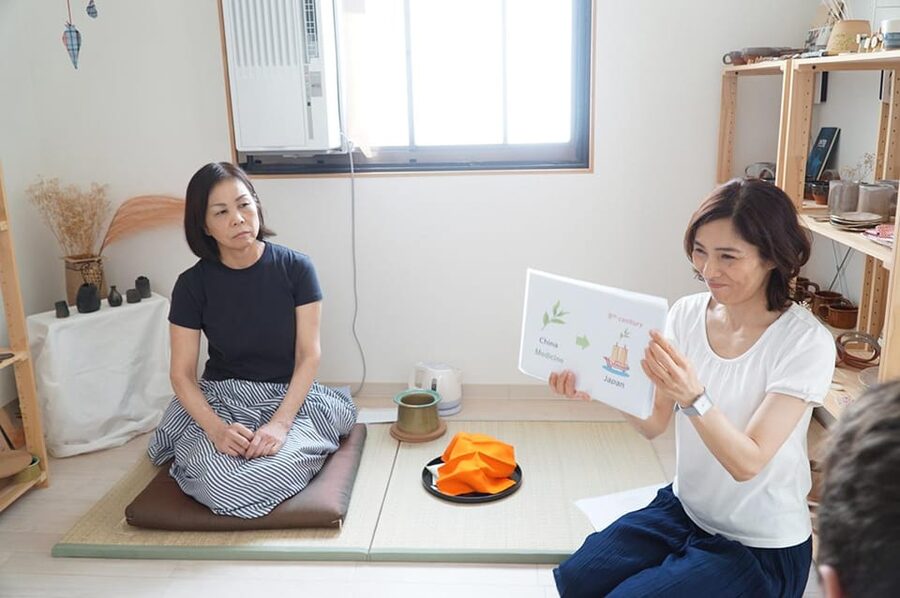
The tea ceremony section begins with an introduction to the traditional Japanese art of preparing and serving matcha. You then prepare the tea with guidance from the tea ceremony master.
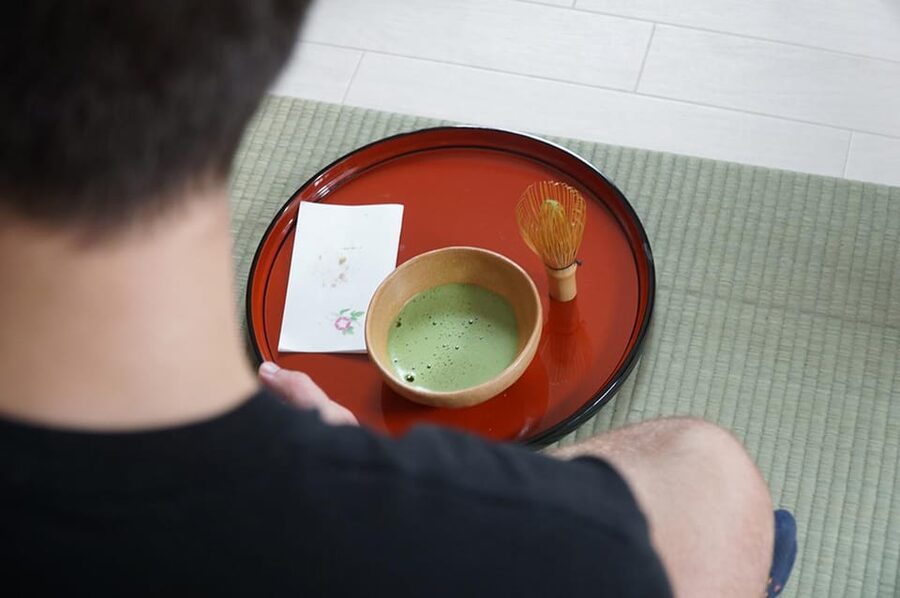
Expect this part to be about attention and method rather than speed. Matcha is whisked into a fine, foamy drink, and the process has its own order and etiquette. You also receive Japanese sweets to accompany the tea, an important part of the experience because the sweetness balances matcha’s sharper, grassy taste.
You are not simply handed a cup and sent on your way. Preparing the tea yourself helps you understand the care behind what can otherwise look like a very simple drink. The lesson also gives the workshop a peaceful pace before you begin working with clay.
The tea portion is likely to appeal most to visitors who enjoy cultural activities that ask them to slow down. If you want constant movement or a long list of sightseeing stops, this is not that kind of booking. The reward comes from doing a small number of things with care.
The exact ceremonial details are not specified, so you should think of this as an introduction to tea ceremony rather than a full formal training course. You will learn the basics, prepare matcha, and enjoy sweets, but the two-hour schedule leaves limited time for an advanced study of etiquette or history.
Shaping your own matcha tea bowl
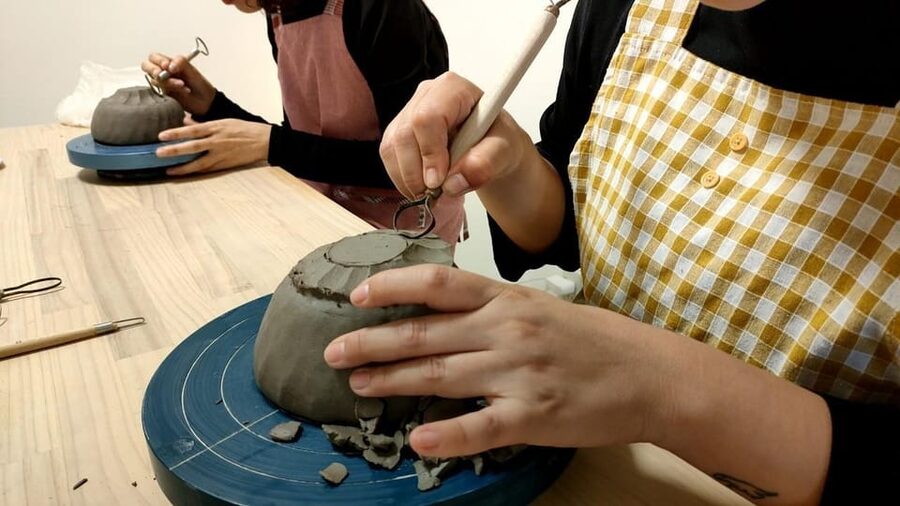
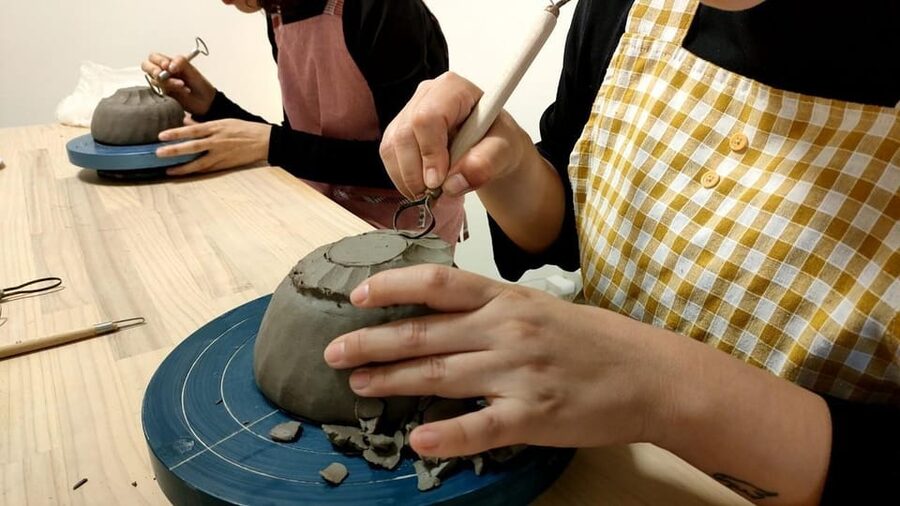
After the tea lesson, you work with Anna to make a matcha tea bowl. This is the more active half of the workshop, and it gives you a chance to use traditional Japanese pottery techniques rather than simply decorate a ready-made object.
You shape the bowl and then decorate it. The supplied information does not name the exact forming method or list the available colors and patterns, so do not book this expecting a particular style or finish. Instead, think of it as a guided chance to create a handmade bowl with help from a practicing ceramist.
Anna’s background is a useful part of the experience. She studied pottery in Osaka and Barcelona, giving her experience connected to both Japanese and European pottery settings. The direct guidance matters for beginners, since clay can quickly become too thin, uneven, or difficult to control without help.
The pottery session is also where the private-group setup earns its keep. You can ask questions, receive corrections, and work through the process without being lost in a crowd. The comments from people who took part place strong emphasis on Anna’s helpful and encouraging manner, which is exactly what you want when your bowl begins to look less like a work of art and more like a lopsided pancake.
That handmade quality is part of the appeal. Your bowl will not be identical to anyone else’s. Small variations in shape and decoration are likely to make it feel personal, though the final appearance will depend on your own work and the firing process.
More traditional craft workshops:
- 1.5〜2 Hours Traditional Kintsugi Work Shop in Namba Osaka
★ 5.0 · 75 reviews - Osaka: Private Japanese Calligraphy Experience
★ 5.0 · 66 reviews - From Osaka: Sakai Knife Maker or Blacksmith Walking Tour
★ 4.9 · 64 reviews - Osaka: Traditional Japanese Ceramics Private Experience
★ 5.0 · 57 reviews
Waiting two months for the finished bowl
The bowl is not finished during the workshop. It must be fired, and it is sent to the address you provide after about two months.
This delay is worth planning around. If you are visiting Japan for only a short holiday, you will not be able to collect the bowl before you leave. Make sure the shipping address is one you will still be able to access later, and remember that postage is not included in the $134 price.
The delayed delivery has one pleasant side effect: the workshop becomes a small reminder of Japan waiting for you at home. Still, shipping charges can change the final cost, and the experience does not give a stated postage estimate. If your budget is tight, factor that unknown amount into the decision.
You also receive a small dish as a gift. It is intended for enjoying sweets with tea, so you leave with something useful immediately, even though the larger bowl follows later.
Is $134 a fair price?
At $134 per person, this is not a cheap activity. It is also more than a standard tea tasting, since the price covers two hours, English instruction, matcha, Japanese sweets, a private group, pottery guidance, and a handmade bowl that will be shipped later.
I think the value depends on what you want from an Osaka activity. If you only want to taste matcha, you can spend much less elsewhere. If you want a polished pottery lesson with a finished piece in your luggage the same day, this will not meet that need.
For someone who values a personal cultural activity, the price is easier to justify. You receive instruction from a tea ceremony master and a ceramist, and you take part in the process rather than just observing it. The bowl also gives the experience a lasting result, although you must pay extra for shipping and wait two months.
The private format is another factor. A private group can be especially worthwhile for couples, families with older teenagers, or friends who want a shared activity without strangers in the room. The value is weaker if you are mainly looking for a quick, inexpensive introduction to matcha.
Spending time in Ikuno Ward afterward
The workshop ends with time to explore Ikuno Ward. No specific post-workshop route or attraction is included, so you should treat this as free time rather than a guided neighborhood tour.
That flexibility is useful. You can continue your Osaka plans, look for food nearby, or simply make your way back toward the station. The activity does not promise a major sightseeing finale, so avoid booking it because you expect a structured walking tour after the pottery session.
Ikuno Ward adds a local setting to the day. The workshop is not presented as a large central-city attraction, and meeting near Teradacho Station helps you combine it with other plans in southeastern Osaka. Check your own route and timing before booking, especially if you need to reach Osaka’s major attractions immediately afterward.
Who will enjoy this most
I would recommend this workshop to you if you enjoy making things, asking questions, and bringing home a meaningful object rather than another souvenir from a shop.
It is a particularly good fit for:
- Couples looking for a calm shared activity
- Friends who want a creative break from sightseeing
- Matcha drinkers curious about the etiquette behind the cup
- First-time pottery makers who want hands-on guidance
- Visitors interested in Japanese craft and daily traditions
- Adults and teenagers aged 13 or older
The activity may not suit you if you dislike delayed shipping, have limited time left in Japan, or want a large-scale cultural performance. It is also not suitable for wheelchair users, and children under 13 cannot take part.
The English-language format makes the session accessible to visitors who do not speak Japanese. Since the group is private, you can focus on your own questions and work rather than keeping up with a large class.
What the strongest praise tells you
The most consistent positive points are the hosts, the peaceful tea ceremony, and the fun of making the bowl. One person described the activity as a favorite experience in Japan and praised the guides as helpful and professional. Another focused on the calm, mindful feeling of the tea portion before moving on to the more playful pottery work.
That balance is the real strength here. The tea ceremony gives you quiet concentration, while the bowl-making section lets you use your hands and make mistakes. You are not expected to be an expert in either subject.
The experience also seems to work well for people who want more than a photo opportunity. You learn enough about the tea tradition to understand what you are doing, then apply that appreciation to the bowl itself. The result is a stronger connection between the lesson and the object you make.
One short published comment offers little detail, so I would not use the overall perfect rating as a substitute for practical information. The key questions are already clear: can you manage a two-month wait, pay separate shipping, arrive on time, and take part without wheelchair access? If so, the detailed praise for the guides and the relaxing atmosphere is encouraging.
Booking details worth keeping in mind
The session lasts two hours, but starting times depend on availability. The provider offers free cancellation up to 24 hours before the activity for a full refund, and you can reserve now and pay later.
Smoking, alcohol, and drugs are not allowed. These rules fit the quiet, craft-focused setting and should be simple to follow.
Bring an address that can receive the bowl after the two-month firing period. Since the bowl is shipped rather than carried home, you do not need to protect a wet or fragile piece during the rest of your Japan trip, but you do need to remember the later delivery and extra shipping charge.
Should you book the tea ceremony and bowl workshop?
Book it if you want a personal Osaka activity with real participation, not just a short demonstration. The combination of matcha preparation, Japanese sweets, guided pottery, and a future bowl gives the two hours a clear purpose.
I would skip it if $134 already feels high before shipping, if you need a finished souvenir today, or if you prefer a broad sightseeing tour. For everyone else, especially visitors who enjoy quiet traditions and hands-on craft, this is a thoughtful use of an afternoon near Teradacho Station.
The best reason to choose it is the pairing of the two lessons. First you learn how a tea bowl is used. Then you make one yourself. That simple progression gives the experience more meaning than either activity would have alone.
FAQ
How long does the workshop last?
The experience lasts two hours.
Where do I meet the staff?
Meet at the north exit of JR Teradacho Station in Osaka. Look for a staff member holding a Ceramics Tocoton signboard.
What languages are available?
The instructor language is English.
Is the experience private?
Yes. The activity is offered as a private group.
Is matcha included?
Yes. Matcha tea is included in the experience.
Are Japanese sweets included?
Yes. Japanese sweets to accompany the matcha are included.
Can I take my tea bowl home the same day?
No. The bowl is sent to the address you provide after about two months.
Is shipping included in the price?
No. Shipping costs for the bowl are not included.
What happens if I am late?
Contact the provider if you will be more than 15 minutes late. Arriving more than 15 minutes late is considered a no-show.
Who cannot take part?
The activity is not suitable for children under 13 or wheelchair users. Smoking, alcohol, and drugs are also not allowed.
Just added around Osaka
- Nara Day Trip from Osaka with a Licensed Guide★ 5.0 · 3 reviews
- Osaka Early Morning Osaka Castle Tour Avoid Crowds★ 5.0 · 3 reviews
- Guided Tour of Some Attractions in Osaka by Private Car★ 5.0 · 3 reviews
- Private Transfer Between Kyoto and Kansai Airport KIX★ 5.0 · 3 reviews
- Shared Arrival Transfer: Osaka Itami Airport to Osaka City★ 5.0 · 3 reviews
- Osaka: Sushi Making Class and Dotonbori Food Tour★ 4.7 · 3 reviews
- Osaka Night Photography Workshop★ 5.0 · 3 reviews
- Kyoto Full day Tour Kinkakuji, Kiyomizu-dera and Fushimi Inari★ 4.5 · 3 reviews
Osaka Tea Ceremony & Matcha Experiences, compared.
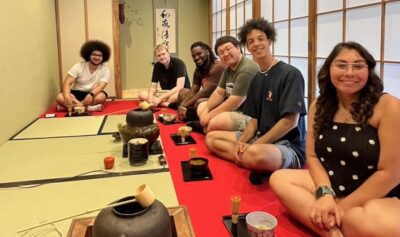


Matcha Making Class in Osaka with Authentic Japanese Sweets Set
Read our review →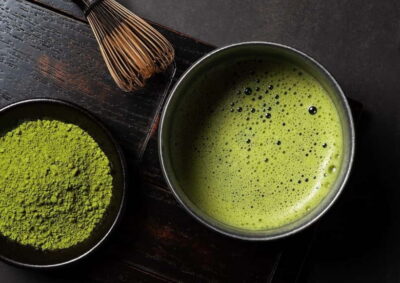
Japanese Traditional Sweets Making and Tea Ceremony
Read our review →
Osaka Temple Cool Foot Bath & Matcha Experience〈45min〉
Read our review →
Samurai Show, Tea Ceremony, Japanese Traditional Activities
Read our review →
Browse the lists this tour appears in