
Reviewed · OSAKA CRAFT WORKSHOPS
Osaka: Traditional Japanese Ceramics Private Experience
The best part of this Osaka workshop is that you make something tied to Japanese food culture, not a generic clay trinket. In Anna’s small studio beside a local shopping street, you can shape a sake set, sushi set, or chawan while learning why these objects matter in Japanese life. I especially like the private format and the walk from Teradachō Station into a less touristy part of Osaka.
I also like that Anna teaches rather than takes over, adjusting her guidance for first-timers and people with pottery experience. You receive a handcrafted sushi dish and Sakura-shaped chopstick holder, too. The main catch is practical: your finished piece takes about a month and a half to ship, and postage is extra.
In This Review
- Key things to know before booking
- A hands-on look at traditional Osaka pottery
- Meeting Anna at Teradachō Station
- What happens inside the century-old studio
- Japanese food, tea, and pottery in one lesson
- Choosing your project: sake, sushi, or chawan
- Glazing and the wait for your finished piece
- The thoughtful parting gifts
- Why the private format matters
- Is $96 a fair price?
- Who will enjoy this workshop most?
- Booking details worth keeping in mind
- Should you book the Ceramics Tocoton workshop?
- FAQ
- How long does the traditional Japanese ceramics experience last?
- Where do I meet the instructor?
- What can I make during the workshop?
- What materials are included?
- Which languages are available?
- Can I take my finished pottery home after the class?
- Is the activity suitable for young children?
Key things to know before booking
- Choose one Japanese food or tea object: Make a small sake bottle and glass, a sushi plate with chopstick holder, or a chawan tea bowl.
- Work with Shigaraki clay: The clay comes from one of Japan’s traditional pottery-producing areas, and the glazes are typical Japanese colors.
- Meet at Teradachō Station: Your guide waits at the JR station’s north exit with a Ceramics Tocoton sign.
- Learn in a private studio: The class is for your own private group, so the pace can suit beginners, families, and experienced potters.
- Ask for cultural context: Anna has studied ceramics in Osaka and Barcelona and discusses pottery, Japanese food, local customs, and Osaka life.
- Plan for delayed delivery: The pottery is shipped after firing in about six weeks, with shipping costs paid separately.
A hands-on look at traditional Osaka pottery

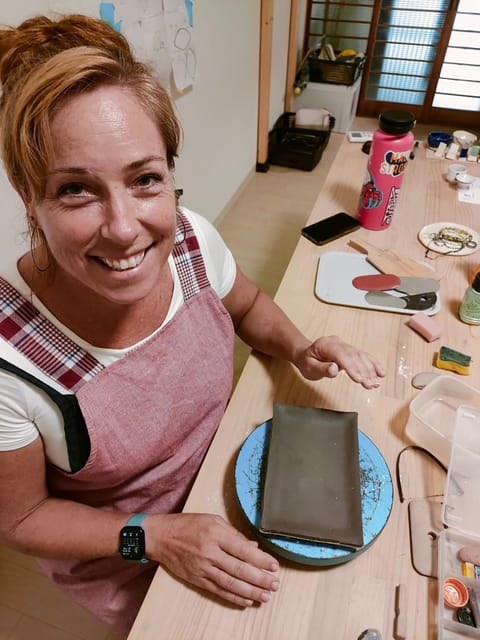
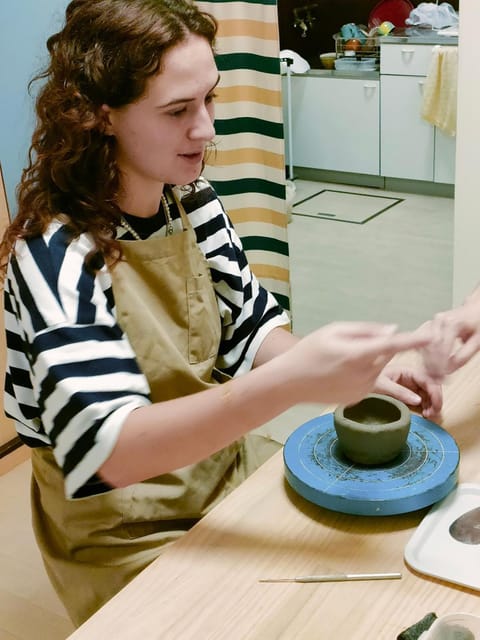
This is a two-hour, hand-building class rather than a quick demonstration. You work directly with clay, using simple tools and guided techniques to form a useful object. The result should have the irregular, personal quality of something made by hand, rather than the polished sameness of a factory souvenir.
The class centers on three choices. A sake set consists of a small bottle and drinking glass. A sushi set includes a sushi plate and chopstick holder. The third option is a chawan, a tea bowl with a long place in Japanese tea culture.
That choice gives the activity a useful focus. You are not left wondering what to make from a lump of clay. At the same time, you still have room to shape the form and select a glaze in your own way.
The workshop uses clay from the Shigaraki area, one of Japan’s traditional pottery centers. That detail matters because the material connects your souvenir to a real Japanese craft tradition. The colors used to finish the pieces are also typical of Japan, giving the finished item a stronger sense of place than a simple painted keepsake.
More traditional craft workshops:
- 1.5〜2 Hours Traditional Kintsugi Work Shop in Namba Osaka
★ 5.0 · 75 reviews - Osaka: Private Japanese Calligraphy Experience
★ 5.0 · 66 reviews - From Osaka: Sakai Knife Maker or Blacksmith Walking Tour
★ 4.9 · 64 reviews
Meeting Anna at Teradachō Station
You meet at the north exit of JR Teradachō Station. Look for the guide holding a sign marked Ceramics Tocoton. Pickup from the station is included, but transportation to the station is not, so you need to arrange your own route there.
The walk to the studio is part of the appeal. You leave the more familiar sightseeing areas and head toward a street lined with shops selling local food. The route leads to a century-old, two-story house that also functions as Anna’s family home and ceramics studio.
I like this transition because it gives the class a setting with real local texture. You are not entering a large craft center built only for visitors. You are walking into an older Osaka neighborhood and a working home studio, with the class framed by ordinary streets and food shops.
Do not cut the timing too close. If you will be more than 15 minutes late, you must contact the provider. More than 15 minutes late is treated as a no-show, which is especially important for a private appointment with a fixed start time.
What happens inside the century-old studio
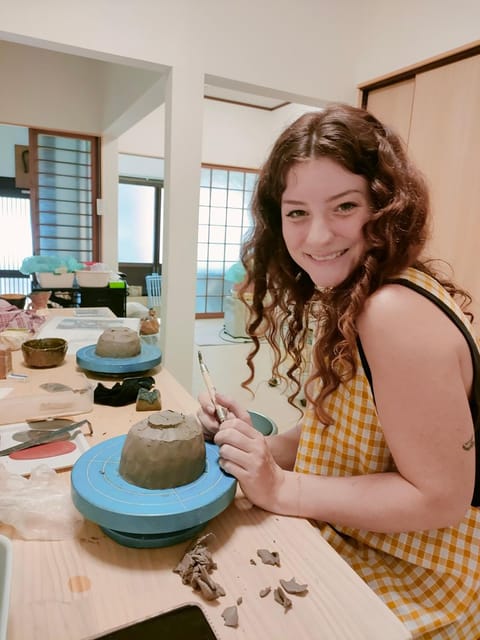
The class begins with an introduction to Japanese ceramics and the three possible objects. Anna explains the forms, their connection to Japanese food or tea, and the basic steps needed to build them.
This opening is more useful than a quick safety briefing. It helps you choose an object based on what you actually want to use at home. A sushi plate may appeal to someone who cooks Japanese food, while a chawan offers a simpler, rounded form. The sake set is likely the most involved choice because it includes two related pieces.
You then begin shaping the clay. Anna demonstrates the process and gives clear instructions as you work. The teaching style is personal, with time for questions and conversation. Several class members have found the instructions easy to follow, even with no prior pottery experience.
If you have made pottery before, say so at the start. Anna can adjust the lesson and offer more room to work on technique. One participant with previous experience received a more advanced version of the instruction, while beginners were guided through the process step by step.
The workshop is not designed to produce a flawless professional vessel. Clay can be stubborn, and hand-building leaves room for uneven edges or small changes in shape. That is part of the value. You make the piece yourself, and the small imperfections show its human origin.
Japanese food, tea, and pottery in one lesson
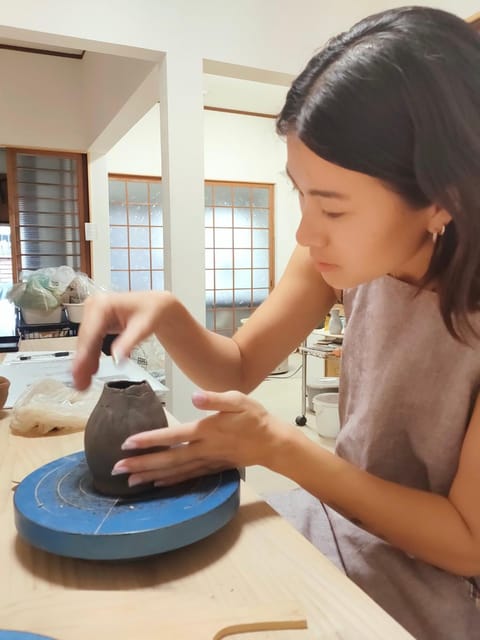
The cultural discussion is woven into the making process. You can ask about pottery styles, Japanese phrases, food customs, and the meaning behind different designs. Anna has studied ceramic making in Osaka and Barcelona, so she brings both local training and an international teaching background to the session.
The subject fits Osaka especially well. Food is central to the city’s identity, and the available projects keep the class tied to eating and drinking. A sushi plate is not just a flat piece of clay. Its shape and glaze become part of how food is presented. A sake set connects the object to a shared drinking custom. A chawan brings attention to the quiet, deliberate act of tea.
You also have time to talk about Osaka beyond pottery. Past participants have received local recommendations from Anna and discussed the area’s arts scene and culture. If you are curious, this is a good setting to ask questions that do not fit neatly into a standard sightseeing tour.
The class is offered in English, Spanish, Catalan, or Japanese. That is a major advantage for international visitors who want detailed instruction without relying on gestures or translation. Check the language option when booking, since the quality of a craft lesson depends heavily on understanding each step.
A few more Osaka tours and experiences worth a look
- Private Osaka Walking Tour: Highlights & Hidden Gems
★ 5.0 · 569 reviews - 3/4/5 Hours Private Tour in Osaka with Local Guide
★ 5.0 · 189 reviews - Osaka’s Best and Brightest: Private Full-Day Tour by Vehicle
★ 5.0 · 147 reviews - Full Day Tour of Kyoto with Private Transportation
★ 5.0 · 130 reviews
Choosing your project: sake, sushi, or chawan
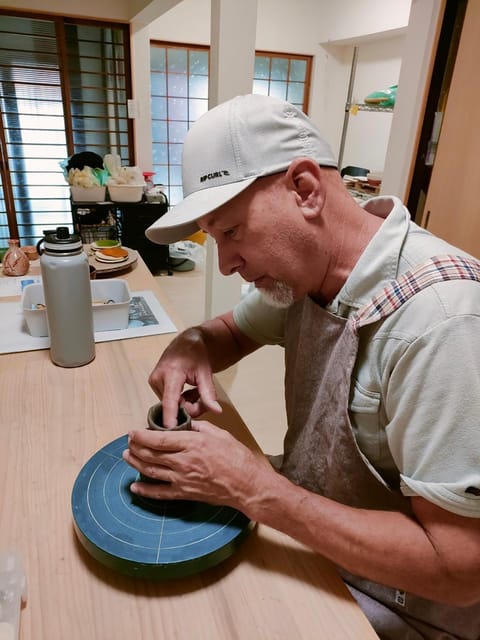
Your choice affects both the look and the workload of the finished souvenir.
The sake set is the most distinctive option if you want a pair of objects that clearly recalls Japan. You shape a small bottle and a glass, which gives you two forms to consider and a chance to create a matching design.
The sushi set is a practical choice for someone who wants a plate for home use. It includes the plate and a chopstick holder, so the project has a clear connection to Japanese dining. The small plate and holder also echo the handcrafted gifts you receive at the end.
The chawan is a good pick if you prefer one substantial piece. Its simple bowl shape leaves room to focus on the curve, rim, and glaze. It can also be a satisfying project for a first pottery class because you can concentrate on one object rather than a set.
You should not expect to complete every option in one visit. The class includes instruction and construction of one selected set or object. If you want to make all three, you would need to arrange another session.
Glazing and the wait for your finished piece
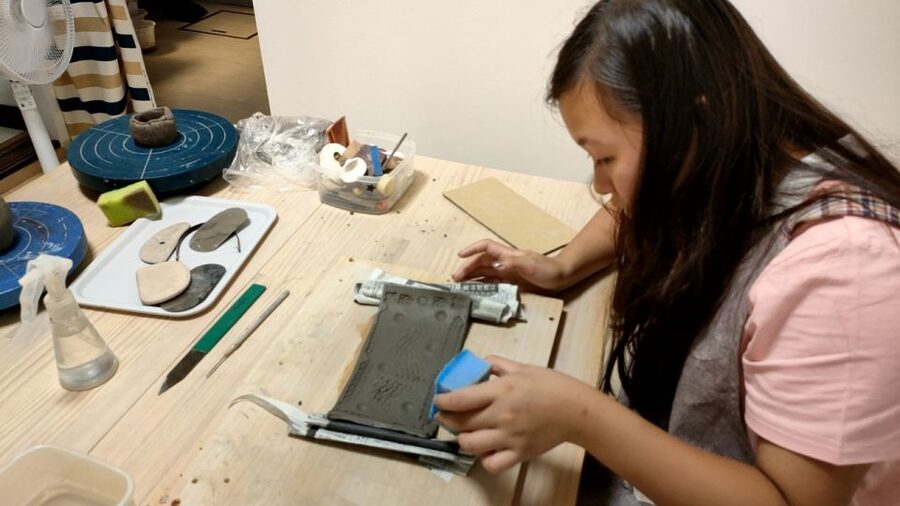
Once the clay form is built, you decide on a glazed finish from the traditional Japanese colors provided. This is where your object gains much of its final character, but remember that wet clay and finished glaze can look different after firing.
The pottery is not handed to you at the end of the two-hour session. The piece needs to be finished and fired, then sent to your home. The stated delivery time is about one month and a half, and shipping is not included in the $96 price.
That delay is easy to overlook when planning a trip. Leave enough room in your budget for postage, and make sure the address you provide is accurate. If you are moving between hotels or leaving Japan soon, home shipping is still possible, but you will need to think ahead about where the parcel should go.
The finished item is a more meaningful souvenir than something picked up from a shop, but it is not an instant souvenir. You leave with the memory and the instructor’s gifts, then wait for your own work to arrive later.
The thoughtful parting gifts
Anna gives each participant a small plate decorated with traditional Japanese patterns and a chopstick holder shaped like a Sakura flower. These pieces are handcrafted by the instructor, so they add a second handmade element to the experience.
The gifts are useful as well as decorative. The small dish can serve sushi or other snacks, and the chopstick holder is a compact reminder of the meal setting behind the class. Since your own pottery may not arrive for six weeks, these gifts give you something tangible to pack home immediately.
This is a nice touch for families and couples. Each person can leave with a small object even if the main project is shared or if one person’s piece needs extra work before firing.
Why the private format matters
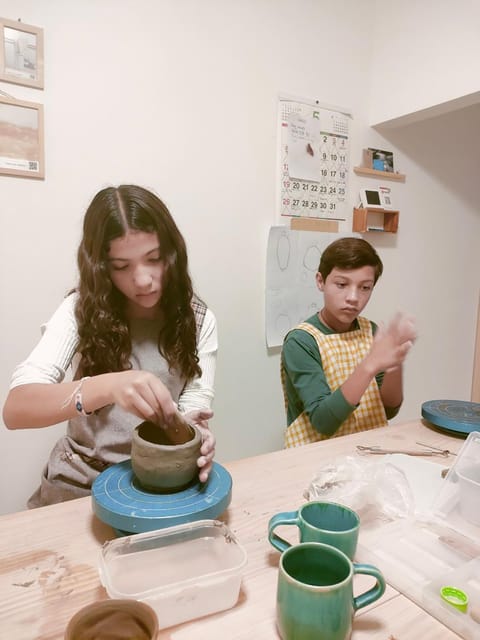
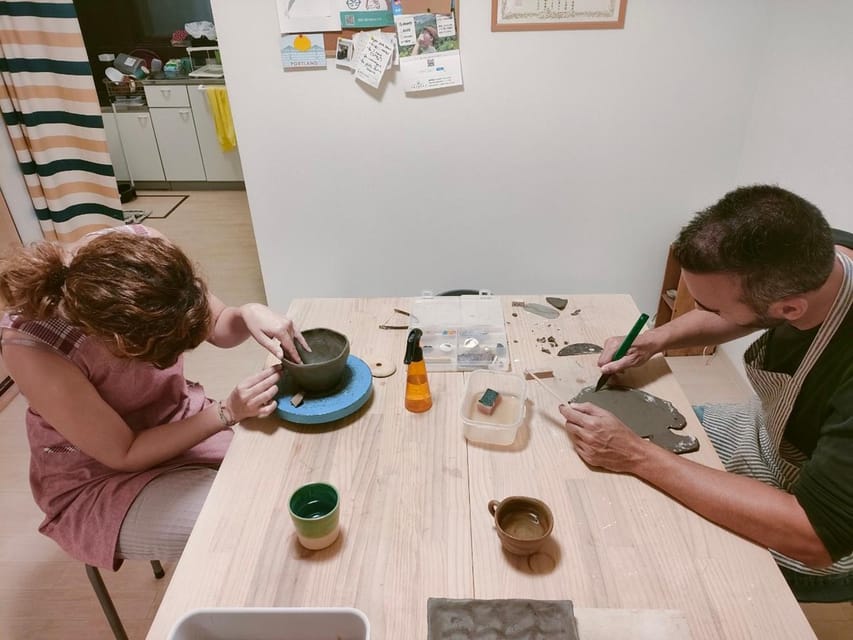
The private-group setup is one of the strongest reasons to choose this class. Pottery takes patience. You may need a demonstration repeated, a rim reshaped, or a little help keeping the clay from cracking. In a large class, those moments can feel rushed.
Here, Anna can give you direct attention and tailor the pace. Families have used the quiet time as a break from sightseeing, and children old enough to take part have found the activity special. Children under five are not suitable for the experience, so this is better for older children who can listen, work carefully, and stay engaged for two hours.
The private format also helps with conversation. You can ask about Japanese ceramics while your hands are busy, and the discussion can move naturally toward food, language, local neighborhoods, or Osaka recommendations.
There is a social side, but this is not a loud group event. If you want a fast, polished attraction with constant action, it may feel slow. If you like focused work and a relaxed pace, the two hours pass quickly.
Is $96 a fair price?
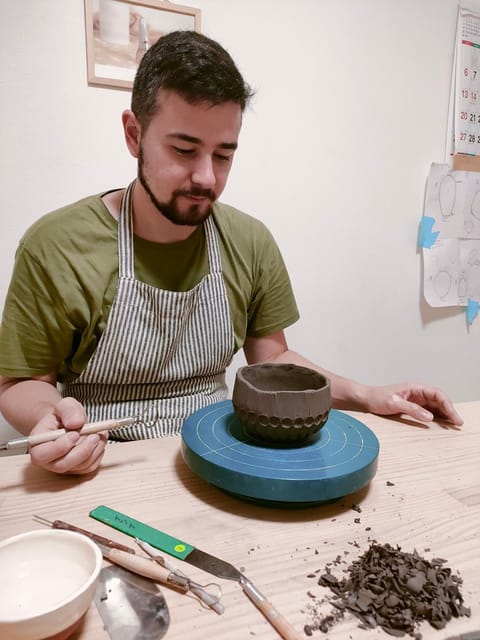
At $96 per person, this is not the cheapest craft activity in Osaka. You are paying for a private lesson, the instructor’s time, clay and glazes, a finished ceramic item, station pickup, and the two handcrafted gifts.
The value improves if you care about personal instruction. A cheaper group class may offer clay and a finished object, but it may not give you as much time to ask questions or shape the project at your own pace. Here, the cultural conversation and walk through a local neighborhood are part of what you are buying.
You should add shipping to the real cost. The pottery cannot be carried home straight after class, and postage is excluded. That does not make the experience poor value, but it means the total price is higher than the advertised class fee.
For a couple or family, the private setting can also make more sense than booking several separate activities. You share the same lesson, make individual objects, and have a calm break from Osaka’s crowded sightseeing areas.
Who will enjoy this workshop most?
I would choose this for you if you want a souvenir with a story and do not mind getting your hands dirty. It suits first-time potters because Anna gives clear demonstrations and patient guidance.
It also works for people who already know pottery. Tell Anna about your experience, and the lesson can be adjusted so you are not limited to the most basic steps. The project choices are focused, but there is still room to think about form and finish.
This is particularly good for:
- Couples seeking a quiet shared activity
- Families with children over five
- Solo visitors who want direct local conversation
- Food lovers interested in Japanese serving traditions
- Potters who want to compare Japanese techniques
- Anyone looking for a break from temples, shopping, and city streets
You may want to skip it if you need a souvenir in hand the same day, dislike close hands-on work, or have a tight schedule that leaves no room for a station meeting and a two-hour appointment.
Booking details worth keeping in mind
The activity lasts two hours, and starting times depend on availability. Cancellation is free up to 24 hours in advance, and you can reserve now and pay later, which helps if your Osaka schedule is still shifting.
Transportation is not included, but pickup at Teradachō Station is. Again, use the JR Teradachō Station north exit and look for the Ceramics Tocoton sign.
The class is private, and instruction is available in English, Catalan, Spanish, and Japanese. Confirm your preferred language and project choice when arranging the experience.
The overall rating is 5 from 57 reviews, and the repeated strengths are clear: Anna’s patience, her easy-to-follow demonstrations, the personal attention, and the blend of pottery with Japanese culture. Those are the parts I would value most, rather than treating the workshop as simply a way to pass two hours.
Should you book the Ceramics Tocoton workshop?
Book it if you want to slow down in Osaka and make something connected to Japanese food or tea. The walk from Teradachō Station, the century-old home studio, the Shigaraki clay, and Anna’s personal teaching create a setting that feels far removed from a standard souvenir shop.
I would be especially keen to book the sushi set or chawan for a first visit, while the sake set is a fine choice if you want a more distinctive pair of objects. Just remember that your pottery arrives later, shipping costs extra, and lateness can cancel the appointment.
For an authentic, private craft lesson with real conversation and a handmade souvenir, this is a strong use of two hours in Osaka.
FAQ
How long does the traditional Japanese ceramics experience last?
The workshop lasts two hours.
Where do I meet the instructor?
Meet the guide at the north exit of JR Teradachō Station. Look for a sign with the studio name, Ceramics Tocoton.
What can I make during the workshop?
You can choose one of three projects: a sake set with a small bottle and glass, a sushi set with a sushi plate and chopstick holder, or a chawan tea bowl.
What materials are included?
The class includes clay from the Shigaraki area and typical Japanese glazes. The instructor and the finished ceramic product are also included.
Which languages are available?
Instruction is available in English, Catalan, Spanish, and Japanese.
Can I take my finished pottery home after the class?
No. The finished pottery takes about a month and a half to ship. Shipping costs are not included.
Is the activity suitable for young children?
Children under five are not suitable for this experience.
Just added around Osaka
- Nara Day Trip from Osaka with a Licensed Guide★ 5.0 · 3 reviews
- Osaka Early Morning Osaka Castle Tour Avoid Crowds★ 5.0 · 3 reviews
- Guided Tour of Some Attractions in Osaka by Private Car★ 5.0 · 3 reviews
- Private Transfer Between Kyoto and Kansai Airport KIX★ 5.0 · 3 reviews
- Shared Arrival Transfer: Osaka Itami Airport to Osaka City★ 5.0 · 3 reviews
- Osaka: Sushi Making Class and Dotonbori Food Tour★ 4.7 · 3 reviews
- Osaka Night Photography Workshop★ 5.0 · 3 reviews
- Kyoto Full day Tour Kinkakuji, Kiyomizu-dera and Fushimi Inari★ 4.5 · 3 reviews
Osaka Craft Workshops, compared.
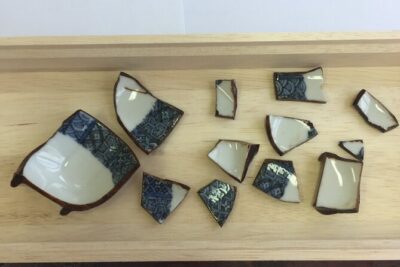
1.5〜2 Hours Traditional Kintsugi Work Shop in Namba Osaka
Read our review →
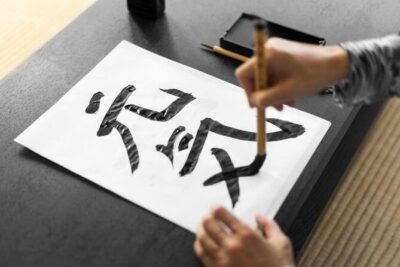

Learning Zen of Japanese Calligraphy in kimono near Osaka Castle
Read our review →
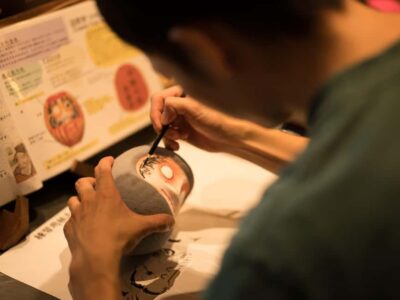
Osaka Daruma Workshop — Paint Your Own Good-Luck Daruma
Read our review →
Browse the lists this tour appears in