
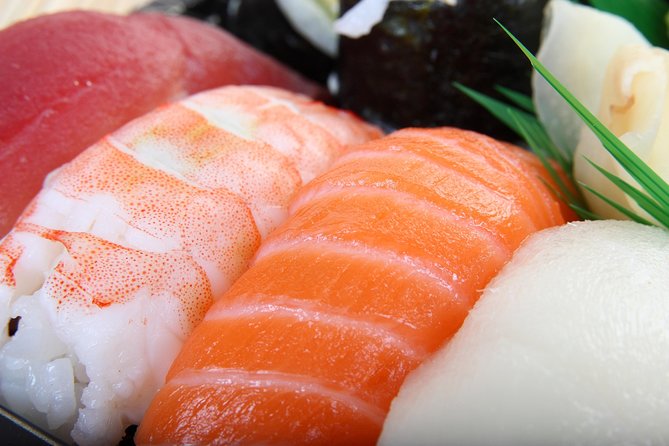
Reviewed · OSAKA SUSHI MAKING CLASSES
Sushi and Japnese foods cooking class in Osaka
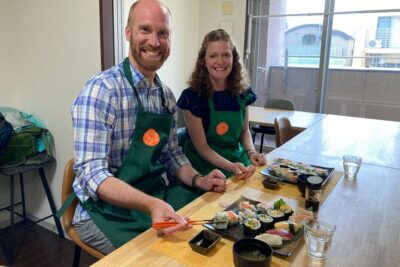
Sushi here is not just dinner. It is the main event. Near Osaka’s Noda Station, licensed chef Yayo leads you into her home cooking studio, where you prepare sushi, miso soup, Japanese omelet, and other Japanese foods before sitting down to eat. The class is intimate and hands-on, not a large demonstration where you simply watch.
I like two things right away: Yayo teaches patiently in English, and the food is treated as a real meal rather than a quick sample. Ingredients are bought fresh, some are homemade by her mother, and the warm home setting gives the evening a personal touch. The optional sake and Osaka beer tasting also makes this feel like dinner with a local host.
The main consideration is the size and style of the class. The experience is described as limited to eight people, while the additional information says a maximum of two participants. That may mean the class is often private or nearly private, but confirm the group size when booking. The class also teaches simple sushi and basic Japanese dishes, not advanced restaurant-level knife work.
In This Review
- Key points to know before booking
- Meeting Yayo near Noda Station
- Learning sushi rice, nori, and rolling technique
- Preparing miso soup and Japanese omelet
- Sitting down to a homemade Osaka dinner
- Adding sake and Osaka-brewed beer
- What the home setting adds, and what it does not
- Who will get the most from this Osaka class
- Is $165.13 a fair price?
- Timing, cancellation, and practical details
- Should you book Cooking Class YAYO?
- FAQ
- Where does the sushi class meet?
- Where does the class finish?
- How long does the experience last?
- Is dinner included?
- Is alcohol included?
- How many people can join?
- What happens if I arrive late or need to cancel?
Key points to know before booking
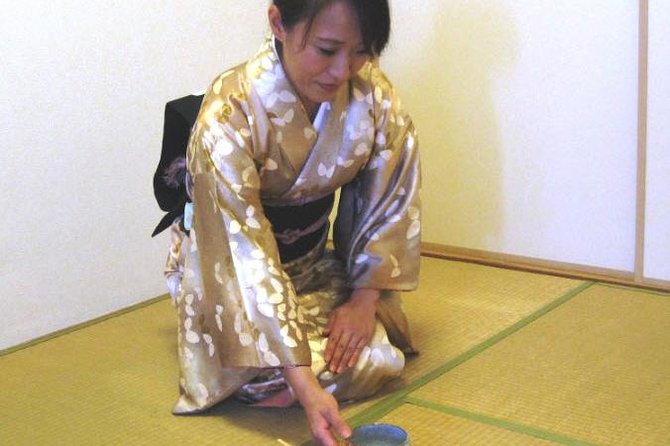
- Meet near Noda Station: The class starts outside Noda Station in central Osaka, then continues with a walk to Yayo’s nearby home studio.
- Cook more than sushi: You may prepare sushi rolls, miso soup, tamagoyaki, snacks, and, in some class versions, takoyaki and matcha green tea.
- Yayo teaches in English: Her calm, patient style suits beginners, and she explains both technique and Japanese food customs.
- Dinner is included: You eat the dishes you prepare, along with snacks and taiyaki for dessert.
- Sake is optional: Depending on the selected option, you can sample local sake and Osaka-brewed beer.
- Arrive early: The stated late-arrival rule is strict. Being more than 10 minutes late can make the booking invalid without a refund.
Meeting Yayo near Noda Station
The meeting point is outside Noda Station at 1 Chome-1 Ohiraki, Fukushima Ward, Osaka. You do not receive hotel pickup, so plan your route in advance and allow extra time for finding the correct station exit and meeting point.
From the station, Yayo walks with you to a nearby home. This short transition matters. You are not heading into a commercial cooking school with rows of workstations and a rotating parade of classes. You are entering a small personal space where the class feels more like an invitation to dinner.
That home setting is one of the experience’s strongest features, but it also sets limits. Space is small, and people who want a polished restaurant kitchen or a large professional studio may find the setup modest. On the other hand, the compact room allows Yayo to pay close attention to each person’s work.
The supplied details give two different group-size figures: the main description says no more than eight participants, while the additional information lists a maximum of two. Several bookings have also ended up as private lessons. If you care about having the class to yourself, ask for current capacity before you commit.
More sushi making classes:
- Sushi Making Osaka Roll and Authentic Japanese Sushi Class
★ 5.0 · 1,220 reviews - Osaka Sushi Making Experience
★ 5.0 · 400 reviews - Osaka: Roll and Authentic Sushi Making Class in Dotonbori
★ 4.9 · 239 reviews
Learning sushi rice, nori, and rolling technique
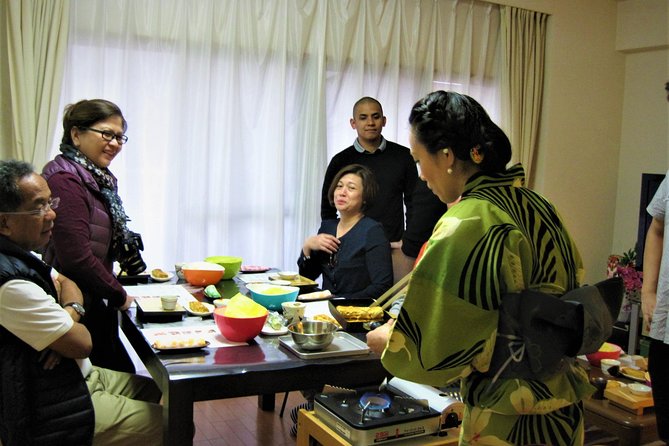
The lesson begins with the basics of sushi preparation. Yayo demonstrates how sushi rice is prepared and how the ingredients are arranged on nori, the dried seaweed sheet used for rolling.
You then choose from the ingredients she provides and make your own rolls. The focus is on learning by doing. You place thinly sliced sashimi and other fillings inside the nori, roll the sushi, and try again as needed. Do not worry if the first roll is loose or uneven. The point is to develop the gentle hand pressure and timing that sushi requires.
This is a good format if you have never made sushi. Yayo’s teaching style is encouraging, and the lesson allows several attempts instead of treating the first try as a final test. Her English is described as excellent, so you can ask questions about technique, ingredients, and the reasons behind particular methods.
The class is not presented as a professional sushi apprenticeship. One participant specifically described it as a simple class with basic dishes, which is useful context. You will learn practical home-style techniques, not the precision cutting and specialized fish handling associated with an expensive sushi counter.
That distinction helps you judge the price. If you want a relaxed introduction that you can repeat at home, the lesson makes sense. If your goal is advanced sushi craftsmanship, this may feel too gentle and limited.
Preparing miso soup and Japanese omelet
The sushi is only part of the meal. You also prepare miso soup and a Japanese omelet, commonly known as tamagoyaki or dashimaki tamago.
The omelet is a particularly worthwhile part of the class because it looks easy until you try to build those neat layers in a rectangular pan. Yayo demonstrates the process and guides you through it step by step. The lesson calls for patience and light hands, and it gives you a dish you can realistically practice at home.
Several participants valued the way Yayo explained the reasons behind traditional techniques, rather than handing out instructions without context. That cultural explanation is important. You learn not only what to do, but why a Japanese home cook handles the food in a certain way.
Some versions of the class also include takoyaki and matcha green tea. The supplied details do not make clear whether these appear in every booking, so treat them as possible additions rather than guaranteed parts of the standard menu.
If you are traveling with family, these extra dishes can make the activity especially appealing. Different people can focus on different tasks, and the cooking becomes a shared project instead of a single sushi demonstration.
Sitting down to a homemade Osaka dinner
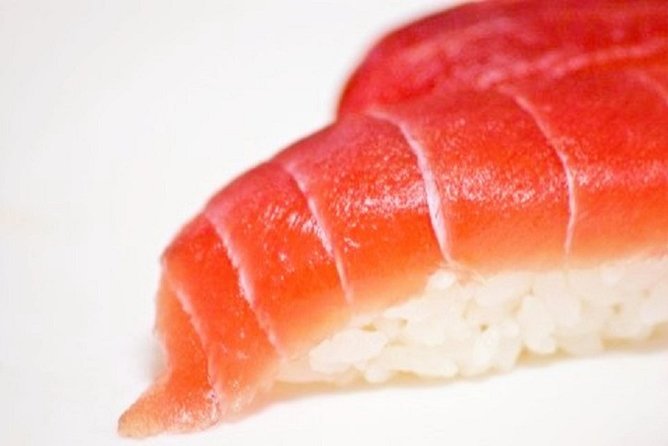
After the preparation, you sit down and eat what you have made. Dinner includes sushi, miso soup, Japanese omelet, and a selection of snacks. The meal ends with taiyaki, a Japanese fish-shaped cake filled with sweet filling.
I like this structure because it gives the class a clear payoff. You are not rushed out after rolling one piece of sushi. You get to see the whole meal come together, then enjoy it at the same table.
The food quality is tied closely to Yayo’s preparation. Ingredients are described as fresh, with some homemade by her mother and others purchased from the fish market that morning. That does not turn the class into a formal market tour, but it does add a useful connection between the food on your plate and Osaka’s everyday cooking culture.
The home meal also explains why the experience feels personal. Yayo is not simply teaching a recipe and handing you a bill. She prepares the setting, serves food, answers questions, and creates time for conversation. Her little dog, Akane, may be present as an informal host, and some bookings have mentioned her friendly welcome.
If you have allergies or strong dietary restrictions, ask about the ingredients before booking. The supplied information does not list substitutions or a specific allergy policy, so do not assume the menu can be changed.
More Japanese home cooking classes:
- Osaka: Ramen and Gyoza Cooking Class in Dotonbori
★ 5.0 · 378 reviews - Osaka: Sumo Stage Show with Bento or Snack + Fight & Photo
★ 4.3 · 364 reviews - Osaka: Traditional Mochi Pounding Experience with Tasting
★ 4.9 · 306 reviews - Osaka Cooking Class: Okonomiyaki &Japanese cuisines experience
★ 5.0 · 261 reviews
Adding sake and Osaka-brewed beer
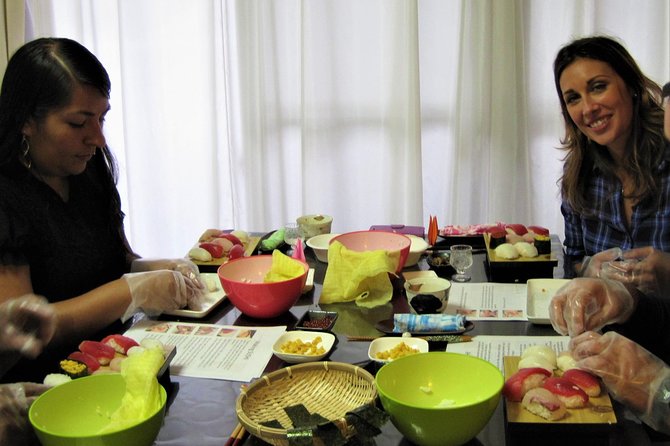
The standard experience includes dinner, ingredients, and an English-speaking instructor. A drink upgrade is available for people who want more than water or the included food experience.
The drink option is described in two ways. The main description says you can choose six sakes, or four sakes and one bottle of beer. The included-items section refers to two local sake cups if the option is selected. Because those details do not match exactly, confirm the current drink package and serving size before booking.
The sake option suits you if you enjoy tasting several styles with a meal and want a little more insight into local drinking culture. It is less useful if you do not drink alcohol or prefer to keep the focus on cooking.
Osaka-brewed beer gives you another local touch, though the information does not name the brewery. You should view it as an optional accompaniment, not a full brewery tasting.
The class lasts about two and a half hours, so adding drinks can make the evening feel leisurely. Keep your return plans flexible. This is not an activity to squeeze between two tightly timed reservations.
What the home setting adds, and what it does not
The strongest appeal of this class is its sense of welcome. Yayo is repeatedly described as warm, generous, patient, and attentive. She has welcomed solo participants, couples, siblings, and families, and the format can become a one-on-one lesson when attendance is low.
That personal scale also makes it easier to ask questions. You can stop when a roll goes wrong, request another demonstration, or talk about Japanese customs while the food is being prepared. Beginners should feel comfortable here, even if they have little cooking experience.
There are tradeoffs. The studio is small, and the experience is not designed for unbooked companions to join at the last minute. The information specifically says that people who have not booked cannot join the lesson. Keep your reservation limited to the people listed on the booking.
The home environment may also be less suitable if you want a formal, highly structured culinary course. Yayo’s class has a social side, and the exact menu can vary. That is part of its charm, but it means you should not expect a fixed restaurant syllabus with every minute scripted.
Who will get the most from this Osaka class
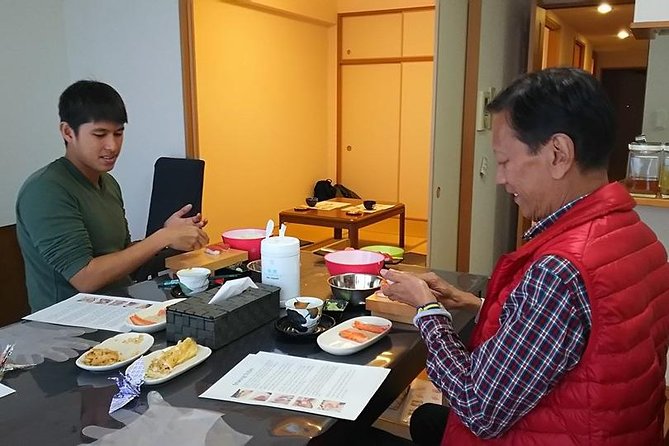
I would recommend this class most strongly to:
- First-time sushi makers who want clear, patient instruction.
- Couples looking for a dinner activity with a personal feel.
- Families who enjoy cooking together and trying several Japanese dishes.
- Solo participants who prefer conversation and close attention.
- Food-focused visitors who want to connect a meal with Japanese home cooking.
- People who would like recipes or techniques they can attempt after returning home.
It is less suitable for anyone seeking advanced sushi certification, a large professional kitchen, or a class built around raw-fish expertise alone. The lesson covers basic sushi rolling and several home-style dishes, so set your expectations accordingly.
The format also works well for a rainy-day plan only if the activity is still operating. The stated policy says the experience requires good weather, and poor weather can lead to a new date or a full refund. Since the class takes place indoors but begins with a walk from the station, check the status if Osaka’s forecast looks rough.
Is $165.13 a fair price?
At $165.13 per person, this is not a cheap dinner. You can eat sushi in Osaka for far less, and the price will not make sense if you judge it only by the number of dishes on the table.
You are paying for instruction, ingredients, a two-and-a-half-hour appointment, dinner, and the chance to cook in a private home setting. The value improves if your booking becomes a private or two-person class, since you receive more direct attention from Yayo. It also improves if you care about learning recipes you can use again.
The price includes the food prepared for the class, but the drink option may cost extra. Group discounts are available, which may help families or larger bookings, though the exact discount is not provided.
I would compare this with the cost of a good guided food activity in Osaka, not with the price of an ordinary sushi meal. If your main aim is simply to eat excellent sushi, spend the money at a restaurant. If you want to make the meal, ask questions, and take home useful cooking skills, the price is easier to justify.
The fact that the class is often booked well in advance also suggests you should not leave it until the final day of your Osaka stay. The average booking lead time is 79 days, so popular dates may disappear early.
Timing, cancellation, and practical details
The experience lasts approximately two hours and 30 minutes and returns to the original meeting point near Noda Station. It is close to public transportation, but hotel pickup and drop-off are not included.
Arrive early. The late policy says the contract becomes invalid after 10 minutes, with no refund. Even though one participant was helped after arriving much later because of a missed train, you should not rely on that kindness. Japanese train connections can be confusing, and finding a station meeting point can take longer than expected.
Confirmation is provided when you book, and mobile tickets are supported. Adult pricing applies to all participants except children age two and under.
You can cancel for a full refund up to 24 hours before the start time. Changes made less than 24 hours before the activity are not accepted, and late cancellations are not refunded. Cutoff times use local Osaka time, so check the clock carefully if you are changing plans from another time zone.
Should you book Cooking Class YAYO?
Book it if you want a warm, small-scale food experience where you make your own dinner and learn several practical Japanese dishes. Yayo’s patient instruction, strong English, fresh ingredients, and home setting are the real reasons to choose it. The added touches, including taiyaki dessert, optional sake, and a possible greeting from Akane, give the evening character.
Skip it if you want advanced sushi technique, a large studio, or a guaranteed menu built around complex raw-fish preparation. Also confirm the class capacity and drink inclusion before paying, since the supplied details differ.
For the right audience, this is more than a sushi lesson. It is a chance to slow down in Osaka, cook with a local teacher, and finish with a meal you helped create.
FAQ
Where does the sushi class meet?
The meeting point is outside Noda Station in Osaka, at 1 Chome-1 Ohiraki, Fukushima Ward, Osaka, 553-0007, Japan.
Where does the class finish?
The activity ends back at the original meeting point near Noda Station.
How long does the experience last?
The class lasts approximately two hours and 30 minutes.
Is dinner included?
Yes. Dinner includes the sushi you prepare, miso soup, Japanese omelet, and snacks. Taiyaki is served for dessert.
Is alcohol included?
Alcohol is available only if you select the relevant upgrade. The experience describes options including local sake and Osaka-brewed beer. The details list either six sakes or four sakes and one bottle of beer, while another section mentions two local sake cups, so confirm the exact package when booking.
How many people can join?
The experience is described as limited to eight participants, but the additional information lists a maximum of two travelers. Confirm the current group size before booking.
What happens if I arrive late or need to cancel?
The stated late-arrival rule says the booking can become invalid after 10 minutes without a refund. You can cancel for a full refund up to 24 hours before the start time. Cancellations or changes made less than 24 hours before the start time are not refunded or accepted.
Just added around Osaka
- Nara Day Trip from Osaka with a Licensed Guide★ 5.0 · 3 reviews
- Osaka Early Morning Osaka Castle Tour Avoid Crowds★ 5.0 · 3 reviews
- Guided Tour of Some Attractions in Osaka by Private Car★ 5.0 · 3 reviews
- Private Transfer Between Kyoto and Kansai Airport KIX★ 5.0 · 3 reviews
- Shared Arrival Transfer: Osaka Itami Airport to Osaka City★ 5.0 · 3 reviews
- Osaka: Sushi Making Class and Dotonbori Food Tour★ 4.7 · 3 reviews
- Osaka Night Photography Workshop★ 5.0 · 3 reviews
- Kyoto Full day Tour Kinkakuji, Kiyomizu-dera and Fushimi Inari★ 4.5 · 3 reviews
Osaka Sushi Making Classes, compared.
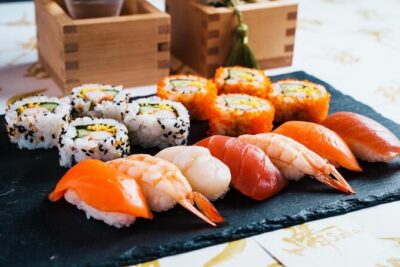
Sushi Making Osaka Roll and Authentic Japanese Sushi Class
Read our review →
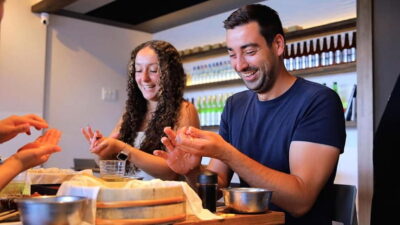
Roll and Authentic Sushi Making Class in Dotonbori
Read our review →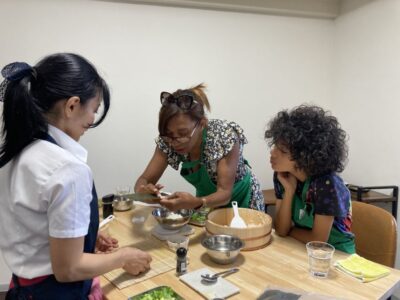
Browse the lists this tour appears in