
Reviewed · DOTONBORI & NAMBA TOURS
Osaka: Roll and Authentic Sushi Making Class in Dotonbori
Making your own sushi in Osaka is more satisfying than simply ordering another plate. This 100-minute class teaches you two basic styles, maki rolls and nigiri, then lets you eat what you make. The short sushi-history quiz gives the activity a cultural edge without turning it into a lecture.
I like the friendly English-speaking instructors, who keep the room lively with jokes, local tips, and easy demonstrations. I also like the central location, only about five minutes from Shinsaibashi Station and close to Dotonbori. The main drawback is timing: several parts move quickly, and you may have little time to eat if you work slowly.
In This Review
- Key Points at a Glance
- Why Make Sushi in Dotonbori?
- A Short Sushi Quiz Sets the Tone
- Making Maki Rolls Step by Step
- Shaping Nigiri, the More Hands-On Challenge
- Eating the Sushi You Prepared
- Friendly Teachers Make the Class Work
- Dietary Requests Need Advance Planning
- Is $45 a Fair Price?
- Getting There and Planning Your Time
- Who Will Enjoy This Most?
- My Booking Advice
- Should You Book the Sushi Class?
- FAQ
- How long does the sushi-making class last?
- How much does the activity cost?
- Where does the class meet?
- Is the class taught in English?
- What types of sushi will I make?
- Do I need previous cooking experience?
- Can I request a special menu?
- Can I cancel the booking?
Key Points at a Glance
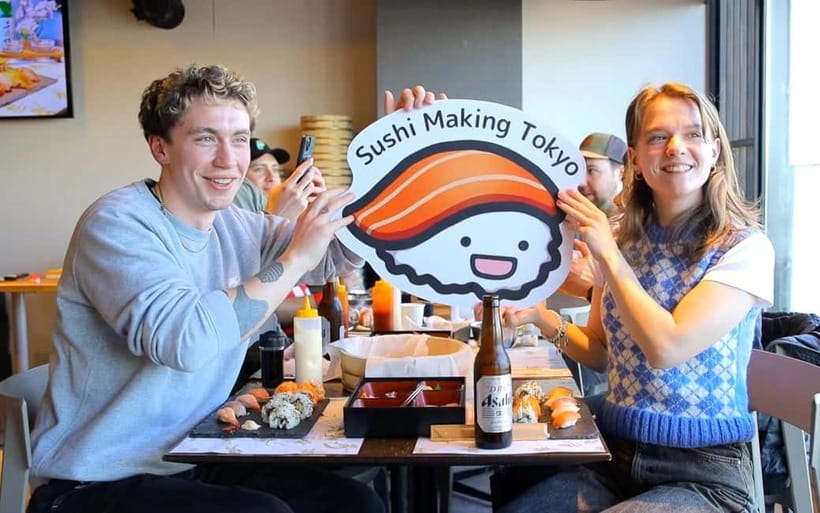
- Make two sushi styles: Prepare maki rolls and nigiri, the hand-formed style often called authentic Japanese sushi.
- Learn before you roll: A light quiz and short presentation explain sushi’s background and different forms.
- Enjoy a full hands-on meal: The class supplies ingredients, and you eat the sushi you prepare.
- Meet lively local instructors: Shoki, Yui, Takara, Fujiko, Reika, and other staff have led sessions with clear English and plenty of humor.
- Easy Osaka location: The class meets on the third floor of the Galleria Acca Building, about five minutes from Shinsaibashi Station.
- Dietary requests are possible: Vegan, vegetarian, gluten-free, halal, and allergy-friendly menus require notice at least three days ahead.
Why Make Sushi in Dotonbori?
Osaka is famous for food, and Dotonbori is its loudest, brightest food district. You can spend an evening comparing takoyaki stands, conveyor-belt sushi shops, and noodle counters, but a cooking class gives you a different connection to the city. You are not only eating Japanese food. You are learning how two familiar sushi forms are put together.
The class takes place near Dotonbori and Shinsaibashi, so it fits neatly into a day of shopping, sightseeing, and eating. You can schedule it before a night out in Dotonbori, or use it as a midday break from the surrounding streets.
The location is central, but finding the entrance may take a moment. The meeting point is on the third floor of the Galleria Acca Building, and the entrance is in a concrete building that can be easy to overlook. Give yourself a few extra minutes rather than arriving at the last second.
More of Dotonbori and Namba after dark:
- Osaka Local Foodie Walking Tour in Dotonbori and Shinsekai
★ 5.0 · 985 reviews - Osaka: Dotonbori District River Cruise with Drink Discount
★ 4.2 · 876 reviews - Ultimate Osaka Walking Tour: Castle, Dotonbori & Hidden Gems
★ 5.0 · 862 reviews
A Short Sushi Quiz Sets the Tone
The session begins with an interactive look at sushi’s background. Instead of sitting through a formal talk, you take part in a lighthearted quiz and presentation. This is a smart way to explain how sushi developed and how different types relate to one another.
You do not need previous cooking experience or detailed knowledge of Japanese food. The quiz is designed to keep you involved, and the instructors use humor to make the information easy to follow. Shoki, one of the instructors praised for his positive energy, has been especially good at turning the opening explanation into part of the fun.
I like this introduction because it gives meaning to the food without taking too much time away from the practical work. You learn why maki and nigiri look different, then soon see those differences on your own work surface.
Do not expect a full culinary lecture. The history section is brief, and the class focuses on making and eating sushi. If you want detailed instruction in rice preparation, knife skills, fish selection, or professional sushi technique, this is not that kind of course.
Making Maki Rolls Step by Step
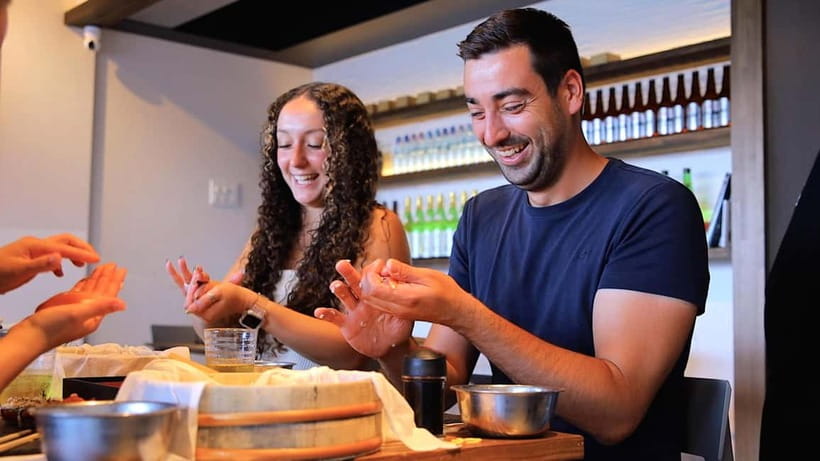
The first practical style is maki, the rolled sushi most people recognize from sushi restaurants. You work with prepared rice and ingredients, then follow demonstrations that show how to assemble and cut the roll.
The advantage of having the rice and ingredients ready is clear: the class can concentrate on shaping, filling, rolling, and presentation. You are not spending the session washing rice or waiting for ingredients to cook. This keeps the 100-minute schedule focused and makes the activity accessible to beginners.
The instructors demonstrate each stage before you try it. Visual instruction helps here, and the class uses both video and live demonstrations. You can watch the movement first, then copy it at your own place.
Your first roll may not look like the one in the demonstration. That is part of the point. The class is less about producing restaurant-perfect pieces and more about understanding how the structure works. You learn how much rice to use, how to place the filling, and how to roll with enough pressure to hold everything together.
The ingredients are prepared in advance, but you still have real work to do. You shape the food yourself, make decisions about placement, and see how small changes affect the final cut. That is enough to give you a useful recipe and more confidence if you want to try sushi at home.
Shaping Nigiri, the More Hands-On Challenge
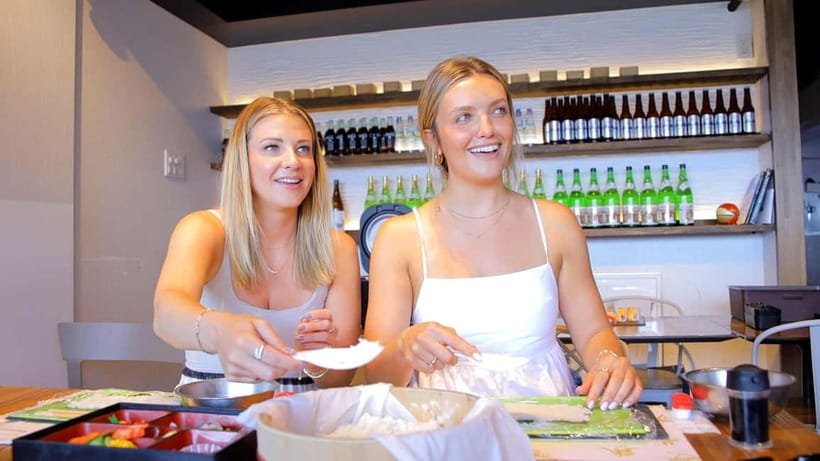
Next comes nigiri, the sushi style formed by hand rather than rolled in a sheet. You shape the rice and place the topping on top. It looks simple, but the pressure and shape matter.
This is where the instructors’ patience helps most. Yui, Fujiko, Takara, Reika, and other teachers have been praised for clear explanations and calm guidance. Their upbeat style keeps beginners from feeling self-conscious when the first piece comes out uneven.
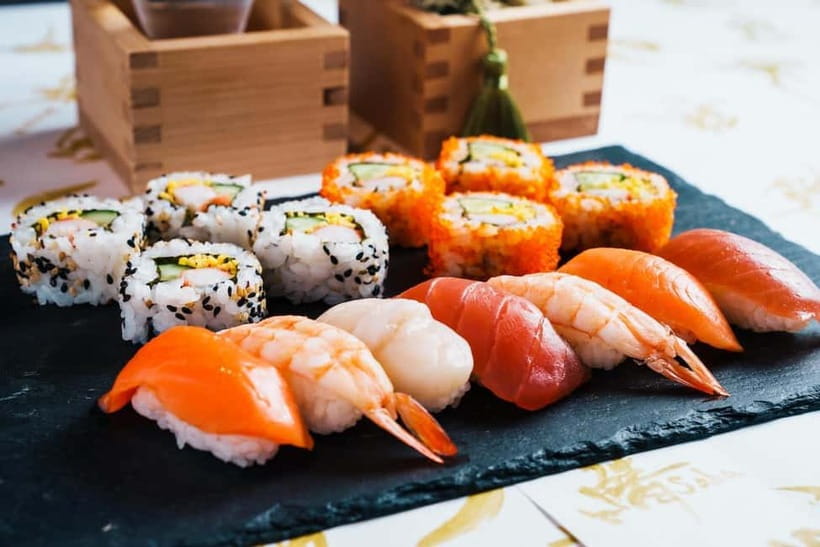
The class often produces around six maki pieces and six pieces of nigiri, enough to serve as a light lunch for many people. The exact food selection can vary, but you can expect a generous set of ingredients for the activity. One useful point is that you eat what you make, rather than watching a demonstration and receiving only a small sample.
The phrase be kind to your sushi has become one of the class’s playful reminders. It sounds silly, but it captures the mood well. Handle the rice gently, follow the demonstration, and do not squeeze every piece into a hard block.
Nigiri can take longer than expected, especially if you are trying to make each piece look neat. Work steadily and listen closely during the demonstration. The instructors want you to finish, but the schedule can feel tight at the end.
More sushi making classes:
- Sushi Making Osaka Roll and Authentic Japanese Sushi Class
★ 5.0 · 1,220 reviews - Osaka Sushi Making Experience
★ 5.0 · 400 reviews - Osaka: Sushi Class in Dotonbori
★ 4.9 · 160 reviews - Osaka Dotonbori: Sushi Making Experience
★ 4.9 · 122 reviews
Eating the Sushi You Prepared
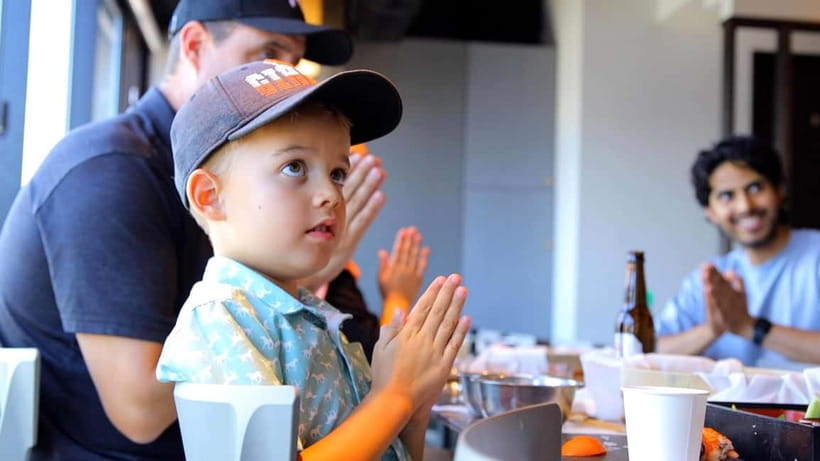
The best part is the meal at the end. You sit down with the sushi you have just made, which makes the food taste better simply because you know how much work went into it.
Several people particularly value having enough ingredients to eat everything they prepare. That matters at $45, since the class is not only a lesson but also a meal and a cultural activity. It is not the same value as ordering an inexpensive sushi lunch, but it offers far more than food alone.
The one practical weakness is the transition from making to eating. Some sessions have felt rushed, with the ingredient tray collected before everyone had finished forming pieces. If you are a slow worker, keep an eye on the clock and place any ginger or wasabi you want on your plate before the tray is removed.
The class is scheduled for 100 minutes, but that includes the introduction, demonstrations, hands-on work, and eating. You should not assume that the full final portion is reserved for a relaxed meal. The experience works best when you treat the meal as the last stage of the class, not as a long restaurant sitting.
Friendly Teachers Make the Class Work
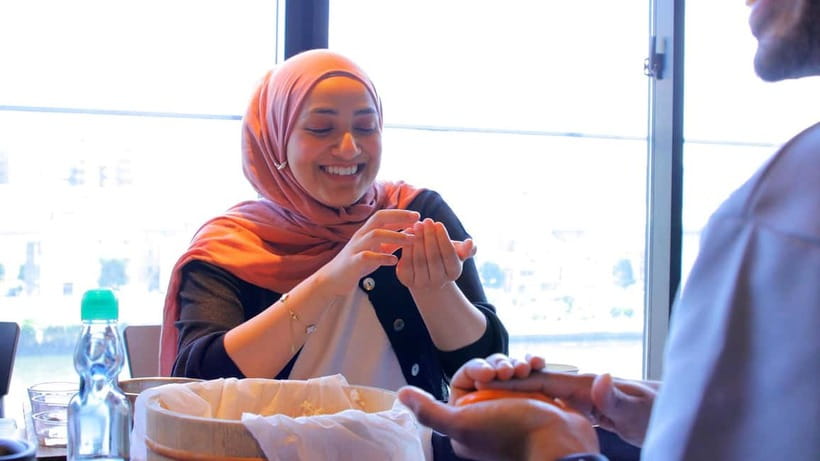
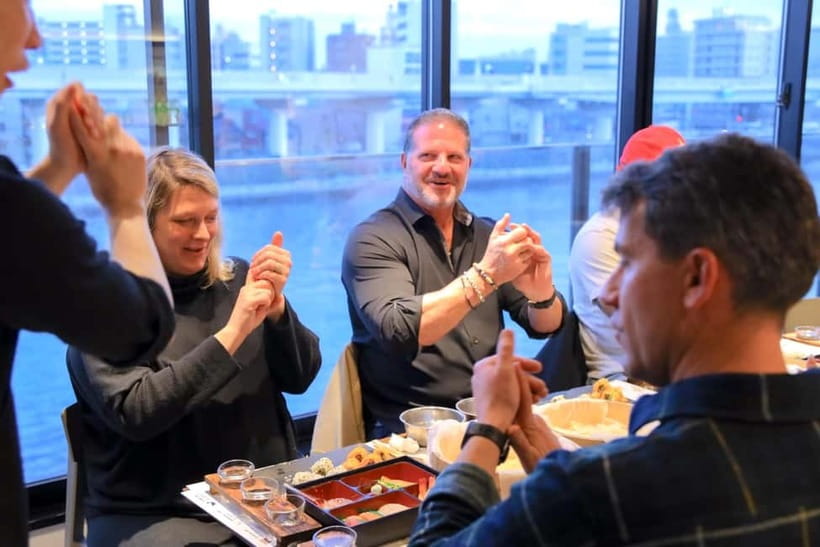
The instructors are the heart of this activity. You are not handed a printed recipe and left alone. The local staff demonstrate the techniques, answer questions in English, and keep conversation going around the table.
The names that appear repeatedly across sessions include Shoki, Yui, Takara, Fujiko, Reika, Miho, Fuko, and Serai. Each instructor brings a slightly different personality, but the pattern is consistent: clear guidance, good energy, and a willingness to talk with you about food and Osaka.
The social side is useful if you are traveling alone. Groups and solo participants are welcome, and the opening conversation often covers where people come from. You may end up chatting about Japanese food, other destinations, or places to eat in Osaka.
For couples and families, the format gives everyone a shared task. Nobody has to sit quietly while one person cooks. Children and adults can work at their own level, though younger participants may need help with rolling and shaping.
The English instruction is a major advantage. You do not need Japanese to follow the steps, and the combination of spoken explanation, video, and live demonstration gives you more than one way to understand the process.
Dietary Requests Need Advance Planning
The activity can accommodate vegan, vegetarian, gluten-free, halal, and allergy-related menu changes. Meat, nuts, fruits, and dairy are listed as ingredients that are not used, but you should still contact the provider when booking if your diet requires a specific arrangement.
The key rule is timing. Requests must be made at least three days in advance, and same-day changes cannot be handled. The staff do not accept individual ingredient specifications, so you should ask about your needs before reserving rather than assuming every preference can be met.
Halal preparation has worked well when requested in advance. The staff check the dietary requirement and prepare the appropriate box. This is a useful option for people who may otherwise find it hard to identify suitable ingredients in a busy food district.
Because the class is hands-on, tell the provider about allergies early. The supplied information says allergy-friendly menus are available, but it does not promise that every ingredient request can be met.
Is $45 a Fair Price?
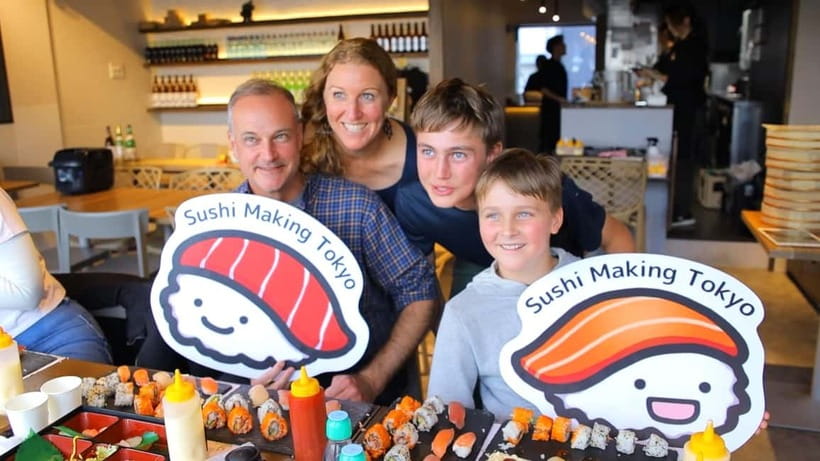
At $45 per person, this is not the cheapest way to eat sushi in Osaka. You can find a simple sushi meal for less. The price makes more sense when you count the instructor, ingredients, cultural explanation, guided practice, and meal together.
I consider it good value for first-time sushi makers, families, couples, and solo visitors who want an activity rather than another restaurant stop. The class also gives you something to remember and a technique you can try at home.
The value is lower if you already make sushi confidently or want advanced instruction. Since the rice and ingredients are prepared before the session, this is an introductory class, not professional chef training.
The class earns its price through the personal guidance and cheerful atmosphere. The instructors do more than explain technique. They answer questions, make jokes, and offer local food suggestions. That human contact is difficult to price, but it is what separates this from a short online tutorial.
Getting There and Planning Your Time
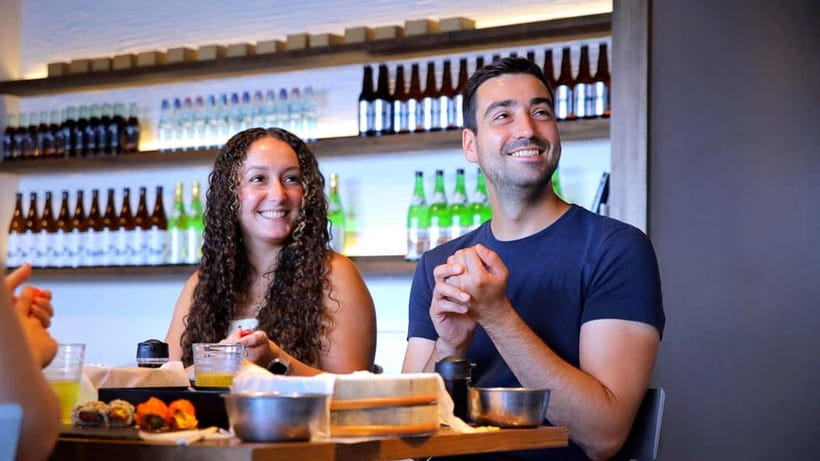
The class meets on the third floor of the Galleria Acca Building, about five minutes on foot from Shinsaibashi Station. It is close to Dotonbori, so you can pair it with an afternoon or evening in central Osaka.
Look for the building carefully. The entrance is not necessarily obvious from the street, and the concrete architecture can make the location feel less visible than the surrounding signs and shops.
The building has an elevator, but the workshop floor is not served by the elevator according to one practical note from the activity details. If you use a wheelchair, confirm the access arrangement directly before booking. The activity is listed as wheelchair accessible, but the floor access point deserves clarification.
Allow enough time to arrive, find the third-floor meeting point, and settle in. You do not want to lose part of the opening quiz or demonstration because you were searching for the entrance.
Free cancellation is available up to 24 hours before the start time, with a full refund. You can also reserve and pay later, which helps if your Osaka schedule is still changing. Starting times vary, so check availability for your date.
Who Will Enjoy This Most?
I would choose this class for you if you want a practical food activity in central Osaka and prefer making something to simply watching it. It is particularly suitable for:
- First-time sushi makers
- Couples looking for a shared activity
- Families who enjoy hands-on cooking
- Solo visitors who want an easy social setting
- Food lovers interested in sushi customs and forms
- People seeking vegan, vegetarian, gluten-free, or halal arrangements made in advance
You should think twice if you want a slow, formal cooking lesson. The instructors keep the pace lively, and the session may feel rushed when you are finishing the final nigiri pieces.
It is also not the right pick if you expect to prepare every component from scratch. The rice and other ingredients are prepared ahead of time so the class can focus on assembly and shaping.
My Booking Advice
Book this when you have a free 100-minute window near Shinsaibashi or Dotonbori and want a meal with a story attached. I especially like it as a first or second day activity, since the instructors may suggest other places to eat and help you get oriented around Osaka’s food culture.
Choose a time that does not put pressure on your next reservation. The class usually fits easily into a day, but the hands-on section deserves your attention. Arrive early, listen to the demonstration, and work at a steady pace.
If you have dietary needs, make the request at least three days ahead. If you are booking for a group, this is a strong choice because everyone participates and leaves with the same shared memory.
Should You Book the Sushi Class?
Yes, if you want a friendly beginner class, a central location, and enough sushi to eat after making it. The consistently high rating of 4.9 from 239 bookings matches the activity’s strongest qualities: lively English-speaking teachers, clear demonstrations, good ingredient portions, and a fun introduction to sushi’s background.
I would not book it for advanced culinary training or an unhurried restaurant meal. For everyone else, $45 buys a useful Osaka experience, not just lunch. You leave with new sushi skills, a recipe idea for home, and a better sense of how maki and nigiri differ.
FAQ
How long does the sushi-making class last?
The class lasts 100 minutes. This includes the sushi background and quiz, demonstrations, hands-on preparation, and time to eat what you make.
How much does the activity cost?
The listed price is $45 per person.
Where does the class meet?
The meeting point is on the third floor of the Galleria Acca Building, about five minutes from Shinsaibashi Station. It is near Dotonbori and Shinsaibashi.
Is the class taught in English?
Yes. The instructor language is English, and English-speaking local staff guide you through the class.
What types of sushi will I make?
You make two types: maki sushi rolls and nigiri sushi. The class teaches both rolling and hand-forming techniques.
Do I need previous cooking experience?
No. The class is suitable for beginners, and the instructors demonstrate each step before you try it.
Can I request a special menu?
Yes. Vegan, vegetarian, gluten-free, halal, and allergy-related menu changes are available. You must contact the provider at least three days before the activity, and same-day requests cannot be handled.
Can I cancel the booking?
You can cancel up to 24 hours in advance for a full refund. The activity also offers a reserve-now, pay-later option.
Just added around Osaka
- Nara Day Trip from Osaka with a Licensed Guide★ 5.0 · 3 reviews
- Osaka Early Morning Osaka Castle Tour Avoid Crowds★ 5.0 · 3 reviews
- Guided Tour of Some Attractions in Osaka by Private Car★ 5.0 · 3 reviews
- Private Transfer Between Kyoto and Kansai Airport KIX★ 5.0 · 3 reviews
- Shared Arrival Transfer: Osaka Itami Airport to Osaka City★ 5.0 · 3 reviews
- Osaka: Sushi Making Class and Dotonbori Food Tour★ 4.7 · 3 reviews
- Osaka Night Photography Workshop★ 5.0 · 3 reviews
- Kyoto Full day Tour Kinkakuji, Kiyomizu-dera and Fushimi Inari★ 4.5 · 3 reviews
Dotonbori & Namba Tours, compared.

Osaka Local Foodie Walking Tour in Dotonbori and Shinsekai
Read our review →
Dotonbori District River Cruise with Drink Discount
Read our review →
Ultimate Osaka Walking Tour: Castle, Dotonbori & Hidden Gems
Read our review →


Dotonbori River Cruise with Glico Sign & Neon Views
Read our review →
Browse the lists this tour appears in