
Reviewed · DOTONBORI & NAMBA TOURS
Osaka: Ramen and Gyoza Cooking Class in Dotonbori
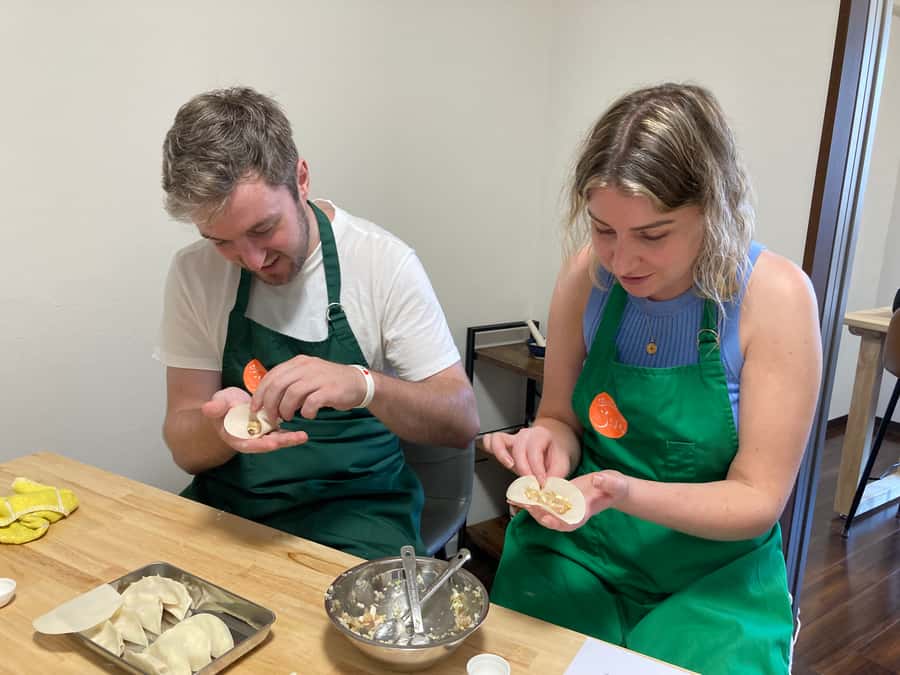
Making ramen here means starting with wheat, not opening a packet. You knead the dough, roll and cut the noodles with a machine, prepare a soy sauce broth, and shape gyoza with minced chicken. Miki and June are among the instructors, and the class is built around patient, step-by-step help.
I like the small class size, with no more than eight people, and I like that you actually make the noodles rather than simply watching a chef work. The recipes go home with you, too. The main drawback is practical: the meeting point in a Dotonbori-area building can be hard to spot, so allow extra time to find room 807.
In This Review
- Key Points to Know Before Booking
- Why This Osaka Class Is More Than a Ramen Demonstration
- Finding Cooking Sun Osaka Near Dotonbori
- Kneading Wheat Into Fresh Ramen Noodles
- Building Soy Sauce Ramen From Broth to Bowl
- Folding Minced-Chicken Gyoza by Hand
- A Small Group With Time for Questions
- How the Two to Three Hours Are Used
- Is $70 a Fair Price?
- What to Bring and How to Prepare
- Who Will Enjoy This Most?
- Should You Book the Ramen and Gyoza Class?
- FAQ
- Where does the ramen and gyoza class meet?
- Where does the activity end?
- How much does the class cost?
- How long does the class take?
- What language is the class taught in?
- How many people are in the class?
- What dishes do I make?
- Are ingredients included?
- Can I cancel or pay later?
Key Points to Know Before Booking
- Fresh ramen from flour: Knead wheat dough, rest it, and cut it into noodles with a noodle machine.
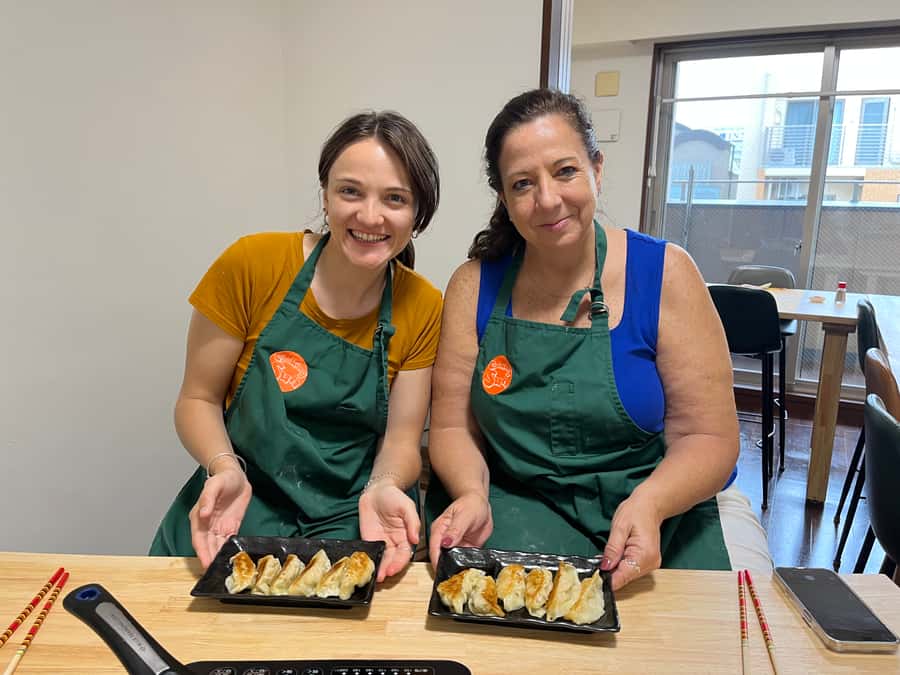
- Gyoza made by hand: Prepare a minced-chicken filling, fold the dumplings, and cook them as part of your meal.
- Small English-language class: Two instructors may teach up to eight people, giving you room to ask questions and get help.
- Japanese soup basics: Learn about chicken bones, dried sardines, soy sauce, miso, and other ingredients used in the broth.
- A full meal at the end: You eat the ramen and gyoza you prepared, with toppings and seasoning choices.
- Good booking flexibility: The price is $70 per person, with payment later and free cancellation up to 24 hours ahead.
Why This Osaka Class Is More Than a Ramen Demonstration
Osaka is a fine place to eat ramen, but ordering a bowl only tells you the final chapter. This class shows you the work behind it. You handle the dough, see how the noodles change under pressure, and learn why broth and toppings matter.
That distinction makes this a useful food experience for you if Japanese cuisine interests you beyond its most familiar dishes. Ramen is often treated as a quick, casual meal, yet this class reveals how much care goes into its texture and soup.
You also make gyoza, the pan-cooked dumplings commonly ordered alongside ramen in Japan. The combination makes sense: while the ramen dough rests, you can prepare the filling and fold the dumplings. The class uses minced chicken, giving you a filling that is approachable and easy to recreate at home.
The experience has earned a 5 out of 5 rating from 378 ratings, and the praise is remarkably consistent around three things: friendly instruction, tasty food, and a well-managed pace. Those are the areas that matter most in a hands-on class. A good recipe is less useful if you cannot follow the teacher or if the group is rushed.
More of Dotonbori and Namba after dark:
- Osaka Local Foodie Walking Tour in Dotonbori and Shinsekai
★ 5.0 · 985 reviews - Osaka: Dotonbori District River Cruise with Drink Discount
★ 4.2 · 876 reviews - Ultimate Osaka Walking Tour: Castle, Dotonbori & Hidden Gems
★ 5.0 · 862 reviews
Finding Cooking Sun Osaka Near Dotonbori
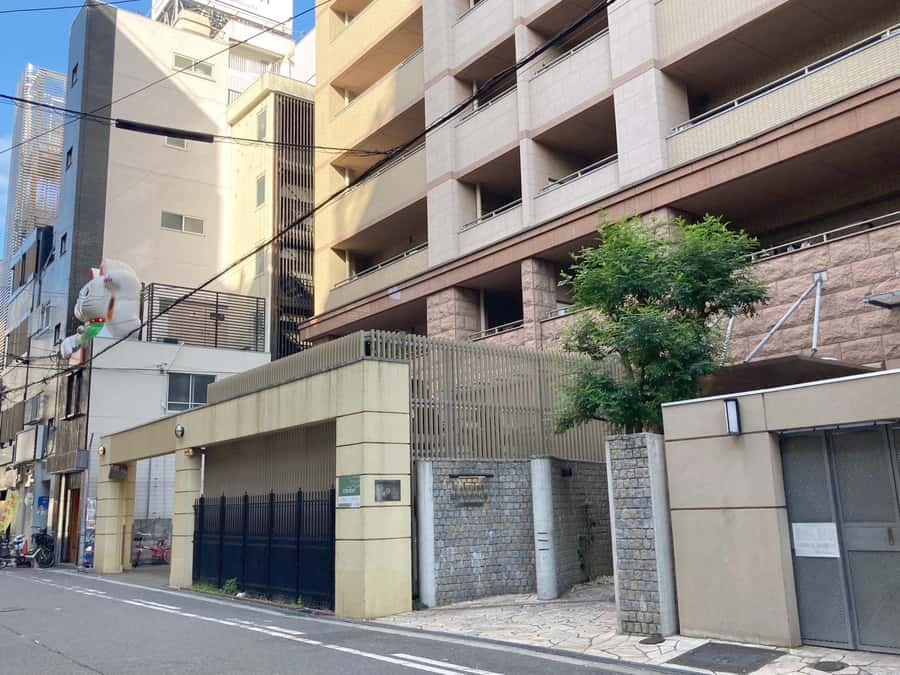
The meeting point is Cooking Sun Osaka, room 807. At the entrance, press 807 and then press the button marked 呼出, which means call.
This is the one part of the outing that deserves a little planning. The building is not described as an obvious street-level storefront, and one participant found it difficult to locate. I would arrive early rather than trying to find room 807 at the last minute, especially if you are navigating Dotonbori for the first time.
The class ends at the same meeting point. Hotel pickup and drop-off are not included, so you need to make your own way there and back.
The location works well with a day in central Osaka. You can schedule the cooking session before or after time around Dotonbori, but avoid packing another fixed activity immediately afterward. The class generally takes about two to three hours, depending on the pace of the group and the cooking schedule.
Kneading Wheat Into Fresh Ramen Noodles
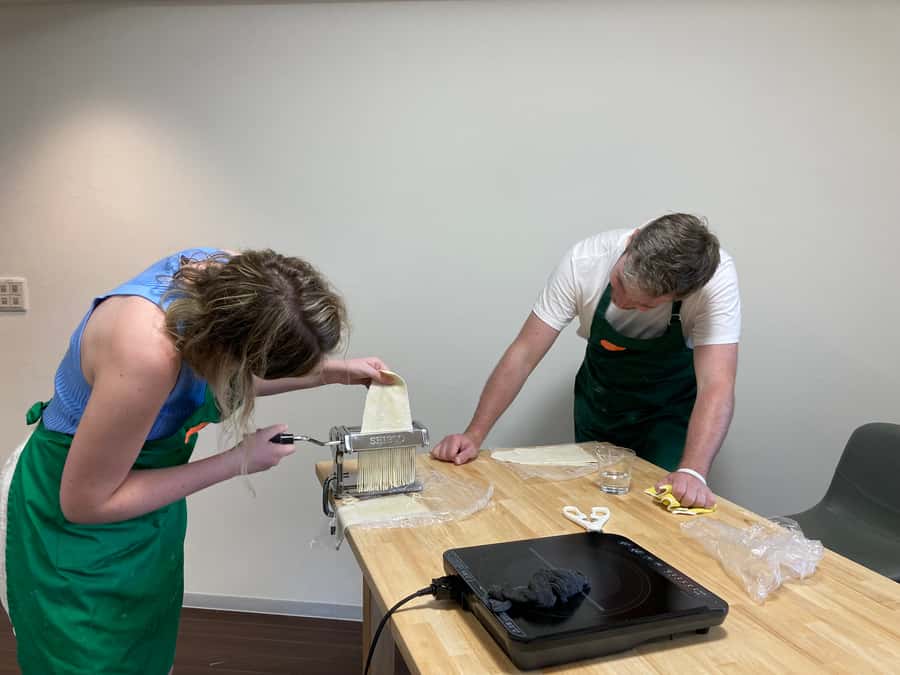
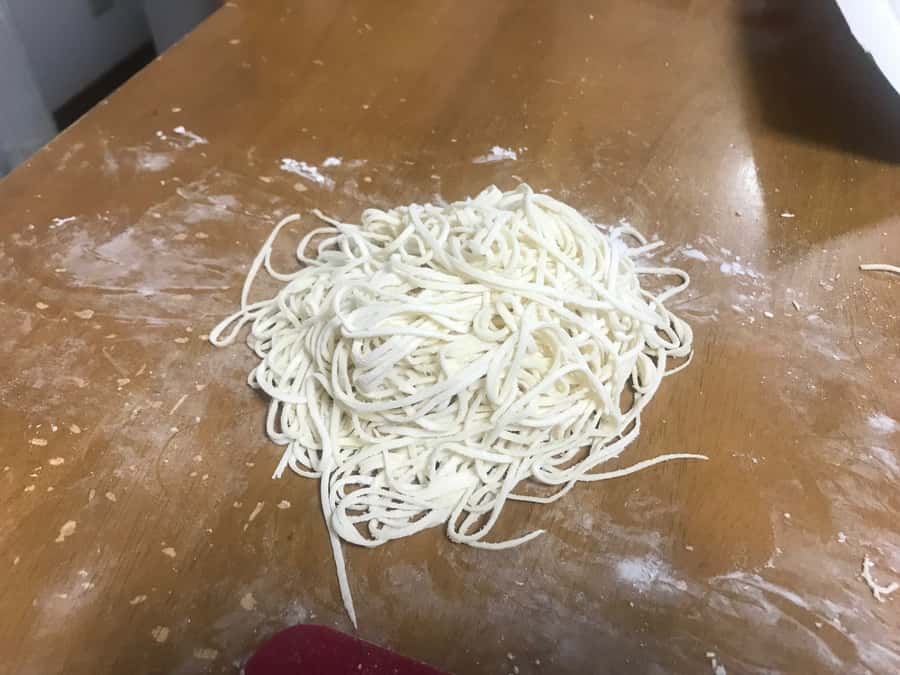
The most unusual part of the class is also the most satisfying: making ramen noodles from scratch. You begin with wheat and work the dough by hand. This gives you a clear feel for the texture before the dough is rolled and cut.
The class then uses a noodle machine to cut the ramen. That step is practical rather than theatrical. You see how uniform noodles are made, and you get a better sense of why noodle thickness affects the finished bowl.
Do not expect this to be a quick stir-and-serve lesson. The dough needs time to rest, so the class uses that waiting period well by moving on to the gyoza. This keeps the session active and gives the overall schedule a sensible rhythm.
The process also makes your final meal more personal. Your bowl is not simply assembled for you at the end. You have shaped an important part of it yourself, and that makes the texture and preparation easier to remember when you try the recipe at home.
If you are worried about falling behind, the teaching style should help. Miki, June, and other instructors step in when needed, explain the next stage again, and help keep the group together. That matters in a class involving dough, cutting, filling, and cooking all at once.
Building Soy Sauce Ramen From Broth to Bowl
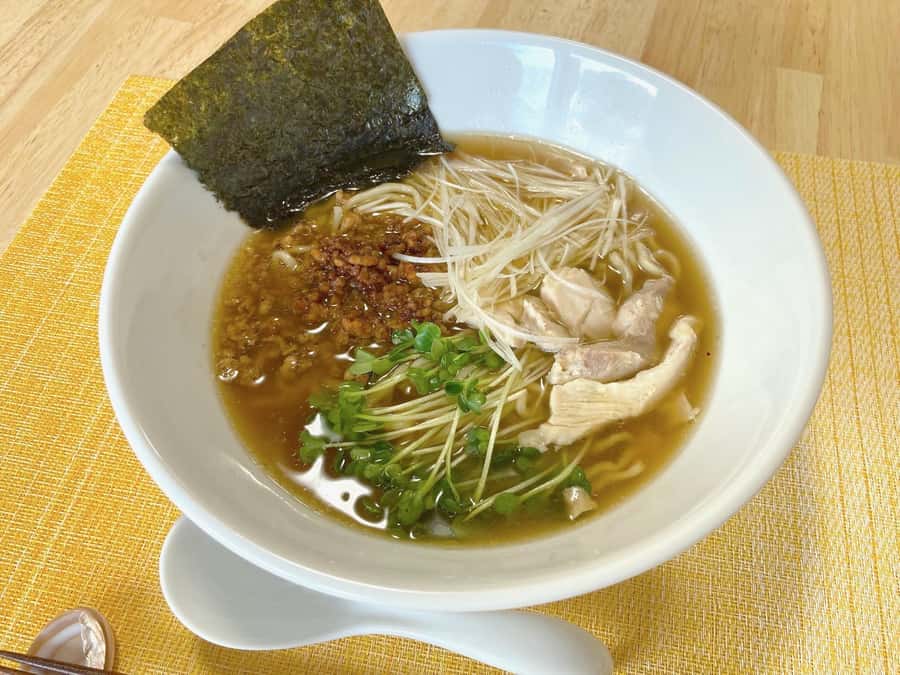
The standard ramen prepared here is soy sauce ramen. The broth uses chicken bones and dried sardines, ingredients that help explain the savory depth of Japanese soup.
You also receive useful background on miso and other ingredients. The class may let you add miso to the soup if you prefer a miso-style bowl, and toppings can be adjusted to create your own version.
This is one of the better parts of the lesson for food-minded visitors because it connects ingredients to taste. You are not just told to add a spoonful of seasoning. You learn that different kinds of miso have different uses and that the broth is the foundation of the dish.
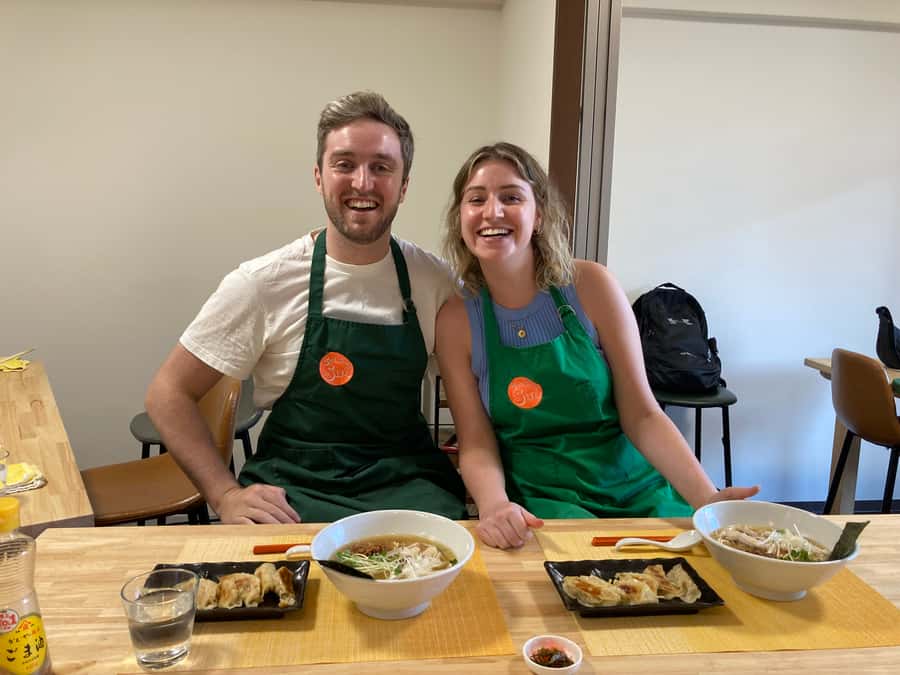
The final bowl is intended to be eaten during the class. You can add the toppings you like and enjoy the ramen you made yourself. Several participants found the finished food better than expected, which is a useful reminder to arrive hungry.
The meal is substantial enough that this should count as a proper food stop, not a small tasting. If you have a full Osaka lunch planned right before class, you may not enjoy the final eating stage as much.
More ramen and gyoza classes:
- Osaka: Five Must-See Highlights Walking Tour & Ramen Lunch
★ 4.7 · 411 reviews - Ramen and Gyoza Cooking Class in Osaka
★ 5.0 · 202 reviews - Walking Tour of Osaka’s 5 Must-See Sights, with Ramen for Lunch
★ 5.0 · 158 reviews - Cooking Ramen&Gyoza/KatsuCurry/Bento/Okonomiyaki+Store Tour@Osaka
★ 5.0 · 138 reviews
Folding Minced-Chicken Gyoza by Hand
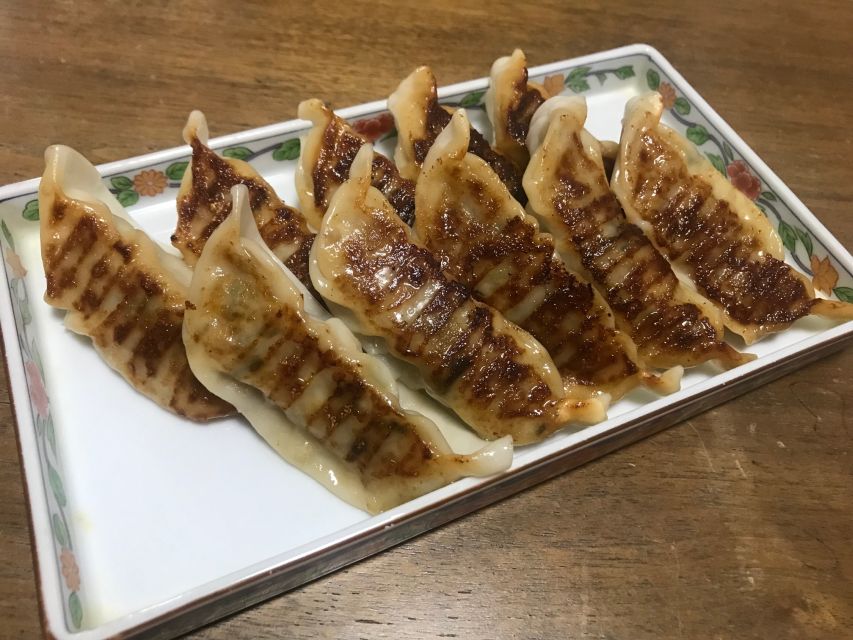
The gyoza portion adds a second skill and a nice change of pace. You prepare a filling using minced chicken, then fold the dumplings yourself.
Gyoza can look simple until you try to make a neat fold. The class gives you a chance to learn the basic technique without requiring professional precision. Your dumplings do not need to look identical to taste good, and the instructors can help if you need assistance.
The recipe can be adjusted for some dietary preferences. A plant-based option was prepared when a vegan participant mentioned the need on arrival, and a substitute was also provided for people who did not want fish broth. Still, you should tell the provider about dietary needs when booking if possible. The supplied details confirm that adjustments have been made, but they do not provide a full allergen list or guarantee every type of substitution.
Making gyoza also gives the class a social side. You have a shared task, but each person can shape the dumplings in a slightly different way. For families, this is a useful activity because children can take part in filling and folding rather than sitting through a long demonstration.
A Small Group With Time for Questions
The class is taught in English. The group size is limited to a maximum of eight people, with two instructors in many sessions. That ratio is a real advantage for a practical lesson.
I prefer this arrangement to a large demonstration class where you can see the chef but cannot get help. Here, an instructor can check your dough, explain a confusing step, or assist if your pace slips. Miki and June are specifically praised for making the instructions easy to follow and for helping people stay on schedule.
The teaching is not limited to recipes. You learn about Japanese food culture, the ingredients used in the dishes, and the custom of ordering ramen and gyoza together at a ramen shop. That context gives the meal a place in everyday Japanese eating habits.
The class is also suitable for different ages. A family with an 11-year-old enjoyed the format, and a family with a 14-year-old found it accessible. Couples, solo visitors, and small groups can all fit comfortably into the session.
It is worth noting that English is the listed language. If you need instruction in another language, this may not be the right choice.
How the Two to Three Hours Are Used
The exact timetable can vary, but the cooking sequence follows a clear pattern:
- You start with the ramen dough and knead the wheat.
- The dough rests while you work on other parts of the meal.
- You cut the noodles with a machine.
- You prepare the broth and learn about its ingredients.
- You make the minced-chicken gyoza filling and fold the dumplings.
- You assemble the ramen with broth and toppings.
- You cook and eat the finished ramen and gyoza.
This is a well-planned order because no major stretch feels like dead time. The resting dough creates a natural pause for gyoza preparation, and the meal at the end gives the class a clear payoff.
One participant described the class as taking three hours, while another estimated two hours. I would plan for roughly two to three hours rather than relying on a tight schedule. The class is paced so you do not feel hurried, but that also means it is not a quick activity you can squeeze between two closely timed reservations.
Is $70 a Fair Price?
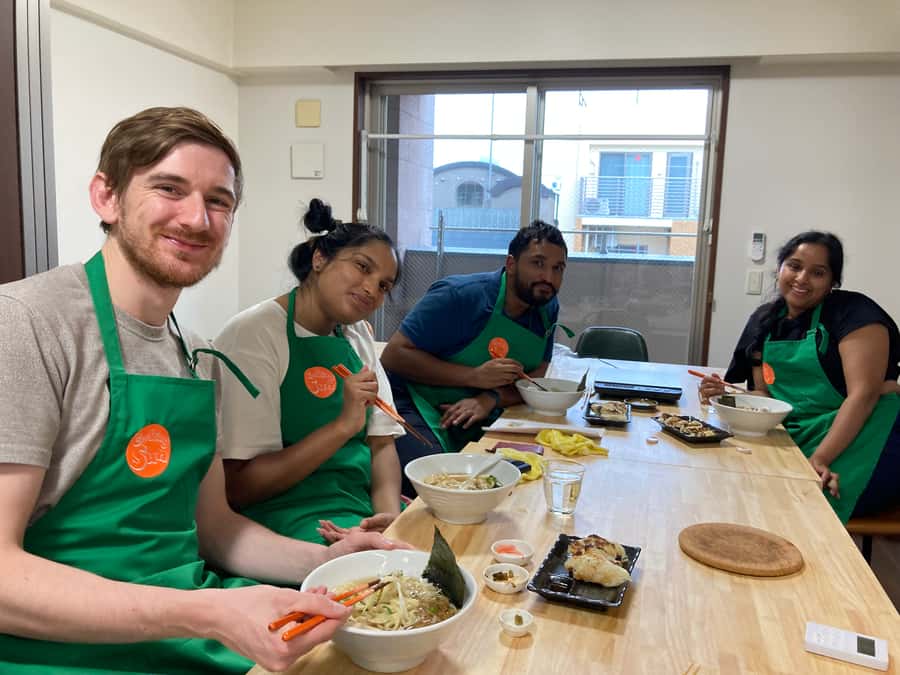
At $70 per person, this is not the cheapest way to eat ramen in Osaka. A bowl of ramen and a plate of gyoza at a restaurant cost far less. But the comparison is not really restaurant meal versus restaurant meal.
You are paying for ingredients, instruction, equipment, a small group, cultural explanation, and a meal. You also get recipes to take home, which adds value if you plan to repeat the dishes after Japan.
The price makes the most sense if you want an activity rather than just lunch. You spend several hours learning a technique and leave with a better understanding of why ramen tastes and feels the way it does.
I would call it good value for couples, families, and food enthusiasts who want active participation. It is less compelling for you if your priority is simply finding the lowest-cost meal or if you dislike cooking during a holiday.
The reserve-now, pay-later option keeps your plans flexible. You can cancel for a full refund up to 24 hours in advance, according to the booking terms. That is helpful when arranging a busy Osaka itinerary.
What to Bring and How to Prepare
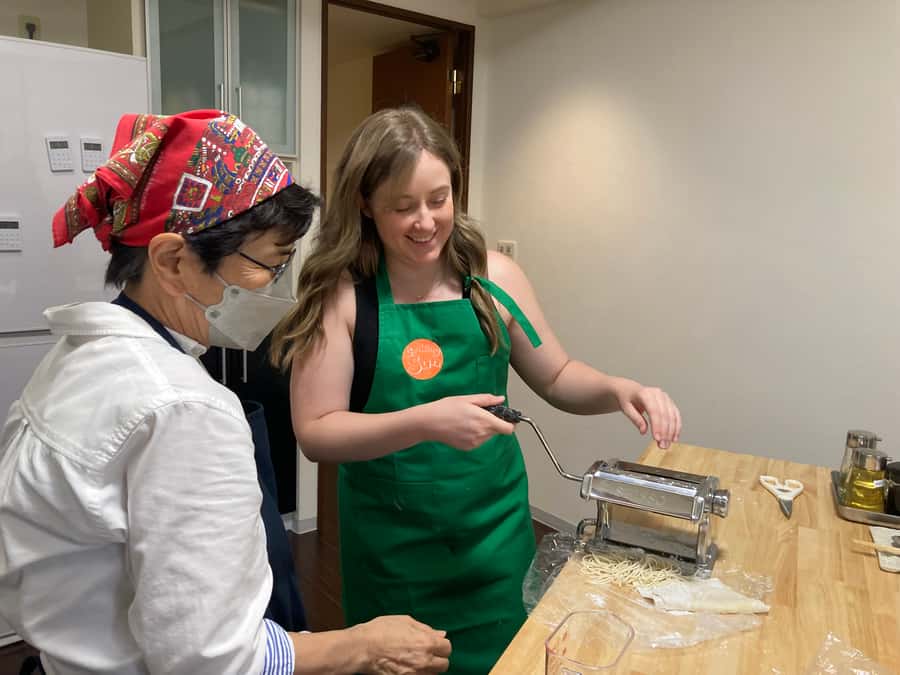
Come hungry, since you eat a complete meal at the end. Wear something comfortable for hands-on kitchen work, and avoid scheduling a major attraction immediately afterward.
Give yourself extra time to find the building and room 807. Remember the entrance instructions: press 807, then 呼出.
If you are vegan, vegetarian, avoiding fish broth, or managing another dietary need, raise it before the cooking begins. Adjustments have been made for plant-based food and for people who did not want fish broth, but it is sensible to confirm what can be provided for your particular needs.
You do not need to bring ingredients. All cooking-class ingredients are included.
Who Will Enjoy This Most?
I would recommend this class to you if you meet one or more of these descriptions:
- You want to learn a Japanese dish you can realistically make at home.
- You enjoy hands-on activities more than passive sightseeing.
- You are traveling with children or teenagers who like to make things.
- You want a small class where instructors can offer individual help.
- You are curious about Japanese ingredients, miso, broth, and food customs.
- You want a filling meal that is also part of the activity.
You may want to skip it if your Osaka schedule is extremely tight, if you want a short tasting rather than a lesson, or if you are looking for a class in a language other than English.
The class is also a good choice near the end of a Japan trip. You can take the recipes home and continue the experience after your holiday, which gives the $70 price more lasting value than a single restaurant meal.
Should You Book the Ramen and Gyoza Class?
Yes, if you want to understand ramen by making it from the beginning. The strongest reasons to book are the small group, attentive instruction, fresh noodles, and the chance to prepare both ramen and gyoza in one session.
I especially like that the class does not stop at assembling toppings. You knead wheat, cut noodles, prepare broth, fold dumplings, and learn about the ingredients. The meal at the end is delicious, but the real value is leaving with a technique you can use again.
Book it as a relaxed two to three hour food activity, arrive early to find room 807, and come hungry. If that plan fits your Osaka days, this is a practical and enjoyable way to move beyond eating Japanese food and start understanding how it is made.
FAQ
Where does the ramen and gyoza class meet?
It meets at Cooking Sun Osaka, room 807. At the entrance, press 807 and then press the 呼出 call button.
Where does the activity end?
The class ends back at the same meeting point.
How much does the class cost?
The listed price is $70 per person.
How long does the class take?
Plan for roughly two to three hours. The supplied information includes estimates of about two hours and three hours.
What language is the class taught in?
The class is offered in English.
How many people are in the class?
The class accommodates a maximum of eight people. Several sessions are described as having two instructors for the group.
What dishes do I make?
You make ramen and gyoza from scratch. The ramen includes wheat noodles and a standard soy sauce broth, while the gyoza uses minced chicken.
Are ingredients included?
Yes. All ingredients used in the cooking class are included.
Can I cancel or pay later?
You can reserve and pay later, and you can cancel up to 24 hours in advance for a full refund.
More Japanese Home Cooking Classes
- Osaka: Sumo Stage Show with Bento or Snack + Fight & Photo
★ 4.3 · 364 reviews - Osaka: Traditional Mochi Pounding Experience with Tasting
★ 4.9 · 306 reviews - Osaka Cooking Class: Okonomiyaki &Japanese cuisines experience
★ 5.0 · 261 reviews - Osaka Sake Tasting with Takoyaki Cooking
★ 5.0 · 156 reviews
Just added around Osaka
- Nara Day Trip from Osaka with a Licensed Guide★ 5.0 · 3 reviews
- Osaka Early Morning Osaka Castle Tour Avoid Crowds★ 5.0 · 3 reviews
- Guided Tour of Some Attractions in Osaka by Private Car★ 5.0 · 3 reviews
- Shared Arrival Transfer: Osaka Itami Airport to Osaka City★ 5.0 · 3 reviews
- Private Transfer Between Kyoto and Kansai Airport KIX★ 5.0 · 3 reviews
- Osaka: Sushi Making Class and Dotonbori Food Tour★ 4.7 · 3 reviews
- Osaka Night Photography Workshop★ 5.0 · 3 reviews
- Kyoto Full day Tour Kinkakuji, Kiyomizu-dera and Fushimi Inari★ 4.5 · 3 reviews
Dotonbori & Namba Tours, compared.

Osaka Local Foodie Walking Tour in Dotonbori and Shinsekai
Read our review →
Dotonbori District River Cruise with Drink Discount
Read our review →
Ultimate Osaka Walking Tour: Castle, Dotonbori & Hidden Gems
Read our review →

Dotonbori River Cruise with Glico Sign & Neon Views
Read our review →
Roll and Authentic Sushi Making Class in Dotonbori
Read our review →Browse the lists this tour appears in