
Reviewed · OSAKA SUSHI MAKING CLASSES
Osaka: Sushi Making in Spacious Studio (SAME-DAY OK!)
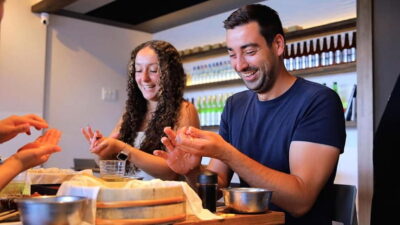
Making sushi by hand is the main event here, but the real treat is learning why the rice, toppings, and shaping matter. In 90 minutes, an English-speaking instructor such as Naho, Aki, or Matsuri guides you through the basics, then you eat the results at your own table. The class is hands-on, not a demonstration where you simply watch.
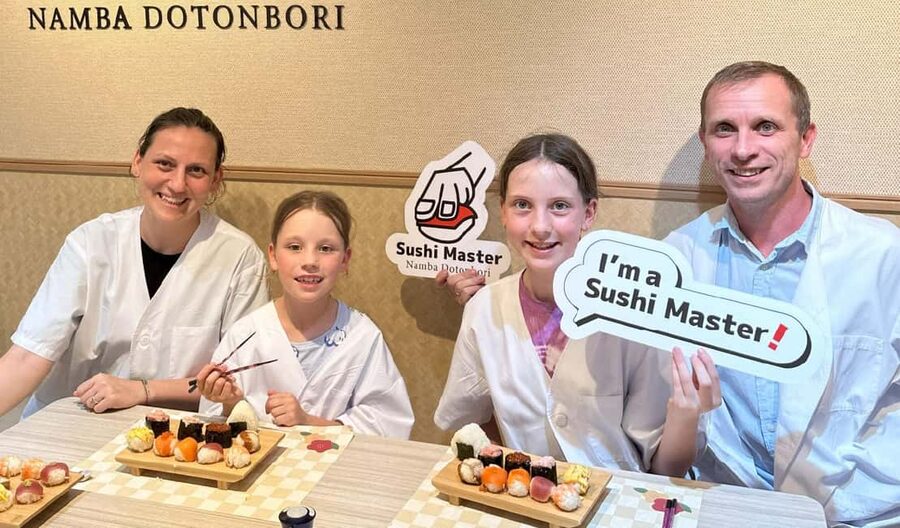
I especially like the easy Namba location, only about three minutes from Namba Station, and the generous finish: your sushi becomes lunch, not a token sample. You also receive a Sushi Master Certificate and a small Japanese souvenir. The main consideration is that drinks cost extra, and vegetarians must contact the provider in advance so the fish toppings can be replaced.
In This Review
- Key points at a glance
- Why this short Namba class works so well
- Finding the orange building near Namba
- The opening: food culture before the rice hits your hands
- Sushi rice is the real lesson
- Nigiri, gunkan, rolls, and temari shapes
- Eating what you made
- The instructors make the difference
- Certificate, souvenir, and value at $25
- Vegetarian requests and practical limits
- Booking tips for a smoother visit
- Should you book this Osaka sushi class?
- FAQ
- How long does the sushi-making experience last?
- Where is the sushi class located?
- Is the class taught in English?
- How many pieces of sushi will I make?
- Can vegetarians join the class?
- Are drinks included in the price?
- What is included besides the sushi?
- Can I cancel for a full refund?
Key points at a glance
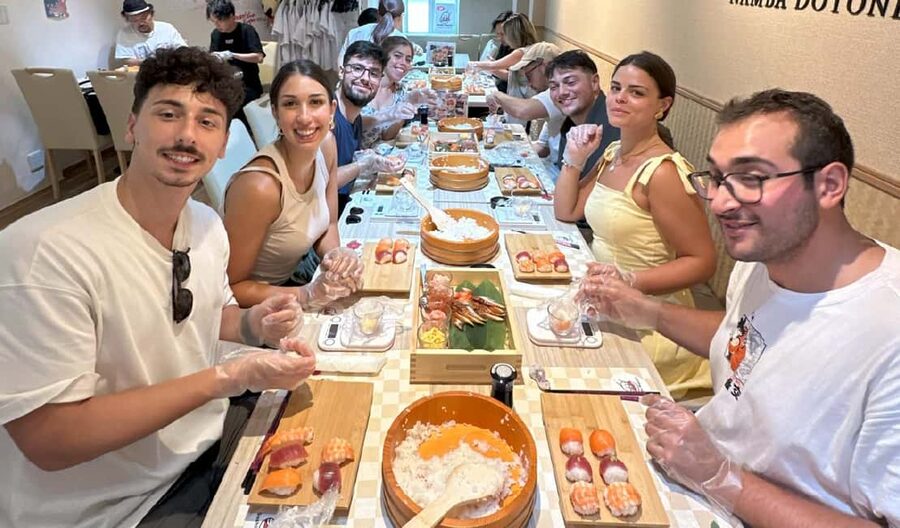
- Make and eat 8 or 10 pieces: Choose the Standard course with 8 pieces or Premium course with 10.
- English instruction: Friendly instructors explain sushi culture, rice, and preparation in English and Japanese.
- More than rolled sushi: The class may include nigiri, gunkan, rolls, or temari sushi, depending on the lesson.
- A comfortable central studio: The spacious classroom is on the second floor of a narrow orange building near Namba.
- Vegetarian substitutions are available: Message ahead so fish toppings can be changed to vegetable-based ingredients.
- A useful souvenir package: Your meal, Sushi Master Certificate, and small Japanese gift are included.
Why this short Namba class works so well
Osaka is famous for eating, but a cooking class gives you a better sense of what is on the plate. This experience takes a food you may already know and slows it down enough for you to understand the small decisions behind it. You learn about Japanese food culture, get an introduction to sushi, and then work with the ingredients yourself.
That matters because sushi is not simply raw fish placed on rice. The rice needs the right texture. The toppings must be handled neatly. The shape affects how each piece feels in your mouth. Even in a beginner class, those details turn a familiar meal into something you have made with your own hands.
The format is especially good for a first visit to Japan. You do not need advanced cooking skills, Japanese language ability, or a full afternoon. The class lasts 90 minutes, so you can fit it between sightseeing in Namba, shopping, or an evening meal.
I also like the social balance. You can come alone, as a couple, or with family. One solo participant described feeling comfortable and picking up the skills quickly, while families found the tutorials easy to follow. The spacious studio helps keep the mood relaxed rather than cramped.
The class has earned a 5 out of 5 rating from 75 reviews, with repeated praise for the instructors, food, English communication, and value. That pattern is useful: the strongest part of the experience is not a fancy setting or a long menu. It is the warm teaching and the chance to make a decent amount of sushi yourself.
More sushi making classes:
- Sushi Making Osaka Roll and Authentic Japanese Sushi Class
★ 5.0 · 1,220 reviews - Osaka Sushi Making Experience
★ 5.0 · 400 reviews - Osaka: Roll and Authentic Sushi Making Class in Dotonbori
★ 4.9 · 239 reviews
Finding the orange building near Namba
The studio is about three minutes from Namba Station, which makes this one of the easier food activities to add to an Osaka schedule. You will need to search for Sushi Master Namba on Google Maps, but the directions warn that the map pin may be slightly off.
Look for the narrow orange-colored building and go to the second floor. This is worth noting because the meeting point is not described as a large street-front shop. Give yourself a few extra minutes, especially if you are arriving straight from a train platform or carrying shopping bags.
If you have trouble locating the place, the provider gives a telephone number, 0664848070. Save it before you leave your hotel. There is no hotel pickup or drop-off, so you make your own way to and from the class.
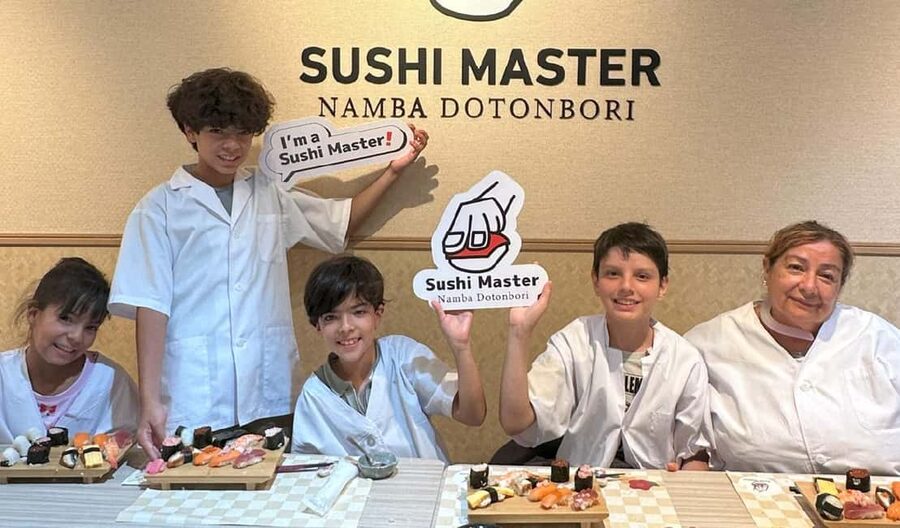
The studio itself is described as spacious and welcoming. That may sound like a minor detail, but it affects a hands-on food lesson. You need room to handle rice, seaweed, fish, and utensils without feeling crowded. Smoking is not allowed, and outside food or drinks are not permitted.
The opening: food culture before the rice hits your hands
The class begins with a welcome and introduction to Japanese food culture in English. You may also see an informative video before starting the preparation. This opening gives the activity some context rather than rushing you straight to assembly.
The cultural introduction is not a substitute for a full culinary history lesson. The value is more practical. You begin to understand the place sushi holds in Japanese dining, then see how that idea connects to the ingredients in front of you.
The instructors are fluent in English, with Japanese also available. Names that appear in the teaching team include Naho, Aki, Matsuri, Seina, and Tsuki. The exact instructor may vary, but the repeated strength of the class is clear: the teaching is friendly, patient, and easy to follow.
You should feel free to ask questions during the session. The class can be personal enough for participants to ask about each step, rather than simply copying a set of silent motions. That is a good reason to choose a lesson like this over a quick food tour if you want practical skills.
Sushi rice is the real lesson
A major part of the class is learning how to make sushi rice properly. The rice is prepared in advance, but the instructor explains the process and shows you how it is handled for sushi. Several participants found this part particularly useful because the rice is what separates sushi from ordinary rice topped with ingredients.
The class is not designed to turn you into a professional sushi chef in one visit. You will not be making every ingredient from scratch. The fish, egg, seaweed, and other toppings may already be prepared so that your 90 minutes can focus on the parts beginners can realistically learn and repeat at home.
That is a sensible choice. Preparing fish, cooking rice from the beginning, and teaching several sushi styles would make the class longer and less relaxed. Here, you spend your effort on cooling and shaping the rice, arranging toppings, and building the finished pieces.
If you want to get the most from this section, pay attention to texture and pressure. Sushi rice must hold together, but it should not become a heavy lump. The instructor’s hands-on guidance is most useful here, since written instructions alone cannot show how firmly to shape it.
A completely different way to spend a day in Osaka:
- Osaka Go Karting Tour with Funny Costume
★ 5.0 · 2,658 reviews - Osaka Castle: Museum and Tower Entry Ticket
★ 4.5 · 2,380 reviews - Osaka: Shinsekai Food Tour with 13-15 Dishes at 5 Eateries
★ 4.8 · 2,204 reviews - Osaka Food Tour: 13 Dishes at 5 Local Eateries
★ 5.0 · 2,149 reviews
Nigiri, gunkan, rolls, and temari shapes
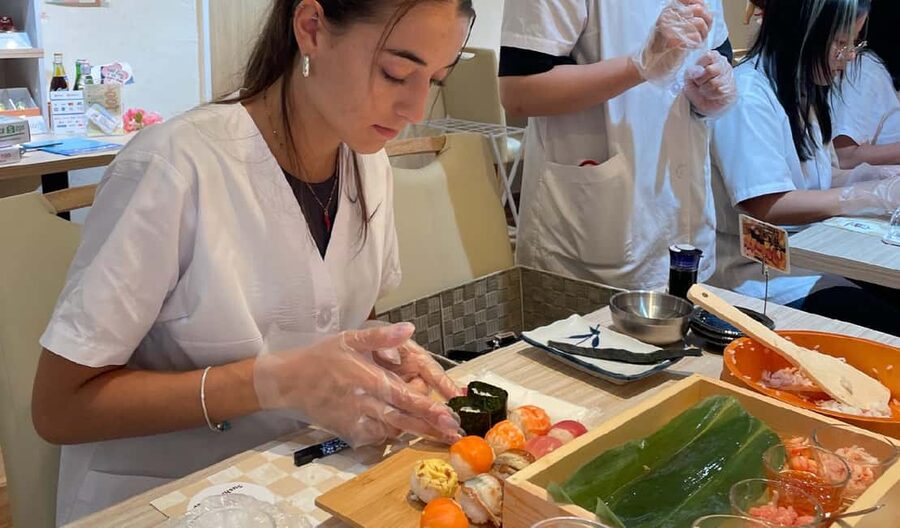
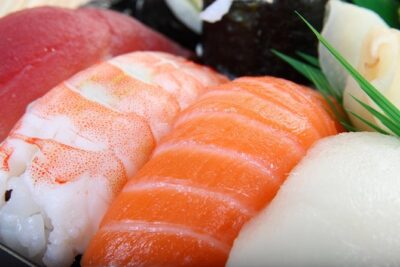
The lesson covers basic sushi forms, with activities described as including nigiri and gunkan. Some sessions also include sushi rolls or temari sushi. Nigiri gives you the classic rice-and-topping form, while gunkan uses seaweed to create a small vessel around the rice and topping.
Temari sushi is a rounder, decorative style. It can be a fun change from the familiar long roll, and it gives you another way to think about proportion and presentation. The exact mix may depend on the course or session, so I would not book this expecting one fixed menu of shapes every time.
This variety is one of the class’s strengths. You are not simply placing one topping on rice over and over. You get a sense of how the same basic ingredients can be shaped in different ways. The process is simple enough for beginners, yet varied enough to keep the 90 minutes moving.
The ingredients include fish, egg, seaweed, and vegetable-based items when arranged for vegetarians. The quality of the ingredients has been praised, and the finished portions are described as a decent amount of food. That makes the class feel like a meal as well as a lesson.
Do not expect a market visit, a fish auction, or a professional kitchen tour. This is a focused studio class. Its appeal lies in making sushi in a clean, comfortable setting, with the instructor close by to correct your technique and answer questions.
Eating what you made
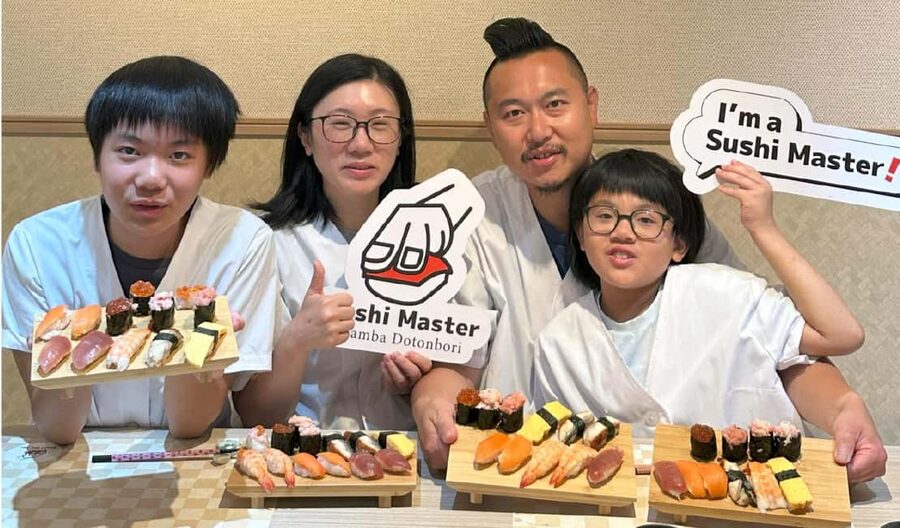
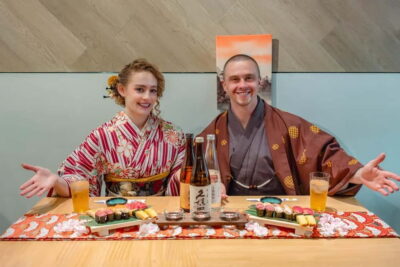
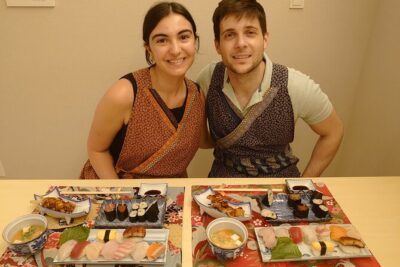
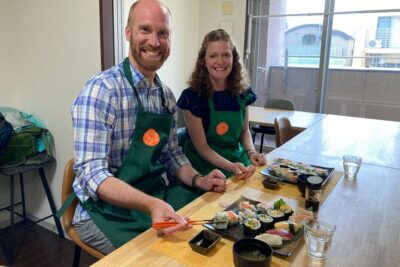
After the preparation, you eat the sushi you have made on the spot. This is the most satisfying part of the class because you can immediately see whether your rice shaping and topping placement worked.
The food is not merely a tasting bite. The Standard course includes 8 pieces, while the Premium course includes 10. The difference is modest, but if you are treating the class as lunch, the Premium option may suit you better. If you have a large dinner planned soon afterward, 8 pieces may be enough.
You can order soft drinks or alcohol during the class, including sake, but drinks are not included in the price. The description refers to enjoying the sushi with carefully selected sake, so you have the option to pair your food with a Japanese drink. Budget for that separately if you want it.
I like this eat-what-you-make setup because it keeps the experience honest. You are not preparing food for someone else to judge. You get to taste the result, notice what worked, and enjoy the meal while the steps are still fresh in your mind.
You should arrive ready to eat, but do not bring outside food or drinks. If you have allergies, tell the provider in advance. That is particularly important in a food class, where ingredients may include fish, egg, seaweed, and other common sushi components.
The instructors make the difference
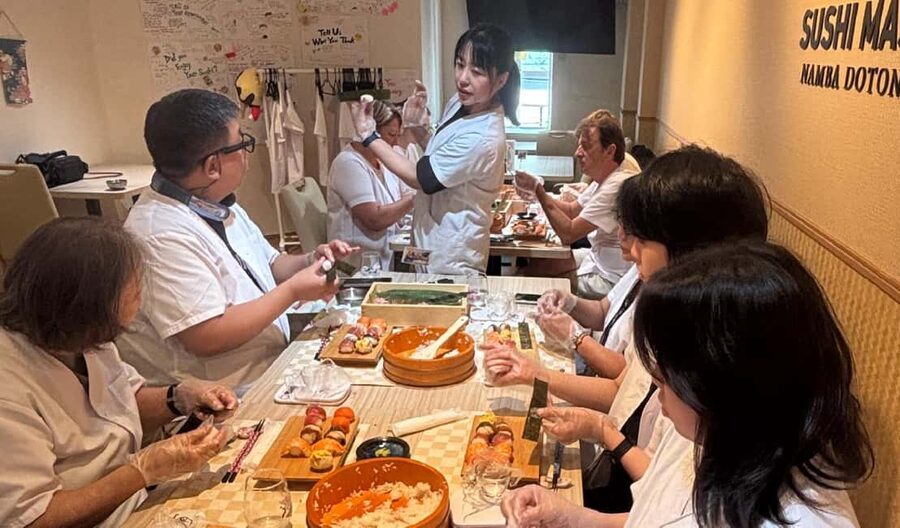
The teaching team receives the warmest praise. Naho is described as kind, patient, and dedicated to explaining each part clearly. Aki is noted for being friendly, informative, and easy to understand in English. Matsuri is praised alongside Naho for bringing enthusiasm and care to the class.
Seina is also described as patient, while Tsuki is remembered as kind and helpful. These details matter because a sushi lesson can become frustrating if the instructor moves too quickly or assumes you already know how to handle the rice.
The staff also help with photos, according to one detailed account. That is a nice touch for a food activity where your hands are busy and the finished pieces disappear quickly. You can ask for a picture during the process instead of trying to document every step yourself.
The instructors may also offer suggestions for drinks or things to do nearby. Treat that as a helpful extra, not the main purpose of the class. The central value is their clear instruction and willingness to keep the activity comfortable for beginners.
Certificate, souvenir, and value at $25
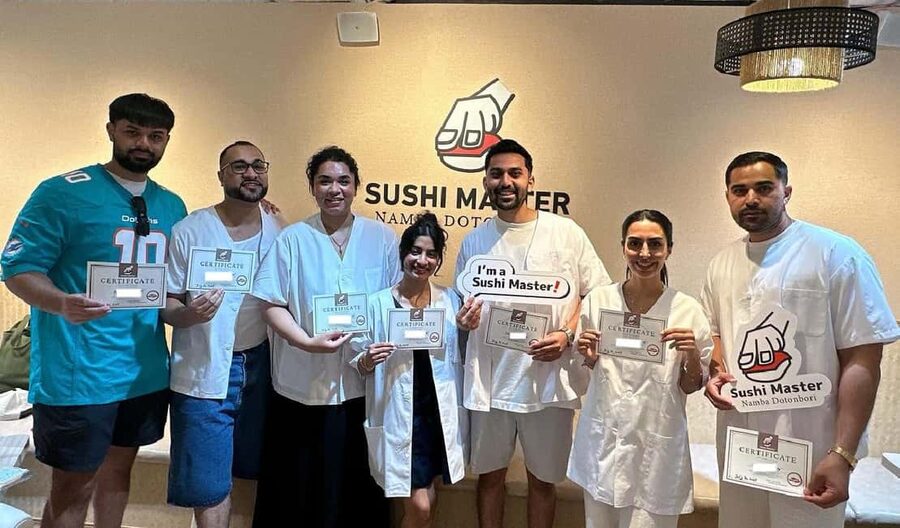
At $25 per person, this is inexpensive for a 90-minute activity that includes both instruction and a full plate of handmade sushi. You are not paying only for a demonstration. Ingredients, the sushi meal, the Sushi Master Certificate, and a small Japanese souvenir are included.
The certificate is playful rather than a professional qualification. Still, it makes a nice family keepsake or trip memento, especially if you are collecting food-related memories rather than buying another generic souvenir.
The small gift adds a personal finish. It is not likely to change your opinion of the class by itself, but it makes the ending feel considered. You leave with something physical besides a photograph and a full stomach.
The value is strongest if you want an activity that combines food, culture, and participation. A restaurant meal may offer more refined sushi, and a high-end cooking school may teach more advanced technique. This class gives you a friendly introduction at a much lower price.
Remember that drinks are extra. That does not weaken the basic value, but it means the advertised price is not necessarily your final spend if you add sake or soft drinks.
Vegetarian requests and practical limits
Vegetarian participation is possible, but you must contact the provider in advance. Fish toppings can be replaced with vegetable-based ingredients. Do not wait until you arrive, since the class needs time to prepare the substitutions.
The available information does not promise a separate vegan menu or cover every allergy. If you have allergies, tell the provider ahead of time and ask what can be accommodated. This is more useful than making assumptions about soy, egg, seafood, or other ingredients.
The class is suitable for families, couples, solo participants, and first-timers. The age range is not specified, so if you are booking for very young children, contact the provider before reserving. The lesson involves food preparation, shaping, and eating, with English and Japanese instruction.
There is no smoking, no outside food or drink, and no hotel transportation. These are simple rules, but knowing them early helps you plan the visit without surprises.
Booking tips for a smoother visit
Same-day booking is available, subject to open starting times. I would still reserve ahead if this is important to your Osaka plans, especially if you need vegetarian substitutions or have a particular schedule.
Free cancellation is available up to 24 hours before the activity for a full refund. You can also reserve now and pay later, which helps if your route through Japan is still changing.
Check the available starting times before committing to a restaurant reservation afterward. The class itself lasts 90 minutes, but you will want a little extra time for finding the building and leaving the studio.
Wear something comfortable and arrive ready to take part. The provider asks you not to bring outside food or drinks, and the class is designed around eating the sushi you prepare.
Should you book this Osaka sushi class?
I would book this experience if you want a short, affordable food lesson near Namba rather than a formal culinary course. The English instruction, friendly teaching, generous sushi portions, certificate, and souvenir make the $25 price easy to justify.
It is also a strong choice for families and solo visitors. The instructors help keep the mood light, and you do not need to arrive with cooking experience. The class offers enough explanation to feel cultural, but enough hands-on work to feel like you actually learned something.
I would hesitate only if you want advanced sushi technique, a professional kitchen setting, or a guaranteed fixed menu of specific sushi styles. Drinks cost extra, and vegetarian or allergy requests need advance notice.
For most first-time visitors who like Japanese food, this is a sensible Namba activity. You spend 90 minutes learning a useful skill, eat what you make, and leave with a small reminder of the lesson. That is a good return for $25.
FAQ
How long does the sushi-making experience last?
The class lasts 90 minutes. Starting times vary, so check availability when booking.
Where is the sushi class located?
The studio is about three minutes from Namba Station. Search for Sushi Master Namba on Google Maps and look for the second floor of the narrow orange-colored building.
Is the class taught in English?
Yes. Instruction is available in English and Japanese, and the instructors are described as fluent English speakers.
How many pieces of sushi will I make?
The Standard Sushi Making Course includes 8 pieces. The Premium Sushi Making Course includes 10 pieces.
Can vegetarians join the class?
Yes. Fish toppings can be replaced with vegetable-based ingredients, but you must message the provider in advance.
Are drinks included in the price?
No. Soft drinks and alcohol can be ordered during the class, but they cost extra. Sake is available as an optional pairing.
What is included besides the sushi?
The price includes the sushi ingredients, the meal you make, a Sushi Master Certificate, and a small Japanese souvenir.
Can I cancel for a full refund?
Yes. You can cancel up to 24 hours in advance for a full refund. Reserve now and pay later is also available.
Just added around Osaka
- Nara Day Trip from Osaka with a Licensed Guide★ 5.0 · 3 reviews
- Osaka Early Morning Osaka Castle Tour Avoid Crowds★ 5.0 · 3 reviews
- Guided Tour of Some Attractions in Osaka by Private Car★ 5.0 · 3 reviews
- Private Transfer Between Kyoto and Kansai Airport KIX★ 5.0 · 3 reviews
- Shared Arrival Transfer: Osaka Itami Airport to Osaka City★ 5.0 · 3 reviews
- Osaka: Sushi Making Class and Dotonbori Food Tour★ 4.7 · 3 reviews
- Osaka Night Photography Workshop★ 5.0 · 3 reviews
- Kyoto Full day Tour Kinkakuji, Kiyomizu-dera and Fushimi Inari★ 4.5 · 3 reviews
Osaka Sushi Making Classes, compared.
Sushi Making Osaka Roll and Authentic Japanese Sushi Class
Read our review →
Roll and Authentic Sushi Making Class in Dotonbori
Read our review →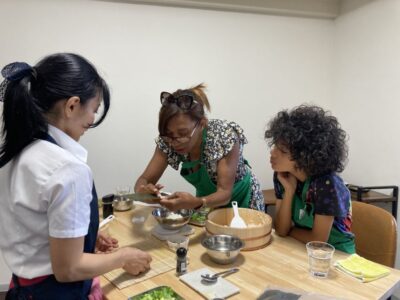
Browse the lists this tour appears in