
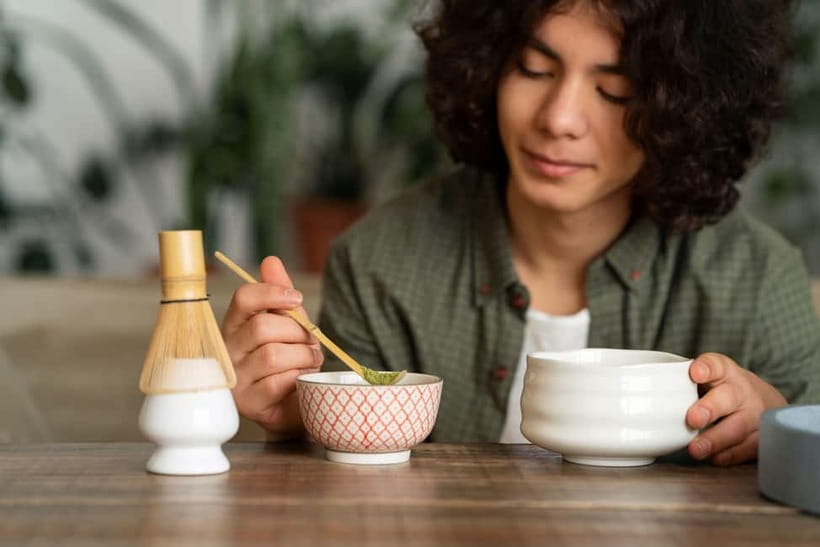
Reviewed · OSAKA TEA CEREMONY & MATCHA EXPERIENCES
Osaka; Japanese Tea ceremony experience, Macha and Sencha
The most interesting part of this Osaka experience is that you do not only watch a tea ceremony. You also make the tea yourself, first with matcha and then with sencha, while an English-speaking tea master explains the customs behind each cup. The setting is a traditional tatami room, which gives this short activity a proper sense of place.
I like the clear contrast between ceremonial matcha and everyday sencha. I also like the chance to ask questions directly and learn from an instructor such as Yuko, who is praised for her gentle teaching and strong English. The main drawback is the one-hour limit: you get a useful introduction, not a full study of Japanese tea culture.
In This Review
- Key points
- A short ceremony with more than a cup of tea
- Entering the tatami room in Osaka
- Watching the matcha preparation
- Making matcha and tasting traditional sweets
- Comparing ceremonial matcha with everyday sencha
- What the one-hour format does well
- Adding a yukata for photographs
- Is $25 good value in Osaka?
- Who should book this tea experience?
- Booking, cancellation, and practical planning
- Should you book it?
- FAQ
- How long does the Japanese tea ceremony experience last?
- Where is the meeting point?
- Is the experience offered in English?
- Are matcha, sencha, and sweets included?
- Can I wear a yukata?
- Can wheelchair users join the activity?
Key points
- Two Japanese teas in one hour: Learn about both ceremonial matcha and the more commonly drunk sencha.
- Hands-on preparation: You will prepare tea yourself after watching the tea master demonstrate the correct etiquette.
- Traditional tatami room: The setting adds a real cultural touch without requiring a long formal ceremony.
- English instruction: The tea master explains the history, spiritual role, and customs in English and Japanese.
- Optional yukata: Add a yukata rental if you want a traditional outfit and a photograph from the experience.
- Convenient Osaka meeting point: Meet at Exit 3 of the underground Midosuji Line, at ground level.
A short ceremony with more than a cup of tea
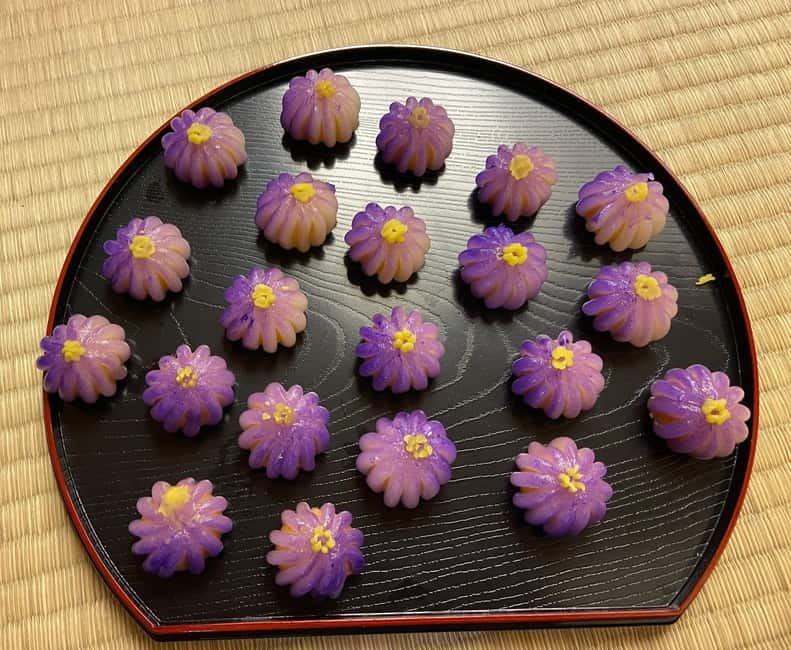
This experience gives you a practical introduction to two very different parts of Japanese tea culture. Matcha is prepared in the formal tea ceremony, while sencha is a type of green tea commonly drunk in Japan today.
That distinction matters. A quick tea activity can sometimes blur all Japanese tea into one subject. Here, the lesson moves from the special manners and careful movements of matcha to the more familiar role of sencha. You leave with a better idea of why the two teas are served differently.
The class lasts one hour, so the pace should be brisk but manageable. You will watch the tea master prepare matcha, hear an explanation of the ceremony’s history and spiritual role, then prepare tea yourself. Traditional Japanese sweets accompany the matcha, followed by sencha and current Japanese confectionery.
I see this as an introduction rather than a formal training session. You will learn the basic flow and etiquette, but there is not enough time for a long historical lecture or a detailed study of tea utensils. For most visitors, that is a sensible trade. One focused hour fits neatly into a busy Osaka day.
More tea ceremonies and matcha sessions:
- Osaka: Tea Ceremony Experience
★ 4.9 · 1,426 reviews - Tea Ceremony Experience in Osaka Doutonbori
★ 5.0 · 754 reviews - Matcha Making Class in Osaka with Authentic Japanese Sweets Set
★ 5.0 · 509 reviews
Entering the tatami room in Osaka
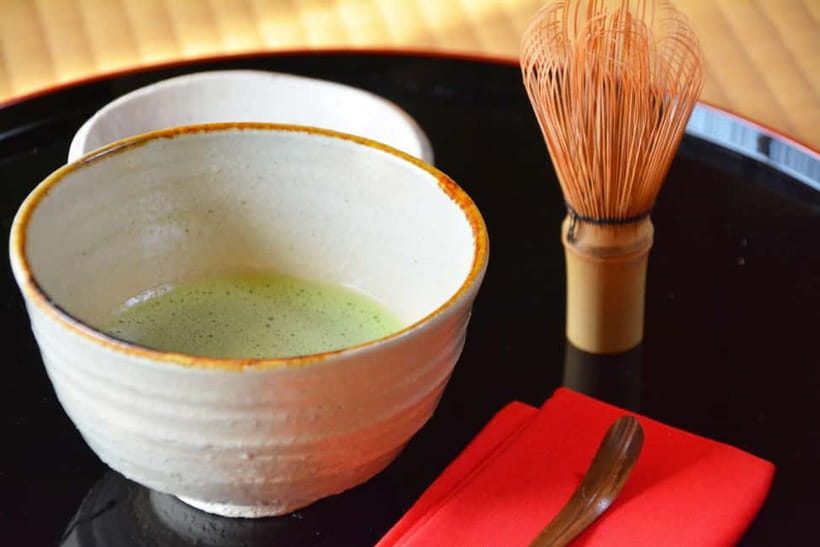
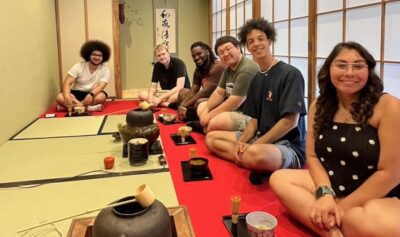
The activity takes place in a traditional Japanese tatami room. That detail carries much of the atmosphere. You are not simply sitting at a modern café table with a bowl of matcha. The room gives the lesson a setting connected to the ceremony itself.
The meeting point is practical: the underground Midosuji Line, Exit 3, at ground level. Read the directions carefully before you set out, since Osaka’s underground stations can have several exits and large pedestrian flows. You should allow enough time to find Exit 3 without arriving rushed.
The available information does not specify the room size or group size, so I would not assume a private lesson or a small class. The instructor speaks English and Japanese, and the tea master leads the ceremony and the hands-on portion.
This is a quiet activity by design. Smoking, alcohol, drugs, chewing gum, loud behavior, fire-making, and pets are not allowed. Bachelor and bachelorette groups are also excluded. Those rules make sense in a room where concentration, calm movements, and respect for the ceremony matter.
Watching the matcha preparation
The first main stage is a demonstration of matcha preparation. You watch the tea master handle the process and explain the etiquette that shapes the ceremony.
The point is not only to produce a green drink. The ceremony gives meaning to small actions, including how tea is prepared and served. Your instructor explains the history and spiritual role of the practice, helping you see why the movements are treated with care.
You do not need prior knowledge of Japanese customs. The teaching is designed for beginners, and the instructor then gives you a chance to repeat the process yourself. This is where the activity becomes more useful than a simple performance. You are asked to pay attention, remember the basic steps, and take part.
If Yuko leads your session, you can expect an instructor who has received particular praise for her friendly manner, clear English, and ability to explain the tradition with warmth. The experience uses both English and Japanese, so English-speaking visitors can follow the lesson without needing an interpreter.
The ceremony may feel formal at first. That is part of the lesson. Try not to worry about getting every gesture perfect. Listen to the instructions, move carefully, and treat the process with respect. The aim is to understand the etiquette, not to pass an exam.
Making matcha and tasting traditional sweets
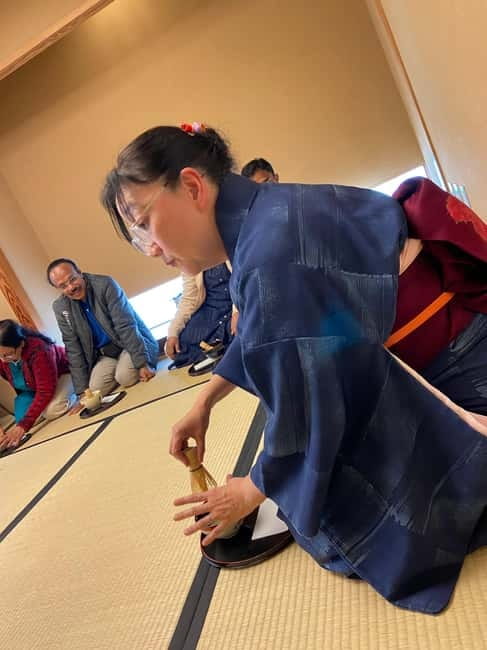
After the demonstration and explanation, you prepare matcha yourself. This hands-on step helps you remember the ceremony far better than simply taking photos while someone else works.
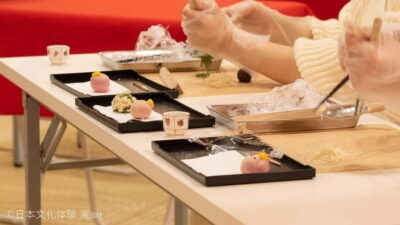
Matcha has a distinct taste that some people find stronger or more bitter than expected. Traditional Japanese sweets are served with it, providing a contrasting flavor and showing how the food is part of the tea experience rather than an unrelated snack.
The included sweets are one reason to check the allergy information before booking. People with food allergies are specifically advised not to eat the Japanese sweets and confectionery. The activity does not provide a separate meal, and the sweets should not be treated as a substitute for lunch.
I like the fact that the food is tied to the tea lesson. You taste something traditional while learning how the ceremony works. Still, if you have allergies, you should plan to observe this part rather than eat it. The information does not promise substitutions, so do not count on an alternative confection.
A completely different way to spend a day in Osaka:
- Osaka Go Karting Tour with Funny Costume
★ 5.0 · 2,658 reviews - Osaka Castle: Museum and Tower Entry Ticket
★ 4.5 · 2,380 reviews - Osaka: Shinsekai Food Tour with 13-15 Dishes at 5 Eateries
★ 4.8 · 2,204 reviews - Osaka Food Tour: 13 Dishes at 5 Local Eateries
★ 5.0 · 2,149 reviews
Comparing ceremonial matcha with everyday sencha
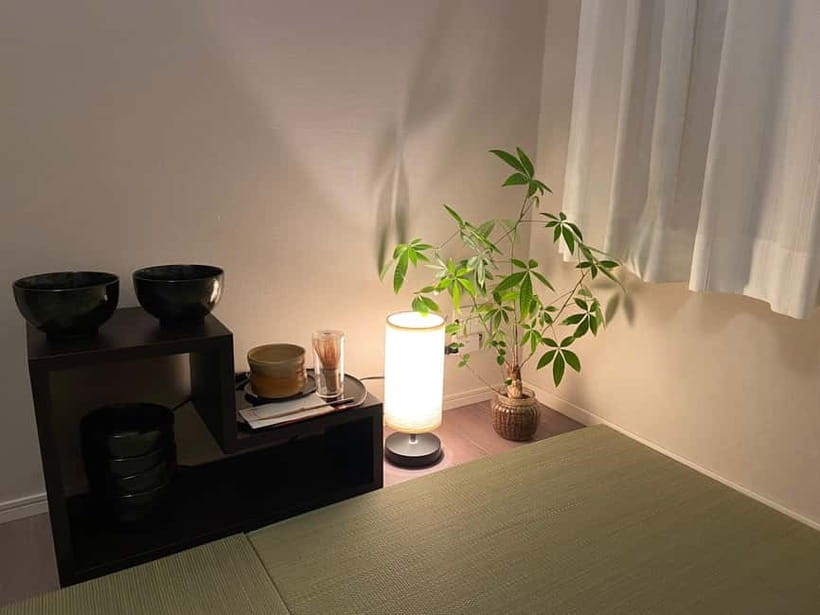
The second tea gives the hour a useful change of pace. After matcha, you taste sencha and learn how it fits into daily Japanese life.
Sencha is commonly drunk in Japan today, so this part connects the formal ceremony to ordinary tea drinking. You are not left with the impression that every cup of green tea follows the same elaborate ritual. Instead, you see a contrast between a structured cultural ceremony and a tea that has a more everyday role.
The instructor explains the history of sencha and other aspects of the tea. You also receive current Japanese confectionery with the sencha. By the end, you have tasted two teas, prepared tea yourself, and heard how their uses differ.
That comparison is especially helpful if you are new to Japanese tea. Matcha often attracts attention because of its color and ceremonial presentation, but sencha is important for understanding what people drink in daily life. The activity gives both teas a place without making the session too long.
The description does not specify the exact sencha preparation method or the type of sweets served. You should expect an explanation and tasting, but not a detailed tea farm visit or a lesson in every Japanese green-tea variety.
What the one-hour format does well
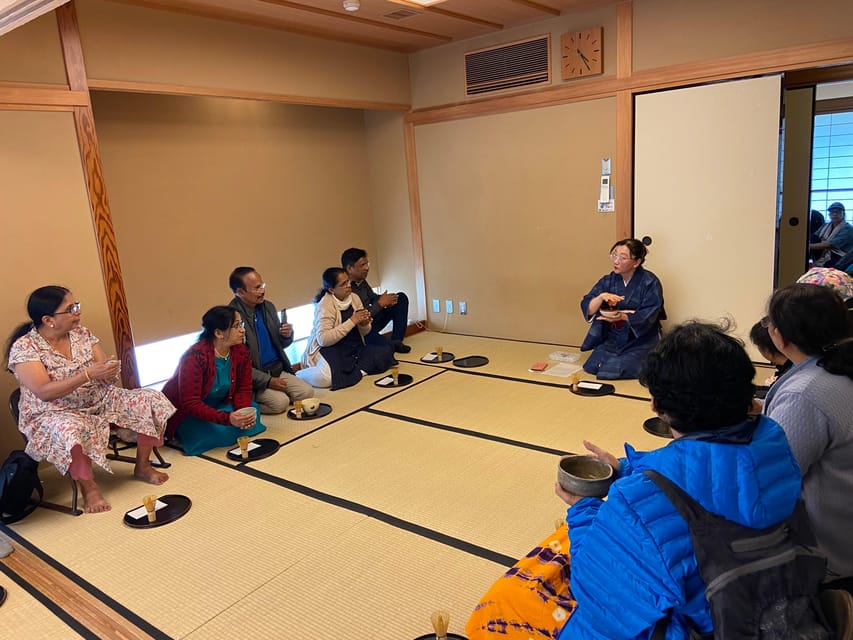
One hour is enough to give you a clear sequence:
- Meet the English-speaking tea master at the Osaka location.
- Enter the traditional tatami room.
- Watch matcha being prepared.
- Learn about the ceremony’s history, spirit, and etiquette.
- Prepare matcha yourself.
- Taste matcha with traditional sweets.
- Learn about and taste sencha with Japanese confectionery.
- Take a photograph after the experience if you wish.
That sequence is well judged for a first visit. You get context, demonstration, participation, and tasting. None of the main elements is left out.
The limitation is depth. Tea ceremony is a large subject, and one hour cannot cover every school, utensil, historical period, or regional variation. You also should not expect a long silent ceremony or an extended cultural workshop. This is a compact lesson aimed at visitors who want a meaningful introduction during an Osaka sightseeing schedule.
I would choose this activity early in a Japan trip if you want cultural context for later meals, shops, or temple visits. It also works near the end of a busy day because the format is short and indoors. Just remember that the meeting point is underground, while the actual meeting instruction places you at ground level near Exit 3.
Adding a yukata for photographs
A yukata can be rented as an additional option when you book. It is not included in the $25 base price, so check the booking choices carefully if wearing one is important to you.
The yukata option adds a visual element to the activity. You can wear the garment during the tea ceremony and have your photograph taken afterward. For some people, this will be the main appeal. It gives you a keepsake tied to the setting rather than a generic souvenir photo.
I would treat the yukata as an optional extra, not a requirement. The core experience is the tea lesson, and you can take part without renting traditional clothing. If you want the photo, select the option in advance rather than assuming it is available on arrival.
No details are provided about the clothing sizes, changing arrangements, rental cost, or the number of photographs. If any of those points matter to you, confirm them before booking.
Is $25 good value in Osaka?
At $25 per person, the experience offers solid value for a one-hour cultural activity. You receive instruction from tea ceremony teachers, matcha, traditional sweets, sencha, and current Japanese confectionery. You also get a setting and lesson that would be difficult to recreate by simply ordering a green tea in a café.
The strongest value comes from the hands-on element. A demonstration alone would be less useful, but preparing the tea yourself gives you a basic feel for the etiquette. The English explanation also matters. Without it, you could watch the movements without understanding the ideas behind them.
The price does not include a meal or the yukata. It also does not promise a private class, a long ceremony, or an extensive cultural lecture. I would compare it with the cost of another short guided activity in Osaka, rather than with a full-day cultural tour.
For a visitor who wants one focused cultural stop between other plans, $25 is reasonable. If your main goal is a formal, highly detailed tea ceremony lasting several hours, this is not the right product. You would need to seek a longer and more specialized format.
Who should book this tea experience?
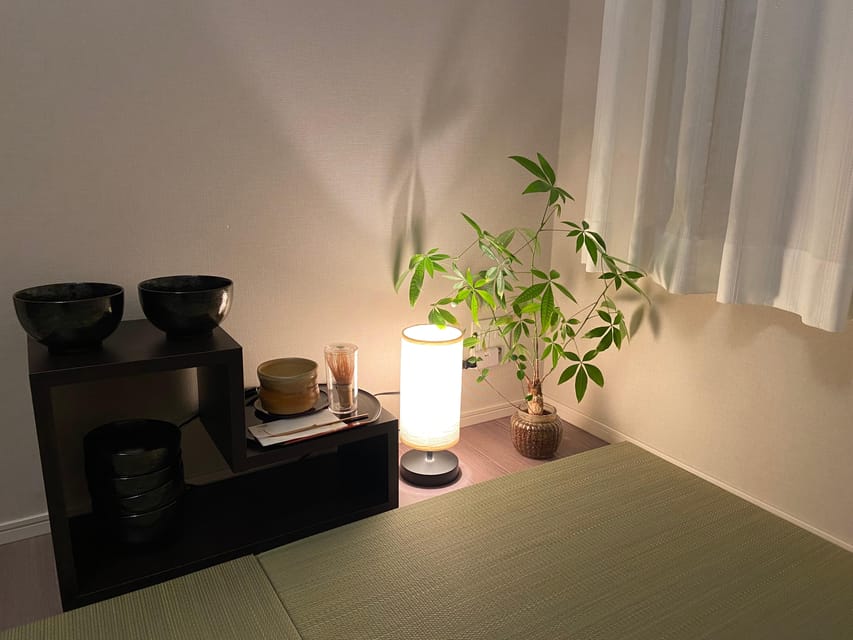
I would recommend it to first-time visitors to Japan, couples, solo visitors, and families with older children who can sit quietly and follow instructions. It also suits anyone curious about the difference between matcha and sencha.
The activity is especially useful for you if:
- You want a cultural activity that lasts only one hour.
- You prefer learning by doing rather than watching.
- You need English instruction.
- You like traditional settings and Japanese sweets.
- You want the option of wearing a yukata for a photograph.
- You are staying near an Osaka subway route and can reach the Midosuji Line.
It is less suitable for anyone with a food allergy who expects replacement sweets. The activity specifically warns that people with food allergies should not eat the Japanese sweets and confectionery.
It is also not suitable for wheelchair users. Non-folding wheelchairs, electric wheelchairs, and scooters are not allowed. If you use mobility equipment, check carefully before reserving because the stated restrictions are firm.
The quiet rules also make this a poor choice for a loud celebration or bachelor and bachelorette group. You are going into a formal cultural setting, not a party room.
Booking, cancellation, and practical planning
The experience costs $25 per person and lasts one hour. Starting times depend on availability, so check the schedule before building the rest of your Osaka day around it.
You can reserve now and pay later, which is useful if your itinerary is still changing. Free cancellation is available up to 24 hours in advance for a full refund. Keep the cutoff in mind, especially if you are moving between cities.
The activity is offered in English and Japanese. An English-speaking tea master welcomes you and explains the ceremony, so you do not need to speak Japanese to follow the main lesson.
Wear something comfortable and plan for a quiet, attentive hour. The supplied information does not state a dress code, but the tatami setting and ceremony etiquette make neat, practical clothing a sensible choice. If you choose the yukata option, allow for the added clothing arrangement and photo portion.
Should you book it?
Book this experience if you want a short, hands-on introduction to Japanese tea culture rather than a long formal ceremony. The matcha and sencha comparison is the best feature, and the English explanations make the differences easy to grasp.
I would also book it if you want a traditional tatami setting, Japanese sweets, and the option of a yukata photograph without giving up half a day. The instructors, especially Yuko when she leads the session, appear well suited to visitors who want a friendly and clear introduction.
Skip it if you need wheelchair access, have a food allergy and require substitute sweets, or want a full specialist study of tea ceremony. For everyone else, $25 buys a well-focused hour with real participation and enough cultural context to make the tea more than just a drink.
FAQ
How long does the Japanese tea ceremony experience last?
The experience lasts one hour. Check availability for the specific starting times.
Where is the meeting point?
Meet at the underground Midosuji Line, Exit 3, at ground level.
Is the experience offered in English?
Yes. The instructors speak English and Japanese, and an English-speaking tea master explains the ceremony.
Are matcha, sencha, and sweets included?
Yes. Matcha with traditional Japanese sweets, plus sencha with current Japanese confectionery, are included.
Can I wear a yukata?
Yes, but the yukata is not included in the base price. You can select a separate yukata option when booking, then wear it during the ceremony and have your photograph taken.
Can wheelchair users join the activity?
No. The experience is not suitable for wheelchair users, and non-folding wheelchairs, electric wheelchairs, and scooters are not allowed.
Just added around Osaka
- Nara Day Trip from Osaka with a Licensed Guide★ 5.0 · 3 reviews
- Osaka Early Morning Osaka Castle Tour Avoid Crowds★ 5.0 · 3 reviews
- Guided Tour of Some Attractions in Osaka by Private Car★ 5.0 · 3 reviews
- Shared Arrival Transfer: Osaka Itami Airport to Osaka City★ 5.0 · 3 reviews
- Private Transfer Between Kyoto and Kansai Airport KIX★ 5.0 · 3 reviews
- Osaka: Sushi Making Class and Dotonbori Food Tour★ 4.7 · 3 reviews
- Osaka Night Photography Workshop★ 5.0 · 3 reviews
- Kyoto Full day Tour Kinkakuji, Kiyomizu-dera and Fushimi Inari★ 4.5 · 3 reviews
Osaka Tea Ceremony & Matcha Experiences, compared.

Matcha Making Class in Osaka with Authentic Japanese Sweets Set
Read our review →
Japanese Traditional Sweets Making and Tea Ceremony
Read our review →
Osaka Temple Cool Foot Bath & Matcha Experience〈45min〉
Read our review →
Samurai Show, Tea Ceremony, Japanese Traditional Activities
Read our review →
Browse the lists this tour appears in