
Reviewed · OSAKA SUSHI MAKING CLASSES
SUSHI Making Experience at Restaurant
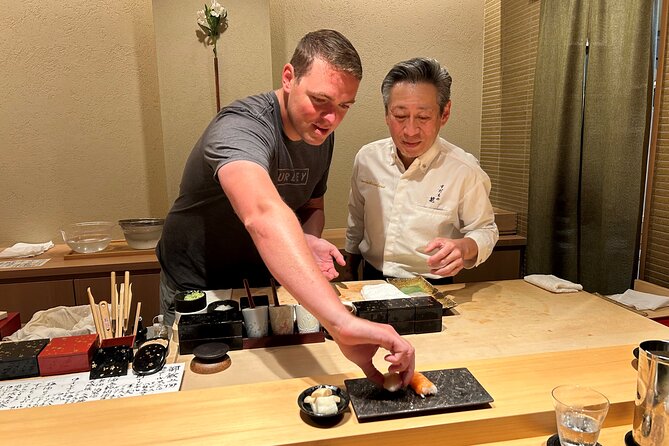
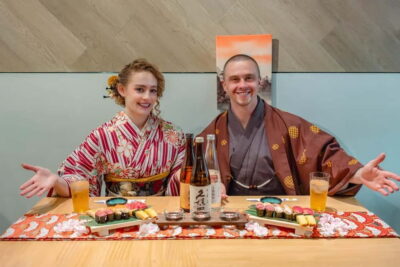
The best part of this Osaka class is its setting: you learn in a real sushi restaurant from Shinichi Kono, a chef with more than 30 years behind the counter. This is not a quick demonstration followed by a photo. You handle the tools, shape the sushi, and eat what you make.
I like the one-on-one teaching style, which is useful if you have never handled sushi rice or a sushi knife. I also like that the ingredients and equipment are described as high quality, while the chef prepares some of the rice and fish ahead of time so you can start making sushi without a long wait. The main drawback is the price, $195.46 per person, which is a serious spend for a two-hour activity.
In This Review
- Key points to know before booking
- Why a working sushi restaurant changes the experience
- What happens during the two-hour class
- Learning from Shinichi Kono
- The food, tools, and hands-on work
- How the private format affects the class
- Is $195.46 per person good value?
- Getting to Uemachi for the noon start
- Who will enjoy this sushi class most?
- Booking timing and cancellation
- My verdict: a serious price for a personal lesson
- FAQ
- Where does the sushi-making experience take place?
- What time does the activity start?
- How long does the class last?
- Who teaches the sushi class?
- Is the class suitable for beginners?
- What types of sushi can I learn to make?
- Can children participate?
- Can I cancel for a full refund?
Key points to know before booking
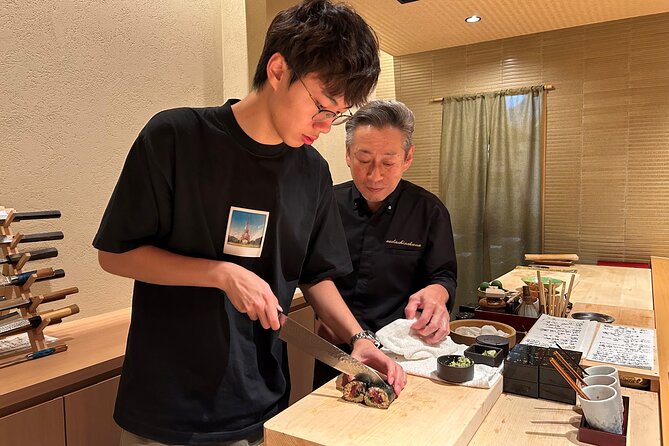
- Shinichi Kono teaches the class: He brings more than 30 years of sushi-chef experience and gives careful, individual instruction.
- You work in a real restaurant: The setting adds a stronger sense of place than a classroom or rented event room.
- You make and eat your own sushi: The class covers sushi pieces and hand-rolled sushi, with the food served after you prepare it.
- Beginners are welcome: You do not need prior cooking skill, and an additional instructor may help explain and translate.
- The class is private: Only your group takes part, making the pace more personal and less noisy.
- Plan your route carefully: The meeting point is in Uemachi, about two miles from Osaka Castle according to booking information, and the class begins at noon.
Why a working sushi restaurant changes the experience
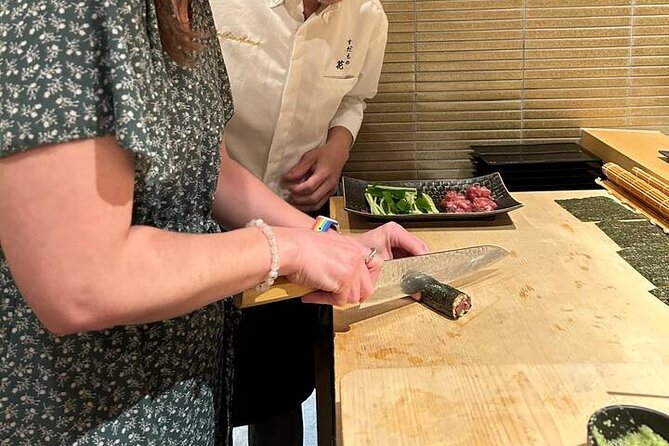
Sushi can look simple from across a counter. A small piece of fish sits on rice, and the chef appears to make it with one quick movement. The class gives you a chance to see how much care sits behind that simple shape.
You use the restaurant, knives, ingredients, and working methods connected with sushi preparation. That matters because you are not only copying a recipe. You are learning in the same kind of space where sushi is served and prepared for paying customers.
The calm Japanese setting also suits the subject. Sushi is tied to control, neatness, and careful handling. A busy group class with loud music would work against that mood. Here, the small private format should give you more room to watch the chef’s hands and ask for help.
I would choose this class over a generic cooking workshop if you care about the restaurant setting and the person teaching you. Shinichi Kono’s long career gives the lesson a clear center. You are not being handed a printed recipe and left to figure out the rest.
More sushi making classes:
- Sushi Making Osaka Roll and Authentic Japanese Sushi Class
★ 5.0 · 1,220 reviews - Osaka Sushi Making Experience
★ 5.0 · 400 reviews - Osaka: Roll and Authentic Sushi Making Class in Dotonbori
★ 4.9 · 239 reviews
What happens during the two-hour class
The activity begins at noon at Eminence Matoba, 1-23-1 Uemachi, Chuo Ward, Osaka, postal code 540-0005. The experience ends at the same meeting point, so you do not need to arrange a second pickup location.
The exact order of the lesson can vary, but the class is built around hands-on sushi preparation. The chef explains the process step by step, then helps you repeat it yourself. Since the sushi rice and fish cuts may be prepared in advance, you can get to the practical work quickly.
That is a useful choice for a short class. Making sushi rice from the beginning would take time and could leave you watching rather than working. By preparing some elements first, the instructor can focus on shaping, assembling, and correcting your technique.
You can expect to learn how to make nigiri-style pieces, along with hand-rolled sushi. One detailed description of the session also includes sushi rolls and Japanese egg omelet, while other food served during a class has included soup, sashimi, ramen, mochi, and desserts. The exact menu is not specified as fixed, so ask ahead if a particular dish matters to you.
The lesson is designed for beginners. You are guided one person at a time rather than expected to keep up with a large demonstration. That individual attention is especially useful when your rice is too loose, your portion is too large, or your sushi does not hold together on the first try.
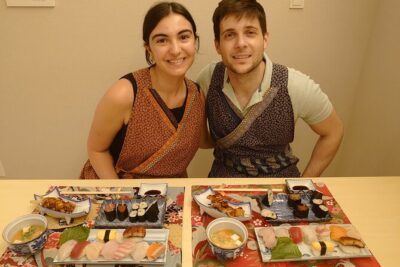
At the end, you eat the sushi you made. That gives the class a satisfying finish. You are not simply taking home a souvenir or watching someone else prepare lunch. The food on the plate is connected to the work you just completed.
Learning from Shinichi Kono
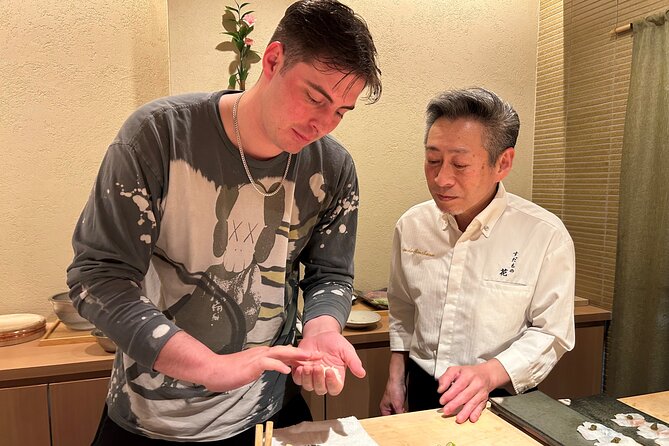
A chef with 30 years of experience brings more than a list of instructions. He can show you the small physical details that are hard to learn from a video, such as how much pressure to use and how to handle the rice without crushing it.
The class description promises careful guidance through each step. That should appeal to anyone who wants a relaxed introduction rather than a competitive cooking challenge. You have time to watch the chef, try the movement, and receive help when your hands do not quite follow the demonstration.
One session also used a second instructor for translation and explanation. If you are concerned about language, this is a useful point to clarify before booking. The provided information does not promise a specific language service for every date, but the class has been conducted with translation support.
A particularly nice touch is the possibility of personalized menus. This was noted as part of the experience and adds a small sense of care to a private lesson. It is not the reason to book, but it helps the activity feel like a planned visit to a restaurant rather than a mass-market demonstration.
The food, tools, and hands-on work
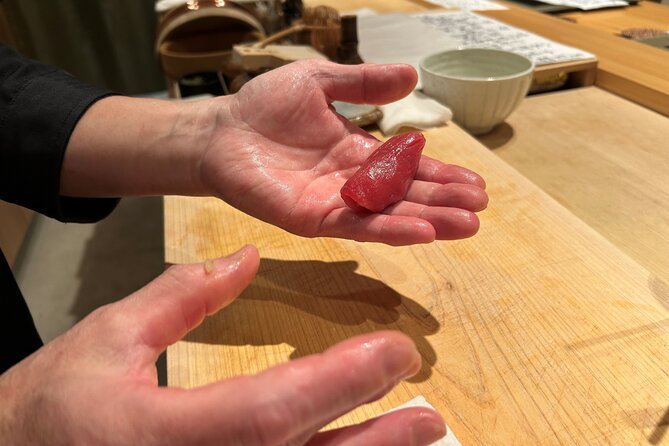
The class uses high-quality ingredients and sushi tools. That matters because the quality of the finished bite depends on more than your hand technique. Fresh fish, prepared rice, and proper knives make it easier to understand what the chef is trying to show you.
Still, you should keep your expectations sensible. Two hours is enough for a practical introduction, not a full professional apprenticeship. You will learn a set of basic methods and gain a better sense of how sushi is put together. You will not leave ready to run a sushi counter.
The most useful part is likely the contrast between making nigiri and making hand-rolled sushi. Nigiri demands neat portioning and control. Hand rolls are more forgiving and show how seaweed, rice, and fillings work together in a different shape.
You may also receive more food than the sushi you personally prepare. Soup, sashimi, ramen, sweets, and other dishes have been part of some sessions. For that reason, arrive hungry. One practical tip is to avoid eating a large meal beforehand, since the food begins early and can continue throughout the experience.
If you have food allergies or strong dislikes, tell the provider in advance. Sushi can involve several fish and other ingredients, and the booking information specifically asks you to provide this information ahead of time.
A few more Osaka tours and experiences worth a look
- Deep Backstreet Osaka Tours (Option to add Dinner)
★ 5.0 · 1,290 reviews - Osaka: Deep Backstreets Walking Tour with Dinner Option
★ 4.9 · 902 reviews - Osaka Umeda: PICCADILLY DINNER SHOW & NIGHTCLUB with Tasting
★ 4.8 · 49 reviews - Osaka: PICCADILLY PREMIUM DINNER SHOW&NIGHTCLUB with Tasting
★ 5.0 · 26 reviews
How the private format affects the class
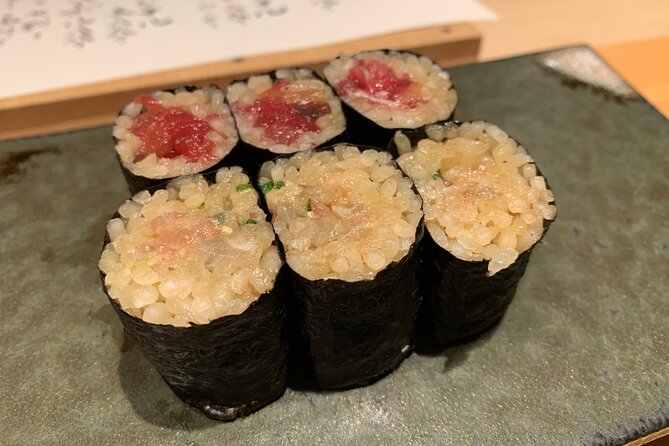
Only your group participates. That is a major advantage for anyone who prefers a quiet lesson or wants to ask many questions. You are not competing for a place at the counter or trying to see the chef from the back of a crowd.
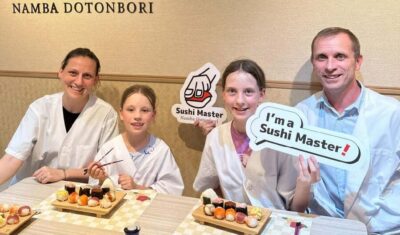
The private structure also suits families and small groups. Keep in mind that children must be at least 11 years old. Younger children cannot take part, even if they already enjoy sushi.
A private class does not automatically mean a completely flexible schedule. The listed start time is 12:00 pm, and the activity lasts about two hours. Plan to arrive ready for a midday lesson, rather than expecting to choose a morning or evening slot.
The personal format is also part of what drives up the cost. At $195.46 per person, this is not a budget lunch with a short demonstration attached. You are paying for a private session, a specialist chef, restaurant space, equipment, ingredients, and instruction.
Is $195.46 per person good value?
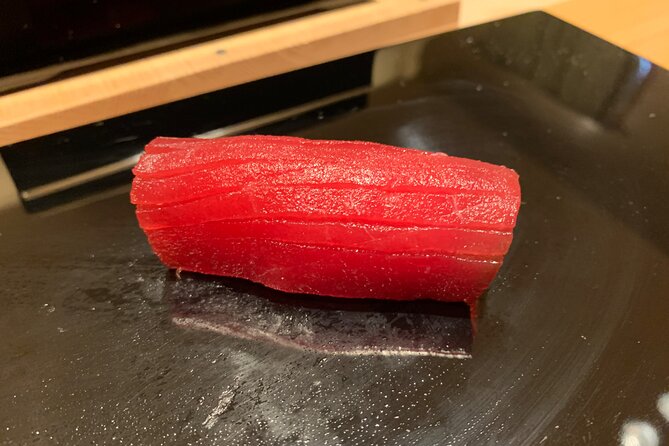
The price makes sense only if you want the teaching and the setting, not just sushi for lunch. If your main goal is to eat excellent sushi, Osaka offers many restaurants where you can spend less. If you want to learn directly from a veteran chef and take part in the preparation, the calculation changes.
Think of the fee as covering three things: a meal, a cooking lesson, and a private cultural experience. The value improves if the session includes the extra dishes that have appeared in some classes, such as sashimi, soup, ramen, mochi, or dessert. Since the exact menu is not guaranteed in the supplied details, ask the provider what will be served on your date.
The class is also a stronger choice for a special occasion. A birthday, anniversary, or first visit to Osaka may justify spending more on an experience that gives you something to do and remember. A personalized menu can add to that feeling.
I would be more hesitant if you are traveling alone on a tight budget or already have several food tours planned. Two hours is not a long time, and the activity does not include a broader tour of Osaka. You need to value the personal lesson itself.
Getting to Uemachi for the noon start
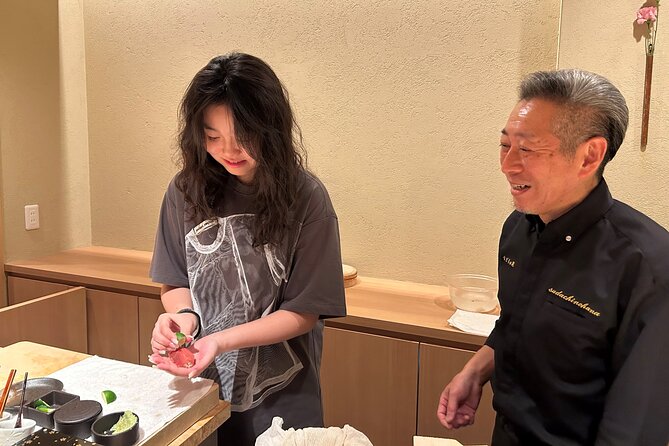
The meeting point is in Uemachi, Chuo Ward, at Eminence Matoba. It is near public transportation, but the location may not be directly beside the main sightseeing route. Booking information places it roughly two miles from Osaka Castle.
Give yourself extra time to find the entrance. The address includes Japanese characters, so keeping the full address available on your phone is sensible. The mobile ticket also makes it easier to have your booking details ready when you arrive.
If you are coming from a train station, a taxi or rideshare may save time and energy. One practical account of the route recommends using Uber from the station instead of walking a long distance. That advice is most useful in warm weather, with luggage, or when you have a busy afternoon planned after the class.
Because the activity ends where it begins, you can plan your next stop from the same area. The provided information does not give a sightseeing route after lunch, so do not assume transportation or a guided visit to Osaka Castle is included.
Who will enjoy this sushi class most?
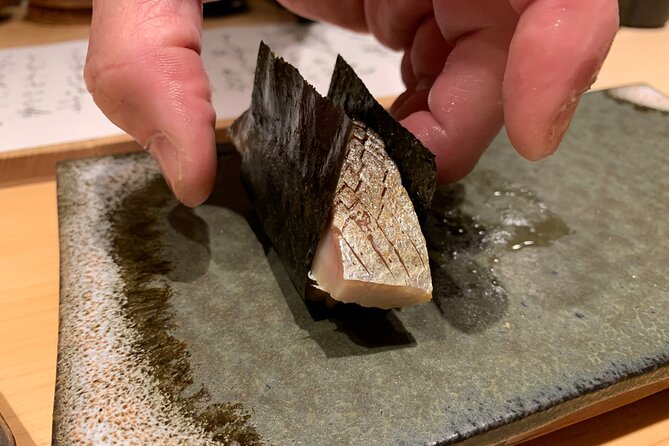
This experience fits you best if you want instruction rather than a passive tasting. It is especially suitable for:
- First-time sushi makers who want close help
- Food lovers who care about restaurant technique
- Couples, families with children aged 11 and older, and small private groups
- Visitors looking for a special lunch activity
- People who want to eat the food they prepare
- Anyone curious about Japanese culinary traditions in a calm setting
It may not suit you if you dislike raw fish, have food restrictions that are difficult to manage, or want a cheap meal. The provider can receive allergy and dislike information in advance, but the supplied details do not promise a fully customizable menu.
It is also not the best pick for a very young family. The minimum age is 11, and the lesson requires attention and careful handling of tools. Parents should decide if older children are ready for that kind of activity.
Booking timing and cancellation
This experience is booked an average of 33 days ahead, so do not leave it until the last minute if the noon slot is important to you. Confirmation arrives when you book, and the ticket is mobile.
You can cancel for a full refund up to 24 hours before the local start time. Cancellations or changes made less than 24 hours before the activity are not accepted for a refund. That policy is reasonable, but it makes checking your Osaka schedule before booking important.
My verdict: a serious price for a personal lesson
I would book this class if I wanted a close look at sushi preparation in a working restaurant and liked the idea of learning from Shinichi Kono. The private format, hands-on work, prepared ingredients, and meal at the end give the two hours a clear purpose.
I would skip it if I only wanted to eat sushi or if $195.46 would prevent me from enjoying the rest of Osaka. The cost is high, but the experience offers more than a meal. For a food-focused visitor, a birthday treat, or a small group seeking something personal, it can earn its place in the itinerary.
FAQ
Where does the sushi-making experience take place?
It takes place at Eminence Matoba, 1-23-1 Uemachi, Chuo Ward, Osaka, postal code 540-0005.
What time does the activity start?
The listed start time is 12:00 pm.
How long does the class last?
The experience lasts approximately two hours.
Who teaches the sushi class?
Shinichi Kono teaches the class. He has more than 30 years of experience as a sushi chef.
Is the class suitable for beginners?
Yes. Beginners are welcome, and the chef provides careful, individual instruction.
What types of sushi can I learn to make?
The class includes sushi making and hand-rolled sushi. Nigiri, sushi rolls, and Japanese egg omelet have also been part of the described hands-on instruction.
Can children participate?
Children must be at least 11 years old to take part.
Can I cancel for a full refund?
Yes. You can cancel at least 24 hours before the local start time for a full refund. Cancellations or changes made less than 24 hours before the start are not accepted for a refund.
Just added around Osaka
- Nara Day Trip from Osaka with a Licensed Guide★ 5.0 · 3 reviews
- Osaka Early Morning Osaka Castle Tour Avoid Crowds★ 5.0 · 3 reviews
- Guided Tour of Some Attractions in Osaka by Private Car★ 5.0 · 3 reviews
- Private Transfer Between Kyoto and Kansai Airport KIX★ 5.0 · 3 reviews
- Shared Arrival Transfer: Osaka Itami Airport to Osaka City★ 5.0 · 3 reviews
- Osaka: Sushi Making Class and Dotonbori Food Tour★ 4.7 · 3 reviews
- Osaka Night Photography Workshop★ 5.0 · 3 reviews
- Kyoto Full day Tour Kinkakuji, Kiyomizu-dera and Fushimi Inari★ 4.5 · 3 reviews
Osaka Sushi Making Classes, compared.
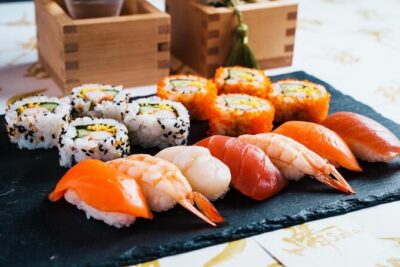
Sushi Making Osaka Roll and Authentic Japanese Sushi Class
Read our review →
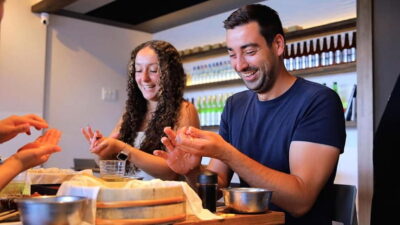
Roll and Authentic Sushi Making Class in Dotonbori
Read our review →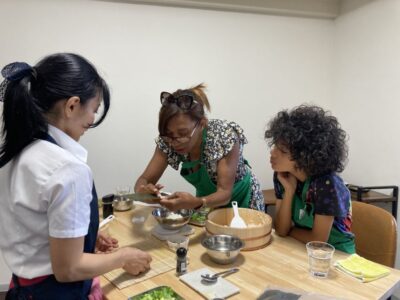
Browse the lists this tour appears in