
Reviewed · OSAKA WALKING TOURS
Osaka: Deep Backstreets Walking Tour with Dinner Option
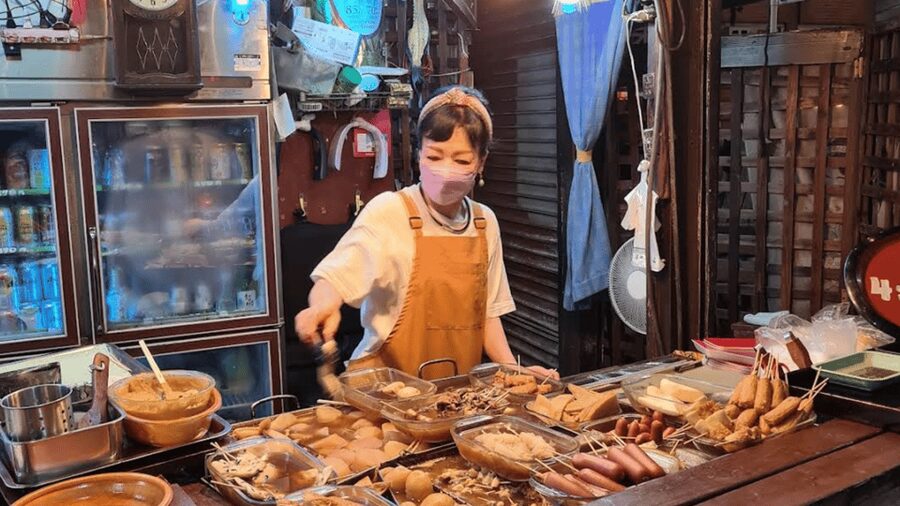
Osaka’s polished neon center is only part of the story. This three-and-a-half-hour walk takes you through retro game parlors, old markets, crooked lanes, abandoned buildings, and a preserved Taisho-Era red light district. Guides such as Knox, Rudy, Mari, and Brian bring strong storytelling and personal experience of life in Osaka.
I like the tour’s honest subject matter, from pachinko and illegal gambling to homelessness, welfare, organized crime, sexism, and sex work. I also like the food stops: two side dishes from local stalls give the evening a useful taste of Osaka, rather than just a lecture about it.
The main drawback is clear: this is not a gentle family sightseeing walk. Some areas and topics may feel uncomfortable, and the pace involves winding streets. Children under 16, pregnant women, and people with mobility impairments should choose another activity.
In This Review
- Key points to know before you book
- What this Osaka backstreet tour is really about
- Retro Osaka begins with games, markets, and old entertainment
- Back alleys where food and local life share the same space
- The abandoned properties section is the tour’s sharpest contrast
- The preserved Taisho-Era red light district
- Why the difficult topics matter
- The optional dinner is worth considering
- What the guide quality means for your experience
- Practical details that can make or break the evening
- Who should book this Osaka experience?
- FAQ
- How long does the Osaka Deep Backstreets Walking Tour last?
- What language is the tour conducted in?
- What food is included?
- Is dinner included?
- What kind of dinner can I expect?
- Can I skip the red light district?
- Is the tour suitable for children?
- Is the tour suitable for pregnant women?
- What should I wear?
- What happens if I arrive late?
- Is hotel pickup provided?
- Can I cancel the booking?
- Is the tour wheelchair accessible?
- Should I choose the dinner option?
Key points to know before you book
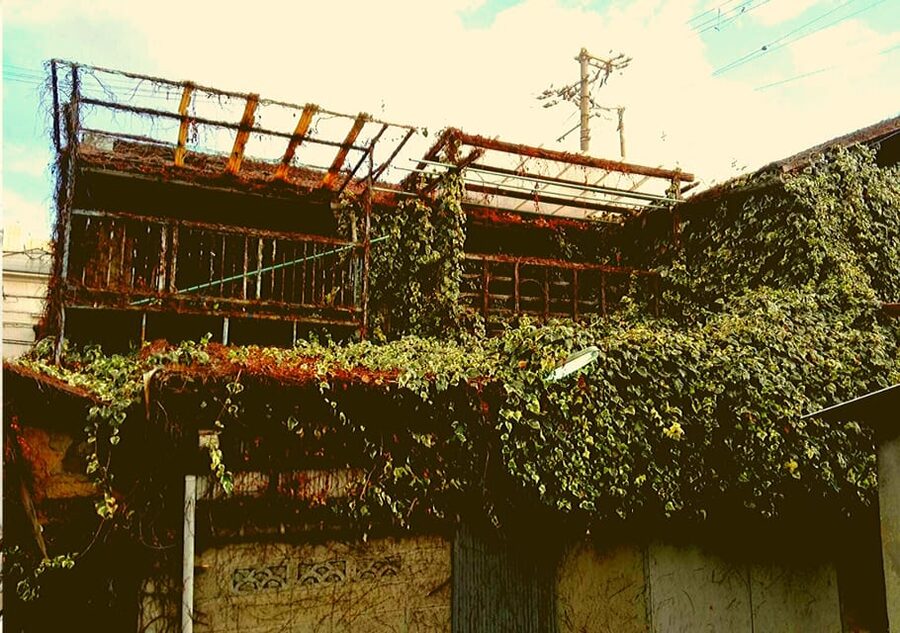
- The abandoned-building area feels startlingly out of place: You see empty properties and neglected streets in the middle of Osaka, with context from the guide about how these places came to be.
- The Taisho-Era red light district is preserved and controversial: You can walk through it or take a separate route, depending on your comfort level.
- Two food stops are included: You receive two local side dishes at separate back-alley stalls. Drinks cost extra.
- The guides are the heart of the experience: Knox, Rudy, Taka, Bennett, Brian, Joseph, Mari, Tommy, and others are praised for humor, candor, and clear explanations.
- The optional dinner adds a social finish: A full meal follows the walk, with Japanese dishes and, in one reported menu, fried chicken, beef soup, pasta, and dessert.
- Arrive early: Once the group enters narrow, twisting alleys, a late arrival cannot catch up.
What this Osaka backstreet tour is really about
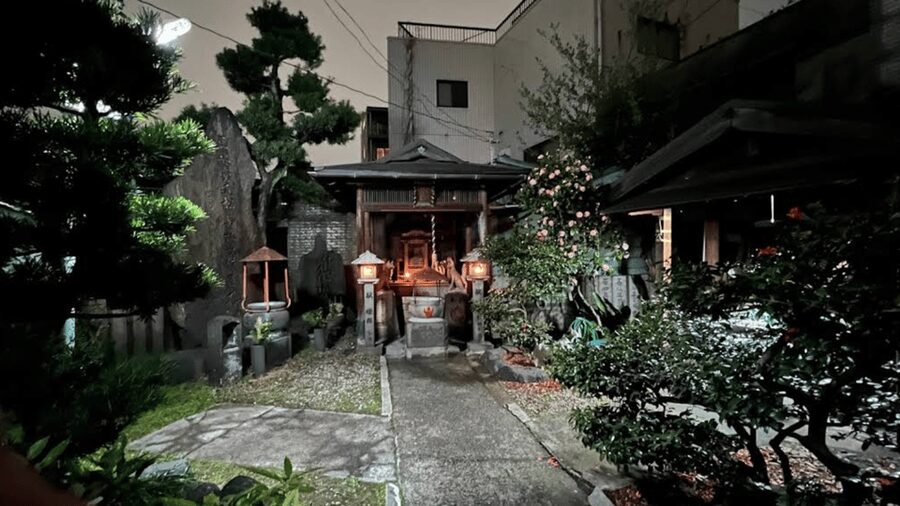
I would not book this walk simply to collect another set of Osaka photos. Its purpose is to show you parts of the city that are easy to miss and difficult to understand on your own.
The tour presents Osaka as a working city with bright entertainment districts, old neighborhoods, struggling properties, local businesses, and social problems. It also asks you to think about people and industries often left out of polished sightseeing routes.
That can be valuable. Japan is often presented through temples, spotless train stations, department stores, and excellent food. Those are real parts of the country, but they are not the whole picture. This walk gives you a more complicated view, and the guides aim to handle difficult subjects with respect.
You may hear about the Yakuza, sex work, illegal businesses, pachinko, war, sexism, welfare, homelessness, and minority communities. The tone is described as conversational and sometimes funny, but the better guides know when a subject requires seriousness.
I would expect the experience to depend heavily on your guide. Names praised in the supplied material include Knox, Rudy, Rutti, Mari, Taka, Brian, Bennett, Joseph, Tommy, Tim, and Minori. Several are described as native English speakers or English-speaking guides with personal experience of living in Osaka. If you enjoy asking questions, you should get more from the walk than someone who wants only a quiet stroll.
More guided walks on foot:
- Deep Backstreet Osaka Tours (Option to add Dinner)
★ 5.0 · 1,290 reviews - Osaka Local Foodie Walking Tour in Dotonbori and Shinsekai
★ 5.0 · 985 reviews - Ultimate Osaka Walking Tour: Castle, Dotonbori & Hidden Gems
★ 5.0 · 862 reviews
Retro Osaka begins with games, markets, and old entertainment
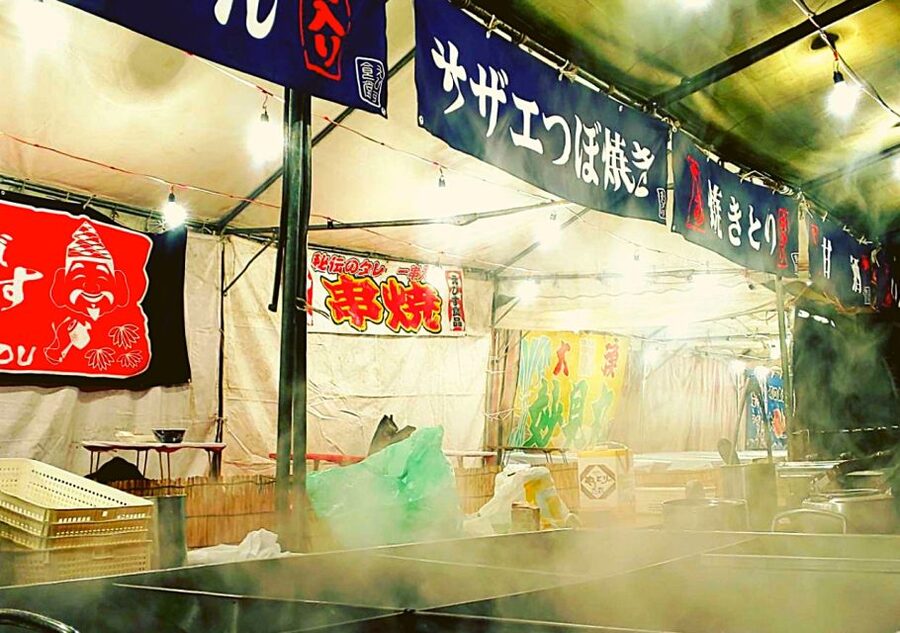
The opening section gives you a feel for older Osaka. You may enter retro video game parlors, pass through old-fashioned markets, and see entertainment spaces that are far removed from the usual tourist circuit.
The point is not simply nostalgia. These places help explain how local people spend an evening. You might encounter Japanese games, unusual fishing restaurants, and a look at an Osakan theater. Those details make the opening useful because they show everyday amusement as part of local culture.
I like this beginning because it eases you into the city. You are not dropped immediately into the most difficult material. Instead, you first see a playful, slightly strange side of Osaka, then move toward the more serious subjects.
The exact order of stops can vary, so you should not expect a fixed checklist. The meeting point may also change depending on the option you book. Check your confirmation carefully, and allow time to reach an unfamiliar starting point.
Back alleys where food and local life share the same space
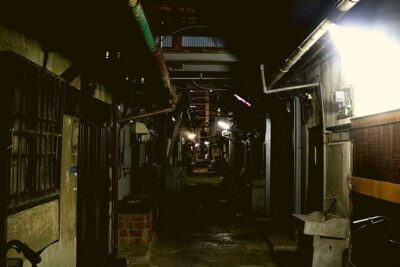
After the retro section, the walk heads into narrow back streets. These lanes are one of the strongest reasons to book the experience. They are the kind of places you might pass without noticing, and the route is designed to help you read the surroundings rather than simply walk through them.
You receive two side dishes from two different stalls. The food is included, but drinks are not. This is a modest tasting rather than a full food tour, so do not arrive expecting a large meal at this stage.
Still, two stops are enough to break up the walking and connect the social discussion to something practical. Osaka has a strong food culture, and eating in small local places gives the evening a more direct sense of place.
Some people found the snacks and local drinks especially helpful during the route. One account also described a snack, a drink, and a quiz-like activity, though you should not assume every guide will offer exactly the same extras.
You should wear comfortable shoes. High heels are not allowed, and that rule makes sense once the route turns into narrow lanes and uneven-looking urban spaces. The pace is generally described as easygoing and manageable, but you will still be on your feet for three hours.
The abandoned properties section is the tour’s sharpest contrast
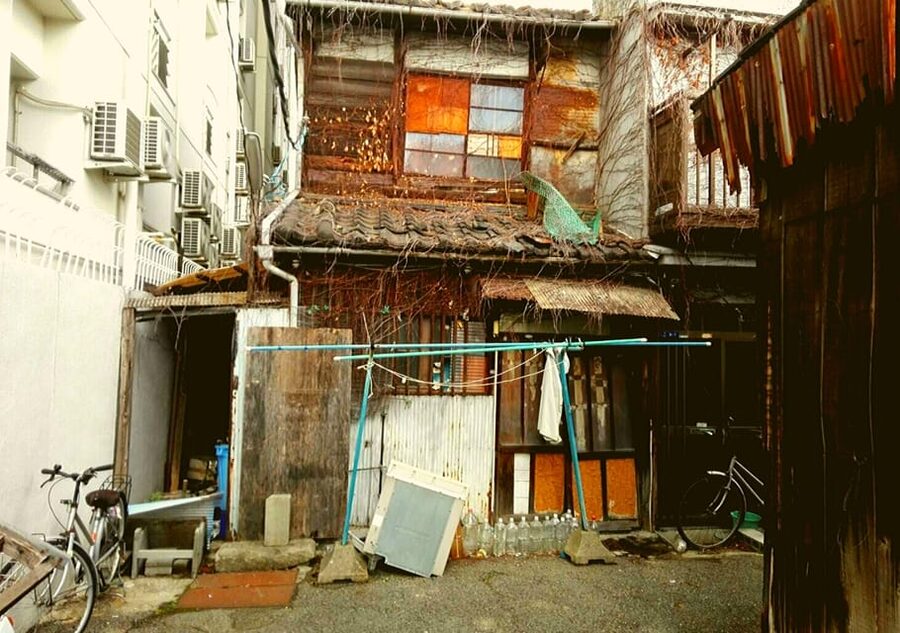
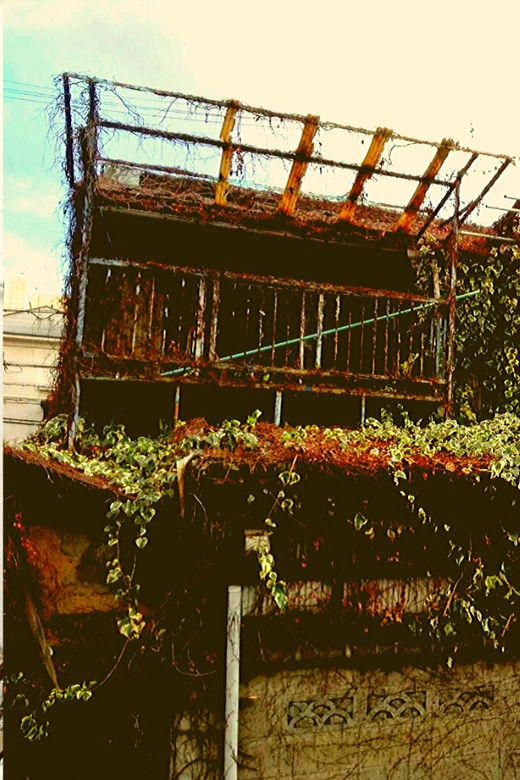
A short distance from the busy parts of Osaka, you reach an area with untouched and abandoned properties. The effect is surreal: empty buildings and signs of decline appear within a major Japanese city.
This section works best when the guide provides context. Without explanation, abandoned houses can become a quick photo opportunity or a grim curiosity. With explanation, they raise more useful questions about aging neighborhoods, poverty, welfare, housing, and the people who have been left out of Osaka’s glossy image.
The tour does not go through the homeless district. That matters, since the subject is treated as part of the city’s social reality without turning a vulnerable community into a sightseeing display. If homeless people happen to be on the same route, the guides are expected to behave respectfully.
You should also keep your camera use discreet. The information provided does not set out a photography policy, so use ordinary courtesy around residents, businesses, abandoned properties, and anyone facing hardship. The route is about understanding the area, not treating it as a film set.
This is likely the point where some participants may feel uneasy. That is not necessarily a flaw, but it is a reason to read the description honestly before booking. If you want only cheerful food, bright signs, and famous landmarks, this tour will feel too heavy.
A few more Osaka tours and experiences worth a look
- Osaka Umeda: PICCADILLY DINNER SHOW & NIGHTCLUB with Tasting
★ 4.8 · 49 reviews - Osaka: PICCADILLY PREMIUM DINNER SHOW&NIGHTCLUB with Tasting
★ 5.0 · 26 reviews - Eat Our Favorites! Osaka’s Backstreet Dining
★ 4.9 · 19 reviews - Hidden Osaka Foodie Tour: Nishinari Backstreets & Local Dining
★ 5.0 · 13 reviews
The preserved Taisho-Era red light district
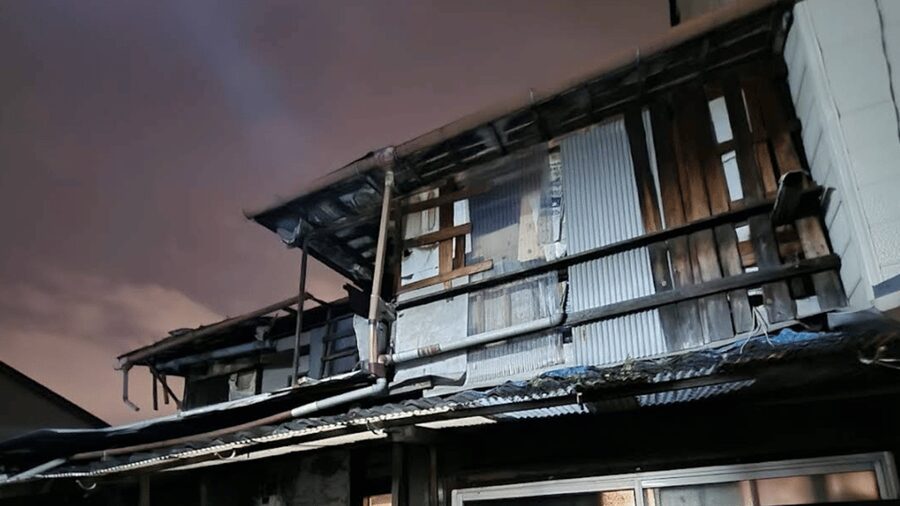
The red light district is another major stop, and it comes with a choice. You can walk through the area, or skip it and follow a separate path.
The district is described as unusually well preserved from the Taisho Era. Its buildings are presented as important to Osaka’s culture and as UNESCO-listed structures. The value here is architectural as well as social. The streets allow you to see how an older district has survived while the surrounding city changed.
The guide also explains the district’s organization, history, and connection to sex work and illicit businesses. This is not a sanitized heritage walk. You should expect direct discussion of adult subjects and the way society treats people connected to them.
I appreciate that the route offers a separate path. It gives you control without forcing you to abandon the whole experience. Couples and solo adults with an open mind are likely to find this part especially interesting, while families and visitors who prefer conventional sightseeing should skip the tour altogether.
The area may feel intimidating at first, but the guides are responsible for keeping the group together and explaining what you are seeing. Several accounts describe feeling safe and well looked after, even while walking through places they would not have entered alone.
Why the difficult topics matter
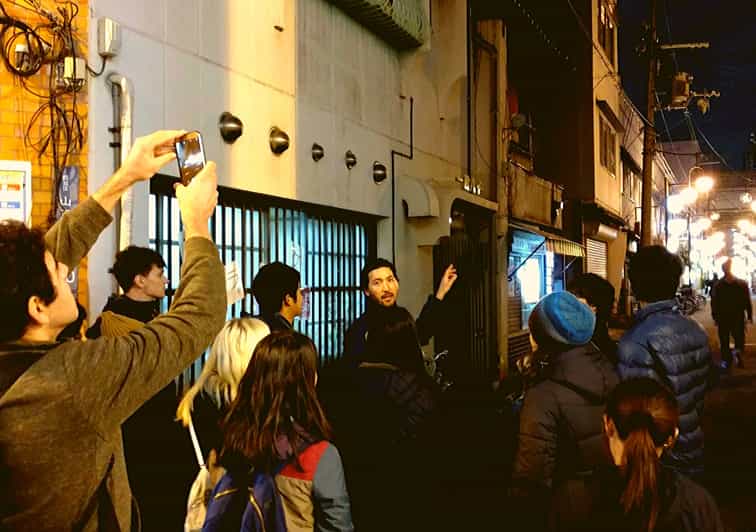
A walk like this can easily become cheap shock value. The difference is how the guide handles the material.
The strongest approach is to connect each subject to the streets around you. Pachinko is not just a quirky Japanese pastime. Illegal gambling, organized crime, and illicit businesses raise questions about regulation and the boundaries between legal and unofficial economies.
Homelessness and welfare are not just sad details. They show how a wealthy country can still have people who struggle to find stable housing and social acceptance. Sexism and minority treatment reveal tensions that are easy to miss if you see Japan only through its efficient public systems and polite service.
War, too, belongs in a full picture of the country. The supplied information does not provide a detailed war itinerary, so you should not expect a museum lecture. Instead, these topics appear as part of a wider discussion about how Osaka operates and how history continues to shape people’s lives.
The tour’s humor can help keep the conversation relaxed, but humor will not suit everyone. Some guides are described as natural storytellers and Irish or British in background, while others bring their own experience of living in Japan. The result may feel like an informal conversation among adults, not a formal academic tour.
I would ask questions, but I would also listen carefully. This is a chance to learn, not an invitation to make assumptions about residents or communities.
The optional dinner is worth considering
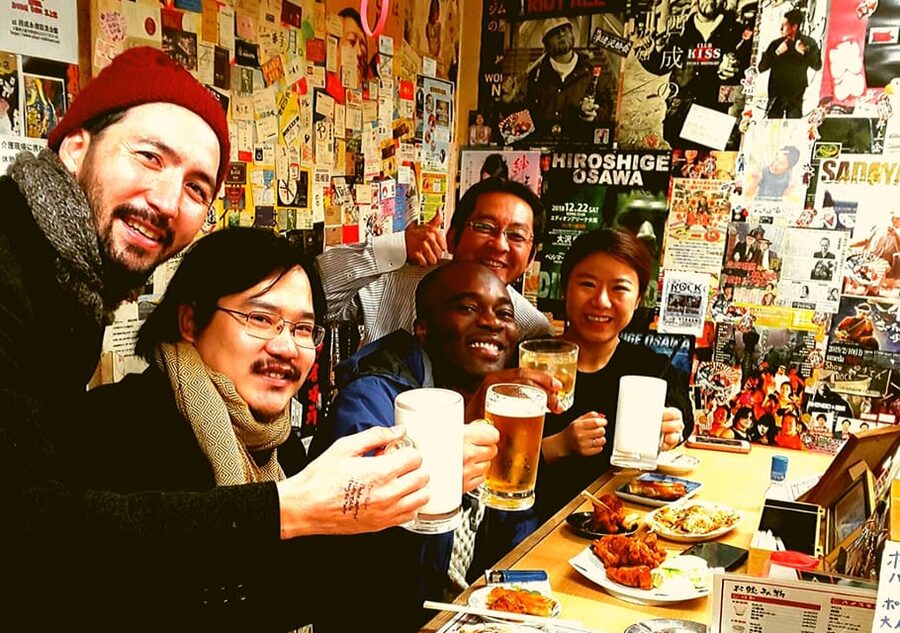
You can finish the walking portion after about 210 minutes, or select the option that includes dinner. The full meal takes place after the tour at a traditional restaurant, and drinks are not included.
The dinner is more than a practical way to avoid searching for food after a long walk. It gives the group a final chance to talk, compare impressions, and continue the evening with the guide and other participants.
Reported dishes include fried chicken, beef soup, pasta, and dessert, with a wider selection of Japanese food also described. Menus may vary, so consider the dinner a set restaurant experience rather than a guaranteed list of specific dishes.
I would choose the dinner if you enjoy social tours and want a relaxed finish. It also makes sense if you are visiting an unfamiliar part of Osaka and would rather not arrange your next meal while trying to find your way back to the subway.
The dinner option does add cost, so compare the booking choices carefully. At around $40 per person for the advertised activity, the walking tour offers solid value if you make use of the guide’s local explanations, the two food stops, and the unusual route. The dinner can improve the overall evening, but it is not essential if you already have restaurant plans.
What the guide quality means for your experience
The repeated praise for the guides focuses on three things: storytelling, personal perspective, and the ability to answer unusual questions.
Knox is repeatedly described as energetic, funny, and deeply informed. Rudy is praised for humor and storytelling, while Mari is noted for passion and clear answers. Brian and Bennett are described as friendly, professional, and well informed about Japanese culture and the neighborhoods on the route.
That range matters because this is not a self-guided route. The buildings and lanes alone cannot explain why the area looks as it does. A weak guide could make the walk feel voyeuristic or disjointed. A strong one can connect architecture, food, entertainment, social policy, and local history into a clear story.
The experience may also feel different depending on group chemistry. The dinner option encourages conversation, and the walk attracts adults from different countries. If you like meeting people and talking during a tour, that is a plus. If you prefer silence and private sightseeing, you may find the group format tiring.
The guides are English-speaking. Several are described as native English speakers, but individual styles will vary. If a fast or highly conversational guide is difficult for you to follow, remember that the material covers complex subjects and takes place while walking.
Practical details that can make or break the evening
Arrive early. This is the single most important practical tip. The group enters winding alleys, and the information provided says there is no practical way to catch up if you are late.
The meeting place varies by booking option, so do not rely on a general map pin from a travel blog or a previous visitor. Use the meeting details attached to your own reservation.
The tour lasts three hours, or 210 minutes, and starting times depend on availability. Since it is an evening experience with food stops and an optional dinner, leave enough room in your schedule afterward.
The activity is listed as wheelchair accessible, but it is also marked as unsuitable for people with mobility impairments. Those details do not fully agree, so contact the provider before booking if you have mobility needs. The route includes winding backstreets, and the practical conditions may be more demanding than an ordinary city sidewalk.
The tour is not suitable for children under 16 or pregnant women. High heels are not allowed. Comfortable walking shoes are the sensible choice for everyone.
Free cancellation is available up to 24 hours before the activity for a full refund, and the reserve-now, pay-later option can help if your Osaka schedule is still changing.
Who should book this Osaka experience?
I would recommend it to independent adults who have already seen, or do not care about missing, the standard Osaka sights. It is especially useful for solo visitors who would not feel comfortable finding these areas alone.
You should book if you want to discuss how Japanese society works beyond temples, food halls, and shopping streets. You should also book if you enjoy candid guides, local snacks, unusual architecture, and subjects that are often ignored on ordinary tours.
I would not book it for young children, anyone looking for a light family activity, or anyone uncomfortable around adult themes and social problems. You should also think twice if abandoned buildings, red light districts, or discussions of homelessness will make the evening unpleasant.
For the right person, this is a strong value at about $40. You get a distinctive route, two side dishes, an English-speaking guide, and a view of Osaka that is hard to assemble on your own. Add dinner if you want the social evening to continue, but choose the walk alone if your main goal is the neighborhood history.
FAQ
How long does the Osaka Deep Backstreets Walking Tour last?
The tour lasts three hours, or 210 minutes.
What language is the tour conducted in?
The tour is conducted in English with a live guide.
What food is included?
The walking tour includes two side dishes from two different stalls. Drinks are not included.
Is dinner included?
Dinner is included only if you select the dinner option when booking.
What kind of dinner can I expect?
The meal is served after the walking tour at a traditional restaurant. Dishes described include fried chicken, beef soup, pasta, dessert, and a range of Japanese food, but the exact menu may vary.
Can I skip the red light district?
Yes. You can choose to walk through the preserved Taisho-Era red light district or take a separate route.
Is the tour suitable for children?
No. It is not suitable for children under 16.
Is the tour suitable for pregnant women?
No. Pregnant women are listed among those who should not take the tour.
What should I wear?
Wear comfortable shoes. High-heeled shoes are not allowed.
What happens if I arrive late?
You must be on time. Once the group enters the winding alleys, it will not be possible to find and join them.
Is hotel pickup provided?
No. Hotel pickup is not included.
Can I cancel the booking?
You can cancel up to 24 hours in advance for a full refund. The reserve-now, pay-later option is also available.
Is the tour wheelchair accessible?
The activity is listed as wheelchair accessible, but it is also marked as unsuitable for people with mobility impairments. Contact the provider before booking if you need accessible arrangements.
Should I choose the dinner option?
Choose dinner if you want a full meal and more time with the guide and group. Skip it if you already have restaurant plans or want to finish after the walking route.
More Dining Experiences in Osaka
- SUSHI Making Experience at Restaurant
★ 5.0 · 8 reviews - Osaka: LGBTQ+ Tour with Dinner and Drinks
★ 5.0 · 8 reviews
Just added around Osaka
- Nara Day Trip from Osaka with a Licensed Guide★ 5.0 · 3 reviews
- Osaka Early Morning Osaka Castle Tour Avoid Crowds★ 5.0 · 3 reviews
- Guided Tour of Some Attractions in Osaka by Private Car★ 5.0 · 3 reviews
- Private Transfer Between Kyoto and Kansai Airport KIX★ 5.0 · 3 reviews
- Shared Arrival Transfer: Osaka Itami Airport to Osaka City★ 5.0 · 3 reviews
- Osaka: Sushi Making Class and Dotonbori Food Tour★ 4.7 · 3 reviews
- Osaka Night Photography Workshop★ 5.0 · 3 reviews
- Kyoto Full day Tour Kinkakuji, Kiyomizu-dera and Fushimi Inari★ 4.5 · 3 reviews
Osaka Walking Tours, compared.
Deep Backstreet Osaka Tours (Option to add Dinner)
Read our review →
Osaka Local Foodie Walking Tour in Dotonbori and Shinsekai
Read our review →
Ultimate Osaka Walking Tour: Castle, Dotonbori & Hidden Gems
Read our review →
Main Sights and Hidden Spots Guided Walking Tour
Read our review →
Private Osaka Walking Tour: Highlights & Hidden Gems
Read our review →
Osaka Castle Walking Tour and Castle Tower Admission
Read our review →
Kuromon Market Food Walking Tour in Osaka (6 stops, 6 tastes)
Read our review →
Five Must-See Highlights Walking Tour & Ramen Lunch
Read our review →Browse the lists this tour appears in