
Reviewed · KYOTO DAY TRIPS FROM OSAKA
Osaka: Nara, Todaiji, Uji Matcha, and Hot Spring Tour
Nara’s sacred deer, the huge bronze Buddha at Tōdai-ji, Uji matcha, and a hot spring soak make this an unusually full day from Osaka. You get Japan’s temples, tea culture, and bathing customs in one outing, with round-trip transport in an air-conditioned vehicle.
I like the wide mix of experiences, especially the quiet finish at Genji-no-Yu after several hours of sightseeing. I also like the small maximum group of 15, which should make moving between the stops easier than on a large coach tour. The tradeoff is simple: this is a long day, and the schedule can feel tight if traffic slows or you want plenty of time inside each temple.
In This Review
- Key points at a glance
- A full day from Osaka with three very different moods
- Nara Park and its free-roaming deer
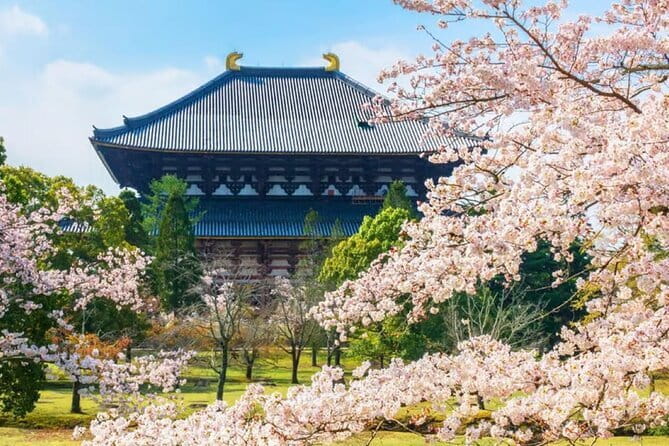
- Tōdai-ji and the Great Buddha
- Kasuga-taisha and Nara’s lantern-lined religious world
- Uji matcha and the appeal of Byodo-in
- Genji-no-Yu, a hot spring finish
- Transport, timing, and group size
- What to bring and how to budget
- Who should book this Osaka day trip?
- Should you book this Nara and Uji tour?
- FAQ
- Where does the tour begin and end?
- How long does the tour last?
- Is transportation included?
- How much does the tour cost?
- Is Tōdai-ji admission included?
- Is the hot spring admission included?
- Are children allowed on the tour?
- What happens if the tour does not reach its minimum group size?
Key points at a glance
- Sacred deer in Nara Park: You have about 1 hour 20 minutes to see the deer and explore the park.
- Tōdai-ji’s Great Buddha: The temple visit is scheduled for 40 minutes, but its admission fee is extra.
- Kasuga-taisha Shrine: Allow 40 minutes for one of Nara’s most important Shinto sites.
- Uji matcha and Byodo-in: Uji adds tea culture and the famous Phoenix Hall, with temple admission paid separately.
- Genji-no-Yu hot spring: The final 1 hour 20 minutes gives you time to relax in indoor and outdoor baths.
- Osaka transport included: The tour begins at 8:30 a.m. near Nipponbashi and returns to the same meeting point.
A full day from Osaka with three very different moods

This outing links places that feel quite different from one another. Nara gives you open parkland, old religious sites, and free-roaming deer. Uji shifts the mood toward tea, riverside culture, and the elegant Byodo-in Temple. The day ends with a Japanese hot spring, where the goal is not more sightseeing but rest.
That variety is the main reason to consider the tour. If you have only a few days in Osaka and want to see beyond the city, you can cover several major sights without arranging trains, transfers, and local transport yourself.
The price is $81 per person. For an 8 to 9-hour trip with transportation, a multilingual guide and driver, and a group capped at 15 people, that can be fair value. Still, you need to budget for extra admission fees, food, drinks, and personal costs. Tōdai-ji, Kasuga-taisha, Byodo-in, the Tale of Genji Museum, and the hot spring are listed as extra costs, with the total additional amount estimated at around $10, though the exact amount can vary by the places you enter.
The main caution is pace. The total duration includes driving time, and Nara and Uji are separate destinations outside Osaka. You will see a lot, but this is not the right choice if you want a slow temple visit, a long tea ceremony, or a leisurely afternoon in one town.
More day trips over to Nara:
- Ancient Capital Tour: Kyoto and Nara Highlights from Kyoto/Osaka
★ 4.5 · 332 reviews - Kyoto and Nara Day Trip from Osaka
★ 4.0 · 175 reviews - Discover Himeji, Kobe and Nara from Osaka
★ 5.0 · 101 reviews
Nara Park and its free-roaming deer
Your first major stop is Nara Park, with about 1 hour 20 minutes set aside. The park is known for deer that move freely through the grounds. They are considered sacred and protected as a national treasure, so this is not a standard wildlife park or fenced attraction.
For many people, the deer are the most memorable part of Nara. You can watch them wander near paths and temple grounds, then continue on foot through one of Japan’s best-known public parks. Families often find this stop especially appealing because children can see the animals at close range.
You should wear good walking shoes. The day includes several outdoor areas and temple grounds, and one five-star account specifically praised the experience while warning that sturdy footwear was needed. Cold weather can also make long outdoor stops uncomfortable, so bring layers if your visit falls in winter.
Food deserves a practical note. Food and drinks are not included in the tour price, and deer crackers from local vendors may not always be available. If feeding the deer is important to you, do not assume you will be able to buy crackers at the exact moment you want them. The deer are still worth seeing without feeding them.
Tōdai-ji and the Great Buddha
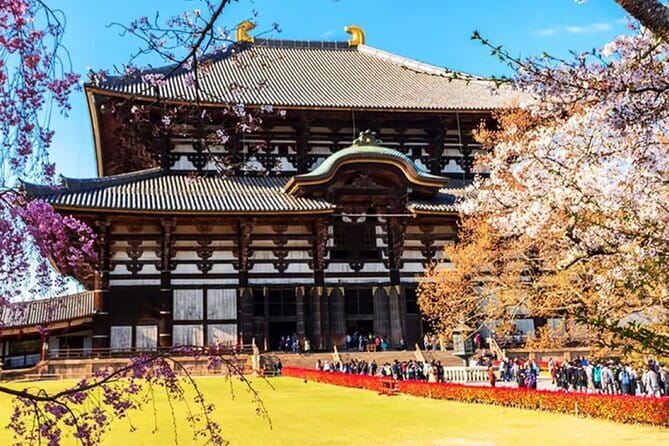
Tōdai-ji is scheduled for 40 minutes. That is enough for a focused look at the temple and its enormous bronze Great Buddha, but it is not a generous amount of time for a slow visit.
The Great Buddha is a Vairocana Buddha statue about 15 meters tall. Its scale is the point. Even if you have visited many temples, the size of the statue and the wooden temple setting give this stop real impact.
Admission is not included. You should have money ready for the temple fee, and you should check the current price when booking or before departure because the supplied information does not give a fixed amount. Kasuga-taisha and other paid sites also add to the day’s cost.
The schedule here deserves attention. One account of the experience said there was not enough time to enter the Buddha temple. That may have resulted from traffic, group timing, or a late start at an earlier stop, but it shows why you should not treat every advertised sight as a guarantee of a long visit. If entering Tōdai-ji is a top priority, tell the guide early and keep your time at Nara Park focused.
Kasuga-taisha and Nara’s lantern-lined religious world
Kasuga-taisha receives another 40 minutes. Founded in the eighth century, this Shinto shrine is linked with the Fujiwara clan and is dedicated to Futsunushi no Mikoto, a protective deity.
The shrine is famous for its many stone and bronze lanterns. Even with a short visit, you get a useful contrast with Tōdai-ji. Tōdai-ji is a major Buddhist temple centered on a giant statue, while Kasuga-taisha offers a Shinto setting with shrine architecture, lanterns, and a more wooded feel.
Admission is extra. If you are trying to keep spending low, you can decide at the site whether entering the paid areas matters to you. The time allocation is best for seeing the main approach and shrine atmosphere rather than studying every building.
At this point, you will already have spent a good part of the day walking. That is why the footwear advice matters. This is a sightseeing day with several short stops, not a vehicle-based photo tour where you step out for five minutes and climb straight back in.
More day trips over to Kyoto:
- Osaka/Kyoto: Hiroshima Miyajima Bus Tour & Shinkansen Ticket
★ 4.7 · 919 reviews - Osaka/Kyoto: Amanohashidate & Miyama Tour with Boat & Lunch
★ 4.6 · 207 reviews - Sagano Romantic Train & Arashiyama, Kiyomizudera, Fushimi Inari Taisha Day Tour
★ 4.5 · 171 reviews - Volleyball in Osaka, Kobe & Kyoto with locals!
★ 4.8 · 131 reviews
Uji matcha and the appeal of Byodo-in
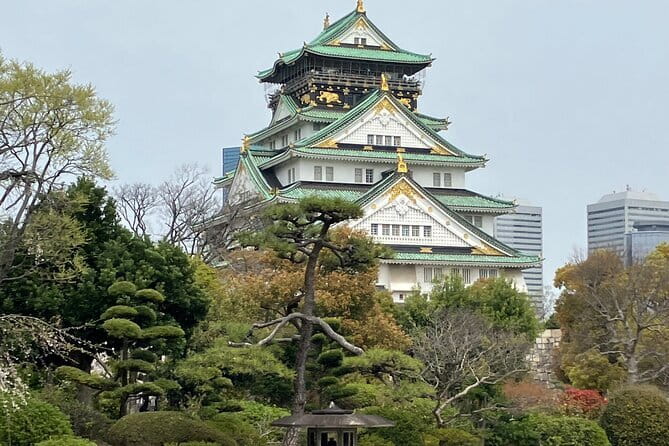
Uji is known for high-quality matcha, and the tour includes time in this tea-focused city. You are meant to taste a cup of green tea at a traditional tea house, giving the day a food and drink element after the temple visits.
The matcha stop is valuable because it gives context to Uji beyond a single famous building. Matcha is not simply green-colored tea. Its strong flavor and powdered preparation are part of a long tea tradition, and Uji is one of Japan’s best-known places for it.
Food and drinks are not included, so plan to pay for the tea yourself. That is a small extra cost, but it is worth treating the tea as part of the experience rather than expecting a meal. No lunch is included, so you should also plan ahead for hunger during the day. The available details do not specify a dedicated lunch stop.
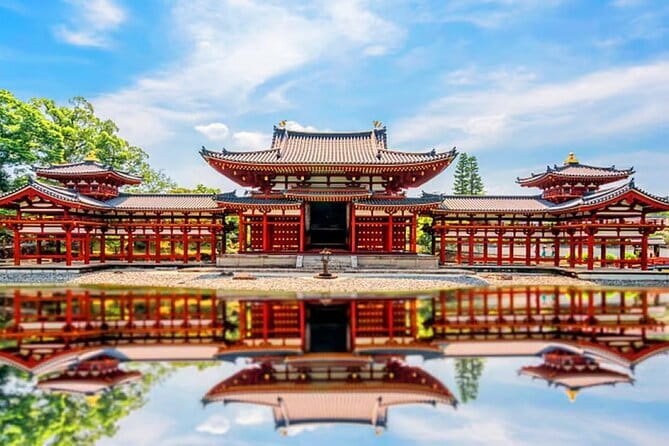
The tour also features Byodo-in Temple, a UNESCO World Heritage Site known for its Phoenix Hall. The building is one of the most recognizable sights in Uji, with its elegant form reflected in the water when viewed from the temple grounds.
Byodo-in admission is extra. The exact time assigned to the temple is not clearly separated from the broader Uji portion, so you should ask the guide how much time is available on the day. This matters because Uji can easily fill an afternoon on its own, while this tour must also make room for the hot spring.
The Tale of Genji Museum is another possible extra-cost attraction listed among the sites. It is not the main focus of the tour, and the available schedule does not give it a dedicated visit. Think of it as an optional cost rather than a guaranteed stop with a long viewing period.
Genji-no-Yu, a hot spring finish
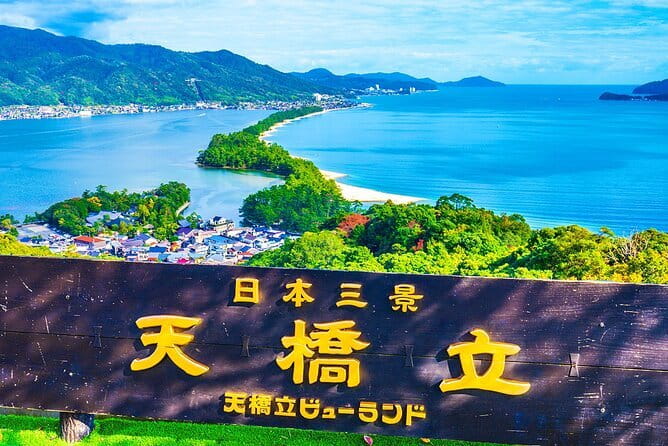
The final scheduled experience is Uji Natural Hot Spring Genji-no-Yu, with about 1 hour 20 minutes for the bath. The facility is named after The Tale of Genji and offers indoor and outdoor baths in a calm setting.
This is a smart way to end a long sightseeing day. After Nara’s park paths and shrine grounds, a hot spring gives you a chance to slow down before the ride back to Osaka. You are not rushing from one monument to another right up to the return journey.
The hot spring admission is listed as included in the tour, although the additional-cost notes also mention hot springs among possible extra expenses, with an estimate of around $10. Because those two details do not fully match, confirm the exact arrangement before booking. If admission is covered, that improves the value. If not, the extra charge is modest but should still be part of your budget.
Visible tattoos are not allowed. This is an important rule for anyone with tattoos, even if they are small or easy to cover. The supplied information does not explain whether private tattoo covers would be accepted, so you should ask the operator before reserving if this applies to you.
Transport, timing, and group size

The meeting point is 1-chōme-3 Nipponbashi Parking, at 1-chōme-3 Nipponbashi in Osaka’s Chūō Ward. Departure is at 8:30 a.m., and the tour returns to the same meeting point.
Round-trip transport is included in an air-conditioned vehicle. That is the biggest practical benefit for a day covering Nara and Uji. You avoid working out several train connections and local transfers, and you can carry your purchases and personal items with you between stops.
The group maximum is 15 people. That is small enough to feel more manageable than a large bus tour, but it is still a group outing. You will need to keep to the guide’s meeting times, especially after the deer park and temple visits.
The tour needs at least four participants to operate. If that minimum is not reached before the trip, you can be offered the choice to cancel or change the route. Confirmation is provided at booking, and the activity is near public transportation, which helps if you need to reach the Nipponbashi meeting point by train or subway.
The route is not suitable for unaccompanied minors. The information says most people can participate, but it does not provide detailed accessibility specifications. If you have mobility concerns, ask before booking because temple grounds and park paths may involve substantial walking.
What to bring and how to budget
I would prepare for this tour in five simple ways:
- Wear comfortable walking shoes with good grip.
- Bring layers for the outdoor Nara stops, especially in cold weather.
- Carry money for temple admissions, tea, food, drinks, and personal purchases.
- Plan for a full day away from Osaka, since the ride time is included in the 8 to 9-hour duration.
- If you have visible tattoos, confirm the hot spring policy before paying.
The package includes transportation and the multilingual guide and driver. It does not include food or drinks, and several admissions are extra. That makes the headline price attractive, but the real cost depends on how many temples and optional sites you enter and what you buy in Uji.
The cancellation terms are flexible if your plans change early. You can receive a full refund by canceling at least 24 hours before the local start time. Changes or cancellations made inside that 24-hour window are not accepted for a refund.
Who should book this Osaka day trip?
I would choose this tour if you want a broad first look at Nara and Uji without managing transport yourself. It suits families, first-time visitors to the area, and anyone who likes to combine major sights with a relaxing final stop.
The variety is genuinely good. You see deer, a giant Buddha, a Shinto shrine, tea culture, a famous temple, and a hot spring in one day. That range is also why the tour can feel rushed. You should book it for coverage and convenience, not for deep time at each location.
If Tōdai-ji or Byodo-in is the main reason you are leaving Osaka, a private visit or slower independent day may suit you better. One day-trip account specifically warned that temple time could be cut short, so keep your expectations realistic and confirm the timing with the guide.
Should you book this Nara and Uji tour?
Book it if you value variety, included transport, and a small group more than a relaxed pace. At $81, the combination of Nara, Uji, and Genji-no-Yu offers solid value once you understand that food, drinks, and several admissions are extra.
Skip it if you dislike early starts, long driving days, group schedules, or uncertain temple time. For everyone else, this is a practical way to connect Osaka with two culturally important destinations, ending with a soak instead of one more crowded attraction.
FAQ
Where does the tour begin and end?
It begins at 8:30 a.m. at 1-chōme-3 Nipponbashi Parking in Osaka’s Chūō Ward. The tour ends back at the same meeting point.
How long does the tour last?
The total duration is approximately 8 to 9 hours, including transportation time.
Is transportation included?
Yes. Round-trip transportation from Osaka is included in an air-conditioned vehicle, along with a multilingual guide and driver.
How much does the tour cost?
The listed price is $81 per person. Food, drinks, several attraction admissions, and personal expenses are not included.
Is Tōdai-ji admission included?
No. The admission ticket for Tōdai-ji is listed as an extra cost.
Is the hot spring admission included?
Genji-no-Yu admission is listed as included, but the additional-cost information also mentions hot spring admission among possible expenses. Confirm the exact arrangement before booking.
Are children allowed on the tour?
Most people can participate, but unaccompanied minors are not allowed.
What happens if the tour does not reach its minimum group size?
The tour needs at least four people to operate. If the minimum is not reached before departure, you may be offered the choice to cancel or change the route.
More Onsen and Spa Afternoons
- From Osaka: Himeji Castle, Arima Onsen & Mt. Rokko Day Tour
★ 4.6 · 339 reviews - Osaka Temple Cool Foot Bath & Matcha Experience〈45min〉
★ 4.9 · 82 reviews - Osaka: Solaniwa Onsen Hot Spring Visit
★ 4.6 · 51 reviews - Osaka: Mind & Spirit Balance Temple Reiki Healing
★ 5.0 · 41 reviews
More Tea Ceremonies and Matcha Sessions
- Osaka: Tea Ceremony Experience
★ 4.9 · 1,426 reviews - Tea Ceremony Experience in Osaka Doutonbori
★ 5.0 · 754 reviews - Matcha Making Class in Osaka with Authentic Japanese Sweets Set
★ 5.0 · 509 reviews - Osaka: Matcha Making Experience with Japanese Sweets
★ 5.0 · 146 reviews
Just added around Osaka
- Nara Day Trip from Osaka with a Licensed Guide★ 5.0 · 3 reviews
- Osaka Early Morning Osaka Castle Tour Avoid Crowds★ 5.0 · 3 reviews
- Guided Tour of Some Attractions in Osaka by Private Car★ 5.0 · 3 reviews
- Private Transfer Between Kyoto and Kansai Airport KIX★ 5.0 · 3 reviews
- Shared Arrival Transfer: Osaka Itami Airport to Osaka City★ 5.0 · 3 reviews
- Osaka: Sushi Making Class and Dotonbori Food Tour★ 4.7 · 3 reviews
- Osaka Night Photography Workshop★ 5.0 · 3 reviews
- Kyoto Full day Tour Kinkakuji, Kiyomizu-dera and Fushimi Inari★ 4.5 · 3 reviews
Kyoto Day Trips from Osaka, compared.

Osaka/Kyoto: Hiroshima Miyajima Bus Tour & Shinkansen Ticket
Read our review →
Ancient Capital Tour: Kyoto and Nara Highlights from Kyoto/Osaka
Read our review →
Osaka/Kyoto: Amanohashidate & Miyama Tour with Boat & Lunch
Read our review →

Sagano Romantic Train & Arashiyama, Kiyomizudera, Fushimi Inari Taisha Day Tour
Read our review →
Full Day Tour of Kyoto with Private Transportation
Read our review →
Kyoto & Nara Private customized tour with English speaking Guide
Read our review →Full Day Kyoto Tour : Bamboo Forest, Golden Temple, Fushimi Inari
Read our review →Browse the lists this tour appears in