
Reviewed · KUROMON MARKET FOOD TOURS
Osaka: Kuromon Market Food Walking Tour (6 stops, 6 tastes)
Osaka’s food culture comes into focus one bite at a time on this walk through Kuromon Market, where you may sample takoyaki, grilled scallops, yakitori, sashimi, sweets, and other local treats. The guide does the hard work of choosing stalls and explaining what you are eating, so you can concentrate on the fun part: trying something new.
I like the way the tour connects food with daily life, rather than treating the market as a string of snack counters. I also like the stop at Sennichimae Doguyasuji Shotengai, Osaka’s kitchenware street, where knives, cookware, and tableware make useful souvenirs. The main consideration is pace and access: crowded market aisles, stairs, and uneven routes make this a poor fit for wheelchair users and some people with mobility limits.
In This Review
- Key details before you book
- Why Kuromon Market makes a good first taste of Osaka
- Meeting your guide near Nippon-bashi Station
- The opening 15 minutes: local context before the market
- Kuromon Ichiba Market: the tour’s best 30 minutes
- Six tastes, with room for personal choices
- Sennichimae Doguyasuji Shotengai: Osaka’s kitchenware street
- The 10-minute local restaurant visit
- Hozenji Yokocho and its small shrine
- Dotonbori: finishing under Osaka’s famous signs
- How much food do you really get?
- What the guides add
- Heat, crowds, and walking concerns
- Who should book this food walk?
- Should you book the Kuromon Market food tour?
- FAQ
- How long does the Kuromon Market food tour last?
- How many food samples are included?
- What foods might I try?
- Are extra food and drinks included?
- Is the tour offered in English?
- Where does the tour meet?
- Can vegetarians and vegans join?
- Can the tour accommodate gluten-free diets or food allergies?
- Is the tour suitable for wheelchair users?
Key details before you book
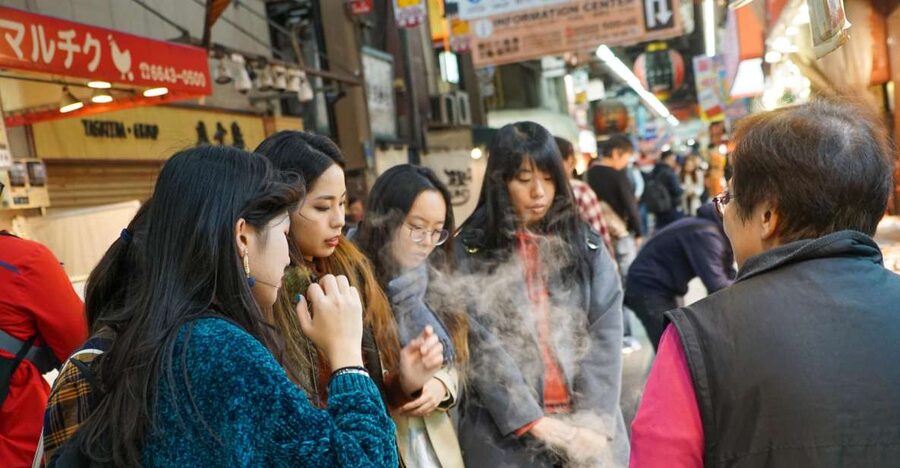
- Five to six food samples fill out a light meal: Come hungry, since the tastings are designed to be satisfying.
- Kuromon Market is the main event: Family-run shops, seafood counters, prepared foods, and Osaka specialties provide the tour’s strongest local flavor.
- Kitchen Street adds a practical shopping stop: Sennichimae Doguyasuji Shotengai is a good place to look for Japanese knives, cookware, and tableware.
- The route ends around Dotonbori: You finish near one of Osaka’s best-known entertainment and dining areas, with ideas for the rest of your day.
- The guide shapes the experience: English-speaking guides such as Nina, Niko, Aiko, Noz, and Mari have led lively walks with food suggestions, local background, and photos.
- Small groups help in tight spaces: Private and small-group formats are available, which matters in a packed market.
Why Kuromon Market makes a good first taste of Osaka
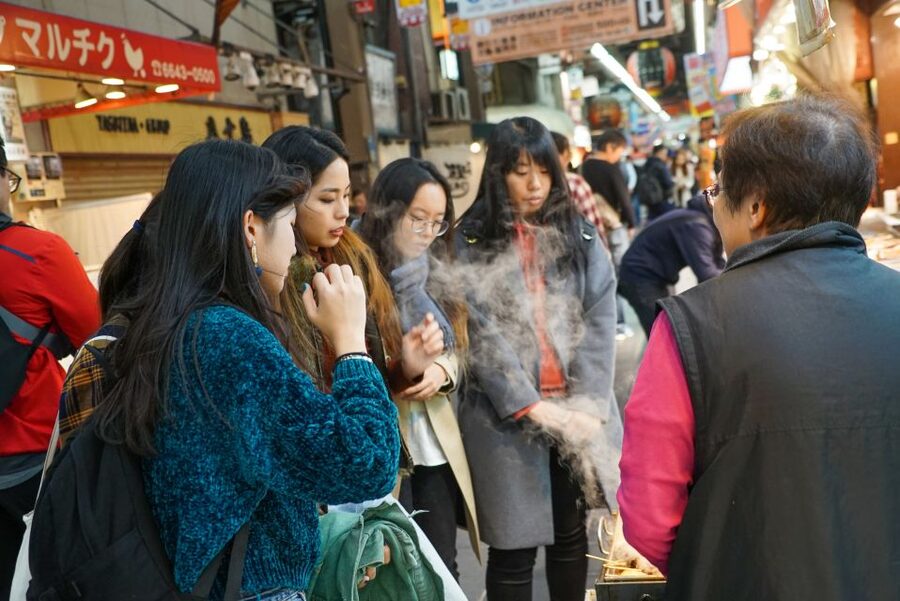
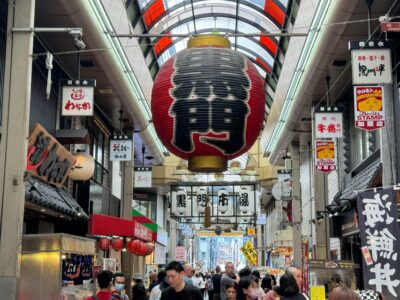
Kuromon Ichiba Market is often called the Kitchen of the Nation, and the nickname makes sense once you see how much food passes through its covered lanes. Many shops have been run by the same families for decades. You will find seafood, fruit, snacks, meat, sweets, kitchen goods, and ready-to-eat dishes in a compact area.
The market is useful for more than eating. It gives you a quick lesson in how food fits into Japanese life: careful preparation, seasonal ingredients, attractive presentation, and a strong respect for the quality of the product. A local guide can explain those details while helping you avoid the common problem of staring at an unfamiliar display and not knowing what to order.
The tour costs $49 per person and lasts two hours. That price is reasonable if you value guidance, several food samples, local context, and photos. Buying five or six comparable portions on your own could cost a fair amount, but the larger value is knowing what to choose and how to approach the market.
Do not expect a formal sit-down lunch with large plates. Think of it as a guided tasting that can leave you comfortably full. You may still want to buy an extra drink or a favorite snack, and those additional purchases are not included.
More eating your way through Kuromon Market:
- Kuromon Market Food Walking Tour in Osaka (6 stops, 6 tastes)
★ 5.0 · 550 reviews - Kuromon Market Tour: All inclusive 6~8 Dishes & 3~4 samplings
★ 5.0 · 103 reviews - PRIVATE 6hr, Food tour from Osaka Castle, Kuromon, Dotonbori.
★ 5.0 · 68 reviews
Meeting your guide near Nippon-bashi Station
The meeting point is in front of the SMBC ATM at Nippon-bashi 1chome, near Kintetsu Nippon-bashi Station. From Kintetsu Nippon-bashi, use Exit 10. Look for a guide holding a MagicalTrip board.
This is worth taking seriously. One person found the starting point a little difficult to locate, so give yourself extra time. The walk starts on time, and late arrivals cannot join, reschedule, or receive a refund. Osaka’s station exits can be confusing, especially if you are carrying luggage or navigating underground passages, so arrive early rather than cutting it close.
The guide speaks English and is a certified local guide. The actual person leading your walk can vary. Past tours have been led by Nina, Niko, Aiko, Noz, Mari, Yusuke, Ai, and others. The strongest pattern across the experience is a friendly, conversational style, with guides answering questions and adjusting food choices when possible.
The opening 15 minutes: local context before the market

The first short stop is described as a 15-minute guided visit at a less obvious local point near the starting area. The purpose is to set the scene before you enter the main market.
This beginning matters because Kuromon is easier to understand when you know that it is not simply a tourist food street. The guide links the market to Osaka’s role as a commercial and culinary center, then points out how the surrounding neighborhoods developed. You get a sense of the area before the food takes over.
The exact content can vary with the group and guide. That is a plus if you have questions, but it also means you should view this as a brief orientation rather than a full historical lecture.
Kuromon Ichiba Market: the tour’s best 30 minutes
You spend about 30 minutes at Kuromon Ichiba Market, though the food tasting can feel like the central thread of the entire walk. This is where the guide chooses several samples from the market’s many stalls.
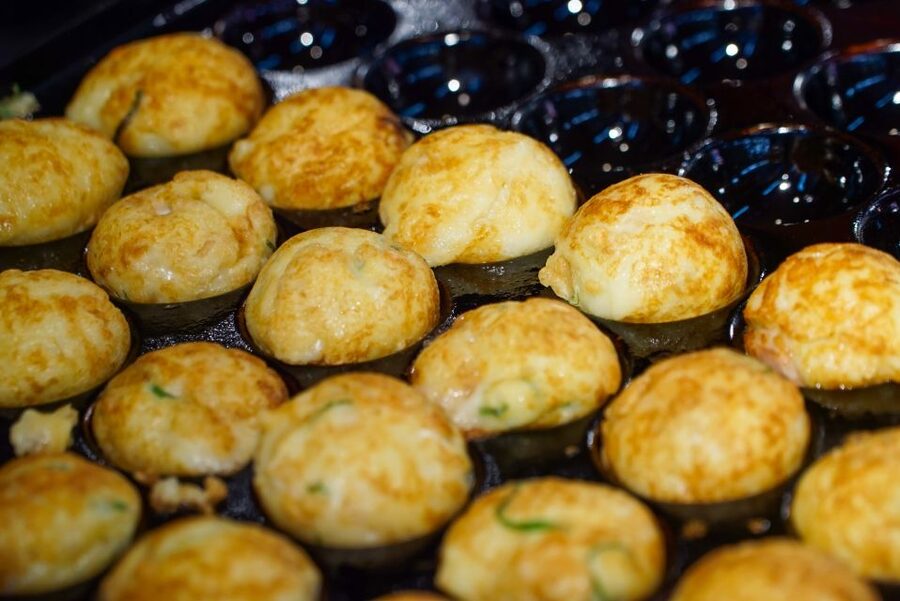
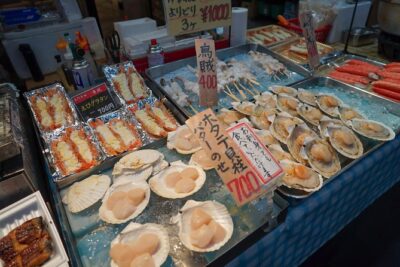
Possible foods include takoyaki, grilled scallops, grilled yakitori skewers, tuna belly sashimi, tempura, gyoza, fresh fruit, roast chestnuts, dried fruit, mochi, taiyaki, and ice cream sandwiches. The exact menu depends on what is available and what suits the group. Some past food choices have also included unusual traditional items such as puffer fish and whale, but you are not pressured to try anything.
That freedom is important. A good food walk should encourage curiosity without turning unfamiliar dishes into a dare. You can tell the guide what you have already eaten in Japan and what you would like to try. Guides have adjusted selections for preferences and, with advance notice, may accommodate vegetarian or vegan requests, though choices can be limited.
The market can be crowded, and you may not always know where to stand without blocking shoppers. A thoughtful guide may buy the food and lead the group to a quieter place to eat it. Small groups are especially helpful here because they can move through narrow lanes with less fuss.
Food safety and allergy concerns need careful attention. Gluten-free requests cannot be accommodated. Vegetarian and vegan requests must be given at least one day ahead, and same-day changes are not accepted. Allergy-free meals or substitutions are not guaranteed because the food comes from outside kitchens. If you have a serious allergy, this may not be the right food tour.
More street food walks and tastings:
- Osaka: Shinsekai Food Tour with 13-15 Dishes at 5 Eateries
★ 4.8 · 2,204 reviews - Osaka Food Tour: 13 Dishes at 5 Local Eateries
★ 5.0 · 2,149 reviews - Hungry Osaka Street Food Tour:15 Tastings & 3 Drinks with a Local
★ 5.0 · 1,727 reviews - Osaka Local Foodie Walking Tour in Dotonbori and Shinsekai
★ 5.0 · 985 reviews
Six tastes, with room for personal choices
The title promises six stops and six tastes, while the practical description says five to six food samples. The important point is that you receive several included tastings, not just one token bite.
Your guide may introduce familiar Osaka favorites such as takoyaki, the round, savory octopus-filled snack associated with the city. You might also try grilled seafood, skewers, fresh sashimi, fruit, or Japanese sweets. This mix gives you more than one version of Japanese food. You move from hot and savory to fresh, sweet, crisp, or chewy.
I like that the food is not presented as a fixed performance. Several guides have allowed people to choose among options based on interest and past meals. That works well for families and mixed groups, since an adventurous eater and a cautious eater can take different paths through the same market.
Bring cash for your own food and drinks. The included samples are covered, but extra purchases are not. You may spot something you want to take back to your hotel, and cash gives you more flexibility.
Sennichimae Doguyasuji Shotengai: Osaka’s kitchenware street
The 20-minute visit to Sennichimae Doguyasuji Shotengai is one of the tour’s most useful additions. This covered shopping street focuses on restaurant and kitchen supplies, so it feels different from the food stalls.
You might find Japanese knives, cookware, chopsticks, serving pieces, dishes, and other tableware. For a souvenir, this is often more practical than another key chain. A small bowl or pair of chopsticks can fit in your luggage, while a knife may require extra care and attention to airline rules.
Several people particularly enjoyed this part of the route, especially the knife and cookware shops. If you are serious about buying a Japanese knife, use the guide as a source of local direction, but remember that two hours is not enough for a long shopping consultation. You may want to return later on your own after you know which stores and products interest you.
The stop is also good for seeing a working side of Osaka. These are not just decorative shops for visitors. They reflect the city’s restaurant culture and the tools used in everyday cooking.
The 10-minute local restaurant visit
A brief 10-minute stop at a local restaurant adds another setting beyond the market counter. It gives you a look at how Osaka food works when it is served in a more traditional restaurant environment.
Because the stop is short, do not expect a full restaurant meal or a long period of table service. Its value is in the contrast: market food is quick and exposed, while a restaurant offers a different rhythm and presentation.
The tour’s included food is spread across the experience, so this stop may help round out the tasting rather than function as a separate lunch. If you want a substantial sit-down meal, plan one later.
Hozenji Yokocho and its small shrine
The route then spends about 10 minutes at Hozenji Yokocho. This narrow lane and nearby shrine offer a quieter change from the market and shopping street.
The shrine is a useful pause because it shows a more intimate side of central Osaka. You are not only moving from one food counter to another. You are also seeing the neighborhood’s religious and historical spaces, including a place where people come to make a short visit and offer a prayer.
The stop is compact, so keep your expectations realistic. You will not receive an extended temple tour, but the guide can explain why the place matters and how it fits into the surrounding district. It also gives you a natural chance to take photos.
Dotonbori: finishing under Osaka’s famous signs
The final 25 minutes take you through Dotonbori, Osaka’s best-known dining and entertainment district. This is the loud, highly photographed side of the city, with restaurants, signs, shopping, and plenty of food choices.
Ending here makes practical sense. After learning how to approach local food, you are left near one of Osaka’s main areas for an evening meal. Your guide can point out places to consider, and several guides have offered recommendations for later dining.
Dotonbori is also a useful contrast with Kuromon. Kuromon feels tied to market trade and daily food shopping, while Dotonbori is more theatrical and entertainment-driven. Seeing both in one short walk helps you understand why Osaka is so closely linked with eating out.
The route is not a quiet stroll. Expect crowds and a busy urban setting. If you dislike packed shopping streets, this final section may feel tiring, especially after a warm day.
How much food do you really get?
You receive five to six food samples, and the portions together are intended to fill you up. Several people have found the amount sufficient for lunch, while others have returned to the market afterward to shop or eat more.
That makes the tour a good value for a first meal in Osaka, especially when you add the guide’s explanations and the chance to try foods you might skip on your own. It is less useful if you already know Kuromon well and prefer to choose every dish yourself.
The food is not a guarantee of every item listed in the description. Market stock, season, stall hours, and group preferences affect the final selection. Come with an open mind, but tell the guide about restrictions before the tour.
What the guides add
The guide is the main reason to book this rather than simply walk through Kuromon on your own. You get someone to explain unfamiliar foods, direct you to selected stalls, answer questions, and connect the neighborhoods to Osaka’s culture.
Guides such as Nina, Niko, Aiko, Noz, and Mari have been singled out for clear English, warmth, organization, and personal attention. Some have taken many photos during the walk and shared them afterward, which is handy when you want to remember the food without constantly holding up your phone.
Small groups can make the experience feel personal. In some cases, a booking may end up as a private tour, though that is not guaranteed. The private or small-group option is particularly useful for families, people with specific food interests, and anyone who wants to ask plenty of questions.
The tour also works well for families with older children and teenagers. It has variety, short stops, and hands-on tasting rather than a long lecture. Very young children may add a practical challenge in tight market aisles, and strollers may not work everywhere.
Heat, crowds, and walking concerns
Osaka’s climate can be demanding. Summer highs may reach about 40°C, or 110°F, while winter lows can fall to around -5°C, or 20°F. Dress for the forecast, carry water, and consider booking at a time that suits your energy level.
The route includes market lanes, shopping streets, restaurant areas, and shrine surroundings. Some places are not wheelchair or stroller accessible, and the tour is not recommended for people with mobility issues. Wheelchair users should not book this activity.
There are chances to pause and eat, but this is still a walking tour. Wear comfortable shoes and keep your hands free for crowded areas and food. If you want to buy kitchenware, leave space in your luggage or plan to return later with a bag.
Who should book this food walk?
I would choose this tour early in an Osaka stay. It gives you a quick orientation to Nippon-bashi, Kuromon, Kitchen Street, Hozenji, and Dotonbori, while also giving you a list of foods and restaurants to revisit.
It suits first-time visitors, curious eaters, families with older children, and anyone nervous about ordering from busy Japanese food stalls. It is also a good choice if you want cultural background but do not want to spend half a day in a museum.
I would skip it if you need strict allergy control, gluten-free food, complete wheelchair access, or a quiet, seated meal. I would also skip it if you prefer to browse at your own speed and make every food decision without a guide.
Should you book the Kuromon Market food tour?
At $49, this is a sound buy for a first visit to Osaka if the included tastings, guide, photos, and neighborhood orientation appeal to you. The strongest value comes from the combination of food and local direction. You can walk through Kuromon for free, but you will not automatically know which foods to choose, where to stand, or how the market connects to the surrounding city.
Book early in your Osaka visit, arrive well before the meeting time, and notify the operator about vegetarian or vegan needs at least one day ahead. Come hungry, bring cash for extras, and expect a lively two hours rather than a slow meal. If those conditions suit you, this is an enjoyable way to get your bearings through Osaka’s food culture.
FAQ
How long does the Kuromon Market food tour last?
The tour lasts two hours.
How many food samples are included?
You receive five to six food samples. The exact choices can vary based on availability and food preferences.
What foods might I try?
Possible samples include takoyaki, grilled scallops, grilled yakitori skewers, sashimi, tempura, gyoza, fruit, mochi, taiyaki, roast chestnuts, dried fruit, and ice cream sandwiches.
Are extra food and drinks included?
No. The five to six tour samples are included, but additional food and drinks must be purchased separately. Bring cash for your own purchases.
Is the tour offered in English?
Yes. The tour has a live English-speaking guide.
Where does the tour meet?
Meet in front of the SMBC ATM at Nippon-bashi 1chome, near Kintetsu Nippon-bashi Station. Use Exit 10 and look for a guide holding a MagicalTrip board.
Can vegetarians and vegans join?
Vegetarian and vegan requests can be accommodated, but choices may be limited. You must provide notice at least one day ahead. Same-day requests cannot be accepted.
Can the tour accommodate gluten-free diets or food allergies?
Gluten-free requests cannot be accommodated. Allergy-free meals and substitutions cannot be guaranteed because food is prepared in outside kitchens.
Is the tour suitable for wheelchair users?
No. Some locations are not wheelchair or stroller accessible, and the tour is not recommended for people with mobility issues.
More Guided Walks on Foot
- Deep Backstreet Osaka Tours (Option to add Dinner)
★ 5.0 · 1,290 reviews - Osaka: Deep Backstreets Walking Tour with Dinner Option
★ 4.9 · 902 reviews - Ultimate Osaka Walking Tour: Castle, Dotonbori & Hidden Gems
★ 5.0 · 862 reviews - Osaka: Main Sights and Hidden Spots Guided Walking Tour
★ 4.9 · 702 reviews
Just added around Osaka
- Nara Day Trip from Osaka with a Licensed Guide★ 5.0 · 3 reviews
- Osaka Early Morning Osaka Castle Tour Avoid Crowds★ 5.0 · 3 reviews
- Guided Tour of Some Attractions in Osaka by Private Car★ 5.0 · 3 reviews
- Private Transfer Between Kyoto and Kansai Airport KIX★ 5.0 · 3 reviews
- Shared Arrival Transfer: Osaka Itami Airport to Osaka City★ 5.0 · 3 reviews
- Osaka: Sushi Making Class and Dotonbori Food Tour★ 4.7 · 3 reviews
- Osaka Night Photography Workshop★ 5.0 · 3 reviews
- Kyoto Full day Tour Kinkakuji, Kiyomizu-dera and Fushimi Inari★ 4.5 · 3 reviews
Kuromon Market Food Tours, compared.
Kuromon Market Food Walking Tour in Osaka (6 stops, 6 tastes)
Read our review →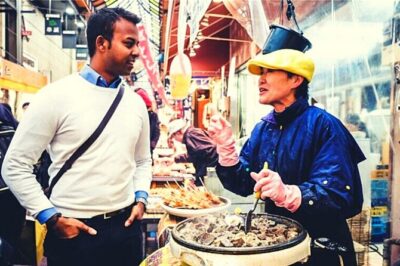
Kuromon Market Tour: All inclusive 6~8 Dishes & 3~4 samplings
Read our review →
PRIVATE 6hr, Food tour from Osaka Castle, Kuromon, Dotonbori.
Read our review →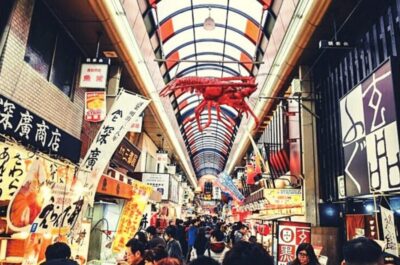
All Inclusive Kuromon Markets Tour: Flavors Of Osaka
Read our review →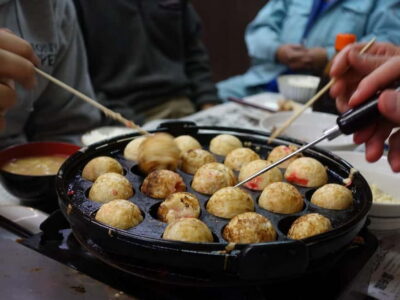
Kuromon Market 1.5-Hour Seafood & Street Food Tour
Read our review →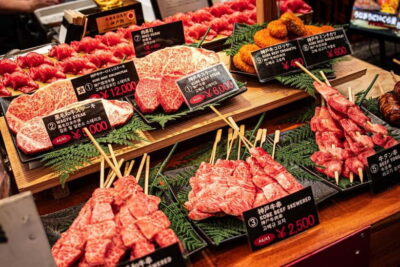
Kuromon Market Street Food Tour with Pro Local Guide
Read our review →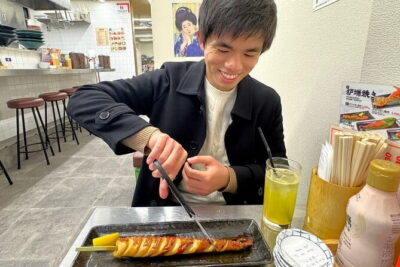
1.5 Hour Food Tour at the Kuromon Market in Osaka
Read our review →Browse the lists this tour appears in