
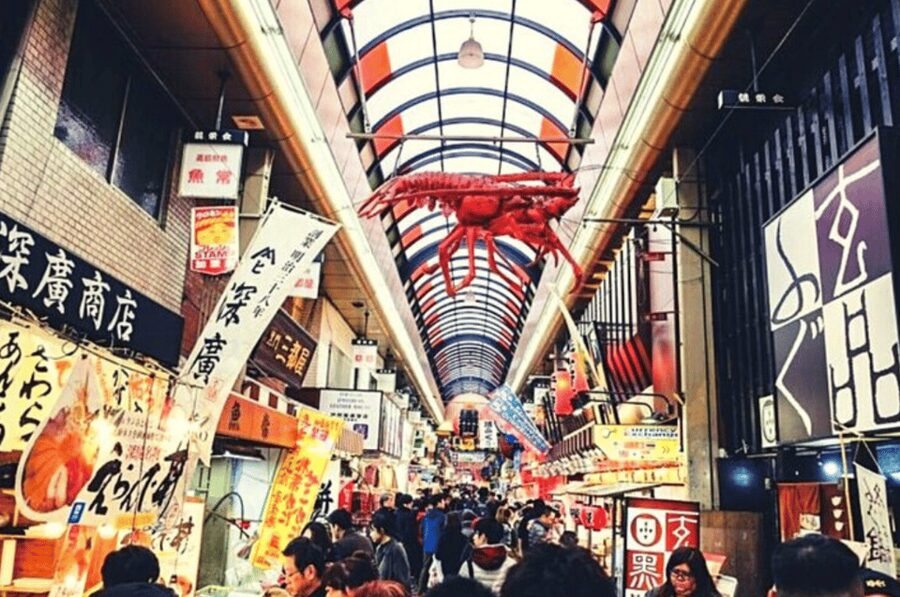
Reviewed · KUROMON MARKET FOOD TOURS
All Inclusive Kuromon Markets Tour: Flavors Of Osaka
Kuromon Market is the kind of place where a simple snack can turn into a full meal. For $61, you follow a small English-speaking group through Osaka’s long-running food market, tasting five to seven dishes and three to four smaller samples along the way. Scallops, tuna sashimi, gobo tempura, okonomiyaki, and cherry blossom mochi give you a broad taste of local food in just two hours.
I like the help with ordering, since many stalls have handwritten Japanese signs and little or no English. I also like the small group, limited to nine people, and the guides who add useful food and market stories. The main drawback is clear: this is strongly seafood-focused, so it is a poor fit for vegans and anyone hoping for a meat-free tasting.
In This Review
- Key points at a glance
- Why Kuromon Market makes a good food stop
- Meeting at Nipponbashi Station at 2 p.m.
- The first tastes: seafood and market specialties
- Small samples that broaden the meal
- What the guide adds to the market
- How filling is the two-hour route?
- The seafood question: read this before booking
- Is $61 a fair price?
- Shopping for knives and tableware
- Who should book this Osaka food tour?
- Should you book All Inclusive Kuromon Markets Tour?
- FAQ
- Where does the Kuromon Market tour meet?
- What time does the tour start?
- How long does the experience last?
- How much does the tour cost?
- How many people are in the group?
- What language is the tour conducted in?
- What food is included?
- Is the tour suitable for vegans?
- Is hotel pickup included?
- Can I cancel the booking?
Key points at a glance
- Five to seven full dishes: Expect a filling progression of seafood, savory specialties, sweets, and local favorites.
- Three to four extra tastings: Green tea, pickled vegetables, dried fish, wasabi beans, and similar samples add variety.
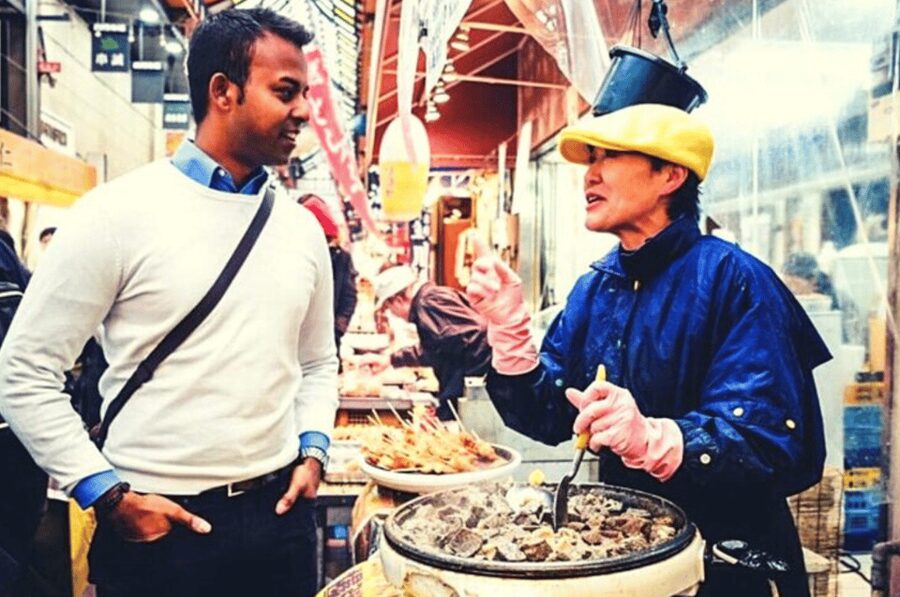
- English-speaking local guide: Your guide handles ordering and explains ingredients, cooking methods, and Osaka food culture.
- A small group of up to nine: This makes it easier to hear the guide and stay together among the market stalls.
- Strict 2 p.m. start: Meet at Exit 6 of Nipponbashi Station by 1:45 to 1:50 p.m., since late arrivals cannot join.
- Seafood is central: The tour suits curious omnivores, but not vegans and possibly not anyone with strong seafood dislikes.
Why Kuromon Market makes a good food stop
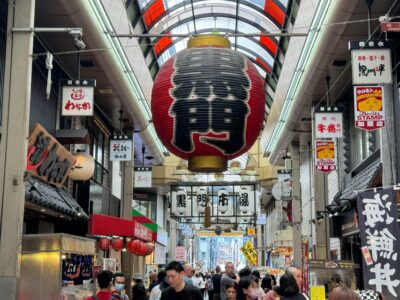
Kuromon Market has drawn food shoppers for more than 200 years. That age matters because this is not simply a row of restaurants built for sightseeing. It is a working food district where vendors sell ingredients, prepare ready-to-eat dishes, and pass cooking methods through families and generations.
The covered market gives you a practical setting for tasting. You are protected from much of the weather, and the stalls keep the action close together. You can see food being prepared, smell grilled and fried dishes, and watch shoppers move between counters. The market’s appeal comes from this mix of daily commerce and easy sampling.
I like food tours here because the market can be hard to read on your own. Some signs are handwritten in Japanese calligraphy, and many vendors do not speak English. Even if you can read basic Japanese, you may not know what a dish contains or how it was prepared. Your guide removes that barrier by ordering for you and explaining what arrives.
That help is not just a convenience. It lets you try foods you might otherwise skip. A guide can point out a local preparation, explain a Japanese ingredient, and tell you how a dish fits into Osaka’s food culture. You get more than a series of plates. You get a way to make sense of what is in front of you.
More eating your way through Kuromon Market:
- Kuromon Market Food Walking Tour in Osaka (6 stops, 6 tastes)
★ 5.0 · 550 reviews - Osaka: Kuromon Market Food Walking Tour (6 stops, 6 tastes)
★ 4.6 · 272 reviews - Kuromon Market Tour: All inclusive 6~8 Dishes & 3~4 samplings
★ 5.0 · 103 reviews
Meeting at Nipponbashi Station at 2 p.m.
The tour begins at the top of the stairs at Exit 6 of Nipponbashi metro station. The official meeting time is exactly 2 p.m., but I would arrive around 1:45 to 1:50. That gives you time to find the correct exit, use the station facilities, and get settled before the group moves into the market.
This timing is important. The tour lasts only two hours, and the group cannot wait for late arrivals. If you arrive after the start, you cannot simply catch up inside the market. Build in extra time if you are unfamiliar with Osaka’s subway system.
There is no hotel pickup, so you need to reach Nipponbashi Station on your own. The meeting point is convenient for a city-based food outing, but it does require a little planning. Save the map location before leaving your hotel and confirm which station exit you need.
The small group size is another practical plus. With no more than nine participants, you should have a better chance of hearing explanations at crowded stalls and asking questions without holding up a large crowd. The group still needs to stay together, though. Markets are busy places, and a two-hour schedule leaves little room for wandering off.
The first tastes: seafood and market specialties
Once introductions are finished, your guide leads you into Kuromon Market and begins the tasting route. The exact order can vary, since the food depends on the vendors and the guide’s choices, but the listed dishes give you a good sense of the experience.
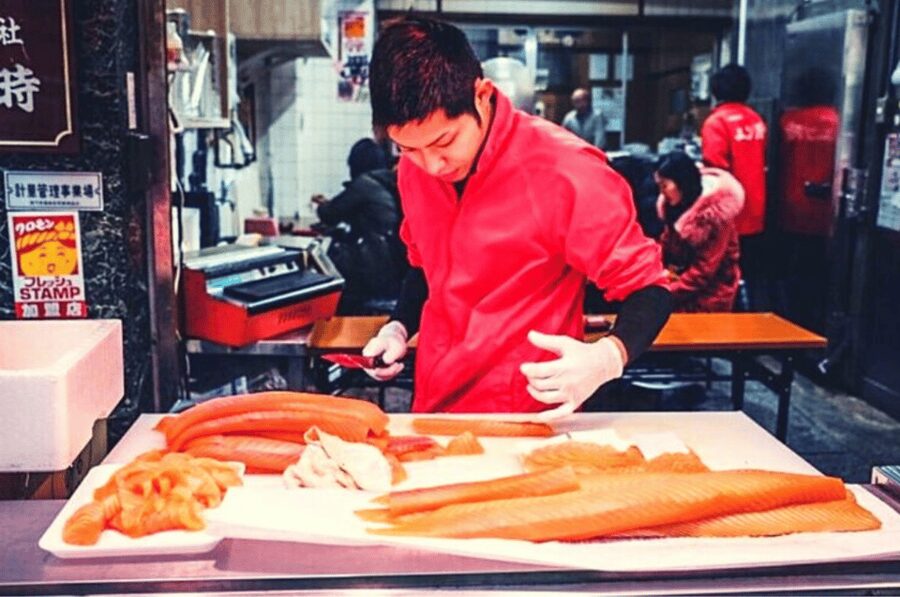
Scallops are one of the more direct introductions to the market’s seafood focus. You may find them prepared in a simple style that lets the ingredient carry the dish. Tuna sashimi offers another classic taste, this time with a focus on texture and freshness rather than frying or heavy seasoning.
If you are new to Japanese food, your guide’s explanation helps here. You can ask about preparation, sauces, texture, or the best way to eat a dish. That is especially useful with raw seafood, since you may want to know exactly what you are ordering before it reaches you.
Gobo tempura brings a different texture. Gobo is burdock root, a firm root vegetable often valued for its earthy flavor and crisp bite when fried. This is one of the tour’s useful contrasts: seafood may lead the route, but the food is not limited to raw fish.
The tour also includes okonomiyaki, one of Osaka’s best-known comfort foods. It is a savory pancake-style dish with a soft interior and a cooked topping. For many people, okonomiyaki is an easier introduction to Osaka food than sashimi, and it gives the meal a warm, substantial element.
Taken together, the main dishes are meant to function as a meal, not just a few token bites. One guide-led experience left a participant full after starting at 2 p.m. without lunch. If you plan to eat normally before the tour, keep breakfast or lunch light.
Small samples that broaden the meal

Along with the five to seven main dishes, you receive three to four smaller tastings. These may include green tea, pickled vegetables, dried fish, wasabi beans, and other market products.
These samples matter because they show the everyday side of Japanese eating. A food tour can become predictable if it offers only the most famous dishes. Pickles, dried fish, and seasoned beans give you smaller tastes of the ingredients people buy and snack on beyond restaurant meals.
Green tea adds a calm pause between stronger flavors. Pickled vegetables offer acidity and crunch, while dried fish and wasabi beans bring salty, savory, and spicy notes. You may not love every sample, but that is part of the value. You get a better idea of the range of Japanese flavors instead of a carefully safe menu.
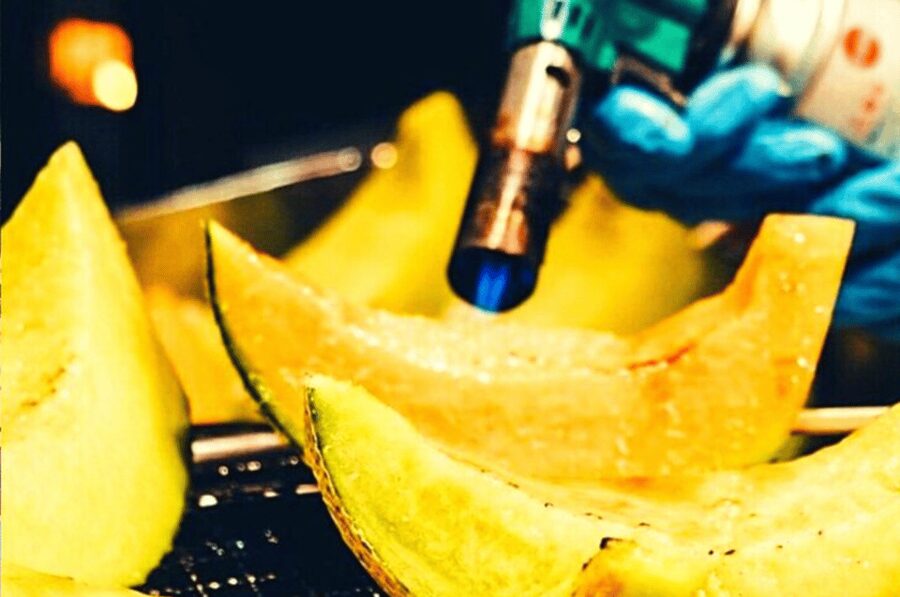
The tour also includes sweets, with cherry blossom red bean mochi specifically listed. Mochi has a soft, chewy texture, and red bean filling gives it a sweet, earthy center. The floral cherry blossom flavor makes this a different finish from the seafood and fried dishes.
If you have a sweet tooth, ask your guide for recommendations beyond the included food. One guide helped a participant order mochi to take away after the tour. That extra purchase was not part of the tour, but a good guide can help you choose something for later.
A completely different way to spend a day in Osaka:
- Osaka Go Karting Tour with Funny Costume
★ 5.0 · 2,658 reviews - Osaka Castle: Museum and Tower Entry Ticket
★ 4.5 · 2,380 reviews - Osaka: Shinsekai Food Tour with 13-15 Dishes at 5 Eateries
★ 4.8 · 2,204 reviews - Osaka Food Tour: 13 Dishes at 5 Local Eateries
★ 5.0 · 2,149 reviews
What the guide adds to the market
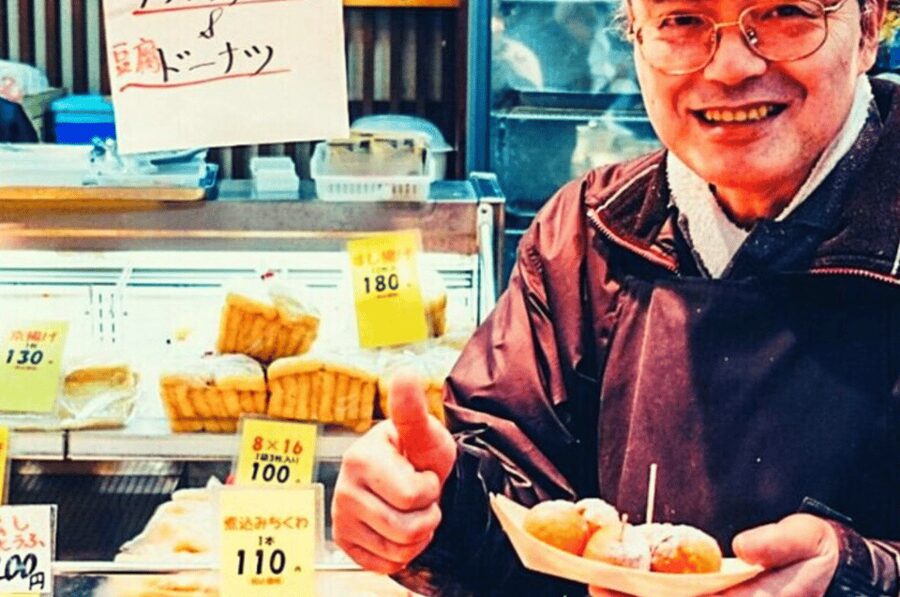
The guide is the main reason to book this rather than simply walk through Kuromon Market alone. Your guide orders the food, explains ingredients and cooking methods, and provides stories about Osaka’s culinary culture.
Several named guides have led this experience, including Hikaru, Anna, Taka, Mico, Michael, and Hakuri. The strongest praise has focused on their food knowledge, warmth, and good relationships with the vendors. Hakuri, in particular, is also a chef and has spent time in both Japan and the United States, which gives him a useful point of comparison when explaining dishes and food customs.
Anna has been praised for making unfamiliar foods approachable and for having warm connections with the market sellers. Taka has been described as informative, helpful, and fun. Mico has offered restaurant suggestions and market background, while Michael has sometimes used spare time to show the Dotonbori area after the market.
Of course, guides can vary, and you should not book expecting one specific person unless your reservation confirms it. The consistent benefit is the role itself. You have someone who can interpret the stalls, explain what you are eating, and help you ask questions.
I also value the cultural context. A dish tastes different when you know why it is common, how it is prepared, or what makes it associated with Osaka. The tour uses food as an entry point into local life, which gives the market visit more purpose than simply taking pictures of unusual ingredients.
How filling is the two-hour route?

The included food is described as five to seven dishes plus three to four tastings. That is a substantial amount for a two-hour outing, particularly if you arrive hungry.
You should think of this as a late lunch rather than a light snack walk. The combination of sashimi, scallops, okonomiyaki, tempura, sweets, and samples can leave you satisfied. I would avoid scheduling a large meal immediately afterward.
The pacing should also suit people who want a focused experience. Two hours is long enough to sample many items but short enough to fit between sightseeing plans. The tradeoff is that you will not have unlimited time to browse every stall, shop slowly, or stop for long photographs.
The market can also feel crowded, and eating in a food district often means standing or moving between stops. The supplied information does not promise a private dining room or seated meal, so you should expect a market-style experience rather than restaurant comfort.
The seafood question: read this before booking
The tour description lists seafood prominently, and one detailed account of the food described nearly everything except the sweets as fish or seafood. That is the most important food warning.
If you enjoy seafood, this focus is a strength. You can try raw tuna, shellfish, dried fish, and other preparations in one compact route. If you are unsure about raw fish, the guide can explain each item, but the tour is still built around seafood rather than around a wide choice of non-seafood dishes.
Vegans should not book this tour. Pregnant women are also listed as unsuitable for the activity. The provided information does not give a more specific medical explanation, so if you have dietary or health concerns, you should choose another experience or contact the provider before reserving.
The menu can also change. Market food depends on what vendors are offering, and no food tour can guarantee every item at every departure. The named dishes give you a useful preview, not an absolute promise of a fixed menu.
Is $61 a fair price?
At $61 per person, the value depends on how much you would otherwise spend sampling food and how comfortable you are ordering on your own.
If you already know Japanese food, can read the signs, and feel comfortable approaching vendors, you may prefer to explore independently. You would have more control over what you buy and how long you stay.
For a first visit, the price is easier to justify. You receive a planned selection of five to seven dishes, several smaller tastings, an English-speaking guide, help with ordering, and explanations of food culture. Buying that many items separately can add up quickly, especially if you are trying premium seafood.
The small group also improves the value. A group capped at nine gives the guide room to answer questions and keep the outing personal. This is not a private tour, but it is far more focused than a large coach-style food walk.
The tour does not include hotel pickup, and the listed inclusions do not promise extra drinks, shopping credit, or food after the official tastings. You should treat the $61 as payment for the guided market route and included samples, not as an unlimited eating pass.
Shopping for knives and tableware
Kuromon Market is not only about eating. The experience also points you toward unique Japanese knives and tableware souvenirs.
This is useful if you want a practical purchase rather than a generic souvenir. A guide can help explain what you are looking at, though the provided details do not specify particular shops, knife brands, or prices. Plan to browse rather than assume you will receive a dedicated shopping lesson.
The market setting makes these objects more meaningful. You are seeing tools and tableware in a food district, surrounded by vendors who use cooking skills as part of daily business. Even if you do not buy anything, this part of the visit adds another layer to the market.
Keep the two-hour limit in mind. Food comes first, and shopping time may be brief. If a knife or serving piece catches your eye, ask the guide for help early rather than waiting until the final minutes.
Who should book this Osaka food tour?
I would recommend it most strongly to first-time visitors to Osaka who want a guided introduction to local food without committing to a long evening tour. It also suits adventurous eaters who want help trying raw seafood, market snacks, and unfamiliar ingredients.
It works well for solo visitors and couples who like small groups. The nine-person limit gives you social contact without the feel of a large organized crowd. Families with older children may also appreciate the guide’s help, though the supplied information does not specify an age minimum.
You should think twice if you are vegetarian, vegan, pregnant, allergic to seafood, or uncomfortable with raw fish. The tour includes some non-seafood items, such as gobo tempura, okonomiyaki, pickles, sweets, and tea, but those do not change the seafood-centered nature of the route.
Book it early in your Osaka schedule if possible. The guide’s restaurant and market suggestions can help shape later meals, and a short food tour is a useful way to learn what you want to order for the rest of your stay.
Should you book All Inclusive Kuromon Markets Tour?
Book this tour if you want a guided tasting meal, not just a walk through a market. The strongest reasons are the number of included tastes, the small group, and the help with Japanese menus and vendor orders.
The $61 price is reasonable when you value interpretation and want to sample several foods without guessing what to buy. I would skip it if you prefer to browse at your own pace, need a vegetarian menu, or want a tour built around a balanced mix of meat, vegetables, and seafood.
Arrive at Exit 6 by 1:50 p.m., come hungry, and expect fish and shellfish to lead the meal. For the right eater, this is a compact, useful introduction to Osaka’s food culture, with enough guidance to make an unfamiliar market feel approachable.
FAQ
Where does the Kuromon Market tour meet?
The meeting point is at the top of the stairs at Exit 6 of Nipponbashi metro station in Osaka.
What time does the tour start?
The tour starts exactly at 2 p.m. You should arrive between 1:45 and 1:50 p.m. because late arrivals cannot catch up with the group.
How long does the experience last?
The tour lasts two hours.
How much does the tour cost?
The listed price is $61 per person.
How many people are in the group?
The group is limited to nine participants.
What language is the tour conducted in?
The live tour guide speaks English.
What food is included?
The tour includes five to seven dishes and three to four smaller tastings. Listed examples include scallops, tuna sashimi, gobo tempura, okonomiyaki, cherry blossom red bean mochi, green tea, pickled vegetables, dried fish, and wasabi beans.
Is the tour suitable for vegans?
No. Vegans are listed as unsuitable for this activity.
Is hotel pickup included?
No. You need to make your own way to Nipponbashi Station, Exit 6.
Can I cancel the booking?
You can cancel up to 24 hours in advance for a full refund. You can also reserve now and pay later, according to the booking terms provided.
Just added around Osaka
- Nara Day Trip from Osaka with a Licensed Guide★ 5.0 · 3 reviews
- Osaka Early Morning Osaka Castle Tour Avoid Crowds★ 5.0 · 3 reviews
- Guided Tour of Some Attractions in Osaka by Private Car★ 5.0 · 3 reviews
- Private Transfer Between Kyoto and Kansai Airport KIX★ 5.0 · 3 reviews
- Shared Arrival Transfer: Osaka Itami Airport to Osaka City★ 5.0 · 3 reviews
- Osaka: Sushi Making Class and Dotonbori Food Tour★ 4.7 · 3 reviews
- Osaka Night Photography Workshop★ 5.0 · 3 reviews
- Kyoto Full day Tour Kinkakuji, Kiyomizu-dera and Fushimi Inari★ 4.5 · 3 reviews
Kuromon Market Food Tours, compared.
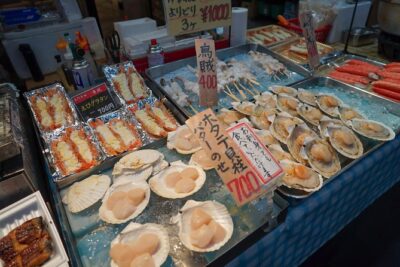
Kuromon Market Food Walking Tour in Osaka (6 stops, 6 tastes)
Read our review →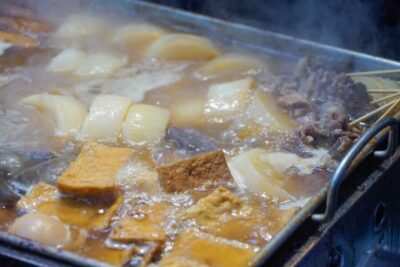
Kuromon Market Food Walking Tour (6 stops, 6 tastes)
Read our review →
Kuromon Market Tour: All inclusive 6~8 Dishes & 3~4 samplings
Read our review →
PRIVATE 6hr, Food tour from Osaka Castle, Kuromon, Dotonbori.
Read our review →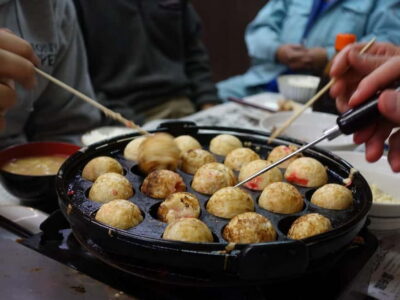
Kuromon Market 1.5-Hour Seafood & Street Food Tour
Read our review →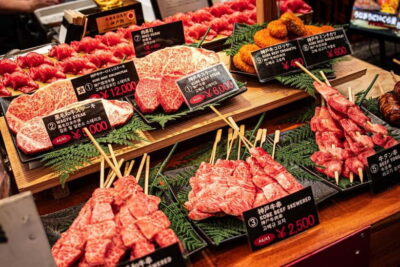
Kuromon Market Street Food Tour with Pro Local Guide
Read our review →
1.5 Hour Food Tour at the Kuromon Market in Osaka
Read our review →Browse the lists this tour appears in