
Reviewed · KUROMON MARKET FOOD TOURS
Osaka: Kuromon Market Street Food Tour with Pro Local Guide
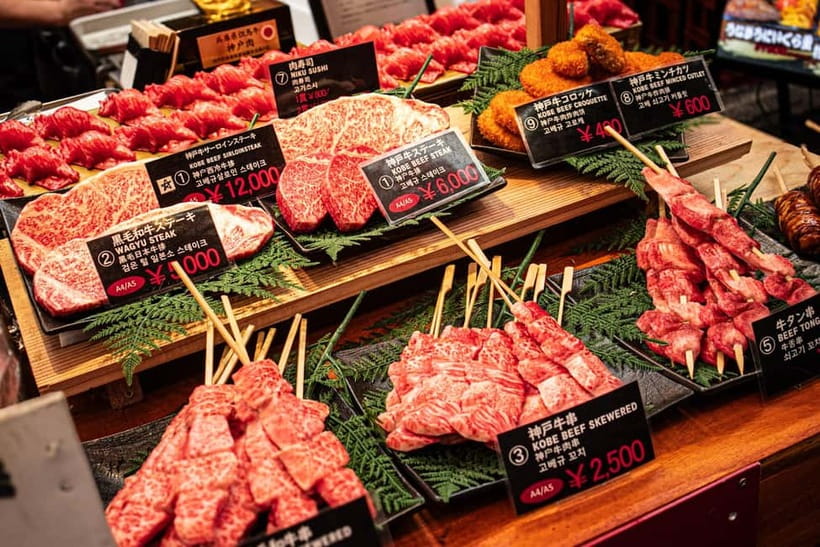
Kuromon Market is where Osaka’s food culture gets down to business: seafood on the grill, takoyaki hot from the pan, skewers ready to eat, and shopkeepers serving the city’s famous appetite. This two-hour walking tour gives you a useful introduction without asking you to plan every bite yourself.
I like the small group, capped at 10 people, and the way the tour reaches beyond the market to Sennichimae Doguyasuji Shotengai and Hozenji Yokocho. I also like that guides such as Goku and Yuna can adjust the stops to your interests. The main drawback is that $51 does not cover extra food and drinks, and the tour is not suitable for people with food allergies.
In This Review
- Key points to know
- Kuromon Market, Osaka’s Kitchen in Practice
- Tasting Takoyaki, Scallops, and Yakitori
- Sennichimae Doguyasuji Shotengai and the Working Side of Food
- Hozenji Yokocho and a Quieter Osaka Stop
- What Goku and Yuna Add to the Walk
- Why a Maximum of 10 People Matters
- Is $51 a Fair Price?
- Timing, Meeting Points, and What to Bring
- Who Will Get the Most From This Tour?
- Should You Book the Kuromon Market Food Tour?
- FAQ
- How long does the Osaka Kuromon Market food tour last?
- How many food samples are included?
- Are extra food and drinks included?
- Where does the tour meet?
- Where does the tour finish?
- What languages may be available?
- Can dietary requests be accommodated?
- What should I bring?
Key points to know
- Four to five food samples: Expect local specialties such as grilled scallops, yakitori skewers, and takoyaki.
- Three distinct Osaka stops: Kuromon Market, Sennichimae Doguyasuji Shotengai, and Hozenji Yokocho each show a different side of the city.
- Small group format: With no more than 10 people, you can ask questions and stay close to the guide.
- Guides with local ties: Goku and Yuna are among the guides named for this experience, and Yuna knows many market traders personally.
- Useful cultural context: You learn about Japanese food customs, market history, etiquette, and souvenir ideas.
- Simple walking logistics: You meet at one of two possible locations and return to one of those same locations, depending on the option booked.
Kuromon Market, Osaka’s Kitchen in Practice
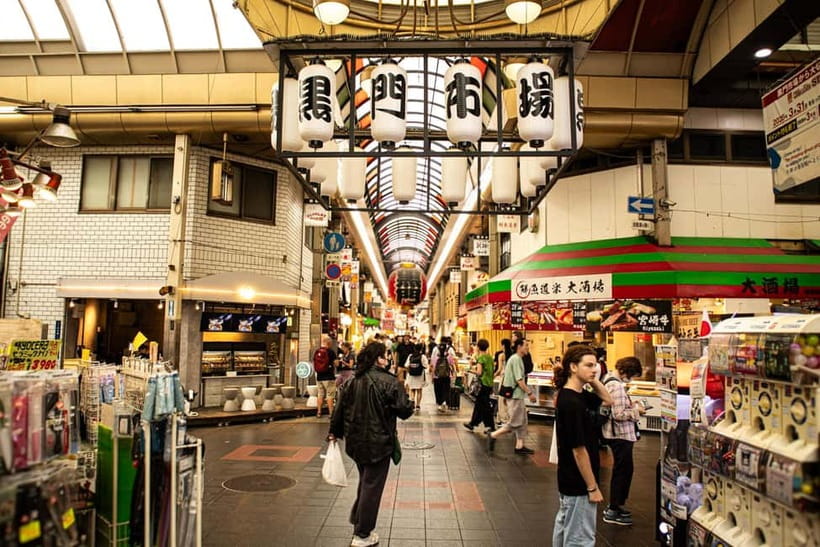
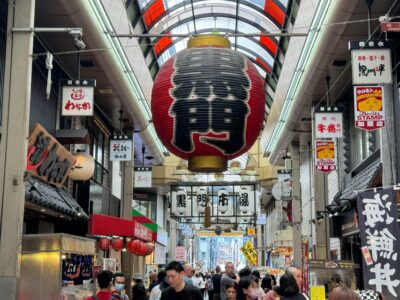
The tour centers on Kuromon Ichiba Market, a long-running food destination often called Osaka’s Kitchen. That nickname tells you what makes the place useful for a first visit: it is not simply a row of snack stands. It is a window into the ingredients and eating habits that shape Osaka cooking.
Your guide leads you through the market while selecting four or five samples. The exact mix can vary, but examples include grilled scallops, yakitori, and takoyaki. That range gives you several textures and styles in a short time: seafood, meat on a skewer, and Osaka’s famous round batter cakes.
I like this format because it removes some of the guesswork. At a market, you can easily spend ten minutes staring at a menu, wondering what is worth ordering or how much food you should buy. A local guide can explain what a dish is, how it is commonly eaten, and why it matters in Osaka.
The food stops are not meant to replace a full meal. Four or five samples may be enough for a light lunch or a substantial snack, depending on portion sizes and your appetite. Since additional food and drinks cost extra, you should arrive hungry but keep some budget available if a particular stall catches your eye.
This is also a good setting for questions about etiquette. Your guide is described as a professional Japanese guide with training in Japanese culture, history, and manners. You can ask about ordering, standing while eating, market behavior, or the difference between a dish made for locals and one aimed at sightseers.
More eating your way through Kuromon Market:
- Kuromon Market Food Walking Tour in Osaka (6 stops, 6 tastes)
★ 5.0 · 550 reviews - Osaka: Kuromon Market Food Walking Tour (6 stops, 6 tastes)
★ 4.6 · 272 reviews - Kuromon Market Tour: All inclusive 6~8 Dishes & 3~4 samplings
★ 5.0 · 103 reviews
Tasting Takoyaki, Scallops, and Yakitori
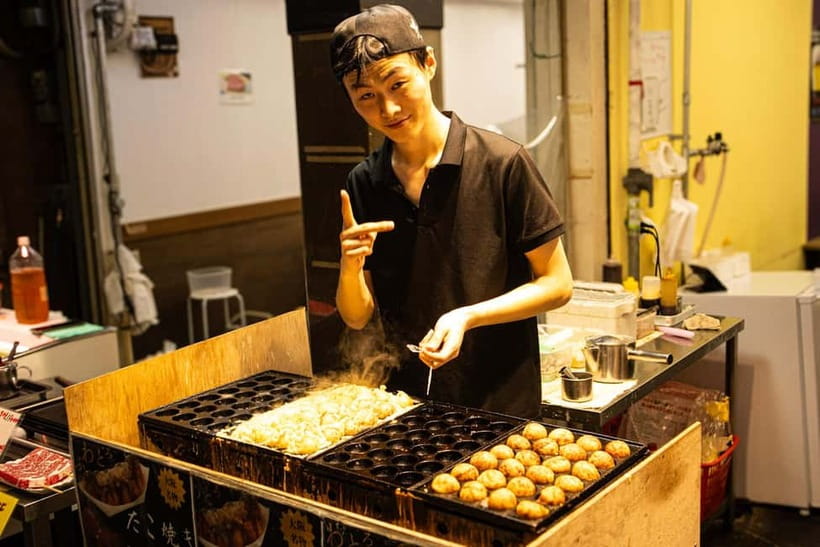
Takoyaki is one of the most recognizable Osaka foods, and it makes sense as part of this introduction. These small batter balls are cooked in a special pan, usually with octopus inside and toppings added afterward. The key point for you is simple: they are served hot, so let them cool before taking a large bite.
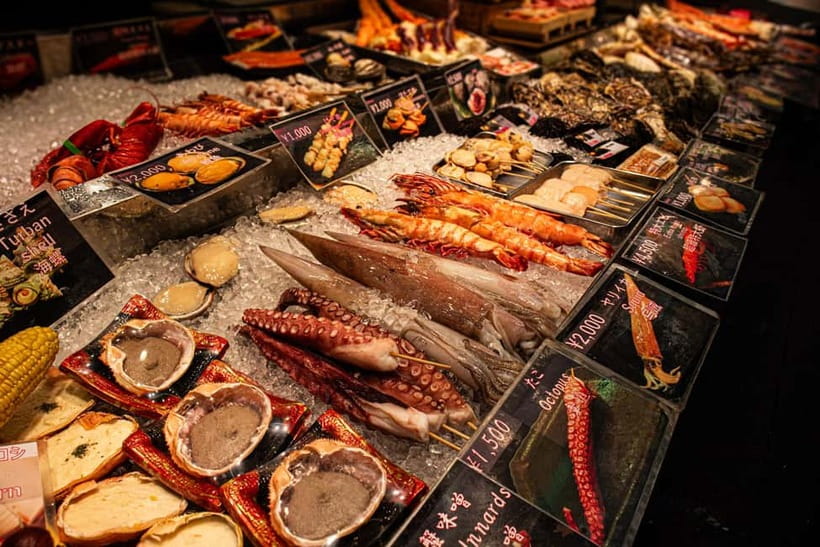
Grilled scallops offer a different experience. They bring the market’s seafood side to the front, with the cooking done where you can see it. Yakitori gives you another familiar Japanese street food, with meat served on a skewer and eaten in a casual setting.
The value here is not only the number of samples. It is the comparison. In two hours, you can move from seafood to skewers to Osaka-style comfort food, while the guide connects each stop to local eating habits. You will get more from the food if you ask why a dish is popular in Osaka and how people usually order it.
Dietary requests can be accommodated, so tell the operator in advance. Still, the activity is specifically listed as unsuitable for people with food allergies. That distinction matters. A preference or restriction may be manageable, but you should not assume that a market with shared cooking surfaces and prepared street food can safely handle a serious allergy.
Sennichimae Doguyasuji Shotengai and the Working Side of Food
The route also visits Sennichimae Doguyasuji Shotengai, a shopping street known for Japanese kitchenware and restaurant supplies. This stop gives the tour a welcome change of pace. Instead of only eating food, you see some of the tools and objects used to prepare and serve it.
You might find knives, cooking utensils, dishes, signs, or other restaurant goods. The supplied details do not promise a specific shopping list, so keep your expectations open. The important point is that this is a place to browse practical Japanese kitchen items, not merely souvenir shelves.
I find this part especially useful for shoppers who want something more meaningful than a generic keepsake. A small kitchen tool, serving piece, or food-related item can remind you of Osaka long after the meal is gone. Ask your guide for advice before buying, especially if you are unsure what is practical to pack or use at home.
The visit also adds context to Kuromon Market. Markets depend on more than the stalls selling food. They rely on knives, pans, plates, signs, storage, and countless small tools. Doguyasuji lets you see that support system in a more direct way.
Hozenji Yokocho and a Quieter Osaka Stop
Hozenji Yokocho brings a different mood to the walk. This traditional alleyway area is included as one of the tour’s three main stops, giving you a look at Osaka away from the market counters.
The alley is tied to the city’s older atmosphere and food traditions, though the supplied details do not specify which particular shrine, restaurant, or landmark you will visit. Your guide can explain the local setting and help you understand how this area fits into Osaka’s past and present.
This stop matters because a food tour can otherwise become a rapid sequence of bites. Hozenji Yokocho slows the rhythm and adds a sense of place. You are not just learning what Osaka eats. You are seeing the kind of streets where local dining culture has developed.
I would use this part to ask questions about Osaka neighborhoods, traditional dining customs, and the difference between a market district and an alleyway lined with restaurants. The guide’s role is most valuable when you treat the walk as a conversation, not just a route between food samples.
More street food walks and tastings:
- Osaka: Shinsekai Food Tour with 13-15 Dishes at 5 Eateries
★ 4.8 · 2,204 reviews - Osaka Food Tour: 13 Dishes at 5 Local Eateries
★ 5.0 · 2,149 reviews - Hungry Osaka Street Food Tour:15 Tastings & 3 Drinks with a Local
★ 5.0 · 1,727 reviews - Osaka Local Foodie Walking Tour in Dotonbori and Shinsekai
★ 5.0 · 985 reviews
What Goku and Yuna Add to the Walk
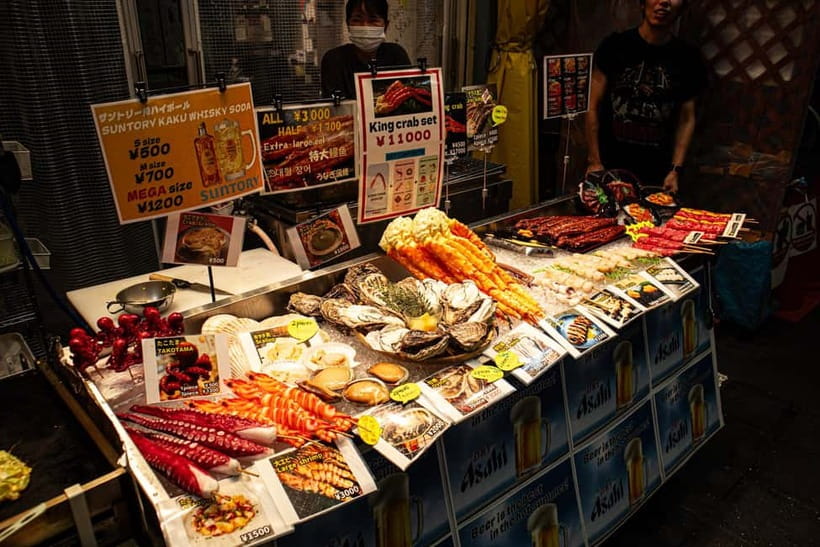
The experience is provided by Trip with Goku, and Goku is one of the guides named for the tour. Another guide, Yuna, has lived in Osaka for many years and knows many of the market traders personally. You may not receive one specific guide, so consider the names examples rather than a guarantee.
That local connection can make a practical difference. A guide who knows the area well may help you choose between similar stalls, explain what is worth buying, and adjust the conversation to your interests. Yuna’s ability to flex the tour around food preferences and personal interests is a strong sign that the experience is not meant to be a fixed script.
Goku is also praised for pairing food recommendations with friendly conversation. That combination is important on a short tour. You want clear advice, but you also want enough time to ask about the city and get a feel for local life.
The guides speak English, and French, Spanish, Russian, or Japanese may be available depending on arrangements. The tour is conducted in English by default, so confirm your preferred language when booking if that matters to you.
Why a Maximum of 10 People Matters
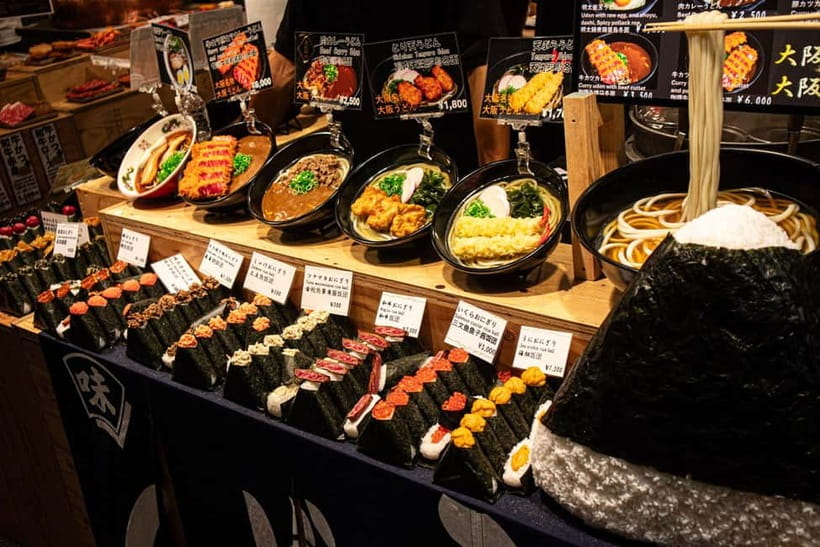
A maximum of 10 people is a sensible group size for Kuromon Market. A larger group can block narrow passages, make it hard to hear, and turn every food stop into a slow exercise in counting heads. This format should make it easier for you to stay near the guide and ask questions.
It is not necessarily a private tour. Private and small-group options are available, so check the option you select. If you want the guide’s attention focused entirely on your own party, the private format may be worth considering.
The small group also helps with different interests. One person may care about seafood, another about kitchenware, and another about Japanese etiquette. A guide can respond to those questions more easily with 10 people or fewer than with a large coach group.
Still, the experience is only two hours. That is enough for an introduction, not a complete survey of Osaka food. You will need to make choices, and you may not stop at every stall that interests you.
Is $51 a Fair Price?
At $51 per person, the tour is priced above a self-guided market stroll, but you are paying for more than the food. The cost includes a professional guide, four or five samples, explanations of culinary culture and market history, and visits to three different areas.
The price makes the most sense if you value guidance and context. A self-guided visit lets you spend less, but you must choose your own stalls, handle language questions, and work out how the market, kitchenware street, and Hozenji Yokocho fit together.
The value is weaker if you mainly want a large meal. Additional food and drinks are not included, and the tour lasts only two hours. In that case, you may prefer to explore independently and spend the same money on more dishes.
For a first day in Osaka, I think the price is reasonable if you want a compact orientation. You get a taste of the city’s food, a look at restaurant supply culture, and a traditional alleyway, all with a guide who can point out what you might otherwise miss.
Timing, Meeting Points, and What to Bring
There are two possible starting locations: ピカソ日本一ビル and the Sumitomo Mitsui Banking Corporation ATM. The exact meeting point can vary with the option booked, so check your confirmation carefully rather than assuming one location applies to every departure.
The tour returns to one of those same two locations. Transportation to and from the meeting point is not included, so plan your own way there and back.
Wear comfortable shoes. You will be walking for two hours, and the market portion may involve frequent stops and changing pace. Bring cash as well, since it is specifically recommended and useful for extra market purchases.
A camera is also worth carrying. Food markets and kitchenware shops offer plenty to photograph, though you should follow any stall or guide instructions about taking pictures. Come hungry, but not so hungry that you cannot wait between samples.
Free cancellation is available up to 24 hours before the tour for a full refund. You can also reserve now and pay later, which helps if your Osaka schedule is still shifting.
Who Will Get the Most From This Tour?
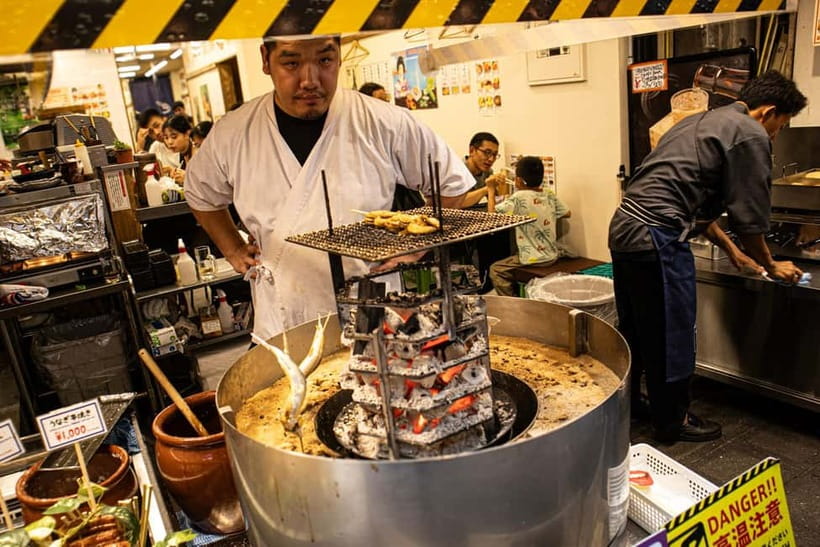
I would recommend this experience to first-time Osaka visitors who want a friendly introduction to local food without spending half a day researching stalls. It also suits couples and small groups who prefer conversation and questions over a large organized outing.
Food-focused travelers will appreciate the chance to sample several classic items while learning where they fit in Osaka culture. Shoppers interested in Japanese kitchenware should pay special attention to Sennichimae Doguyasuji Shotengai.
The tour can work well for people with food preferences because dietary requests may be accommodated. I would contact the provider before booking with a clear explanation of your needs. If you have food allergies, choose a different activity because this tour is not suitable for you.
You should also know what this is not. It is not a full restaurant crawl, a transportation tour, or a long historical walk. It is a compact food and neighborhood introduction, with enough structure to keep you moving and enough flexibility for questions.
Should You Book the Kuromon Market Food Tour?
Book it if you want to understand Osaka through food and prefer a local guide to lead the choices. The strongest reasons are the small group, the mix of market samples and neighborhood stops, and the chance to learn from guides such as Goku or Yuna.
I would especially choose it early in an Osaka visit. The guide can give you ideas for later meals, souvenirs, and market browsing, while the two-hour length leaves most of the day free.
Skip it if your main goal is to eat as much as possible, if you dislike walking, or if you have food allergies. For everyone else, $51 buys a useful first taste of Osaka, with enough local detail to make the market feel less like a row of tempting counters and more like part of the city’s everyday food life.
FAQ
How long does the Osaka Kuromon Market food tour last?
The tour lasts two hours and includes a walking visit to Kuromon Ichiba Market, along with stops at Sennichimae Doguyasuji Shotengai and Hozenji Yokocho.
How many food samples are included?
You receive four to five selected samples of local dishes. Examples include grilled scallops, yakitori skewers, and takoyaki.
Are extra food and drinks included?
No. The tour includes the stated food samples, but additional food and drinks are not included.
Where does the tour meet?
There are two possible starting locations: ピカソ日本一ビル or the Sumitomo Mitsui Banking Corporation ATM. The meeting point depends on the option booked.
Where does the tour finish?
The tour returns to one of the same two locations used for starting: ピカソ日本一ビル or the Sumitomo Mitsui Banking Corporation ATM.
What languages may be available?
English is the main tour language. French, Spanish, Russian, and Japanese may also be available upon request.
Can dietary requests be accommodated?
Dietary requests can be accommodated, but the activity is not suitable for people with food allergies. Contact the provider with your needs before booking.
What should I bring?
Bring comfortable shoes, a camera, and cash. Transportation to and from the meeting point is not included.
Just added around Osaka
- Nara Day Trip from Osaka with a Licensed Guide★ 5.0 · 3 reviews
- Osaka Early Morning Osaka Castle Tour Avoid Crowds★ 5.0 · 3 reviews
- Guided Tour of Some Attractions in Osaka by Private Car★ 5.0 · 3 reviews
- Private Transfer Between Kyoto and Kansai Airport KIX★ 5.0 · 3 reviews
- Shared Arrival Transfer: Osaka Itami Airport to Osaka City★ 5.0 · 3 reviews
- Osaka: Sushi Making Class and Dotonbori Food Tour★ 4.7 · 3 reviews
- Osaka Night Photography Workshop★ 5.0 · 3 reviews
- Kyoto Full day Tour Kinkakuji, Kiyomizu-dera and Fushimi Inari★ 4.5 · 3 reviews
Kuromon Market Food Tours, compared.
Kuromon Market Food Walking Tour in Osaka (6 stops, 6 tastes)
Read our review →
Kuromon Market Food Walking Tour (6 stops, 6 tastes)
Read our review →
Kuromon Market Tour: All inclusive 6~8 Dishes & 3~4 samplings
Read our review →
PRIVATE 6hr, Food tour from Osaka Castle, Kuromon, Dotonbori.
Read our review →
All Inclusive Kuromon Markets Tour: Flavors Of Osaka
Read our review →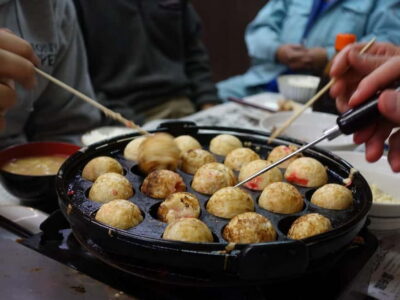
Kuromon Market 1.5-Hour Seafood & Street Food Tour
Read our review →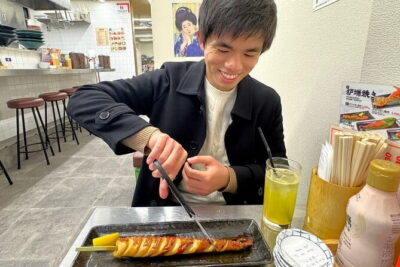
1.5 Hour Food Tour at the Kuromon Market in Osaka
Read our review →Browse the lists this tour appears in