
Reviewed · SHINSEKAI & RETRO OSAKA TOURS
Osaka: Shinsekai Food Tour with 13-15 Dishes at 5 Eateries
Shinsekai is where this tour earns its keep. In three hours, you move through arcades and side streets to five small Osaka eateries, eating the kind of food that is easy to miss when every menu is written only in Japanese. Takoyaki, oden, kitsune udon, kushikatsu, gyoza, fried chicken, and more arrive in a steady parade.
I like two things here. First, the guides, including Kevin, Tommy, Taka, Kiko, Mio, Paul, and others, add local stories and practical food advice instead of simply pointing at plates. Second, the small-group limit of nine makes it easier to get into compact restaurants and talk with the guide. The main drawback is clear: this is not a tour for vegans or people with gluten intolerance, and even some pescatarians may need to skip a couple of dishes.
In This Review
- Key points at a glance
- Why Shinsekai makes a good food-tour base
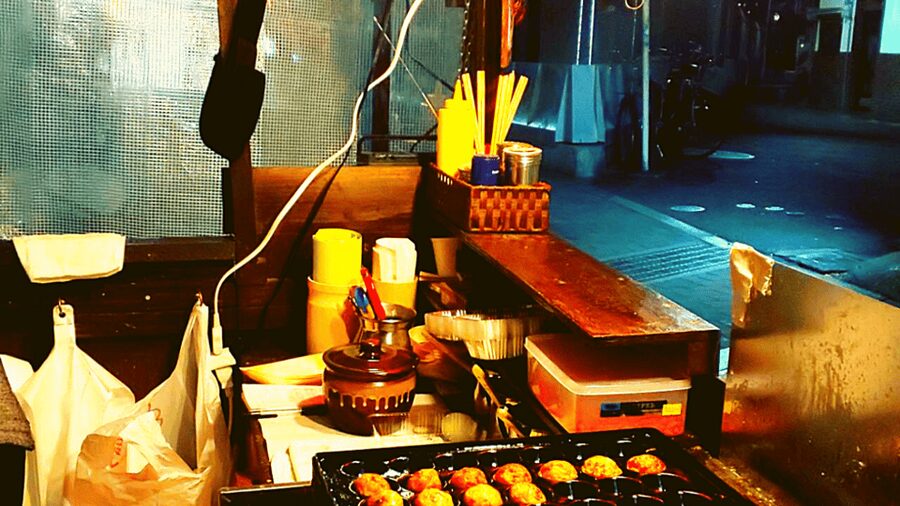
- Stop one: takoyaki and oden at a local stall
- Stop two: an izakaya plate of Osaka comfort food
- Stop three: kushikatsu, Shinsekai’s signature fried skewers
- Stop four: a traditional restaurant with beef, tofu, and mochi
- Stop five: gyoza, tonpeiyaki, and a final round of dishes
- What the guides add between the dishes
- How much food do you really get?
- Price, pace, and group size
- Who should book this Osaka food tour?
- Small details that make the evening easier
- Should you book it?
- FAQ
- Where does the Shinsekai food tour meet?
- How long does the tour last?
- How many eateries do you visit?
- How many dishes are included?
- Are drinks included?
- Is the tour conducted in English?
- How large is the group?
- Can vegans join?
- Can people with gluten intolerance join?
- What happens if one of the restaurants is closed?
- Is hotel pickup included?
- Can I cancel for a refund?
Key points at a glance

- Five different food settings: You eat at a stall, gastrobar, classic eatery, izakaya, and specialty restaurant.
- 13 to 15 Japanese dishes: The food covers Osaka favorites and less familiar local plates, with portions that add up quickly.
- Shinsekai beyond the main strip: You walk through arcades and side alleys instead of staying only on the district’s most obvious streets.
- Two drinks included: You can choose alcoholic or non-alcoholic drinks during the meal.
- Small English-speaking group: The maximum group size is nine, useful in tiny restaurants and for questions.
- Come hungry: By the final stop, you should expect to be very full.
Why Shinsekai makes a good food-tour base
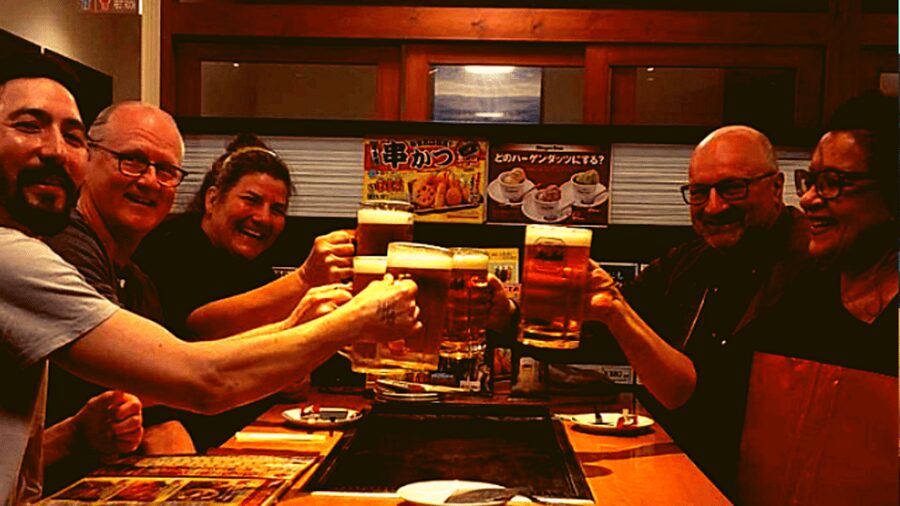
Osaka is famous for casual food, but the city’s best eating is not always easy to arrange on your own. Shinsekai gives you a useful setting because it mixes older local dining habits with newer food businesses, all packed into a walkable district.
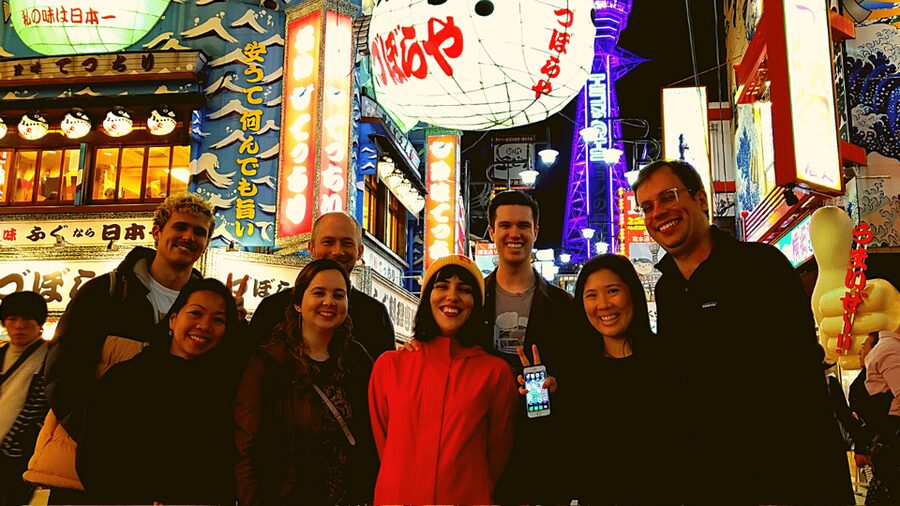
You will not spend the evening in one large restaurant. Instead, your guide leads you from one compact stop to the next, explaining the food and the area between bites. That movement matters. It lets you see the signs, covered arcades, side lanes, and neighborhood storefronts that give Shinsekai its character.
The Japanese-only menus are part of the appeal and part of the challenge. You get to eat in places where ordering may otherwise feel like guesswork. Your guide handles the practical side, then explains what has arrived at the table and how each dish fits into Osaka food culture.
The meeting point is Dobutsuen-mae Station on the Midosuji Line, at Exit 1, in front of the 15 wall lanterns of Daiichi Building. Go to the exact meeting point rather than simply waiting somewhere near the station. Shinsekai has plenty of visual distractions, and a clear starting point saves time.
More of retro Shinsekai and the backstreets:
- Osaka Local Foodie Walking Tour in Dotonbori and Shinsekai
★ 5.0 · 985 reviews - Osaka: Tsutenkaku Tower Entry Ticket
★ 3.8 · 125 reviews - Osaka: Local Foodie Tour in Dotonbori and Shinsekai
★ 4.7 · 95 reviews
Stop one: takoyaki and oden at a local stall
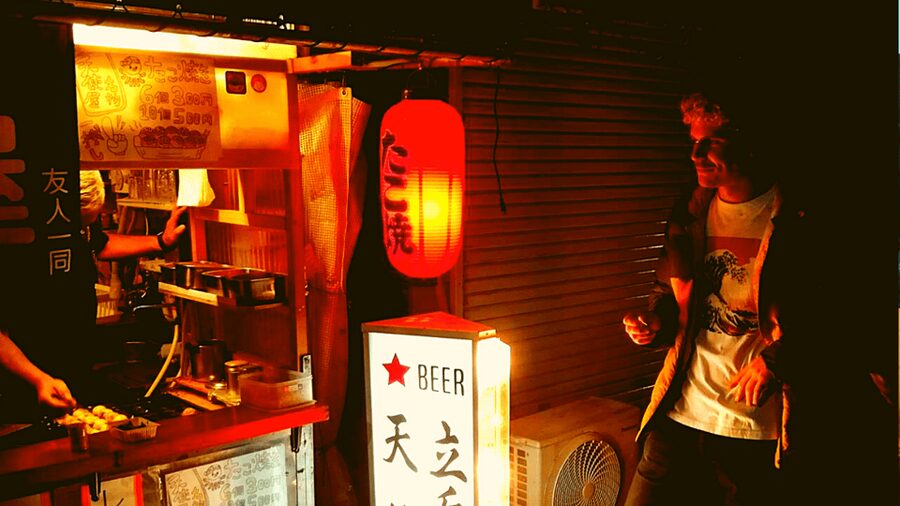
The opening stop sets the tone with two familiar Osaka ideas: takoyaki and oden. Takoyaki are battered octopus balls cooked in a special molded pan, while oden is a warm selection of simmered ingredients served in broth.
Takoyaki is often a first taste of Osaka street food, but this stop gives you more than a quick snack. You can learn how the dish is made and how it differs from the versions commonly found outside Japan. Be careful with the first bite, since the center can be very hot.
Oden offers a useful contrast. It is softer, gentler, and more broth-based than takoyaki. The combination helps prevent the evening from becoming a procession of fried food, at least for a little while.
This is a stall rather than a formal sit-down meal, so expect a simple setting and a quick pace. That is part of the point. You are tasting food in the sort of place where the dish matters more than polished presentation.
Stop two: an izakaya plate of Osaka comfort food
Next comes an izakaya, the Japanese pub style of restaurant built around shared small dishes and drinks. Here, the selection may include kitsune udon, yakitori, chicken wings, and nagaimo.
Kitsune udon combines thick wheat noodles with a light broth and sweet fried tofu. It is filling without being heavy, though the wheat noodles make this tour unsuitable for anyone avoiding gluten.
Yakitori brings skewered chicken, while chicken wings add a crisp, savory note. Nagaimo, a type of mountain yam, gives the meal a different texture. It can be unfamiliar if you have only eaten the better-known Japanese staples, so this is one place where the guide’s explanation adds real value.
I like the izakaya stop because it shows how people can eat in Osaka after work or during an evening out. The food is social, the dishes arrive in stages, and the drink is part of the rhythm rather than an afterthought.
Stop three: kushikatsu, Shinsekai’s signature fried skewers
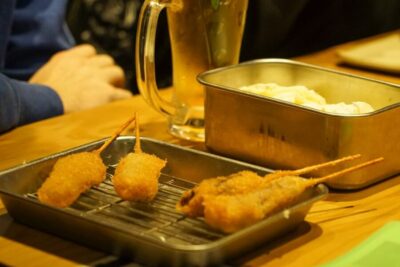
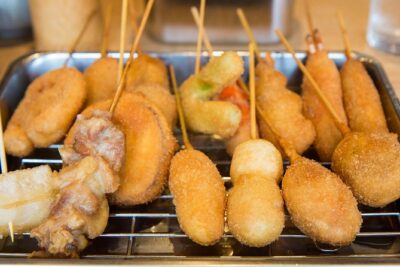
Kushikatsu is closely linked with Shinsekai. It consists of vegetables, meat, and other ingredients placed on skewers, lightly coated, and deep-fried.
This is the food most visitors associate with the district, and it is worth trying here rather than treating it as a generic fried snack. The guide can help you understand the local style and the manners that go with eating kushikatsu.
The key practical point is portion control. You will still have two more stops after this one, so do not treat every skewer as a full meal. The tour is designed around sampling many dishes, but the total amount is substantial.
Kushikatsu also brings a texture change to the meal: crisp outside, tender or soft inside, depending on the skewer. You might find familiar vegetables alongside meat or seafood. Exact choices can change with restaurant availability and the season.
More street food walks and tastings:
- Osaka Food Tour: 13 Dishes at 5 Local Eateries
★ 5.0 · 2,149 reviews - Hungry Osaka Street Food Tour:15 Tastings & 3 Drinks with a Local
★ 5.0 · 1,727 reviews - Hungry Osaka Street Food Tour: 15 Dishes & 3 Drinks
★ 4.9 · 694 reviews - Kuromon Market Food Walking Tour in Osaka (6 stops, 6 tastes)
★ 5.0 · 550 reviews
Stop four: a traditional restaurant with beef, tofu, and mochi
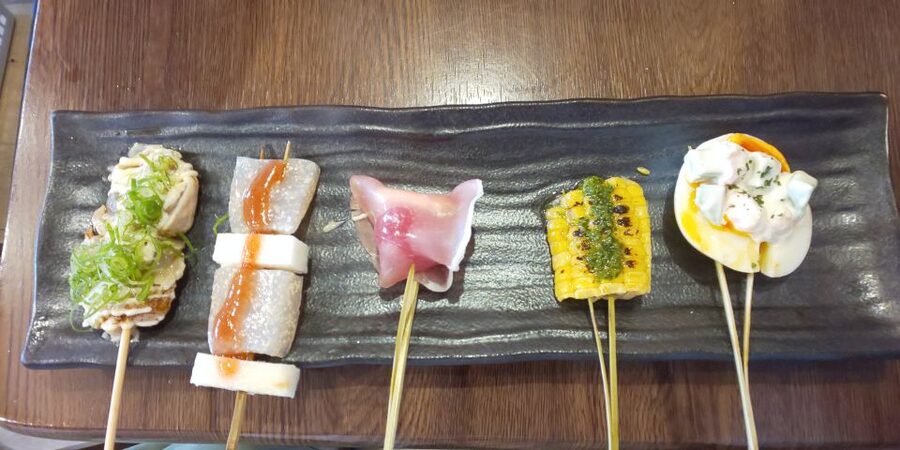
The fourth stop moves away from the street-stall feel and into a cozy traditional restaurant. The listed selection includes nikudoufu, a beef and tofu stew, original yakitori or skewered beef assortments, mochi, and one alcoholic or non-alcoholic beverage.
Nikudoufu is a good example of the tour’s wider purpose. It is not as internationally famous as takoyaki or kushikatsu, yet it gives you a taste of home-style Japanese cooking. Beef and tofu simmer together in a savory broth, making a dish that feels calmer and more substantial than the fried foods earlier in the evening.
The yakitori or beef skewers continue the grilled side of Osaka dining, while mochi brings a chewy sweet finish. This stop may appeal most to people who want food with a domestic, everyday feel rather than only famous street dishes.
By now, you will likely notice the tour’s biggest strength and its biggest warning. The strength is variety. The warning is volume. Several small servings can become a very large dinner, so eat lightly before the tour.
Stop five: gyoza, tonpeiyaki, and a final round of dishes
The specialty gyoza restaurant is a chance to focus on one dish. Gyoza are Japanese-style dumplings, commonly filled and cooked until the bottoms develop a crisp surface.
After the dumpling stop, the final eatery brings a broad finish. You may receive tonpeiyaki, a pork omelet, edamame, karaage, Japanese fried chicken seasoned with spices, and a Japanese pancake or fruit dish. Another drink is included here.
Tonpeiyaki is a satisfying Osaka-style ending because it combines egg, pork, and a hot savory preparation in one plate. Karaage adds another crunchy bite, while edamame gives you something lighter to nibble between richer dishes.
The last stop can feel like a proper closing meal rather than a final snack. That is good if you want dinner handled for the evening, but less ideal if you prefer a light food walk. The exact 13 to 15 dishes depend on the season, restaurant availability, and what each establishment has that day.
What the guides add between the dishes
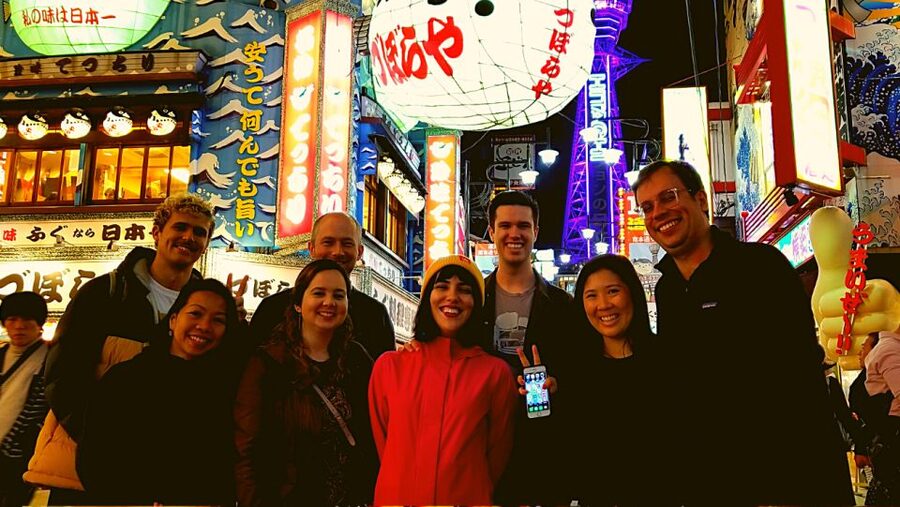
This is not just a series of restaurant reservations. The guide gives the meal a local frame, explaining Osaka food, Shinsekai, shop owners, and customs as you walk.
Guide quality matters on a food tour, and the guide names attached to this experience include Kevin, Yuki, Paul, Darren, Bernie, Kiko, Hikaru, Mio, Taka, Tommy, Mari, Suga, Mario, Nathan, Dominic, Brian, and others. You cannot choose a specific guide from the information provided, but the repeated focus on friendly explanations, humor, local tips, and group conversation suggests that the experience depends heavily on who leads your particular departure.
Some guides are Osaka-born or Osaka-raised, such as Taka, who has been praised for sharing local culture and suggestions for places to visit after the tour. Tommy has also been noted for giving extra context about the district and helping with restaurant recommendations after the evening.
That extra conversation is useful. You can ask about dishes you see later, how to approach an izakaya, or which local foods deserve another try. A good guide also helps a mixed group settle in, which matters when strangers are sharing small tables and dishes.
How much food do you really get?
The experience advertises 13 to 15 dishes, with 13 dishes included as the basic figure. The sample menu covers a wide spread: takoyaki, oden, kitsune udon, yakitori, chicken wings, nagaimo, kushikatsu, nikudoufu, beef skewers, mochi, gyoza, tonpeiyaki, edamame, karaage, and a pancake or fruit dish.
Not every item will necessarily appear exactly as listed. Restaurants may be fully booked, closed, or unable to provide a particular dish, in which case the group goes to an alternative location. Seasonal supply also affects the food.
Still, the structure gives you a useful meal rather than a few token tastes. People who eat lightly should plan on arriving especially hungry. The walking helps break up the meal, but it does not turn this into a small-snack outing.
The food also leans toward familiar ingredients for many international visitors, even when the dish itself is new. If you are cautious with food, this can be a good introduction to Osaka cooking. If you are seeking very unusual ingredients or highly challenging flavors, the experience may feel more approachable than adventurous.
Price, pace, and group size
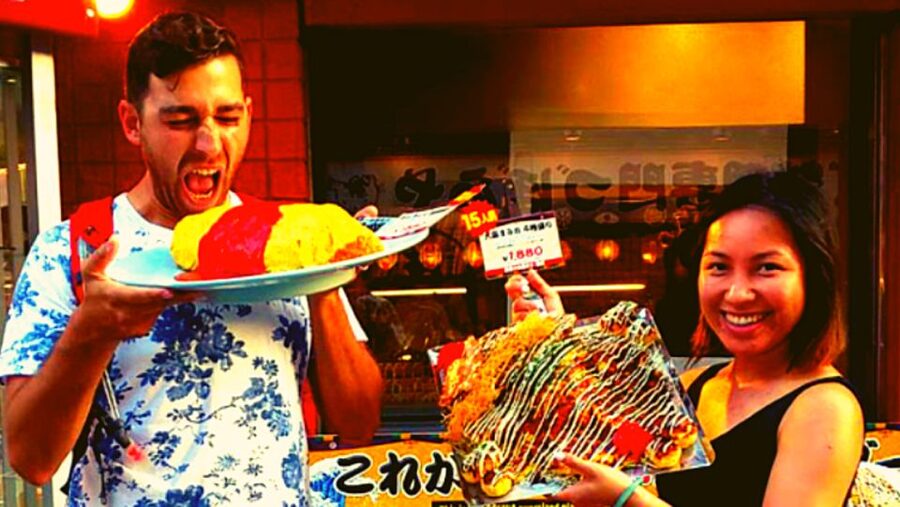
At $53 per person, the price is reasonable if you value a full dinner, two drinks, guided interpretation, and access to five places you might not confidently find or enter on your own. The cost is less attractive if you mainly want one famous dish and are happy to order independently.
The three-hour length gives the evening a steady pace. You walk between stops, eat, listen, and move on before any one restaurant becomes the whole experience. Expect steps and regular movement through the district, as the route is not a seated meal from start to finish.
A group limit of nine is important. Small Japanese eateries can be tight, and a large tour would change the feel of the evening. With fewer people, it is easier to hear explanations, ask questions, and share food without turning each stop into a logistical exercise.
Hotel pickup and drop-off are not included. You meet at Dobutsuen-mae Station, so plan your route there and arrange your return separately after the final stop.
Who should book this Osaka food tour?
I would choose this for a first evening in Osaka, especially if you want help getting oriented to local food. Several people have found it useful early in a stay because the guide can point out dishes and neighborhoods to revisit later.
It also suits solo visitors. A group of no more than nine gives you a natural way to meet people, and the shared dishes create conversation without much effort. Couples and families can enjoy it too, although parents should know that the menu is built around Japanese dishes rather than a separate child-focused program. One guide arranged fries for children in a family group, but that should not be treated as a standard menu item.
You should skip it if you are vegan or gluten intolerant. The tour provider says there are too few suitable dishes for those diets. Pescatarians may also need to pass on some plates, so check before booking if your diet is limited.
Food lovers will get the most from the range of stops, while cautious eaters can use the guide’s explanations to try unfamiliar items with less uncertainty. Just remember that the goal is a generous tasting meal, not a short street-food sampler.
Small details that make the evening easier
Book with a flexible schedule if possible. The tour has free cancellation up to 24 hours before departure, and you can reserve now and pay later, which helps when your Osaka plans are still shifting.
Wear comfortable shoes. The group walks through arcades and side alleys, with steps along the route, and the food arrives across several locations rather than in one building.
Arrive ready to eat, but not stuffed. You will receive enough food to make this dinner for most people, especially once the drinks are added.
Keep an open mind about the setting. These are local stalls, pubs, classic eateries, and specialty restaurants, not a polished fine-dining circuit. That is precisely why the tour can show you a more ordinary and useful side of Osaka eating.
Should you book it?
Book this Shinsekai food tour if you want a filling three-hour introduction to Osaka cuisine, prefer small local establishments to a single restaurant, and appreciate a guide who can explain what you are eating. The combination of five stops, 13 to 15 dishes, two drinks, and a maximum group of nine gives you solid value at $53.
I would not book it for a strict diet, a light dinner, or a quiet evening with no walking. For everyone else, especially first-time visitors and solo diners, it is a practical way to get comfortable with Osaka food while seeing a district you might otherwise pass through too quickly.
FAQ
Where does the Shinsekai food tour meet?
The meeting point is Dobutsuen-mae Station on the Midosuji Line, Exit 1, in front of the 15 wall lanterns of Daiichi Building.
How long does the tour last?
The tour lasts three hours.
How many eateries do you visit?
You visit five eateries, including a stall, gastrobar, classic eatery, izakaya, and specialized restaurant.
How many dishes are included?
The tour includes 13 dishes, with the overall selection described as 13 to 15 dishes depending on availability, season, and the restaurants.
Are drinks included?
Yes. Two drinks are included, and you can choose alcoholic or non-alcoholic options.
Is the tour conducted in English?
Yes. The tour is conducted in English by a live guide.
How large is the group?
The group is limited to nine participants.
Can vegans join?
No. The tour is not suitable for vegans because there are too few suitable dishes available.
Can people with gluten intolerance join?
No. The tour is not suitable for people with gluten intolerance.
What happens if one of the restaurants is closed?
The group visits an alternative location if one of the planned establishments is fully booked or closed for business.
Is hotel pickup included?
No. Hotel pickup and drop-off are not included.
Can I cancel for a refund?
You can cancel up to 24 hours in advance for a full refund.
Just added around Osaka
- Nara Day Trip from Osaka with a Licensed Guide★ 5.0 · 3 reviews
- Osaka Early Morning Osaka Castle Tour Avoid Crowds★ 5.0 · 3 reviews
- Guided Tour of Some Attractions in Osaka by Private Car★ 5.0 · 3 reviews
- Private Transfer Between Kyoto and Kansai Airport KIX★ 5.0 · 3 reviews
- Shared Arrival Transfer: Osaka Itami Airport to Osaka City★ 5.0 · 3 reviews
- Osaka: Sushi Making Class and Dotonbori Food Tour★ 4.7 · 3 reviews
- Osaka Night Photography Workshop★ 5.0 · 3 reviews
- Kyoto Full day Tour Kinkakuji, Kiyomizu-dera and Fushimi Inari★ 4.5 · 3 reviews
Shinsekai & Retro Osaka Tours, compared.

Osaka Local Foodie Walking Tour in Dotonbori and Shinsekai
Read our review →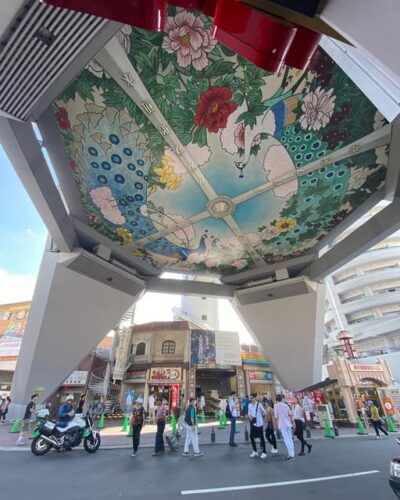
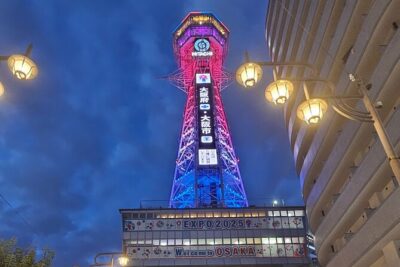
Shinsekai Food Tour – 13 Dishes at 5 Local Eateries
Read our review →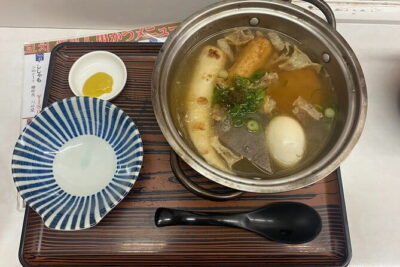
Night Soul Food Tour in Shinsekai with a local guide
Read our review →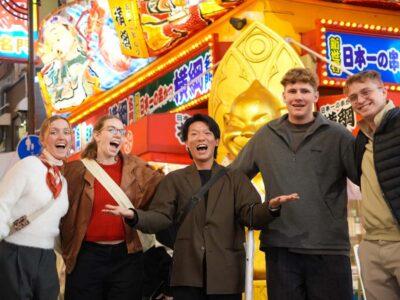
Osaka Morning Tour: Shitennoji Temple, Shinsekai &Doutonbori
Read our review →
Nostalgic Osaka walk, totally different from Dotonbori
Read our review →Browse the lists this tour appears in