
Reviewed · OSAKA HIGHLIGHTS & HIDDEN GEMS TOURS
Osaka: Main Sights and Hidden Spots Guided Walking Tour
Osaka reveals itself in layers on this four-hour tour: a warlord’s castle, a Korean neighborhood, a high-rise view, old entertainment streets, neon Namba, and a market selling everything from fugu to kitchen tools. The best part is the contrast. You move from Osaka’s past to its everyday present without spending half the day figuring out trains and directions.
I like the broad city overview and the way local guides such as Kevin, Ferdinand, Oisin, and Bryan add useful context about customs, language, food, and social life. I also like the back-street focus, especially Tsuruhashi, Shinsekai, and Doguyasuji. The tradeoff is simple: this is a fast, walking-heavy route with public transport between districts, no included food, and potentially more than 10,000 steps.
In This Review
- Key points at a glance
- A half-day tour that shows Osaka in chapters
- Osaka Castle Park and the politics of power
- Tsuruhashi and Osaka’s Korean neighborhood
- Harukas 300 and the city from above
- Shinsekai, where old Osaka still shows through
- Namba and the neon energy of Dotonbori
- Kuromon Market and Doguyasuji’s giant kitchen tools
- What the guide adds to the four hours
- Price, walking, and practical value
- Who will enjoy this Osaka route most
- Should you book this tour?
- FAQ
- How long does the Osaka walking tour last?
- Where does the tour start?
- Does the tour go inside Osaka Castle?
- Is transportation included?
- Are food and drinks included?
- What languages are available, and can I book a private group?
Key points at a glance
- Osaka Castle Park: See the grand exterior and learn how Osaka nearly became the prize of a powerful foreign-backed plot 400 years ago.
- Tsuruhashi Korea Town: Walk narrow pre-war commercial lanes that feel very different from Osaka’s polished central districts.
- Harukas and its food hall: Rise high above the city, then browse premium Japanese food below, including fugu and Kobe beef.
- Shinsekai to Dotonbori: Watch Osaka shift from weathered old entertainment streets to its famous neon center.
- Kuromon and Doguyasuji: See the food trade from two angles, fresh ingredients at the market and restaurant tools in the kitchen district.
- Good first-day choice: The route gives you bearings, neighborhood ideas, transport practice, and food suggestions for the rest of your stay.
A half-day tour that shows Osaka in chapters
Osaka can feel scattered at first. Osaka Castle sits east of the central shopping districts. Tsuruhashi lies farther south, Harukas is in Abeno, and Namba and Dotonbori form another busy cluster. Seeing all of these areas independently in four hours would take careful planning and several transfers.
This tour turns that spread into a story. You begin with political power and old Osaka, then move through immigrant culture, department-store Japan, a fading entertainment quarter, and the city’s current shopping and dining core. It is less about spending a long time at one attraction and more about learning how the pieces fit together.
The route uses walking and public transport. Transportation is not included, so you should buy a subway day pass and use it to reach the meeting point and move around during the tour. That extra step matters. The guide can help you use the system, but you will still need to arrive at the correct station exit and keep your ticket or pass handy.
The meeting point is above ground at Exit 2 of Tanimachiyonchome Station. If you arrive by taxi, use the Tanimachi 3-chome intersection, written 谷3交差点. Give yourself enough time to find the exit. One customer arrived late after taking the wrong train, and the guide was able to wait, but that is not something to count on.
More highlights and hidden gems tours:
- Osaka Kickstart: Hotspots & Hidden Gems Tour
★ 5.0 · 1,306 reviews - Ultimate Osaka Walking Tour: Castle, Dotonbori & Hidden Gems
★ 5.0 · 862 reviews - Private Osaka Walking Tour: Highlights & Hidden Gems
★ 5.0 · 569 reviews
Osaka Castle Park and the politics of power
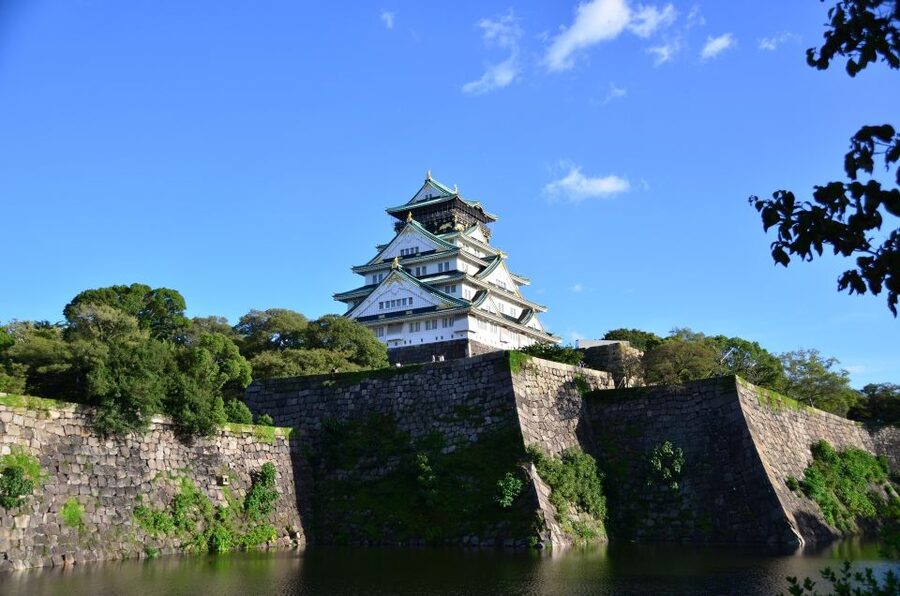
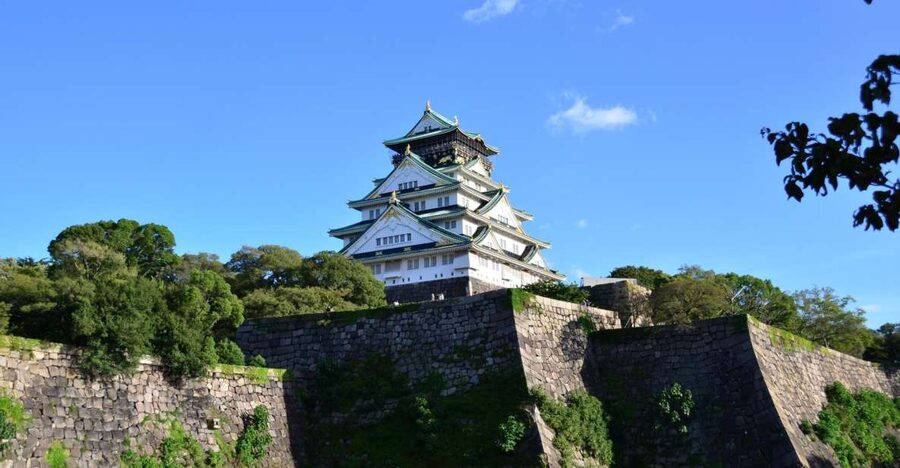
The tour opens with about 75 minutes around Osaka Castle Park. You do not enter the castle, so this is not a replacement for a ticketed visit inside the keep. Instead, you see the exterior, the stonework, and the broad park around it while your guide explains Osaka’s place in Japanese history.
That choice works well for a city overview. The castle is large and imposing from outside, and the open grounds give your guide room to explain the political struggle tied to Osaka without rushing you through a small interior exhibit. The story reaches back roughly 400 years, when Osaka was nearly taken from Japan through a foreign-backed attempt to seize power.
Guides including Ferdinand have been praised for turning this period into a clear story rather than a pile of names and dates. Kevin has also used the castle stop to explain older and newer religious traditions in Japan, along with changes in society. You can expect questions to be welcome, which is useful if Japanese history is new to you.
The limitation is that you will not get an inside look at the castle museum or its observation area. If Osaka Castle itself is your main goal, allow separate time for an interior visit. On this tour, the park is the setting for a wider discussion of Osaka, not the entire attraction.
Tsuruhashi and Osaka’s Korean neighborhood
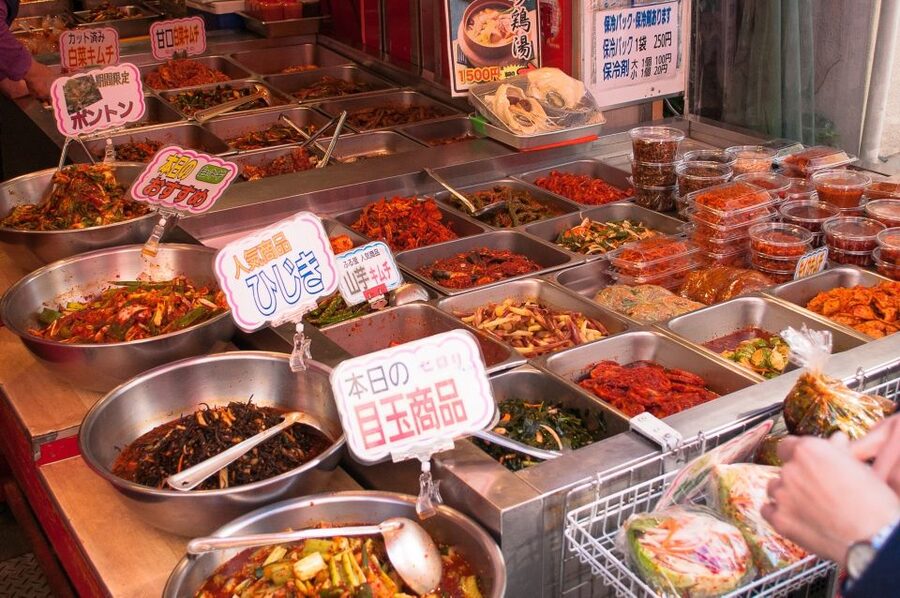
After the castle, a short train ride takes you to Tsuruhashi. The tour spends about 45 minutes in the maze of Korea Town, moving through narrow streets and alleys in a commercial district that dates back before the war.
This is one of the route’s more useful stops because it changes your idea of Osaka. The city is often reduced to Castle Park, Dotonbori signs, and food. Tsuruhashi adds another layer, showing the long presence of Korean culture in Osaka and the way food, commerce, language, and identity overlap in an urban neighborhood.
The streets are compact and can feel confusing on your own. A guide gives you a reason for being there instead of asking you to simply photograph signs and storefronts. Kevin has been especially valued for explaining how different cultures interact in Japan, while other guides have connected the neighborhood to modern social life and local food.
You may have a chance to buy a snack here, including the kimchi pancake one guide recommended during a tour. Food is not included, and there are no formal food stops, so think of these purchases as optional and spontaneous. If you are hungry, do not wait until the final hour to eat.
Harukas 300 and the city from above
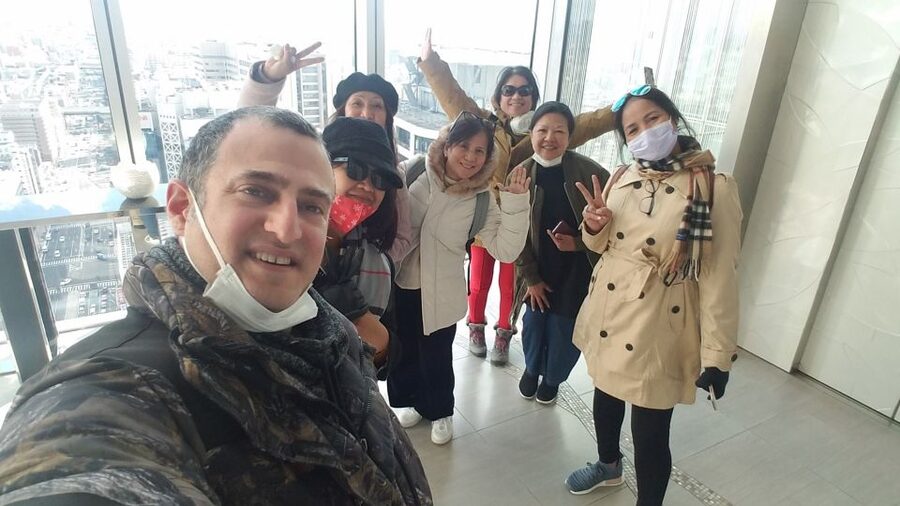
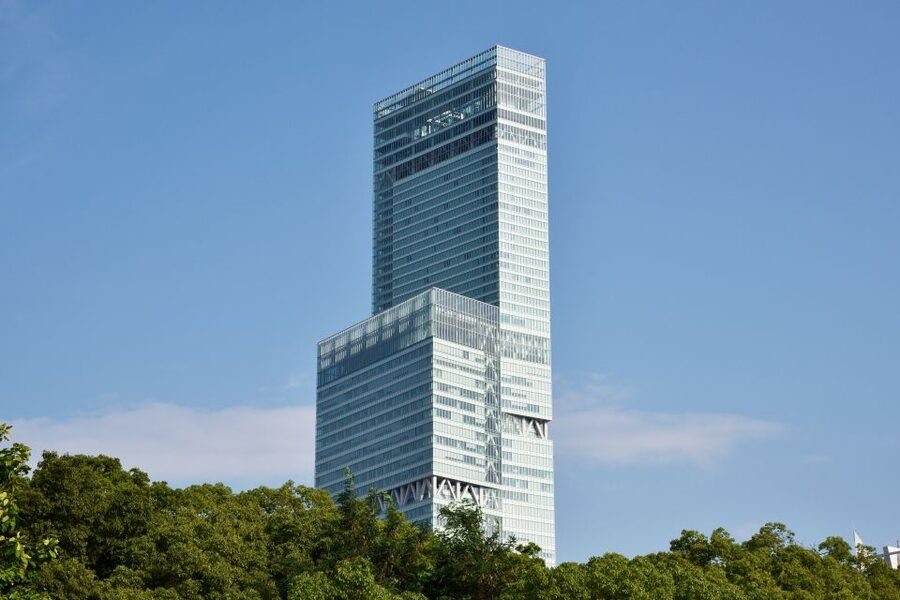
The next public-transport leg leads to Abeno Harukas 300, the high-rise complex known for its views. You spend about 30 minutes seeing Osaka from one of the upper floors, followed by a visit to the department store food hall underground.
The view is valuable because the morning has shown you separate districts at street level. From above, you can better understand how far you have moved and how densely Osaka is built. It also gives the group a change of pace after the narrow streets of Tsuruhashi.
The food hall is not just a place to grab lunch. It offers a look at the presentation and quality associated with Japanese department-store food shopping. You might find premium products such as fugu, or puffer fish, and Kobe beef arranged for sale alongside other high-grade foods.
Do not mistake this stop for a full tasting experience. Food and drinks are not included, and the schedule allows only a short look. Still, it is a good place to see how Japanese retail turns food into something carefully displayed, giftable, and highly specific to place.
More guided walks on foot:
- Deep Backstreet Osaka Tours (Option to add Dinner)
★ 5.0 · 1,290 reviews - Osaka Local Foodie Walking Tour in Dotonbori and Shinsekai
★ 5.0 · 985 reviews - Osaka: Deep Backstreets Walking Tour with Dinner Option
★ 4.9 · 902 reviews - Osaka Castle Walking Tour and Castle Tower Admission
★ 5.0 · 561 reviews
Shinsekai, where old Osaka still shows through
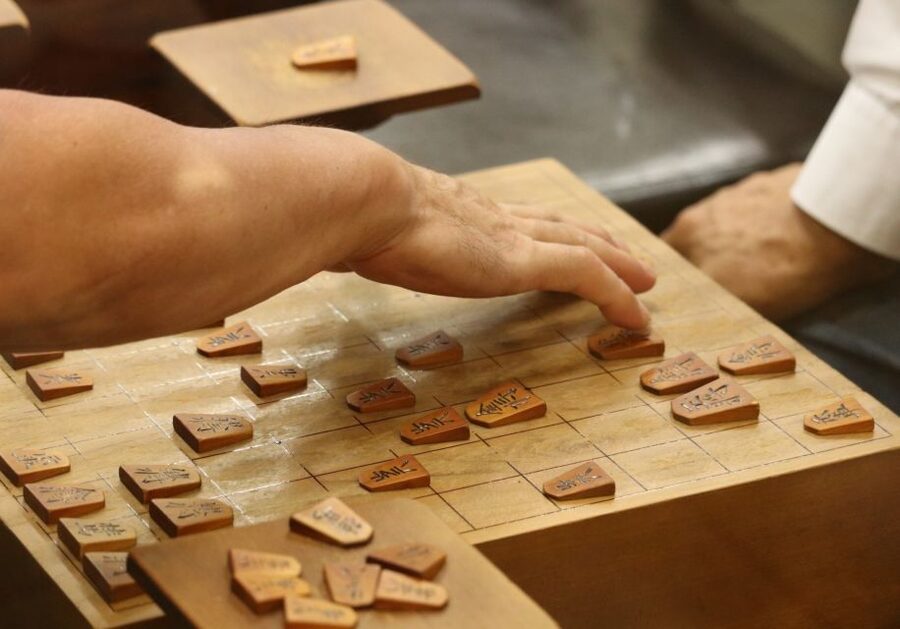
Not far from Harukas, Shinsekai brings you back to street level. The district is known for older local sights and a slightly worn appearance. It feels less polished than the central shopping areas, and that is precisely why it belongs on this route.
Shinsekai gives you a glimpse of an Osaka that has not been scrubbed smooth for modern tourism. The architecture and signs can look a little tired, while the area retains its own character. Your guide may explain its former role as an entertainment district and discuss the social groups associated with it, including connections to nightlife and organized crime.
That context matters. Without it, you might see only a weathered neighborhood. With a guide, the streets become evidence of how Osaka’s districts change, survive, and gather reputations over time.
The stop lasts around 30 minutes, so you will not have time to explore every lane. You also should not expect a polished attraction with a single entrance and exit. Shinsekai works best if you enjoy street life, local texture, and complicated stories.
Namba and the neon energy of Dotonbori
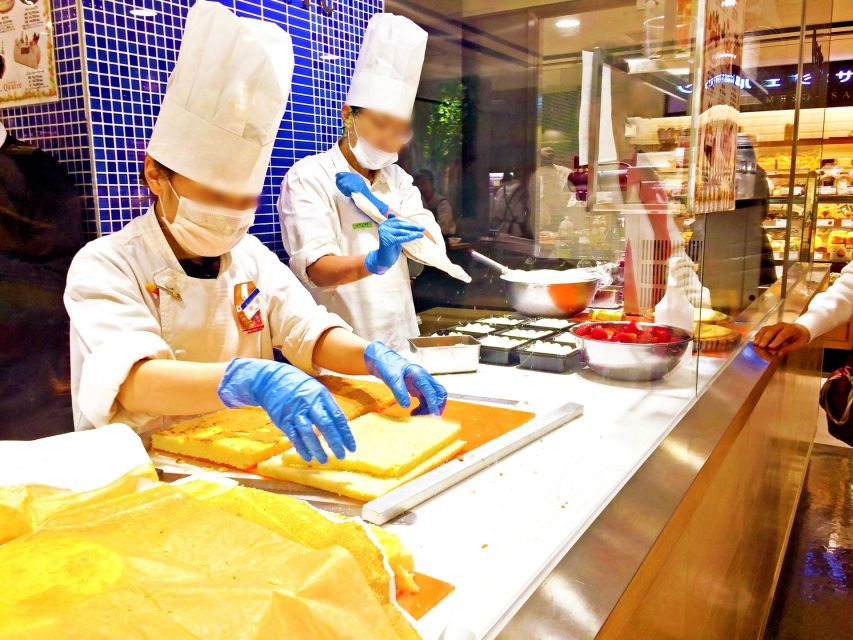
The route then reaches Namba, the center of Osaka’s current shopping, dining, and entertainment culture. From here, you enter Dotonbori, the city’s loudest and most famous display of signs, restaurants, canal-side views, and oversized characters.
The comparison to Times Square is useful for scale and spectacle, though Dotonbori has its own Osaka personality. The main strip is bright and crowded, but the tour also takes you into side streets where small businesses and odd details have their own identity.
This is where the guide’s practical help becomes especially useful. You can ask about food, neighborhoods, local customs, and what to do after the tour. Several guides have helped people choose restaurants, find good photo spots, and plan the rest of their Osaka stay. Bryan has also helped families navigate the city and take photos, while Kevin has stayed with a guest at a ramen shop to help with the vending-machine ordering system.
The Dotonbori portion does not include a meal. You will have opportunities to buy snacks, but the schedule is designed for sightseeing rather than a food crawl. If you want takoyaki, ramen, or another Osaka specialty, ask your guide for a recommendation and return after the tour with more time.
Kuromon Market and Doguyasuji’s giant kitchen tools
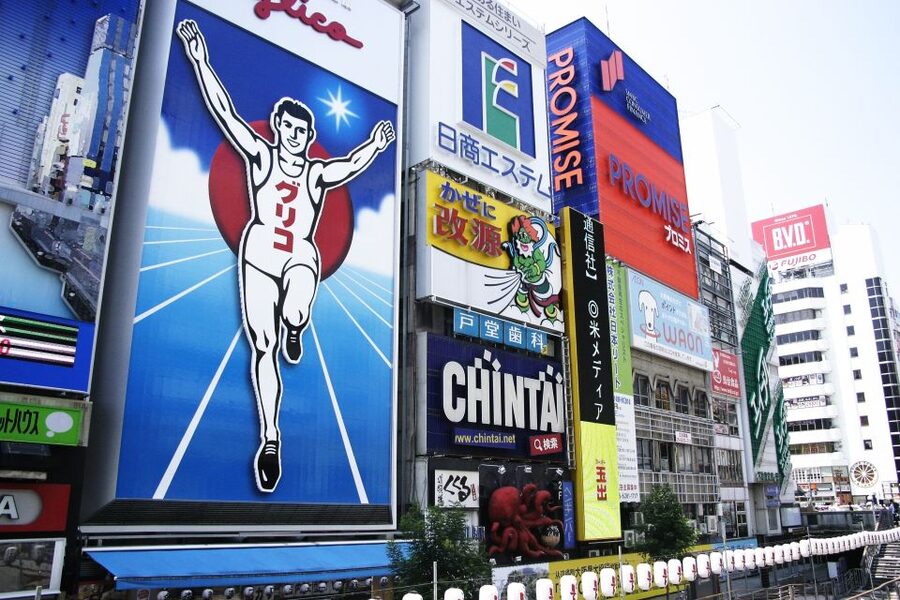
Kuromon Ichiba is the next major stop in the Namba area. This fresh fish market has served an important role for more than 150 years, and it lets you see the ingredients behind Osaka’s food reputation.
You will find stalls selling seafood and other fresh products, with chances to buy snacks along the way. The market can be a better introduction to Osaka’s food culture than a single restaurant because you see the range of ingredients, preparation styles, and presentation. It is also a working commercial place, not simply a museum.
The market can be busy, and the four-hour schedule does not allow you to linger over every stall. Keep your group in sight and watch where you step. If you plan to eat here, ask how much time you have before buying something that requires a long wait.
The final area is Doguyasuji, a kitchen and cooking district near the finish. This is a fun counterpoint to Kuromon. There, you see food and ingredients. Here, you see the tools used to sell and serve them, including wax food models, Japanese noren curtains, and enormous pottery pieces.
The wax dishes are particularly entertaining for anyone who has wondered how restaurants show their menus without much English. Doguyasuji also offers practical shopping possibilities, though the tour does not promise time for a major buying spree.
The tour finishes at 1-chome-4-2 Nanba, Chuo-ku. That puts you in a useful part of the city for continuing your evening, but the experience does not include hotel drop-off.
What the guide adds to the four hours
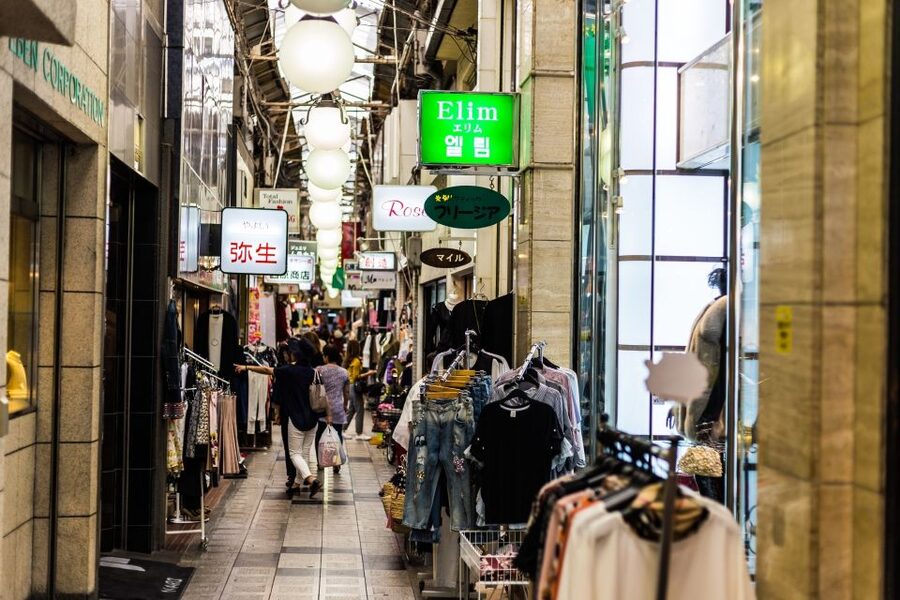
The guide is the main reason to choose this tour instead of plotting the same route on a phone. The stops are interesting, but the real value comes from linking them with history and modern social context.
Guides named in bookings include Ferdinand, Kevin, Oisin, Bryan, Jamie, Hugo, Andrew, Joshua, Lito, and Ethan. Guide assignments can change, so you should not book on the assumption that one particular person will lead your tour. The available languages are English, French, and Spanish.
The strongest guide approach combines facts with everyday advice. You may hear about the Shogun period at the castle, differences in Japanese language and politics, local customs, food, religion, and how Osaka’s subcultures fit into the wider country. You can also ask for help with photographs and suggestions for the rest of your trip.
Several people have found the explanations easy to follow, even when the subject matter is broad. That is important in a four-hour tour. Osaka and Japanese history can become a blur of eras and names, but a good guide keeps the larger picture in view.
The pace can be adjusted to some degree. Kevin has slowed down for older members of a group, changed the route when heat reduced everyone’s energy, and answered a child’s long stream of questions. That flexibility is encouraging, but you should still arrive ready to walk.
Price, walking, and practical value
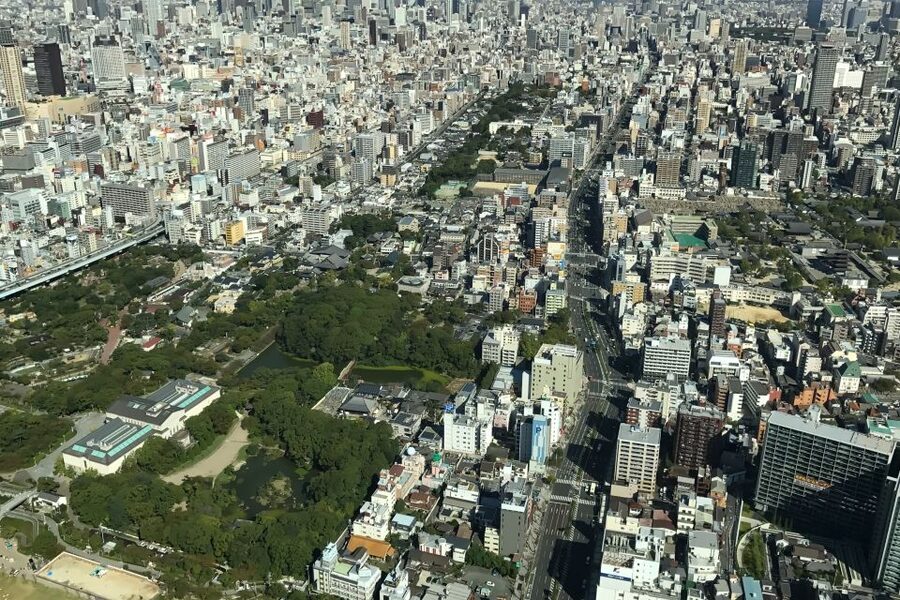
At $59 per person, the tour offers good value if you want a guided overview rather than a single attraction. You are paying for four hours of a guide’s time, local explanation, route planning, and help connecting districts that are spread across Osaka.
You still need to budget for public transport, food, and drinks. The operator specifically recommends a subway day pass, and the price does not cover it. Hotel pickup is also not included. Central Osaka and Tempozan Ferris wheel pickup can be arranged for an additional 5,000 yen, paid in cash to the guide or through a secure payment link.
The route is physically demanding in a quiet way. You walk through parks, markets, shopping streets, alleys, and station areas, then ride trains between districts. Comfortable shoes are essential. Some people have described tired legs by the end, and more than 10,000 steps is a realistic possibility.
The information says the activity is wheelchair accessible but also marks it as unsuitable for people with mobility impairments. That is worth clarifying before booking because the route involves extensive walking, narrow commercial streets, stations, and changes in pace. Contact the operator directly about your needs rather than relying on the general accessibility label.
The tour runs rain or shine. Bring weather protection and accept that some outdoor stops may be less comfortable in heavy rain or strong heat. A private or small-group option may suit you if you want more control over pace and questions.
Free cancellation is available up to 24 hours before the start for a full refund, and you can reserve now and pay later. If fewer than two people book, a solo participant may be offered another date, asked to pay a 4,000 yen supplement, or given a full refund.
Who will enjoy this Osaka route most
I would choose this tour for a first or short visit to Osaka. It is especially useful if you have one day and want to see the castle, southern city districts, markets, and Dotonbori without spending your limited time studying transit maps.
It also suits you if you prefer explanations to checklist sightseeing. The castle exterior, Korea Town, Shinsekai, and Doguyasuji reward curiosity more than a need to collect major monuments. The tour gives you subjects to think about: power, migration, food, commerce, entertainment, and how old neighborhoods survive beside high-rises.
Families can benefit from the guide’s help with photos, train navigation, food choices, and questions. Teenagers may respond well to the bright signs, quirky shops, market food, and unusual kitchen displays. Couples and solo visitors should be ready for a social format if the group is shared, though private and small-group options are available.
I would hesitate if you dislike walking, want a relaxed meal-centered tour, or prefer to spend a full morning inside Osaka Castle. This route covers a lot, but it does not linger. It is an introduction, not a deep visit to every district.
Should you book this tour?
Book it if you want a practical first look at Osaka that mixes famous sights with neighborhoods you might not reach alone. The strongest reasons are the range of stops, the local explanations, and the useful advice guides such as Kevin, Ferdinand, Oisin, and Bryan have provided about food, photos, customs, and the rest of a Japan trip.
Skip it if your priority is castle interiors, long market meals, or a slow pace. For most first-time visitors who can handle a full morning or afternoon on foot, $59 is a fair price for getting oriented quickly and seeing several sides of Osaka in one well-planned outing.
FAQ
How long does the Osaka walking tour last?
The tour lasts four hours. The route includes walking and short public-transport journeys between districts.
Where does the tour start?
Meet above ground at Exit 2 of Tanimachiyonchome Station. If you arrive by taxi, use the Tanimachi 3-chome intersection, written 谷3交差点.
Does the tour go inside Osaka Castle?
No. You see the castle exterior and explore the surrounding Osaka Castle Park for about 75 minutes.
Is transportation included?
No. Transportation is not included. You are asked to buy a subway day pass and use it to reach the meeting point and travel during the tour.
Are food and drinks included?
No. There are no formal food stops, but you have chances to buy snacks during the route. The Harukas department-store food hall, Kuromon Market, and other areas offer opportunities to purchase food.
What languages are available, and can I book a private group?
The tour is available in English, French, and Spanish. Private and small-group options are available.
Just added around Osaka
- Osaka Early Morning Osaka Castle Tour Avoid Crowds★ 5.0 · 3 reviews
- Guided Tour of Some Attractions in Osaka by Private Car★ 5.0 · 3 reviews
- Nara Day Trip from Osaka with a Licensed Guide★ 5.0 · 3 reviews
- Private Transfer Between Kyoto and Kansai Airport KIX★ 5.0 · 3 reviews
- Shared Arrival Transfer: Osaka Itami Airport to Osaka City★ 5.0 · 3 reviews
- Osaka: Sushi Making Class and Dotonbori Food Tour★ 4.7 · 3 reviews
- Osaka Night Photography Workshop★ 5.0 · 3 reviews
- Kyoto Full day Tour Kinkakuji, Kiyomizu-dera and Fushimi Inari★ 4.5 · 3 reviews
Osaka Highlights & Hidden Gems Tours, compared.

Ultimate Osaka Walking Tour: Castle, Dotonbori & Hidden Gems
Read our review →
Private Osaka Walking Tour: Highlights & Hidden Gems
Read our review →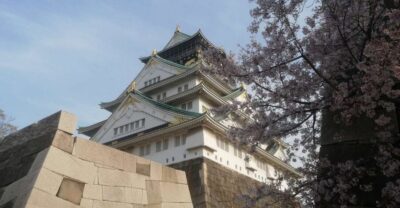
Five Must-See Highlights Walking Tour & Ramen Lunch
Read our review →
Ancient Capital Tour: Kyoto and Nara Highlights from Kyoto/Osaka
Read our review →
Walking Tour of Osaka’s 5 Must-See Sights, with Ramen for Lunch
Read our review →
Osaka Highlights: 4-Hour Walking Tour with Castle
Read our review →
Browse the lists this tour appears in