
Reviewed · OSAKA SAMURAI & NINJA EXPERIENCES
Osaka: Kendo Workshop Experience
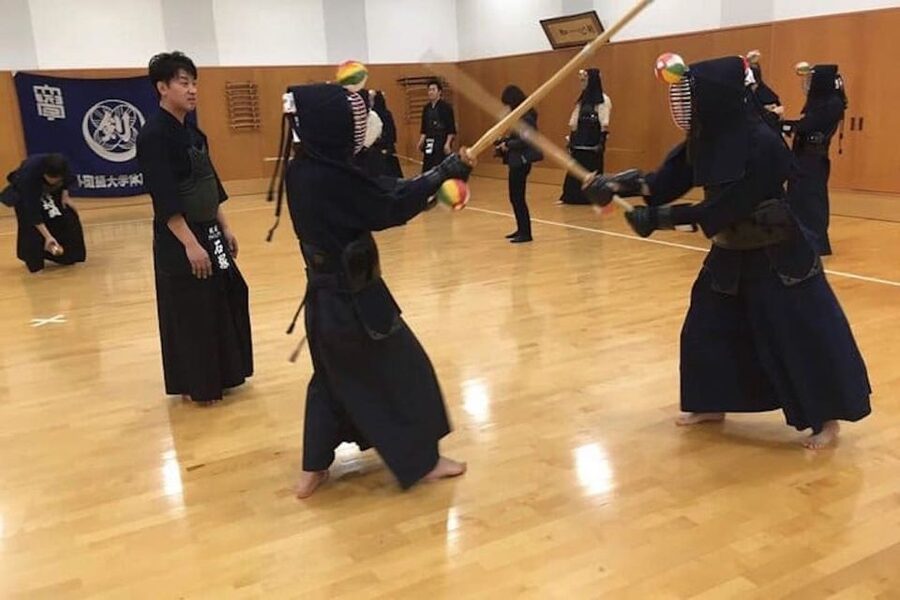
The most interesting part of this Osaka experience is that it treats Kendo as a martial art, not a samurai dress-up act. You change clothes, learn dojo etiquette, practice with a bamboo sword, put on the protective men helmet, and take part in a match-style game. I especially like the chance to train in a quiet dojo, then watch national-level instructors demonstrate techniques at close range.
I also like the small-group format and the patient teaching style. Yamasaki sensei receives strong praise for clear English, careful corrections, and a good sense of humor. The main consideration is physical: this is active martial-arts practice, and the experience is not suitable for children under nine, pregnant women, wheelchair users, or people with mobility impairments.
In This Review
- Key points to know before you book
- Why this feels different from a samurai photo session
- Arriving at Shigino Kaikan in Osaka
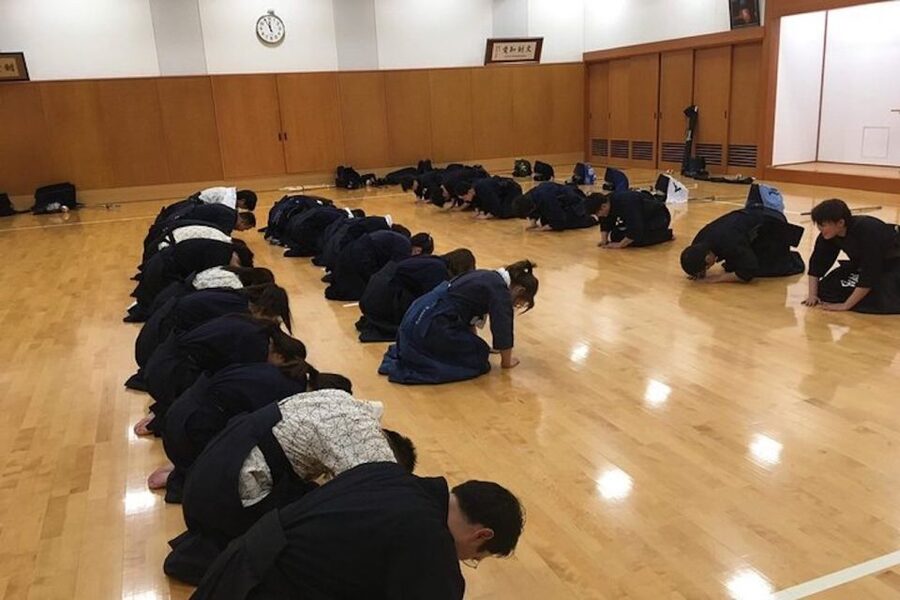
- Changing clothes and learning dojo manners
- Handling the bamboo sword and learning to strike
- Putting on the men and facing the next challenge
- Watching national-level demonstrations
- Photos, farewell etiquette, and the optional Samurai meal
- Is $116 a fair price for two hours?
- Who should book this Kendo session?
- My booking advice
- FAQ
- Where does the Osaka Kendo experience take place?
- How long does the Kendo workshop last?
- How much does the experience cost?
- Is Kendo equipment provided?
- Do I need previous Kendo experience?
- Which languages are available?
- What is included in the price?
- Is food included?
- Who cannot join the activity?
Key points to know before you book
- This is real Kendo practice: You learn manners, posture, strikes, and the purpose behind the movements, not only how to look like a samurai.
- You will wear protective equipment: The session includes Kendo armor and the men, the face protector used during striking and match practice.
- The lesson ends with action: After basic training, you hit the instructor and join a mini-game with match-style structure.
- The instructors can teach in English and Japanese: Yamasaki sensei is praised for clear explanations, humor, and close attention to form.
- You get a small souvenir: Every participant receives a Japanese hand towel for use when putting on the men.
- The price reflects personal instruction: At $116 per person for two hours, this suits you best if hands-on coaching matters more than a cheap photo stop.
Why this feels different from a samurai photo session
Many martial-arts activities aimed at visitors focus on costumes and quick pictures. This one puts the order of training first. You learn how to enter the practice space, how to behave, how to hold the bamboo sword, and how to respond to instruction before you begin striking.
That order matters in Kendo. The experience presents Kendo through three ideas: unifying your spirit, showing manners, and treating the art as a lifelong practice. You are not expected to master those ideas in two hours, of course. You are given a short, practical introduction to why the movements are performed with discipline and control.
I like that the program includes quiet moments between active exercises. The sound of bamboo swords meeting, the instructor’s commands, and the echo inside the dojo create a very different feel from a standard sightseeing stop. You get a sense of training culture through your body and ears, not only through a lecture.
The session is designed for beginners, so you do not need previous Kendo experience. At the same time, someone who has tried Kendo before can still benefit from corrections and the chance to work directly with an experienced instructor.
More samurai and ninja experiences:
- Samurai Training Experience KENDO in Osaka
★ 5.0 · 515 reviews - OSAKA NIGHT FUSION Japanese Taiko Kabuki Samurai Dance Show
★ 4.8 · 155 reviews - Osaka: Samurai Training Experience KENDO in Osaka
★ 5.0 · 111 reviews
Arriving at Shigino Kaikan in Osaka
The meeting point is 鴫野会館, also called Shigino Kaikan hall. Hotel pickup and drop-off are not included, so you need to make your own way there and allow enough time to arrive ready for a scheduled start.
The activity lasts two hours. Starting times depend on availability, so check the schedule before you commit to a tight sightseeing plan. I would avoid placing this directly before a train departure, restaurant reservation, or major ticketed attraction. A martial-arts session can take more energy than you expect, and you will want a little breathing room afterward.
The group is advertised as small, with space limited to two participants. That is a real advantage if you want personal correction rather than a large class where you simply copy the person in front of you. One past booking described a private lesson for three people, while the stated program says it is basically for two or more people, so confirm the exact group arrangement when booking if your party size matters.
Changing clothes and learning dojo manners
The first part of the program includes changing clothes and a basic lecture. You then learn etiquette before moving into physical practice.
For many first-time visitors, this may be the most useful part of the lesson. Kendo has a formal rhythm, and the manners are not decoration added for tourists. They set the tone for concentration, respect, and safe practice. You learn how to behave in the dojo before handling the bamboo sword with more speed.
The instructor also introduces Kendo culture and its development as a martial art. The emphasis is not only on scoring points or hitting a target. You learn that technique is tied to discipline and conduct.
This cultural section breaks up the physical work nicely. If you have never handled a bamboo sword, you will appreciate the chance to understand the rules before the pace increases. If you already know the basics, the discussion gives you a better frame for the exercises that follow.
Handling the bamboo sword and learning to strike
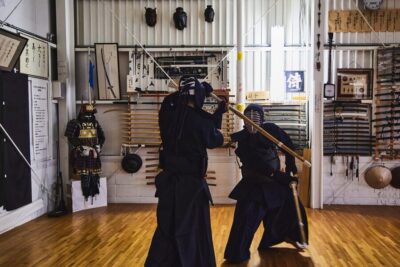
Next comes practical instruction with the bamboo sword, known as a shinai. The program takes you through basic movements and striking practice before you work directly with the teacher.
Do not expect a full competitive Kendo course in two hours. You will learn an introduction to stance, movement, timing, and how to make a controlled strike. The instructor watches your form and gives corrections as you go.
This personal attention is one of the strongest reasons to choose the experience. Yamasaki sensei is praised for explaining techniques in easy English, using humor to keep the mood relaxed, and noticing small problems in posture. That combination is important. Martial-arts instruction can feel intimidating when every movement seems formal, but a friendly teacher helps you keep trying.
The program also lets you strike the instructor. This is not a free-for-all with bamboo swords. The exercise gives you a clear target and helps connect the lesson to real Kendo practice. You can feel the difference between simply swinging a sword and making a deliberate movement with the right timing and form.
More traditional craft workshops:
- 1.5〜2 Hours Traditional Kintsugi Work Shop in Namba Osaka
★ 5.0 · 75 reviews - Osaka: Private Japanese Calligraphy Experience
★ 5.0 · 66 reviews - From Osaka: Sakai Knife Maker or Blacksmith Walking Tour
★ 4.9 · 64 reviews - Osaka: Traditional Japanese Ceramics Private Experience
★ 5.0 · 57 reviews
Putting on the men and facing the next challenge
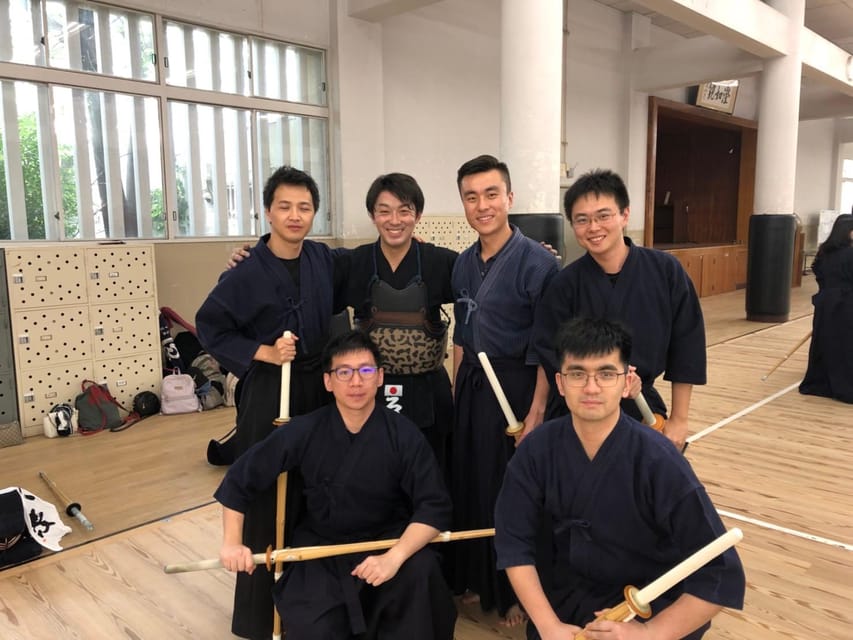
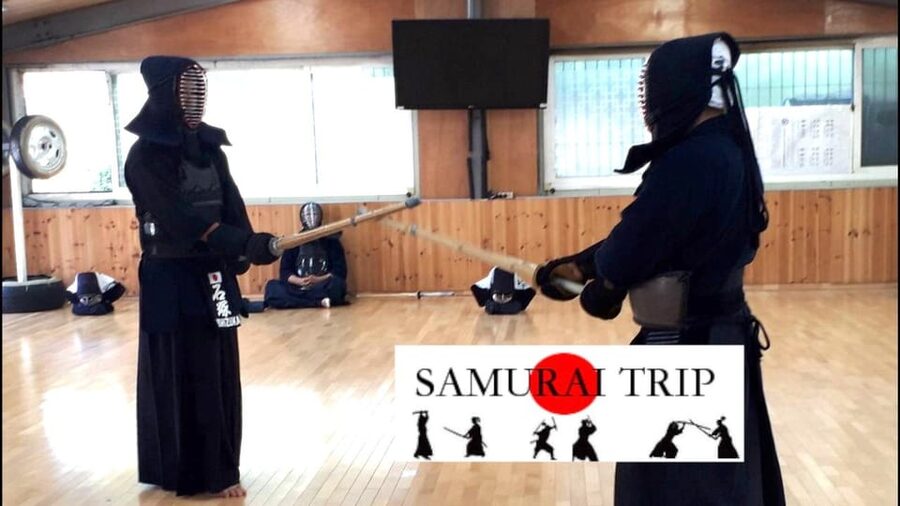
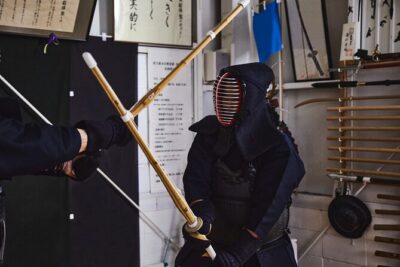
Later, you put on the men, the protective face and head armor used in Kendo. This changes the feel of the session. The equipment makes the practice look more serious, but it also adds weight, heat, and a sense of concentration.
Each participant receives a special Kendo towel to use when putting on the men. It is a practical item during the activity and a modest souvenir afterward. The towel is included along with mineral water, Kendo armor, and the rest of the equipment.
Once suited up, you return to striking practice with the instructor. This second round allows you to apply what you learned earlier. You may find that the armor makes simple movements feel less simple. That is part of the lesson: Kendo requires control even when your body is working harder.
The program then moves into a match-style mini-game. You can take part even if you are new to the sport because the instructor builds toward it step by step. It is not presented as a serious tournament, but it gives you a taste of how Kendo changes when movement, timing, and awareness come together.
Watching national-level demonstrations
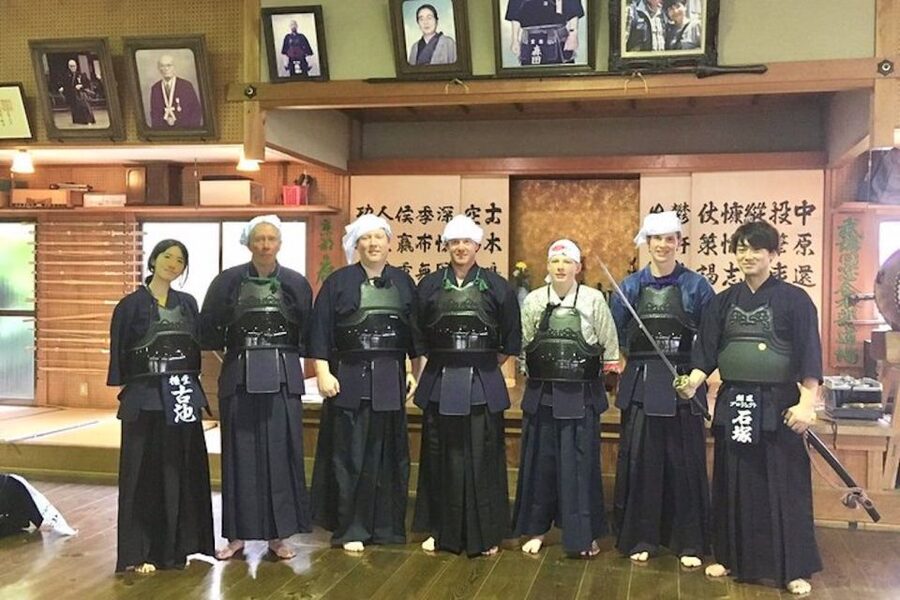
The demonstration comes near the end of the active training. National-level instructors show actual techniques at close range, giving you a chance to see movements that are difficult to understand from a basic explanation alone.
This is a smart part of the program. Beginners often cannot tell why one strike is more effective than another until they watch an expert perform it at speed. The demonstration provides a visual reference for the posture, timing, and precision you have been practicing.
You should not compare your own first attempts with the instructors. The point is to see what years of practice can produce and to understand the art beyond the beginner drills. The gap between your mini-game and the demonstration is likely to be large, but that contrast makes the display memorable.
For me, this is also where the experience gains depth. You are not only being entertained by a performance. You have already handled the equipment and tried the movements, so you can watch with a better understanding of what the instructors are doing.
Photos, farewell etiquette, and the optional Samurai meal
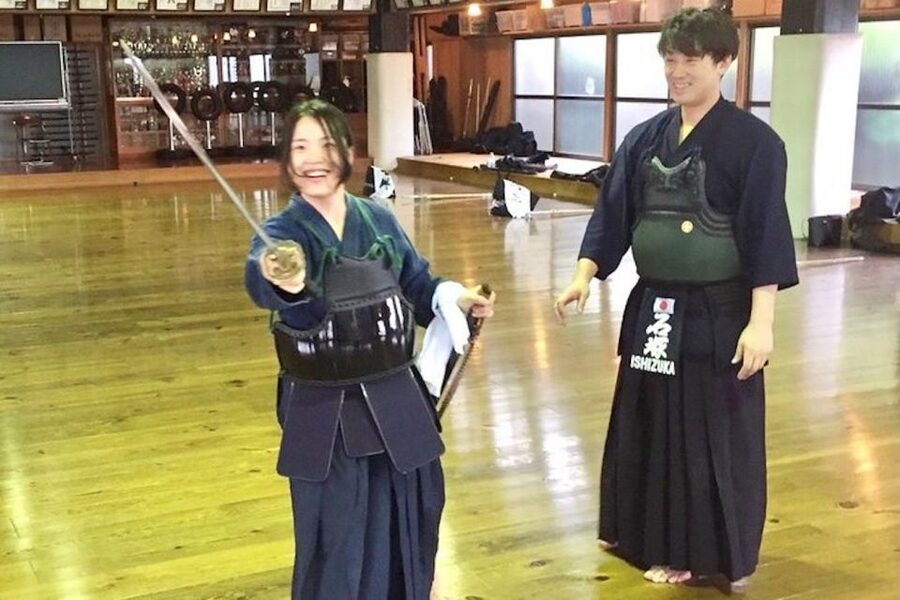
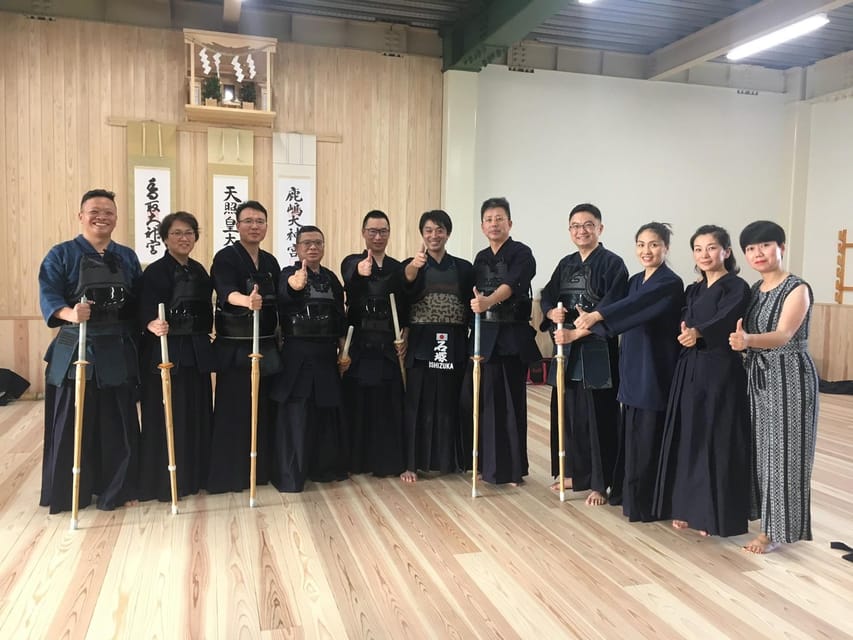
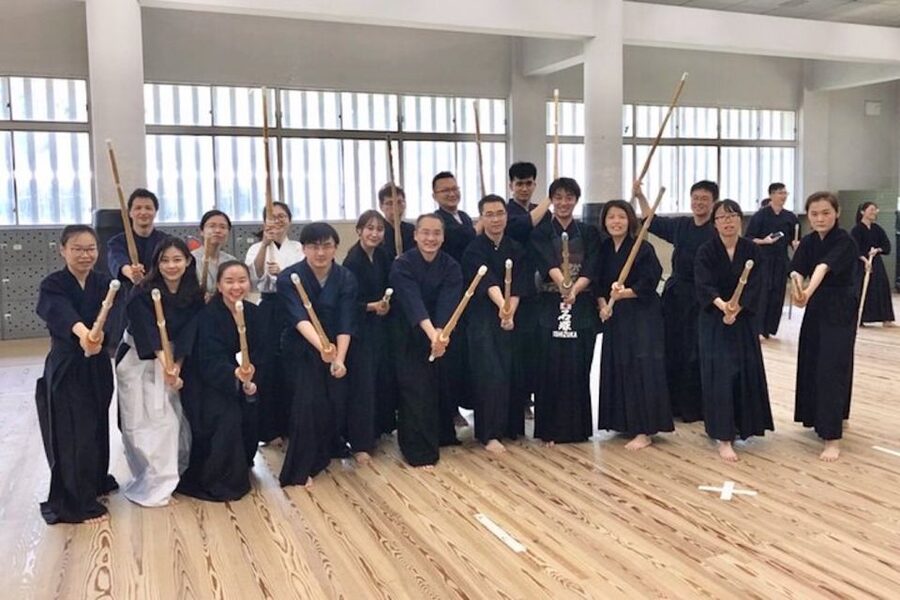
The formal part of the activity ends with etiquette and photographs. The photos give you a record of the experience while you are still dressed in the equipment. Afterward, you change clothes and the Kendo session ends.
Food is not included, but there is an optional way to continue the theme. You can go to an izakaya, a Japanese restaurant, after the experience, where a special Samurai meal is available on the menu. This is a separate expense, so plan for it as an add-on rather than part of the $116 booking price.
I like this option because it lets you carry the mood into the evening without pretending that dinner is part of the lesson. You can choose it if you want a themed meal, or simply find another restaurant if you prefer.
Is $116 a fair price for two hours?
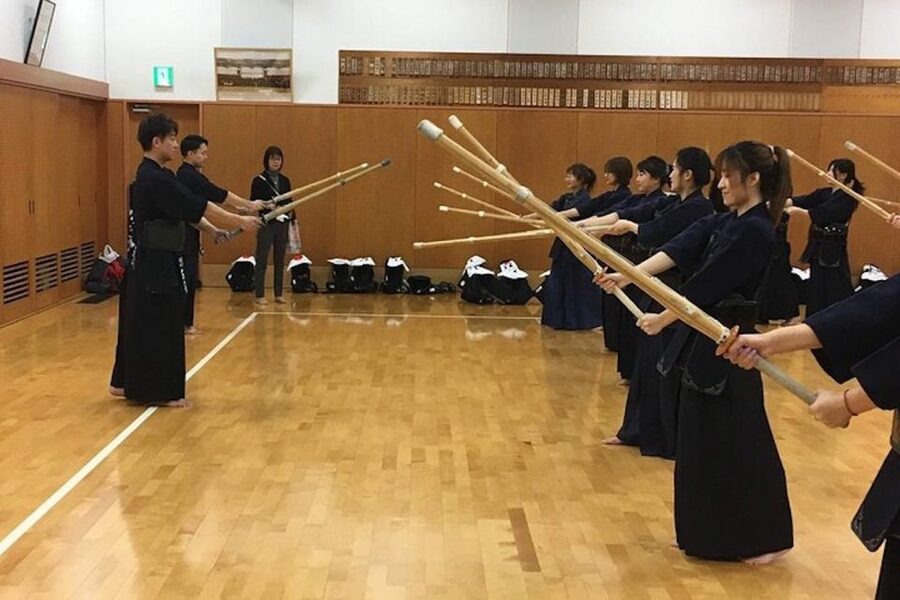
At $116 per person, this is not a budget activity. The value depends on what you want from an Osaka experience.
You receive professional instruction, rental armor and equipment, mineral water, and a Japanese hand towel. More important, the structure includes direct practice, instructor contact, protective gear, a mini-game, and national-level demonstrations. A short photo session would cost less, but it would not give you the same physical and cultural introduction.
The small group helps justify the cost. In a larger class, you might spend much of the time waiting or watching. Here, the stated limit of two participants suggests more chances to receive corrections and practice directly with the instructor.
The price makes the most sense for couples, siblings, or friends who want a focused activity and are happy to pay for instruction. It may feel high if you only want to hold a bamboo sword for a few minutes or take a costume photo.
The experience has received a 4.9 rating from 28 reviews, with repeated praise for the instructors, easy-to-follow teaching, and the balance of serious training and humor. French participants described it as an incredible experience, while Tony from the United States specifically recommended Yamasaki sensei’s training session. The strongest pattern is clear: the teaching is the heart of the value.
Who should book this Kendo session?
I would recommend it to you if you want a hands-on cultural activity rather than a passive demonstration. It suits first-timers, especially those who enjoy learning a skill through direct practice.
It also works well for adult siblings and small groups of friends. One booking involved two brothers aged 22 and 18, who took part in learning several techniques with a professional instructor. Another group of three described the lesson as private and easy to follow, although you should confirm the current group limit for three-person bookings.
You may also enjoy it if you have already practiced Kendo. The session is short, but direct work with an experienced teacher and the chance to watch national-level demonstrations can still make it worthwhile.
I would think twice if you dislike structured activities, physical effort, or formal etiquette. Kendo is not simply swinging a sword while wearing armor. You need to listen, repeat movements, and accept correction.
The activity is not suitable for children under nine, pregnant women, people with mobility impairments, or wheelchair users. Pets, alcohol, and drugs are not allowed. English and Japanese instruction is available, though you should still expect the activity to use demonstration and repetition as much as spoken explanation.
My booking advice
Book this Osaka Kendo experience if you want a serious but welcoming introduction to Japanese martial-arts culture. The best reasons are the small-group teaching, the chance to wear real protective equipment, the mini-match, and the close demonstration by advanced instructors.
Skip it if your main goal is a low-cost photo opportunity or a relaxed cultural show. At $116, you are paying for active instruction and personal attention. For the right person, that is the point. You leave with more than a picture: you have learned the basic manners, felt the weight of the equipment, heard the crack of bamboo swords, and taken a small first step into Kendo.
Free cancellation is available up to 24 hours before the activity for a full refund, and reserve-now-pay-later booking can help if your Osaka plans are still shifting.
FAQ
Where does the Osaka Kendo experience take place?
The meeting point is 鴫野会館, or Shigino Kaikan hall, in Osaka on Honshu.
How long does the Kendo workshop last?
The experience lasts two hours, with starting times based on availability.
How much does the experience cost?
The listed price is $116 per person.
Is Kendo equipment provided?
Yes. Rental Kendo armor and equipment are included, including the protective men used during practice.
Do I need previous Kendo experience?
No previous experience is required. The program teaches the basics step by step, and beginners can join the striking practice and match-style mini-game.
Which languages are available?
Instruction is available in English and Japanese.
What is included in the price?
The price includes a professional guide or instructor, rental Kendo armor and equipment, free mineral water, and a free Japanese hand towel.
Is food included?
No. Food is not included. Afterward, you can visit an izakaya separately, where a special Samurai meal is available on the menu.
Who cannot join the activity?
The experience is not suitable for children under nine, pregnant women, people with mobility impairments, or wheelchair users. Pets, alcohol, and drugs are not allowed.
Just added around Osaka
- Nara Day Trip from Osaka with a Licensed Guide★ 5.0 · 3 reviews
- Osaka Early Morning Osaka Castle Tour Avoid Crowds★ 5.0 · 3 reviews
- Guided Tour of Some Attractions in Osaka by Private Car★ 5.0 · 3 reviews
- Private Transfer Between Kyoto and Kansai Airport KIX★ 5.0 · 3 reviews
- Shared Arrival Transfer: Osaka Itami Airport to Osaka City★ 5.0 · 3 reviews
- Osaka: Sushi Making Class and Dotonbori Food Tour★ 4.7 · 3 reviews
- Osaka Night Photography Workshop★ 5.0 · 3 reviews
- Kyoto Full day Tour Kinkakuji, Kiyomizu-dera and Fushimi Inari★ 4.5 · 3 reviews
Osaka Samurai & Ninja Experiences, compared.
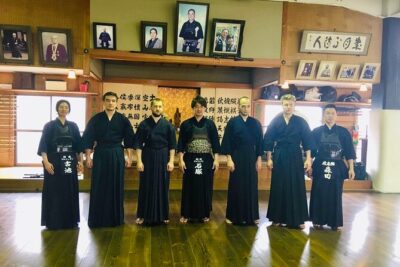
Osaka 2-Hour Genuine Kendo / Samurai Experience In Japan
Read our review →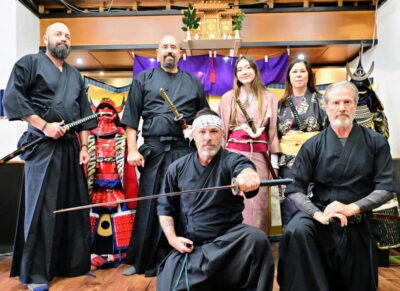
Learn Bushido – Trial Slashing with Samurai Sword
Read our review →
Samurai Show, Tea Ceremony, Japanese Traditional Activities
Read our review →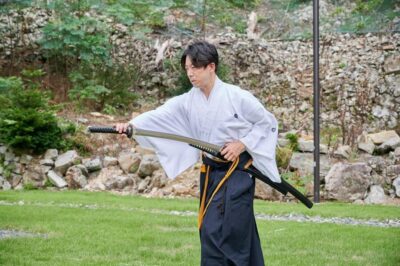
Private Samurai Experience – Train with Sword Master
Read our review →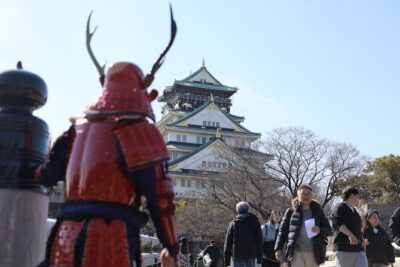
Honor – Experience Samurai & traditional Culture to the fullest
Read our review →Browse the lists this tour appears in