
Reviewed · OSAKA SAMURAI & NINJA EXPERIENCES
Osaka 2-Hour Genuine Kendo / Samurai Experience In Japan
Learning kendo in Osaka means more than swinging a bamboo sword. In this two-hour small-group class, you learn the manners, footwork, strikes, and mental focus behind Japan’s martial art, then work toward light sparring in full gear. English-speaking instructors such as Hiroki and Yama make the lesson easy to follow.
I like the personal attention that comes with a maximum of seven people, and I like that the class covers culture and etiquette instead of treating kendo as a simple workout. The main drawback is physical: you will sweat, especially in warm weather, and the 10:00 am start requires a trip to Shigino Hall rather than hotel pickup.
In This Review
- Key points
- What this Osaka kendo class actually gives you
- Arriving at Shigino Hall for the 10:00 am start
- The first lesson: etiquette, history, and the meaning of kendo
- Footwork and basic strikes before the armor
- Putting on the equipment and meeting the physical challenge
- Light sparring: the most exciting part of the two hours
- Why the cultural explanation adds value
- The price: fair for a small, fully equipped lesson
- Who will enjoy this, and who should skip it
- Practical details to know before booking
- Should you book the Osaka kendo experience?
- FAQ
- How long does the Osaka kendo experience last?
- What time does the kendo class start?
- Where is the meeting point?
- Is kendo equipment included?
- How many people can join the class?
- Can I cancel for a full refund?
Key points
- Step-by-step teaching: Beginners learn basic footwork and strikes before trying light sparring.
- Small class size: No more than seven people means the instructor can watch your form.
- English guidance: You can follow the lesson without already knowing Japanese.
- More than sword practice: The class includes kendo’s etiquette, history, spiritual side, and cultural meaning.
- Full equipment included: You do not need to bring kendo gear, and you receive water and a souvenir towel.
- A real workout: Expect to sweat, with warm-weather sessions feeling particularly strenuous.
What this Osaka kendo class actually gives you
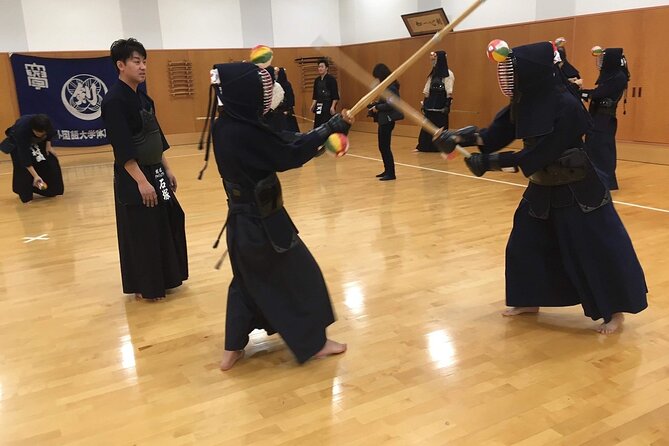
This is a compact introduction to kendo, not a tourist photo stop with a quick sword flourish. During the two-hour session, you learn how kendo connects the mind, body, skill, manners, and long-term practice.
That matters because kendo can look simple from the outside. Two people face each other with bamboo swords, but the art depends on posture, controlled movement, timing, attention, and respect. The lesson gives you a chance to feel those parts instead of only hearing about them.
You do not need previous experience. The class is designed for complete beginners, and the instruction moves step by step. That makes it a good fit if you have never held a shinai, the bamboo sword used in kendo, or if you want a first taste of Japanese martial arts without committing to a longer course.
The provider describes the experience through ideas such as unifying your spirit, observing manners, and treating kendo as a lifelong practice. You will not master those ideas in two hours, of course. But learning the basic movements while hearing why etiquette matters gives the activity more substance than a standard sports lesson.
More samurai and ninja experiences:
- Samurai Training Experience KENDO in Osaka
★ 5.0 · 515 reviews - OSAKA NIGHT FUSION Japanese Taiko Kabuki Samurai Dance Show
★ 4.8 · 155 reviews - Osaka: Samurai Training Experience KENDO in Osaka
★ 5.0 · 111 reviews
Arriving at Shigino Hall for the 10:00 am start
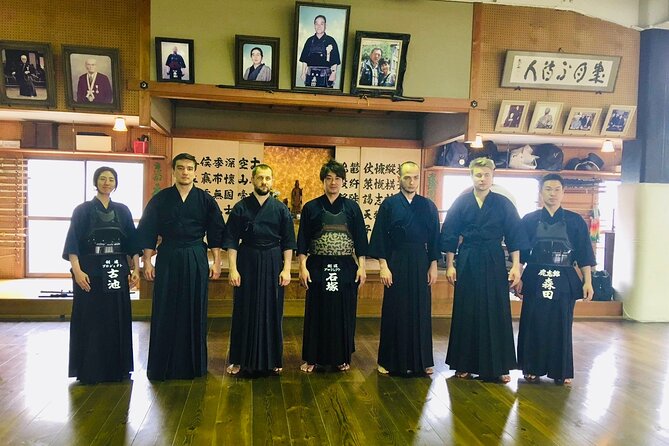
You meet at Shigino Hall in Osaka’s Joto Ward, at 1-chome 18, Shiginonishi, Osaka 536-0014. The activity begins at 10:00 am and finishes back at the same meeting point.
There is no hotel pickup or drop-off, so you need to plan your own route. The location is near public transportation, and one participant found it easy to reach by train. I would allow extra time to locate the hall, particularly if you are unfamiliar with Osaka’s station exits and neighborhood streets.
Starting in the morning works well for a day of sightseeing. You can complete the class, cool down, and still have much of the day left for Osaka. The tradeoff is that you cannot treat this as a casual late-morning add-on. You need to be ready for the fixed start time.
Bring a moderate level of physical fitness. The class is not described as extreme, but it involves repeated movement, footwork, strikes, and practice in protective equipment. The physical side is part of the appeal, yet you should not book it expecting a quiet cultural lecture.
The first lesson: etiquette, history, and the meaning of kendo
The session begins with an introduction to kendo’s background and manners. This is one of the strongest parts of the experience because it explains the behavior surrounding the practice, not just the mechanics of hitting a target.
You learn that kendo is tied to discipline and respect. Bowing, controlled conduct, and attention to your training partner are not decoration added for visitors. They form part of how the art is practiced.
The instructor also covers kendo’s spiritual and cultural side. This gives you useful context before the physical work begins. You can better understand why the class places weight on composure and proper form, even when you are still trying to remember where to put your feet.
English-speaking instruction is a major help here. The class is not dependent on you copying movements without explanation. Instructors including Hiroki and Yama have been praised for clear teaching, patience, and encouragement, which is exactly what a first lesson needs.
The tone appears friendly rather than severe. That is useful if you feel awkward at the start. Martial arts can make beginners self-conscious, especially when the movements are unfamiliar. A calm instructor lets you concentrate on learning instead of worrying about getting every detail right immediately.
Footwork and basic strikes before the armor
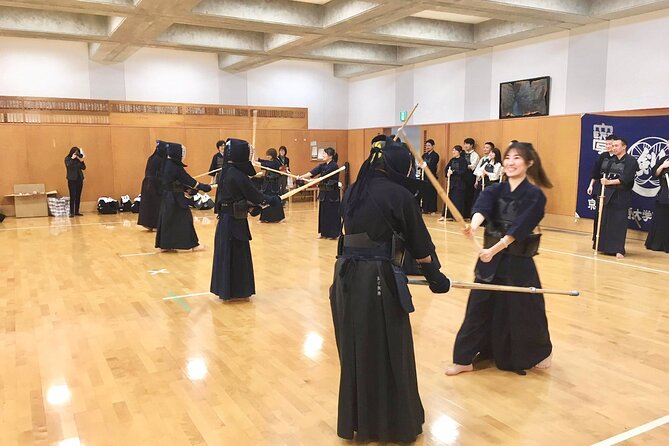
After the introduction, you work on core movements. Basic footwork and different strikes form the practical center of the lesson.
This stage may look modest, but it is where you learn the building blocks of kendo. You practice moving with control and coordinating your hands and body. The instructor can correct your position and pace, which is far more useful than rushing into a mock fight before you understand the fundamentals.
The small group helps here. With no more than seven people, the teacher has a reasonable chance to see each person’s movement. A private or very small class may offer even more attention, depending on the number booked that day. One session had only two participants, while another had four, so the class can feel personal when numbers are low.
You should expect repetition. That is normal for a martial art. The class is short, and you are there to gain a working sense of the basics, not a black-belt syllabus. The instructor’s job is to keep the practice clear and encouraging while introducing enough technique to make the final sparring meaningful.
The lesson also provides a good workout. Repeated footwork and strikes require more effort than you might expect, and the equipment adds to the heat. If you attend in August or another hot period, prepare to sweat. Cooler weather may make the physical side more comfortable.
A few more Osaka tours and experiences worth a look
- Osaka: 2-Hour Nightlife District Walking & Local Food Culture
★ 5.0 · 199 reviews - Osaka: 2-Hour Local Street Food Tour – Dotonbori & Namba
★ 4.6 · 95 reviews - 1.5〜2 Hours Traditional Kintsugi Work Shop in Namba Osaka
★ 5.0 · 75 reviews
Putting on the equipment and meeting the physical challenge
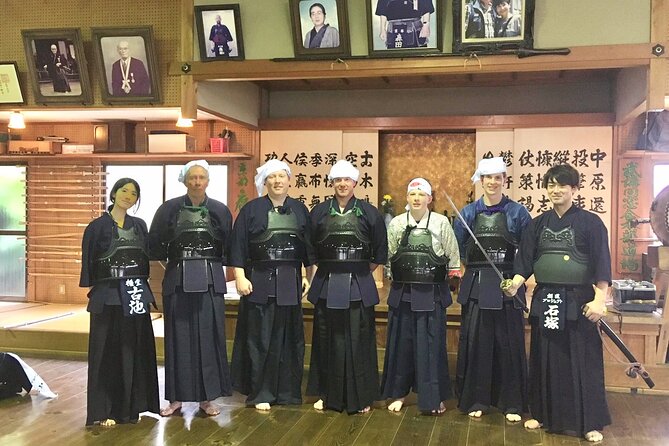
All kendo equipment is included, so you do not need to rent or purchase protective gear separately. That keeps the experience simple for a first-timer and makes the $118.89 price easier to assess.
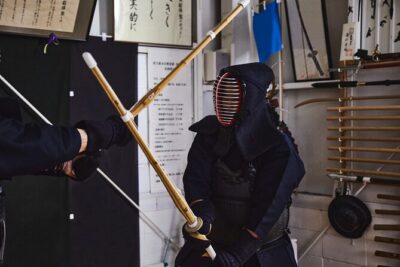
The equipment is not just a costume. It changes how you move and gives the practice a more serious feel. You can work through the techniques with the tools used for the class rather than pretending with a souvenir sword.
The physical demands still deserve an honest warning. You should have moderate fitness, and the session may feel hot. One participant specifically noted the August heat, while others described the class as a good workout. Wear clothing suited to exercise and arrive ready to move, though the provided information does not list a specific dress code.
Bottled water is included, which is a small but welcome detail after repeated drills. You also receive a free kendo towel. The towel is a practical souvenir rather than a generic trinket, and it fits the experience better than a mass-produced keepsake.
Light sparring: the most exciting part of the two hours
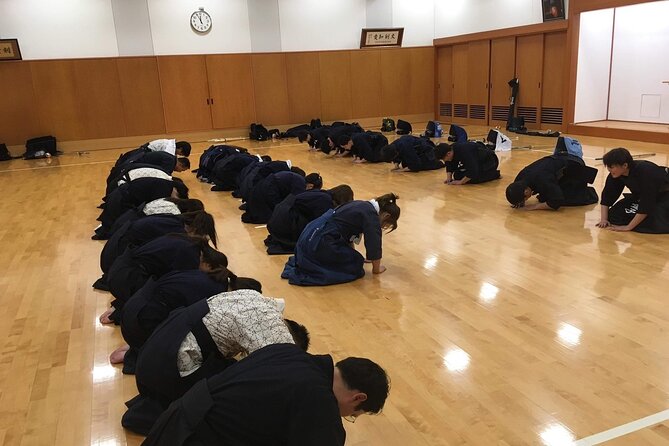
The class builds toward practice bouts. The sparring is the point where the earlier etiquette, footwork, and strikes begin to make sense.
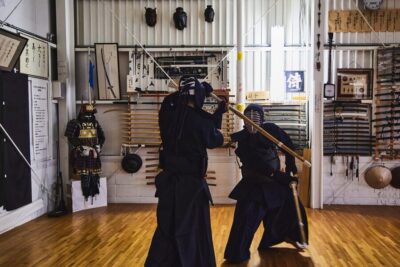
You may finish the lesson in full gear, practicing short battles with your instructor or fellow participants. The activity is presented as an introduction, so this is not a full competitive tournament. It is a controlled chance to use the movements you have learned while paying attention to distance, timing, and manners.
For many people, this is the highlight. The class feels different once you face another person instead of repeating a movement alone. You get the thrill of a martial arts encounter, but the small-group format and instructor guidance keep it approachable.
I would still keep your expectations in check. Two hours is enough for a rewarding first experience, not enough to develop polished technique. You may feel clumsy at first, and that is part of the fun. The value comes from trying an authentic form of Japanese sporting culture with an instructor who can adjust the pace.
If you attend with a friend, the sparring becomes more social. Solo participants can also fit in well, since the groups may include other beginners and the instructor directs the practice. The experience has worked for pairs, families, and small groups, including a 13-year-old participant. The data does not give a formal minimum age, so families should confirm suitability before booking for younger children.
Why the cultural explanation adds value
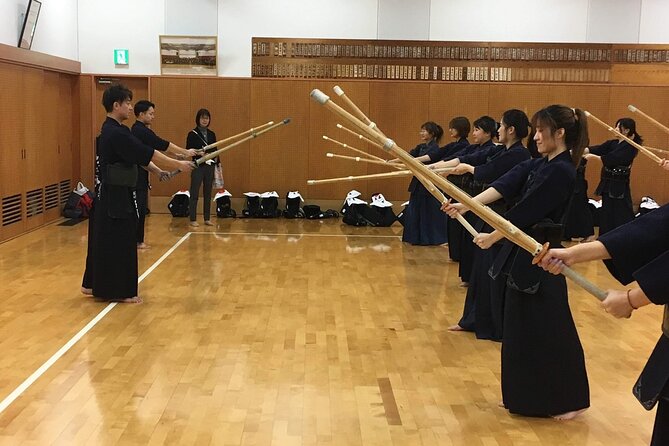
Many martial arts activities offer a costume, a few posed movements, and little else. This class makes a stronger case for its price by explaining why the movements and manners matter.
You learn about kendo as a practice involving mind, skill, and body. That broader approach helps you see the activity as part of Japanese culture, not simply a way to burn calories.
The history section also gives the physical lesson a frame. You understand that the bow, the controlled behavior, and the emphasis on lifelong practice belong together. Even if you never take another kendo class, you leave with a clearer sense of what the art asks of its practitioners.
That cultural layer is especially useful if you are already interested in Japanese martial arts, traditional sports, or the samurai era. It also works for a first-time visitor who wants an activity that involves participation rather than observation.
The experience does not replace a visit to a museum or a historical site. Its value is different. You learn through your body, make mistakes, and feel how much coordination and discipline are involved. That first-hand effort can make the cultural ideas easier to remember.
The price: fair for a small, fully equipped lesson
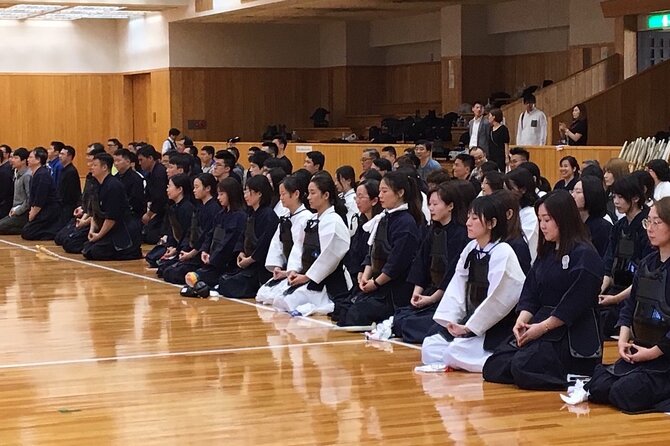
At $118.89 per person, this is not a budget activity. You are paying for a two-hour specialty class rather than a general Osaka attraction.
The price looks more reasonable when you count what is included: all kendo equipment, bottled water, a souvenir towel, and an English-speaking instructor. The maximum group size of seven is also important. A large class would make the cost harder to justify, but a small class gives you more opportunity for correction and practice.
The best value comes when the class has only two to four participants. You may receive something close to private instruction without paying for a separate private booking. Group size is not guaranteed beyond the seven-person cap, so I would not book solely on the assumption that you will have a one-on-one lesson.
For comparison, this experience makes more sense as a cultural activity with exercise built in than as a cheap sports class. If your only goal is to swing a bamboo sword once, the price may feel high. If you want clear instruction, equipment, cultural context, and a chance to spar, it offers a fuller package.
The free towel and water are useful extras, but they should not decide the purchase. Focus on the teaching, group size, and chance to practice properly. Those are the parts that carry the real value.
Who will enjoy this, and who should skip it
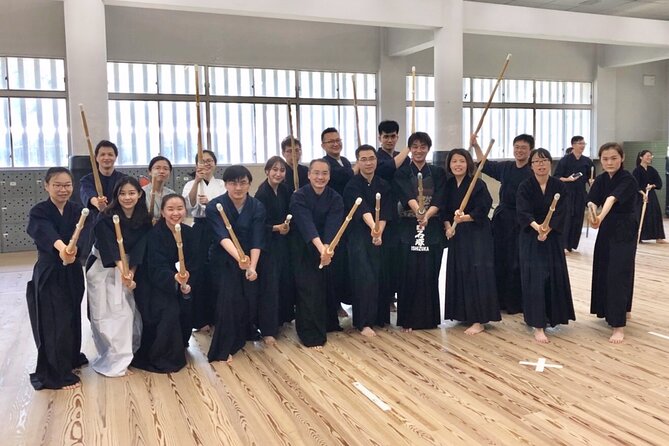
I would recommend this class to you if you want an active Osaka experience that feels tied to Japanese culture. It suits solo participants, couples, friends, and small families. You do not need martial arts experience, and the English instruction makes the class accessible to international visitors.
It is also a good choice for anyone who learns best by doing. Instead of sitting through a talk about etiquette and discipline, you try to apply those ideas while moving. The instructor encouragement helps take the edge off the first awkward minutes.
You may want to skip it if you dislike structured physical activity or have limited fitness. The class involves footwork, strikes, protective gear, and sparring. It is not a sightseeing stop where you can remain on the sidelines.
Hot weather is another consideration. The class can be worthwhile in summer, but the workout may feel harder. If you have flexibility in your Osaka schedule, a cooler season could make the experience more comfortable.
I would also think carefully about the fixed morning schedule. Since you must reach Shigino Hall by 10:00 am and arrange your own transport, this is best for a day when you can leave your hotel early. The class ends where it begins, so you can plan your next stop from the same area.
Practical details to know before booking
The activity lasts about two hours and accepts a maximum of seven people. Mobile tickets are available, and booking confirmation is received at the time of purchase.
You receive the required kendo equipment, bottled water, and a free kendo towel. Food is not included, and there is no hotel transportation.
The meeting point is Shigino Hall, 1-chome 18, Shiginonishi, Joto Ward, Osaka. The class starts at 10:00 am and returns to the meeting point at the end.
Free cancellation is available if you cancel at least 24 hours before the local start time. Cancellations or changes made within 24 hours are not accepted for a refund.
The experience currently has a five-star rating from 65 reviews, with 100 percent recommending it. That strong record fits the most consistent strengths: patient instruction, an upbeat atmosphere, clear English, and the chance to spar by the end. Still, your own enjoyment will depend on being comfortable with heat and moderate exercise.
Should you book the Osaka kendo experience?
Book it if you want to do something active, learn proper manners and basic technique, and take part in a Japanese martial art rather than simply watch one. The combination of a small group, English instruction, full equipment, cultural explanation, and light sparring gives the two hours a clear purpose.
I especially like this for a solo visitor or a pair of friends. The class can become a near-private lesson when few people book, and the instructor can adjust the pace for beginners. Names such as Hiroki and Yama come up in connection with patient, encouraging teaching, though the instructor assigned to your session may differ.
Skip it if you are looking for a cheap, relaxed attraction or if you are not prepared to sweat. At $118.89, the class needs to be more than a novelty, and it is. You pay for instruction and participation, not just a photo opportunity.
For the right person, this is a memorable way to spend a morning in Osaka: learn the rules, work on the basics, put on the gear, and test yourself in a short bout. You leave with a workout, a towel, and a better feel for why kendo is treated as a lifelong discipline.
FAQ
How long does the Osaka kendo experience last?
The experience lasts approximately two hours.
What time does the kendo class start?
The class starts at 10:00 am.
Where is the meeting point?
You meet at Shigino Hall, 1-chome 18, Shiginonishi, Joto Ward, Osaka 536-0014. The class also ends at the meeting point.
Is kendo equipment included?
Yes. All kendo equipment is included, along with bottled water and a free kendo towel.
How many people can join the class?
The activity has a maximum of seven participants.
Can I cancel for a full refund?
Yes. You can cancel for a full refund up to 24 hours before the experience start time. Cancellations or changes made less than 24 hours before the local start time are not refunded or accepted.
Just added around Osaka
- Nara Day Trip from Osaka with a Licensed Guide★ 5.0 · 3 reviews
- Osaka Early Morning Osaka Castle Tour Avoid Crowds★ 5.0 · 3 reviews
- Guided Tour of Some Attractions in Osaka by Private Car★ 5.0 · 3 reviews
- Private Transfer Between Kyoto and Kansai Airport KIX★ 5.0 · 3 reviews
- Shared Arrival Transfer: Osaka Itami Airport to Osaka City★ 5.0 · 3 reviews
- Osaka: Sushi Making Class and Dotonbori Food Tour★ 4.7 · 3 reviews
- Osaka Night Photography Workshop★ 5.0 · 3 reviews
- Kyoto Full day Tour Kinkakuji, Kiyomizu-dera and Fushimi Inari★ 4.5 · 3 reviews
Osaka Samurai & Ninja Experiences, compared.
Learn Bushido – Trial Slashing with Samurai Sword
Read our review →
Samurai Show, Tea Ceremony, Japanese Traditional Activities
Read our review →
Private Samurai Experience – Train with Sword Master
Read our review →
Honor – Experience Samurai & traditional Culture to the fullest
Read our review →
Browse the lists this tour appears in