
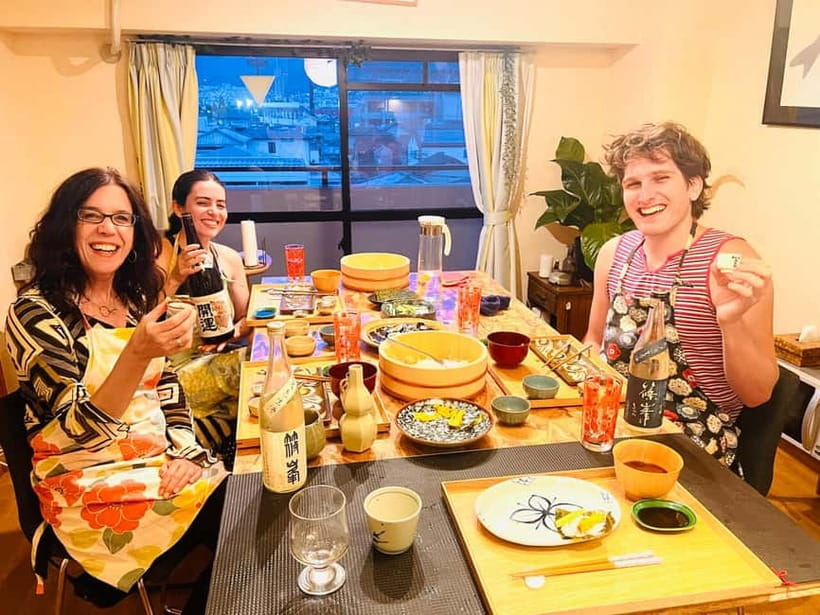
Reviewed · OSAKA SUSHI MAKING CLASSES
Osaka Sushi Miso soup Adventure: A Journey of Exotic Flavors
The best part of this Osaka cooking class is that you do not simply watch a chef make sushi. You handle the rice, prepare the fish, roll the maki, shape the nigiri, and sit down to eat what you made. Chef Yuki teaches in English and keeps the class small, with no more than six people.
I like two things right away: the focus on tuna zuke and kombu-jime salmon, techniques that help fish keep for several days, and the wider look at Japanese cooking through dashi, miso soup, rice preparation, and tamagoyaki. The main consideration is the location. You will need about 30 minutes on the Kintetsu Nara Line from Namba, plus a short walk.
In This Review
- Key points at a glance
- Why this class is more than a sushi lesson
- Meeting Chef Yuki near Nukata Station
- Starting with rice, dashi, and the basics
- Making tuna zuke and kombu-jime salmon
- Shaping nigiri and rolling hosomaki
- Tamagoyaki and the meal at the end
- A small class with room for questions
- What the $96 price gets you
- Who should book this Osaka cooking class?
- Should you book Chef Yuki’s sushi class?
- FAQ
- Where does the sushi-making class take place?
- How do I get there from Namba?
- How long does the activity last?
- How much does the class cost?
- Is the class taught in English?
- How many people can join?
- What food will I make?
- Can I cancel or pay later?
Key points at a glance
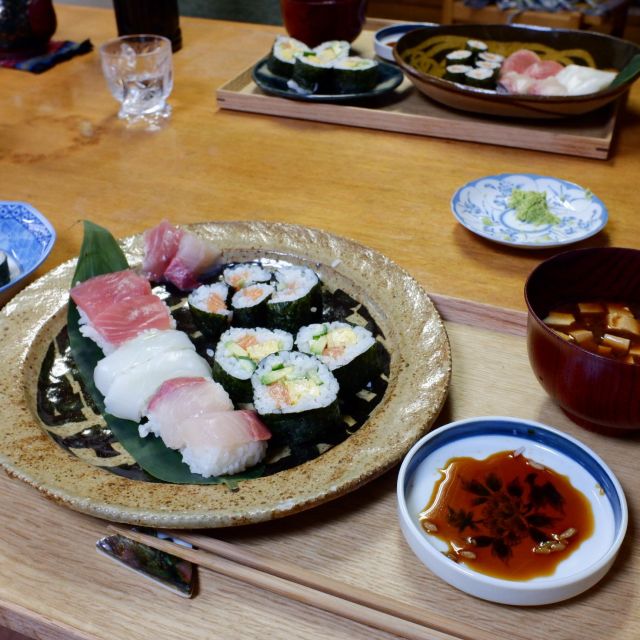
- Learn three sushi styles: Make nigiri, thin hosomaki rolls, and sushi toppings such as marinated tuna and kelp-cured salmon.
- Practice useful home techniques: Tuna zuke and kombu-jime salmon can help you prepare sushi when excellent fresh fish is harder to find.
- Cook with Chef Yuki: She has more than a decade of culinary experience and trained under a sushi master with over 40 years in the craft.
- Eat a full Japanese meal: The class includes sushi, tamagoyaki, and miso soup made from scratch.
- Enjoy a small class: With a maximum of six participants, you can ask questions and get direct help.
- Reach it from Namba: Take the Kintetsu Nara Line to Nukata Station, then walk about five minutes to the white building.
Why this class is more than a sushi lesson
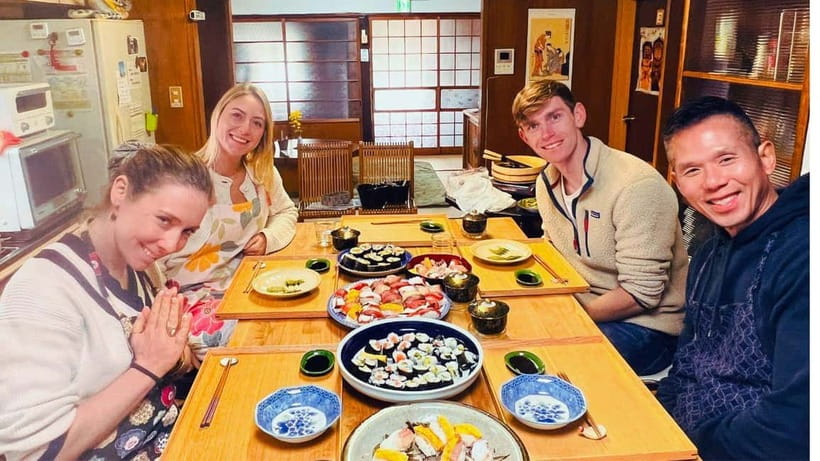
Many sushi classes focus on the showy part: placing fish on rice or rolling a maki. This one also deals with the less glamorous work that decides how good the final meal will be. You learn how to treat the rice, build dashi, prepare wasabi paste, and balance seasoning.
That matters because sushi is not just raw fish. The rice needs the right texture and seasoning. The toppings need careful slicing and handling. Even the miso soup depends on a well-made stock. Yuki’s class gives you the full chain, from basic preparation to the meal on your plate.
I also like the practical angle. Tuna zuke uses a soy-based marinade, while kombu-jime salmon is cured with kelp. These methods add flavor and can help the fish keep for three to four days. That makes the lesson useful if you live somewhere with limited access to sushi-grade fish or want to prepare part of a meal ahead of time.
More sushi making classes:
- Sushi Making Osaka Roll and Authentic Japanese Sushi Class
★ 5.0 · 1,220 reviews - Osaka Sushi Making Experience
★ 5.0 · 400 reviews - Osaka: Roll and Authentic Sushi Making Class in Dotonbori
★ 4.9 · 239 reviews
Meeting Chef Yuki near Nukata Station
Chef Yuki brings more than ten years of cooking experience to the class. Her training came from a sushi master with over 40 years of experience, and the teaching style is built around showing each step clearly before you try it.
The class takes place at 4-19 Nukata-cho in Osaka. Look for a white building near Nukata Station. From Osaka Namba Station, take a Kintetsu Nara Line train bound for Kintetsu Nara. Nukata is about 30 minutes away, and the listed fare is ¥430. From the station, the walk takes roughly five minutes.
Plan to arrive ten minutes early. The exact meeting setup can be worth confirming with Yuki before you go. Some people have been met near a convenience store by the station, but the official meeting point is the cooking class itself. If you are unsure, contact the host rather than wandering around with a bag of appetite and no sushi.
The trip out of central Osaka is a small tradeoff. This is not a class in the middle of Dotonbori or beside Osaka Castle. On the other hand, the residential setting helps the experience feel like a cooking lesson in a local home rather than a large commercial food show.
Starting with rice, dashi, and the basics
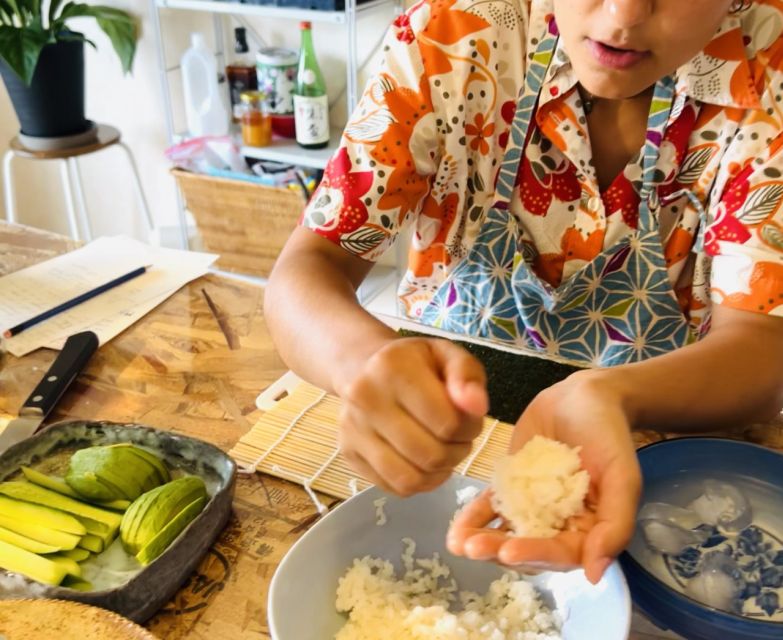
The class begins with foundations. You learn how sushi rice is selected, cooked, and treated. One particularly useful part is the attention given to cooking rice in a traditional pot. If you have made sushi at home and ended up with rice that was too wet, too dry, or stuck together like paste, this section earns its place.
You may also work through the basics of dashi broth and wasabi preparation. These are small details, but they explain why homemade Japanese food can taste flat when you only follow a recipe without understanding the ingredients.
The miso soup is prepared from scratch, not opened from a packet. It gives the lesson a second rhythm: sushi requires careful shaping and knife work, while soup teaches you how Japanese meals are built around a simple, savory broth.
This broad mix suits beginners well. You do not need prior sushi-making experience, and the class also has something for people who already know how to make basic rolls. One participant with previous experience still learned new ways to handle the rice and prepare the ingredients.
Making tuna zuke and kombu-jime salmon
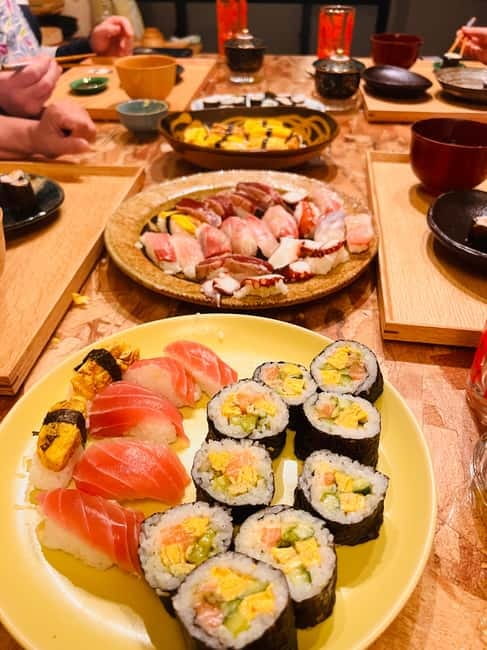
The most distinctive food lesson is the treatment of the fish. Tuna zuke is marinated in a traditional soy-based mixture. The marinade gives the tuna a deeper, more seasoned taste and changes the texture slightly.
Kombu-jime salmon is cured with kelp. The kelp adds savory notes while helping the salmon keep for several days. This is an old technique, but it also makes sense in a modern kitchen. You can prepare the fish, store it for three to four days, and plan a sushi meal instead of racing to the market on the same day.
You should pay close attention here, especially if you hope to repeat the class at home. The useful lesson is not just the ingredient list. It is how long to marinate or cure the fish, how to handle it, and how to judge the result. The supplied information does not specify every food-safety detail, so follow Yuki’s instructions closely and use fish appropriate for raw preparation.
For anyone who loves sushi but lives far from a Japanese market, this may be the most valuable part of the course. It turns a restaurant treat into something you can plan and prepare with greater confidence.
A completely different way to spend a day in Osaka:
- Osaka Go Karting Tour with Funny Costume
★ 5.0 · 2,658 reviews - Osaka Castle: Museum and Tower Entry Ticket
★ 4.5 · 2,380 reviews - Osaka: Shinsekai Food Tour with 13-15 Dishes at 5 Eateries
★ 4.8 · 2,204 reviews - Osaka Food Tour: 13 Dishes at 5 Local Eateries
★ 5.0 · 2,149 reviews
Shaping nigiri and rolling hosomaki
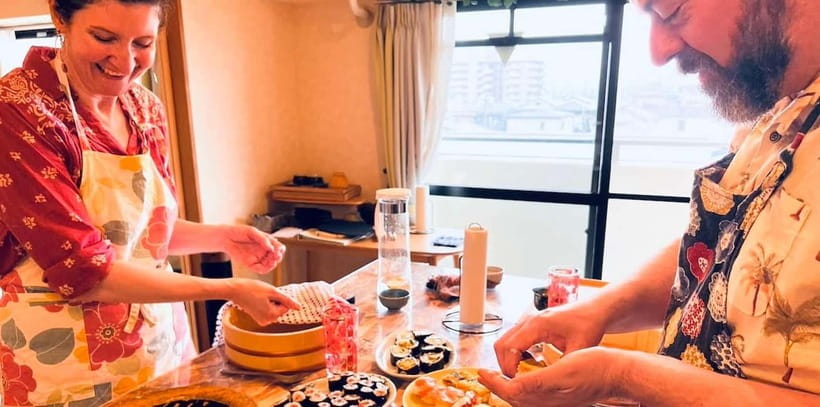
Nigiri is the classic test of sushi technique. You balance a small portion of seasoned rice with a slice of fish, using enough pressure to hold it together without crushing the grains. It looks simple. It is not.
Yuki demonstrates the process and then lets you do the work. That hands-on format matters. You can see how much rice to use, how to shape it, and how to place the topping. If your first pieces look uneven, that is part of the lesson, not a failure.
Hosomaki, or thin rolls, require a different skill. The filling is limited, the roll needs to stay narrow, and the seaweed must be cut cleanly. Because the rolls use a single main ingredient, you learn control rather than hiding mistakes under a pile of fillings.
The class includes several styles of sushi, so you get a useful comparison between rolling and shaping. You will likely leave with a better sense of which method you prefer at home. Hosomaki can be easier to repeat with basic equipment, while nigiri gives you the traditional sushi-counter experience.
Tamagoyaki and the meal at the end
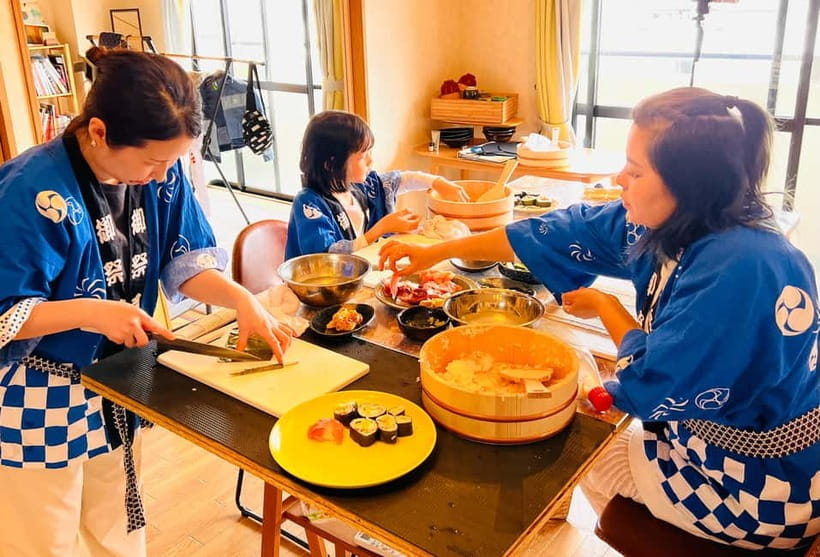
Tamagoyaki is a Japanese rolled omelet often served with sushi. It is cooked in layers in a square pan, then rolled into a neat block. The process looks manageable until you try to keep the layers even while working quickly.
This is another good choice for a class because it is not limited to sushi. You can serve tamagoyaki as part of breakfast, a packed lunch, or a Japanese-style meal at home. It also gives the class a warm cooked dish alongside the chilled fish.
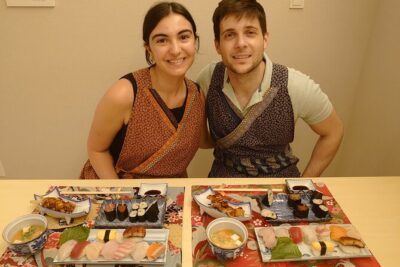
After the preparation, you eat the food together. The meal can include nigiri, hosomaki, tuna zuke, kombu-jime salmon, tamagoyaki, and miso soup. That shared finish gives you a chance to taste how the individual parts work together, rather than taking home a collection of half-finished techniques.
The food has received especially strong praise from people who took the class. Several described the sushi and miso soup as among the best they had eaten in Japan. That is a personal judgment, not a promise, but it points to the care given to fresh ingredients and seasoning.
A small class with room for questions
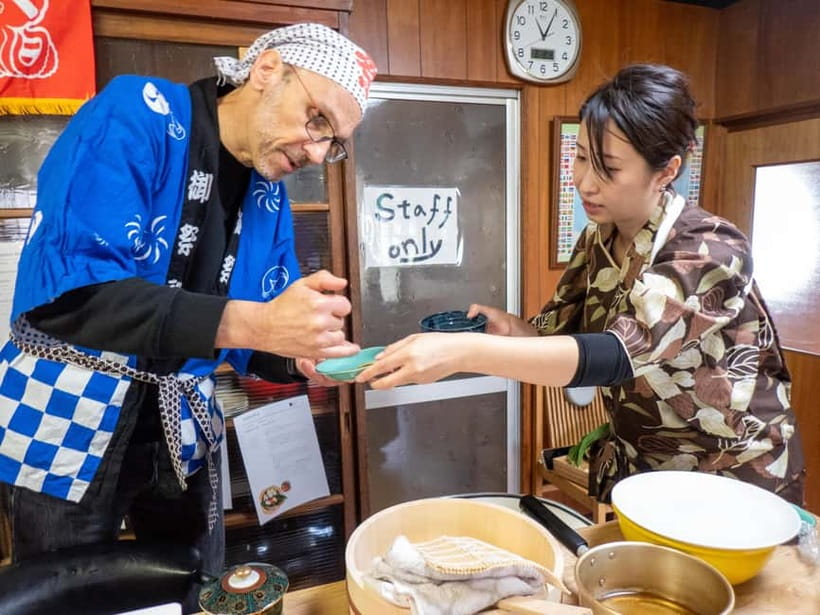
The group limit is six people. That number makes a real difference in a practical cooking class. You can ask how to cut the fish, request help with a roll, or check your rice without waiting behind a large crowd.
The setting is personal. Yuki welcomes people into her home, explains the cooking steps, and also talks about her life and Japanese food traditions. This gives the class a local, everyday quality that you will not get from a large demonstration kitchen.
The small format has a few practical benefits for families and special diets. A baby has been accommodated in the class when arranged in advance, and a vegetarian participant was able to take part without difficulty. Do not assume every dietary request can be handled automatically. Tell Yuki ahead of time so she can plan the ingredients.
English is the listed teaching language. The class is designed for beginners, but the pace can also work for people who already make sushi and want better technique or a clearer understanding of Japanese preparation.
What the $96 price gets you
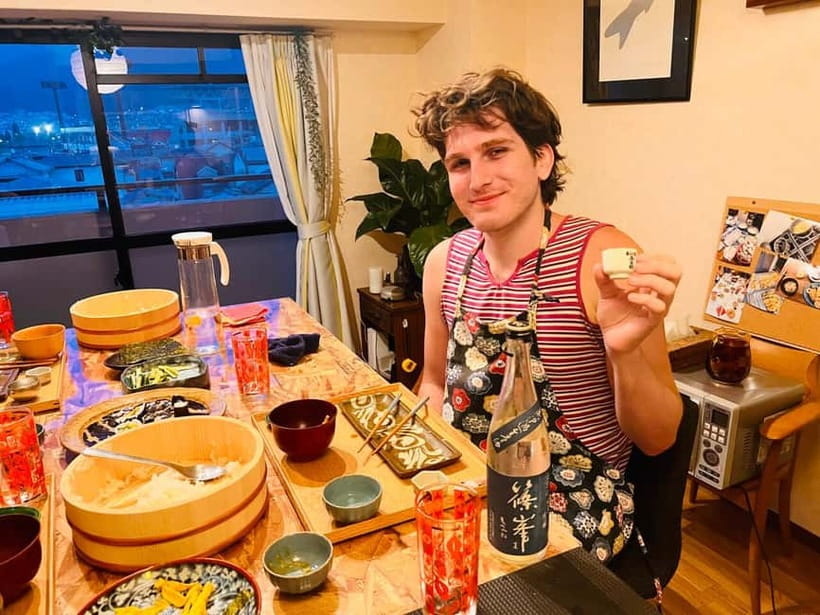
At $96 per person, this is not the cheapest meal in Osaka. You can eat sushi for less, especially if you choose a conveyor-belt restaurant. The price needs to be judged as a three-hour cooking lesson, a meal, fresh ingredients, and direct instruction from a trained chef.
For a first-time visitor, the value comes from what you take home. Yuki sends recipes afterward, and one participant also bought her cookbook. You are paying for skills you can use again, not only for the food served that afternoon.
The class also avoids the common problem of a food activity that is mostly watching. You prepare the dishes yourself, ask questions, and learn techniques that are difficult to pick up from a short online video. If you want only a quick sushi lunch, this is poor value. If you want to understand how the meal is made, the cost is more reasonable.
Transport from Namba adds the train fare and time, but the route is straightforward. The class lasts three hours, so allow extra time around it for the train ride and finding the address. It works best as a planned half-day activity rather than something you squeeze between two fixed Osaka attractions.
Who should book this Osaka cooking class?
I would choose this class if you want a calm break from sightseeing and prefer a useful activity over another food tasting. It suits couples, solo visitors, families who arrange details in advance, and anyone who wants to cook Japanese food after returning home.
It is also a good match for sushi fans who want more than a restaurant meal. The fish-curing methods, rice preparation, dashi, and tamagoyaki make the lesson broader than a basic maki-rolling session.
You may want to skip it if you have only one short day in Osaka and do not want to leave the central districts. The train ride is easy, but the class is not near the city’s best-known sightseeing areas. You should also choose another activity if you dislike raw fish or want a purely vegetarian cooking lesson, though dietary needs may be possible with advance notice.
The three-hour length is long enough to learn at a useful pace without taking up the whole day. You will not simply collect photographs of sushi. You will leave with a meal in your stomach, recipes in hand, and a better idea of why small details matter.
Should you book Chef Yuki’s sushi class?
Book it if you value personal instruction, small groups, and techniques you can repeat at home. The strongest reasons are the direct help from Yuki, the mix of sushi and home-style Japanese cooking, and the practical lessons in marinating and curing fish.
Think twice if your Osaka schedule is packed or if the ¥96 price feels high for a cooking activity. The location requires a short train trip from Namba, and the class is worthwhile only if you want to participate, not just eat.
For most food-focused visitors, I think the balance is good. Chef Yuki’s class gives you a closer look at Japanese cooking than a restaurant table can provide, while keeping the tone friendly and manageable for beginners.
FAQ
Where does the sushi-making class take place?
The class takes place at 4-19 Nukata-cho in Osaka, in a white building near Nukata Station.
How do I get there from Namba?
Take the Kintetsu Nara Line from Osaka Namba Station toward Kintetsu Nara. Get off at Nukata Station, which takes about 30 minutes, then walk roughly five minutes to the class.
How long does the activity last?
The sushi and miso soup class lasts three hours.
How much does the class cost?
The price is $96 per person.
Is the class taught in English?
Yes. English is the listed language for instruction.
How many people can join?
The class is limited to six participants.
What food will I make?
You will make nigiri, hosomaki, tuna zuke, kombu-jime salmon, tamagoyaki, and miso soup. The class also covers sushi rice, dashi broth, and wasabi preparation.
Can I cancel or pay later?
You can cancel up to 24 hours before the activity for a full refund. You can also reserve now and pay later.
Just added around Osaka
- Nara Day Trip from Osaka with a Licensed Guide★ 5.0 · 3 reviews
- Osaka Early Morning Osaka Castle Tour Avoid Crowds★ 5.0 · 3 reviews
- Guided Tour of Some Attractions in Osaka by Private Car★ 5.0 · 3 reviews
- Shared Arrival Transfer: Osaka Itami Airport to Osaka City★ 5.0 · 3 reviews
- Private Transfer Between Kyoto and Kansai Airport KIX★ 5.0 · 3 reviews
- Osaka: Sushi Making Class and Dotonbori Food Tour★ 4.7 · 3 reviews
- Osaka Night Photography Workshop★ 5.0 · 3 reviews
- Kyoto Full day Tour Kinkakuji, Kiyomizu-dera and Fushimi Inari★ 4.5 · 3 reviews
Osaka Sushi Making Classes, compared.
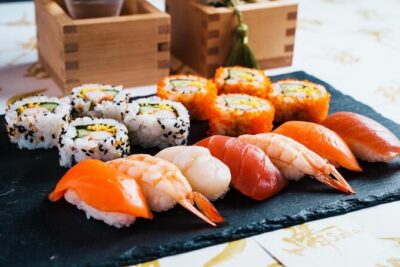
Sushi Making Osaka Roll and Authentic Japanese Sushi Class
Read our review →
Roll and Authentic Sushi Making Class in Dotonbori
Read our review →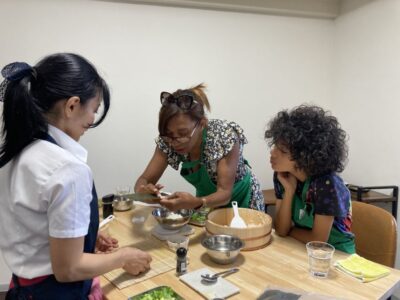
Browse the lists this tour appears in