
Reviewed · OKONOMIYAKI & TAKOYAKI CLASSES
Osaka Sake Tasting with Takoyaki Cooking
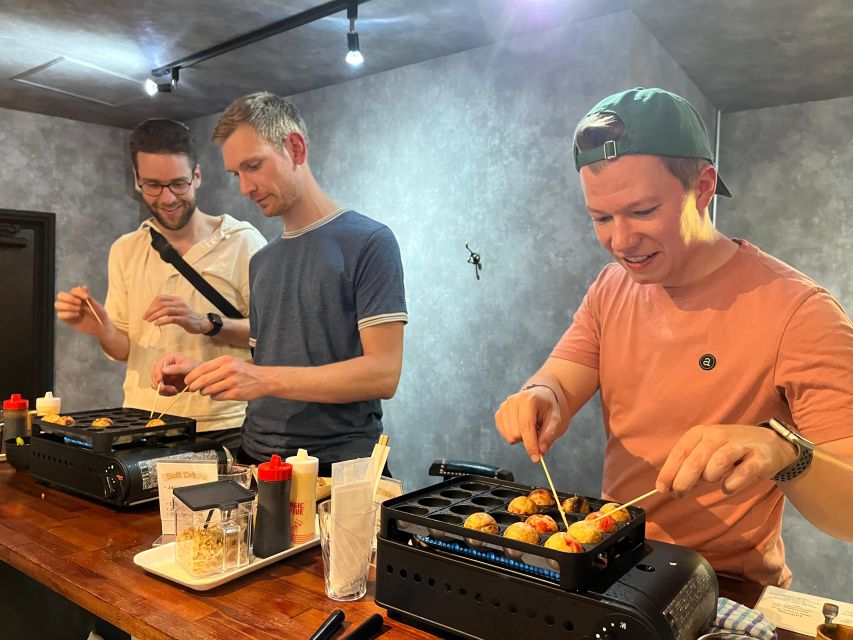
Osaka’s most famous street food and Japan’s national drink make a smart pair. At MOMO to SAKE, you cook takoyaki yourself, then sit down with Momo, a sake sommelier and former brewer, to taste a broad selection of Japanese sake. The small group, limited to six, keeps the session personal and hands-on.
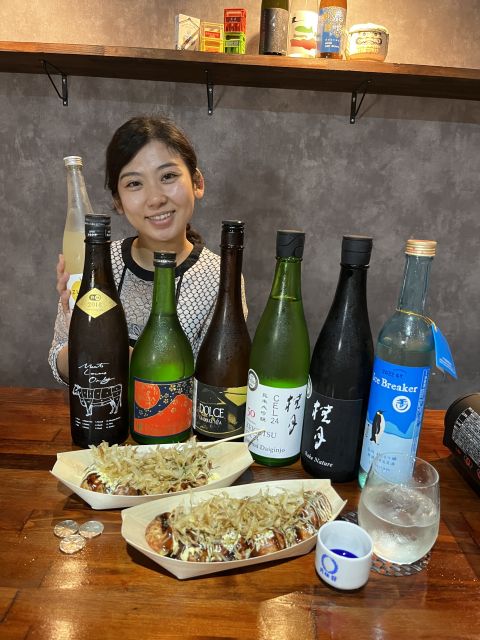
I like the secret takoyaki recipe because you do not simply watch a local cook. You turn the balls yourself, try fillings such as wagyu beef and cheese, and eat the results. I also like Momo’s practical sake lessons, which cover flavor, brewing, grading, and how to choose a bottle later in your trip.
The main consideration is the alcohol. Tastings have sometimes included seven or eight generous pours, so this is more than a few polite sips. You cook first, but come hungry and pace yourself.
In This Review
- Key points at a glance
- Why this two-hour Osaka experience works
- Arriving at MOMO to SAKE near Namba
- Making takoyaki with your own hands
- Learning sake from a former brewer
- Tasting more than 10 Japanese sakes
- The final meal and conversation
- Is $70 a fair price?
- Who should book this class?
- Should you book Osaka Sake Tasting with Takoyaki Cooking?
- FAQ
- Where does the Osaka Sake Tasting with Takoyaki Cooking take place?
- How long does the experience last?
- How many people can join the class?
- What languages does the instructor speak?
- Who leads the sake tasting?
- How many kinds of sake are available?
- Is food included?
- Are soft drinks available?
- Can I cancel for a refund?
Key points at a glance
- You make the takoyaki yourself: Learn the turning technique and cook a personalized batch with octopus and other fillings.
- Momo teaches sake in plain English: Her background as a former brewer and sake sommelier gives the tasting useful depth without making it stiff.
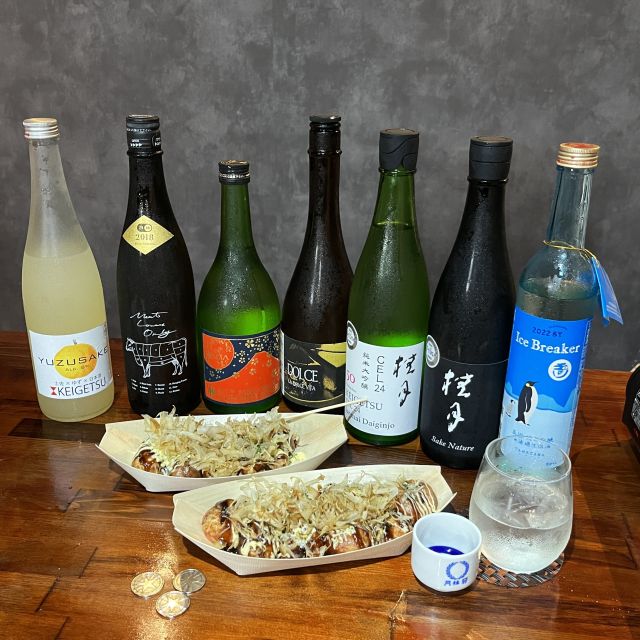
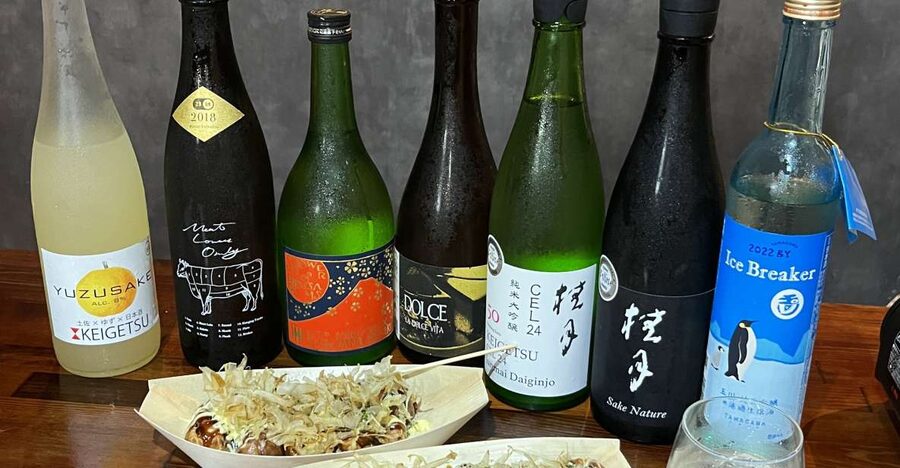
- More than 10 sakes may be available: The selection changes with the season, and Momo helps you compare styles and flavors.
- The group stays small: With no more than six participants, you have room to ask questions and get help at the hot plate.
- The setting is convenient for an evening: MOMO to SAKE is on the second floor of a building near Osaka’s Namba area.
- You leave with usable knowledge: The goal is not just tasting. You learn enough to order sake with more confidence elsewhere in Japan.
Why this two-hour Osaka experience works
Osaka is known for its easygoing food culture, and takoyaki is a perfect introduction. These small, batter-filled balls are cooked in a special round mold, traditionally with octopus inside, then topped and eaten hot. The cooking looks simple when an expert does it. Your first attempt may be a loose collection of batter, fillings, and hopeful turning.
That is part of the fun. Momo gives instructions, demonstrates the method, and lets you do the work. You get a real sense of how the food is made, not just another plate handed across a counter.
The sake portion adds something many cooking classes lack. Instead of treating sake as one single drink, Momo explains its different styles, flavor profiles, grading, ingredients, and production process. Her background as a former brewer gives the conversation a useful link to how the drink is actually made.
I especially like the way this can improve the rest of your Japan trip. After tasting several kinds side by side, you begin to notice which styles you prefer. That makes a sake menu less intimidating when you visit a bar or restaurant later in Osaka, Kyoto, or Tokyo.
More okonomiyaki and takoyaki classes:
- Osaka Cooking Class: Okonomiyaki &Japanese cuisines experience
★ 5.0 · 261 reviews - Osaka Sake Tasting & Takoyaki Cooking Experience
★ 5.0 · 149 reviews - Cooking Ramen&Gyoza/KatsuCurry/Bento/Okonomiyaki+Store Tour@Osaka
★ 5.0 · 138 reviews
Arriving at MOMO to SAKE near Namba
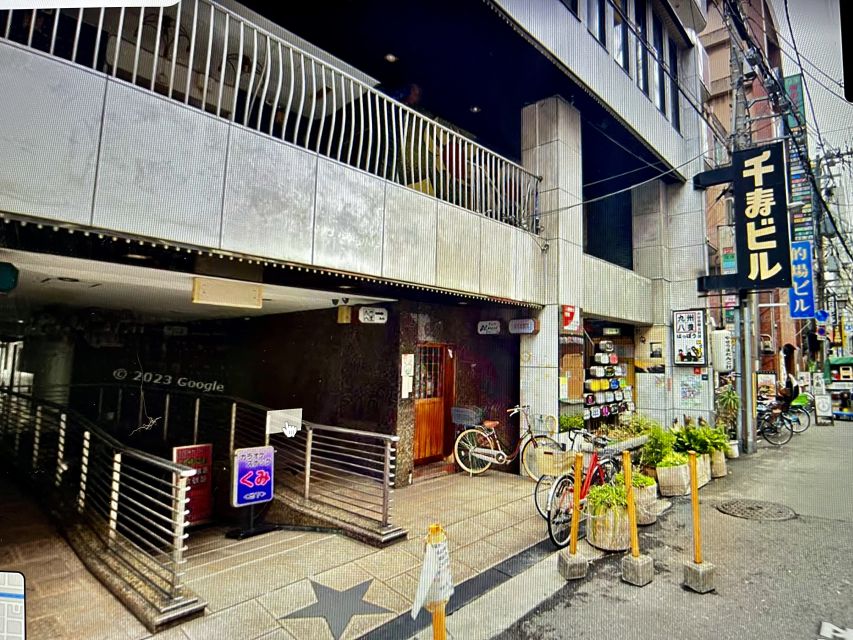
The meeting point is MOMO to SAKE, on the second floor of the building. The experience is described as easy to reach from the main Namba area, which makes it convenient to pair with an evening around central Osaka.
You should allow a little time to find the building and second-floor entrance, since the supplied meeting information does not give a street address or detailed directions. Check the booking details carefully before setting out.
The small-group format matters here. Six people is the stated maximum, and some sessions may be smaller. A couple or solo visitor could find the atmosphere quite intimate, while a group of friends can enjoy the shared cooking without the class becoming crowded.
Momo teaches in English and Japanese. English-language feedback consistently describes her communication as clear, warm, and easy to follow. She also seems comfortable tailoring the conversation to the group, from sake questions to broader questions about life in Japan.
Making takoyaki with your own hands
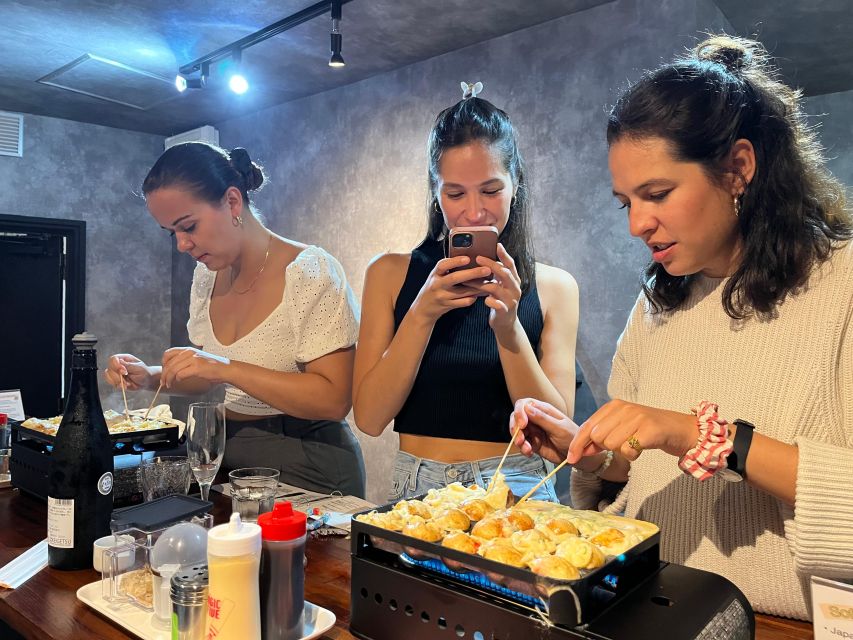
The food part comes first. You receive the ingredients and cooking instructions, then work at the takoyaki grill with Momo’s guidance. The important skill is turning each piece as the batter sets, gradually shaping it into a round ball.
This is a proper hands-on class. You are not just adding a topping to prepared food. You pour, fill, turn, and judge the cooking as you go. Expect a little mess and some comic-looking early attempts. The finished takoyaki is the reward, especially when you realize you made it yourself.
The traditional filling is octopus, but the experience includes extra ingredients that can change the meal. Wagyu beef and cheese are specifically offered, and other combinations mentioned include kimchi and corn. This gives you room to personalize the batch rather than treating octopus as the only option.
That flexibility is useful for mixed groups. One participant did not eat octopus and was able to enjoy alternatives. Another group included a person with coeliac disease, and Momo adapted the experience to make it workable. You should still explain allergies and dietary needs when booking or arriving, since the activity information does not promise a fixed allergy-free menu.
The best part is eating the takoyaki hot and fresh. Several people described the homemade result as the best takoyaki they had eaten in Japan. That is a bold comparison, but the reason is easy to understand: you eat it at the right moment, with fillings chosen to your taste, after learning the technique.
Learning sake from a former brewer
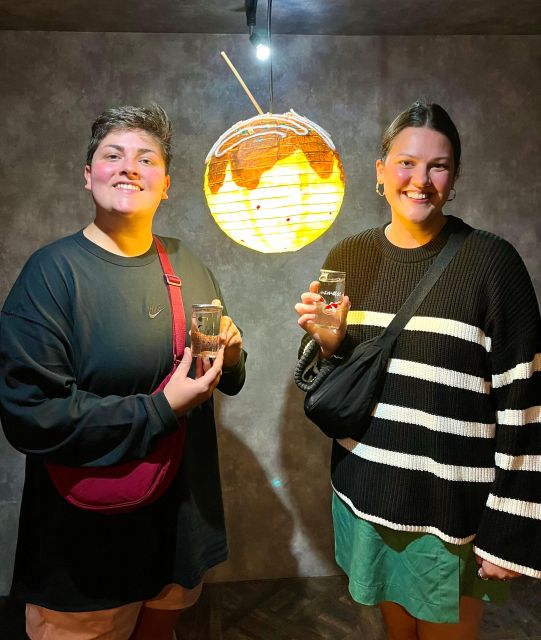
Once the food is cooked, the session turns to sake. Momo covers the basics of its history, culture, and making process, then explains how the main types differ. The lesson is designed for beginners, but it can also suit wine drinkers who enjoy comparing aroma, texture, sweetness, and finish.
The useful detail is the practical guidance. You learn how to read a menu and how to think about what you like, rather than memorizing Japanese terms without context. Momo explains what to expect from different styles and helps connect those characteristics to your own palate.
The drink is more accurately called nihonshu in some contexts, a point one participant found helpful. You do not need prior sake knowledge to follow the class. Momo’s role is to make the subject clear and enjoyable, not to turn the evening into a formal exam.
This is also a good place to ask basic questions that might feel awkward at a busy sake bar. You can ask how sake is made, what grading means, which bottles are dry or sweet, and what to order next. The instructor speaks English and Japanese, and the language support is one of the experience’s practical strengths.
More Japanese home cooking classes:
- Osaka: Ramen and Gyoza Cooking Class in Dotonbori
★ 5.0 · 378 reviews - Osaka: Sumo Stage Show with Bento or Snack + Fight & Photo
★ 4.3 · 364 reviews - Osaka: Traditional Mochi Pounding Experience with Tasting
★ 4.9 · 306 reviews - Ramen and Gyoza Cooking Class in Osaka
★ 5.0 · 202 reviews
Tasting more than 10 Japanese sakes
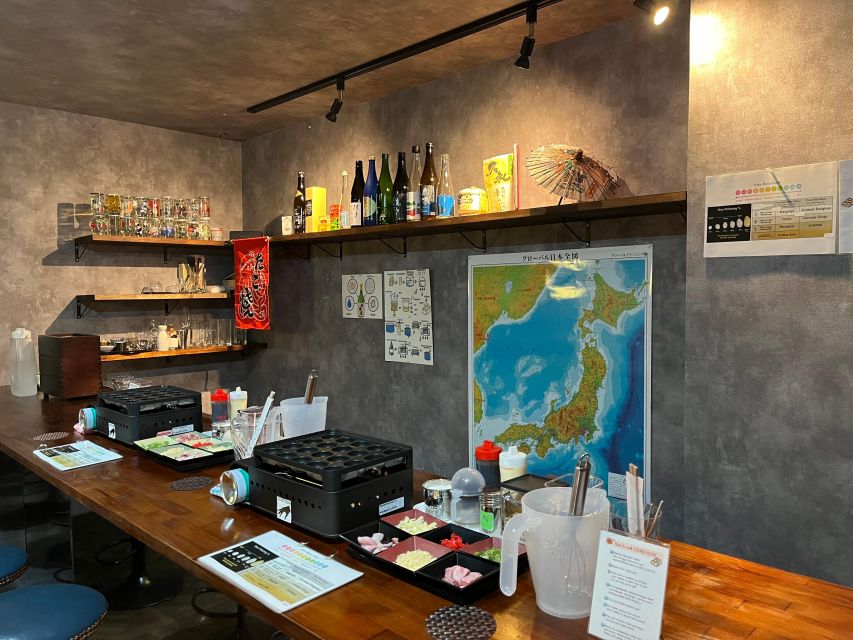
More than 10 types of Japanese sake are available, selected from a seasonal menu. That does not mean you will necessarily drink every bottle in one sitting. The number tasted can vary. Participants have described trying seven or eight types, with some noting that the pours were generous.
Momo guides you through the choices and helps you select bottles that fit your preferences. You might compare lighter and fuller styles, different levels of sweetness, or sake with distinct aromas and textures. The point is to notice differences, not simply count samples.
The seasonal menu is a plus because sake changes with availability and time of year. You are not being shown a fixed international list that never changes. The exact bottles cannot be guaranteed, so book this for the teaching and tasting format rather than one particular brand.
Soft drinks are available, which makes the activity more workable for mixed groups. Families have attended, with adults tasting sake and children enjoying soft drinks and the cooking. Still, the core focus is clearly sake, so adults who want a serious tasting should feel at home here.
You should also take the alcohol seriously. Because the pours may be larger than a token sample, eating beforehand or arriving ready for the takoyaki is sensible. The cooking happens before the sake, as stated, and the food is then enjoyed alongside the drinks.
The final meal and conversation
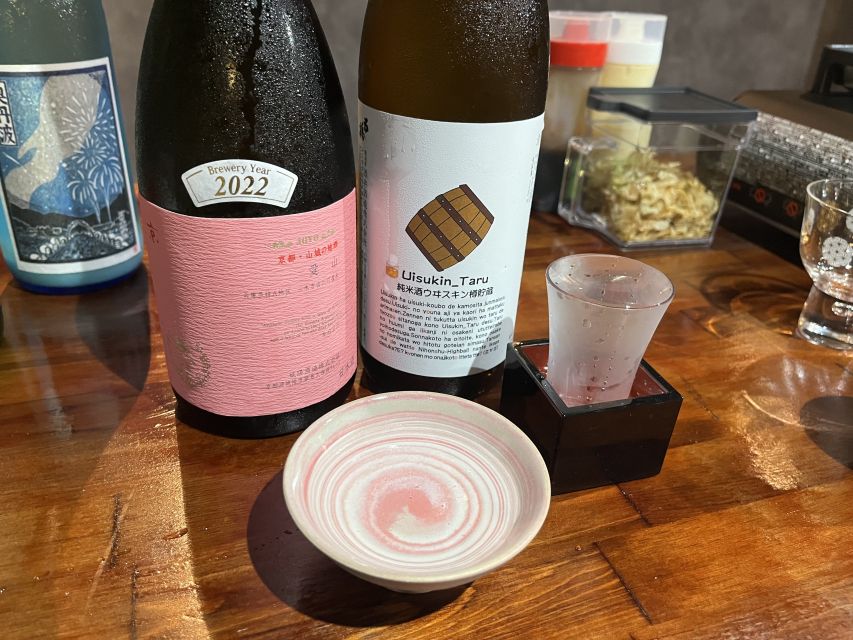
The closing part is simple: eat your handmade takoyaki and drink the sake you selected. This is where the two halves of the experience fit together. The food gives you something salty and warm to enjoy with the tasting, while the sake lesson gives you a clearer way to judge what is in your glass.
The atmosphere appears to be as important as the instruction. Momo welcomes people into the session, answers questions, and keeps the conversation moving. Couples, solo participants, families, and older adults have all found the format comfortable in the supplied feedback.
Some participants have left with enough confidence to buy sake during the rest of their trip. One even purchased a carafe and cups afterward. That is a useful test of value: the class can change how you approach sake beyond the two hours at MOMO to SAKE.
Momo has also suggested nearby bars known more to locals after the class. This is not listed as a formal part of the activity, so treat it as a possible personal recommendation rather than a promised add-on.
Is $70 a fair price?
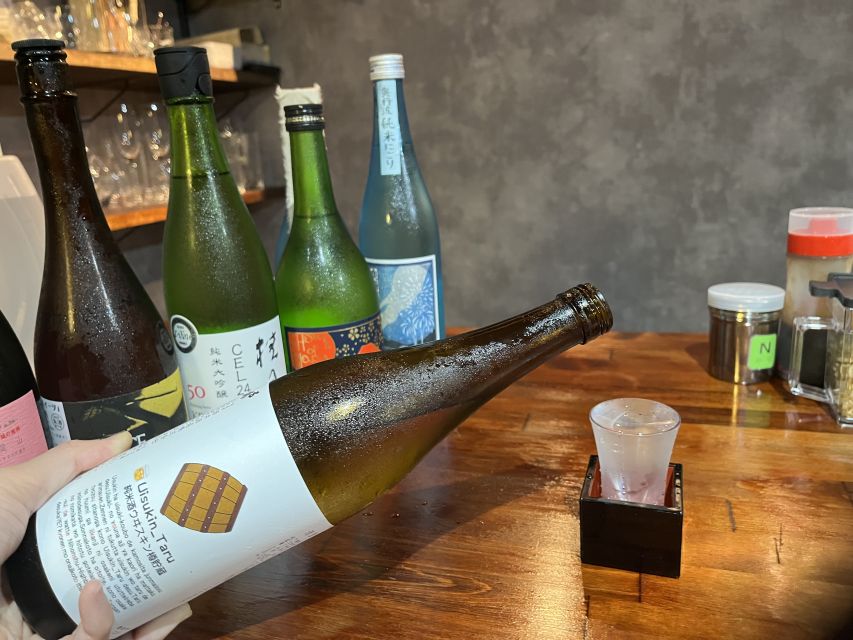
At $70 per person, this is not the cheapest way to eat takoyaki or sample sake in Osaka. You can find inexpensive street food elsewhere, and a single bar visit may cost less. The price makes more sense when you count the instruction, ingredients, small group, cooking activity, soft drinks, and multiple sake samples.
You are paying for a lesson and a social evening, not just for food and alcohol. Momo’s role as a sake sommelier and former brewer gives the tasting a level of guidance you may not get by ordering random bottles at a restaurant.
Value depends on your interests. If you already know sake well and only want a quick drink, the class may feel too structured. If you want to understand what you are ordering, cook Osaka food, and enjoy a personal conversation near Namba, the price is reasonable.
The activity lasts two hours, which is long enough for both parts without taking up an entire day. It works especially well early in your Osaka stay, since the sake tips can help you choose drinks for later nights.
Who should book this class?
I would choose this for first-time visitors who want a local food experience with some instruction behind it. It is also a strong pick for couples, small friend groups, solo visitors, and families with adults who want sake while children drink soft drinks.
It suits people who like participation more than passive sightseeing. You will need to handle the cooking yourself, ask questions, and accept that your first takoyaki may not look perfect.
Sake beginners are likely to get the most from it, but experienced drinkers can still use the session to compare seasonal bottles and discuss preferences. Wine drinkers may particularly enjoy the tasting approach, since it encourages you to look for patterns in aroma, sweetness, and texture.
I would think twice if you dislike group cooking, cannot drink alcohol, or want a formal brewery tour. This is a cozy tasting and cooking session, not a visit to a production facility. Soft drinks are included, but sake remains a central part of the experience.
The flexible cancellation policy allows a full refund when you cancel at least 24 hours ahead, and you can reserve now and pay later. Starting times vary, so check availability before building your Namba plans.
Should you book Osaka Sake Tasting with Takoyaki Cooking?
Book it if you want to leave Osaka with two useful skills: turning takoyaki and choosing sake. The combination feels distinctly Osaka, the group size keeps the session personal, and Momo’s experience gives the tasting real substance.
I would book early in your Osaka stay, especially if you plan to visit sake bars afterward. Skip it only if you want a very cheap meal, a large formal tour, or a brewery visit. For most curious eaters and sake beginners, $70 buys a memorable evening with practical value beyond the meal.
FAQ
Where does the Osaka Sake Tasting with Takoyaki Cooking take place?
It takes place at MOMO to SAKE, on the second floor of the building, near Osaka’s main Namba area.
How long does the experience last?
The activity lasts two hours.
How many people can join the class?
It is a small-group experience limited to six participants.
What languages does the instructor speak?
The instructor speaks English and Japanese.
Who leads the sake tasting?
Momo leads the activity. She is a sake sommelier and former brewer.
How many kinds of sake are available?
More than 10 types of Japanese sake are available from a seasonal selection. The number you taste during the session may vary.
Is food included?
Yes. All cooking ingredients and instructions are included, and you cook and eat your own takoyaki.
Are soft drinks available?
Yes. Soft drinks are included alongside the sake selection.
Can I cancel for a refund?
You can cancel up to 24 hours in advance for a full refund. You can also reserve now and pay later.
More Sake Tasting in Osaka
- Osaka Cooking Class and Sake Tasting with Local Supermarket Visit
★ 5.0 · 79 reviews - Osaka: Cooking Class & Sake Tasting with Local Market Visit
★ 4.8 · 31 reviews - 3.5h Osaka Night guided Local Bar Hopping, Sake & Karaoke
★ 5.0 · 27 reviews - Sake “Omakase” in Osaka : Guided Tasting by a Active Sake brewer
★ 5.0 · 11 reviews
Just added around Osaka
- Osaka Early Morning Osaka Castle Tour Avoid Crowds★ 5.0 · 3 reviews
- Guided Tour of Some Attractions in Osaka by Private Car★ 5.0 · 3 reviews
- Nara Day Trip from Osaka with a Licensed Guide★ 5.0 · 3 reviews
- Private Transfer Between Kyoto and Kansai Airport KIX★ 5.0 · 3 reviews
- Shared Arrival Transfer: Osaka Itami Airport to Osaka City★ 5.0 · 3 reviews
- Osaka: Sushi Making Class and Dotonbori Food Tour★ 4.7 · 3 reviews
- Osaka Night Photography Workshop★ 5.0 · 3 reviews
- Kyoto Full day Tour Kinkakuji, Kiyomizu-dera and Fushimi Inari★ 4.5 · 3 reviews
Okonomiyaki & Takoyaki Classes, compared.

Osaka Cooking Class: Okonomiyaki &Japanese cuisines experience
Read our review →
Osaka Sake Tasting & Takoyaki Cooking Experience
Read our review →
Cooking Ramen&Gyoza/KatsuCurry/Bento/Okonomiyaki+Store Tour@Osaka
Read our review →
Cooking Class Okonomiyaki & Takoyaki course in Nanba
Read our review →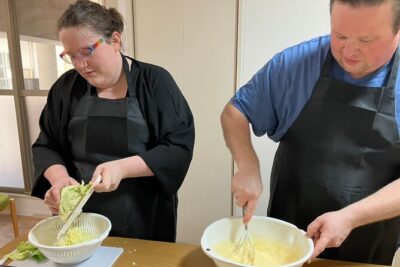
Osaka Okonomiyaki Cooking Class “Learn here and make it at home”
Read our review →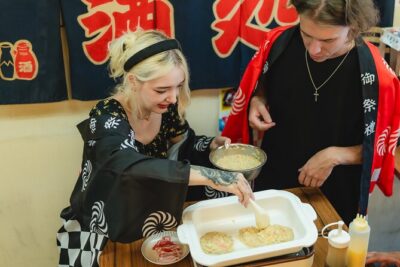
Osaka Street Food Festival :Takoyaki&Okonomiyaki for Families
Read our review →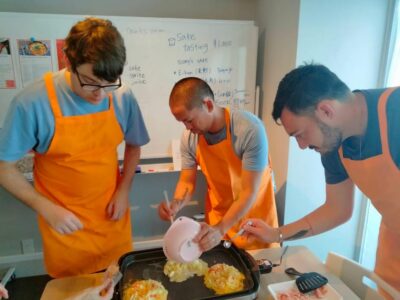
Okonomiyaki or Ramen&Gyoza Class with Local Shop Tour
Read our review →Browse the lists this tour appears in