
Reviewed · OKONOMIYAKI & TAKOYAKI CLASSES
Okonomiyaki or Ramen&Gyoza Class with Local Shop Tour
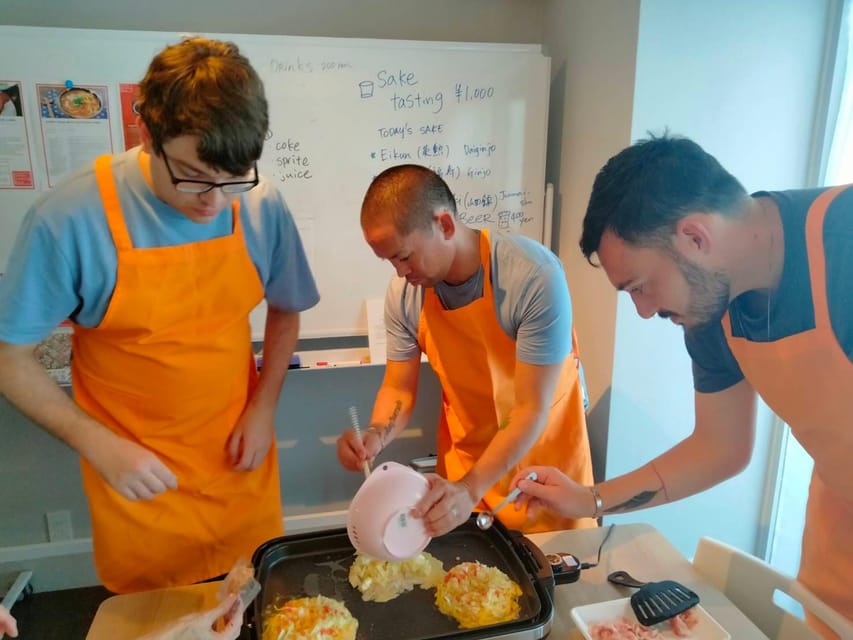
The best part of this Osaka cooking class happens before the pans heat up. You meet at Osaka Tenmangu Shrine, visit a few local shops, and learn why certain ingredients matter in Osaka cooking. Then you prepare a real home-style meal rather than simply watching a chef work.
I like the small group limit of eight, which leaves room for questions and hands-on help. I also like that guides such as Yuki, Yumi, Rie, and Tomo have brought plenty of local detail to past sessions, from Osaka ingredients to places to eat around Osaka, Kyoto, and Nara. The main consideration is that the core class lasts about 2.5 hours, not a full sightseeing day, and you need to choose between the listed cooking options.
In This Review
- Key points
- From Osaka Tenmangu Shrine to the kitchen
- Why the shop visit adds real value
- Choosing between Okonomiyaki, Yakisoba, and Takoyaki
- A hands-on lesson, not a cooking demonstration
- Eating the food you prepare
- Cultural conversation with room for questions
- Is $83 a fair price?
- Who will enjoy this Osaka cooking class?
- Timing, meeting details, and cancellation
- Should you book Osaka Cooking Base?
- FAQ
- Where does the cooking class meet?
- Should I go to the small back gate of Osaka Tenmangu Shrine?
- How long does the experience last?
- What dishes can I learn to cook?
- Is food included?
- Is the class taught in English?
- How many people can join the class?
- Is the class suitable for children and older adults?
- Do I visit local shops before cooking?
- How far in advance should I reserve?
- Can I cancel for a full refund?
Key points
- Start at Osaka Tenmangu Shrine: Meet at the large main gate, not the smaller back gate.
- Shop before you cook: Visit a few local stores and learn about Japanese ingredients with English translation help.
- Choose your main dish: Select Okonomiyaki and Yakisoba, or Takoyaki, depending on the available class option.
- Small groups matter: With no more than eight people, you can ask questions and get direct cooking guidance.
- Built for many ages: The hands-on format is designed for children, adults, and seniors.
- Useful value at $83: You receive the local shop tour, food, instruction, and cultural conversation in one compact experience.
From Osaka Tenmangu Shrine to the kitchen
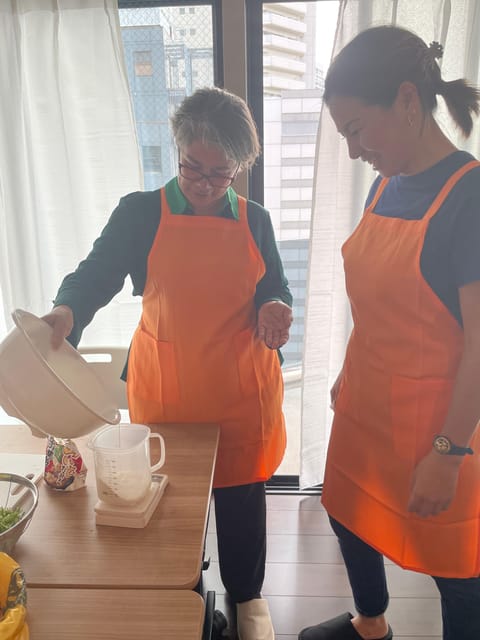
This experience begins in front of the large main gate of Osaka Tenmangu Shrine. That detail matters because the shrine has more than one entrance, and the small back gate can put you in the wrong place at the start of the morning.
The shrine is a fitting meeting point. It gives you a clear landmark and places the class in an everyday part of Osaka rather than in a hotel conference room or a tourist-only cooking studio. You begin with a sense of place before discussing recipes.
From there, your guide takes you to a few local shops. This is not presented as a long market tour. Think of it as a short food walk that helps you connect the ingredients on the shelf with the dishes you will soon cook.
English translation assistance is provided, so you are not left guessing at labels or unfamiliar products. The guide explains the items and their connection to the Osaka area. That small step adds useful context: you are not only learning which ingredients to buy, but also how food fits into local life.
The shop visits may be especially helpful if you want to recreate the meal at home. A recipe can tell you to buy sauce, flour, noodles, or toppings. A local guide can explain what those products look like in Japan and how they are used. That makes the lesson more practical than a recipe card alone.
More okonomiyaki and takoyaki classes:
- Osaka Cooking Class: Okonomiyaki &Japanese cuisines experience
★ 5.0 · 261 reviews - Osaka Sake Tasting with Takoyaki Cooking
★ 5.0 · 156 reviews - Osaka Sake Tasting & Takoyaki Cooking Experience
★ 5.0 · 149 reviews
Why the shop visit adds real value
Many cooking classes move straight to a prepared workstation. This one gives you a short look at the buying side of Japanese food.
Past sessions have included visits to two local shops, with opportunities to see and try regional products. Yumi, for example, has explained specific products from the Osaka area and introduced the shops that sell them. You should not expect a full market expedition, but you do get a useful glimpse of how ingredients appear before they reach the kitchen.
I like this part because it keeps the class tied to Osaka. Okonomiyaki and Takoyaki are not abstract Japanese dishes here. They are foods linked to the city’s casual eating culture and home kitchens. Seeing local products first helps you understand why sauces, seasonings, and toppings are important to the finished meal.
There is also a practical benefit. If you plan to shop for Japanese ingredients after the class, you will have already seen some of the products and heard how they are used. The guide can answer questions during the walk, which is easier than trying to decode packaging on your own.
The limitation is simple: the tour visits only a few shops. If you want a long food market tour or a serious lesson in Japanese grocery shopping, this is not that experience. The shopping portion is a well-chosen introduction before the cooking begins.
Choosing between Okonomiyaki, Yakisoba, and Takoyaki
The main cooking choices are listed as:
- Okonomiyaki and Yakisoba
- Takoyaki
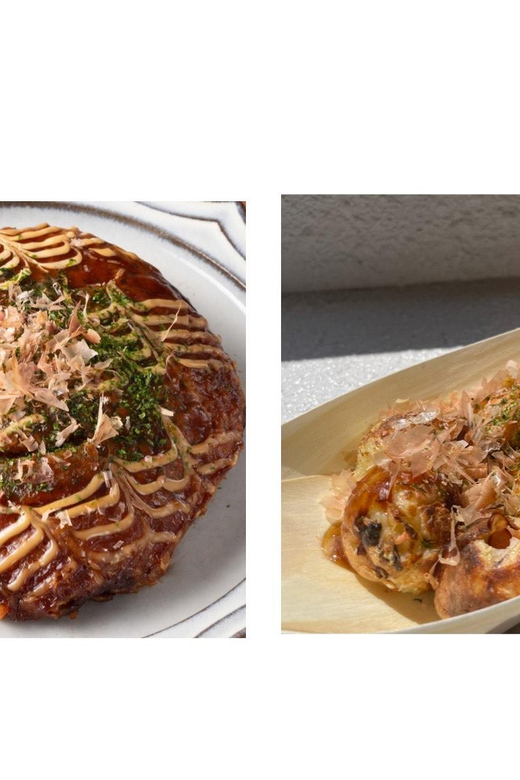
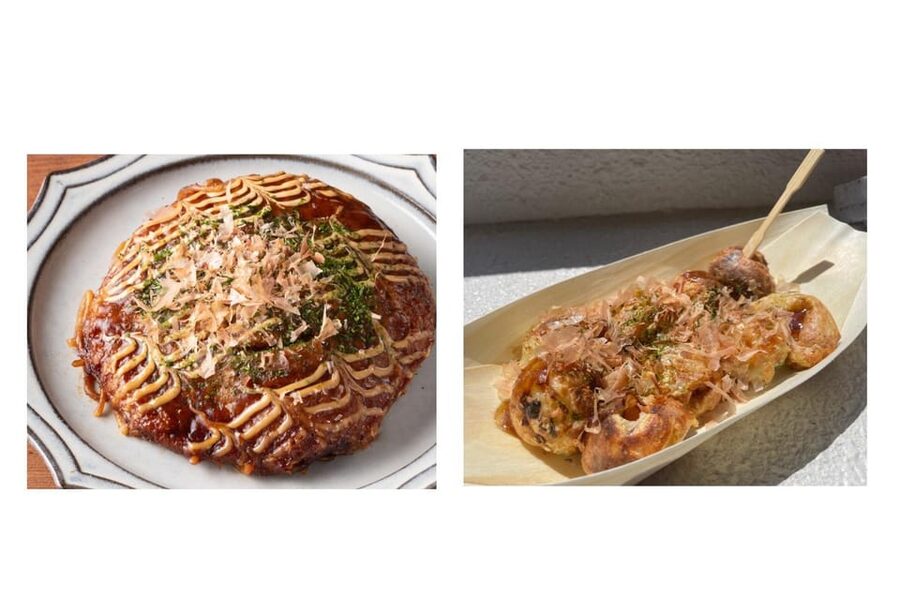
Okonomiyaki is the broad savory pancake that many people associate with Osaka. Yakisoba adds a noodle dish to the same session, giving you two different cooking methods and textures. Past participants have found the combination easy to repeat at home, which is important if you want a recipe you will actually use after Japan.
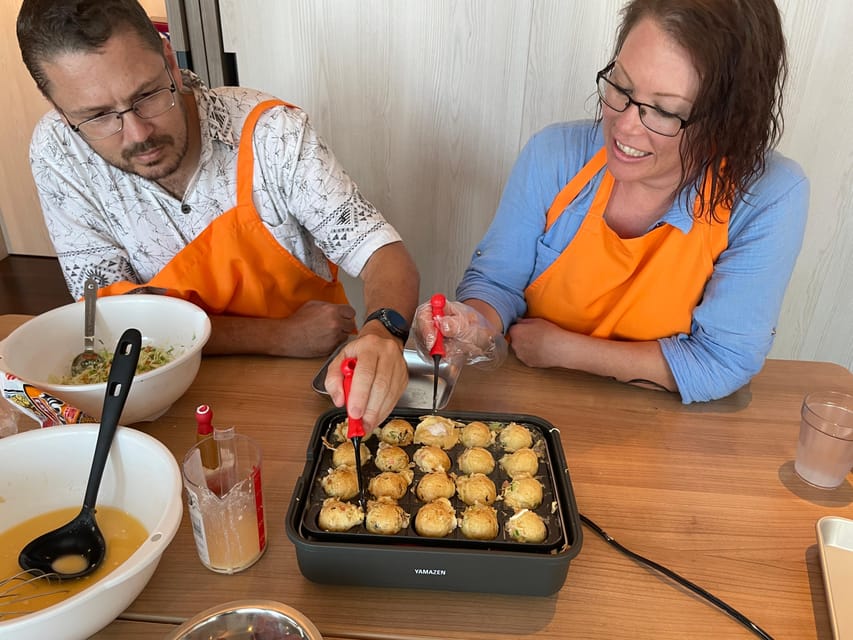
Takoyaki is the other central option. These round batter-based snacks require a different style of handling and shaping. The class teaches the process step by step, so you are not expected to know the technique before arriving.
The available information also mentions Katsu Curry and Bento boxes as examples of traditional dishes taught through the cooking program. However, the included food for this experience specifically identifies Okonomiyaki and Yakisoba or Takoyaki. If Katsu Curry or a Bento lesson is the reason you are booking, confirm the exact menu before paying.
That menu point is worth checking because the title presents two options, while the description refers to several Japanese meals. The safest approach is to look at the available option when you reserve and ask Osaka Cooking Base if you need a particular dish.
A hands-on lesson, not a cooking demonstration
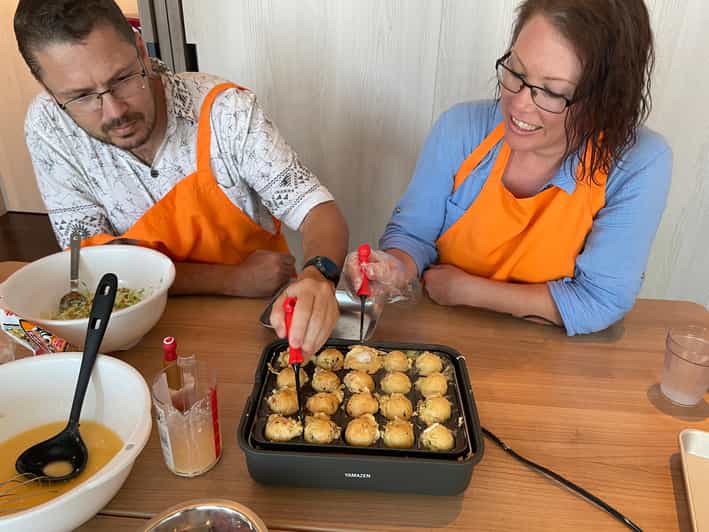
Once you reach the kitchen, the guide explains each stage of the recipe. The format is designed for participation, with techniques and traditions explained as you work.
That makes this a good choice if you want more than a meal. You should expect to handle the preparation and follow the recipe with guidance rather than sit back while someone else cooks. The goal is clear: you leave with enough confidence to make the dishes in your own kitchen.
The teaching style also appears flexible. The class is intended for all ages, from young children to seniors, and the small group setting gives the guide time to adjust explanations. You can ask about ingredients, cooking methods, Japanese customs, or everyday life while the food is being prepared.
Past sessions led by Yuki included cooking tips along with advice about places to eat in Osaka, Kyoto, and Nara. Rie and Tomo hosted a small group that visited two shops before preparing Okonomiyaki and Yakisoba. Yumi has focused on Osaka products and the meaning behind them.
The guide for your date may be different, so do not book on the assumption that one particular person will lead your class. Still, these examples show the kind of conversation the experience is built to support.
More ramen and gyoza classes:
- Osaka: Five Must-See Highlights Walking Tour & Ramen Lunch
★ 4.7 · 411 reviews - Osaka: Ramen and Gyoza Cooking Class in Dotonbori
★ 5.0 · 378 reviews - Ramen and Gyoza Cooking Class in Osaka
★ 5.0 · 202 reviews - Walking Tour of Osaka’s 5 Must-See Sights, with Ramen for Lunch
★ 5.0 · 158 reviews
Eating the food you prepare
The food is included, and the meal comes at the end of your work. That sounds obvious, but it changes the feel of the activity. You are not only learning a dish in theory. You get to taste the result and judge how the method worked.
Several dishes are described as easy to make at home, especially Okonomiyaki and Yakisoba. That is useful for cooks who want a realistic holiday souvenir. You do not need to return home with specialist equipment or a long list of impossible ingredients to make the lesson worthwhile.
The class also gives you a chance to ask about sauces and toppings as you cook. One small group had plenty of time to discuss these details because only two people attended. With a maximum of eight, your experience may be more social, but it should still allow questions and direct help.
The food should not be treated as a restaurant tasting menu. The value is in learning the process, eating what you make, and understanding the food’s place in Osaka life. If you want a polished multi-course meal served by someone else, choose a restaurant. If you want to learn by doing, this format makes more sense.
Cultural conversation with room for questions
The cooking is only half the lesson. The other half is the conversation around it.
You can ask about Japanese culture, local customs, regional food, and daily life. The guide provides English instruction, which makes it easier to ask the questions that often get lost during a regular sightseeing stop.
This open format works particularly well in a small group. You may want to know how Osaka food differs from dishes elsewhere in Japan, where to eat near Osaka, or how to find ingredients at home. The class allows space for those questions rather than keeping every minute locked to a script.
I would treat the cultural exchange as a major reason to book. You can find recipes online, and you can eat Okonomiyaki in many Osaka restaurants. What you cannot get from a recipe alone is a local person explaining why a product is used, how a dish fits into regional culture, or which parts of the method matter most.
The balance depends partly on your group. A quiet group may receive more direct instruction. A talkative group may spend more time on food and local recommendations. Either way, the English-speaking format keeps the exchange accessible.
Is $83 a fair price?
At $83 per person, this is not the cheapest way to eat Okonomiyaki in Osaka. You can order the dish at a restaurant for much less. The comparison is not really restaurant versus restaurant, though.
Your fee includes a local shop visit, ingredients, the cooking lesson, the prepared food, English guidance, and a small-group setting. You are paying for access to a local instructor and for the chance to repeat the meal at home. For someone who values that instruction, the price is reasonable.
The value improves if you are traveling with children, want a shared activity, or plan to cook Japanese food after returning home. The all-ages design gives families and mixed-age groups a common activity without requiring advanced kitchen skills.
The value is weaker if you only want a quick meal or if your schedule is already full of food tours. The session takes about 2.5 hours, and the experience is centered on cooking rather than on seeing many Osaka sights.
A full group of eight can also feel less personal than a private lesson for two. You should still have a small-group setting, but the amount of one-to-one attention will depend on how many people book your date.
Who will enjoy this Osaka cooking class?
I would recommend it most strongly to:
- First-time visitors who want a friendly introduction to Osaka food
- Families looking for an activity suitable for different ages
- Couples or friends who enjoy preparing and eating a meal together
- Home cooks who want recipes they can repeat without much fuss
- Food lovers who want local ingredient context, not only a restaurant meal
- Visitors who enjoy asking questions about Japanese culture
It may not suit you if you dislike hands-on activities, need a full-day tour, or want an advanced culinary workshop. The class is designed to be welcoming and practical, not technical or formal.
You should also check the exact menu before booking. The main options are Okonomiyaki and Yakisoba or Takoyaki, while the description also refers to Katsu Curry and Bento boxes. That difference does not ruin the experience, but it is worth clearing up if one dish matters to you.
Timing, meeting details, and cancellation
The class is described as a 2.5-hour session, even though the general duration is shown as one day. Plan around the shorter cooking experience and confirm the starting time when you check availability.
Reservations should be made at least 24 hours in advance. Meet at the large main gate of Osaka Tenmangu Shrine. Do not go to the small back gate.
The group is limited to eight participants, and the instruction language is English. You can reserve without paying immediately, according to the flexible payment terms, and cancel up to 24 hours in advance for a full refund.
These policies are useful for a changing Japan itinerary, but do not leave the booking until the last minute. The advance reservation rule is clear, and small classes can fill.
Should you book Osaka Cooking Base?
Book this class if you want to connect Osaka’s food with its ingredients, shops, and people. The strongest reasons are the small group, the direct English instruction, and the focus on recipes you can repeat at home.
I especially like the combination of a short local shop tour and hands-on cooking. It gives you more context than a standard demonstration and more practical value than a meal alone. The class also leaves room for questions, which can turn a simple Okonomiyaki lesson into a broader conversation about life in Japan.
Skip it if you want a long market tour, a full-day Osaka itinerary, or a restaurant-style feast. Also confirm the menu in advance if you want Takoyaki, Okonomiyaki and Yakisoba, Katsu Curry, or Bento in particular.
For most visitors who enjoy food and conversation, the $83 price is justified by the personal instruction and the chance to take a useful Japanese cooking skill home with you.
FAQ
Where does the cooking class meet?
You meet in front of the large main gate of Osaka Tenmangu Shrine.
Should I go to the small back gate of Osaka Tenmangu Shrine?
No. The meeting point is the large main gate, so take care not to go to the small back gate.
How long does the experience last?
The cooking session lasts about 2.5 hours. The general activity information also lists a validity of one day.
What dishes can I learn to cook?
The main choices are Okonomiyaki and Yakisoba, or Takoyaki. The description also mentions Katsu Curry and Bento boxes as dishes taught through the cooking program, so confirm the exact menu for your booking.
Is food included?
Yes. Food is included for the selected cooking option, either Okonomiyaki and Yakisoba or Takoyaki.
Is the class taught in English?
Yes. English instruction and translation assistance are provided.
How many people can join the class?
The group is limited to eight participants.
Is the class suitable for children and older adults?
Yes. The activity is designed to be engaging and educational for all ages, including young children and seniors.
Do I visit local shops before cooking?
Yes. The experience includes a short local tour of a few shops before you go to the kitchen.
How far in advance should I reserve?
You should make your reservation at least 24 hours in advance.
Can I cancel for a full refund?
Yes. You can cancel up to 24 hours in advance for a full refund.
More Market and Shopping Streets
- Cooking Ramen&Gyoza/KatsuCurry/Bento/Okonomiyaki+Store Tour@Osaka
★ 5.0 · 138 reviews - Kuromon Market Tour: All inclusive 6~8 Dishes & 3~4 samplings
★ 5.0 · 103 reviews - Osaka Cooking Class and Sake Tasting with Local Supermarket Visit
★ 5.0 · 79 reviews - Osaka: Cooking Class & Sake Tasting with Local Market Visit
★ 4.8 · 31 reviews
Just added around Osaka
- Nara Day Trip from Osaka with a Licensed Guide★ 5.0 · 3 reviews
- Osaka Early Morning Osaka Castle Tour Avoid Crowds★ 5.0 · 3 reviews
- Guided Tour of Some Attractions in Osaka by Private Car★ 5.0 · 3 reviews
- Private Transfer Between Kyoto and Kansai Airport KIX★ 5.0 · 3 reviews
- Shared Arrival Transfer: Osaka Itami Airport to Osaka City★ 5.0 · 3 reviews
- Osaka: Sushi Making Class and Dotonbori Food Tour★ 4.7 · 3 reviews
- Osaka Night Photography Workshop★ 5.0 · 3 reviews
- Kyoto Full day Tour Kinkakuji, Kiyomizu-dera and Fushimi Inari★ 4.5 · 3 reviews
Okonomiyaki & Takoyaki Classes, compared.

Osaka Cooking Class: Okonomiyaki &Japanese cuisines experience
Read our review →

Osaka Sake Tasting & Takoyaki Cooking Experience
Read our review →
Cooking Ramen&Gyoza/KatsuCurry/Bento/Okonomiyaki+Store Tour@Osaka
Read our review →
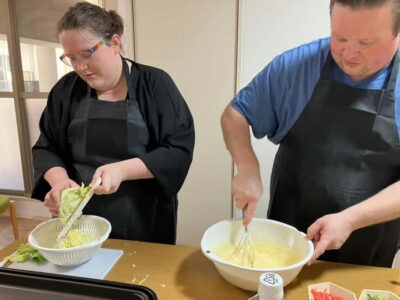
Cooking Class Okonomiyaki & Takoyaki course in Nanba
Read our review →
Osaka Okonomiyaki Cooking Class “Learn here and make it at home”
Read our review →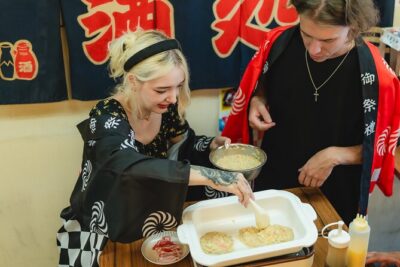
Osaka Street Food Festival :Takoyaki&Okonomiyaki for Families
Read our review →Browse the lists this tour appears in