
Reviewed · SAKE TASTING
Sake “Omakase” in Osaka : Guided Tasting by a Active Sake brewer
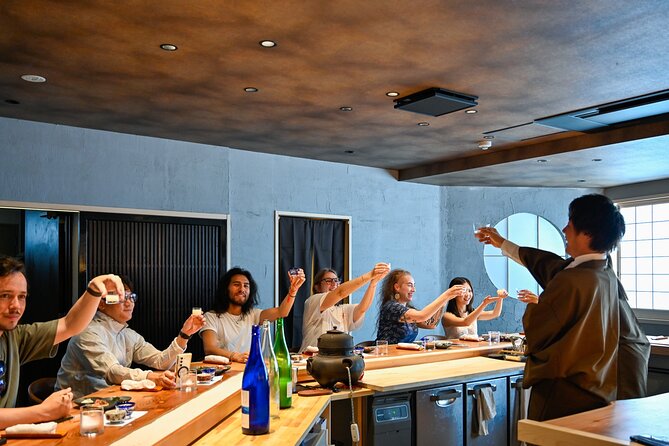
The most useful thing about this Osaka tasting is that Yuki, the owner and host, is also an active sake brewer. He trained for a year at a brewery in Osaka, so the session goes beyond naming bottles or pouring drinks. You learn how rice, water, koji, polishing, and temperature shape what reaches your glass.
I like the thoughtful seven-pour format, especially the chance to taste the same sake at two temperatures. I also like the small size, capped at 10 people, which leaves room for questions and easy conversation about Japanese culture and travel. The main consideration is the price: at $71.54, this is not a casual bar stop, though the guided instruction, seven sakes, and three food pairings make it a better value for curious drinkers than a standard tasting flight.
In This Review
- Key points to know
- Why this Fukushima sake session is different
- Entering Sake Pairing Bar Potan in Fukushima
- 13:00: A brewer explains rice, water, and koji
- 13:30: Three sake styles side by side
- 14:00: Comparing rice varieties
- 14:20: The same sake at two temperatures
- 14:40: Questions, conversation, and cultural context
- 14:55: Your Sake Preference Diagnosis
- What the $71.54 price really covers
- Who should book this Osaka tasting
- Practical details before you reserve
- Should you book Sake Omakase in Osaka?
- FAQ
- Where does the sake tasting take place?
- How long does the experience last?
- How many sakes are included?
- Is food included?
- What is the maximum group size?
- Can I cancel for a full refund?
Key points to know
- An active brewer leads the session: Yuki explains sake from practical brewery experience, not just from a restaurant menu.
- Seven sakes show real contrasts: You compare three styles, two rice varieties, and one sake at two temperatures.
- Your taste gets a name: A tasting sheet leads to a personal Sake Preference Diagnosis.
- The setting is calm and traditional: Sake Pairing Bar Potan occupies a refined space in Osaka’s Fukushima area.
- Food is part of the lesson: Three seasonal Japanese pairing dishes are included with the sake.
- The group stays small: A maximum of 10 people makes this more personal than a large bar tasting.
Why this Fukushima sake session is different
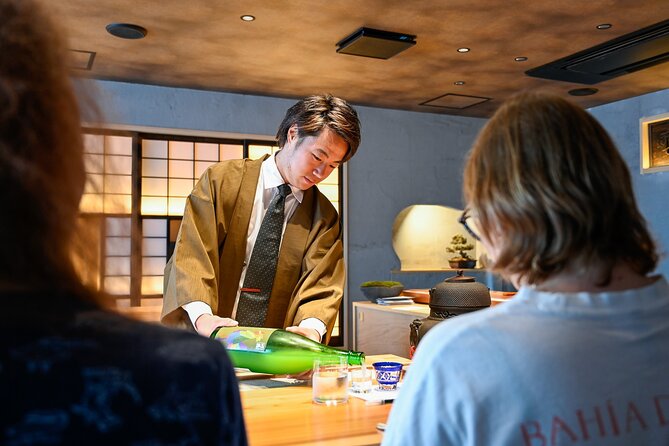
Many sake tastings ask you to sample several bottles and decide which one you like. That can be fun, but it does not always explain why one sake feels dry, sweet, floral, rich, light, warm, or crisp.
This session is built more like a short class. Yuki begins with the foundations of sake, then uses the tasting itself to show how production choices affect flavor. That structure matters because sake labels can be confusing, especially if you are new to terms such as rice varieties, polishing ratios, and serving temperature.
You are not simply handed seven unrelated glasses. Each group of pours has a job. The first three show different sake styles. The next two compare rice varieties. The final two show what happens when the same sake is served at different temperatures.
That last comparison is particularly useful. Temperature is easy to overlook, yet it can change the smell, texture, and balance of a sake. A bottle you do not enjoy chilled may become more appealing when served warmer, or the other way around. This gives you a practical lesson you can use at restaurants and bars after the session.
A few more Osaka tours and experiences worth a look
- Osaka Sake Tasting with Takoyaki Cooking
★ 5.0 · 156 reviews - Osaka Sake Tasting & Takoyaki Cooking Experience
★ 5.0 · 149 reviews - Osaka Cooking Class and Sake Tasting with Local Supermarket Visit
★ 5.0 · 79 reviews
Entering Sake Pairing Bar Potan in Fukushima
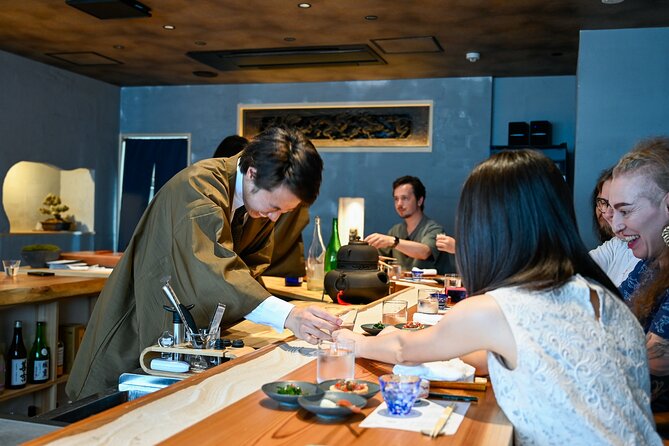
The experience takes place at Sake Pairing Bar Potan, at 2-chōme 7-24, NANEI Fukushima Building 4F, in Fukushima Ward. The area is only minutes from central Osaka and is served by public transportation, so you do not need to build a full day around reaching the venue.
The setting is designed with traditional Japanese architectural touches, but the main purpose is clear: sake takes center stage. This is not described as a brewery visit, so you should not expect a working production floor or a tour through fermentation rooms. Instead, the value comes from having brewing ideas brought into a focused tasting space.
The location also suits an afternoon plan. The scheduled session runs for about 90 minutes, beginning at 13:00 and ending around 14:55. Since it finishes where it starts, you can continue into Fukushima afterward or return toward central Osaka without arranging a second pickup point.
The meeting address is specific, so check it carefully before setting out. The activity is on the fourth floor, and public transportation costs are not included in the tour price.
13:00: A brewer explains rice, water, and koji
Yuki opens with an introduction to sake brewing. You learn basic points about sake history, rice varieties, polishing ratios, and simple etiquette before tasting begins.
The brewer’s background is important here. Yuki trained at a brewery for a year and remains active in sake production, giving him a direct connection to the work behind the bottle. The session also includes actual brewing materials, which helps turn abstract terms into something you can see and discuss.
For a beginner, this opening should make later pours easier to understand. Rice is not just an ingredient on a label. The variety and degree of polishing can affect the finished drink, while water and koji are also central to the brewing process.
You do not need to arrive with technical knowledge. The information is presented as a foundation for tasting, not as an exam. If you already know sake, you may find the introductory material familiar, but the comparisons that follow still give the class a useful purpose.
13:30: Three sake styles side by side
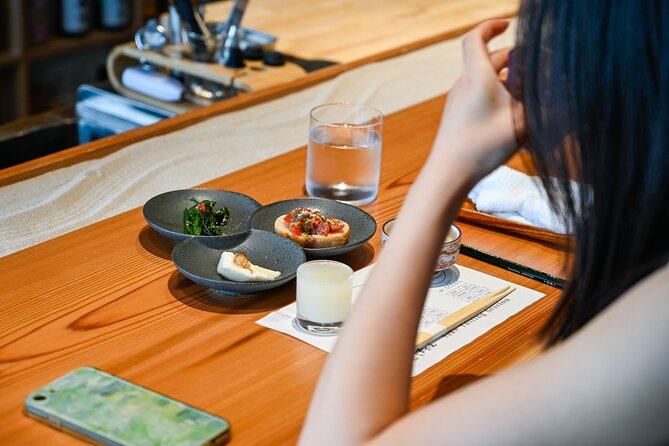
The first tasting group includes three different sake styles. This is where you begin building a vocabulary for your own preferences.
Instead of asking you to accept a guide’s description, the format lets you compare pours directly. You can consider aroma, sweetness, dryness, body, and finish while the differences are still fresh in your mind.
That side-by-side approach is one of the strongest parts of the session. A single glass can be hard to judge when you have no reference point. Three styles give you a small but useful range, helping you spot what suits you.
Yuki’s explanations are delivered in English, and the available feedback specifically praises his clear English and easy-to-follow teaching. That matters because sake vocabulary can become technical quickly. A host who explains without making the subject feel forbidding is a real advantage, especially if this is your first serious tasting.
The session is also social. Yuki has traveled to about 35 countries and is interested in cross-cultural conversation, so the discussion can extend beyond brewing into Japanese culture and travel. The relaxed tone should appeal to people who want a lesson but do not want a stiff classroom.
A completely different way to spend a day in Osaka:
- Osaka Go Karting Tour with Funny Costume
★ 5.0 · 2,658 reviews - Osaka Castle: Museum and Tower Entry Ticket
★ 4.5 · 2,380 reviews - Osaka: Shinsekai Food Tour with 13-15 Dishes at 5 Eateries
★ 4.8 · 2,204 reviews - Osaka Food Tour: 13 Dishes at 5 Local Eateries
★ 5.0 · 2,149 reviews
14:00: Comparing rice varieties
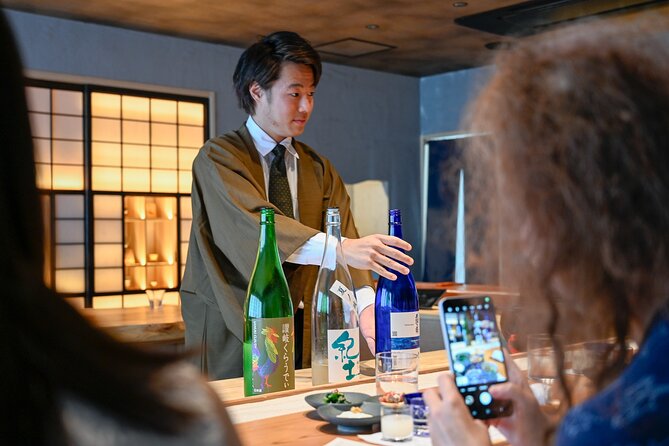
The next two pours focus on sake made from different rice varieties. This is a small but revealing experiment.
Rice is the base of sake, yet the finished drink does not taste like ordinary cooked rice. The grain’s characteristics, along with polishing and brewing methods, help shape the final aroma and texture. Tasting two examples with rice variety as the main point of comparison gives you a clearer sense of how raw materials influence the result.
This part also helps explain why two bottles from Japan can taste quite different even if they are both labeled as sake. If you are planning to buy bottles during your stay, this lesson can make labels and regional recommendations less intimidating.
The tasting sheet gives you a place to record reactions as you go. Use it honestly. You do not need to sound expert, and there is no correct answer when one rice variety appeals to you more than another.
The food is included throughout the experience. You receive three seasonal Japanese pairing dishes, which help you consider sake with something other than a clean palate. The exact dishes are not specified, so do not book this expecting a particular menu. Think of the food as a small seasonal accompaniment rather than a full meal.
14:20: The same sake at two temperatures
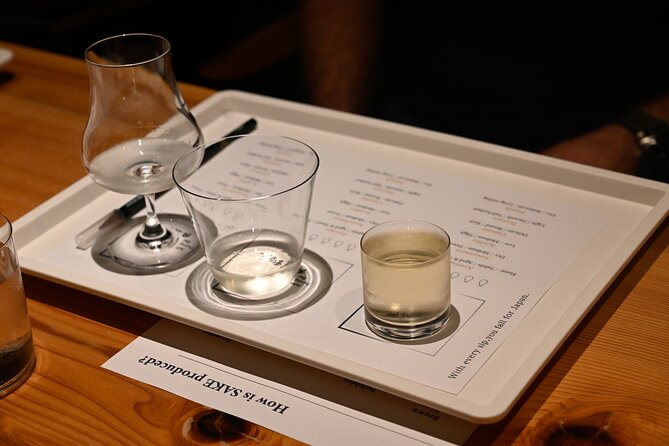
The temperature comparison is likely the most memorable lesson for many first-time drinkers. Two pours show how serving temperature can change the character of sake.
This is practical information, not just a tasting trick. Japanese sake can be served at different temperatures, and a bottle’s appeal may depend on how it is handled. A colder pour can emphasize one set of qualities, while a warmer pour may bring out another. Tasting the difference in one sitting lets you notice the change without relying on a label description.
I would pay close attention here, even if you already have a favorite style from the earlier pours. You may discover that the best match depends not only on the sake itself but also on how it is served.
The comparison also makes the $71.54 cost easier to assess. You are not paying for seven random samples. The pours are arranged as simple experiments, each designed to answer a question about sake.
14:40: Questions, conversation, and cultural context
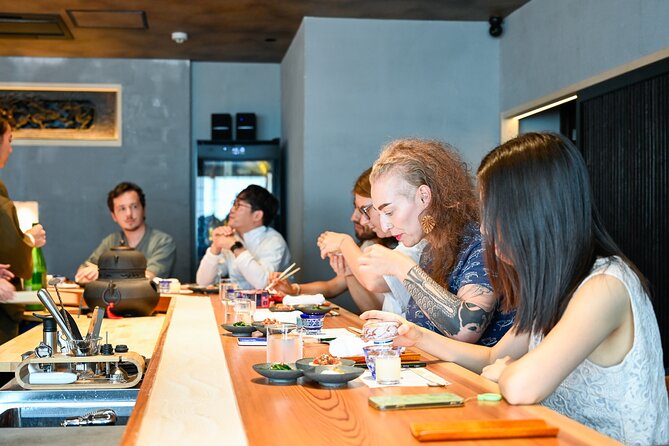
The formal tasting leads into a question-and-answer period at about 14:40. This is the moment to ask about brewing, regional differences, rice, serving customs, or choosing sake in Japan.
The session is limited to 10 people, which should give the conversation a more personal feel than a large tasting event. A small group does not guarantee that every question will be discussed at length, but it makes direct interaction with the host much more realistic.
Yuki’s interest in international culture adds another useful layer. His travels helped him look again at the appeal of Japanese culture, and he uses sake as a way to share that culture with people from abroad. The result is not only a technical lesson about alcohol. It is also a chance to place sake in the setting of Japanese food, hospitality, and social customs.
If you prefer to taste quietly without conversation, this may feel more interactive than you want. The experience is designed for questions and exchange, not for silently working through a flight at your own pace.
14:55: Your Sake Preference Diagnosis
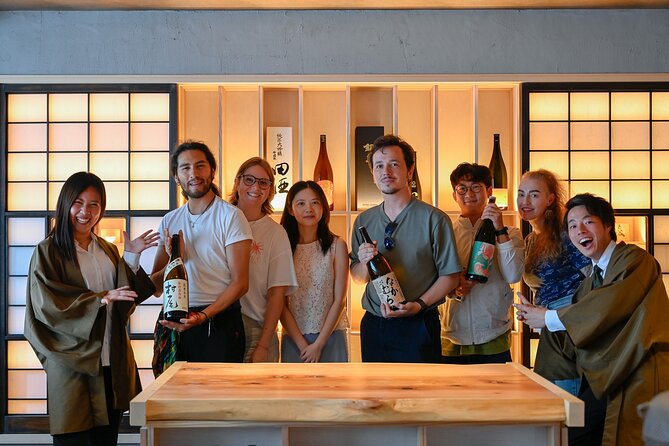
The closing activity uses your tasting sheet to produce a personal Sake Preference Diagnosis. This is a clever finish because it turns a short class into something you can use later.
You leave with a better idea of the styles, rice comparisons, and temperature choices that appealed to you. That can make ordering easier at an izakaya, sake bar, or restaurant. Instead of saying only that you want something good, you may be able to describe the qualities you prefer.
The diagnosis should not be treated as a permanent label. Your taste can change with food, weather, mood, and setting. Still, it gives beginners a starting point and gives experienced drinkers a clear way to reflect on what they noticed.
The session ends back at the bar, with no extra transfer or final destination included.
What the $71.54 price really covers
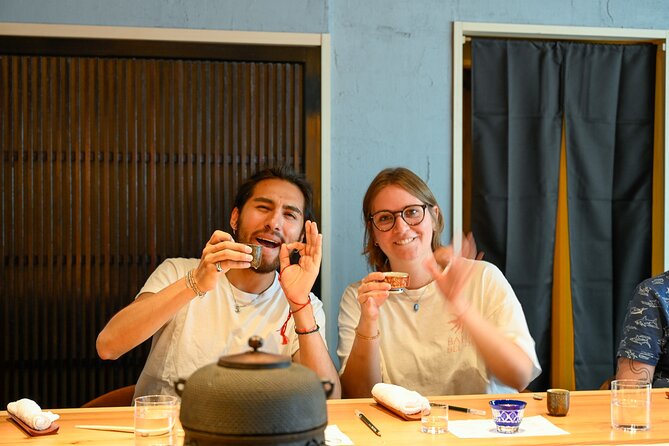
At $71.54 per person, this is a premium short activity. The session lasts about 90 minutes, so the price is not based on a long tour or a full meal.
The value comes from the combination of seven guided pours, brewing instruction from an active brewer, three seasonal food pairings, a tasting sheet, and the preference diagnosis. If you bought seven drinks and food separately, you would still be paying for the setting and the alcohol. Here, you are also paying for a planned comparison that helps you understand what is in the glass.
I would recommend the experience more readily to someone who wants to learn than to someone who only wants inexpensive drinks. If your goal is simply to sample sake, Osaka has other options that may cost less. If your goal is to understand why sake tastes different and make better choices later, the price is easier to justify.
Group discounts are available, which may help if you are booking with friends or family. The maximum group size is 10, so the discount does not appear to come at the cost of a very large crowd.
Who should book this Osaka tasting
This suits you best if you are curious about Japanese food and drink, enjoy guided learning, or have tried sake but still find the categories unclear.
It is also a good choice if you want an English-language cultural activity near central Osaka that does not take up half a day. The 13:00 start and short format leave room for other plans.
The experience should work well for:
- First-time sake drinkers who want plain explanations
- People comparing several Osaka tastings
- Couples or small groups who enjoy food and conversation
- Visitors interested in Japanese brewing and dining customs
- Experienced drinkers who want to compare rice and temperature effects
It may be less suitable if you do not drink alcohol, want a full brewery tour, or prefer a large nightlife setting. Alcoholic beverages are included, but there is no indication of a nonalcoholic tasting option. Service animals are allowed, and the venue is near public transportation.
Practical details before you reserve
The activity is confirmed at booking, and mobile tickets are available. Public transportation is not included, so budget for your trip to Fukushima Ward separately.
Free cancellation is available if you cancel at least 24 hours before the start time. Changes or cancellations inside that window are not accepted for a refund, and the cut-off uses Osaka local time.
The session ends at the meeting point. Since the experience lasts roughly 90 minutes, plan your next activity with a little breathing room rather than scheduling it immediately at 14:55.
The bar’s address is Japanese Sake Pairing Bar Potan, 4F, NANEI Fukushima Building, Fukushima 2-chōme 7-24, Osaka, 553-0003. Check the exact building and floor before you leave your hotel.
Should you book Sake Omakase in Osaka?
Book it if you want sake explained by someone with real brewing experience, not just poured for you. Yuki’s role as owner, host, and active brewer gives the class a useful sense of authority, while the seven-pour structure keeps the learning tied to what you are actually tasting.
The strongest reasons to choose it are the rice comparison, the same-sake temperature test, the small group, and the personal preference diagnosis. Those details make the session more useful than a basic flight.
Skip it if $71.54 feels high for a 90-minute activity, if you want a complete meal, or if a production brewery visit matters more to you. For an approachable introduction to sake in central Osaka, though, this is a focused and well-planned way to spend an afternoon.
FAQ
Where does the sake tasting take place?
It takes place at Sake Pairing Bar Potan in Fukushima Ward, Osaka. The address is Fukushima 2-chōme 7-24, NANEI Fukushima Building 4F, Osaka 553-0003.
How long does the experience last?
The session lasts approximately 1 hour and 30 minutes. The sample schedule begins at 13:00 and ends around 14:55.
How many sakes are included?
Seven sakes are included. You taste three different styles, two sakes made from different rice varieties, and the same sake served at two temperatures.
Is food included?
Yes. The experience includes three seasonal Japanese pairing dishes along with the alcoholic sake beverages.
What is the maximum group size?
The activity accepts a maximum of 10 people.
Can I cancel for a full refund?
Yes, if you cancel at least 24 hours before the experience start time. Cancellations or changes made less than 24 hours before the start time are not refunded or accepted.
Just added around Osaka
- Nara Day Trip from Osaka with a Licensed Guide★ 5.0 · 3 reviews
- Osaka Early Morning Osaka Castle Tour Avoid Crowds★ 5.0 · 3 reviews
- Guided Tour of Some Attractions in Osaka by Private Car★ 5.0 · 3 reviews
- Private Transfer Between Kyoto and Kansai Airport KIX★ 5.0 · 3 reviews
- Shared Arrival Transfer: Osaka Itami Airport to Osaka City★ 5.0 · 3 reviews
- Osaka: Sushi Making Class and Dotonbori Food Tour★ 4.7 · 3 reviews
- Osaka Night Photography Workshop★ 5.0 · 3 reviews
- Kyoto Full day Tour Kinkakuji, Kiyomizu-dera and Fushimi Inari★ 4.5 · 3 reviews
Sake Tasting, compared.


Osaka Sake Tasting & Takoyaki Cooking Experience
Read our review →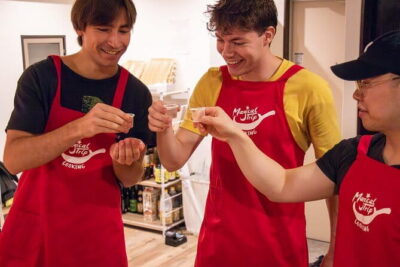
Osaka Cooking Class and Sake Tasting with Local Supermarket Visit
Read our review →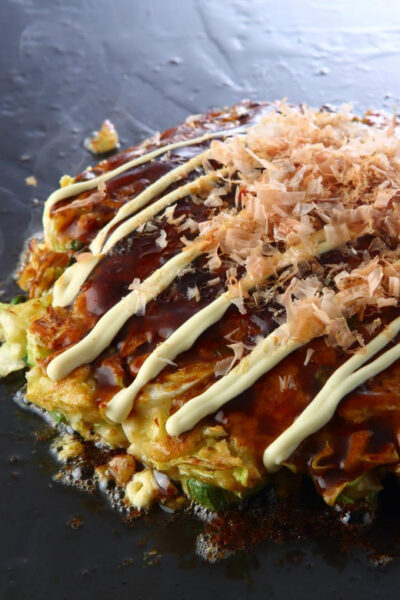
Cooking Class & Sake Tasting with Local Market Visit
Read our review →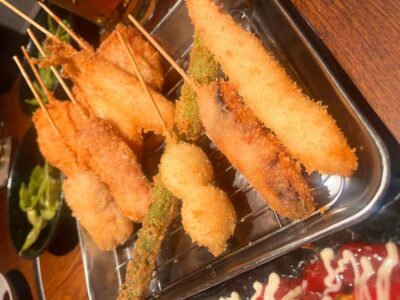
3.5h Osaka Night guided Local Bar Hopping, Sake & Karaoke
Read our review →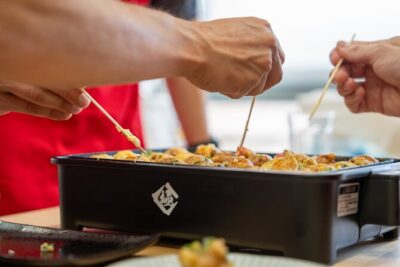
Browse the lists this tour appears in