
Reviewed · OSAKA COOKING CLASSES
Osaka Cooking Class and Sake Tasting with Local Supermarket Visit
Osaka’s food culture makes the supermarket stop the star of this experience. You do not simply arrive at a kitchen and follow a recipe. You first see the ingredients in their everyday setting, then carry that knowledge into a hands-on class featuring okonomiyaki, gyoza, and niku-sui.
I like the small group, capped at seven, because it leaves room for real help at the stove. I also like the practical payoff: you learn folding, mixing, and cooking methods you can try again at home. The one drawback is the four-hour schedule, which may feel long if you only want a quick demonstration.
In This Review
- Key points to know
- Why the supermarket visit matters in Osaka
- Cooking three Osaka favorites at MagicalTrip’s studio
- What the four-hour format feels like
- Sake tasting adds a social finish
- A small group makes the instruction useful
- What Yuka and Mari bring to the class
- Is $92.50 a fair price?
- Who will enjoy this Osaka food class most?
- Practical details before you book
- Should you book this Osaka cooking experience?
- FAQ
- How long does the Osaka cooking class and sake tasting last?
- What time does the activity start?
- Where is the meeting point?
- Where does the activity finish?
- What dishes will I prepare?
- What drinks are included with the meal?
- Do I need previous cooking experience?
Key points to know
- Local supermarket first: Learn about Japanese ingredients before cooking with them.
- Three Osaka-style dishes: Prepare savory okonomiyaki, folded gyoza, and comforting beef soup.
- Small group size: A maximum of seven people allows for live instruction and questions.
- Drinks with the meal: Taste local sake, beer, or soft drinks while eating what you made.
- Beginner-friendly format: No previous cooking experience is needed.
- Central meeting point: Meet at the FamilyMart on the south side of Minami-morimachi Station at 10 a.m.
Why the supermarket visit matters in Osaka
The class begins at 10 a.m. at the FamilyMart Minamimorimachi station South side, near Minami-morimachi Station in Osaka’s Kita Ward. This is a practical meeting point, but pay close attention to the wording: you are meeting at the FamilyMart on the south side of the station, at Tenjinbashi 2-chome 3-10, 1F.
From there, you visit a local supermarket with your guide. This part gives the class a useful sense of place. Japanese cooking can look simple on a recipe card, yet the supermarket shelves reveal the choices behind the food: sauces, wrappers, seasonings, cuts of meat, and other ingredients that may be unfamiliar at first glance.
Guides Yuka and Mari have both been praised for explaining what to buy and why. That matters more than it may seem. If you plan to repeat the recipes at home, knowing which ingredients to look for is often more useful than watching someone cook a perfect dish in front of you.
The shopping stop also gives you a glimpse of ordinary Osaka life. It is not a sightseeing stop built around a famous landmark. Instead, you are looking at the food people buy for everyday meals. That makes it a good fit if you want more than a restaurant meal and would like a little context before picking up your chopsticks or spatula.
The exact supermarket route and shopping time are not specified, so do not expect a formal market tour with a fixed list of food displays. The value is in the guide’s explanations and in seeing the ingredients in a real retail setting.
More Japanese home cooking classes:
- Osaka: Ramen and Gyoza Cooking Class in Dotonbori
★ 5.0 · 378 reviews - Osaka: Sumo Stage Show with Bento or Snack + Fight & Photo
★ 4.3 · 364 reviews - Osaka: Traditional Mochi Pounding Experience with Tasting
★ 4.9 · 306 reviews
Cooking three Osaka favorites at MagicalTrip’s studio
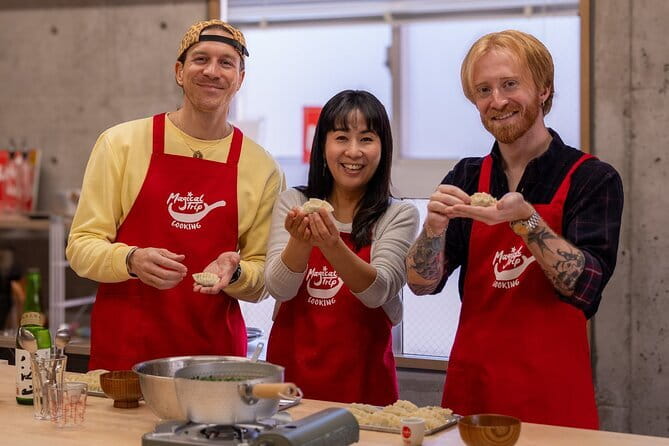
After shopping, the activity returns to MagicalTrip’s exclusive studio for the cooking session. The class focuses on three well-known dishes: niku-sui, okonomiyaki, and gyoza.
Niku-sui is a beef soup associated with Osaka. It is a warm, straightforward dish, and it gives you a chance to see how a small group of familiar ingredients can create a satisfying meal. The class is not limited to one famous pancake, so this soup adds variety and gives you another recipe to take home.
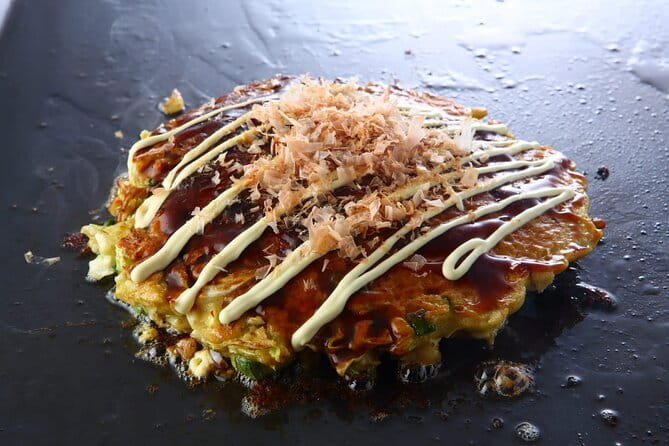
Okonomiyaki is the dish most people will recognize. This savory pancake is closely linked with Osaka’s food culture and is a natural choice for a local cooking class. You learn how to combine the ingredients and cook the pancake rather than simply eating one prepared by someone else.
Gyoza brings the most hands-on work. You practice folding the dumplings, which can take a little patience even when the recipe itself is simple. The small group helps here. An instructor can correct your technique and show you how to handle the wrappers, instead of leaving you to guess after a quick demonstration.
The class is designed for all skill levels. If you rarely cook, the step-by-step format keeps the tasks manageable. If you already cook often, you can pay closer attention to the Japanese methods and ingredient choices rather than worrying about basic kitchen work.
You should still keep your expectations realistic. This is a cultural cooking class, not a professional culinary course. You will practice authentic techniques, but the emphasis is on making approachable food, enjoying the process, and learning enough to repeat the dishes later.
What the four-hour format feels like
Four hours is enough time to connect the shopping and cooking portions without rushing through the meal. You have time to see the ingredients, return to the studio, follow instructions, cook several dishes, and sit down with drinks.
That length is a strength for anyone who wants a full activity rather than a short recipe lesson. It also gives the guide time to respond to questions and provide live feedback. The reported sessions with Yuka and Mari were praised for being hands-on and clearly explained, which is exactly where the extra time pays off.
Still, four hours takes a meaningful part of your day. If you have only one day in Osaka, consider the start time and your other plans. The activity begins at 10 a.m. and ends back at the meeting point, but the precise end time is not given beyond the approximate four-hour duration.
The schedule may work especially well early in a trip. You learn dishes that you can order with more confidence later, and the supermarket visit helps you recognize ingredients in other parts of Japan. It also works late in a trip, when you can use the class as a relaxed final taste of Osaka before heading home.
Sake tasting adds a social finish
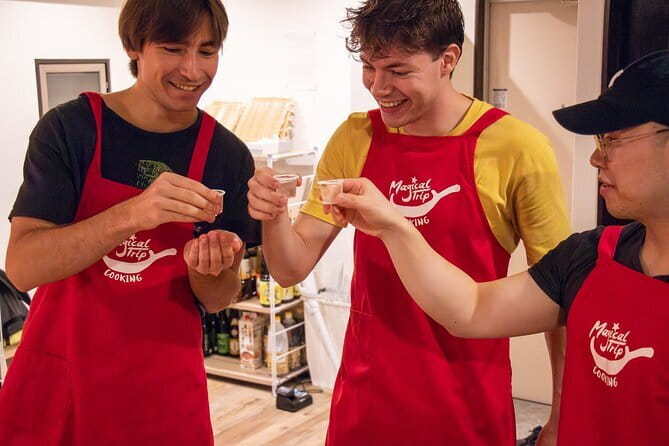
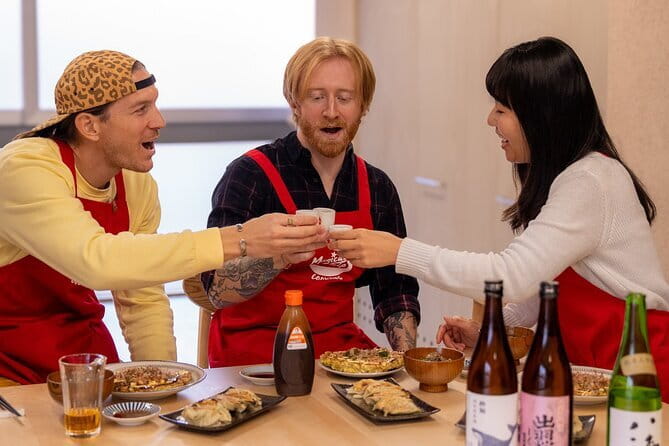
Once the food is prepared, you eat the dishes with local sake, beer, or soft drinks. The choice of drinks makes the experience easier to recommend to mixed groups. One person can taste sake while another chooses beer or a nonalcoholic drink.
The sake portion is part of the meal rather than a separate technical tasting course. The supplied details do not promise a lesson on brewing regions, production methods, or a large flight of labels. Think of it as a chance to pair local drinks with food you have just prepared.
That pairing gives the class a pleasant finish. Cooking can feel like a task when you are focused on instructions, but sitting down to eat changes the pace. You can see how the dishes work together and talk with your guide or fellow participants.
The meal also helps you judge the recipes for yourself. You are not just told that the food is easy to recreate. You get to taste the result, notice what you like, and decide which dish you want to make again.
More market and shopping streets:
- Cooking Ramen&Gyoza/KatsuCurry/Bento/Okonomiyaki+Store Tour@Osaka
★ 5.0 · 138 reviews - Kuromon Market Tour: All inclusive 6~8 Dishes & 3~4 samplings
★ 5.0 · 103 reviews - Osaka: Cooking Class & Sake Tasting with Local Market Visit
★ 4.8 · 31 reviews - Osaka Food Walking Tour with Market Visit
★ 4.5 · 14 reviews
A small group makes the instruction useful
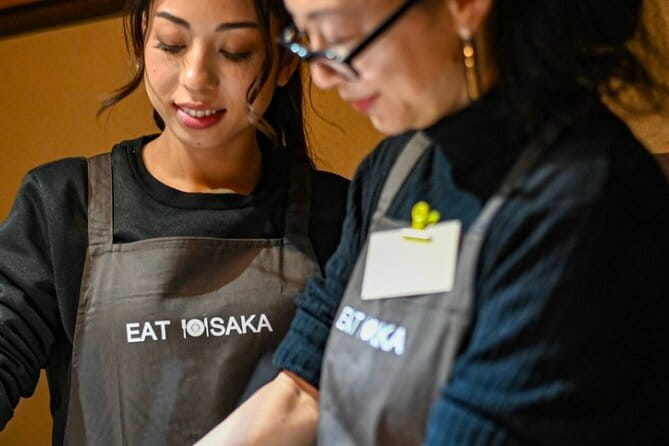
The maximum group size is seven. That is small enough for a personal feel without making the activity private.
For a cooking class, group size affects the whole experience. With too many people, you may wait for ingredients, struggle to see a demonstration, or miss a correction. A group of seven gives the guide a better chance to watch how you fold gyoza, mix okonomiyaki, or handle the soup ingredients.
The class is suitable for solo visitors, couples, families, and friends. A solo participant can join without needing to arrange a private booking. Couples and friends get a shared activity that is more memorable than simply choosing another restaurant. Families can take part together, though the information provided does not specify a minimum age, child pricing, or special children’s arrangements.
The class has received a 5.0 rating from 79 reviews, with 100 percent recommending it. The strongest praise focuses on the guide’s explanations, the supermarket stop, the hands-on cooking, and the sake tasting. Those are the parts I would give the most weight when deciding if it fits your style.
What Yuka and Mari bring to the class
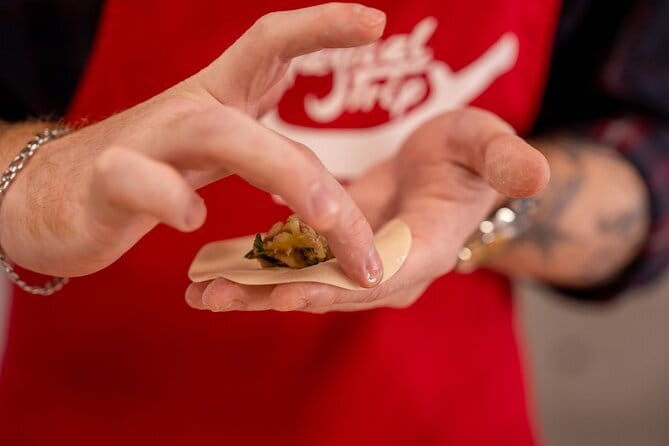
The named guides in the feedback are Yuka and Mari. Yuka was praised for combining clear instruction with explanations at the supermarket, while Mari was singled out for helping the group understand what to shop for and making the work hands-on.
You should not assume that one particular guide will lead every session. Guide assignments can change, and the supplied information does not promise a specific instructor at booking. Still, the positive comments point to the teaching style you can reasonably hope for: friendly guidance, practical explanations, and help while you cook.
That style is important because Japanese ingredients may not always be obvious to a first-time visitor. A guide who explains the shopping choices can help you avoid treating the supermarket as a quick errand. You gain a better sense of how the recipes begin before any pan is heated.
The instructors also appear to keep the class approachable. No cooking background is required, and the recipes are intended to be simple enough to repeat at home. That makes this a better choice for a curious beginner than for someone seeking advanced knife skills or restaurant-level training.
Is $92.50 a fair price?
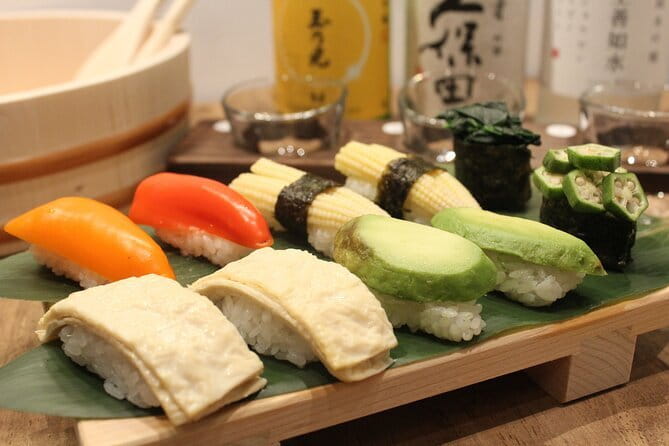
At $92.50 per person, the price covers roughly four hours of activity, a supermarket visit, instruction, the ingredients for several dishes, and drinks with the meal. You are paying for more than a single cooking demonstration.
The value is strongest if you plan to use what you learn. Three recipes give you more return than a class built around one dish, and the supermarket portion adds useful context. The small group is another reason the price can make sense, since personal guidance is harder to provide in a large class.
The price may feel high if your main goal is simply to eat okonomiyaki or gyoza. Osaka has many places to enjoy local food without spending four hours in a class. This experience earns its cost through participation, instruction, and the chance to recreate the meal later.
The drinks matter, but they should not be the main reason to book. You can choose local sake, beer, or soft drinks, yet the central value is learning the dishes and understanding the ingredients.
Who will enjoy this Osaka food class most?
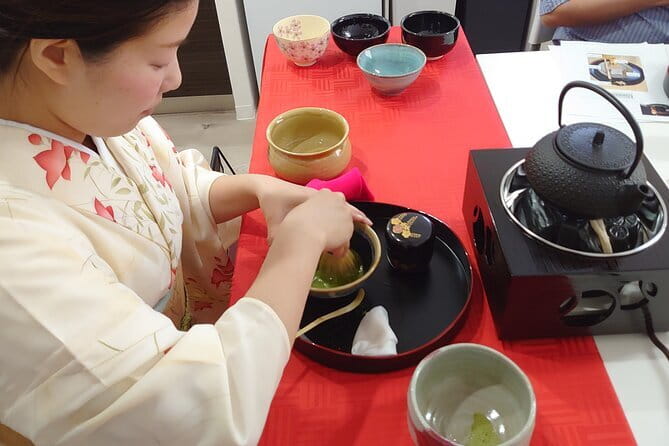
I would recommend it to you if you enjoy learning by doing. The class has enough structure for a beginner, but the hands-on work keeps it from feeling like a passive presentation.
It is also a good pick for anyone who wants a food experience with local context. The supermarket visit shows daily shopping habits, while the studio session connects those ingredients to familiar Osaka dishes.
Solo visitors should find the small group format comfortable. Couples and friends get several shared tasks, including gyoza folding and okonomiyaki preparation. Families may like the simple recipes, but should confirm any age requirements before booking because none are provided here.
You may want to skip it if your Osaka schedule is packed with short stops, if you dislike group activities, or if you want a specialist sake seminar. The class includes sake tasting, but it is not described as an advanced sake course.
Practical details before you book
The meeting point is the FamilyMart on the south side of Minami-morimachi Station. Use the full address, Japan, 530-0041 Osaka, Kita Ward, Tenjinbashi, 2-chome 3-10, 1F, and allow enough time to identify the correct station exit and convenience store.
The activity is near public transportation, starts at 10 a.m., lasts about four hours, and finishes back at the meeting point. A mobile ticket is provided, and booking confirmation arrives at the time of booking.
The group limit is seven people. Free cancellation is available if you cancel at least 24 hours before the local start time. Cancellations or changes made less than 24 hours ahead do not qualify for a refund.
There is no need to bring cooking experience. Bring an appetite and a willingness to take part. The class involves shopping, preparation, cooking, and eating, so it is not simply a seated food talk.
Should you book this Osaka cooking experience?
Book it if you want to understand Osaka through its everyday food, not just order famous dishes in a restaurant. The supermarket visit, three recipes, small group, and drink tasting create a well-rounded half-day activity.
I especially like the practical design. You see the ingredients first, cook them with help, and then eat the result. That sequence gives the class a clear purpose, and the advice from guides such as Yuka and Mari appears to be one of its strongest assets.
Skip it if four hours is too much of your schedule or if you are mainly looking for a quick sake tasting. For most food-minded visitors, though, $92.50 is reasonable for the amount of instruction and food included. It is a useful choice for beginners, a relaxed group outing, and anyone who wants to carry a small piece of Osaka’s kitchen home.
FAQ
How long does the Osaka cooking class and sake tasting last?
The experience lasts approximately four hours.
What time does the activity start?
The class starts at 10:00 a.m.
Where is the meeting point?
Meet at the FamilyMart on the south side of Minami-morimachi Station, at Japan, 530-0041 Osaka, Kita Ward, Tenjinbashi, 2-chome 3-10, 1F.
Where does the activity finish?
The experience ends back at the meeting point.
What dishes will I prepare?
You will prepare niku-sui, okonomiyaki, and gyoza.
What drinks are included with the meal?
You can enjoy local sake, beer, or soft drinks while eating the dishes you prepare.
Do I need previous cooking experience?
No. The class is suitable for all skill levels, and no cooking experience is required.
More Sake Tasting in Osaka
- Osaka Sake Tasting with Takoyaki Cooking
★ 5.0 · 156 reviews - Osaka Sake Tasting & Takoyaki Cooking Experience
★ 5.0 · 149 reviews - 3.5h Osaka Night guided Local Bar Hopping, Sake & Karaoke
★ 5.0 · 27 reviews - Sake “Omakase” in Osaka : Guided Tasting by a Active Sake brewer
★ 5.0 · 11 reviews
Just added around Osaka
- Nara Day Trip from Osaka with a Licensed Guide★ 5.0 · 3 reviews
- Osaka Early Morning Osaka Castle Tour Avoid Crowds★ 5.0 · 3 reviews
- Guided Tour of Some Attractions in Osaka by Private Car★ 5.0 · 3 reviews
- Private Transfer Between Kyoto and Kansai Airport KIX★ 5.0 · 3 reviews
- Shared Arrival Transfer: Osaka Itami Airport to Osaka City★ 5.0 · 3 reviews
- Osaka: Sushi Making Class and Dotonbori Food Tour★ 4.7 · 3 reviews
- Osaka Night Photography Workshop★ 5.0 · 3 reviews
- Kyoto Full day Tour Kinkakuji, Kiyomizu-dera and Fushimi Inari★ 4.5 · 3 reviews
Osaka Cooking Classes, compared.


Sumo Stage Show with Bento or Snack + Fight & Photo
Read our review →
Traditional Mochi Pounding Experience with Tasting
Read our review →
Osaka Cooking Class: Okonomiyaki &Japanese cuisines experience
Read our review →


Osaka Sake Tasting & Takoyaki Cooking Experience
Read our review →
Cooking Ramen&Gyoza/KatsuCurry/Bento/Okonomiyaki+Store Tour@Osaka
Read our review →Browse the lists this tour appears in