
Reviewed · OSAKA TEA CEREMONY & MATCHA EXPERIENCES
Matcha Tea Bowl Experience in Osaka
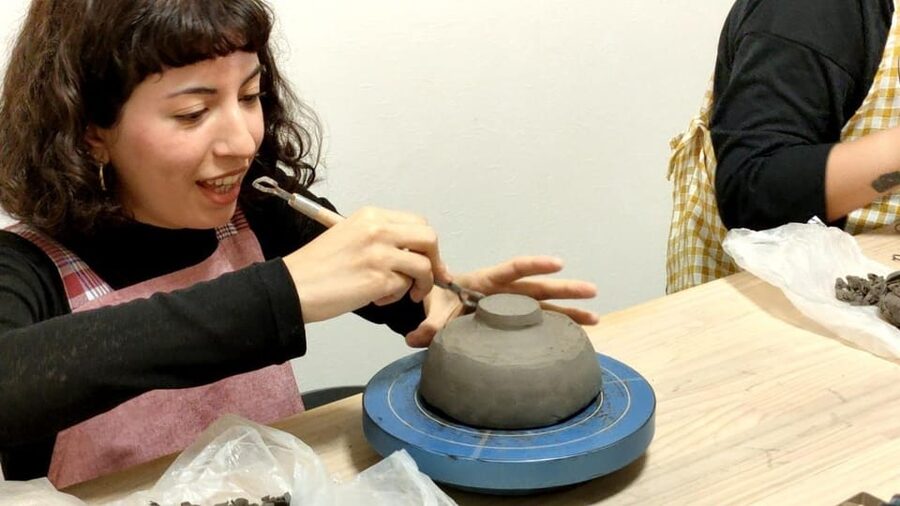
A lump of clay becomes a personal piece of Japan in this Osaka workshop. You carve and decorate a matcha bowl by hand using the kurinuki technique, then sign it with Japanese characters before choosing its glaze color. Ceramist Anna, who studied in Osaka and Barcelona, guides the work in English, Spanish, Catalan, or Japanese.
I like the mix of hands-on craft and cultural context. You are not just making a souvenir. You learn why the chawan, or tea bowl, matters in a tea ceremony, then prepare matcha and enjoy Japanese sweets. I also like the private setting in a traditional building, plus the chance to explore Ikuno Ward afterward.
The main drawback is that you do not leave with the finished bowl. It is fired and shipped in about two months, and shipping is extra. The space is not adapted for wheelchair users, and children under six cannot take part.
In This Review
- Key points at a glance
- Making a bowl with a Japanese wabi-sabi character
- What Anna explains about the chawan
- The tea, sweets, and optional ceremony session
- A private workshop in Osaka’s Ikuno Ward
- Why the $83 price can make sense
- Who will enjoy this most
- What the strong feedback tells me
- Practical planning before you book
- My call: book it if the delayed bowl is part of the fun
- FAQ
- Where do I meet for the matcha tea bowl workshop?
- How long does the experience last?
- Which languages are available?
- Do I need pottery experience?
- When will my finished bowl arrive?
- Is the workshop suitable for children and wheelchair users?
Key points at a glance
- Carve your bowl with kurinuki: Shape and decorate the clay with tools rather than using a potter’s wheel.
- Meet at JR Teradacho Station: Pickup is at the north exit, where you look for the Ceramics Tocoton sign.
- Learn from Anna: She studied ceramics in Osaka and Barcelona and leads the pottery work.
- Add a tea ceremony lesson: Kiyomi and Masako can teach you the basics before you make your bowl.
- Receive a ceramic gift: The combined workshop includes a small dish for serving sweets, while the standard session includes a ceramic gift.
- Plan for delayed delivery: Your bowl arrives in about two months, with the final shipping charge based on your country and group size.
Making a bowl with a Japanese wabi-sabi character
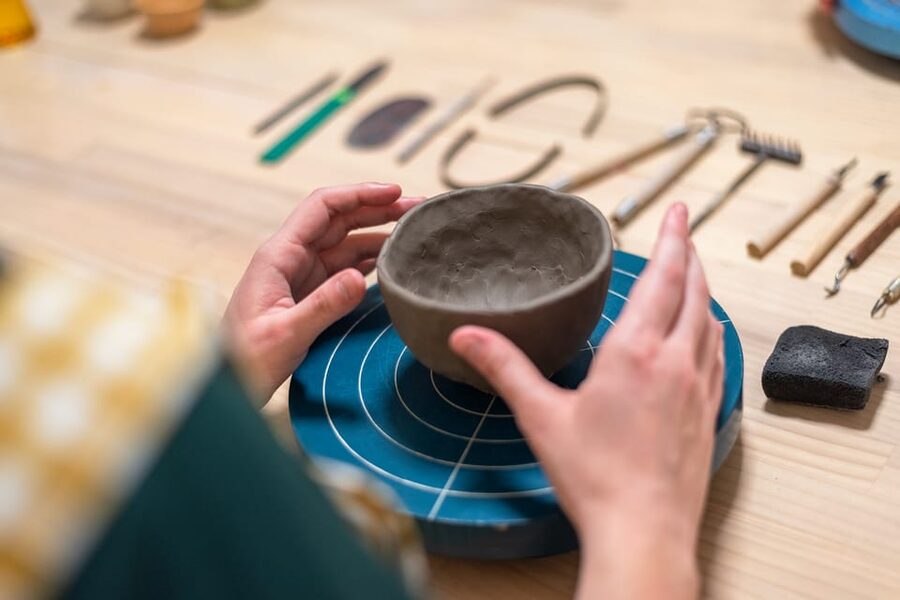
The heart of the experience is not perfect symmetry. It is the opposite. With kurinuki, you carve into a piece of clay and shape it by hand, leaving room for small variations, marks, and an uneven character often linked with wabi-sabi.
That makes this a good choice if you want a souvenir with a story. A factory-made bowl may look polished, but it will not carry the memory of sitting in an Osaka workshop and deciding where to cut, scrape, sign, and color your own piece.
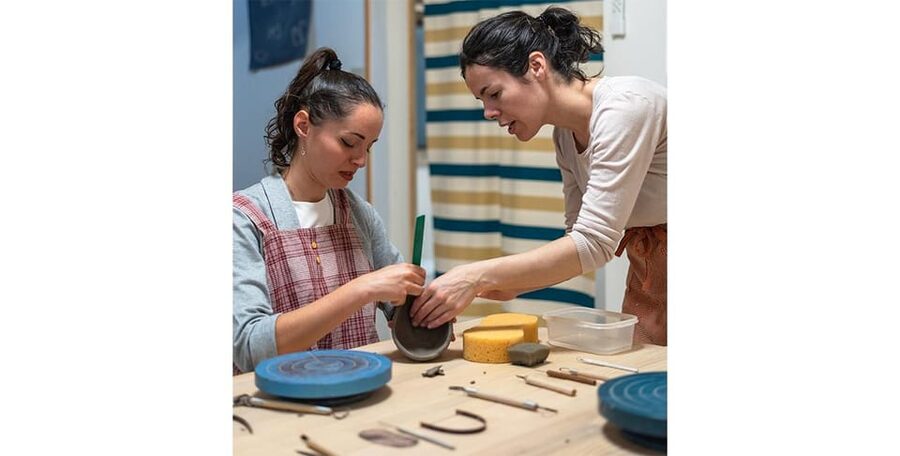
Anna supplies the materials and equipment, then shows you how to use the tools. You do not need pottery experience. If you make a small mistake, the workshop is designed around guidance and correction rather than technical pressure. The goal is a bowl that feels like yours, not a copy of a sample.
You can create a simple design or make the surface more active with carved marks. The final result will vary from person to person, which is part of the appeal. One bowl may look restrained, another more expressive. The process gives you room to let your own taste show.
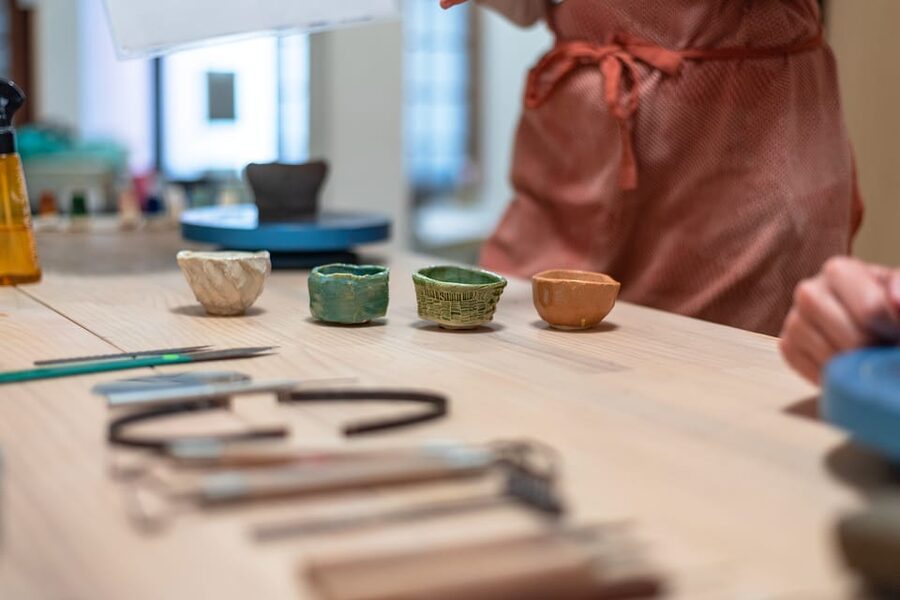
At the end, you choose the color for the glaze. The finished look will not be fully visible on the day, since the bowl still needs firing. That delayed reveal is exciting, but you should be comfortable waiting before booking.
More tea ceremonies and matcha sessions:
- Osaka: Tea Ceremony Experience
★ 4.9 · 1,426 reviews - Tea Ceremony Experience in Osaka Doutonbori
★ 5.0 · 754 reviews - Matcha Making Class in Osaka with Authentic Japanese Sweets Set
★ 5.0 · 509 reviews
What Anna explains about the chawan
The bowl has a job beyond holding tea. In Japanese tea ceremony, the chawan is part of the setting and the exchange between host and guest. Its shape, texture, weight, and decoration affect how it feels in your hands and how the tea is prepared and served.
Anna explains these cultural points while you work, so the background stays connected to the object in front of you. You learn why the bowl is shaped as it is and how traditional pottery ideas relate to the finished piece.
This is one of the workshop’s strongest features. You are not asked to memorize a long lecture before touching the clay. Instead, the cultural information gives more meaning to each practical step. When you later use matcha at home, you will know that the bowl is more than a cup with an unusual shape.
You can also sign the bowl with Japanese characters. That small detail gives the piece a personal mark and makes it feel less like a generic craft project. If you are unsure what to write or how to approach it, ask Anna for help during the session.
The tea, sweets, and optional ceremony session
The standard experience includes a drink and an introduction to the traditional tea ceremony. You prepare matcha and enjoy Japanese sweets alongside it. This gives the workshop a pleasant rhythm: make something with your hands, pause for tea, then connect the craft to daily use.
There is also an optional combined workshop for people who want a fuller introduction to tea ceremony. In that version, tea ceremony masters Kiyomi and Masako first teach you the basics of preparing matcha. You enjoy the tea with Japanese sweets before moving on to pottery with Anna.
The order makes sense. You first see how the bowl is used, then make one with that use in mind. You can pay attention to its width, foot, rim, and feel in your hands instead of treating it as a decorative object.
The combined session also includes a small ceramic dish as a gift. It is intended for sweets and gives you another handmade item to use at home. Check the exact option when booking, since the standard workshop and the combined workshop describe their ceramic gifts differently.
If tea ceremony is a main reason you are interested, choose the combined option. If you mainly want to make pottery and only need a cultural introduction, the standard workshop should be enough and may fit your schedule better.
A private workshop in Osaka’s Ikuno Ward
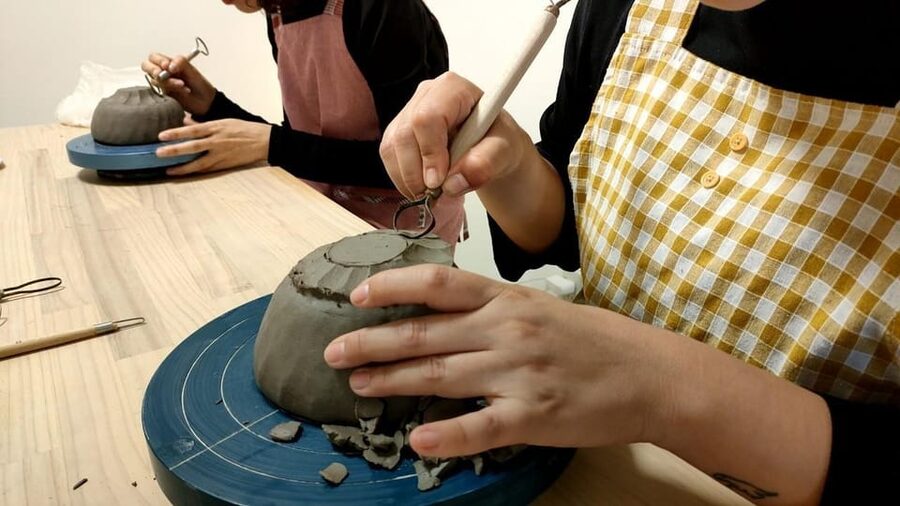
The meeting point is the north exit of JR Teradacho Station. Look for the sign marked Ceramics Tocoton. The station pickup matters because it keeps the first step simple, especially if you are still learning Osaka’s rail system.
The workshop takes place in a traditional building, adding a sense of place that a modern craft studio might not provide. Afterward, you can explore the local area of Ikuno Ward. The activity does not promise a guided neighborhood tour, so think of this as free time to continue on your own.
The group is private, which is useful for a personal craft lesson. It lets you ask questions without feeling that you are slowing down a large class. The exact number in your booking may vary, but the private format is particularly well suited to couples, families with older children, and friends who want to work at their own pace.
The experience lasts 90 minutes to two hours. That range likely depends on the selected option and the pace of the group, so allow enough time rather than scheduling a tight connection afterward. Arriving on time is important. More than 15 minutes late counts as a no-show unless you contact the provider.
A completely different way to spend a day in Osaka:
- Osaka Go Karting Tour with Funny Costume
★ 5.0 · 2,658 reviews - Osaka Castle: Museum and Tower Entry Ticket
★ 4.5 · 2,380 reviews - Osaka: Shinsekai Food Tour with 13-15 Dishes at 5 Eateries
★ 4.8 · 2,204 reviews - Osaka Food Tour: 13 Dishes at 5 Local Eateries
★ 5.0 · 2,149 reviews
Why the $83 price can make sense
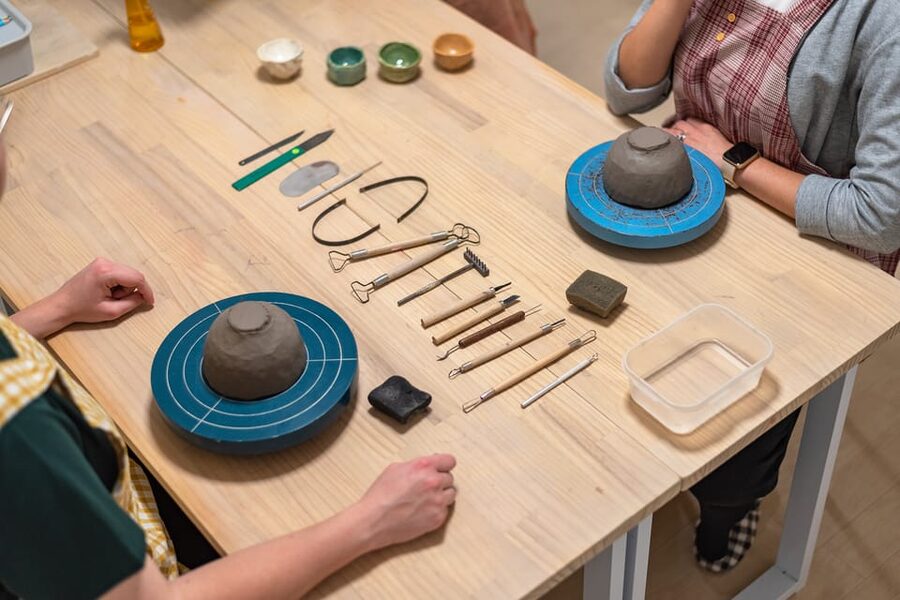
At $83 per person, this is not a bargain-basement craft activity. You are paying for a private workshop, instruction, all materials and equipment, a drink, cultural explanations, and a ceramic gift. The value is strongest if you care about making something yourself and want a quieter activity away from Osaka’s major sightseeing stops.
The price also includes a souvenir with real personal input. You choose the surface design, add a signature, and select the glaze color. That is a better fit for your budget than a workshop where you only paint a pre-made object, though it still does not include shipping.
Shipping is the key extra cost. The bowl is sent to the address you provide in about two months, and the charge depends on your country and the number of people in the booking. Contact the provider for an estimate before you commit, especially if you are watching every yen or have limited room in your luggage.
The delay also means you should give an address that will still work later. If you will be moving between hotels or leaving Japan, confirm the delivery arrangement before the session. You will not be carrying the finished bowl back to your hotel that day.
Who will enjoy this most
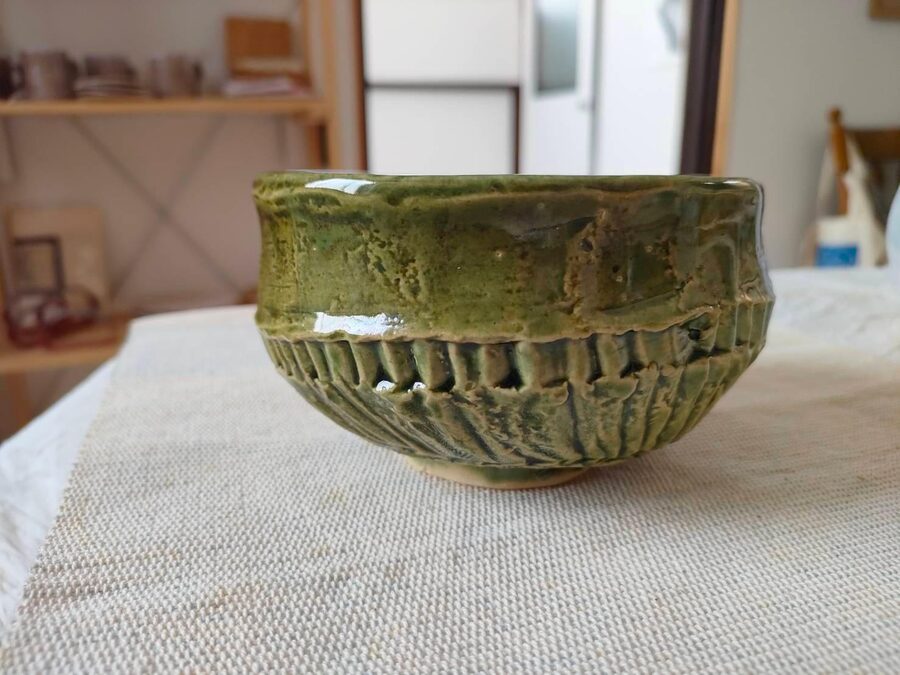
I would choose this for someone who likes making things, wants a meaningful souvenir, or needs a slower afternoon in Osaka. It suits first-time pottery makers because Anna offers direct help and no previous experience is required.
It is also a good match for people interested in Japanese culture beyond temples, shopping, and food. The workshop connects craft, tea, language, and home use in one compact session.
The optional ceremony session suits anyone who wants more structure around matcha. It is especially useful if you have seen tea ceremony demonstrations but still do not understand the basic movements or purpose of the tools.
This may not be the right pick if you need an instant souvenir, dislike delayed delivery, or want a large sightseeing itinerary packed into one afternoon. It is also not suitable for children under six or wheelchair users because the space is not adapted.
Older children can take part if they meet the activity requirements, but the clay work and cultural explanation may suit children who can focus for the full session. Since the group is private, you can ask the provider about your party before booking if you have concerns.
What the strong feedback tells me
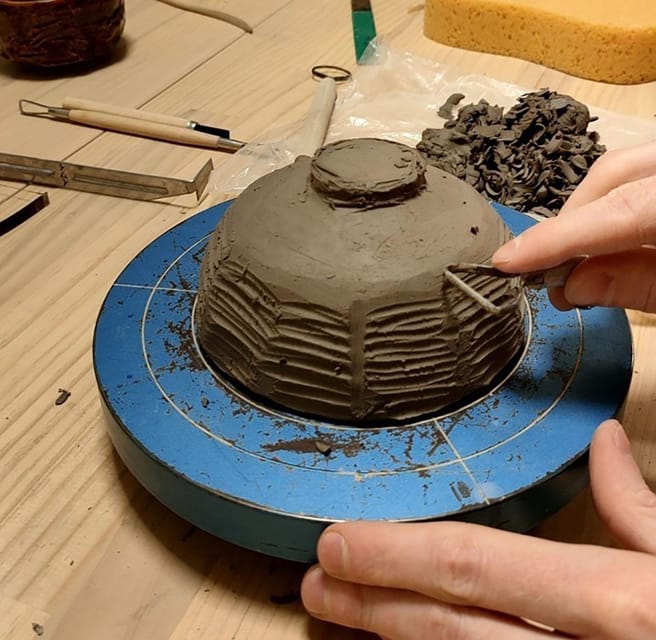
The most consistent praise centers on Anna’s teaching style. The experience is described as welcoming, relaxed, and easy to follow, with clear help during the bowl-making process. That matters here because handmade pottery can feel intimidating when you have never handled clay.
The teaching also goes beyond technique. Anna explains Japanese pottery and the role of the chawan in tea ceremony, while offering practical recommendations for food and things to do in Osaka. If this is your first visit, that local conversation can add useful value beyond the scheduled activity.
Another strong point is the variety of finished bowls. Since each person decorates the clay differently, you should not expect identical results. The freedom to make a simple or more unusual design is central to the workshop, not a side feature.
The small-shop setting also includes handmade pottery for sale at reasonable prices. Buying another piece is optional, but it gives you a chance to see finished examples and compare the look of different glazes before choosing your own bowl’s color.
Practical planning before you book
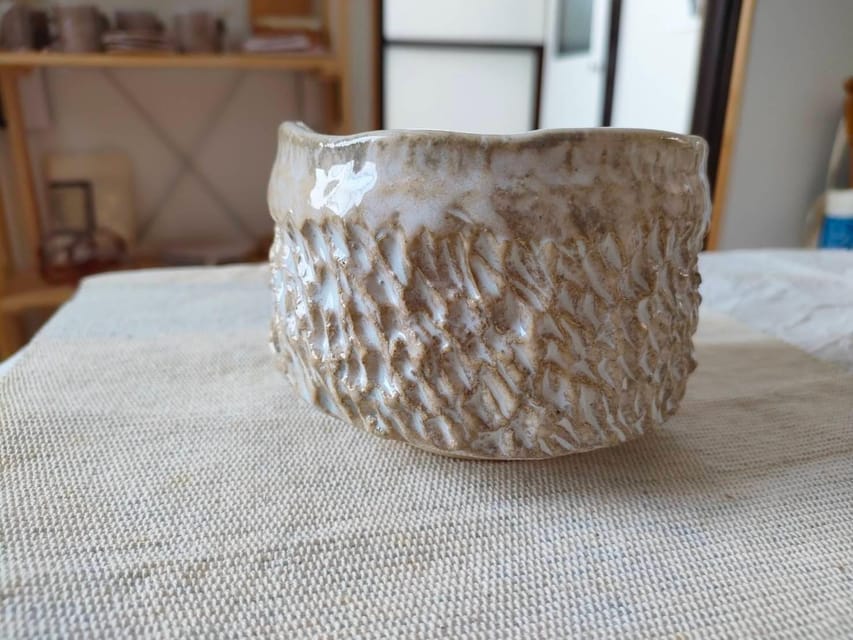
Book this when you can spare a relaxed 90 minutes to two hours. Do not place it immediately before a timed attraction or a train departure, since the session can run closer to the longer end of the stated range.
Meet at JR Teradacho Station’s north exit and look for the Ceramics Tocoton sign. If you will be late by more than 15 minutes, contact the provider. Without notice, that delay is treated as a missed booking.
The activity is offered in English, Spanish, Catalan, and Japanese. That broad language choice makes it easier to ask detailed questions about both pottery and tea ceremony.
All materials and equipment are provided. Alcohol and drugs are not allowed, which is standard for a hands-on workshop and a space working with tools and clay.
You can cancel up to 24 hours before the activity for a full refund. The reserve-now, pay-later option also helps if your Osaka plans are still shifting.
My call: book it if the delayed bowl is part of the fun
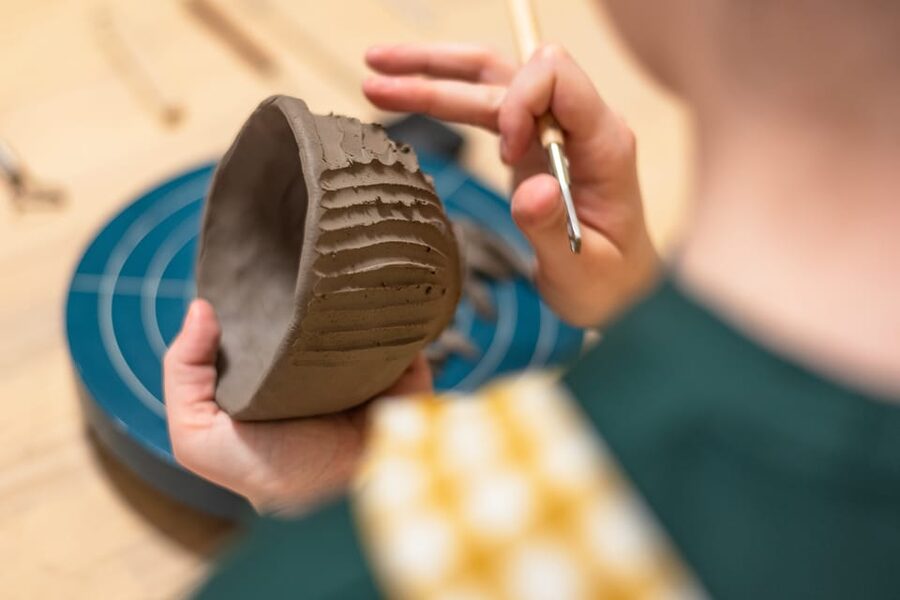
I recommend this workshop if you want an activity that leaves you with a personal connection to Osaka rather than a quick souvenir from a shop. The combination of kurinuki carving, tea culture, and Anna’s direct instruction gives the session real substance.
Choose the standard version if pottery is your priority. Choose the combined option if you want to learn the basics of tea ceremony from Kiyomi and Masako before making your bowl.
Before booking, check the estimated shipping price and decide where the bowl can be delivered in about two months. If you can accept that wait, the $83 cost is reasonable for a private, guided craft session with materials, refreshments, cultural instruction, and a ceramic gift. If you need to pack your souvenir on the flight home, choose another activity.
FAQ
Where do I meet for the matcha tea bowl workshop?
Meet at the north exit of JR Teradacho Station. The provider will carry a sign marked Ceramics Tocoton.
How long does the experience last?
The workshop lasts between 90 minutes and two hours. Starting times vary, so check availability when booking.
Which languages are available?
Instruction is available in English, Spanish, Catalan, and Japanese.
Do I need pottery experience?
No. Previous experience is not required, and Anna guides you through the process.
When will my finished bowl arrive?
The bowl is shipped to the address you provide in about two months. Shipping is not included, and the price depends on the destination country and the number of people in the booking.
Is the workshop suitable for children and wheelchair users?
Children under six cannot take part. The space is not adapted for wheelchair users.
Just added around Osaka
- Nara Day Trip from Osaka with a Licensed Guide★ 5.0 · 3 reviews
- Osaka Early Morning Osaka Castle Tour Avoid Crowds★ 5.0 · 3 reviews
- Guided Tour of Some Attractions in Osaka by Private Car★ 5.0 · 3 reviews
- Private Transfer Between Kyoto and Kansai Airport KIX★ 5.0 · 3 reviews
- Shared Arrival Transfer: Osaka Itami Airport to Osaka City★ 5.0 · 3 reviews
- Osaka: Sushi Making Class and Dotonbori Food Tour★ 4.7 · 3 reviews
- Osaka Night Photography Workshop★ 5.0 · 3 reviews
- Kyoto Full day Tour Kinkakuji, Kiyomizu-dera and Fushimi Inari★ 4.5 · 3 reviews
Osaka Tea Ceremony & Matcha Experiences, compared.
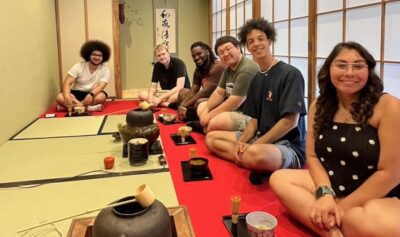


Matcha Making Class in Osaka with Authentic Japanese Sweets Set
Read our review →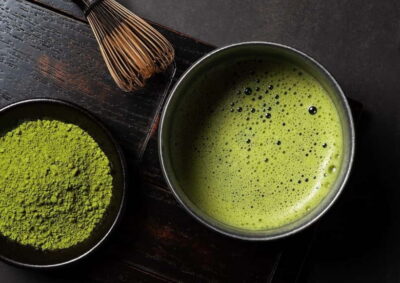
Japanese Traditional Sweets Making and Tea Ceremony
Read our review →
Osaka Temple Cool Foot Bath & Matcha Experience〈45min〉
Read our review →
Samurai Show, Tea Ceremony, Japanese Traditional Activities
Read our review →
Browse the lists this tour appears in