
Reviewed · OSAKA TEA CEREMONY & MATCHA EXPERIENCES
Discover Japanese Tea Blending Techniques in Osaka
Japanese tea gets far more interesting when you stop treating it as a quick drink and start paying attention to temperature, timing, tools, and leaves. In this small Osaka workshop, Ko guides you through sencha, Japanese black tea, oolong, hojicha, and matcha before turning tea into modern drinks and cocktails.
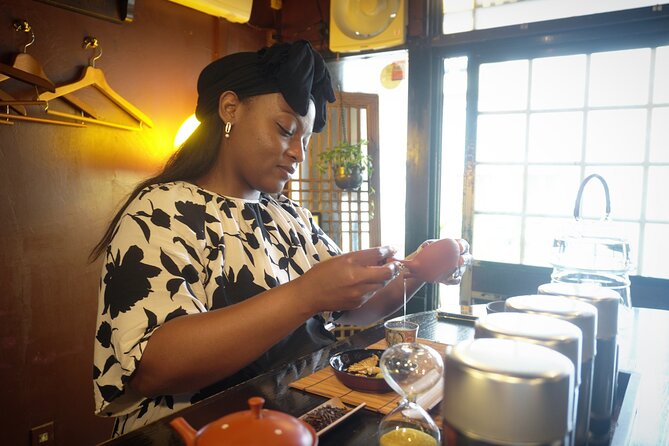
I like the small group size, capped at three people, because it gives you room to brew the tea yourself and ask questions. I also like the blend of old and new: you learn traditional handling and tea rituals, then make fruit-based drinks and an alcoholic tea cocktail.
The main consideration is location and timing. You meet at Namba Yasaka Shrine at 3:00 pm, and the workshop lasts about two hours, so it fits best into an Osaka afternoon rather than a tightly packed sightseeing day. At $54.46 per person, it is good value if you want a hands-on lesson, not merely a cup of tea.
In This Review
- Key points to know before booking
- Why this Osaka tea class feels different
- Meeting Ko at Namba Yasaka Shrine
- The first tasting: tea, temperature, and control
- Understanding how Japanese tea is made
- Brewing the teas yourself
- From traditional tea to modern tea cocktails
- The setting and the pace
- Is $54.46 a fair price?
- Who should book this workshop?
- Booking details that matter
- Should you book the Osaka tea blending workshop?
- FAQ
- Where does the tea workshop begin?
- What time does the activity start?
- How long does the workshop last?
- Where does the activity end?
- How many people can join?
- Which types of Japanese tea are included?
- Will I learn how to brew the tea?
- Are tea cocktails part of the workshop?
- Can I take anything home?
Key points to know before booking

- Ko leads a highly personal workshop: The group is limited to three, so you get direct help while brewing and blending.
- Five styles of Japanese tea are covered: Expect sencha, wakocha, Japanese oolong, hojicha, and matcha.
- You learn technique, not just tasting notes: Temperature, timing, teapot handling, and brewing movements all matter.
- The workshop crosses into mixology: Fruit, natural ingredients, and alcohol are used to create contemporary tea drinks.
- It takes place away from Osaka’s main tourist rush: The meeting point is Namba Yasaka Shrine in the Motomachi area.
- You take something useful home: Recipes and small tea samples let you repeat parts of the workshop later.
Why this Osaka tea class feels different
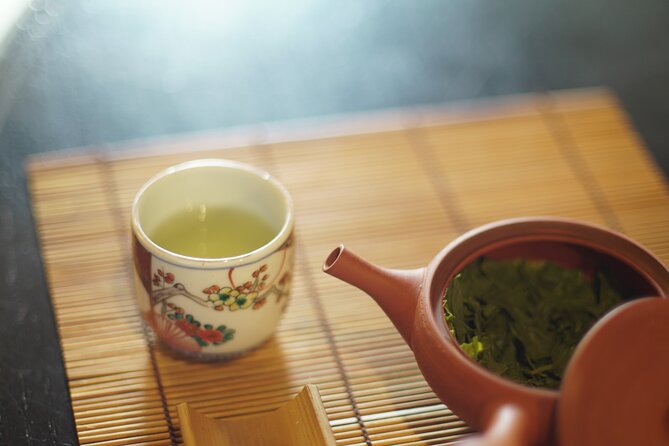
Many tea activities give you a prepared drink and a short explanation. This one asks you to take part. You handle the tools, brew several teas, compare the results, and learn why a small change in water temperature or technique can alter the cup.
That practical focus is the heart of the experience. You are not expected to arrive with specialist knowledge. Ko explains the basics clearly, then helps you apply them. The class is designed around your tastes and preferences, so you can pay closer attention to the teas you enjoy most.
The group limit of three people is especially useful here. Tea brewing is a hands-on skill, and a large class can leave you watching someone else work. With only a few participants, you have a better chance to ask about a particular tea, repeat a technique, or adjust a drink to suit your palate.
The tone also appears to be relaxed rather than formal. Ko is described as friendly, funny, and easy to talk with, and his English is reported as strong. That matters because the workshop includes small details about handling a teapot and preparing each tea. You want those instructions to feel clear, not rushed.
More tea ceremonies and matcha sessions:
- Osaka: Tea Ceremony Experience
★ 4.9 · 1,426 reviews - Tea Ceremony Experience in Osaka Doutonbori
★ 5.0 · 754 reviews - Matcha Making Class in Osaka with Authentic Japanese Sweets Set
★ 5.0 · 509 reviews
Meeting Ko at Namba Yasaka Shrine
The activity starts at Namba Yasaka Shrine, 2-chome-9-19 Motomachi, Naniwa Ward, Osaka, at 3:00 pm. The shrine is a useful landmark and places you in a part of Osaka outside the busiest tourist routes.
The surrounding area gives the workshop a local feel before the tea even begins. You are not meeting inside a major attraction or a large visitor center. Instead, the class takes you into a quieter corner of the city, near public transportation and away from the most crowded commercial streets.
Allow time to arrive calmly. The meeting point is specific, and a tea workshop is better when you are not hurrying in at the last moment. Since the activity ends back at the meeting point, you can plan dinner or an evening walk from the same general area afterward.
The exact route from the shrine to the workshop is not detailed, so follow the meeting instructions carefully. A mobile ticket is provided, and confirmation arrives when you book.
The first tasting: tea, temperature, and control
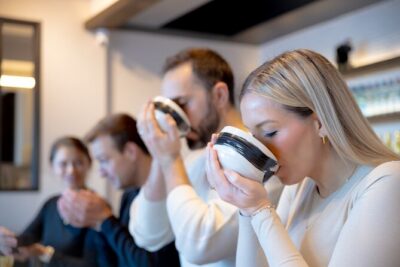
The workshop begins with an introduction to the modern and traditional uses of Japanese tea. You work through several types, including green tea, Japanese black tea known as wakocha, Japanese oolong, roasted hojicha, and matcha.
This range is valuable because Japanese tea is not one single flavor family. Sencha can be fresh and grassy, hojicha brings a roasted character, matcha has a fuller texture, and Japanese black tea offers a different profile again. Oolong adds another point of comparison.
You learn the basics for brewing each one properly. The instruction includes water temperature, brewing method, timing, and how to handle the tools. These may sound like small points, but they are exactly what helps you make better tea at home.
Hojicha is a good example. Bottled roasted tea from a vending machine can be convenient, but it does not show the full character of carefully prepared leaves. The workshop gives you a chance to notice the difference between mass-market tea and a freshly brewed version.
The class also covers how to hold a teapot correctly and why the movement matters. That kind of guidance makes the session more than a tasting. You leave with a clearer sense of how to repeat the process instead of simply remembering that one drink tasted good.
Understanding how Japanese tea is made
The workshop moves beyond the finished cup to explain how each tea is produced. You learn about the processes that shape sencha, wakocha, oolong, hojicha, and matcha, along with the role tea has played in Japan.
This context gives the tasting more meaning. Matcha is not simply green powder, hojicha is not merely tea that has been heated, and Japanese black tea is not identical to the black tea commonly served elsewhere. The making process influences color, aroma, texture, and the best brewing approach.
The session also introduces the philosophy of Japanese tea culture. That discussion connects tea with patience, attention, and respect for the tools and ingredients. You do not need to adopt a formal tea ceremony to benefit from this idea. Even at home, slowing down and making one cup carefully can change the experience.
Ko’s approach appears to combine information with demonstration. He learned brewing methods from tea farmers, and the class focuses on practical technique rather than abstract terminology. If you have ever bought loose-leaf tea and felt unsure how to use it, this is the section that can save you from wasting good leaves.
A completely different way to spend a day in Osaka:
- Osaka Go Karting Tour with Funny Costume
★ 5.0 · 2,658 reviews - Osaka Castle: Museum and Tower Entry Ticket
★ 4.5 · 2,380 reviews - Osaka: Shinsekai Food Tour with 13-15 Dishes at 5 Eateries
★ 4.8 · 2,204 reviews - Osaka Food Tour: 13 Dishes at 5 Local Eateries
★ 5.0 · 2,149 reviews
Brewing the teas yourself
The hands-on portion is where the price begins to make sense. You are not simply handed a flight of tea. You prepare different drinks and see how the process affects the result.
You may find that your favorite tea is not the one you expected. Matcha gets most of the attention in Japan, but hojicha can be a revelation if you prefer a gentler roasted flavor. Sencha suits someone who likes a fresher, more vegetal cup, while wakocha can appeal to drinkers who usually choose black tea.
The class is suited to beginners because the techniques are explained as you go. At the same time, people who already drink tea should find enough detail to make the session worthwhile. You can ask about brewing temperatures, blending choices, and ways to improve a cup that tastes too bitter or too weak.
The small group also helps with confidence. You can hold the teapot, brew the leaves, and make corrections with Ko nearby. By the end, you should feel more comfortable preparing tea without needing a complicated setup.
One practical tip: plan on the full two hours, and possibly a little extra time if the conversation continues. One account suggests allowing at least an hour and a half, but the stated duration is approximately two hours. Do not schedule a major attraction immediately afterward.
From traditional tea to modern tea cocktails
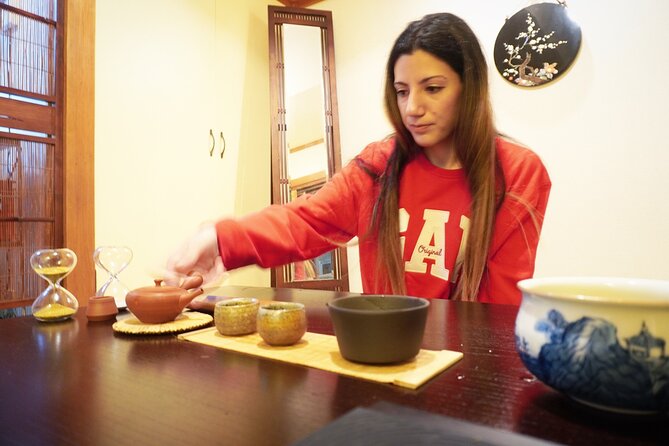
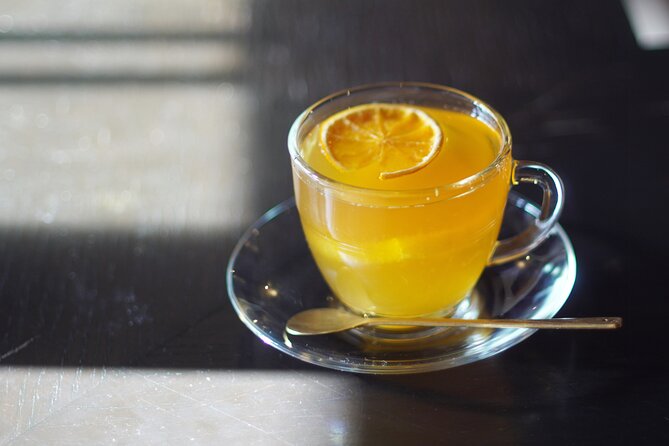
The second half of the activity brings tea into a more modern setting. You use natural ingredients such as fruit and learn how tea can be infused with alcohol. This is not a separate bar crawl or a large cocktail class. It is a way to see how traditional tea flavors can work in contemporary drinks.
The tea cocktail is an important part of the workshop because it broadens the lesson. You learn that tea can provide aroma, bitterness, sweetness, and structure, not just caffeine. A well-made tea drink can be delicate, while a cocktail can give roasted hojicha or grassy matcha a completely different role.
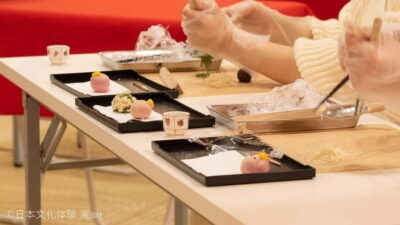
The class also includes traditional Japanese sweets, which help balance the tasting. Sweetness can make certain tea flavors seem softer, while roasted or bitter notes can keep a sugary bite from becoming heavy.
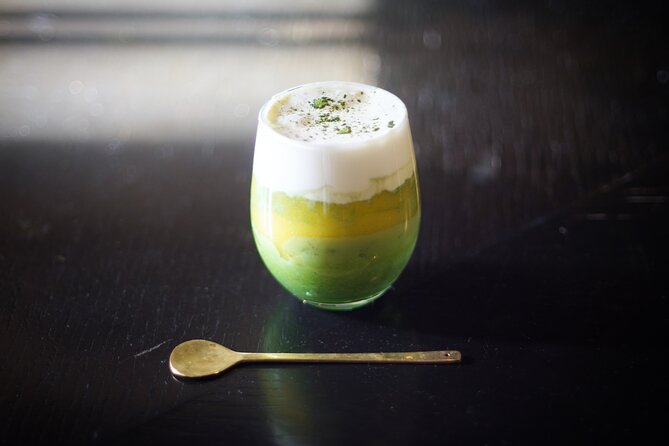
Fruit-based drinks are another appealing part of the session. Matcha combined with mango and a foamed topping is one example associated with the workshop. The recipes you receive at the end mean you can try the combinations again rather than treating them as one-time curiosities.
Alcohol is part of the activity, so this is worth considering before you book. The supplied details do not specify the exact cocktail or how much alcohol is used. If you do not drink, ask about the nonalcoholic options when arranging the experience.
The setting and the pace
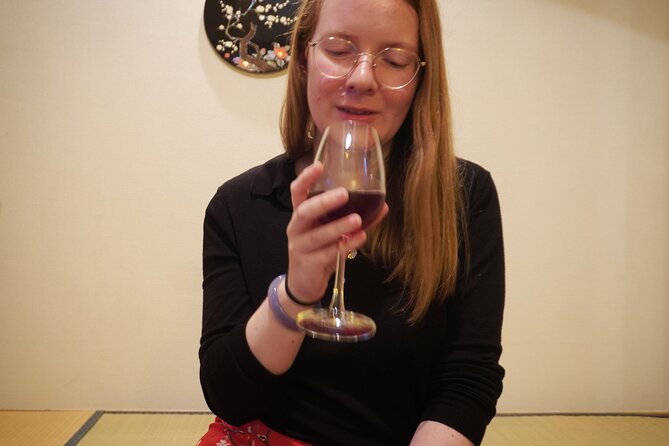
The tea space is described as calm, cozy, and filled with antique objects. That atmosphere supports the lesson. You are learning about a daily Japanese tradition in a setting that feels like a real tea house, rather than sitting in a bright, standardized classroom.
The relaxed pace is one of the best reasons to fit this into your Osaka plans. You can talk with Ko while the tea brews, compare the drinks, and ask about Japanese tea culture without feeling pushed from one station to another.
This is not the right choice if you want a fast, highly choreographed attraction. The informal style means the session may feel more like spending an afternoon with a passionate tea specialist than attending a strict lecture. For most people, that is a benefit. If you prefer a formal ceremony with traditional robes and a carefully staged sequence, this workshop offers something different.
The class also gives you a pleasant break from Osaka’s busy shopping and food districts. You still get a local city setting, but the focus turns inward to smell, taste, touch, and conversation.
Is $54.46 a fair price?
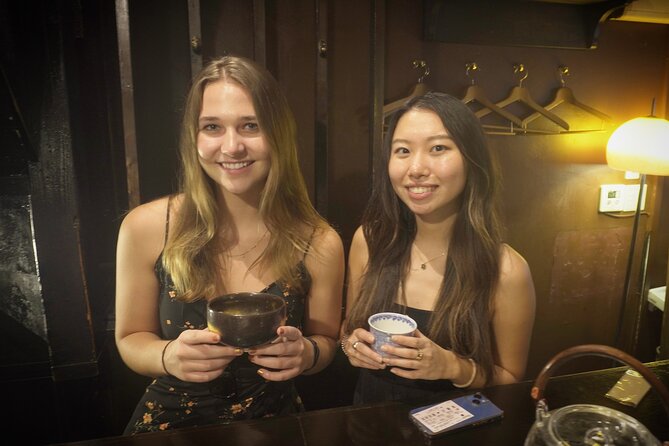
At $54.46 per person, this is not the cheapest way to drink tea in Osaka. You can buy matcha, hojicha, or bottled tea for far less. The value comes from the instruction and participation.
You are paying for roughly two hours with a host, several types of tea, traditional brewing guidance, a discussion of tea production and culture, hands-on preparation, Japanese sweets, modern tea drinks, and a tea cocktail. Recipes and small tea samples add practical value after the session.
The three-person maximum also matters. A private or nearly private class usually gives you more time with the instructor than a large group tour. That makes the price easier to justify for couples, honeymooners, and anyone who wants to ask detailed questions.
I would not book this solely for the samples. They are a nice extra, but the real benefit is learning what to do with tea once you get home. If you plan to buy loose-leaf tea or a teapot during your Japan trip, the lesson can help you make better choices.
Who should book this workshop?
You should consider this activity if you like tea, cooking, drinks, or small cultural experiences with direct instruction. It works particularly well for couples and solo visitors who enjoy conversation and do not want to spend an afternoon in a large tour group.
It is also a good fit if you have already visited Osaka’s major sights and want something slower. The workshop gives you cultural context without requiring a full-day excursion.
Families with young children may find the tea and cocktail focus less suitable, though the provided information does not state an age policy. Anyone avoiding alcohol should ask about substitutions before booking.
You will get the most from it if you are willing to participate. Sitting back and letting Ko do everything would miss the point. The pleasure comes from learning the small movements, tasting your own brew, and seeing how a classic ingredient changes when mixed with fruit or alcohol.
Booking details that matter
The start time is 3:00 pm, and the activity returns to the meeting point at Namba Yasaka Shrine. It is near public transportation, and confirmation is sent at booking.
The experience has a maximum of three participants. That is a major advantage, but it also means limited availability. It is typically booked about 60 days ahead, so reserve early if your Osaka dates are fixed.
Free cancellation is available if you cancel at least 24 hours before the local start time. Cancellations or changes made later are not refunded or accepted. Keep the mobile ticket accessible on your phone.
Should you book the Osaka tea blending workshop?
Book it if you want to understand Japanese tea through your own hands, not just through a short demonstration. Ko’s friendly teaching, the tiny group, the variety of teas, and the move from traditional brewing to cocktails make this a well-rounded two-hour activity.
Skip it if you are looking for a formal tea ceremony, a major sightseeing stop, or the lowest-cost way to sample matcha. For everyone else, especially tea drinkers and curious food lovers, $54.46 buys a personal lesson, a quieter view of Osaka, and skills you can use long after the afternoon ends.
FAQ
Where does the tea workshop begin?
It begins at Namba Yasaka Shrine, 2-chome-9-19 Motomachi, Naniwa Ward, Osaka, 556-0016, Japan.
What time does the activity start?
The workshop starts at 3:00 pm.
How long does the workshop last?
It lasts approximately two hours.
Where does the activity end?
The activity ends back at the meeting point.
How many people can join?
The maximum group size is three travelers.
Which types of Japanese tea are included?
The workshop covers sencha, Japanese black tea called wakocha, Japanese oolong tea, hojicha, and matcha.
Will I learn how to brew the tea?
Yes. You learn about brewing temperatures, techniques, timing, and how to handle the tea tools properly.
Are tea cocktails part of the workshop?
Yes. The activity includes modern tea drinks using natural ingredients such as fruit, as well as a tea cocktail made with alcohol.
Can I take anything home?
Yes. You can take home recipes and small tea samples for making the drinks and teas again.
Just added around Osaka
- Osaka Early Morning Osaka Castle Tour Avoid Crowds★ 5.0 · 3 reviews
- Guided Tour of Some Attractions in Osaka by Private Car★ 5.0 · 3 reviews
- Nara Day Trip from Osaka with a Licensed Guide★ 5.0 · 3 reviews
- Private Transfer Between Kyoto and Kansai Airport KIX★ 5.0 · 3 reviews
- Shared Arrival Transfer: Osaka Itami Airport to Osaka City★ 5.0 · 3 reviews
- Osaka: Sushi Making Class and Dotonbori Food Tour★ 4.7 · 3 reviews
- Osaka Night Photography Workshop★ 5.0 · 3 reviews
- Kyoto Full day Tour Kinkakuji, Kiyomizu-dera and Fushimi Inari★ 4.5 · 3 reviews
Osaka Tea Ceremony & Matcha Experiences, compared.

Matcha Making Class in Osaka with Authentic Japanese Sweets Set
Read our review →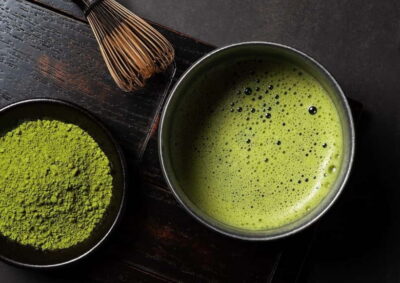
Japanese Traditional Sweets Making and Tea Ceremony
Read our review →
Osaka Temple Cool Foot Bath & Matcha Experience〈45min〉
Read our review →
Samurai Show, Tea Ceremony, Japanese Traditional Activities
Read our review →
Browse the lists this tour appears in