
Reviewed · OSAKA CRAFT WORKSHOPS
Osaka: Temple Tour and Traditional Calligraphy Lesson
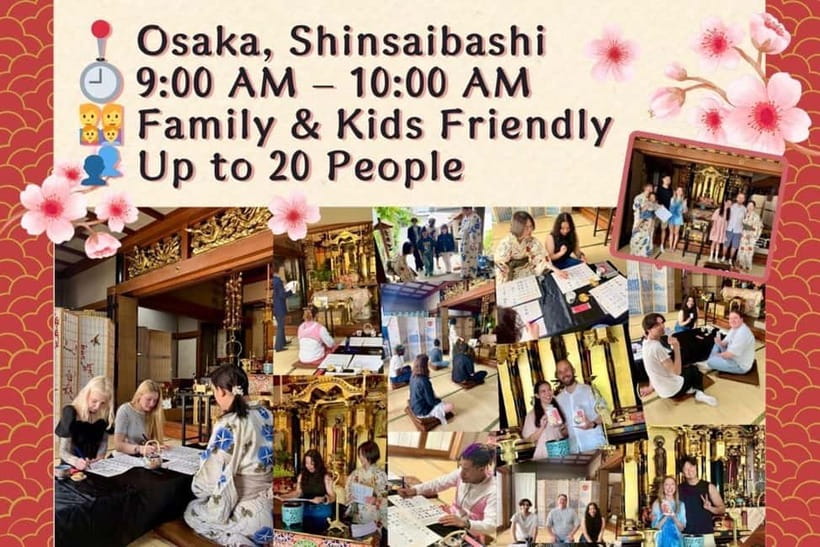
At Saishoji Temple, a few minutes from Yotsubashi Station, you trade Osaka’s neon and shopping streets for a quiet brush, a pool of ink, and a short lesson in Japanese tradition. The heart of the hour is beginner-friendly calligraphy, but meditation, temple etiquette, local history, and a little matcha give the session more shape than a simple craft class.
I like two things right away: the calm setting makes it easier to focus, and the finished kanji on a mini shikishi gives you a personal souvenir rather than a mass-produced trinket. The kanji name card and small ceramic plate add useful value at just $20.
The main consideration is time. One hour passes quickly, so this is an introduction, not a full study of Japanese calligraphy or Zen practice. The schedule also includes several elements, so anyone hoping for a long meditation or extended tea ceremony may find the visit brief.
In This Review
- Key points at a glance
- Why this one-hour temple visit works in Osaka
- Entering Saishoji Temple near Yotsubashi Station
- The opening lesson: Osaka, temples, shrines, and language
- Zazen meditation and the value of slowing down
- Copying calligraphy before choosing your kanji
- Matcha and other cultural touches
- What you take home for $20
- Going alone, with family, or as a couple
- Timing, cancellation, and useful booking details
- Who should book this Saishoji Temple experience
- Should you book it?
- FAQ
- Where does the temple and calligraphy activity meet?
- How do I reach Saishoji Temple?
- How long does the activity last?
- What language is the instruction in?
- What activities are included?
- Do I need to bring calligraphy materials?
- What souvenirs do I receive?
- Can I cancel the booking?
Key points at a glance
- Three minutes from Yotsubashi Station: Saishoji Temple is easy to reach in central Osaka, with Shinsaibashi and Namba also within walking distance.
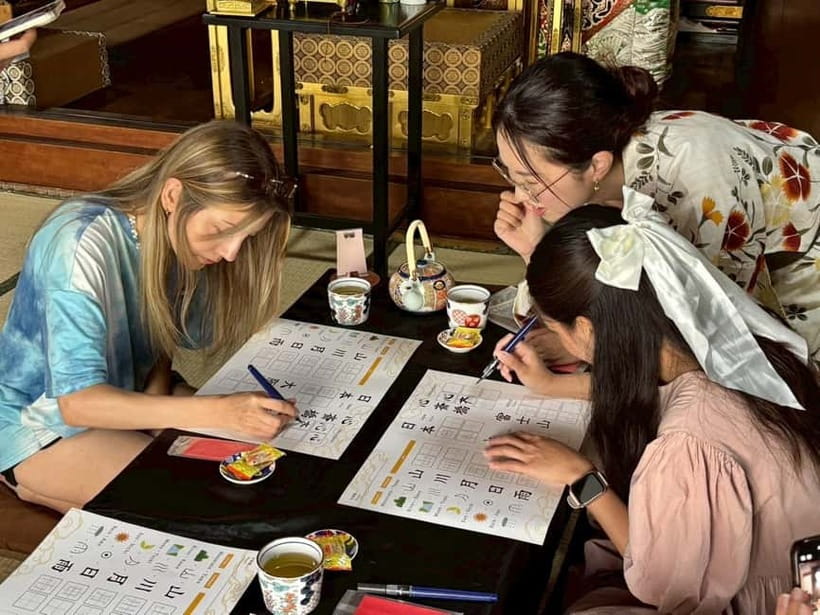
- A quiet temple setting: You practice calligraphy inside a historic Zen temple, away from the noise of the surrounding shopping district.
- A gentle first brush lesson: The session is designed for beginners, with instruction before you write your chosen kanji.
- Meditation before calligraphy: A short breathing exercise helps you slow down and concentrate before handling the brush.
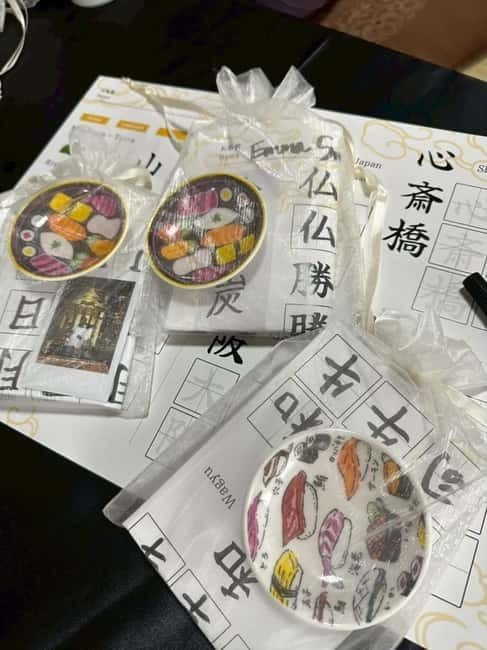
- Personal keepsakes included: You receive a kanji name card, an explanation of its meaning, a mini shikishi, and an 8 cm ceramic plate.
- English instruction and small groups: An English-speaking instructor and resident monks provide guidance, with small group sizes intended to allow personal attention.
Why this one-hour temple visit works in Osaka
Osaka is easy to love, but it rarely asks you to be quiet. Around Shinsaibashi, signs, crowds, arcades, restaurants, and department stores compete for your attention. Saishoji Temple offers a useful change of pace without sending you across the city.
The location near Yotsubashi Station matters. You can fit this activity between shopping in Shinsaibashi, a meal in Namba, or another central Osaka visit. It is not an all-day excursion, and that is part of its appeal. You get a focused cultural pause rather than another large attraction to race through.
The activity combines several small lessons: local history, basic Japanese language, temple and shrine customs, meditation, calligraphy copying, and matcha. You should think of it as a compact introduction to Japanese culture. It gives you enough context to understand what you are doing, then lets you try it yourself.
The official rating is 4.9 from 24 reviews, and the strongest pattern in the feedback is not flashy entertainment. It is the feeling of calm. People repeatedly describe the staff as polite, warm, and reassuring, especially for first-time participants and people attending alone.
More traditional craft workshops:
- 1.5〜2 Hours Traditional Kintsugi Work Shop in Namba Osaka
★ 5.0 · 75 reviews - Osaka: Private Japanese Calligraphy Experience
★ 5.0 · 66 reviews - From Osaka: Sakai Knife Maker or Blacksmith Walking Tour
★ 4.9 · 64 reviews
Entering Saishoji Temple near Yotsubashi Station
The meeting point is Saishoji Temple at 1-6-18 Kitahorie, Nishi-ku, Osaka. From Exit 4 of Yotsubashi Station on the Osaka Metro Yotsubashi Line, it is about a three-minute walk. Shinsaibashi Station is about ten minutes away on foot, and Namba Station is about fifteen minutes away.
That easy access makes this a good choice for a short opening or closing activity in your Osaka day. Check the map and station exit before you leave, since a few minutes saved at the start gives you more time to settle into the temple atmosphere.
Once inside, expect a more formal and quiet setting than a typical sightseeing class. The temple surroundings are part of the experience. You are not simply sitting at a table in a commercial studio and painting characters. The setting encourages slower movements and quieter attention.
The atmosphere also makes this a good activity for solo visitors. You do not need to bring a group to make the hour work. The small-group format and attentive staff help remove the awkwardness that can come with arriving alone at a cultural class.
The opening lesson: Osaka, temples, shrines, and language
The session begins with a guided lesson on the history of Shinsaibashi, Yotsubashi, and Osaka Castle. The lesson also covers the difference between temples and shrines, a useful distinction for anyone seeing both during a Japan trip.
You will hear conversational Japanese phrases and idiomatic cultural expressions as part of the introduction. The instructor teaches in English, so you do not need Japanese language ability to follow the class. The language portion is not a full language course, but it gives you practical context for communication and polite behavior.
I like this approach because it links words to place. Instead of memorizing a phrase in isolation, you learn within a temple and hear how language connects with manners, attention, and cultural practice. It gives a little more meaning to the actions that follow.
The history lesson is necessarily short. If you want a detailed academic account of Osaka Castle or a full explanation of Zen Buddhism, this is not the right format. But for a one-hour activity, the introduction helps you understand the setting without taking over the hands-on portion.
Zazen meditation and the value of slowing down
The meditation portion introduces Zazen, a seated Zen practice. You are guided to clear your mind and focus on your breathing before moving to the brush.
Do not expect a long retreat-style meditation. The schedule includes several activities, so this is a short introduction. Its purpose is practical: it helps you stop thinking about your next meal, train connection, or shopping stop long enough to pay attention to the task in front of you.
That change in pace is one of the best reasons to book the experience. Calligraphy depends on controlled movement. If you rush, the brush shows it. The meditation gives you a chance to settle your hands and breathing before you begin.
Several comments describe the quiet concentration as the most memorable part of the visit. People who had never tried calligraphy found the temple environment reassuring rather than intimidating. If you are curious about meditation but do not want to commit to a longer retreat, this short format gives you a manageable first step.
More temples and shrines worth the walk:
- Osaka: Minoh, Katsuoji Temple, & Minoh Falls Full-day Tour
★ 4.9 · 172 reviews - Sagano Romantic Train & Arashiyama, Kiyomizudera, Fushimi Inari Taisha Day Tour
★ 4.5 · 171 reviews - Full Day Kyoto Tour : Bamboo Forest, Golden Temple, Fushimi Inari
★ 5.0 · 84 reviews - Osaka Temple Cool Foot Bath & Matcha Experience〈45min〉
★ 4.9 · 82 reviews
Copying calligraphy before choosing your kanji
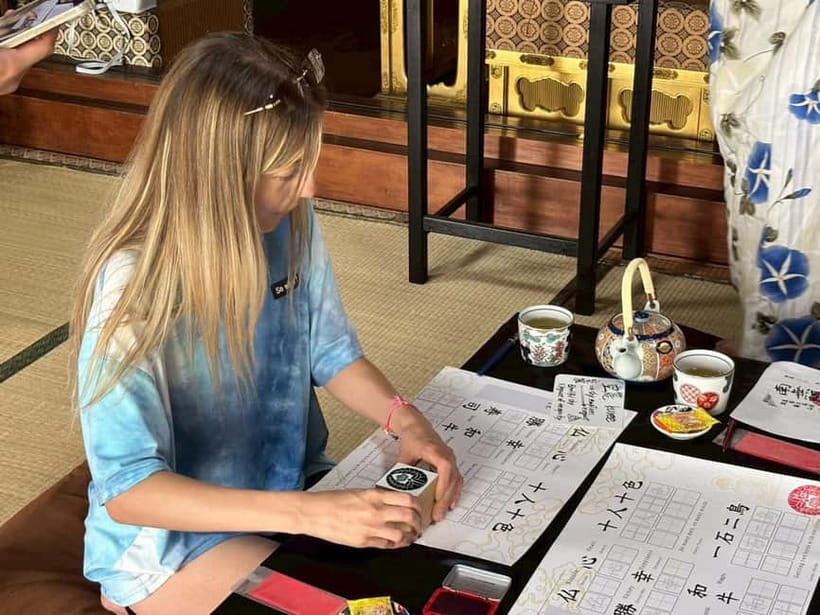
You begin with basic calligraphy practice. The instructor demonstrates the movements, then you copy the characters and learn how to handle the brush. The emphasis is on concentration and process, not on producing museum-quality work.
That distinction matters. Japanese calligraphy looks simple until you hold the brush yourself. The pressure, angle, ink, and speed all affect the mark. A beginner lesson lets you make mistakes without needing prior training.
After practice, you write one favorite kanji on a mini shikishi. The shikishi is a small traditional art board, so the final piece is easy to pack in your luggage. You also receive a name card written in Japanese kanji, along with the meaning of the characters.
The name card adds a personal touch, but you should ask the instructor about the meaning if you want to understand why that particular kanji was selected. The supplied information confirms that you receive the card and its meaning, but it does not list a set choice of characters or explain whether you select every part of the name yourself.
The strongest practical tip is to slow down. Do not treat the writing like a quick souvenir photo. Let the instructor correct your hand position and brush movement. Even a simple character becomes more interesting when you pay attention to the order and weight of each stroke.
Matcha and other cultural touches
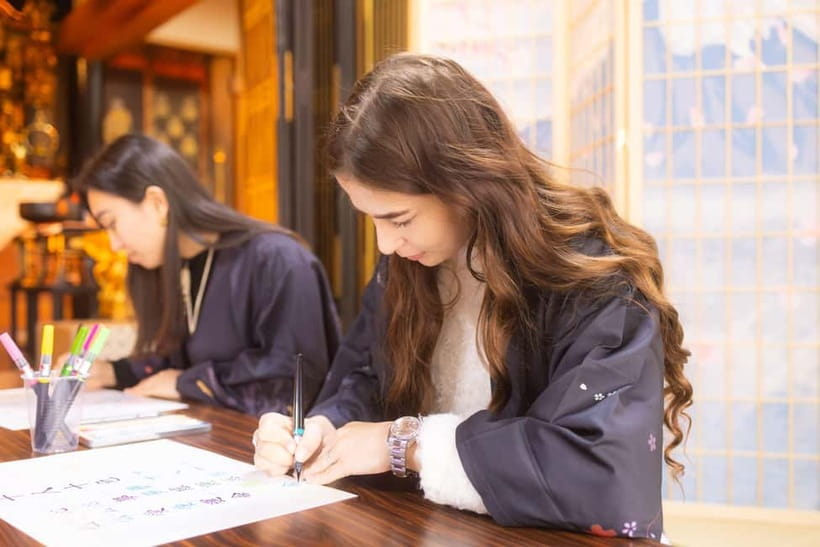
The scheduled cultural activities also include a traditional matcha tea ceremony. The class description does not give a separate duration or a detailed sequence for the tea portion, so you should regard it as part of the short cultural introduction rather than a full tea-school lesson.
That is still useful. Tea ceremony is tied to attention, respect, and careful movement, ideas that fit naturally with the meditation and calligraphy. Together, the activities show several ways Japanese tradition values presence and deliberate action.
The temple visit also includes interaction with resident monks. This gives the class a stronger connection to the site than a lesson led only by a guide in a rented room. The extent of the monk interaction can vary with the session, and the available details do not promise a long private conversation, but their presence is part of the experience.
All materials are included. You do not need to bring brushes, ink, paper, or tea equipment. That keeps the $20 price straightforward and makes the activity easy to add to a busy Osaka itinerary.
What you take home for $20
At $20 per person, this is good value if you want a short, personal cultural activity in central Osaka. The price covers the instructor, materials, history and language lesson, meditation, calligraphy practice, cultural activities, and the keepsakes.
The small ceramic plate is about 8 centimeters in diameter. It is not a large gift, but it is more substantial than a paper certificate and easy to carry. The mini shikishi, kanji name card, and plate give you several physical reminders of the hour.
The value also comes from the setting. A calligraphy class in a generic venue might teach the same basic strokes, but the temple surroundings change the mood. You can feel the difference between completing a craft and taking part in a quiet cultural ritual, even at an introductory level.
You should keep your expectations in proportion to the cost. This is not advanced calligraphy instruction, a long Zen retreat, or a complete tea ceremony course. It is a compact sampler with personal attention and tangible souvenirs. For many visitors, that balance is exactly right.
Going alone, with family, or as a couple
Solo participants are especially well served here. The tone is calm, the staff are described as kind and accommodating, and the small group setting helps you take part without needing a companion. You can focus on the brush rather than worry about making conversation.
Couples and families can also use the activity as a shared memory. Writing kanji together gives everyone a clear task, and the finished pieces can serve as small mementos of the trip. The supplied information does not state a minimum age, so families with young children should confirm suitability before booking.
This experience fits first-time calligraphers best. You do not need to know Japanese, and the English-speaking instructor provides guidance. More advanced students may enjoy the temple setting and the chance to practice, but the lesson may feel basic if you already have substantial calligraphy experience.
It also suits anyone who wants a quieter hour in Osaka. If your itinerary is packed with food tours, shopping, and major sights, this can reset your pace. If you prefer active sightseeing and dislike seated instruction, the calm format may feel too slow.
Timing, cancellation, and useful booking details
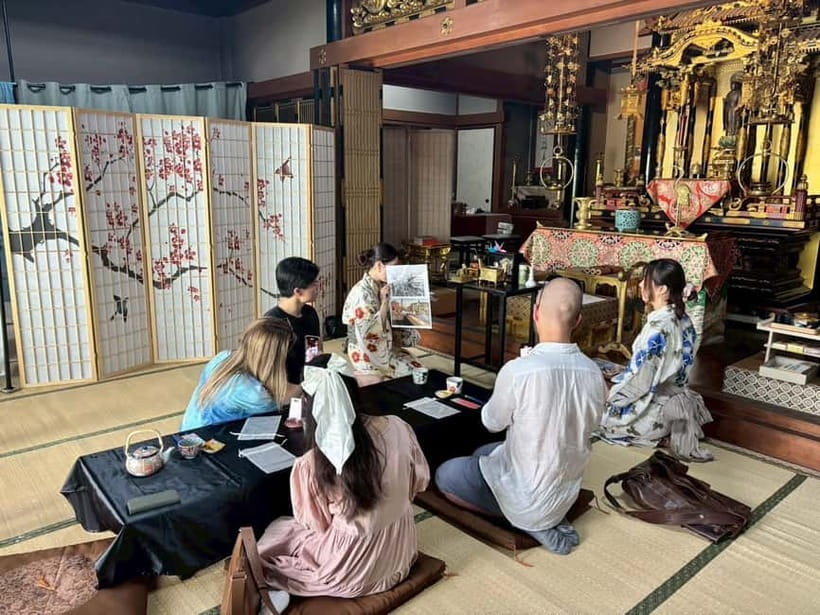
The activity lasts one hour, with starting times based on availability. Build in enough time to reach the temple without rushing, especially if you are coming from Namba or Shinsaibashi on foot.
The meeting point is specific, so arrive at Saishoji Temple rather than simply navigating to the wider Shinsaibashi area. Yotsubashi Station, Exit 4, is the simplest route.
You can cancel up to 24 hours in advance for a full refund. A reserve-now, pay-later option is also available, which helps if your Osaka schedule is still changing. The activity is offered in English.
The experience provider is R株式会社. The rating is 4.9 from 24 reviews, and the repeated praise centers on three points: the staff’s polite instruction, the calming temple setting, and the fact that beginners can participate comfortably alone.
Who should book this Saishoji Temple experience
I would recommend it to you if you want an accessible first taste of Japanese calligraphy, especially if your schedule keeps you in central Osaka. It is also a good choice if you want a souvenir that you made yourself, rather than another shop purchase.
Book it if you are curious about Zen meditation but want only a short introduction. The breathing exercise and temple setting offer a gentle way to try it without giving up half a day.
Families, couples, and solo visitors can all fit the format, though the unknown age policy means families should check before booking for children. Beginners will get the most from the lesson. Experienced calligraphers should see it as a cultural visit with basic practice, not technical training.
I would skip it if you need a long, detailed history lesson, advanced brush instruction, or a full-length tea ceremony. The hour is designed to sample several traditions, and its strength is variety rather than depth.
Should you book it?
For $20, Saishoji Temple offers a well-priced hour of quiet culture close to Osaka’s main shopping districts. You get meditation, basic calligraphy, language and history context, matcha, contact with resident monks, and several small keepsakes.
The best reason to book is the setting and mood. You can slow down, focus on your breathing, and leave with your own kanji work. Just remember that this is an introduction. If that sounds like the right size for your Osaka day, it is an easy activity to recommend.
FAQ
Where does the temple and calligraphy activity meet?
It meets at Saishoji Temple, 1-6-18 Kitahorie, Nishi-ku, Osaka, 550-0014, Japan.
How do I reach Saishoji Temple?
The temple is a three-minute walk from Yotsubashi Station, Exit 4, on the Osaka Metro Yotsubashi Line. It is about ten minutes on foot from Shinsaibashi Station and fifteen minutes from Namba Station.
How long does the activity last?
The activity lasts one hour.
What language is the instruction in?
The instructor teaches in English.
What activities are included?
The session includes a guided Japanese history and language lesson, Zazen meditation, basic calligraphy practice, calligraphy copying, a traditional matcha tea ceremony, and cultural instruction.
Do I need to bring calligraphy materials?
No. All materials needed for the activities are included.
What souvenirs do I receive?
You receive a name card with Japanese kanji and its meaning, a mini shikishi featuring one favorite kanji, and a small ceramic plate measuring 8 centimeters in diameter.
Can I cancel the booking?
You can cancel up to 24 hours in advance for a full refund. A reserve-now, pay-later option is also available.
Just added around Osaka
- Nara Day Trip from Osaka with a Licensed Guide★ 5.0 · 3 reviews
- Osaka Early Morning Osaka Castle Tour Avoid Crowds★ 5.0 · 3 reviews
- Guided Tour of Some Attractions in Osaka by Private Car★ 5.0 · 3 reviews
- Private Transfer Between Kyoto and Kansai Airport KIX★ 5.0 · 3 reviews
- Shared Arrival Transfer: Osaka Itami Airport to Osaka City★ 5.0 · 3 reviews
- Osaka: Sushi Making Class and Dotonbori Food Tour★ 4.7 · 3 reviews
- Osaka Night Photography Workshop★ 5.0 · 3 reviews
- Kyoto Full day Tour Kinkakuji, Kiyomizu-dera and Fushimi Inari★ 4.5 · 3 reviews
Osaka Craft Workshops, compared.
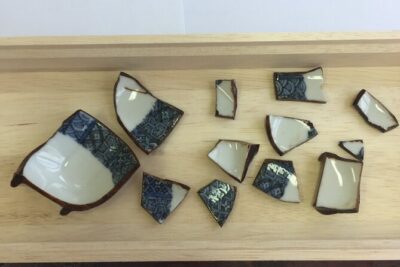
1.5〜2 Hours Traditional Kintsugi Work Shop in Namba Osaka
Read our review →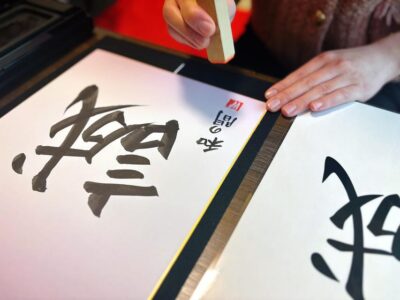
Traditional Japanese Ceramics Private Experience
Read our review →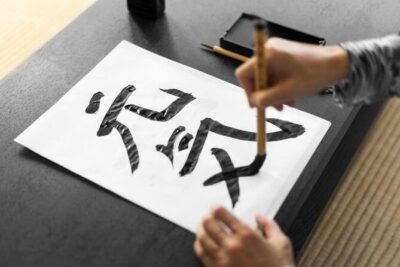

Learning Zen of Japanese Calligraphy in kimono near Osaka Castle
Read our review →
Osaka Daruma Workshop — Paint Your Own Good-Luck Daruma
Read our review →Browse the lists this tour appears in