
Reviewed · MINOH FALLS & NATURE TRIPS
Osaka: Minoh, Katsuoji Temple, & Minoh Falls Full-day Tour
Katsuoji Temple is the star here: a mountain temple where hundreds of red Daruma dolls peer from steps, shelves, rocks, and garden corners. I like the way this tour pairs that unusual cultural sight with Minoh Falls, a 33-metre cascade reached through a forested valley. You get both a memorable temple visit and a proper break from Osaka’s city streets.
I also like the practical design. Your guide handles the public trains, bus, and taxi, while adding the background that makes the temple details meaningful. The return walk beside the river is another strong point, often gentle and scenic. The trade-off is clear: this is a long outdoor day with moderate walking, some steps and inclines, and no included meal.
In This Review
- Key points at a glance
- Why this is one of Osaka’s better nature escapes
- Meeting at Akatsuki Plaza in JR Osaka Station
- The local route to Katsuoji Temple
- Katsuoji Temple and its hundreds of Daruma dolls
- Gardens, bridges, and seasonal color
- Taxi transfer to Minoh Falls
- The river walk through Minoh Park
- What the guides add to the day
- Walking, weather, and practical comfort
- Getting back to Osaka Station
- Is $135 a fair price?
- Who should book this Minoh day trip?
- Should you book it?
- FAQ
- How long does the Osaka to Minoh tour last?
- Where do I meet the guide?
- How do I find Akatsuki Plaza from the Midosuji Subway Line?
- Is lunch included?
- Does the tour use a private bus?
- How much walking is involved?
- Is the tour suitable for wheelchair users?
- What should I bring?
Key points at a glance
- Daruma-filled Katsuoji Temple: See hundreds of lucky dolls linked with perseverance and personal goals.
- A 33-metre waterfall: Take a quiet lunch break beside Minoh Falls, with food and drinks purchased separately.
- Public transport by design: Ride local trains and buses rather than a private coach, with the guide leading the way.
- A gentle valley walk: Continue through Minoh Park toward Ryuan-ji and the station, with scenic stops along the route.
- Guides who shape the day: Warren, Adam, Justin, Joel, and Joe are among the English-speaking guides named in the booking feedback.
- Best for active sightseers: Plan for about 390 minutes outdoors, comfortable shoes, sun protection, and rain gear.
Why this is one of Osaka’s better nature escapes
Osaka is easy to enjoy as a food-and-city destination, but it can also feel like a steady stream of stations, shopping streets, and concrete. This excursion takes you north to Minoh City, where the pace changes quickly. The reward is not a checklist of famous monuments. It is a day of gardens, forest, water, and religious traditions, all close enough to Osaka for a manageable day trip.
I especially like the contrast between the two main stops. Katsuoji Temple is colorful, highly photographed, and full of small visual discoveries. Minoh Falls is quieter in spirit. You sit, eat your own lunch, listen to the water, and let the day slow down.
The tour costs $135 per person. That is not the cheapest way to reach Minoh, since you could use public transportation independently, but the fee covers admission to the attractions, public transportation, and an English-speaking guide. The real value is the saved planning time and the explanations at the temple. If you are comfortable reading maps, checking train routes, and researching Buddhist and Shinto customs, you may prefer going alone. If you want the day organized for you, the price is easier to justify.
More of Minoh Falls and the forest walk:
- Katsuo-ji Temple, Arashiyama Forest, & Nara Park
★ 4.0 · 37 reviews - Minoh Waterfall and nature walk through the Minoh Park
★ 5.0 · 29 reviews - Osaka: Minoh Waterfall & Katsuo-ji Temple Half-Day Tour
★ 4.7 · 27 reviews
Meeting at Akatsuki Plaza in JR Osaka Station
Your day begins at Akatsuki Plaza on the first floor of the North Gate Building inside JR Osaka Station. It is just north of the Central Exit ticket gates, near the North Central Exit. Look for the SNOW MONKEY RESORTS sign and a broad open area with two escalators on either side.
Stay on the first floor. Do not ride the escalators.
This meeting point deserves careful attention because Osaka Station is large and layered. If you arrive on the Midosuji Subway Line from Namba or Shinsaibashi, follow signs for JR Osaka Station, then head toward the Central Exit. After you pass the Central Exit gates, walk north toward Yodobashi Camera. Akatsuki Plaza is in the open area ahead.
I would allow extra time to find it. The meeting point is specific, but the station has enough corridors and signs to make a rushed arrival unpleasant. Once you locate the plaza, the rest of the day is much easier because the guide leads the group through each connection.
The local route to Katsuoji Temple
The first part uses a subway or metro journey of about 40 minutes, followed by a bus ride of roughly 25 minutes. This is not a private-bus tour. You ride with local passengers and see how people actually move around the Osaka area.
That choice gives the trip a more grounded feel, but it also means the schedule can shift. Trains and buses may be crowded, and the stated times are only a guide. Your group needs to stay together and listen for instructions at transfers. The guides receive repeated praise for making these connections easy, especially Warren and Adam, who are described as calm, clear, and attentive.
For you, the main benefit is convenience without a sealed tour vehicle. You do not have to work out the route, buy each ticket, or guess which direction to take. You still experience Japan’s efficient public transport system instead of watching the countryside through a coach window.
Wear shoes that are comfortable for a full day. You will be walking between transport stops, around the temple grounds, near the waterfall, and along the park route.
Katsuoji Temple and its hundreds of Daruma dolls
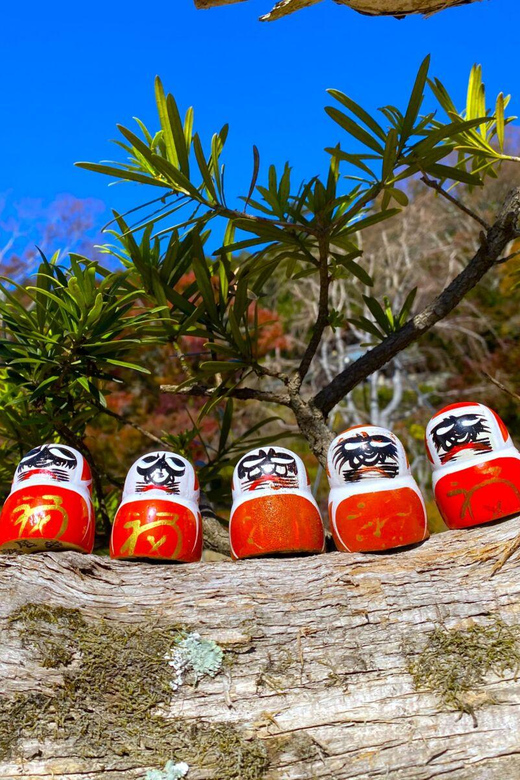
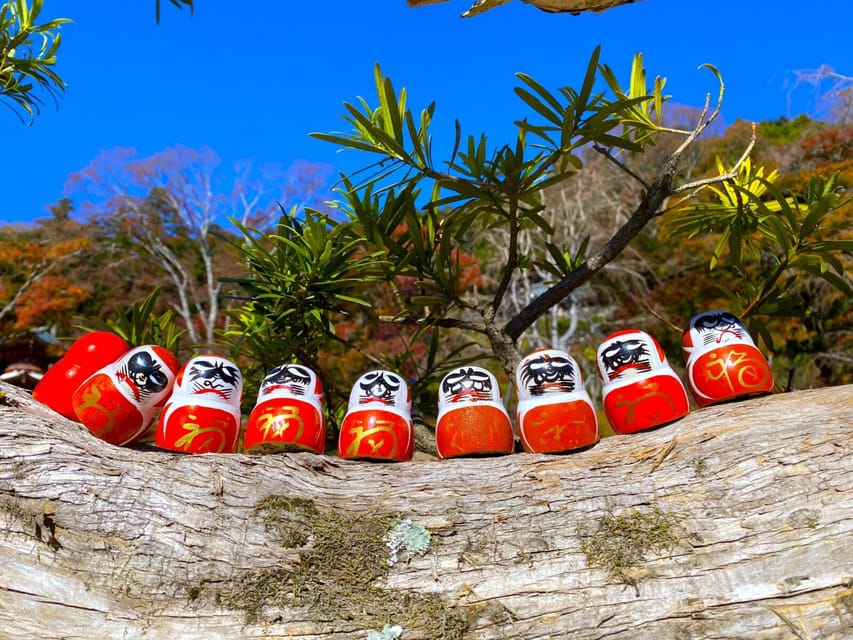
Katsuoji is known for its Daruma dolls, small round figures associated with perseverance and good luck. Their blank eyes and determined expressions give the temple a playful quality, but the meaning is serious. People use Daruma as reminders to set a goal, keep working, and follow through.
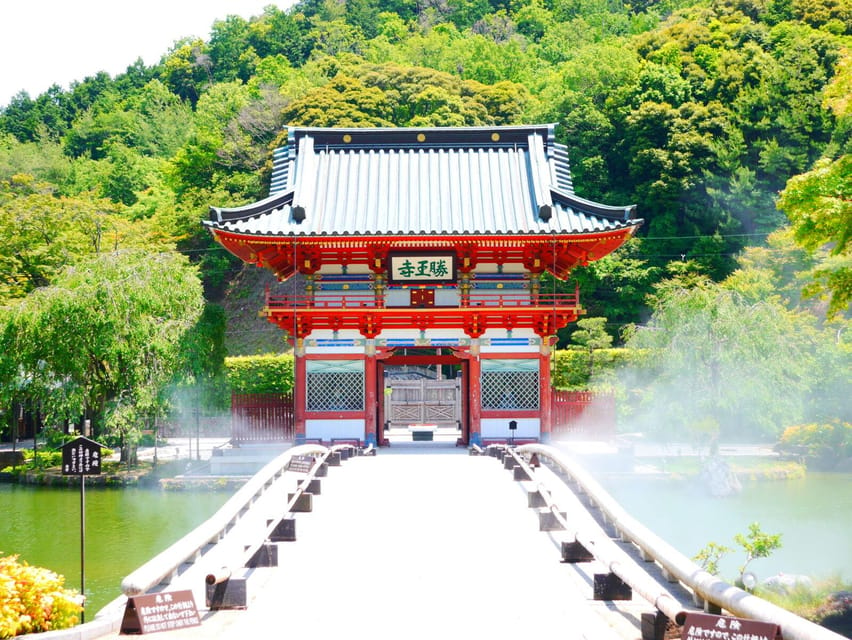
You will see them scattered through the grounds in striking numbers. They sit on steps, walls, shelves, garden corners, and other designated spots. The effect is unusual: traditional temple architecture and landscaped gardens provide a calm setting, while the red dolls add a little mischief and color to nearly every view.
This is where a guide earns the admission price. Without context, you might simply take photographs of a lot of red figures. With an explanation, the Daruma becomes a window into an everyday Japanese custom and a useful souvenir with a personal meaning.
You can purchase a Daruma doll at the temple. It is a compact keepsake, and you can choose one as a reminder of your own goal or as a gift. Some people also collect a handwritten goshuin stamp, a temple calligraphy memento. The experience information notes layered stamps around the grounds, so keep your eyes open for small details beyond the main buildings.
More temples and shrines worth the walk:
- Sagano Romantic Train & Arashiyama, Kiyomizudera, Fushimi Inari Taisha Day Tour
★ 4.5 · 171 reviews - Full Day Kyoto Tour : Bamboo Forest, Golden Temple, Fushimi Inari
★ 5.0 · 84 reviews - Osaka Temple Cool Foot Bath & Matcha Experience〈45min〉
★ 4.9 · 82 reviews - Osaka: Mind & Spirit Balance Temple Reiki Healing
★ 5.0 · 41 reviews
Gardens, bridges, and seasonal color
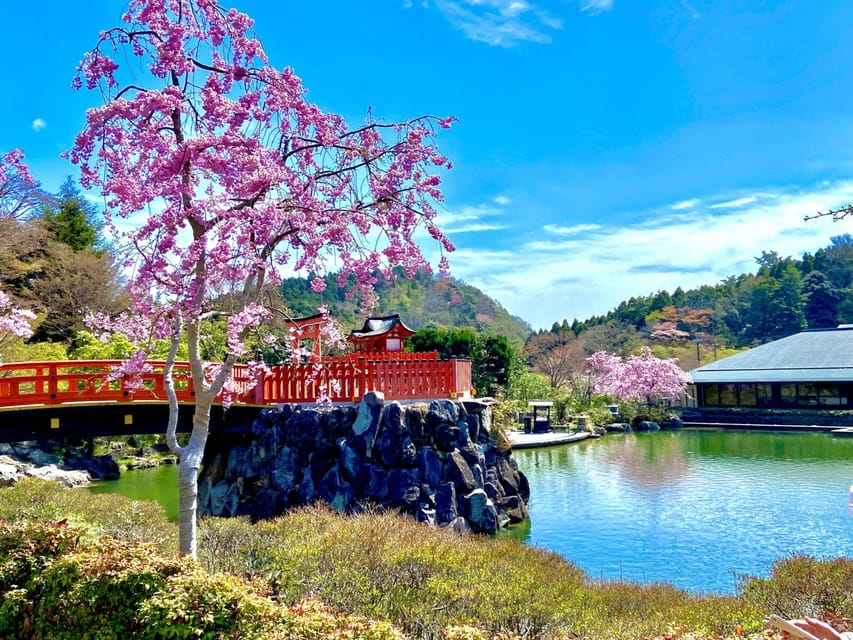
Katsuoji is more than a Daruma display. The grounds include a pond, a bridge, landscaped gardens, seasonal flowers, and traditional religious buildings. The setting changes with the time of year, which affects the mood of the visit.
Autumn is especially appealing if you want red and gold foliage around the temple and along the valley. One October visit was described as a perfect fall day, with the changing leaves adding another layer to the temple views. Winter can bring a quieter atmosphere, and one December outing even had a brief snowfall. Summer is green and peaceful, but the heat and humidity can be demanding. July visitors repeatedly advised bringing water and a hat.
Your guided time at Katsuoji is listed as about two hours and 15 minutes. That is generous enough to look around without sprinting from building to building. The exact order and timing can change with weather, transport, and the group’s pace.
I appreciate that flexibility. Several people found the day relaxed rather than rushed, even on a busy Saturday. If you prefer to spend a few extra minutes framing photographs, studying the garden, or asking questions about Buddhist and Shinto traditions, this format should suit you.
Taxi transfer to Minoh Falls
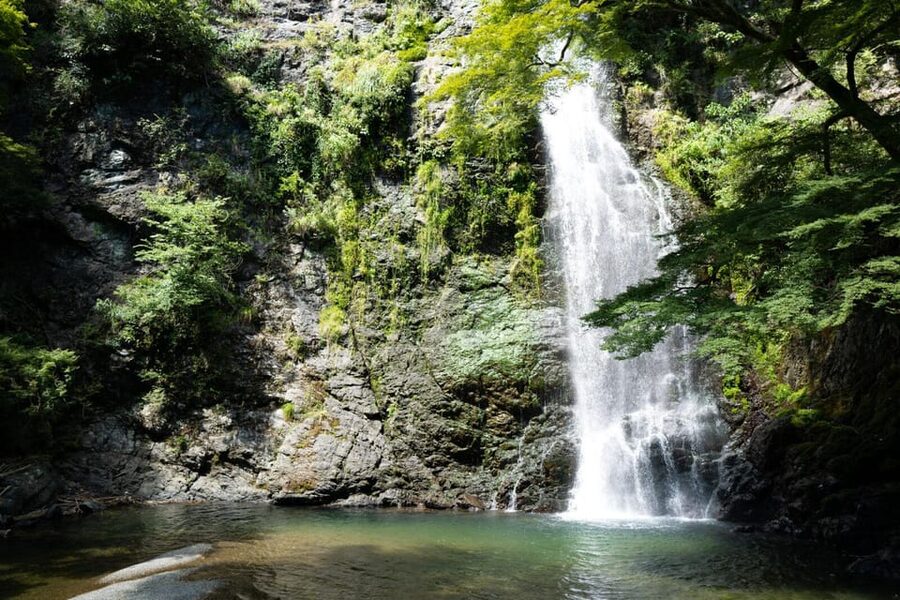
After Katsuoji, the group uses a taxi for about 10 minutes to reach Minoh Falls. The description refers to a black cab, while the larger structure of the tour remains based on public transportation. This short ride saves you from retracing the bus route and gets you to the waterfall efficiently.
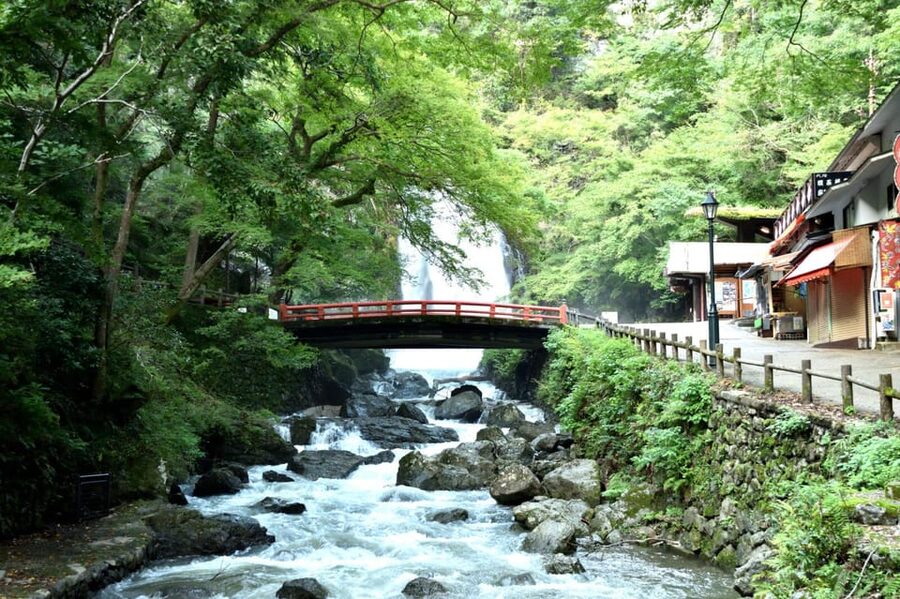
Minoh Falls drops 33 metres into a wooded setting. It is not a huge wilderness expedition, but it is an impressive natural pause after the temple visit. The sound of the water gives you a place to stop talking for a while, and the surrounding park provides a welcome change from Osaka’s hard surfaces.
The guided time at the falls is about one hour. You have time to sit near the water, take photographs, and eat lunch you bring or buy yourself. Food and drinks are not included, so plan ahead. The waterfall is the right place for a packed meal or a simple takeaway, not a formal restaurant stop built into the tour.
Your guide may also help with group photographs. That can matter if you are traveling alone. Adam is specifically praised for assisting with photos, and several guides are described as attentive to individual needs.
The river walk through Minoh Park
After lunch, you walk through Minoh Park toward Ryuan-ji and eventually the station. The listed guided walk takes about 50 minutes, although the full route includes stops and the return train journey.
This is arguably the most relaxing section. The path follows the river valley, with water moving over rocks and boulders. A reported estimate describes much of the walk from the falls as about 2 kilometres and roughly 90 percent flat, with gradual rises and dips. That does not mean the entire day is flat. Katsuoji and the temple approaches include steps and uphill sections, and conditions can vary.
You will stop at scenic points and places of interest along the way. The guide can point out smaller religious sites and explain features you might otherwise pass without noticing. One guide was praised for showing lesser-known shrines and temples, while another helped explain how religious traditions connect with Japanese ideas and daily customs.
Ryuan-ji gives the walk a second cultural focus. The combination works well: Katsuoji delivers the Daruma spectacle, the waterfall provides a natural rest, and Ryuan-ji adds another quiet temple stop before the return to Osaka.
What the guides add to the day
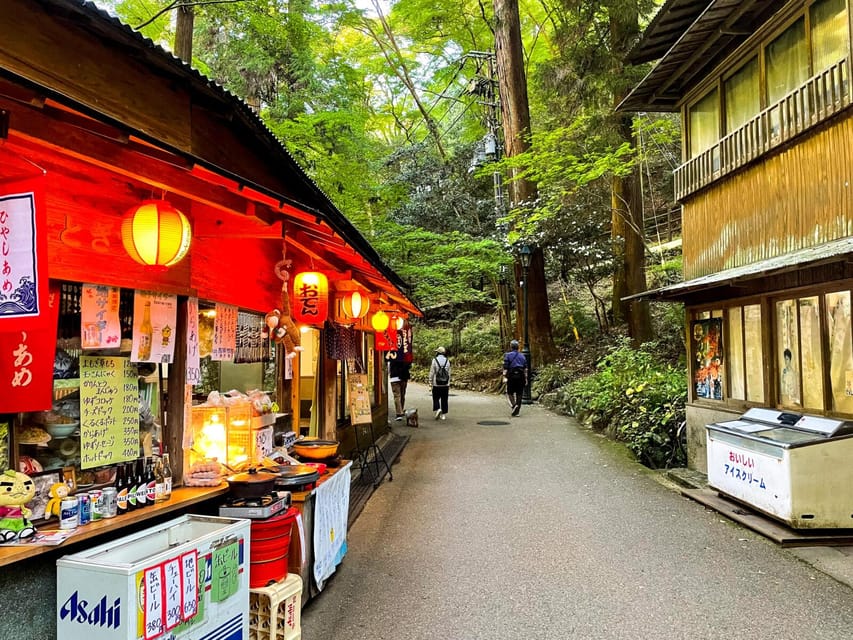
The activity is offered in English, and guide quality is a major part of its appeal. Names specifically associated with positive experiences include Warren, Adam, Justin, Joel, and Joe. You cannot assume which person will lead your departure, but the guide role is more than simply pointing out the next train.
Warren is repeatedly described as relaxed, funny, patient, and well informed about the temples, local customs, nature, and Osaka. Adam is praised for setting a steady pace, helping with photos, and adjusting kindly when someone needed more rest. Justin is noted for explaining Daruma, supporting a child in the group, and making the day feel easygoing. Joel and Joe are also described as friendly and enthusiastic.
The strongest pattern is not a single speech or performance. It is the attention to pace. Guides check that people are comfortable, explain where to meet after free time, and keep the transport connections manageable. That matters on a walking tour because the day can become tiring if nobody monitors the group.
Free time is included. Listen carefully when the guide gives the meeting place and time. If you become separated or forget where to regroup, call the tour provider immediately.
Walking, weather, and practical comfort
The tour lasts 390 minutes, or about six and a half hours. Much of that time is outdoors, and you should treat it as an active day even though the route is not presented as strenuous hiking.
Expect some steps, uphill inclines, station walking, and uneven outdoor surfaces. Several people found the pace comfortable and the route manageable, but the official restrictions make clear that the activity is not suitable for wheelchair users or people with mobility impairments. If you have leg, balance, or endurance concerns, contact the operator before booking and explain your needs.
Weather changes the experience. Autumn color can make the temple and river valley especially attractive. Summer heat and humidity call for water, a hat, and sun protection. Rain does not automatically ruin the day, but the paths and temple grounds will feel different, and you will be outside for hours. Bring rain protection as well as a sunshade.
I would carry a small lunch or snacks, since meals are not covered. The tour includes free time, so a little flexibility helps. Comfortable clothes and walking shoes matter more than dressing formally.
Getting back to Osaka Station
The return is by train, with about 50 minutes listed for the journey. You finish back at Akatsuki Plaza, the same general meeting area inside JR Osaka Station.
That is useful for planning an evening meal or another activity, but do not schedule something that begins immediately afterward. The listed times are estimates, and trains, weather, group pace, and transport connections can affect the finish. Osaka Station is also a large place, so allow yourself a few minutes to get oriented before rushing on.
The day’s final impression is a good one: you return to the city after a forest walk, a waterfall, and a temple visit, rather than spending the entire day in another commercial district.
Is $135 a fair price?
For $135, you are paying for structure as much as transport. The included admission fees, public trains and buses, taxi connection, and English-speaking guide remove several small decisions that can add friction to an independent outing.
The price is strongest for first-time visitors who want cultural explanation and do not want to manage Osaka’s rail and bus connections. It is also useful for solo visitors who value help with photos and an organized group route.
Independent sightseers may find the price high because the transportation itself is public and the lunch is extra. If you already know Minoh and Katsuoji, can navigate Japanese stations confidently, and prefer to set your own timetable, going alone gives you more control.
For most visitors, I consider the price reasonable if you treat it as a guided day trip rather than a transportation package. The guide’s local explanations, the carefully linked route, and the chance to see two very different sides of northern Osaka are the main value.
Who should book this Minoh day trip?
Book it if you want a peaceful break from Osaka, enjoy gardens and temples, and can walk for several hours. It suits people who prefer a calm pace, small cultural details, and scenery over a packed list of major city sights.
It is also a good fit for solo visitors, couples, families with older children, and anyone curious about Daruma traditions. The route has enough variety to keep the day moving without feeling frantic.
Think twice if you dislike public transportation, hot or wet weather, steps, or free time without a provided meal. This is not a coach tour with an air-conditioned seat from start to finish. It is a walking day that uses the same trains and buses you would use on your own.
Should you book it?
I would book this tour if your Osaka plans need a quiet counterpoint. Katsuoji’s Daruma dolls are distinctive, and the walk from Minoh Falls through the river valley gives the day a natural rhythm that city sightseeing cannot match.
Choose it with realistic expectations. Bring lunch, water, sun or rain protection, and shoes you trust. If you can handle moderate walking and public transport, the $135 fee buys a well-organized outing with useful cultural context and a strong chance to see a less hectic side of Osaka. If mobility is limited or you want a completely private vehicle, choose another excursion.
FAQ
How long does the Osaka to Minoh tour last?
The tour duration is 390 minutes, or about six and a half hours. The listed times are estimates and can change with weather, train schedules, and conditions during the day.
Where do I meet the guide?
Meet at Akatsuki Plaza on the first floor of the North Gate Building inside JR Osaka Station. It is north of the Central Exit ticket gates, near the North Central Exit. Look for the SNOW MONKEY RESORTS sign.
How do I find Akatsuki Plaza from the Midosuji Subway Line?
Follow signs toward JR Osaka Station, then head to the Central Exit. Walk straight north toward Yodobashi Camera after reaching the Central Exit area. Akatsuki Plaza is on the first floor in a wide open space with escalators on both sides.
Is lunch included?
No. Food and drinks are not included. You have time to eat your own lunch near Minoh Falls, so bring food or plan to purchase it separately.
Does the tour use a private bus?
No. The route uses public trains and buses, plus a taxi transfer between Katsuoji Temple and Minoh Falls. It does not use a dedicated tour bus for the full day.
How much walking is involved?
The tour includes moderate walking outdoors for several hours, including steps and gradual uphill or downhill sections. The walk from Minoh Falls toward the station is generally gentle, but the full day still requires comfortable walking shoes.
Is the tour suitable for wheelchair users?
No. The activity is not suitable for wheelchair users or people with mobility impairments.
What should I bring?
Bring comfortable shoes and clothing, water, food if you want lunch at the falls, sun protection, and rain protection if needed. Pay attention to the guide’s instructions during free time and note where and when the group will meet again.
More Full-Day in Osaka
- Osaka’s Best and Brightest: Private Full-Day Tour by Vehicle
★ 5.0 · 147 reviews - Full Day Tour of Kyoto with Private Transportation
★ 5.0 · 130 reviews - Full Day Hiroshima and Miyajima Tour by Bullet Train from Osaka
★ 4.5 · 117 reviews - Amanohashidate & Ine Funaya Sightseeing Full Day Trip from Kyoto
★ 4.5 · 62 reviews
Just added around Osaka
- Nara Day Trip from Osaka with a Licensed Guide★ 5.0 · 3 reviews
- Osaka Early Morning Osaka Castle Tour Avoid Crowds★ 5.0 · 3 reviews
- Guided Tour of Some Attractions in Osaka by Private Car★ 5.0 · 3 reviews
- Private Transfer Between Kyoto and Kansai Airport KIX★ 5.0 · 3 reviews
- Shared Arrival Transfer: Osaka Itami Airport to Osaka City★ 5.0 · 3 reviews
- Osaka: Sushi Making Class and Dotonbori Food Tour★ 4.7 · 3 reviews
- Osaka Night Photography Workshop★ 5.0 · 3 reviews
- Kyoto Full day Tour Kinkakuji, Kiyomizu-dera and Fushimi Inari★ 4.5 · 3 reviews
Minoh Falls & Nature Trips, compared.
Katsuo-ji Temple, Arashiyama Forest, & Nara Park
Read our review →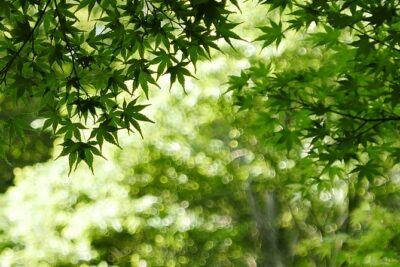
Minoh Waterfall and nature walk through the Minoh Park
Read our review →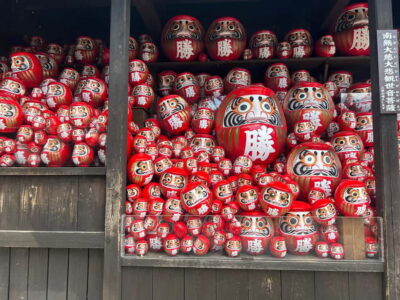
Minoh Waterfall & Katsuo-ji Temple Half-Day Tour
Read our review →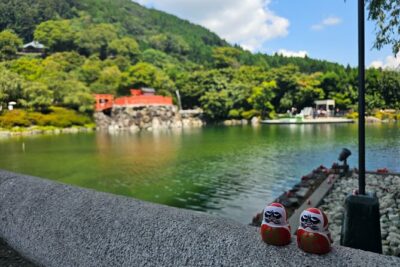
Osaka Half-day E-bike Adventure: Minoh Falls & Katsuoji Temple
Read our review →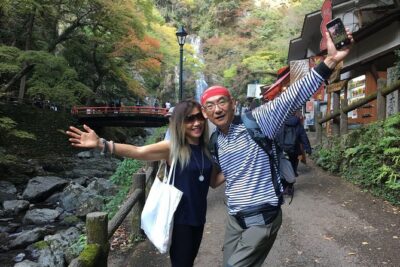
Nature Walk at Minoo Park, the Best Nature and Waterfall in Osaka
Read our review →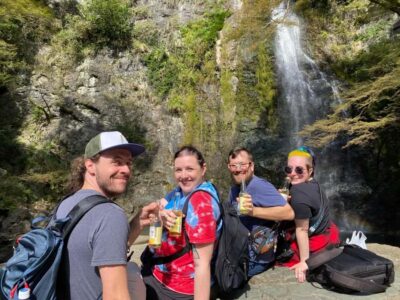
Mino Forest Walk and Giant Waterfall with Local Lunch
Read our review →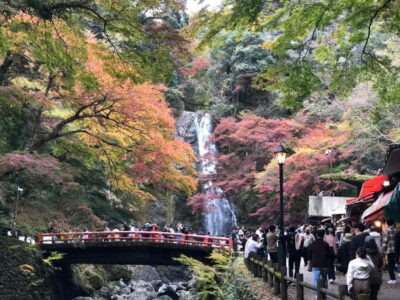
Get to know Minoo from Osaka. Katsuoji Temple, Ryuanji Waterfall and Ryuanji Temple
Read our review →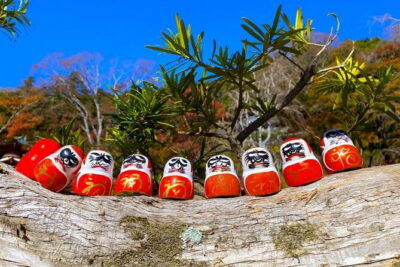
Osaka’s Secret Adventures: Daruma Magic and Minoh Falls
Read our review →Browse the lists this tour appears in