
Reviewed · OSAKA COOKING CLASSES
Osaka: Japanese Cooking Class with Matcha Experience
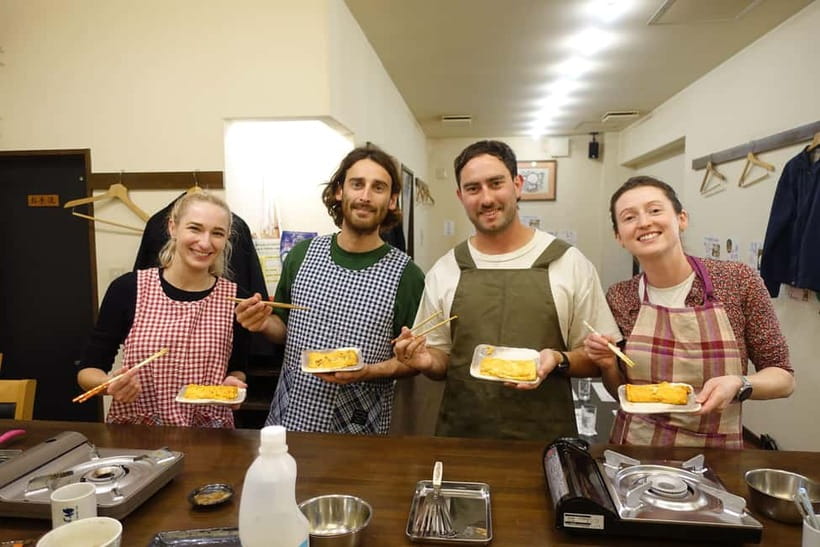
The best part of this Osaka activity is that you do not just sit and watch someone prepare Japanese food. You cook a familiar local dish yourself, then finish with a matcha-making experience. That gives you something useful to take home: recipes, techniques, and a better feel for everyday Japanese food.
I like the choice of three cooking styles, especially the option to make okonomiyaki or a bento rather than a fixed menu. I also like the friendly teaching approach, with Ikuko praised for her clear techniques and warm manner. The main consideration is that this is not suitable for wheelchair users or people with food allergies, and the instructions say to inform the host about dietary restrictions in advance.
In This Review
- Key points at a glance
- Cooking Japanese food instead of only watching
- What the two-hour class is like
- Choosing between home cooking, okonomiyaki, and bento
- The matcha portion adds a quieter finish
- Why the local teaching style matters
- A convenient stop near Osaka Castle
- Is $64 a fair price?
- Best for families, friends, and first-time cooks
- Food restrictions and what to clarify
- Booking flexibility and group size
- Should you book this Osaka cooking class?
- FAQ
- How long does the cooking and matcha class last?
- Where is the meeting point?
- Which dishes can I choose to make?
- Is matcha included?
- What languages are available?
- Can I cancel the booking?
Key points at a glance
- Choose your Japanese dish: Pick home-cooked dishes, okonomiyaki, or bento, depending on the class setup and your preference.
- Learn from Ikuko: The teaching style is warm, practical, and well suited to families and people who do not cook often.
- Make matcha, too: The tea portion adds a calm cultural activity after the hands-on food preparation.
- Small group setting: With no more than 10 participants, you should have a better chance to follow the chef’s techniques.
- Easy Morinomiya access: The class is a seven-minute walk from Morinomiya Station and close to Osaka Castle.
- Good family activity: Children have enjoyed the class, and the shared cooking format gives everyone a job.
Cooking Japanese food instead of only watching
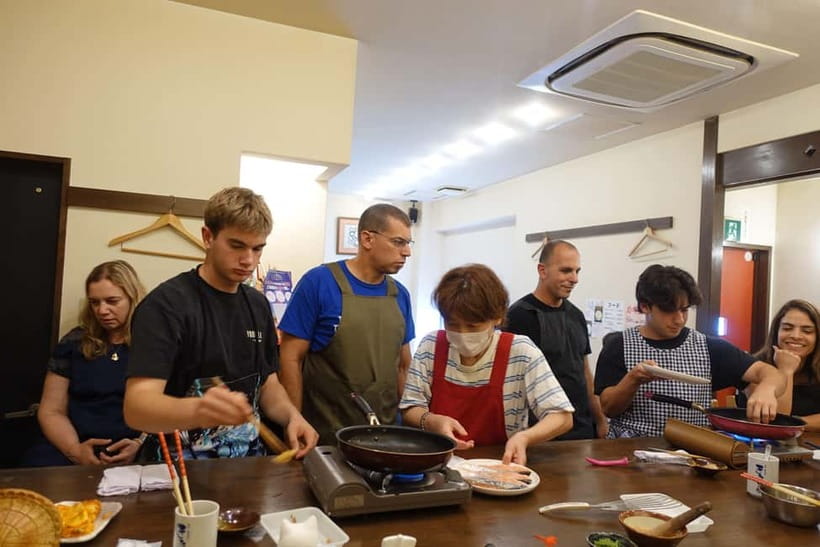
A cooking class works best when you leave with more than a full stomach. Here, you prepare one of three types of Japanese food: home-cooked dishes, okonomiyaki, or bento.
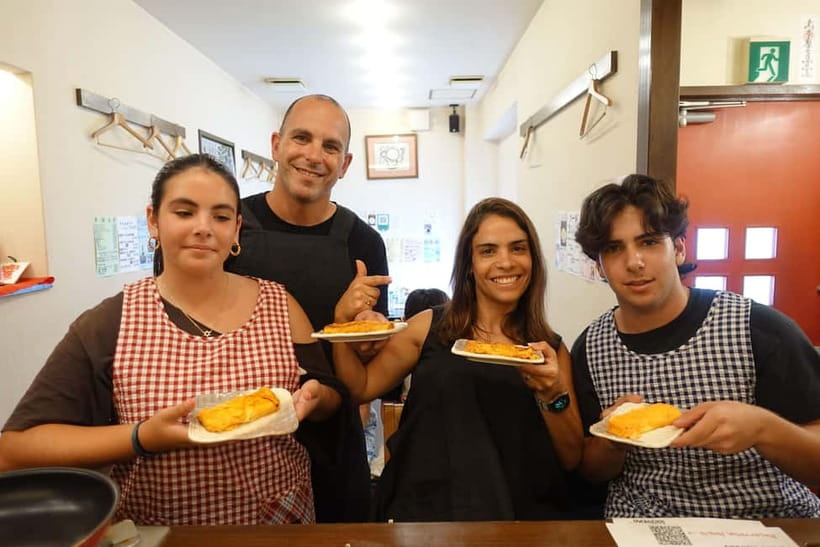
That choice matters. Home-cooked dishes are the natural pick if you want a look at the food people commonly prepare at home. Okonomiyaki gives you a taste of Osaka’s famous savory pancake tradition. Bento is useful if you are interested in the neat arrangement and variety found in a Japanese packed meal.
You do not need to be an experienced cook. The class is designed to include people who are unfamiliar with cooking, and an Osaka mom is available to guide you. That practical help can make a big difference if you are traveling with children or if your knife skills and kitchen confidence are limited.
I would think of the class as shared work rather than a formal demonstration. You cook together, follow the chef’s methods, and create a meal as a group. The format gives families and friends a simple way to spend two hours doing something together instead of splitting up around a restaurant table.
The exact dishes within each menu are not specified, so you should choose based on the broad style that appeals to you. If you have your heart set on one particular recipe, ask about the current menu before booking.
More Japanese home cooking classes:
- Osaka: Ramen and Gyoza Cooking Class in Dotonbori
★ 5.0 · 378 reviews - Osaka: Sumo Stage Show with Bento or Snack + Fight & Photo
★ 4.3 · 364 reviews - Osaka: Traditional Mochi Pounding Experience with Tasting
★ 4.9 · 306 reviews
What the two-hour class is like
The activity lasts two hours, which is long enough to make a dish and try matcha without taking over your day. That timing fits nicely between sightseeing plans, especially if you are visiting Osaka Castle or spending time in central Osaka.
The class begins with instruction from a local chef. You can expect guidance on the selected dish, followed by hands-on preparation with the ingredients provided for the class. The English and Japanese language support makes the activity accessible to a wider mix of participants, though the amount of English instruction may vary depending on the host and group.
If you are cooking with children, plan to stay involved. The class has been enjoyable for children, but cooking activities still require attention around kitchen tools and hot food. The small group limit of 10 should help the instructor keep an eye on the room and answer questions.
The strongest reason to choose this format is the chance to repeat the recipes at home. A restaurant meal disappears quickly. A cooking lesson can keep working for you after Japan, particularly if the recipes use ingredients you can find where you live.
One note needs attention before you arrive. The inclusions say that all ingredients for the selected dish are provided, while the practical information also says to bring ingredients. Those instructions do not fully match. I would contact the activity provider before the class and ask exactly what, if anything, you need to bring.
Choosing between home cooking, okonomiyaki, and bento
The menu choice is the main decision you make when booking. Each option offers a different picture of Japanese food.
Home-cooked dishes are best for you if you want simple, everyday food rather than a famous restaurant specialty. This option should appeal to anyone curious about what a Japanese family might prepare at home. It is also likely to be the least intimidating choice for a first cooking class, although the precise recipes are not given.
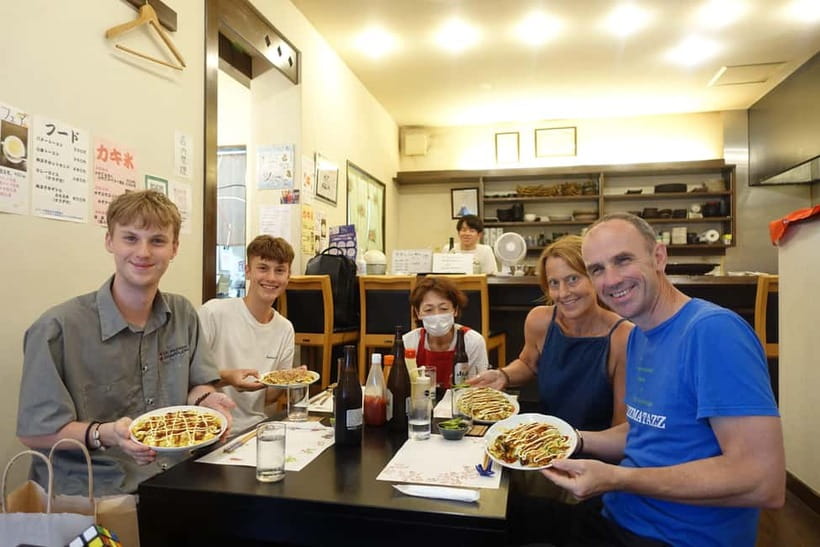
Okonomiyaki is the most Osaka-focused choice. Osaka is strongly associated with this savory pancake, so making it yourself connects the food to the city you are visiting. Choose this if you want a dish with a clear local identity and a fun group cooking format.
Bento gives you a chance to work with presentation as well as preparation. A bento is more than a meal packed into a box. Its appeal comes from variety, balance, and arrangement. Choose this if you enjoy making food look organized and would like a format you can recreate for lunches at home.
The available choice may depend on the class schedule or booking details, so check before you arrive. The activity information confirms the three broad options, but it does not provide a fixed list of recipes or ingredients.
The matcha portion adds a quieter finish
The matcha experience is included with the cooking class. That makes the activity feel more complete than a standard food lesson, since you get both a meal preparation session and a traditional tea-related activity.
You will make matcha with guidance from the host. The information does not specify the exact tools, serving style, or ceremony, so you should not expect a full formal tea ceremony unless the provider confirms that separately. Think of this as a practical introduction to preparing matcha.
The change of pace is useful. Cooking can be active and social, especially when several people are preparing food at once. Matcha gives you a slower final activity and a chance to pay attention to a Japanese custom in a simple setting.
For families, this second part can help round out the class. Younger children may enjoy the cooking most, while older children and adults may appreciate learning how the tea is made. It also creates a natural ending before you continue sightseeing.
More tea ceremonies and matcha sessions:
- Osaka: Tea Ceremony Experience
★ 4.9 · 1,426 reviews - Tea Ceremony Experience in Osaka Doutonbori
★ 5.0 · 754 reviews - Matcha Making Class in Osaka with Authentic Japanese Sweets Set
★ 5.0 · 509 reviews - Osaka: Matcha Making Experience with Japanese Sweets
★ 5.0 · 146 reviews
Why the local teaching style matters
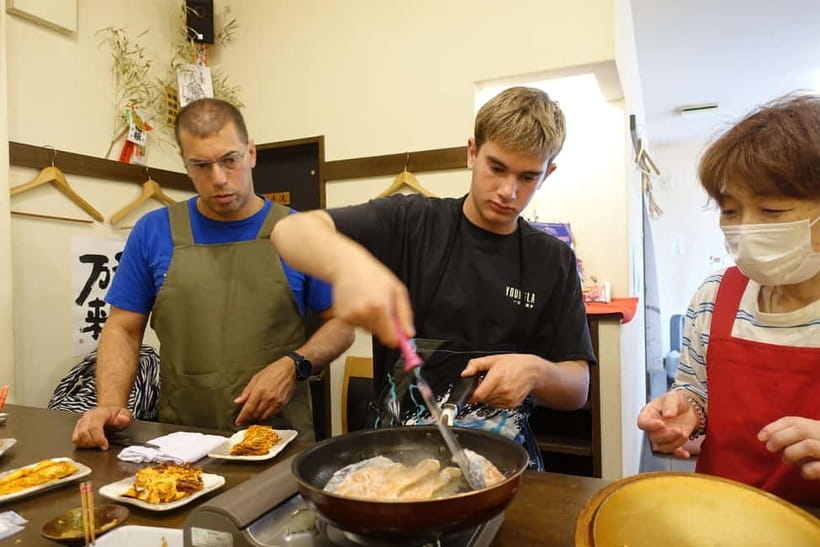
A cooking class can easily become a recipe handout with a few rushed instructions. This one is built around direct help from a local chef, with additional support from an Osaka mom for people who are not comfortable in the kitchen.
Ikuko is the teacher specifically praised for her enthusiasm, clear techniques, and love of teaching and cooking. That matters because cooking instruction depends heavily on the person leading it. A patient teacher can turn a difficult step into something manageable, while a rushed lesson can leave you guessing.
You should expect a friendly, hands-on tone rather than a highly formal culinary school. The class is intended for shared enjoyment, not professional certification. If you want advanced knife training or complex restaurant techniques, this may feel basic. If you want to learn recognizable Japanese dishes with personal guidance, the level sounds more suitable.
The language options are English and Japanese. If you need detailed explanations of every step, tell the host at the start that you would like clear English guidance. The small group size gives you a better chance to ask for help than a large demonstration class.
A convenient stop near Osaka Castle
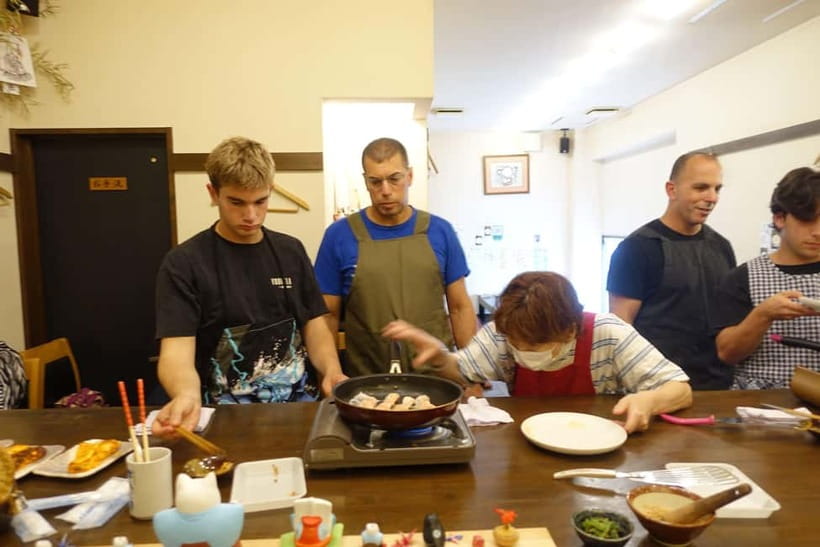
The meeting point is marked with a sign, and the location is a seven-minute walk from Morinomiya Station. It is also only one station from Osaka Castle Station by JR, making it easy to combine with a visit to Osaka Castle.
The location works well in a day plan. You could schedule the class before sightseeing around the castle, or use it as a change of pace after walking through the castle grounds. Morinomiya is also accessible from Shinsaibashi and Namba, so you do not need to devote a separate day to the activity.
Allow enough time to find the sign and walk from the station. The activity lasts two hours, but the booking does not include transportation to or from the location. You are responsible for getting there, so check your route before leaving your hotel.
Comfortable shoes and comfortable clothes are sensible choices. You will be cooking, not sitting through a lecture, and easy movement matters. Avoid wearing anything you would worry about around food or kitchen equipment.
Is $64 a fair price?
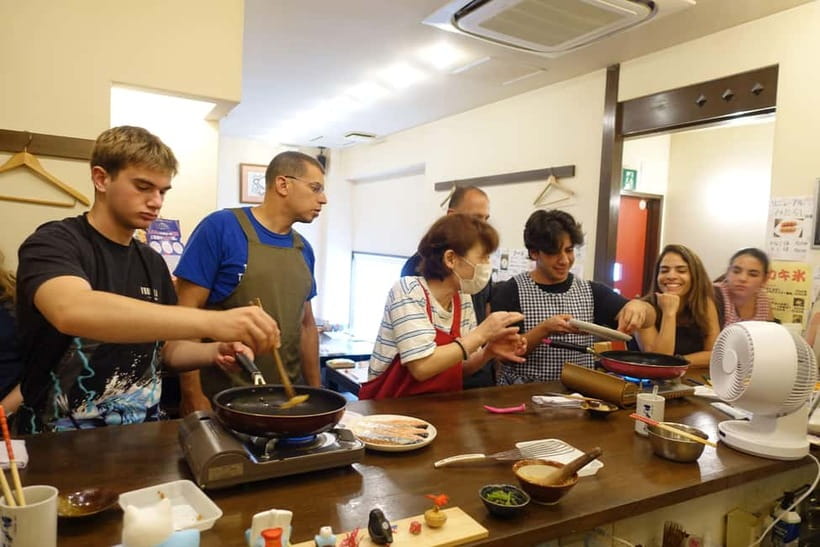
At $64 per person, this is not the cheapest way to eat in Osaka. You can buy a filling meal for far less. The value comes from the instruction, the ingredients, the group activity, and the matcha session.
I think the price is reasonable if you are looking for an experience rather than simply lunch. A meal gives you food for one sitting. This class gives you a recipe-based activity, direct help from a chef, and techniques you may use again at home.
The value is stronger for families and couples who would otherwise book separate entertainment. You are paying for two hours of organized time in a small group, with all ingredients for the selected dish included. The class can also be a good choice on a rainy day, though the information does not describe the indoor space in detail.
The value is weaker if you are mainly interested in eating Osaka specialties and have little interest in preparing food. You may also find it less worthwhile if you want a broad tasting menu, since you choose one main cooking option rather than sampling many different dishes.
Matcha helps justify the price because it gives the class a second focus. Still, I would book this for the teaching and shared activity first, and treat the tea portion as an added benefit.
Best for families, friends, and first-time cooks
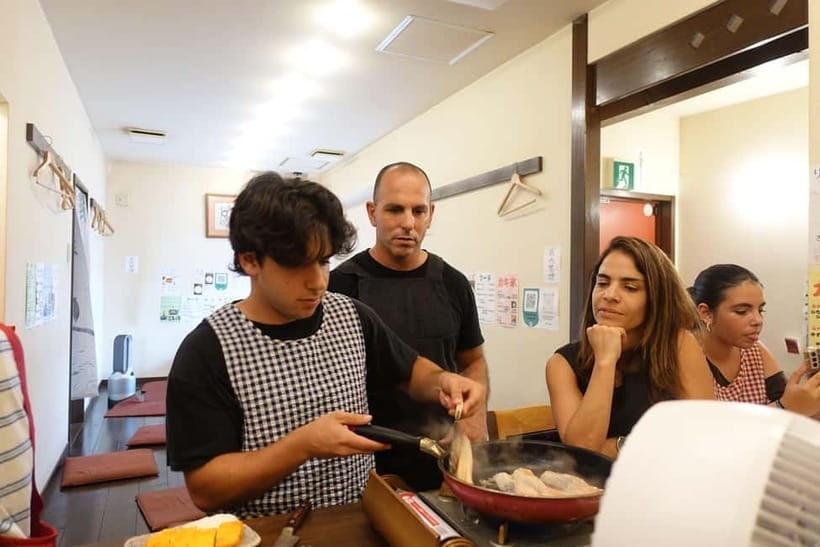
This activity suits people who want to participate. You will get more from it if you enjoy asking questions, handling ingredients, and working with the people in your group.
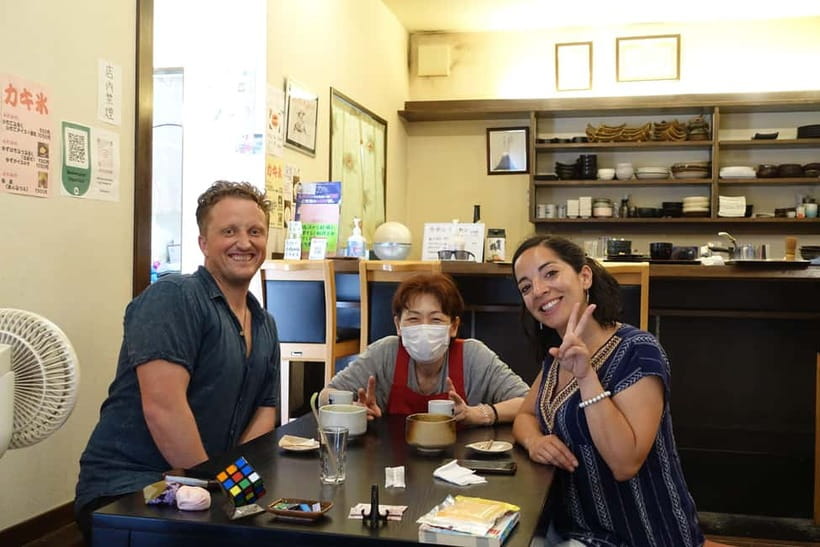
Families are a strong match. Children have enjoyed the experience, and cooking together gives them a direct role. Parents should remember that the class is not a childcare service. Stay close, follow the chef’s instructions, and choose comfortable clothing for everyone.
Couples and friends can also use the class as a relaxed shared activity. It creates a meal you make together, which can feel more personal than another restaurant stop. The small group size helps keep the class from feeling like a large tour.
First-time cooks should not be put off. The Osaka mom’s support is meant for people who need extra help, and the teaching approach is practical. You do not need to arrive with Japanese cooking experience.
This is less suitable for people who want a private class. The group can include up to 10 participants, so you will share the space and instruction. It is also not suitable for wheelchair users according to the activity information.
Food restrictions and what to clarify
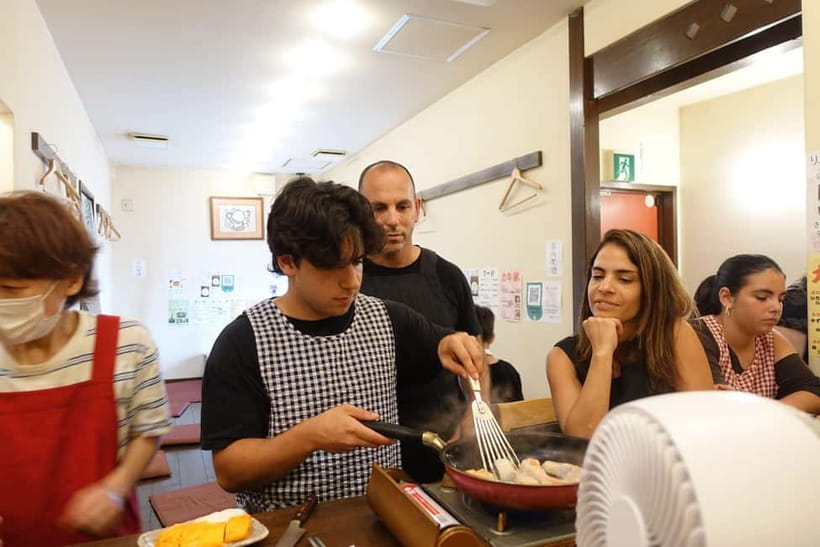
You must inform the provider about food allergies or dietary restrictions in advance. The activity is listed as not suitable for people with food allergies, so do not assume that the kitchen can safely adapt the recipes.
If you have a non-allergy dietary restriction, contact the host before booking and explain it clearly. The available menus are home-cooked dishes, okonomiyaki, and bento, but no specific substitutions are promised.
The note about bringing ingredients also deserves a quick question before your visit. Since the class includes ingredients for the selected dish, ask whether the instruction refers to a special ingredient, a personal item, or an error in the practical notes. Sorting this out early prevents an awkward start.
Booking flexibility and group size
You can cancel up to 24 hours in advance for a full refund. The reserve-now, pay-later option also lets you hold a place without paying immediately, which is useful when your Osaka schedule is still changing.
Check the available starting times before building your day around the class. The two-hour duration is fixed, but the exact start time depends on availability.
The group is limited to 10 people. That is small enough for a more personal class, though the experience will still depend on how many people book your session. English and Japanese support is available, and the meeting point has a sign to help you identify it.
Should you book this Osaka cooking class?
Book it if you want to do something active, learn a few Japanese food techniques, and share the experience with people you know. The choice between home cooking, okonomiyaki, and bento makes it easier to pick a style that fits your interests, while the matcha session gives the two hours a pleasant second half.
I would especially recommend it for families, first-time cooks, and anyone staying near Osaka Castle, Morinomiya, Shinsaibashi, or Namba. Ikuko’s warm teaching style is a real advantage, and the class has proved enjoyable for children as well as adults.
Skip it if you only want a quick meal, need wheelchair access, or have a food allergy. Before paying, confirm the exact dish, the starting time, and the instruction about bringing ingredients. If those details work for you, $64 buys more than lunch: it buys a useful, social introduction to Japanese home cooking and matcha.
FAQ
How long does the cooking and matcha class last?
The activity lasts two hours. Check the available starting times when booking.
Where is the meeting point?
The activity location is a seven-minute walk from Morinomiya Station. There is a sign at the meeting point.
Which dishes can I choose to make?
You can choose from home-cooked dishes, okonomiyaki, or bento. The specific recipes are not provided.
Is matcha included?
Yes. The matcha-making experience is included in the activity price.
What languages are available?
The host or greeter can provide support in English and Japanese.
Can I cancel the booking?
Yes. You can cancel up to 24 hours in advance for a full refund. Reserve-now, pay-later booking is also available.
Just added around Osaka
- Nara Day Trip from Osaka with a Licensed Guide★ 5.0 · 3 reviews
- Osaka Early Morning Osaka Castle Tour Avoid Crowds★ 5.0 · 3 reviews
- Guided Tour of Some Attractions in Osaka by Private Car★ 5.0 · 3 reviews
- Private Transfer Between Kyoto and Kansai Airport KIX★ 5.0 · 3 reviews
- Shared Arrival Transfer: Osaka Itami Airport to Osaka City★ 5.0 · 3 reviews
- Osaka: Sushi Making Class and Dotonbori Food Tour★ 4.7 · 3 reviews
- Osaka Night Photography Workshop★ 5.0 · 3 reviews
- Kyoto Full day Tour Kinkakuji, Kiyomizu-dera and Fushimi Inari★ 4.5 · 3 reviews
Osaka Cooking Classes, compared.


Sumo Stage Show with Bento or Snack + Fight & Photo
Read our review →
Traditional Mochi Pounding Experience with Tasting
Read our review →
Osaka Cooking Class: Okonomiyaki &Japanese cuisines experience
Read our review →


Osaka Sake Tasting & Takoyaki Cooking Experience
Read our review →
Cooking Ramen&Gyoza/KatsuCurry/Bento/Okonomiyaki+Store Tour@Osaka
Read our review →Browse the lists this tour appears in