
Reviewed · DINNER EXPERIENCES
Osaka: LGBTQ+ Tour with Dinner and Drinks
Osaka’s LGBTQ+ story is easiest to understand when you see both sides of it: the discreet world that once operated behind ordinary streets, and the more open scene found today. This three-hour evening tour links Shinsekai with Doyama, then finishes at a local bar with drinks and practical guidance from an English-speaking local guide.
I like the way the tour combines social history with real neighborhoods, rather than keeping the discussion inside a museum. I also like the small-group format, limited to eight people, and the fact that dinner and two drinks are included. The main drawback is that the evening involves walking, changing neighborhoods, and time in small bars, so it may feel rushed if you prefer a slow meal or a long stay at one venue.
In This Review
- Key Points at a Glance
- Why This Osaka LGBTQ+ Tour Is Different
- Starting at Dobutsuen-Mae Station
- Shinsekai: Soul Food and Private Stories
- Moving From Shinsekai to Doyama
- Doyama’s Small Bars and Specific Social Scenes
- What Makes the Guide Important
- Is Three Hours Enough?
- The $95 Price: What You Receive
- Who Should Book This Experience?
- Booking Tips for a Smoother Evening
- Should You Book the Osaka LGBTQ+ Tour?
- FAQ
- Where does the Osaka LGBTQ+ tour start?
- How long does the tour last?
- What is included in the price?
- Are transportation costs included?
- Is the tour offered in English?
- How old must participants be?
- Is the tour wheelchair accessible?
- Can I cancel the booking?
Key Points at a Glance
- Shinsekai reveals Osaka’s discreet LGBTQ+ past: Learn how gay men once found community in secret bars and semi-secret saunas.
- Doyama shows the present-day scene: Rainbow flags and visible venues make this Osaka’s best-known LGBTQ+ district.
- Dinner is part of the neighborhood experience: Enjoy a light meal in Shinsekai, an area known for Osaka soul food.
- The guide helps you choose the right bar: Doyama includes small venues aimed at different interests and social groups.
- Kevin has earned especially strong praise: His humor, friendliness, and insight have made a clear impression on people who took the tour.
- The evening stays personal: With no more than eight participants, you can ask questions without competing with a large crowd.
Why This Osaka LGBTQ+ Tour Is Different
Many city tours show you famous sights and leave you to work out the social history on your own. This experience takes another route. It uses two districts to explain how LGBTQ+ life in Osaka has changed, from coded and private spaces to bars with rainbow flags and clearer public signs.
That contrast gives the tour its shape. Shinsekai is not presented simply as an old neighborhood with food stalls and nightlife. You learn how LGBTQ+ activity could exist there without being obvious to the wider public. The point is not only where people went, but why secrecy mattered and how community could form under restrictive social conditions.
Doyama then gives you a more direct look at the current scene. The district is Osaka’s largest and best-known gay area, yet it is not a single enclosed quarter. Straight venues share the streets, and LGBTQ+ bars are often tucked inside buildings that may contain dozens of small establishments.
That arrangement matters. You are not just walking down one rainbow-colored street. You are learning how a city’s LGBTQ+ life can be present but easy to miss unless you know which buildings, signs, and floors to look for.
A few more Osaka tours and experiences worth a look
- Deep Backstreet Osaka Tours (Option to add Dinner)
★ 5.0 · 1,290 reviews - Osaka: Deep Backstreets Walking Tour with Dinner Option
★ 4.9 · 902 reviews - Osaka Umeda: PICCADILLY DINNER SHOW & NIGHTCLUB with Tasting
★ 4.8 · 49 reviews
Starting at Dobutsuen-Mae Station
The tour begins at Dobutsuen-Mae Station, making it easy to connect the evening with a day around southern Osaka. From here, you head into Shinsekai for the first hour.
Arrive early. The group cannot wait for late arrivals, and a three-hour tour has little spare time for delays. Wear comfortable shoes and clothing that works both outdoors and indoors. The evening includes walking between areas and time inside bars, so practical clothing is more useful than dressing for a formal night out.
The tour is available in English, and the small group size should make it easier to ask about topics that might feel awkward in a larger setting. All participants must be at least 18. Japan’s legal drinking age is 20, so keep that distinction in mind when planning.
Shinsekai: Soul Food and Private Stories
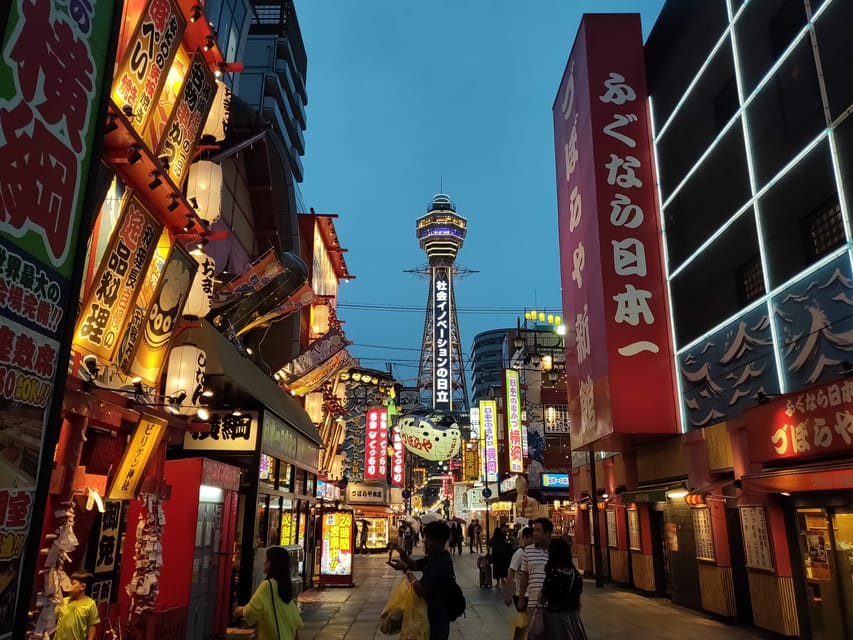
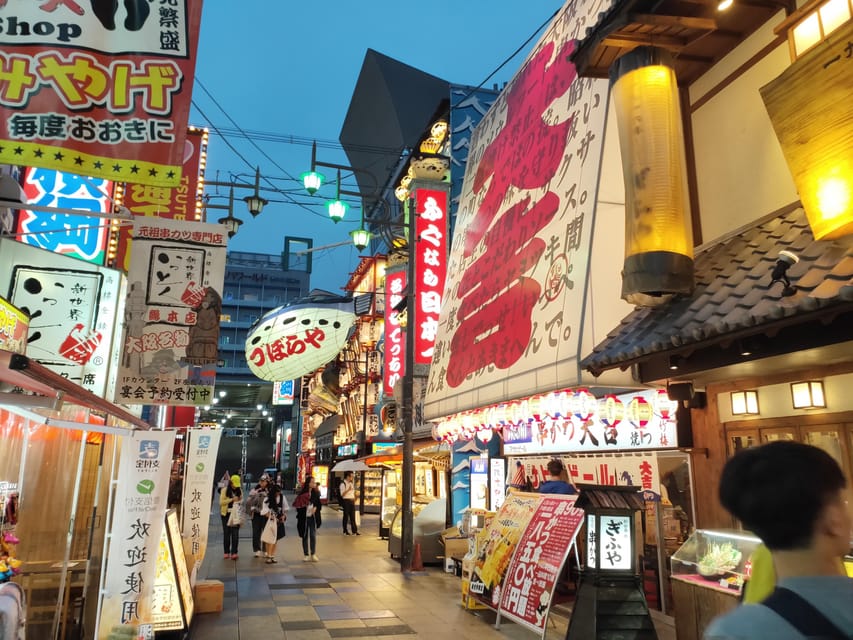
Shinsekai is the first major stop, with about an hour set aside for guided sightseeing and dinner. The neighborhood is known for Osaka soul food, and the meal is described as light rather than a full, drawn-out dinner.
That is a good match for the tour. You get food early in the evening without using most of the three-hour schedule at a restaurant. It also places the meal inside a district that is part of the story, rather than treating dinner as a separate add-on.
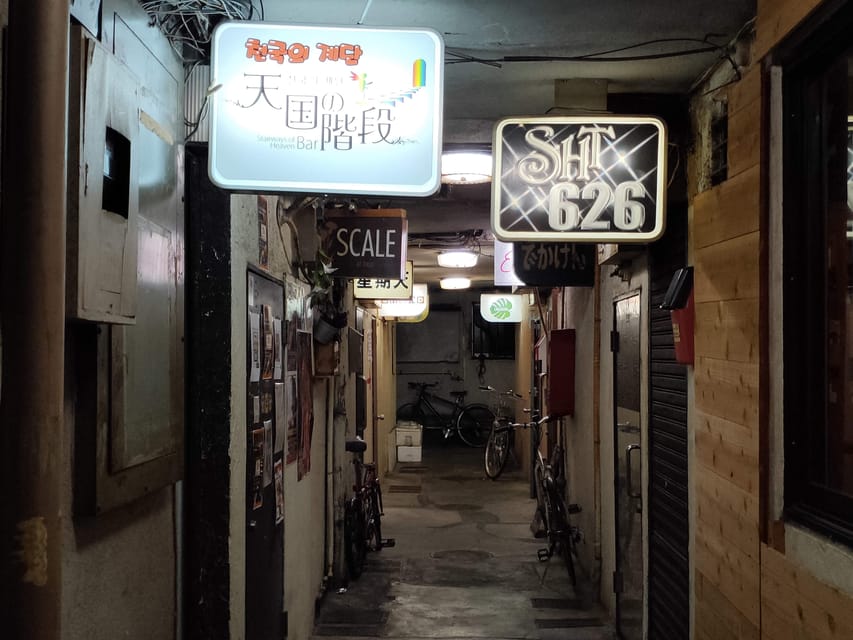
The guide explains how Shinsekai once attracted all kinds of people while LGBTQ+ activity around it remained largely unnoticed. Men found ways to meet in secret bars and semi-secret gay saunas, even while the surrounding public life carried on as normal.
For me, this is one of the most useful parts of the experience. It shows that a district can hold several different realities at once. The same streets that felt ordinary to most people could offer a private network to those who knew where to look.
Do not expect obvious LGBTQ+ signs at every turn in Shinsekai. That is part of the lesson. This section is about coded spaces, private lives, and the physical limits placed on people who could not safely be open about their identity.
The dinner itself also helps set the pace. You can eat, listen, and get oriented before moving on to Doyama. Since it is a light meal, I would not book this expecting a long restaurant evening or a full tasting menu. If you need a large dinner, plan to eat more before or after the tour.
Moving From Shinsekai to Doyama
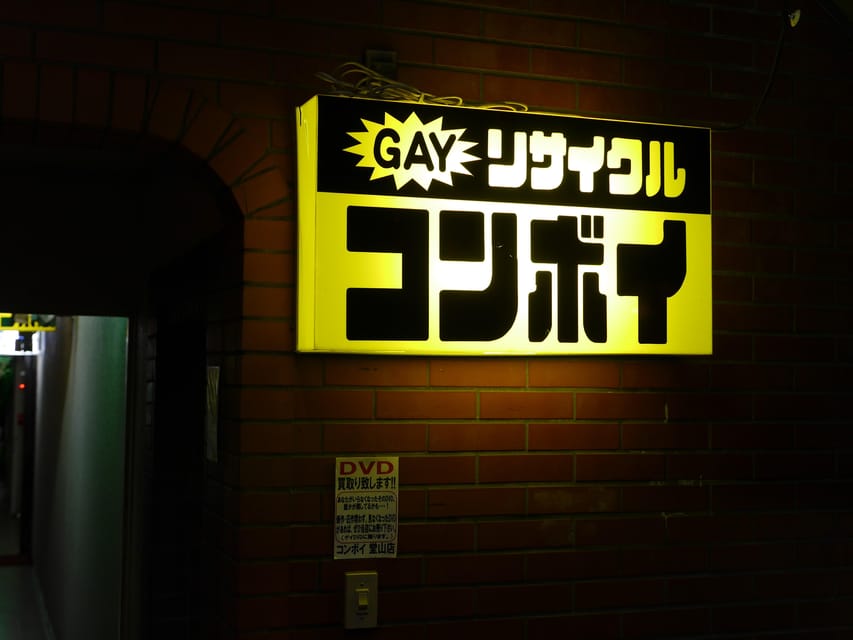
The second part shifts from a district where LGBTQ+ activity was difficult to spot to one where signs are more direct. The tour continues to Doyama for another hour of guided sightseeing and a bar visit.
This change of setting is the key idea of the evening. In Shinsekai, the guide helps you read between the lines. In Doyama, rainbow flags and other visible markers make the scene easier to identify, though it still takes local knowledge to understand how the area works.
The two districts are very different in mood and social history. That gives the guide a useful comparison to make. You can ask how the scene developed, how venues serve different communities, and why LGBTQ+ bars may remain concentrated inside ordinary-looking buildings rather than in a clearly separated district.
The tour also includes a couple of fun sights along the walk. No detailed list is provided, so I would treat these as pleasant stops rather than the main reason to book. The real value is the guide’s explanation of the area and the chance to enter a venue you might not have found on your own.
A completely different way to spend a day in Osaka:
- Osaka Go Karting Tour with Funny Costume
★ 5.0 · 2,658 reviews - Osaka Castle: Museum and Tower Entry Ticket
★ 4.5 · 2,380 reviews - Osaka: Shinsekai Food Tour with 13-15 Dishes at 5 Eateries
★ 4.8 · 2,204 reviews - Osaka Food Tour: 13 Dishes at 5 Local Eateries
★ 5.0 · 2,149 reviews
Doyama’s Small Bars and Specific Social Scenes
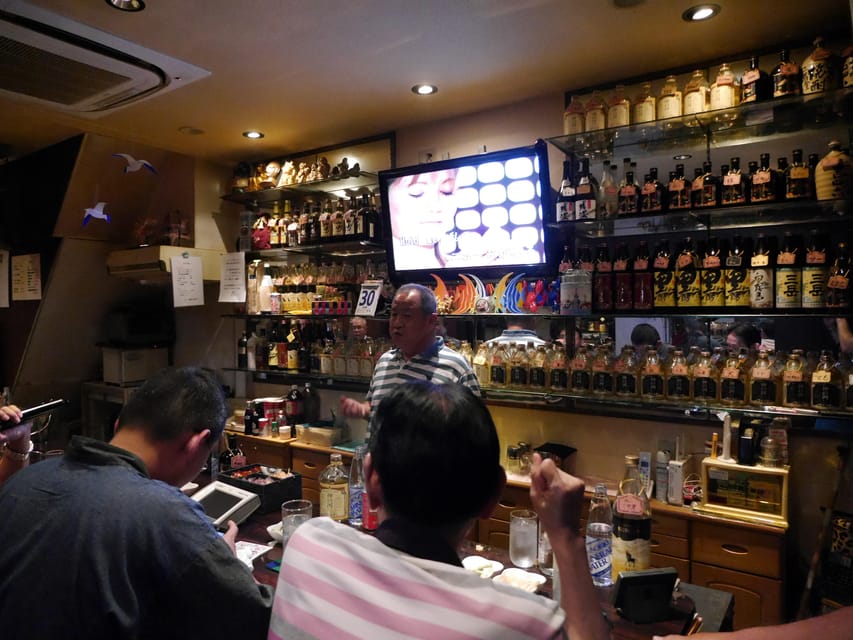
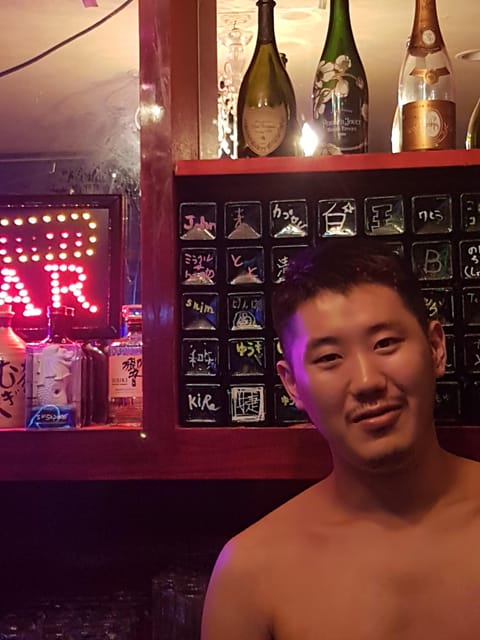
Doyama is where the evening becomes more social. You have a drink at one of the local bars, with the guide helping you choose a place that fits your interests.
The included package provides two drinks in total, along with dinner. The information does not specify exactly how the drinks are divided, so check with the guide at the start if you want to know which drink is served at which point. Additional drinks cost extra.
Doyama’s bars tend to be small and often serve a fairly specific crowd. The options mentioned include bear bars, twink bars, athlete-focused bars, daddy bars, and venues with a larger foreign clientele. Some Japanese patrons at those venues are interested in meeting foreigners, which may be useful if you want a more social evening.
This is where a local guide adds real value. Entering a tiny bar without understanding its focus can leave you feeling out of place. A guide can explain what kind of venue you are approaching and suggest a better match.
Do keep your expectations sensible. A bar visit is not the same as a private party or a guaranteed introduction. The experience gives you a guided entry into the district and one drink at a selected bar. If you enjoy the atmosphere, you can ask about staying on after the tour and explore further at your own cost.
Some additional introductions or services may be arranged in Doyama after the tour. The details are not part of the standard inclusions, so ask directly if that interests you. Do not assume anything beyond the dinner, two drinks, sightseeing, and guided visit described here.
What Makes the Guide Important
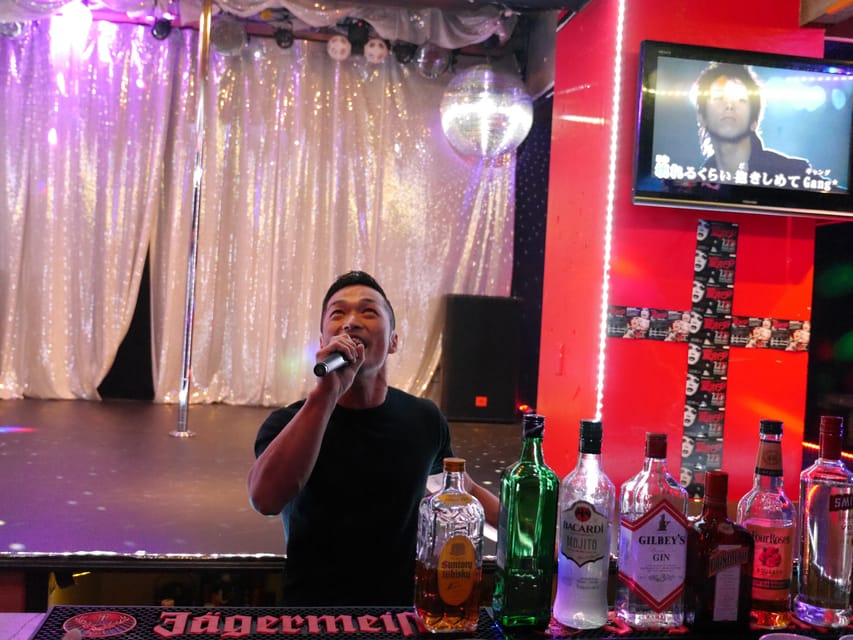
This tour depends heavily on the quality of its guide. The guide is not just leading you from one station to another. The job includes explaining LGBTQ+ history, describing how different venues work, translating social cues, and helping you decide where to spend your drink.
Kevin is the guide named most often in the feedback provided. He has been described as funny, friendly, and full of insight, with one person calling the tour the best part of their Japan visit. Another person said he showed places they would never have found or even known existed.
Those comments point to the strongest feature of the experience: access. You are not simply seeing Doyama from the pavement. You are getting context for the buildings, bars, and social groups that are easy to miss if you walk through the district alone.
The tour also received top marks from people from Austria, Australia, the United States, and the United Kingdom. That range suggests the English-language format works well for an international audience. Still, guides can vary by date, so Kevin is not guaranteed unless your booking specifically confirms him.
Is Three Hours Enough?
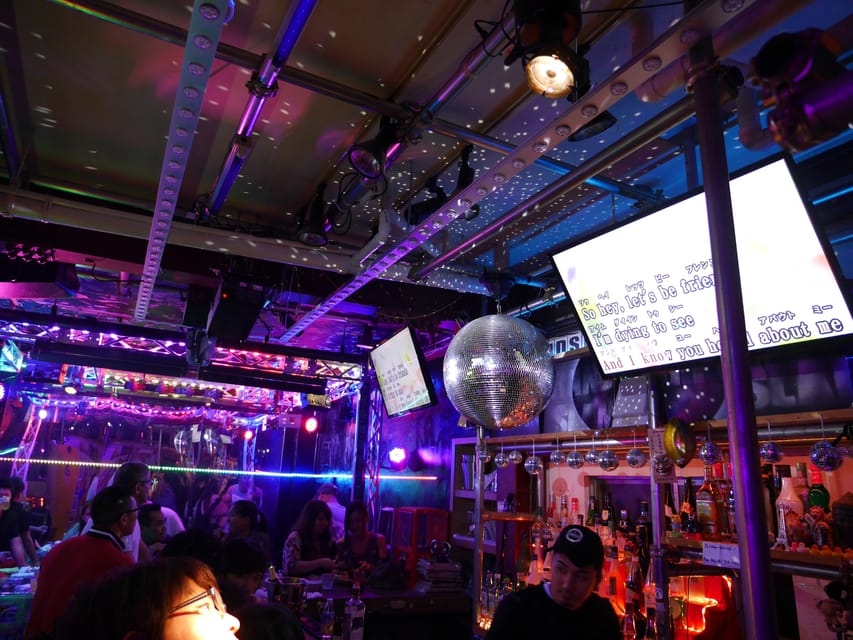
Three hours is enough for an introduction, not a full night out. The time is divided between Shinsekai, Doyama, walking, dinner, explanations, and drinks. That keeps the evening focused, but it also means you will not have unlimited time in either district.
I see this as a strength for a first visit. You can learn the layout, understand the history, and sample the social scene without committing your entire night to places you may not know. Afterward, you can decide if you want to return to Doyama on your own.
The tradeoff is pace. You should not expect a long meal, several bar visits, or detailed time in every part of the district. If your goal is nightlife until late, use the tour as an orientation and continue independently afterward.
The small group limit of eight helps. It should be easier for the guide to answer individual questions and move through compact venues. A small group can also feel more comfortable in a tiny bar than a large organized party.
The $95 Price: What You Receive
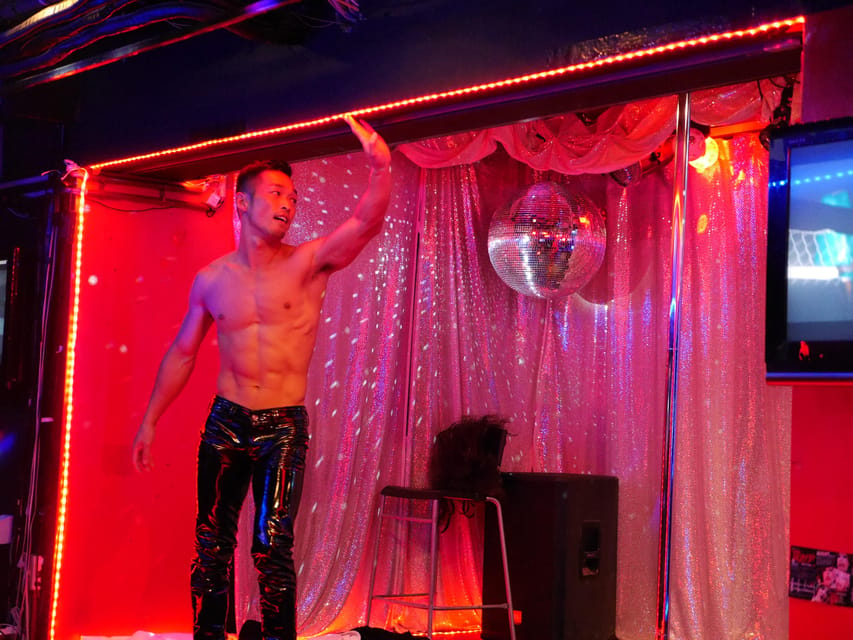
At $95 per person, the price includes the three-hour guided experience, dinner, and two drinks. It also covers the local introduction to Shinsekai and Doyama, which is the part that would be hardest to recreate on your own.
The value depends on what you want from an evening. If you only want food and drinks, you can likely spend less by visiting Osaka bars independently. But that cheaper option would not provide the same explanation of LGBTQ+ history or help with choosing among Doyama’s niche venues.
I think the price makes the most sense for a first-time visitor who wants a social introduction without spending hours researching bars, locations, and etiquette. It is less compelling for someone who already knows Doyama well or wants a substantial dinner and a long night at one bar.
Transportation to Dobutsuen-Mae Station and transportation after the tour are not included. Additional drinks are also separate. Build those costs into your evening plans, especially if you intend to stay in Doyama after the official tour ends.
If fewer than two people book, the operator may offer an alternate date, a 3,000 yen solo supplement, or a full refund. Solo travelers should understand this condition before booking. It protects the low group price, but it means your date is not fully secure if the minimum is not met.
Who Should Book This Experience?
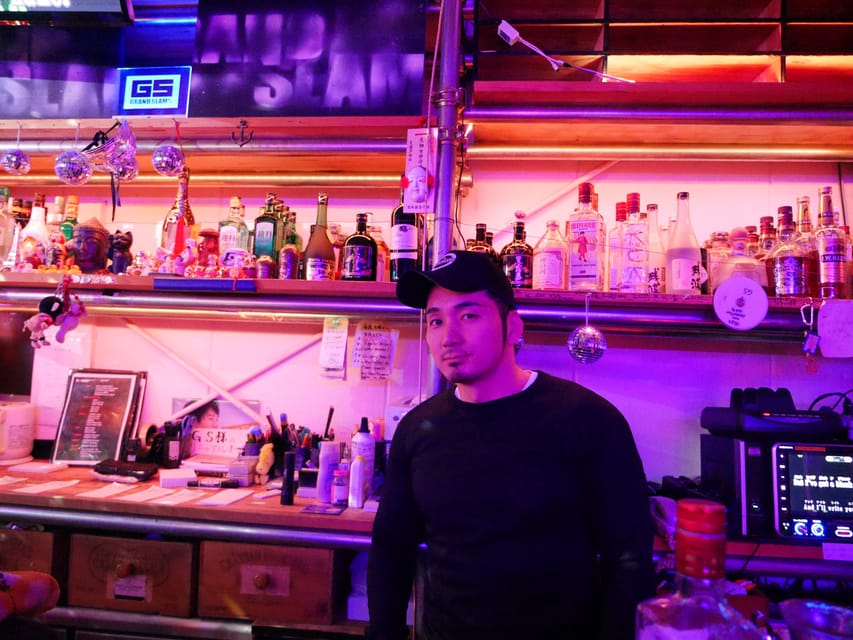
I would recommend it to LGBTQ+ visitors who want history and nightlife in the same evening. It also suits allies and curious visitors who want a respectful introduction led by someone who understands the local scene.
The tour is especially useful if you are new to Osaka. Doyama’s small bars can be hard to identify from the street, and the scene is spread through ordinary buildings rather than arranged as one simple pedestrian strip.
It also fits solo visitors well, provided the minimum group requirement is met. The no-more-than-eight format gives you a chance to meet a few people without being placed in a large party.
I would be more cautious if you dislike bars, do not drink, or want a formal historical tour. The experience includes adult themes and commentary that may not suit pre-teens, and its final section depends on spending time in a local bar.
People who want a full dinner should also adjust their expectations. The included meal is light. Think of it as food during the tour, not the evening’s main culinary event.
Booking Tips for a Smoother Evening
Book with enough time to arrive early at Dobutsuen-Mae Station. Since late arrivals cannot be accommodated, a rushed connection is a poor way to start the night.
Wear comfortable shoes. You will spend time outside as well as indoors, and the tour moves through two different areas. Bring a light layer if the weather is cool, since the route includes outdoor walking between stops.
Keep your questions ready. This is a good setting to ask about the difference between the two districts, how the venues serve different groups, and where you might continue after the tour.
The activity is wheelchair accessible, though the supplied details do not explain the exact route or the accessibility of every bar. If you use a wheelchair, confirm the current route and venue arrangements before booking, particularly because Doyama bars can be small.
Free cancellation is available up to 24 hours before the activity for a full refund. You can also reserve now and pay later, which helps if your Osaka schedule is still shifting.
Should You Book the Osaka LGBTQ+ Tour?
Book this tour if you want more than a bar crawl. Its best feature is the link between Osaka’s private LGBTQ+ past and its more visible present. Shinsekai gives you the historical setting, while Doyama gives you a practical look at where the community gathers today.
The strongest reason to go is the guide. Kevin’s humor and clear local insight have made a strong impression, and the tour’s small size gives that personal guidance room to work. The $95 cost is fair if you value access, context, dinner, and two drinks in one compact evening.
Skip it if you want a long meal, a late-night party, or several hours at one venue. For everyone else, especially a first-time visitor who wants to understand Osaka’s LGBTQ+ scene without guessing where to begin, this is a well-focused introduction.
FAQ
Where does the Osaka LGBTQ+ tour start?
The tour starts at Dobutsuen-Mae Station in Osaka.
How long does the tour last?
The experience lasts three hours. The schedule includes about one hour in Shinsekai and one hour in Doyama, with walking and the included meal and drinks forming the rest of the evening.
What is included in the price?
The price includes dinner, two drinks, a guided tour of LGBTQ+ districts in Osaka, and a visit to Doyama.
Are transportation costs included?
No. Transportation to and from the starting point is not included.
Is the tour offered in English?
Yes. The tour has a live English-speaking guide.
How old must participants be?
All participants must be at least 18 years old. The legal drinking age in Japan is 20.
Is the tour wheelchair accessible?
Yes, the activity is listed as wheelchair accessible. Since the details do not describe every venue, you may wish to confirm the route and bar arrangements before booking.
Can I cancel the booking?
Yes. You can cancel up to 24 hours in advance for a full refund. Reserve-now, pay-later booking is also available.
More LGBTQ-Friendly in Osaka
- Osaka: LGBTQ+ Life Past and Present
★ 5.0 · 4 reviews
Just added around Osaka
- Nara Day Trip from Osaka with a Licensed Guide★ 5.0 · 3 reviews
- Osaka Early Morning Osaka Castle Tour Avoid Crowds★ 5.0 · 3 reviews
- Guided Tour of Some Attractions in Osaka by Private Car★ 5.0 · 3 reviews
- Private Transfer Between Kyoto and Kansai Airport KIX★ 5.0 · 3 reviews
- Shared Arrival Transfer: Osaka Itami Airport to Osaka City★ 5.0 · 3 reviews
- Osaka: Sushi Making Class and Dotonbori Food Tour★ 4.7 · 3 reviews
- Osaka Night Photography Workshop★ 5.0 · 3 reviews
- Kyoto Full day Tour Kinkakuji, Kiyomizu-dera and Fushimi Inari★ 4.5 · 3 reviews
Dinner Experiences, compared.
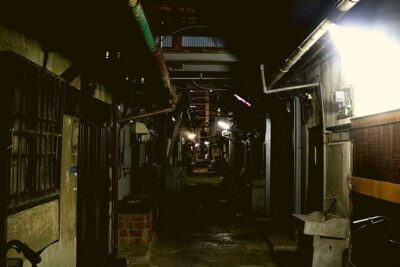
Deep Backstreet Osaka Tours (Option to add Dinner)
Read our review →
Deep Backstreets Walking Tour with Dinner Option
Read our review →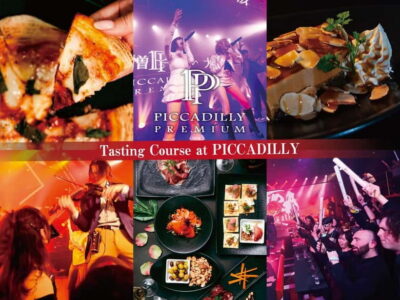
Osaka Umeda: PICCADILLY DINNER SHOW & NIGHTCLUB with Tasting
Read our review →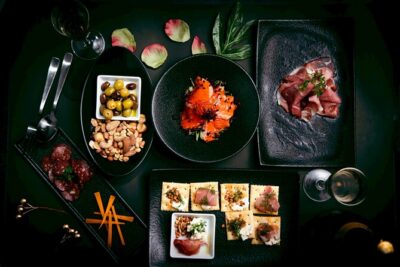
PICCADILLY PREMIUM DINNER SHOW&NIGHTCLUB with Tasting
Read our review →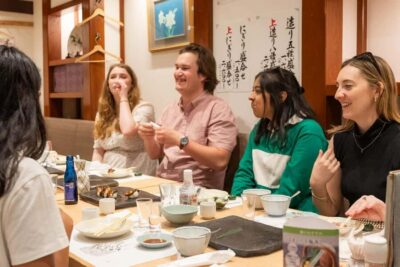
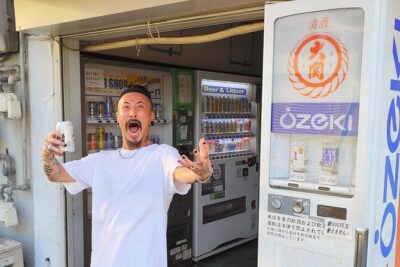
Hidden Osaka Foodie Tour: Nishinari Backstreets & Local Dining
Read our review →Browse the lists this tour appears in