
Reviewed · OSAKA CRAFT WORKSHOPS
Private Handmade Ring Workshop Class
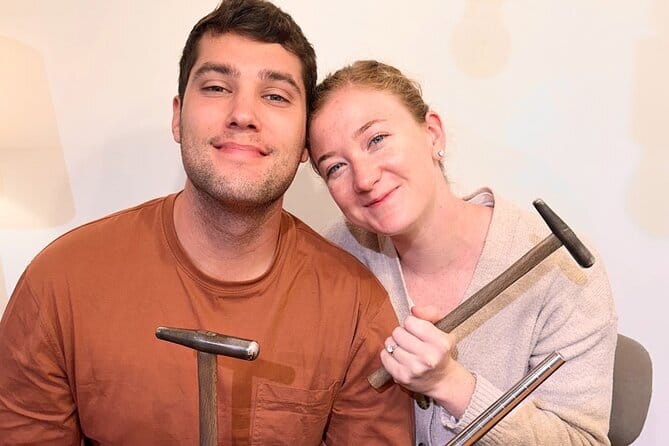
The best part of this Osaka workshop is that you help create the ring’s hammered pattern yourself. Using the Japanese Tankin technique, you strike the metal with a small hammer, leaving a texture that cannot be copied exactly. I like the personal choice built into the process, and I like that an artisan handles the final polishing so your ring looks neat even if your hammering is not perfect. The catch is important: the advertised price covers the workshop, while the ring itself costs extra depending on the metal and size.
This is a calm, hands-on activity in Osaka’s Nakazaki neighborhood. I especially like the option for couples to make rings for each other, and the fact that you can take the finished piece home the same day. Allow 60 to 90 minutes, arrive early, and expect to pay more if you choose gold, platinum, a wider band, or a size above 21.
In This Review
- Key points to know before you book
- Hammering Japanese texture in Nakazaki
- Choosing the metal, width, shape, and finish
- Turning a plain base ring into your own design
- The hammering stage is easy to follow
- Final polishing and same-day collection
- Staff support and the language question
- Who will get the most from this activity
- Timing, arrival, and the 15-minute rule
- What the price really buys you
- The strongest reasons to book
- The main drawback to consider
- Should you book the itoaware Osaka ring workshop?
- FAQ
- How long does the handmade ring workshop take?
- Does the booking price include the ring?
- What is the least expensive ring option?
- Can I choose gold or platinum?
- Can I take the ring home the same day?
- What happens if I arrive late or need to cancel?
Key points to know before you book
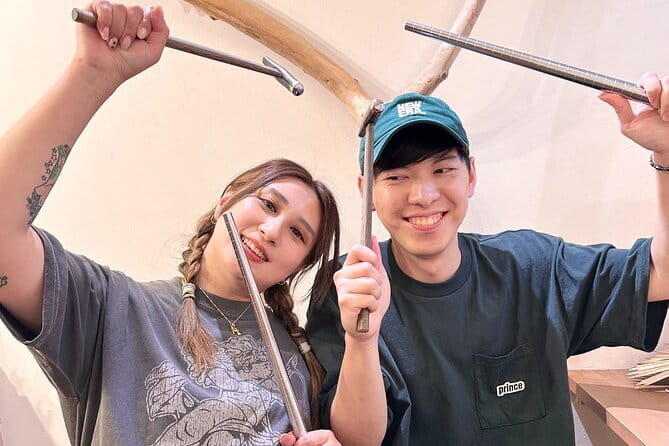
- Your hammer marks create a one-off pattern: The surface texture is made by your own strikes, so no two rings turn out exactly alike.
- The base price is only the starting point: Silver 925 at 1.0 millimeter begins at 3,300 yen per ring, while other metals and widths cost more.
- An artisan completes the final finish: You do the creative work, then staff polish the ring and prepare it for collection.
- Couples can make rings for each other: Exchange rings during the activity and add a personal touch to the finished keepsake.
- Language help is available: Japanese staff assist with translation tools when needed.
- The workshop is private: Only your own group takes part, making the pace more personal than a large class.
Hammering Japanese texture in Nakazaki
At itoaware Osaka, the activity centers on a traditional Japanese metalworking approach called Tankin. The idea is simple but satisfying: a plain ring is given character by hammering its surface.
The pattern is often referred to as tsuchime, or hammered texture. Each mark catches the light a little differently. You are not buying a mass-produced souvenir with a printed design. You are helping make a small object with visible evidence of your own hand.
That makes this more than a quick jewelry purchase. It is a short craft lesson, a creative break from sightseeing, and a useful way to carry a physical memory of Osaka. You do not need previous metalworking experience. The staff explain each stage and guide your hand as you work.
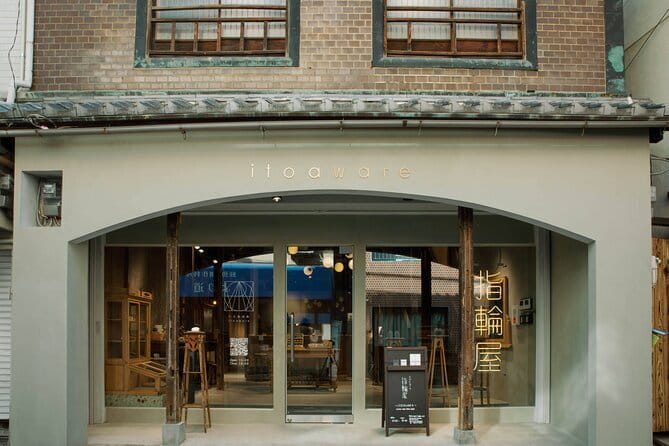
The workshop takes place at 3-chome-2-18 Nakazaki in Osaka’s Kita Ward. It is near public transportation, and the activity begins and ends at the shop. Private transportation is not included, but you do not need a separate transfer once you reach the meeting point.
More traditional craft workshops:
- 1.5〜2 Hours Traditional Kintsugi Work Shop in Namba Osaka
★ 5.0 · 75 reviews - Osaka: Private Japanese Calligraphy Experience
★ 5.0 · 66 reviews - From Osaka: Sakai Knife Maker or Blacksmith Walking Tour
★ 4.9 · 64 reviews
Choosing the metal, width, shape, and finish
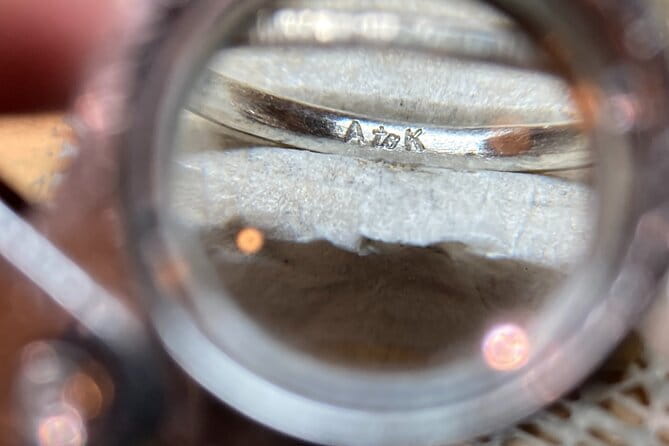
The first stage is the most important one for your budget. You choose the material, width, shape, and final surface style before work begins.
The lowest listed option is a 1.0 millimeter silver 925 ring at 3,300 yen per ring. The booking price is about $21.80 per person, but it should not be treated as the final price for the jewelry. That amount is the workshop charge, and the ring selection is settled at the shop.
Here are the listed silver 925 prices:
- 1.0 millimeter: 3,300 yen
- 1.5 millimeters: 4,400 yen
- 2.0 millimeters: 5,500 yen
- 2.5 millimeters: 7,700 yen
- 3.0 millimeters, or 4 by 2 millimeters: 11,000 yen
- 5 by 2 millimeters: 15,400 yen
You can also choose K10 green gold. Prices range from 11,000 yen for 1.0 millimeter to 99,000 yen for 3.0 millimeters.
For K18 gold, available in yellow, pink, green, and white, or for Pt900 platinum, the listed prices begin at 27,500 yen for 1.0 millimeter and reach 220,000 yen for 3.0 millimeters. That is a major jump, so ask to see the available options and confirm the total before selecting a precious metal.
I see the pricing as both a strength and a weakness. The menu gives you real choice, from a modest silver souvenir to a serious fine-jewelry purchase. But the low online price can create the wrong expectation if you assume it includes a finished ring of any material and width.
You can pay the difference at the shop after booking online. The business encourages cashless payment, including credit cards and electronic money. If you want to keep the cost low, decide in advance that the thin silver option is fine. If you want gold or a wider band, budget for the difference.
Turning a plain base ring into your own design
After you choose your specifications, an artisan prepares the base ring. This is the plain metal form that you will texture.
You are not expected to make the ring from a raw sheet of metal in 90 minutes. The staff take care of the demanding preparation, including creating the base ring in your chosen size and form. That leaves you with the most enjoyable part: adding the surface pattern.
This division of work is practical. You get genuine participation without needing specialist tools or spending hours learning how to measure, cut, bend, and join metal. It also helps keep the finished ring wearable.
The ring’s shape is part of the design choice. Depending on the selected option, you may choose a round, square, or octagonal form. One particularly distinctive combination described by the shop was a K10 green-gold octagonal ring paired with a square thumb ring. The exact choices available can depend on the material and width you select, so confirm what is offered before the base ring is made.
The hammering stage is easy to follow
Once the base ring is ready, the staff provide the hammer and tools needed to mark the surface. You tap the ring repeatedly, adding the texture one strike at a time.
This is the point where the workshop feels personal. A polished ring can be attractive, but a hammered ring shows the rhythm of its maker. Firm, light, close-together strikes create a different effect from wider, heavier marks. Staff guide you so the pattern develops across the ring rather than collecting in one area.
You do not need perfect precision. In fact, small variations are part of the appeal. Still, take your time. The ring is small, and your hands may need a few minutes to get used to the movement. If you are making a pair, you can exchange rings with your partner and hammer each other’s pieces. That adds a thoughtful ritual without making the activity overly formal.
The staff can also take commemorative photographs with your mobile phone during the workshop if you prefer. You may want to ask at the start so the photo moments fit naturally into the process.
A few more Osaka tours and experiences worth a look
- Private Osaka Walking Tour: Highlights & Hidden Gems
★ 5.0 · 569 reviews - 3/4/5 Hours Private Tour in Osaka with Local Guide
★ 5.0 · 189 reviews - Osaka’s Best and Brightest: Private Full-Day Tour by Vehicle
★ 5.0 · 147 reviews - Full Day Tour of Kyoto with Private Transportation
★ 5.0 · 130 reviews
Final polishing and same-day collection
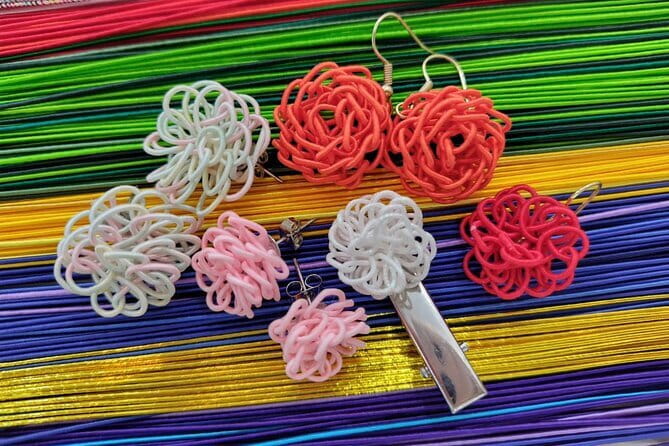
When you finish hammering, an artisan takes over for the final stage. The ring is polished and given its final finish before you leave.
This matters for two reasons. First, the ring needs careful handling after the texture has been added. Second, the final polish gives the piece a cleaner, more finished appearance than you might manage alone with workshop tools.
The entire process, including the artisan’s work, takes about 60 to 90 minutes. The advertised duration is approximately 90 minutes, so do not schedule a train departure or restaurant reservation immediately afterward.
The ring is ready to take home on the day. That is a real advantage for a short Osaka stay. You do not need to arrange shipping or return to the shop later, and the souvenir is available while the memory is still fresh.
The shop also offers after-sales polishing, according to its staff. If you return to Japan, you can ask about having the ring polished again. The available service and cost should be confirmed directly with the shop.
Staff support and the language question
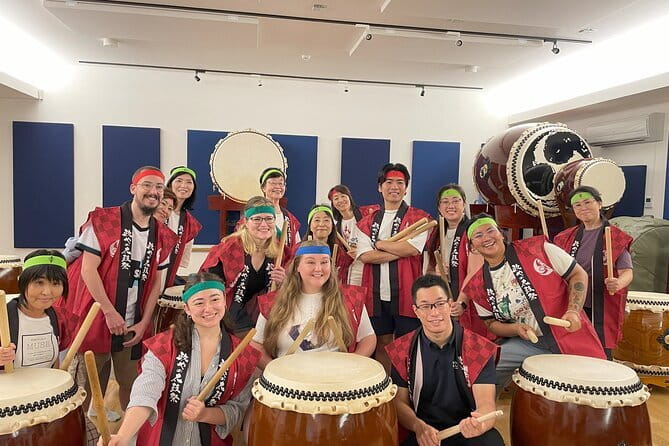
Japanese staff lead the workshop, and translation devices or translation apps are used when needed. You should not expect a long lesson delivered in fluent English, but the activity is physical and easy to demonstrate.
Staff members named in customer responses include Junpei, Ayane, and Connie. The praise for the staff is consistent in the available feedback: patience, kindness, careful instruction, and a willingness to help people communicate across language differences.
That is useful here because jewelry work benefits from small corrections. You may need help with how to hold the hammer, where to place the next mark, or how a certain width will feel on your finger. Translation support makes those instructions easier to follow.
The workshop is private, so only your own group participates. This is especially helpful for couples or families who want to work at their own speed. It also means the experience is less suited to someone hoping for a large social class with many new people.
Who will get the most from this activity
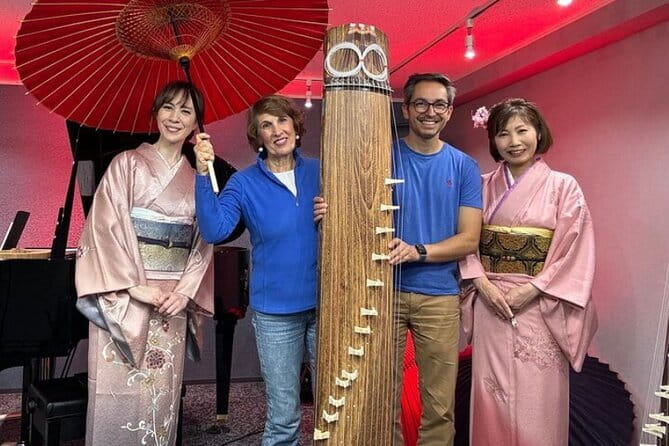
I would choose this workshop for a couple seeking a shared keepsake, a solo visitor who prefers making something to shopping for something, or anyone wanting a compact cultural activity between Osaka sightseeing stops.
It also works well for people who are not naturally skilled at delicate crafts. The artisan prepares the base ring and handles the final polishing, so you are not responsible for every technical stage.
The activity suits most participants, and service animals are allowed. The information says most people can take part, but it does not give specific details about seating, hammer weight, or accommodations for every physical need. If you have concerns about hand strength, mobility, or the use of tools, contact the provider before booking.
Children’s age requirements are not stated, so families should ask before reserving. The same applies to exact design availability for particular metals and shapes.
Timing, arrival, and the 15-minute rule

Plan to arrive at itoaware Osaka a little before your scheduled start. If you are more than 15 minutes late, you may not be able to take part.
That rule is understandable. The base ring must be prepared for each participant, and the workshop follows a set sequence. A late arrival could affect the whole private session, not just your own hammering time.
The meeting point is:
itoaware Osaka
3-chome-2-18 Nakazaki
Kita Ward, Osaka 530-0016, Japan
The activity ends back at the same location. Since private transport is not included, check your route by public transportation before leaving. Confirmation is issued within 48 hours of booking, subject to availability.
For cancellation, you can receive a full refund if you cancel at least 24 hours before the local start time. Cancellations or changes made within 24 hours are not accepted for a refund.
What the price really buys you
At $21.80 per person, the workshop fee looks very affordable. It is a reasonable price for 60 to 90 minutes of instruction, private participation, use of tools, and artisan finishing.
The value changes once you add the ring. A basic silver ring remains fairly approachable, especially if you want a handmade souvenir rather than a luxury purchase. Wider silver bands cost more, and gold or platinum can turn the activity into a major jewelry expense.
I recommend treating the booking fee as an entry price, not an all-in jewelry price. Before the base ring is made, ask to confirm:
- The total price for your chosen metal
- The width and shape of the ring
- Any charge for special finishing
- The price for sizes above 21
Sizes above 21 have a 10 percent surcharge. This detail is easy to miss, but it can affect the final bill.
The flexible pricing is useful if your group has different budgets. One person can choose the 3,300-yen silver ring, while another selects a thicker band or a more expensive metal. You are not forced into one standard design.
The strongest reasons to book
The staff support is one of the best features. Patient guidance matters more than fancy equipment in a short craft class, and the available feedback repeatedly highlights the care shown by Junpei, Ayane, Connie, and the wider team.
The second strength is the finished object. You leave with something small, durable, and personal. The pattern is not identical to anyone else’s, and you can remember the making process each time you wear it.
The third is the couple-friendly format. Making rings for each other, then exchanging them during the hammering stage, gives the activity emotional meaning without requiring a staged ceremony.
The shop itself is described as attractive, and photographs can be taken during the session. These details make it a good choice for a special day in Osaka, provided you are comfortable with the extra jewelry cost.
The main drawback to consider
The pricing needs clearer expectations. If you book based only on the headline price, you might be surprised when you learn that the ring is charged separately.
This is not a problem if you understand the arrangement before arriving. It becomes frustrating if you expect the $21.80 fee to include any ring you want. The simplest solution is to reserve with the minimum silver option in mind, then decide at the shop if you are happy to pay more.
Another small consideration is the fixed late-arrival rule. Osaka transport can be busy and unfamiliar, so allow extra time. Arriving 15 minutes late may mean losing the session.
Should you book the itoaware Osaka ring workshop?
Book it if you want a personal souvenir, enjoy hands-on activities, or are looking for a thoughtful couple’s experience in Osaka. The Tankin hammering method gives you a real role in the design, while the artisan’s final work keeps the result polished and wearable.
Choose the basic silver ring if you want good value. Select a wider band or precious metal only after confirming the total price. I would also leave at least 90 minutes free, arrive early, and ask about your preferred shape and finish before the base ring is prepared.
Skip it if you want a fully inclusive fixed price, a large group class, or a serious metalworking course that covers every stage from raw material to finished jewelry. For everyone else, this is a focused, manageable activity with a souvenir you can wear long after leaving Japan.
FAQ
How long does the handmade ring workshop take?
The full process takes about 60 to 90 minutes, including the artisan’s final polishing.
Does the booking price include the ring?
The listed workshop price is the minimum plan price, but the ring material and design are selected at the shop. The ring itself costs extra depending on the metal, width, shape, finish, and size.
What is the least expensive ring option?
The minimum listed price is 3,300 yen including tax for one 1.0 millimeter silver 925 ring.
Can I choose gold or platinum?
Yes. K10 green gold is available, along with K18 gold in yellow, pink, green, and white. Pt900 platinum is also listed. These choices cost substantially more than the basic silver option.
Can I take the ring home the same day?
Yes. The ring is completed after you add the hammered texture and the artisan polishes it, so you can take it home on the day of the workshop.
What happens if I arrive late or need to cancel?
If you arrive more than 15 minutes late, you may not be able to take part. You can cancel for a full refund up to 24 hours before the local start time. Changes or cancellations within 24 hours are not accepted for a refund.
Just added around Osaka
- Nara Day Trip from Osaka with a Licensed Guide★ 5.0 · 3 reviews
- Osaka Early Morning Osaka Castle Tour Avoid Crowds★ 5.0 · 3 reviews
- Guided Tour of Some Attractions in Osaka by Private Car★ 5.0 · 3 reviews
- Private Transfer Between Kyoto and Kansai Airport KIX★ 5.0 · 3 reviews
- Shared Arrival Transfer: Osaka Itami Airport to Osaka City★ 5.0 · 3 reviews
- Osaka: Sushi Making Class and Dotonbori Food Tour★ 4.7 · 3 reviews
- Osaka Night Photography Workshop★ 5.0 · 3 reviews
- Kyoto Full day Tour Kinkakuji, Kiyomizu-dera and Fushimi Inari★ 4.5 · 3 reviews
Osaka Craft Workshops, compared.
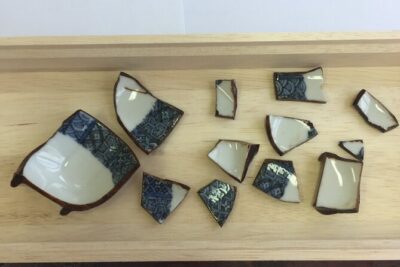
1.5〜2 Hours Traditional Kintsugi Work Shop in Namba Osaka
Read our review →
Traditional Japanese Ceramics Private Experience
Read our review →

Learning Zen of Japanese Calligraphy in kimono near Osaka Castle
Read our review →
Osaka Daruma Workshop — Paint Your Own Good-Luck Daruma
Read our review →Browse the lists this tour appears in