
Reviewed · OSAKA CRAFT WORKSHOPS
Osaka: Traditional Japanese Ikebana Flower Art Experience
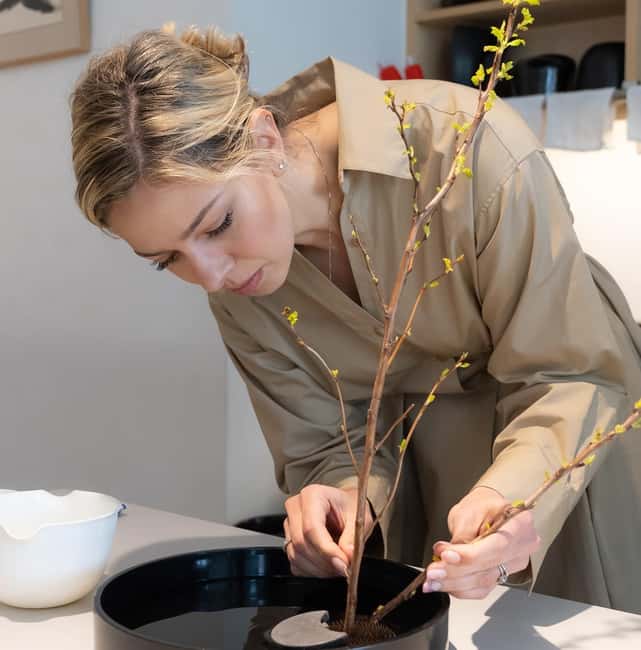
Ikebana becomes much more interesting when you stop seeing it as flower decorating and start seeing it as a study of line, space, and balance. In this small Osaka workshop, Sogetsu master Fooraku uses more than 30 years of experience to guide beginners through a personal arrangement in a stylish gallery.
I like the hands-on format, since you do not just watch a demonstration, and I like the cultural exchange afterward, when you can talk about Japanese life and share something from your own culture. The main consideration is price: at $103 per person, this is a specialty experience rather than a cheap craft class.
In This Review
- Key points to know
- What makes this Osaka ikebana class different
- Entering VADE MECVM Showroom #2 in Kyomachibori
- Meeting Fooraku, your Sogetsu instructor
- Learning the four basic ideas behind ikebana
- Creating your first arrangement with supplied materials
- Why the photograph and take-home skill matter
- The cultural exchange after the arrangement
- Is $103 a fair price for two hours?
- Who should book this experience?
- Should you book the Osaka ikebana workshop?
- FAQ
- How long does the Osaka ikebana experience last?
- Who teaches the ikebana class?
- Is the experience conducted in English?
- Are flowers and tools included?
- Do I need previous ikebana experience?
- Is the workshop wheelchair accessible?
Key points to know
- Learn from Sogetsu master Fooraku: The English-language instructor has more than 30 years of ikebana experience.
- Create your own arrangement: Flowers, a container, and scissors are supplied, so beginners need no special equipment.
- Work in a modern Osaka gallery: VADE MECVM Showroom #2 in Kyomachibori provides a quiet setting for focused creative work.
- Keep useful skills: The lesson covers balance, line, form, and space, ideas you can apply at home with everyday materials.
- Small groups matter: With no more than six participants, you should have room for personal guidance.
- Allow about two hours: The workshop itself lasts approximately 1 hour and 45 minutes, followed by time for conversation and a commemorative photo.
What makes this Osaka ikebana class different
Many cultural activities ask you to watch, listen, and take a few photographs. This one asks you to make something. That shift matters. You are not only learning that ikebana has a long Japanese tradition. You are using flowers, a container, and scissors to understand how an arrangement takes shape.
Ikebana is often translated simply as Japanese flower arrangement, but that description is too narrow. The art considers the relationship between natural materials and empty space. A branch can suggest direction. A flower can provide weight or a point of focus. The container becomes part of the design rather than a hidden support.
The Sogetsu School is especially suitable for an introductory workshop because it connects traditional principles with personal expression. You are not expected to copy one fixed pattern perfectly. Instead, Fooraku introduces the basic ideas and helps you form an arrangement that reflects your materials and your own choices.
That makes the class approachable for several kinds of visitors. You might be an art lover looking for a quiet activity, a first-time visitor who wants a culture-based experience, or someone who simply enjoys working with your hands. No previous ikebana knowledge is required.
More traditional craft workshops:
- 1.5〜2 Hours Traditional Kintsugi Work Shop in Namba Osaka
★ 5.0 · 75 reviews - Osaka: Private Japanese Calligraphy Experience
★ 5.0 · 66 reviews - From Osaka: Sakai Knife Maker or Blacksmith Walking Tour
★ 4.9 · 64 reviews
Entering VADE MECVM Showroom #2 in Kyomachibori
The workshop takes place at VADE MECVM Showroom #2, a simple, modern gallery in Osaka’s Kyomachibori area. The clean setting suits ikebana well. There is no heavy decoration competing with the flowers, so your attention stays on shape, proportion, and the space around each stem.
The gallery is also part of the experience. A traditional art form can feel distant when presented only in a formal museum. Here, you encounter it in a contemporary room where the work feels connected to present-day Japanese design.
The venue is described as easy to reach, and its calm character gives you a break from Osaka’s busy streets. That is useful if your trip has been filled with major sights, shopping arcades, and crowded stations. This is a slower, more focused stop.
You should still allow time to find the showroom before the session begins. The supplied information gives the exact venue and a Google Maps location, but it does not provide a detailed meeting procedure or nearby station directions. Check your confirmation carefully and avoid arriving at the last minute.
Meeting Fooraku, your Sogetsu instructor
Fooraku is a senior master of the Sogetsu School with more than 30 years of experience. That background is the strongest reason to choose this workshop over an ordinary flower craft lesson.
An experienced teacher can explain not only what to do, but why an arrangement works. You should expect attention to the angle of a branch, the balance between tall and low elements, and the empty areas that give the composition breathing room. These choices may seem small, but they are the heart of ikebana.
The class is conducted in English, which makes the cultural and artistic ideas easier to follow. You can ask questions directly rather than trying to infer instructions from a silent demonstration.
The small group limit of six participants is another advantage. You are not being lost in a large class with rows of tables. Fooraku should have time to look at your work and offer suggestions suited to your arrangement.
The information does not promise a private lesson for every booking, so you should expect a shared class unless you request a custom or private session. Private sessions are available upon request, making that option worth asking about if you want a slower pace or a more personal format.
Learning the four basic ideas behind ikebana
The lesson focuses on four practical concepts: balance, line, form, and space. These ideas give structure to the activity without making it feel like a lecture.
Balance does not mean making both sides of the arrangement identical. In ikebana, an uneven design can still feel stable. You may use one strong branch on one side and smaller flowers elsewhere, then adjust the container or angles until the whole piece feels settled.
Line gives the arrangement movement. A curved stem can lead your eye upward or outward. A straight branch can add firmness. The direction of each piece affects the mood of the design.
Form concerns the shape of the arrangement as a whole. You will look at how the flowers and branches relate to each other, as well as how they sit in the container. The arrangement should not look like a crowded bunch of flowers pushed into a vase.
Space is just as important as the plant material. Empty areas are not wasted. They help individual stems show their character and allow the eye to rest. This is one of the most useful ideas to take home because it changes how you view flowers in any setting.
These principles also explain why ikebana can feel modern. The arrangement does not rely on abundance. A limited number of materials, placed with care, can create a clear visual statement.
A completely different way to spend a day in Osaka:
- Osaka Go Karting Tour with Funny Costume
★ 5.0 · 2,658 reviews - Osaka Castle: Museum and Tower Entry Ticket
★ 4.5 · 2,380 reviews - Osaka: Shinsekai Food Tour with 13-15 Dishes at 5 Eateries
★ 4.8 · 2,204 reviews - Osaka Food Tour: 13 Dishes at 5 Local Eateries
★ 5.0 · 2,149 reviews
Creating your first arrangement with supplied materials
All the essential items are provided: flowers, a vase or other container, and scissors. You do not need to bring special tools, flowers, or prior experience.
The practical format should be reassuring if you are nervous about making art in front of an instructor. You begin with everyday materials and learn how to make decisions one step at a time. Fooraku guides you through the process, but the finished arrangement belongs to you.
That personal element is important. Each participant creates a different composition because the flowers, choices, and sense of proportion vary. The goal is not to produce a perfect copy of the teacher’s arrangement. It is to understand enough of the method to make your own work.
You should pay close attention to the cutting and placement advice. The useful skill is not simply arranging the specific flowers supplied that day. It is learning how to judge length, direction, weight, and open space so you can use other materials later.
If you have plant allergies, tell the provider in advance. The class involves fresh plant material, and this is one detail you should not leave until the day of the activity.
Why the photograph and take-home skill matter
A commemorative photo captures your completed arrangement and gives you a record of the session. That may sound like a small extra, but it is helpful because the flowers themselves will not last forever.
The more valuable souvenir is the skill. You can continue experimenting at home with everyday flowers and simple containers. The class does not promise that you will become a master in one sitting, but it gives you a working introduction to the design principles.
This makes the activity different from a standard souvenir purchase. You leave with an idea you can repeat, not just an object made for you. If you enjoy quiet creative projects, the lesson may keep paying off after your Osaka visit.
You should be realistic about the result. Your first arrangement may not look like a professional display, and the workshop is not designed to provide a full formal qualification. Its value lies in guided practice, cultural context, and a better understanding of how ikebana works.
The cultural exchange after the arrangement
The session includes time to relax and talk after the practical work. Conversation can cover Japanese traditions, food, daily life, and the participants’ own cultures.
This informal exchange adds warmth to an otherwise structured lesson. You are not only studying a Japanese art form from a distance. You have a chance to ask ordinary questions and explain something about your own background.
The small group helps here. Six people or fewer is enough to keep conversation manageable without making the room feel empty. It also gives you a chance to see how other participants approach the same materials.
If you prefer a quiet activity, you will not need to be highly social throughout. The main focus remains ikebana, and the conversation comes after the arrangement. If you enjoy meeting people during a trip, this part may become one of the most memorable features.
Is $103 a fair price for two hours?
At $103 per person, the workshop costs more than a casual flower-arranging class. The price makes more sense when you consider what is included: about 1 hour and 45 minutes of instruction, all flowers and equipment, teaching by a senior Sogetsu master, a commemorative photo, and time for cultural exchange.
You are paying for specialized instruction rather than materials alone. Fooraku’s 30-plus years of experience gives the session a level of depth that a generic craft activity may not offer.
The small group also improves the value. A class limited to six should allow more individual attention than a large workshop. That is especially useful for beginners, since your arrangement may need different advice from the person beside you.
Still, the price will not suit every budget. If you only want to try arranging flowers once, a less expensive activity may be enough. I would choose this workshop when you value direct teaching, Japanese aesthetics, and the chance to continue the skill at home.
The booking terms add some flexibility. You can cancel up to 24 hours in advance for a full refund, and you can reserve now and pay later. Starting times depend on availability, so check the schedule before planning the rest of your day.
Who should book this experience?
This class suits you best if you enjoy quiet, creative cultural activities. It is a strong choice for solo visitors, couples, friends, and art-minded families who want something more personal than a major attraction.
Beginners are welcome, and no special tools are needed. You do not have to know Japanese art or speak about design with confidence. Curiosity is enough.
It also works well for people who have already seen Osaka’s major sights and want a change of pace. The modern gallery and small group create a calm contrast to a full day in the city.
You may want to skip it if you dislike hands-on activities, have serious plant allergies, or prefer a fast-paced schedule. The value comes from taking time with the materials, not from rushing through a checklist of sights.
The workshop is wheelchair accessible, which makes it a practical option for visitors who need an accessible activity. For plant allergies or special needs, contact the provider before booking rather than relying on arrangements made at the door.
Should you book the Osaka ikebana workshop?
Book this experience if you want to understand Japanese flower art by making an arrangement yourself. Fooraku’s long Sogetsu background, the six-person limit, the supplied materials, and the modern Kyomachibori gallery create a focused introduction with real cultural substance.
I would especially recommend it for anyone who wants a lasting travel skill instead of another quick photograph. The $103 price is not low, but the instruction and personal attention give it a reasonable value for an intimate workshop.
If your budget is tight or you are unsure about creative activities, think carefully before booking. For everyone else, this is a thoughtful way to spend part of an Osaka day, with a finished arrangement, a useful design vocabulary, and a clearer view of how Japanese aesthetics use both flowers and empty space.
FAQ
How long does the Osaka ikebana experience last?
The booking is listed as a two-hour activity, while the ikebana workshop itself lasts approximately 1 hour and 45 minutes. Additional time includes the commemorative photo and cultural exchange.
Who teaches the ikebana class?
The instructor is Fooraku, a senior master of the Sogetsu School with more than 30 years of experience.
Is the experience conducted in English?
Yes. The session is conducted in English.
Are flowers and tools included?
Yes. Flowers, containers or vases, scissors, and the other necessary materials are provided.
Do I need previous ikebana experience?
No. The workshop is open to complete beginners, and no special tools or prior knowledge are required.
Is the workshop wheelchair accessible?
Yes. The activity is listed as wheelchair accessible. If you have plant allergies, inform the provider in advance.
Just added around Osaka
- Nara Day Trip from Osaka with a Licensed Guide★ 5.0 · 3 reviews
- Osaka Early Morning Osaka Castle Tour Avoid Crowds★ 5.0 · 3 reviews
- Guided Tour of Some Attractions in Osaka by Private Car★ 5.0 · 3 reviews
- Private Transfer Between Kyoto and Kansai Airport KIX★ 5.0 · 3 reviews
- Shared Arrival Transfer: Osaka Itami Airport to Osaka City★ 5.0 · 3 reviews
- Osaka: Sushi Making Class and Dotonbori Food Tour★ 4.7 · 3 reviews
- Osaka Night Photography Workshop★ 5.0 · 3 reviews
- Kyoto Full day Tour Kinkakuji, Kiyomizu-dera and Fushimi Inari★ 4.5 · 3 reviews
Osaka Craft Workshops, compared.
1.5〜2 Hours Traditional Kintsugi Work Shop in Namba Osaka
Read our review →
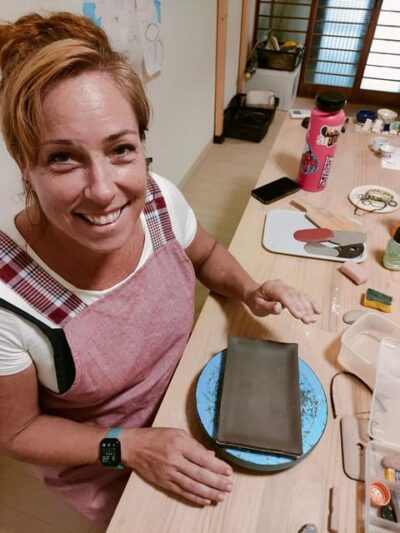
Traditional Japanese Ceramics Private Experience
Read our review →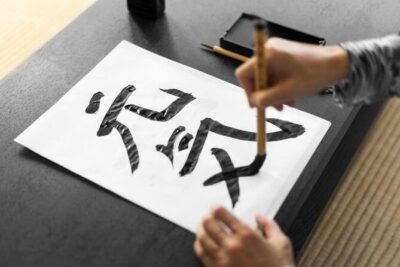

Learning Zen of Japanese Calligraphy in kimono near Osaka Castle
Read our review →
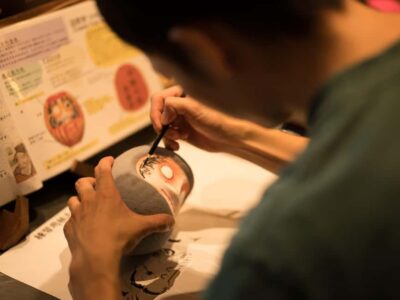
Osaka Daruma Workshop — Paint Your Own Good-Luck Daruma
Read our review →Browse the lists this tour appears in