
Reviewed · OSAKA CRAFT WORKSHOPS
Osaka: Temari Embroidery Workshop
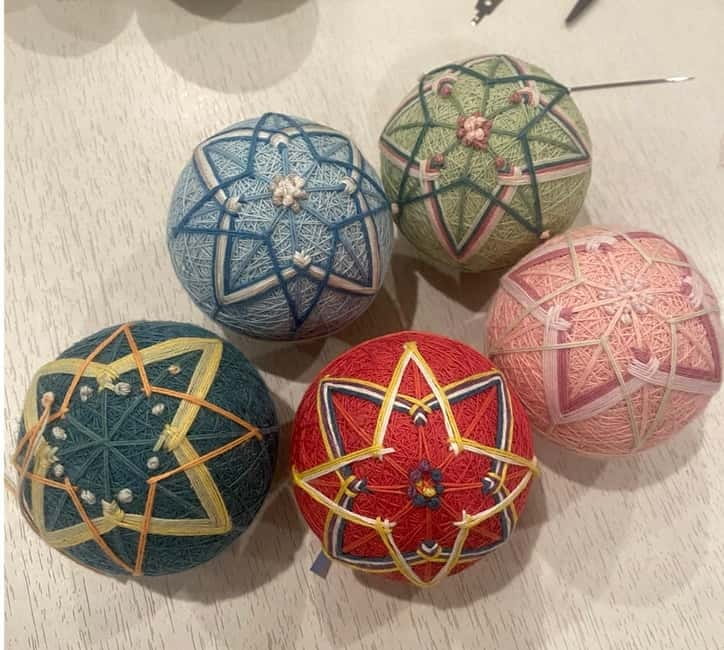
Temari embroidery turns a simple thread-wrapped ball into a small piece of Japanese art. In this two-hour Osaka workshop, you learn a craft with more than 1,000 years of history, then make your own design with a choice of four thread colors. I like the hands-on format and the fact that you leave with an actual keepsake, not just a few photos.
I also like the patient, small-group setup, limited to 10 people, and the video link that helps you finish the second side later. English and Spanish instruction makes the class accessible, and one participant even had the room to herself. The main drawback is clear: only one side is completed during class, so you need to continue the work at home if you want a finished ball.
In This Review
- Key points to know before booking
- Why Temari makes a good Osaka souvenir
- Starting with Temari history and the prepared base
- Choosing four threads for your own pattern
- Learning the stitching technique with the host
- What you finish in two hours
- Meeting at Shinsaibashi
- Is $38 a fair price?
- Who will enjoy this workshop most?
- What the strongest feedback tells you
- Planning tips for a smoother class
- Should you book the Temari workshop?
- FAQ
- How long does the Temari embroidery workshop last?
- How much does the workshop cost?
- Where does the workshop meet?
- What languages does the instructor speak?
- How many people can join the class?
- What materials are included?
- Can I choose the color of the Temari base?
- Is the Temari finished during the workshop?
- Is the activity wheelchair accessible?
- Can I cancel the booking?
Key points to know before booking
- A 1,000-year-old Japanese craft: Temari connects a relaxed creative activity with a long-standing part of Japanese needlework.
- Your own color plan: Choose the base ball, when possible, and select four embroidery thread colors.
- A small-group lesson: The class is limited to 10 people, though attendance may be much smaller.
- English or Spanish instruction: The host demonstrates the stitching technique and works alongside you.
- A take-home project: One side is finished in class, and a video link shows you how to complete the other side.
- A practical Osaka location: Meet at Free space C-Flat on the first floor of SARASA HOTEL Shinsaibashi.
Why Temari makes a good Osaka souvenir
Many Japanese souvenirs are easy to buy but hard to connect with. A Temari ball gives you a different kind of memento. You spend time learning how the design is built, make choices about color, and take home something you helped create.
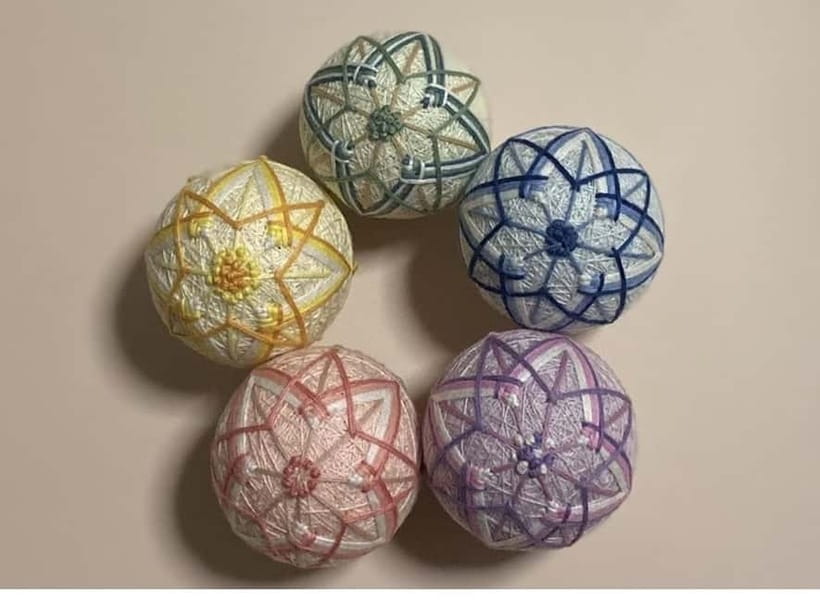
Temari means a handball made with thread, traditionally decorated with geometric embroidery. The craft has been practiced in Japan for more than 1,000 years. You are not simply copying a printed picture or assembling a factory-made kit. The appeal comes from seeing a pattern take shape as you stitch it around the ball.
That makes this especially useful for travelers who want a quiet cultural activity between temples, shopping streets, and larger sightseeing stops. The class asks you to slow down and pay attention. You will work with a needle and thread, so the experience feels more personal than a standard demonstration.
I also like the fact that your finished design will be your own. The host prepares the base ball, but you choose the base color when available and select four embroidery colors. That gives you control without forcing you to begin with the most difficult part of the craft.
More traditional craft workshops:
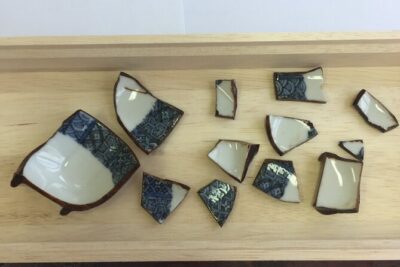
- 1.5〜2 Hours Traditional Kintsugi Work Shop in Namba Osaka
★ 5.0 · 75 reviews - Osaka: Private Japanese Calligraphy Experience
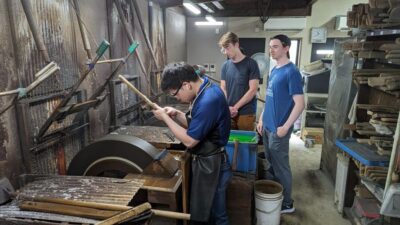
★ 5.0 · 66 reviews - From Osaka: Sakai Knife Maker or Blacksmith Walking Tour
★ 4.9 · 64 reviews
Starting with Temari history and the prepared base
The workshop begins with an introduction to Temari and its place in Japanese craft tradition. This opening matters because it gives the stitching a purpose. You understand what you are making before you begin handling the thread.
The base ball is prepared for you in advance. That is a good decision for a short class. Making the ball itself would take time and require a different set of skills, leaving less room for the embroidery that forms the focus of the lesson.
You can choose from a range of base-ball colors. If you have a particular color in mind, tell the host at least three days before the workshop. That request is not an on-the-spot guarantee, so contact the host early if you want something specific.
If you are happy to choose from the colors available on the day, the process is simpler. You can then build your thread selection around the base and create a color combination that feels personal. The class provides the base, needle, and four colors of embroidery thread, so you do not need to arrive with supplies.
Choosing four threads for your own pattern
Color selection is one of the most enjoyable parts of the workshop, but it is also where your design begins to take shape. You select four embroidery thread colors, and those choices affect how clearly the pattern shows against the ball.
You might prefer a high-contrast design, or you might choose colors that sit close together for a softer effect. The activity information does not prescribe a fixed pattern or color scheme, which leaves room for your taste. The instructor helps you understand the stitching technique, but your ball does not have to look exactly like someone else’s.
This is a useful balance for beginners. Too much freedom can make a craft class confusing, while a rigid project can feel like following instructions without creating anything of your own. Here, the prepared base and guided technique give you a starting point, while the four-thread choice adds individuality.
Keep in mind that thread selection takes a little of your two-hour session. If you enjoy making careful design decisions, that is part of the fun. If you prefer to start stitching right away, you may want to choose colors promptly once the options are explained.
Learning the stitching technique with the host
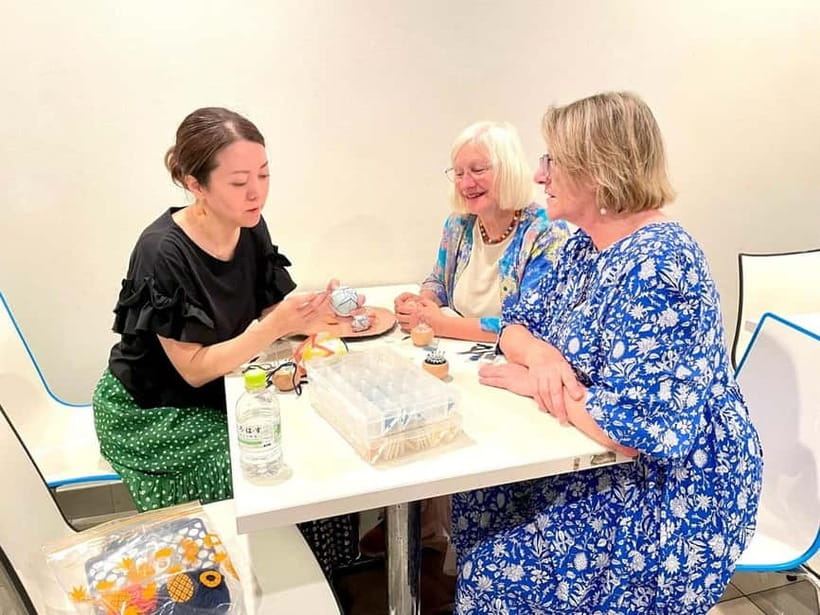
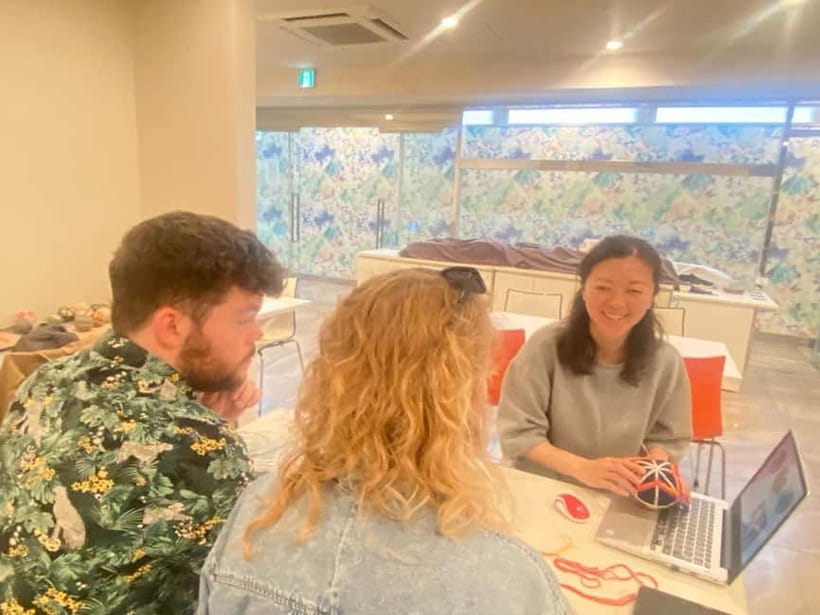
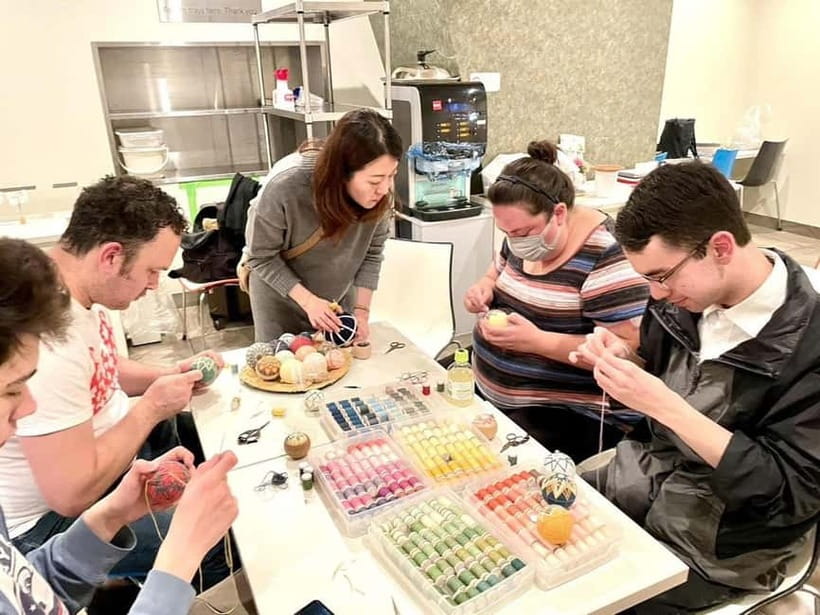
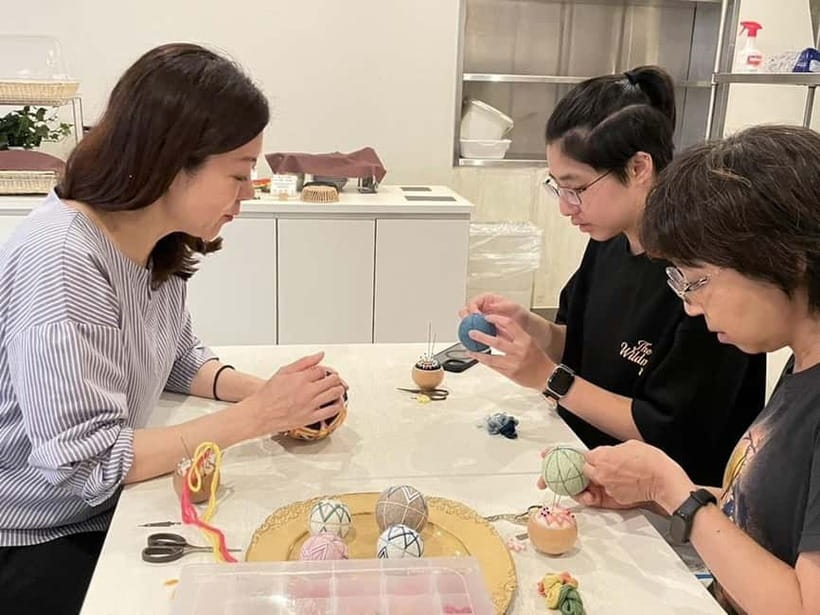
After you choose your colors, the instructor demonstrates how to stitch the Temari pattern. You then work alongside the host, copying the method on your own ball.
This is the part where the small group matters most. With a maximum of 10 participants, the instructor has a better chance of seeing where you need help than in a large craft class. Attendance can be much lower. One participant had a one-person lesson and received direct attention throughout.
The instruction is offered in English and Spanish. An attendee from the United States described the teacher as fluent in English and easy to understand, with a calm and attentive teaching style. That is helpful for a craft where small movements matter. You want clear demonstrations and the chance to ask about the needle path before repeating it.
The pace should suit beginners, but you still need to accept that embroidery takes concentration. The stitches are not something you can rush through while chatting constantly. You will need to watch the demonstration, hold the ball securely, and keep track of the pattern as it develops.
The host stitches with you rather than leaving you to work from written instructions alone. That direct guidance is one of the strongest reasons to choose this workshop instead of buying a Temari kit on your own.
A completely different way to spend a day in Osaka:
- Osaka Go Karting Tour with Funny Costume
★ 5.0 · 2,658 reviews - Osaka Castle: Museum and Tower Entry Ticket
★ 4.5 · 2,380 reviews - Osaka: Shinsekai Food Tour with 13-15 Dishes at 5 Eateries
★ 4.8 · 2,204 reviews - Osaka Food Tour: 13 Dishes at 5 Local Eateries
★ 5.0 · 2,149 reviews
What you finish in two hours
The class completes one side of the Temari ball. This is an important detail to understand before booking. You will not walk out with a fully embroidered ball after the two-hour session.
That partial finish is not a flaw in itself. It reflects the time and care required to learn the technique properly. You get to practice with an instructor present, and the second half becomes a home project rather than a rushed final step.
Still, set your expectations correctly. If you want a completely finished souvenir before leaving the workshop, this activity may not fit your schedule. If you enjoy continuing a creative project during a quieter evening at your accommodation, the unfinished side can be a pleasant part of the experience.
The host provides a video link showing how to complete the other side at home. One participant was also allowed to take a needle along for continued work. The listed inclusions specify needles for the class, so confirm the take-home needle arrangement with the host if that matters to you.
The video link adds real value. You do not have to rely on memory after the demonstration, and you can pause or replay the instructions as you continue. It also means the activity keeps going after your time in Osaka.
Meeting at Shinsaibashi
The meeting point is Free space C-Flat on the first floor of SARASA HOTEL Shinsaibashi. This is a practical location for a workshop because you meet indoors rather than traveling to a distant craft studio.
Allow enough time to find the hotel and the correct first-floor space. The activity details do not provide a full walking route or a specific station exit, so check the meeting point carefully when planning your day. Starting times vary, and you need to check availability for the session that suits you.
The location also makes this an easy activity to pair with other plans in central Osaka. You could schedule it during a slower part of the day, though I would not place it immediately before a timed attraction if you dislike watching the clock. A hands-on class is more enjoyable when you have room for the full two hours.
The workshop is wheelchair accessible. That is useful practical information, though the activity still involves needlework and close hand movements. If you have specific access needs beyond wheelchair access, ask the host before booking.
Is $38 a fair price?
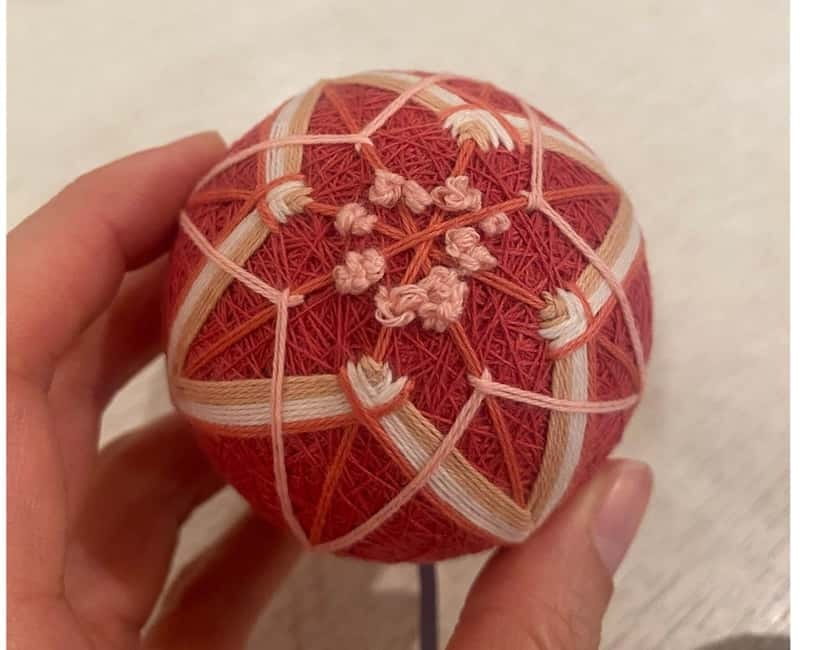
At $38 per person, the workshop costs more than a mass-produced souvenir but offers more than a simple purchase. The price covers two hours of instruction, a prepared Temari base, four thread colors, and the needlework materials. You also receive the follow-up video link.
The best value comes from the instruction. Temari embroidery has a long tradition, and learning the basic technique with a teacher can save you the frustration of trying to understand the pattern alone. The finished ball is only part of what you pay for. You are also paying for an organized cultural lesson and the chance to ask questions as you work.
The value is stronger if you enjoy making things or want a souvenir with a personal story. It is less convincing if you want a quick activity with an instant finished product. Since only one side is completed, you should count the home portion as part of the experience rather than an extra inconvenience.
The class also includes a useful form of flexibility. You can reserve now and pay later, and cancellation is free up to 24 hours in advance for a full refund. That helps if your Osaka schedule is still changing.
Who will enjoy this workshop most?
I would recommend this class to adults and older children who enjoy quiet, careful activities. It suits people who like textiles, Japanese craft, handmade souvenirs, and small creative challenges. It can also work well for solo visitors, since the group may be small enough for close instruction.
Couples and friends can choose different color combinations and compare the results. Families should consider the amount of concentration required. The activity is not described as a children’s class, and needlework may not suit every young participant.
This is also a good choice for anyone who has already seen plenty of Osaka sights and wants a change of pace. Two hours of embroidery will not replace the city’s major attractions, but it gives you a more focused connection with Japanese culture.
You should think twice if you dislike unfinished projects or have limited time in Osaka. The home video helps, but you still need to do the second side yourself. Also, if your preferred base-ball color is essential, you must notify the host at least three days ahead.
What the strongest feedback tells you
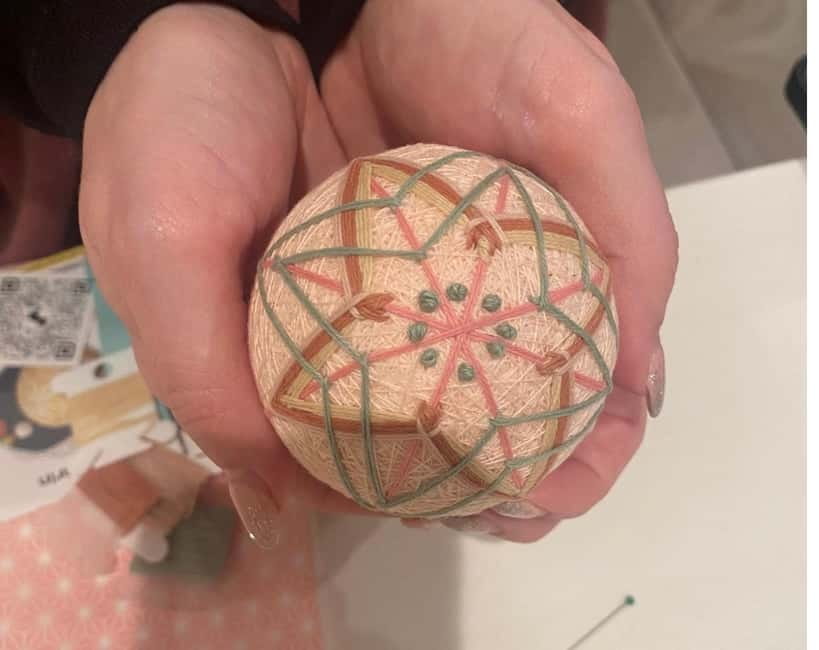
The most consistent praise centers on the instructor. One attendee enjoyed a private class, found the English fluent and easy to follow, and described the teacher as a patient listener who knew the craft well. That detail points to the workshop’s main strength: the lesson is personal and guided, not a quick show-and-tell.
Another participant enjoyed the class in English and appreciated being able to continue at home with a needle. That is a useful sign for anyone worried about losing momentum after the session. The follow-up material is not an afterthought. It supports the part of the project that cannot fit into two hours.
A French attendee also singled out the hostess’s kindness. You should not book this expecting a formal lecture or a large production. The appeal is a friendly lesson where the host works with you and helps you build confidence with the stitching.
The small number of available ratings gives you a limited picture, so I would not treat the perfect score as proof that every person will love embroidery. Your satisfaction will depend heavily on your patience with detailed handwork. But the praise is specific, and it repeatedly points to clear instruction, a warm host, and a meaningful souvenir.
Planning tips for a smoother class
Contact the host at least three days before the activity if you want a particular base-ball color. Otherwise, be ready to choose from the available range.
Wear something that lets you sit comfortably and keep your hands free. The supplied information does not specify a dress code, so there is no need for special clothing, but you will want to focus on the ball rather than manage a crowded bag or loose belongings.
Arrive with enough time to find Free space C-Flat inside SARASA HOTEL Shinsaibashi. The precise starting time depends on availability, so check the booking options rather than assuming a fixed schedule.
Think about your four thread colors before you arrive, but do not feel you need a finished design in your head. The instructor will explain the technique, and the color selection is part of the class.
Finally, save the video link somewhere easy to find. The second side will be waiting for you at home, and the instructions are most useful when you can return to them without searching through old messages.
Should you book the Temari workshop?
Book it if you want a small, hands-on Osaka activity with a genuine craft focus. The $38 price includes materials, instruction, and a take-home project, making it a reasonable choice for a personal souvenir rather than a quick photo opportunity.
I would especially choose it for a solo visitor, a couple, or a small group that enjoys embroidery and wants time with an English or Spanish-speaking host. The chance of a very small class adds to the appeal.
Skip it if your schedule is packed, you want to leave with the entire Temari finished, or needlework is not your idea of a relaxing afternoon. For everyone else, this is a thoughtful way to spend two hours and carry a small piece of Japanese craft home with you.
FAQ
How long does the Temari embroidery workshop last?
The workshop lasts two hours.
How much does the workshop cost?
The listed price is $38 per person.
Where does the workshop meet?
It meets at Free space C-Flat, located on the first floor of SARASA HOTEL Shinsaibashi.
What languages does the instructor speak?
Instruction is available in English and Spanish.
How many people can join the class?
The workshop is a small-group activity limited to 10 participants.
What materials are included?
The activity includes a Temari base, four colors of embroidery thread, needles, and two hours of instruction.
Can I choose the color of the Temari base?
You can choose from the available base colors. If you have a preferred color, tell the host at least three days in advance.
Is the Temari finished during the workshop?
Only one side is completed during the two-hour class. You receive a video link with instructions for finishing the other side at home.
Is the activity wheelchair accessible?
Yes, the workshop is wheelchair accessible.
Can I cancel the booking?
Yes. You can cancel up to 24 hours in advance for a full refund. You can also reserve now and pay later.
Just added around Osaka
- Nara Day Trip from Osaka with a Licensed Guide★ 5.0 · 3 reviews
- Osaka Early Morning Osaka Castle Tour Avoid Crowds★ 5.0 · 3 reviews
- Guided Tour of Some Attractions in Osaka by Private Car★ 5.0 · 3 reviews
- Private Transfer Between Kyoto and Kansai Airport KIX★ 5.0 · 3 reviews
- Shared Arrival Transfer: Osaka Itami Airport to Osaka City★ 5.0 · 3 reviews
- Osaka: Sushi Making Class and Dotonbori Food Tour★ 4.7 · 3 reviews
- Osaka Night Photography Workshop★ 5.0 · 3 reviews
- Kyoto Full day Tour Kinkakuji, Kiyomizu-dera and Fushimi Inari★ 4.5 · 3 reviews
Osaka Craft Workshops, compared.
1.5〜2 Hours Traditional Kintsugi Work Shop in Namba Osaka
Read our review →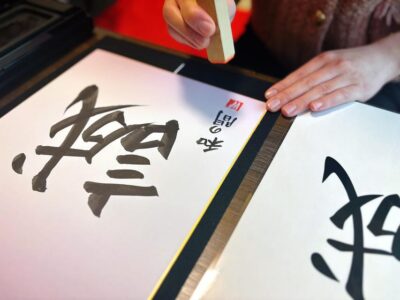
Traditional Japanese Ceramics Private Experience
Read our review →

Learning Zen of Japanese Calligraphy in kimono near Osaka Castle
Read our review →
Osaka Daruma Workshop — Paint Your Own Good-Luck Daruma
Read our review →Browse the lists this tour appears in