
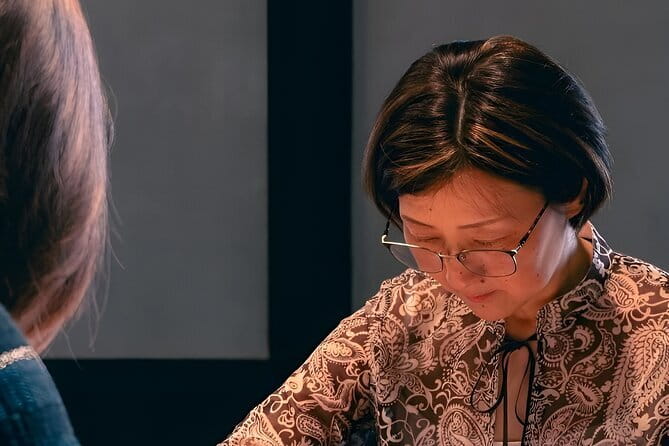
Reviewed · OSAKA CRAFT WORKSHOPS
Osaka Small Group Sashiko Japanese Craftmanship Workshop
Sashiko turns simple running stitches into neat geometric patterns, and this Osaka workshop lets you learn the craft while hearing why those patterns matter. Jun begins with the story of Sashiko, demonstrates the basic technique, then guides you through your own small project.
I like the small maximum of eight people, which gives the session a personal feel, and I like that you take home something you made rather than just watching a demonstration. The calm setting and patient instruction also suit first-time stitchers. The main consideration is timing: two hours is enough for a first project, but not for mastering a complex design.
In This Review
- Key points
- Why Sashiko makes a good Osaka activity
- What happens during the two-hour session
- Jun’s teaching style and the value of a small group
- The patterns are more than decoration
- What you make and take home
- The JunAle shopping corner
- Is $68.29 a fair price?
- Getting to the Joto Ward meeting point
- Who will enjoy this workshop most
- Practical booking and cancellation advice
- Should you book the Sashiko workshop?
- FAQ
- Where does the Sashiko workshop take place?
- How long does the workshop last?
- Who teaches the workshop?
- Is the workshop offered in English?
- How many people can join the class?
- Are tools and materials included?
- Do I take home something I make?
- Do I need previous sewing experience?
- Is transportation to the venue included?
- Can I cancel for a full refund?
Key points
- Learn with Jun: Receive direct guidance from an experienced Sashiko instructor in English.
- Start with history: Understand how Sashiko grew from practical clothing repair during the Edo period into a respected craft.
- Make a useful keepsake: Create a handmade item, such as a coaster, using supplied fabric, thread, needles, and tools.
- Small-group format: The workshop accepts no more than eight participants.
- Browse original goods: A small shop beside the workshop sells JunAle goods, sewing kits, hand-dyed threads, and clothing.
- Plan your transport: The meeting point is in Osaka’s Joto Ward, and you make your own way there and back.
Why Sashiko makes a good Osaka activity
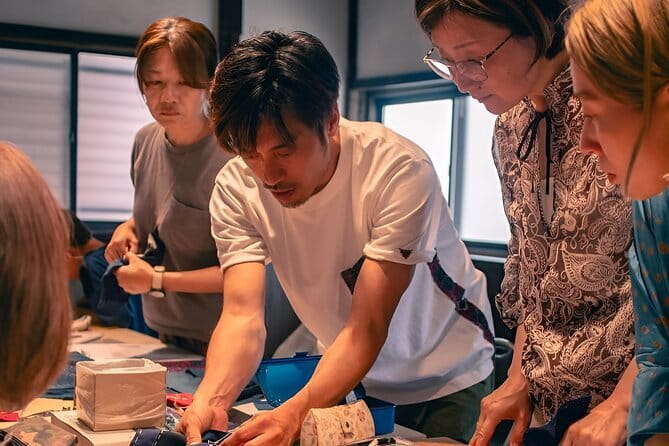
Osaka offers plenty of food, shopping, and major sights. A craft workshop gives you a slower change of pace. You sit down, work with your hands, and learn about a Japanese tradition in a setting built around conversation and practice.
Sashiko means little stabs, a plain name for the small stitches that form its designs. The craft began during the Edo period, from 1603 to 1868, as a practical way to reinforce clothing and add insulation. Fabric was valuable, so careful stitching helped extend the life of garments.
That practical beginning matters. Sashiko was not created only for decoration. Its beauty comes from useful work done carefully. As the tradition developed, geometric patterns gained symbolic meaning and the stitching became appreciated as an art form in its own right.
You will not simply copy lines on fabric without context. Jun explains where Sashiko came from and introduces the meaning behind different patterns before you begin. That makes each stitch feel connected to a larger piece of Japanese culture.
More traditional craft workshops:
- 1.5〜2 Hours Traditional Kintsugi Work Shop in Namba Osaka
★ 5.0 · 75 reviews - Osaka: Private Japanese Calligraphy Experience
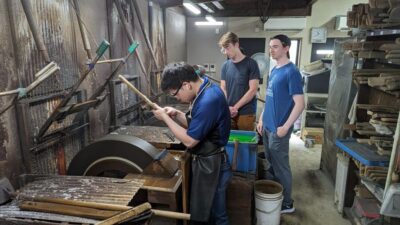
★ 5.0 · 66 reviews - From Osaka: Sakai Knife Maker or Blacksmith Walking Tour
★ 4.9 · 64 reviews
What happens during the two-hour session
The workshop lasts about two hours, with the session divided between explanation, demonstration, and hands-on work. You begin with a short introduction to Sashiko’s past and its role in Japanese life.
Next comes a demonstration of basic stitching. The aim is to show you how to make clean, regular stitches and follow a geometric design. You do not need advanced sewing experience. The class is intended for beginners, while experienced crafters can use the time to refine their technique.
After the demonstration, you start your own project. The materials are provided, including fabric, needles, thread, and other tools made for Sashiko. This is useful for visitors who want a cultural activity without buying supplies before arriving or packing sewing equipment from home.
Jun guides you as you work. If your stitches are uneven at first, that is part of learning the craft. Sashiko rewards patience more than speed, and the small format of the class allows you to ask for help as you go.
The finished item may be something like a coaster. It is a modest souvenir, but that is part of its appeal. You leave with a physical reminder of your time in Osaka, along with the basic skill to recognize and attempt Sashiko stitching again.
Jun’s teaching style and the value of a small group
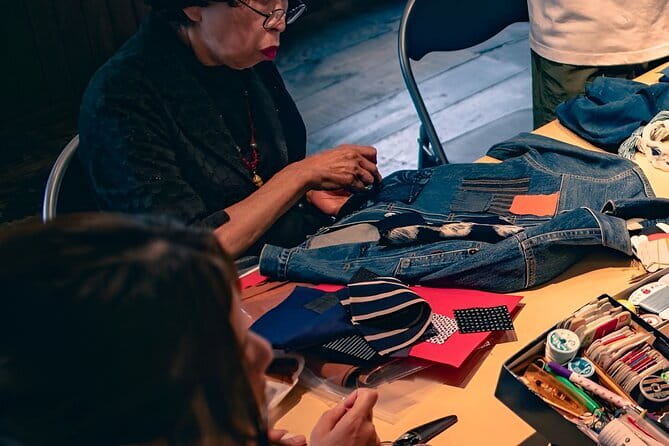
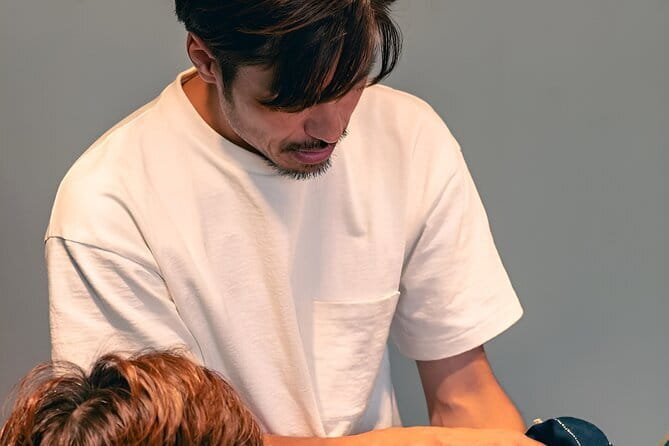
The instructor’s role is one of the strongest reasons to consider this workshop. Jun is described as patient and professional, and the session is built around personal guidance rather than a one-way talk.
The maximum group size is eight. That number is small enough to keep the activity manageable while still allowing some social energy. You can work beside other people, compare progress, and share the quiet satisfaction of making something by hand.
The relaxed atmosphere is a good fit if you prefer a gentle cultural activity over a packed sightseeing schedule. The workshop has been described as calm and informative, with a focus on learning a new skill inspired by Japanese culture.
A small group does not guarantee that every moment will feel private. You are still joining a shared class, and the pace may vary from person to person. Some people will finish quickly, while others will need extra help. The format works best if you are happy to learn at a steady pace and enjoy a little conversation along the way.
The patterns are more than decoration
The workshop’s cultural explanation adds real value. Without it, Sashiko could look like attractive stitching on fabric. With the background, you begin to understand why repeated lines, shapes, and careful spacing matter.
The Edo-period connection also gives the craft a useful social context. Sashiko developed from thrift and necessity. It helped make clothing last longer and provided warmth, but the repeated stitches also created patterns that could be admired.
You will learn about the significance and symbolism of Sashiko patterns as part of the session. The supplied details do not specify which individual patterns you will study, so you should not expect a fixed list of designs. The focus is on basic techniques and a broader understanding of the craft.
I like this balance. You get enough history to place the activity in context, but the two-hour format remains practical. You are there to stitch, not sit through a long lecture.
A completely different way to spend a day in Osaka:
- Osaka Go Karting Tour with Funny Costume
★ 5.0 · 2,658 reviews - Osaka Castle: Museum and Tower Entry Ticket
★ 4.5 · 2,380 reviews - Osaka: Shinsekai Food Tour with 13-15 Dishes at 5 Eateries
★ 4.8 · 2,204 reviews - Osaka Food Tour: 13 Dishes at 5 Local Eateries
★ 5.0 · 2,149 reviews
What you make and take home
The completed project is included in the price. A coaster is given as an example, though the exact item may depend on the workshop format and materials available at your session.
The project is small enough to complete during the class. That matters because a craft lesson can lose its appeal if you spend the whole time practicing and leave with nothing finished. Here, you get a clear goal and a handmade object to carry home.
Do not judge the experience only by the size or market value of the finished item. The point is the process: learning the stitch, understanding the pattern, and making a souvenir with your own hands. The item will also carry a story that a shop-bought souvenir cannot.
This is especially appealing if you want something personal from Osaka. It is also a nice choice for anyone who likes textile arts, Japanese design, sewing, or hands-on cultural activities.
The JunAle shopping corner
Beside the workshop area is a small shopping corner with JunAle original goods, sewing kits, hand-dyed threads, and clothing. This gives you a chance to continue exploring the craft after the class.
The sewing kits may appeal if you want to practice Sashiko after returning home. Hand-dyed threads are useful for crafters who already have sewing supplies and want materials connected to the workshop’s style.
Cash discounts are available on these items. If you think you may shop, carrying cash could be worthwhile. The supplied information does not give product prices or specify which payment methods are accepted besides the cash discount, so ask on site before making plans around a particular purchase.
The shopping area is an optional extra, not part of the core workshop. You can take the class, finish your project, and leave without buying anything else.
Is $68.29 a fair price?
At $68.29 per person, this is not the cheapest two-hour activity in Osaka. Its value depends on what you want from a cultural experience.
The price includes all tools and materials, an English-speaking instructor, the cultural introduction, hands-on guidance, and a completed project. You also get a small group capped at eight people. That is a fair package for someone who wants instruction rather than a quick craft demonstration.
The price makes less sense if you are already an experienced Sashiko artist and only want access to fabric and thread. It also may not suit someone looking for a long, advanced class with several finished pieces. The workshop is designed as an approachable introduction, not a full professional course.
Group discounts may be available, so it is worth checking the booking terms if you are arranging the activity with friends or family. Since the average booking point is 28 days ahead, planning early may be sensible, especially if your Osaka schedule is tight.
Getting to the Joto Ward meeting point
The workshop begins and ends at 1-chōme-4-18 Shigita, Joto Ward, Osaka, 536-0015, Japan. Transportation to the venue is not included, so you need to arrange your own route.
The venue is near public transportation, which makes it more practical than an activity in a remote area. Still, do not treat the address as a general Osaka landmark. Check the exact route, allow time to locate the building, and arrive ready for the scheduled start.
There is no transfer at the end. You return to the same meeting point, then continue with your own plans.
A mobile ticket is available, and confirmation is provided when you book. Keep the ticket easy to access on your phone. The activity is listed as suitable for most participants, but no detailed accessibility information is provided, so contact the provider if you have specific mobility or other access needs.
Who will enjoy this workshop most
This is a strong choice for you if:
- You want a cultural activity that lasts about two hours.
- You enjoy sewing, textiles, or Japanese design.
- You prefer learning by doing.
- You want a handmade souvenir instead of a mass-produced item.
- You are new to Sashiko and would appreciate step-by-step help.
- You are traveling with a small group and may qualify for a group discount.
It can also work well for a quieter afternoon between larger Osaka activities. The workshop does not require you to spend a full day away from the city, and the finished item gives the session a clear sense of purpose.
You may want to skip it if you dislike detailed handwork, have very little patience for repeated stitching, or want an activity with lots of movement and sightseeing. Sashiko is a focused craft. The appeal comes from slowing down.
Practical booking and cancellation advice
Free cancellation is available if you cancel at least 24 hours before the local start time. Cancellations made less than 24 hours ahead are not refunded, and changes inside that window are not accepted.
The activity requires good weather. If poor weather causes cancellation, you will be offered another date or a full refund. The workshop itself is indoors according to the supplied meeting and activity information, so this policy is worth checking carefully when planning around uncertain conditions.
Personal or travel insurance is not included. Most participants can take part, and the group maximum is eight people.
Should you book the Sashiko workshop?
Book it if you want a personal, hands-on introduction to Japanese culture and like the idea of leaving Osaka with something you made. The strongest features are Jun’s patient guidance, the small group, the historical context, and the chance to continue practicing with a sewing kit or hand-dyed thread.
At $68.29, it is best viewed as a guided cultural lesson with materials and a keepsake, not simply a two-hour sewing class. If that combination appeals to you, the price is reasonable. If you are seeking advanced instruction or a larger finished project, choose a longer specialist course instead.
FAQ
Where does the Sashiko workshop take place?
The meeting point is 1-chōme-4-18 Shigita, Joto Ward, Osaka, 536-0015, Japan.
How long does the workshop last?
The activity lasts approximately two hours.
Who teaches the workshop?
The workshop is guided by Jun, an experienced Sashiko instructor.
Is the workshop offered in English?
Yes. English is one of the guide languages offered.
How many people can join the class?
The maximum group size is eight participants.
Are tools and materials included?
Yes. Fabric, needles, thread, and other Sashiko-specific tools are provided.
Do I take home something I make?
Yes. A completed Sashiko project, such as a coaster, is included for you to take home.
Do I need previous sewing experience?
The workshop is suitable for beginners as well as experienced crafters. Basic Sashiko techniques are demonstrated during the session.
Is transportation to the venue included?
No. You are responsible for arranging transportation to and from the meeting point.
Can I cancel for a full refund?
Yes, if you cancel at least 24 hours before the experience start time. Cancellations made less than 24 hours ahead are not refunded.
Just added around Osaka
- Nara Day Trip from Osaka with a Licensed Guide★ 5.0 · 3 reviews
- Osaka Early Morning Osaka Castle Tour Avoid Crowds★ 5.0 · 3 reviews
- Guided Tour of Some Attractions in Osaka by Private Car★ 5.0 · 3 reviews
- Private Transfer Between Kyoto and Kansai Airport KIX★ 5.0 · 3 reviews
- Shared Arrival Transfer: Osaka Itami Airport to Osaka City★ 5.0 · 3 reviews
- Osaka: Sushi Making Class and Dotonbori Food Tour★ 4.7 · 3 reviews
- Osaka Night Photography Workshop★ 5.0 · 3 reviews
- Kyoto Full day Tour Kinkakuji, Kiyomizu-dera and Fushimi Inari★ 4.5 · 3 reviews
Osaka Craft Workshops, compared.
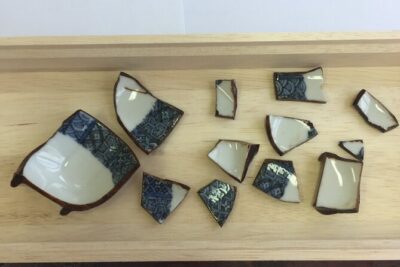
1.5〜2 Hours Traditional Kintsugi Work Shop in Namba Osaka
Read our review →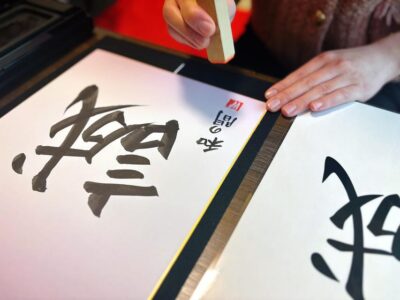
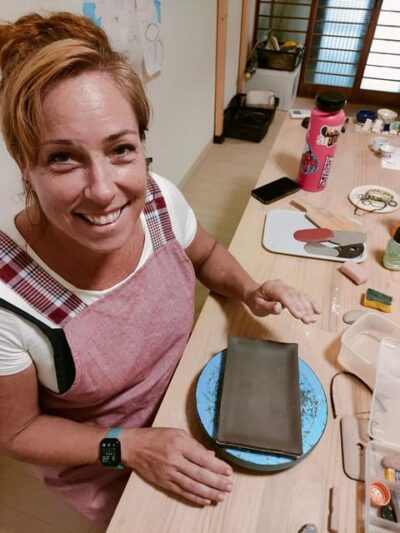
Traditional Japanese Ceramics Private Experience
Read our review →

Learning Zen of Japanese Calligraphy in kimono near Osaka Castle
Read our review →
Osaka Daruma Workshop — Paint Your Own Good-Luck Daruma
Read our review →Browse the lists this tour appears in