
Reviewed · OSAKA CRAFT WORKSHOPS
Osaka: Sashiko Japanese Craftsmanship Workshop
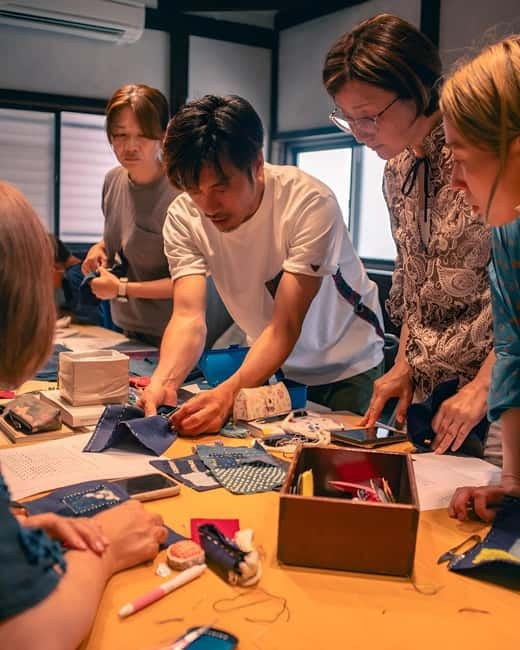
Sashiko turns simple running stitches into neat geometric art, and this Osaka workshop lets you learn the craft by making something useful. June’s calm, patient instruction suits complete beginners, while keen sewers can ask for extra techniques once they finish the basic project.
I like the small class size, which keeps help close at hand, and the chance to take home a handmade Sashiko coaster rather than just watch a demonstration. The historic house, with its wooden stairs and framework, adds character. The main consideration is the two-person minimum: solo participants may need to change dates, pay a 3,000-yen supplement, or accept a refund.
In This Review
- Key points to know before booking
- Why Sashiko makes a good Osaka activity
- The two-hour workshop, from history to first stitches
- What the stitching feels like for a beginner
- A historic house adds atmosphere
- The small group is a real advantage
- More than a souvenir: understanding the patterns
- Is $67 a fair price?
- Who will enjoy this most
- Practical details that can shape your visit
- Should you book the Osaka Sashiko workshop?
- FAQ
- How long does the Sashiko workshop last?
- How much does the workshop cost?
- What will I make during the class?
- Are tools and materials provided?
- Is the class suitable for beginners?
- What languages are available?
- Where does the workshop meet?
- What happens if I book alone and two people do not sign up?
- Is the activity wheelchair accessible?
- Can I cancel for a full refund?
Key points to know before booking
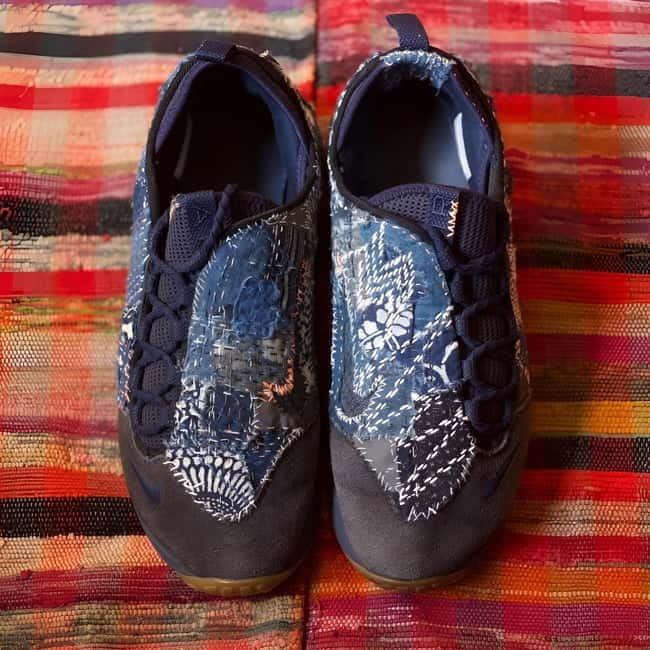
- Make a geometric Sashiko coaster: You practice the basic stitch on a small project that can be completed in two hours.
- Learn with June: Instruction is available in English and Japanese, with hands-on help throughout the session.
- Small group setting: The class is limited to eight people, so you are not left to figure out every stitch alone.
- See Sashiko as both repair and art: The lesson explains how rural communities used the technique to strengthen and warm clothing.
- Meet at the workshop or Kyobashi Station: With advance notice, you can be met at Kyobashi Station.
- Browse JunAle goods afterward: The nearby shopping corner sells original items, sewing kits, hand-dyed threads, and clothing, with cash discounts available.
Why Sashiko makes a good Osaka activity
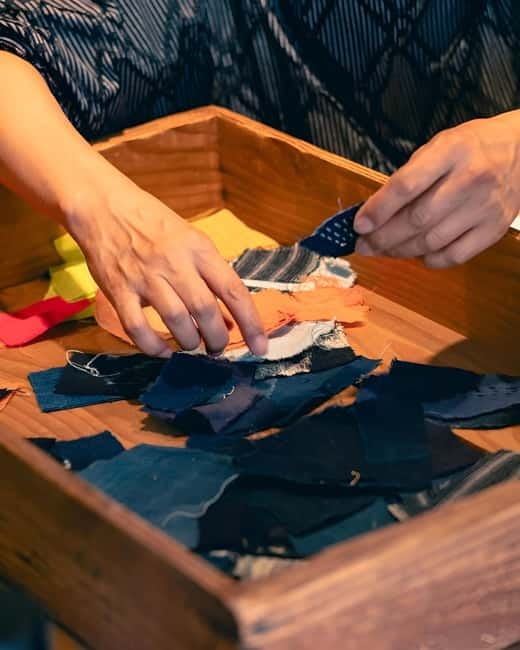
Osaka is famous for food, shopping, and lively streets. A quiet stitching class gives you a different way to spend part of the day. Instead of collecting another mass-produced souvenir, you make a small textile piece with your own hands and learn why the pattern looks the way it does.
Sashiko means little stabs, a plain name for a careful form of hand stitching. The technique began during Japan’s Edo period, from 1603 to 1868, as a practical way to reinforce worn clothing. Farmers and fishermen used repeated stitches to make garments tougher and warmer, especially during cold winters.
That useful beginning matters. Sashiko was not created only for decoration. The patterns grew from daily life, local traditions, and the need to make fabric last longer. Over time, different parts of Japan developed their own designs, with some motifs carrying symbolic meaning.
You will learn this background at the start of the class, then see how the practical stitch became a form of textile art. I like this approach because it gives your coaster some context. You are not simply copying a pretty pattern. You are using a technique that once helped families repair and extend the life of clothing.
More traditional craft workshops:
- 1.5〜2 Hours Traditional Kintsugi Work Shop in Namba Osaka
★ 5.0 · 75 reviews - Osaka: Private Japanese Calligraphy Experience
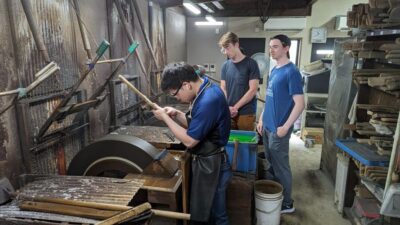
★ 5.0 · 66 reviews - From Osaka: Sakai Knife Maker or Blacksmith Walking Tour
★ 4.9 · 64 reviews
The two-hour workshop, from history to first stitches
The session begins with an introduction to Sashiko and its place in Japanese craft. You then watch a demonstration of the basic stitching method before trying it yourself.
The exact pace depends on your group and your sewing experience. Beginners can focus on keeping the stitches even and following the geometric design. If you already sew, you may move faster. One participant who finished early received an additional stitch to try, so experienced crafters can ask June for a little more challenge.
The project is designed around small Sashiko coasters. That is a smart choice for a short class. You get enough fabric to understand the rhythm of the stitch without facing a large, unfinished item. A coaster is also practical and easy to pack in your luggage.
You do not need to bring tools or materials. Fabric, needles, thread, and the other Sashiko equipment are supplied. This keeps the activity simple for people who are already sightseeing and do not want to carry a sewing kit around Osaka.
Expect a hands-on lesson rather than a formal lecture. You will spend much of the time stitching, asking questions, and adjusting your technique. The atmosphere is described as relaxed and friendly, which is important for a craft that rewards patience more than speed.
What the stitching feels like for a beginner

Sashiko looks simple at first. The pattern uses repeated stitches, often arranged in clean geometric lines. The hard part is making those lines consistent while keeping the spacing under control.
You should not expect perfect stitches on your first try. That is part of the appeal. As you work, the repeated motion becomes calm and focused. One participant found the class meditative, and that makes sense: the project gives your hands a clear task while leaving your mind room to slow down.
June provides guidance as you work, rather than sending you away with a quick demonstration and no support. That is especially helpful if you have never embroidered or if the instructions need to be explained in English.
The group can include people with different skill levels. The workshop welcomes complete beginners, but it also works for people who already enjoy sewing and embroidery. If you are experienced, tell June what you know and ask about an extra stitch or pattern. If you are new, concentrate on learning the basic movement and enjoying the process.
The finished coaster will show your own hand. Small variations in spacing are not a failure. They make the object personal, which is far more interesting than a perfectly identical factory souvenir.
A historic house adds atmosphere
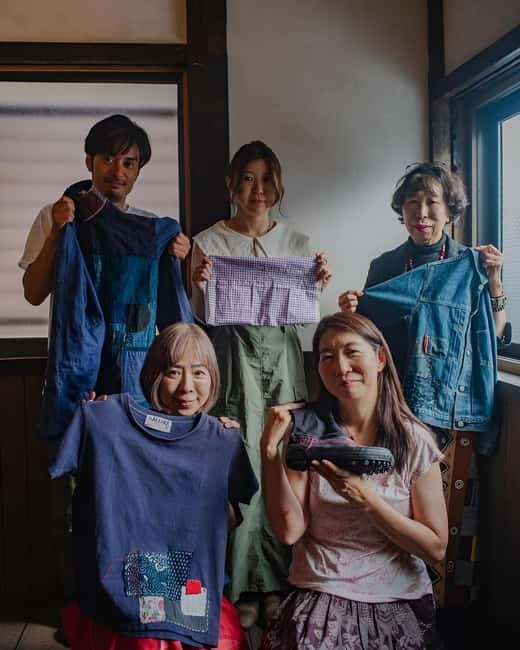
The workshop takes place in an old house with wooden stairs and visible framework. The setting has an appealing sense of place, especially if you enjoy traditional Japanese buildings and handmade objects.
The available information does not promise a full architectural tour, so you should think of the house as part of the setting rather than a separate attraction. Still, it adds more character than a generic classroom. You are learning an old Japanese craft inside a space that gives the session a visual connection to the past.
The studio has been described as homely and easy to reach by train. With advance notice, you can arrange to be met at Kyobashi Station. Transportation is not included, so you are responsible for getting to the venue unless you organize that station meeting in advance.
Allow enough time to find the meeting point, especially if you are unfamiliar with Osaka’s rail system. The class lasts two hours, and arriving flustered is not the best way to begin a slow, careful craft.
A completely different way to spend a day in Osaka:
- Osaka Go Karting Tour with Funny Costume
★ 5.0 · 2,658 reviews - Osaka Castle: Museum and Tower Entry Ticket
★ 4.5 · 2,380 reviews - Osaka: Shinsekai Food Tour with 13-15 Dishes at 5 Eateries
★ 4.8 · 2,204 reviews - Osaka Food Tour: 13 Dishes at 5 Local Eateries
★ 5.0 · 2,149 reviews
The small group is a real advantage
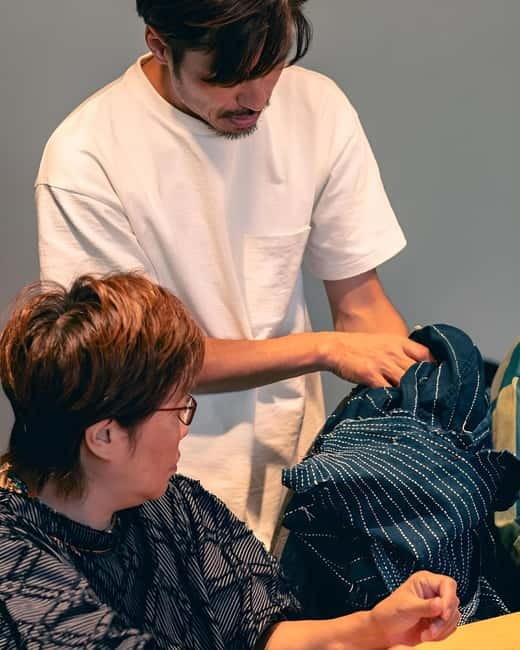
The class is limited to eight participants. That number is large enough to create a social experience, but small enough for June to provide individual help.
This matters more in a stitching workshop than it might in a standard sightseeing tour. You may need someone to check your thread tension, show you how to follow a corner, or explain a pattern again. A big class could turn those small problems into long waits. Here, the format is better suited to personal guidance.
The language options are English and Japanese. The class has welcomed people from many countries, and English instruction makes it accessible to international visitors. You should still expect craft vocabulary and visual demonstration to do some of the work. A stitch is often easier to understand when you see it than when you hear a long explanation.
The group format also makes this a good choice for friends, couples, and families with older children or teenagers. A parent and teen can work side by side without needing the same level of skill. One family group enjoyed the class together, and the activity also worked well as a birthday outing.
More than a souvenir: understanding the patterns
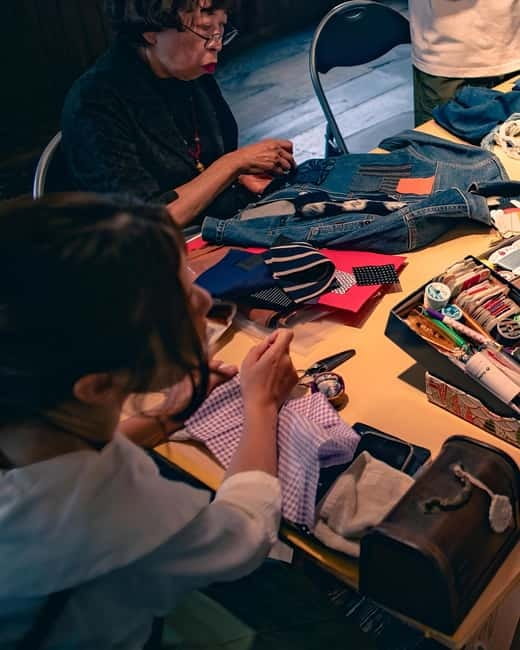
The geometric designs are not random decoration. The workshop introduces the symbolism connected with Sashiko patterns and explains how stitching can carry stories of Japanese heritage.
That cultural detail gives the class more weight. You learn not only how to place thread through fabric, but also why repeated forms and local motifs matter. It is a small lesson in how Japanese craft often joins usefulness, visual order, and tradition.
The class will not turn you into a Sashiko artisan in two hours. You will learn the fundamentals and leave with a starting point for future work. The real value is that you can continue practicing at home if the method catches your interest.
The nearby shopping corner makes that easier. You can browse JunAle original goods, sewing kits, hand-dyed threads, and clothing after the workshop. Cash discounts are available, so bring cash if you think you may want materials or a small extra purchase. The shopping area is optional, and the class does not depend on buying anything afterward.
Is $67 a fair price?

At $67 per person, the workshop is not the cheapest two-hour activity in Osaka. It is fair value if you care about making something yourself and want instruction, materials, cultural background, and a finished item included in one booking.
You are paying for more than a coaster. The price covers the tools and supplies, a guided lesson, the use of the studio, and the chance to ask questions while you work. You also avoid buying a full set of Sashiko materials before knowing if you enjoy the technique.
The value is strongest for visitors who would otherwise spend money on a craft kit or souvenir. Here, you learn how to use the materials and leave with a basic skill that can support future projects.
The value is weaker if you want a major sightseeing attraction, a long class, or a large finished piece. Two hours gives you a satisfying introduction, not an advanced course. The activity also requires you to pay for your own transportation to the venue.
Solo booking deserves special attention. The provider tries not to charge extra for one person, but the class requires at least two participants. If that minimum is not reached, you may attend on another date, pay a 3,000-yen solo supplement, or receive a full refund. That policy is worth checking before you build the class into a tightly timed day.
Who will enjoy this most

I would recommend this workshop to you if you like:
- Hand sewing, embroidery, textiles, or Japanese design
- Quiet activities that let you slow down
- Small group classes with direct instruction
- Making a personal souvenir instead of buying a standard one
- Cultural experiences that explain how a craft developed
- Creative activities suitable for a birthday or family outing
You do not need previous sewing experience. The class is built for beginners, and the basic project gives you a manageable way to learn.
It is also a good fit for experienced sewers who want a Japanese technique to add to their skills. Ask June about an additional stitch if you finish the coaster early.
I would think twice if you dislike detailed handwork, have very limited patience, or want every minute of your Osaka schedule filled with major sights. Sashiko rewards a steady pace. It is not an adrenaline activity, and there is no quick shortcut to neat stitching.
Practical details that can shape your visit
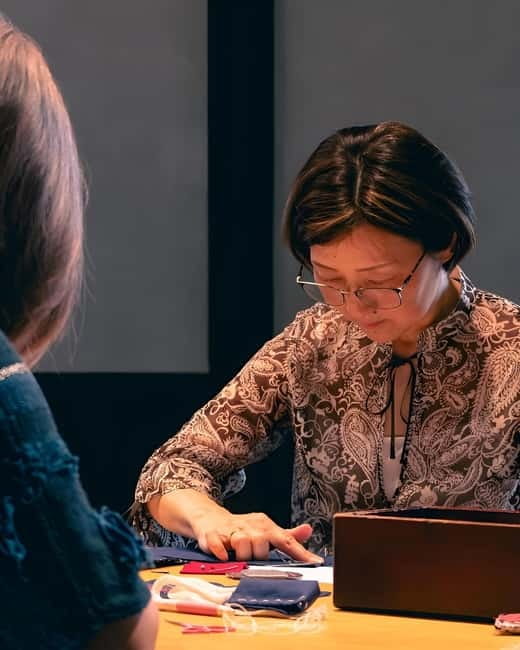
The workshop lasts two hours, with starting times available according to the date you choose. The group is capped at eight, and the class can be conducted in English or Japanese.
The meeting point is the workshop venue, with a meeting at Kyobashi Station possible if arranged in advance. Transportation is not included. The activity is wheelchair accessible, though you should confirm the practical meeting arrangements when booking if you need specific assistance.
Tools and materials are provided, and your completed Sashiko project is included. Personal or travel insurance is not included.
You can cancel up to 24 hours before the activity for a full refund. The reserve-now, pay-later option also helps if your Osaka schedule is still shifting.
For planning, place the class on a day when you can enjoy a slower pace. You may want time afterward to browse the JunAle goods, examine the finished work on display, or simply carry your new coaster into the rest of your day without rushing.
Should you book the Osaka Sashiko workshop?
Book it if you want a thoughtful, hands-on break from Osaka’s busy food and shopping scene. The patient instruction, small group size, and take-home coaster make this a strong introduction to Sashiko, especially for beginners and sewing enthusiasts.
The old-house setting and cultural explanation add meaning, while the project remains short enough for a half-day plan. Just remember that $67 is the price of a guided craft lesson, not a full-day cultural tour, and solo participants should confirm the minimum group arrangement.
If you like working with your hands, I think this is a worthwhile way to meet Japanese craftsmanship through practice rather than observation. If you prefer fast sightseeing or do not enjoy careful stitching, spend those two hours elsewhere.
FAQ
How long does the Sashiko workshop last?
The workshop lasts two hours.
How much does the workshop cost?
The price is $67 per person.
What will I make during the class?
You will make a Sashiko coaster using geometric patterns and take the finished piece home.
Are tools and materials provided?
Yes. Fabric, needles, thread, and other Sashiko-specific tools are included.
Is the class suitable for beginners?
Yes. The workshop introduces the basic techniques and is designed for complete beginners as well as people with sewing experience.
What languages are available?
Instruction is available in English and Japanese.
Where does the workshop meet?
The meeting point is at the workshop venue. With advance notice, you can be met at Kyobashi Station.
What happens if I book alone and two people do not sign up?
You can attend on another date, pay a 3,000-yen solo supplement, or receive a full refund. The provider aims not to charge solo participants extra, but the minimum of two participants applies.
Is the activity wheelchair accessible?
Yes, the activity is listed as wheelchair accessible.
Can I cancel for a full refund?
Yes. You can cancel up to 24 hours in advance for a full refund.
Just added around Osaka
- Nara Day Trip from Osaka with a Licensed Guide★ 5.0 · 3 reviews
- Osaka Early Morning Osaka Castle Tour Avoid Crowds★ 5.0 · 3 reviews
- Guided Tour of Some Attractions in Osaka by Private Car★ 5.0 · 3 reviews
- Private Transfer Between Kyoto and Kansai Airport KIX★ 5.0 · 3 reviews
- Shared Arrival Transfer: Osaka Itami Airport to Osaka City★ 5.0 · 3 reviews
- Osaka: Sushi Making Class and Dotonbori Food Tour★ 4.7 · 3 reviews
- Osaka Night Photography Workshop★ 5.0 · 3 reviews
- Kyoto Full day Tour Kinkakuji, Kiyomizu-dera and Fushimi Inari★ 4.5 · 3 reviews
Osaka Craft Workshops, compared.
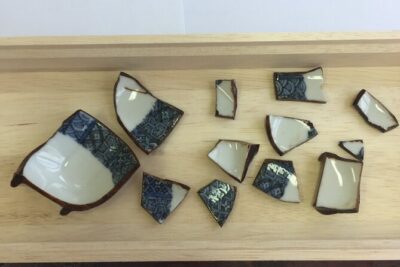
1.5〜2 Hours Traditional Kintsugi Work Shop in Namba Osaka
Read our review →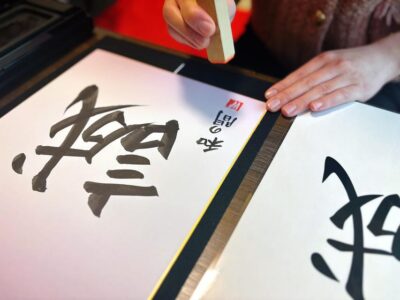
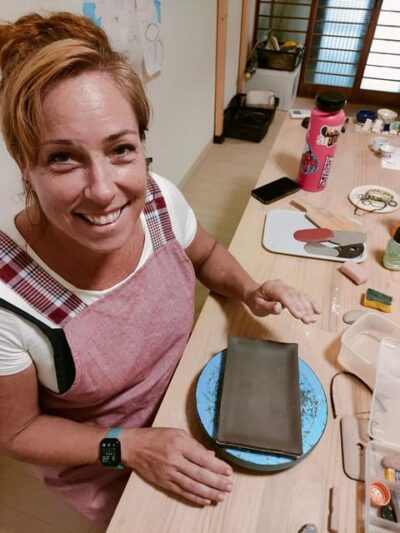
Traditional Japanese Ceramics Private Experience
Read our review →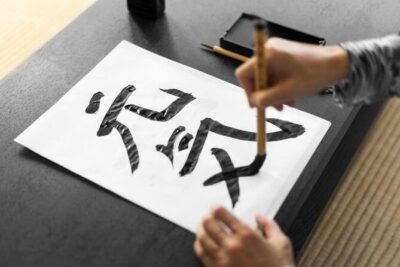

Learning Zen of Japanese Calligraphy in kimono near Osaka Castle
Read our review →
Osaka Daruma Workshop — Paint Your Own Good-Luck Daruma
Read our review →Browse the lists this tour appears in