
Reviewed · DOTONBORI & NAMBA TOURS
Osaka Dotonbori: Hand Roll Sushi Experience
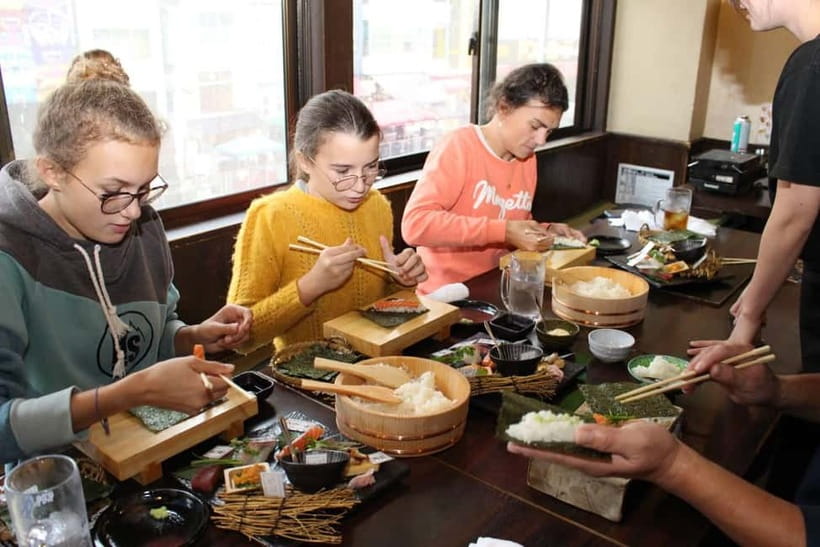
Dotonbori is famous for neon signs, street food, and noisy crowds, but this sushi class gives you a quieter seat above the river. You learn how sushi rice is made, taste real wasabi, then build hand-rolled sushi with fresh seafood and other fillings.
I like the tatami-room setting with river views, which gives the lesson a distinctly Japanese feel. I also like the hands-on format: you do not simply watch a chef prepare lunch, you mix rice, handle ingredients, and eat the results as you go.
The main consideration is ingredient choice. Seafood is provided, but you may not be able to select every fish yourself, so this class works best if you are open to trying what the kitchen serves.
In This Review
- Key points to know before booking
- A quiet sushi lesson in the middle of Dotonbori
- What happens during the two-hour class
- The seafood, fillings, and room for choice
- Why the rice and wasabi lessons matter
- The hands-on rolling experience
- The value of a $54 Osaka activity
- Who will enjoy this sushi class most
- Practical details for arriving and planning your day
- My call: book it if you want to make lunch part of the memory
- FAQ
- Where does the hand-rolled sushi experience take place?
- How long does the activity last?
- What time can I take the class?
- Is the class offered in English?
- What is included in the price?
- Are meals and drinks included?
- How much does the experience cost?
- Do I need to bring any equipment?
- Can I cancel for a full refund?
Key points to know before booking
- Real wasabi tasting: Compare the aroma and heat of authentic Japanese wasabi with the sharper, simpler flavor many visitors know from packaged paste.
- Two-hour English-language session: Choose a noon or 2 pm start and plan your Dotonbori sightseeing around it.
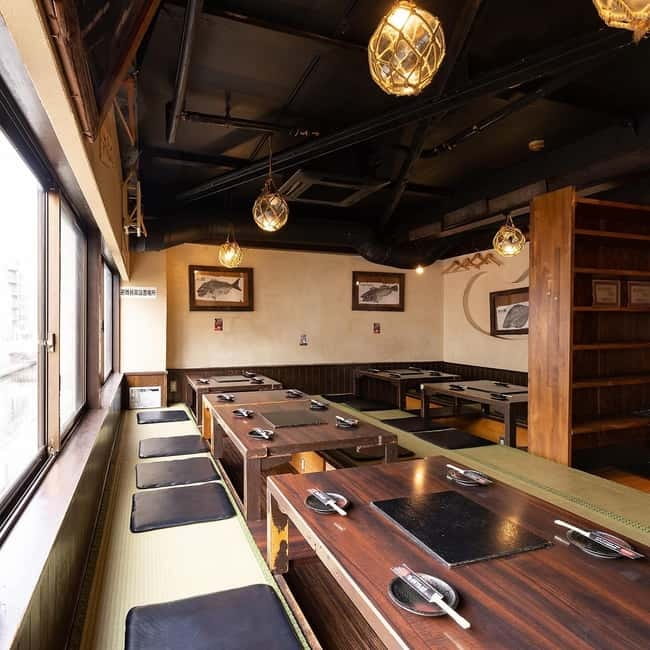
- Tatami room above the river: The setting offers a calm contrast to the bright, crowded streets outside.
- You make and eat your own sushi: The food is prepared during the class, so your lunch unfolds as part of the lesson.
- Fresh ingredients and tools included: You only need to arrive ready to work, eat, and learn.
- Good value for a central Osaka activity: The listed price is $54 per person, or 8,000 yen including tax, with a soft drink included.
A quiet sushi lesson in the middle of Dotonbori
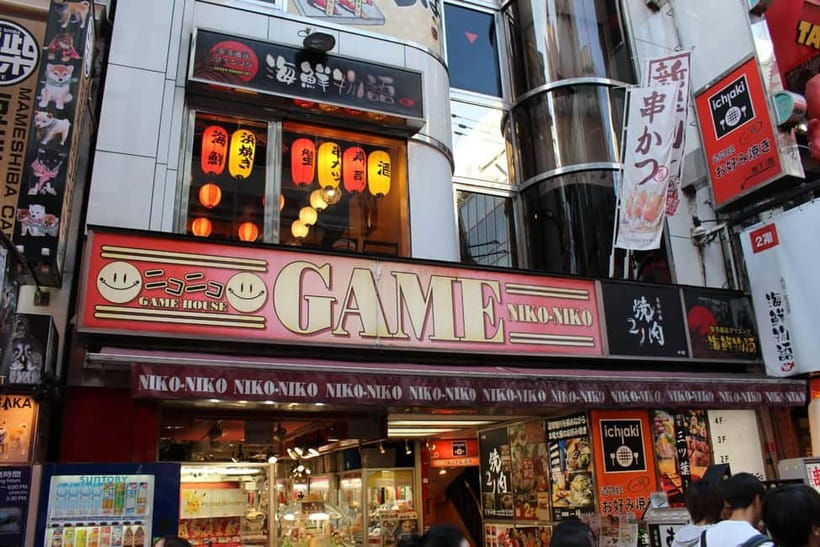
The appeal here is the contrast. Step into Dotonbori and you are surrounded by glowing signs, arcade noise, restaurants, and the famous canal. Then head to the second floor of the Nico Building at 1-6-12 Dotonbori, where the class takes place in a tatami room overlooking the Dotonbori River.
The entrance is on the main street. A game arcade occupies the first floor, so do not expect a secluded doorway or a grand restaurant entrance. Look for the building and go upstairs to Kaisen Monogatari Dotonbori. That small detail matters because Dotonbori can be confusing when you are trying to match a restaurant address with its bright, crowded surroundings.
Once seated, you get a setting that feels more traditional than the street below. The tatami room is not a museum display or a formal tea ceremony, but it gives your meal a Japanese character and a chance to slow down for a couple of hours.
The class is conducted in English. Staff members help with the preparation, and the format is designed for people who may be making sushi for the first time. The atmosphere is friendly and intimate rather than theatrical, with the chef and assistant working directly with the group.
More of Dotonbori and Namba after dark:
- Osaka Local Foodie Walking Tour in Dotonbori and Shinsekai
★ 5.0 · 985 reviews - Osaka: Dotonbori District River Cruise with Drink Discount
★ 4.2 · 876 reviews - Ultimate Osaka Walking Tour: Castle, Dotonbori & Hidden Gems
★ 5.0 · 862 reviews
What happens during the two-hour class
The session runs twice daily, at 12 pm and 2 pm, and lasts about two hours. That timing makes the noon class a possible lunch activity and the 2 pm session a useful break after an earlier meal.
You begin with an introduction to sushi. This gives you the basic picture before the practical work starts, including the role of the rice, seafood, wasabi, and accompaniments. The class is not only about rolling food into a cone. It explains why the rice matters and how several small details affect the final taste.
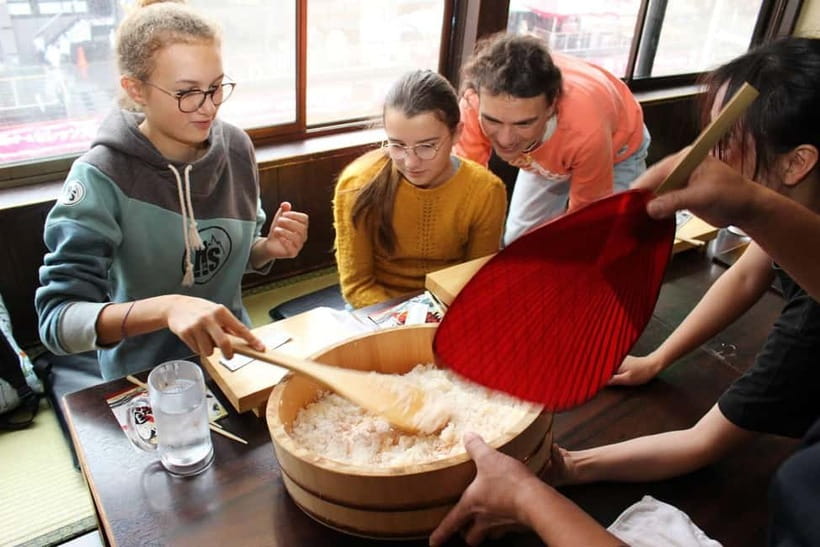
Next comes the sushi rice session. You learn about Japanese rice and the process of combining it with vinegar. This is one of the most useful parts of the class because rice is easy to treat as a background ingredient. In sushi, it is part of the structure and flavor. The lesson helps you understand why the balance between rice and vinegar matters.
You then move to the wasabi tasting. Real wasabi has an aroma and spicy quality that can surprise you if your previous experience has been limited to common prepared paste. The tasting gives you a chance to notice the difference rather than simply adding a small green mound to your plate and moving on.
Finally, you make your own hand-rolled sushi. The class provides the ingredients, tools, and guidance, while you handle the construction yourself. This is where the activity becomes more memorable than an ordinary sushi lunch. Your hands are part of the process, and any uneven rolls are your own work.
The food is eaten during the session as it is made. That keeps the meal fresh and lets you taste each piece soon after preparation. It also means you should not expect a large final platter displaying every roll you made. If seeing all your creations together matters to you, this is worth knowing before you book.
The seafood, fillings, and room for choice
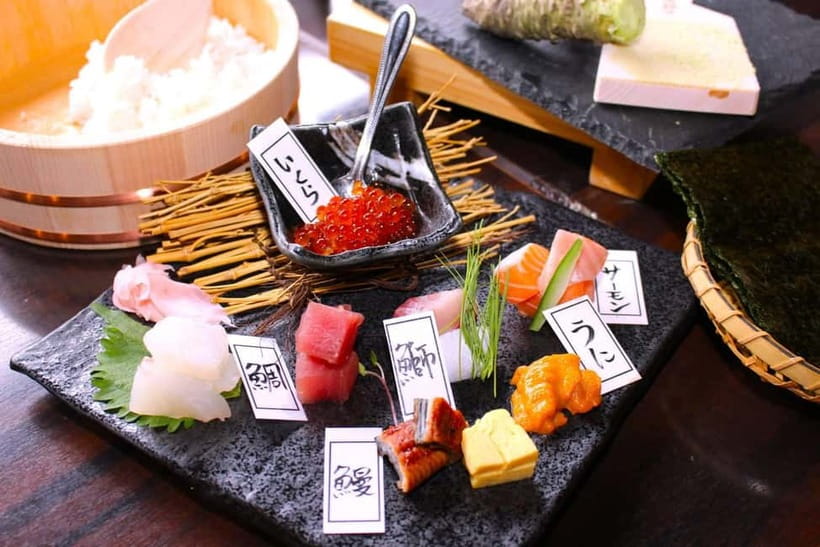
Seasonal seafood is part of the class, giving you a taste of ingredients selected for the experience rather than a menu you design from scratch. You may also have a variety of fillings and options for building your rolls. The precise selection can change, so the class is better suited to a flexible eater than to someone who wants a fixed list of favorite fish.
One practical limitation is that you cannot necessarily choose every piece of seafood. If you dislike a particular fish, a serving may not suit you. That can lead to some food waste, which is a fair concern, especially for diners with strong preferences or dietary limits.
The best approach is to treat the seafood as part of the lesson. You are learning about seasonal Japanese flavors, not ordering a custom sushi platter. Still, if you have allergies, dietary restrictions, or foods you cannot eat, you should confirm the arrangements before paying, since the supplied details do not specify substitutions.
The ingredients are described as fresh, and the class includes all materials and tools. One soft drink is included. Other drinks and any food outside the stated class are not part of the price.
Why the rice and wasabi lessons matter
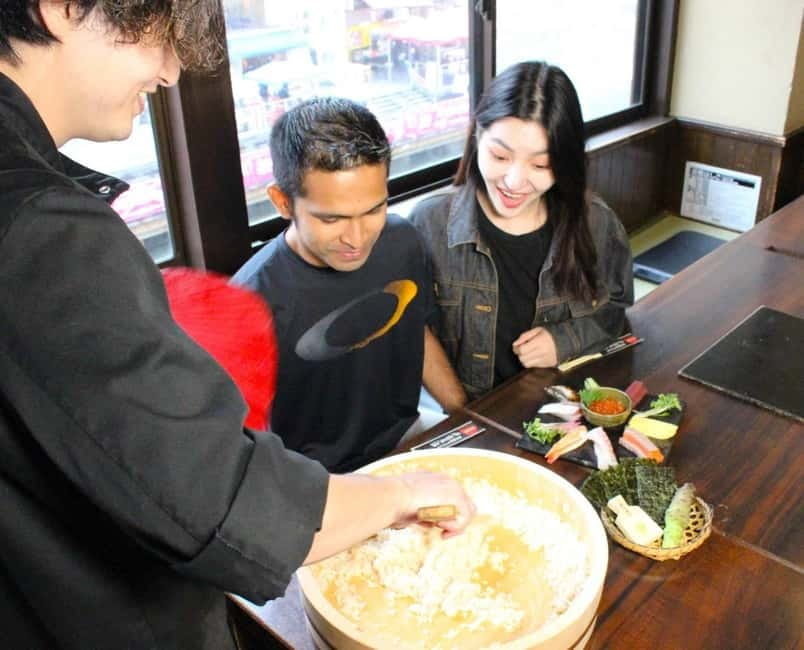
A sushi class can easily become a simple craft activity: place filling on rice, roll it, eat it, repeat. This experience adds more useful food context through the rice and wasabi portions.
The rice lesson helps you notice the foundation of sushi. Japanese rice has its own flavor and texture, and mixing it with vinegar is not a random step. You learn how that combination supports the seafood and gives the roll its familiar balance.
The wasabi tasting offers another small but valuable comparison. The aroma and spiciness of real wasabi can be different from the familiar paste served in many restaurants. For someone interested in Japanese food beyond the most recognizable dishes, this is a compact lesson with plenty of sensory impact.
These parts also make the class easier to remember. You are not just taking photographs of sushi. You are learning why two ingredients that seem simple, rice and wasabi, affect the taste of the whole dish.
More sushi making classes:
- Sushi Making Osaka Roll and Authentic Japanese Sushi Class
★ 5.0 · 1,220 reviews - Osaka Sushi Making Experience
★ 5.0 · 400 reviews - Osaka: Roll and Authentic Sushi Making Class in Dotonbori
★ 4.9 · 239 reviews - Osaka: Sushi Class in Dotonbori
★ 4.9 · 160 reviews
The hands-on rolling experience
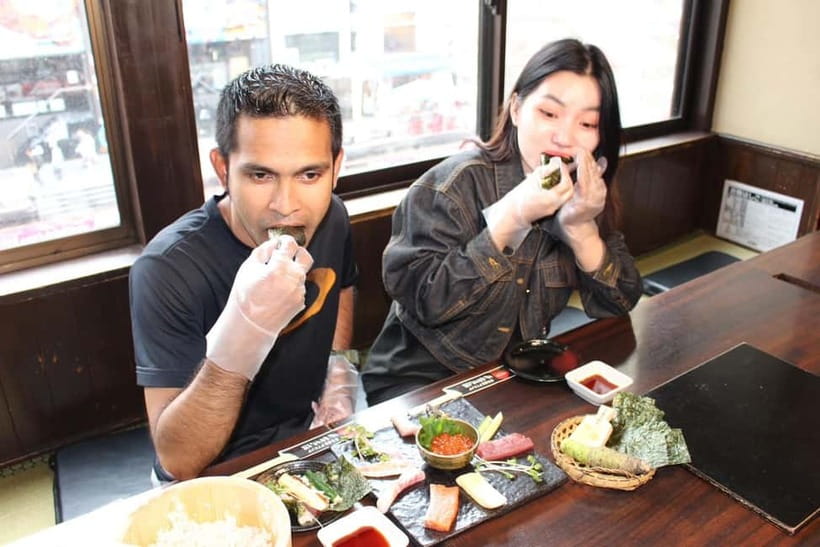
Hand-rolled sushi is a good format for a beginner because it is practical and forgiving. You get to work with the ingredients directly, follow the chef’s instructions, and see how the shape develops.
Do not expect every roll to look like a professional chef made it. That is part of the point. Your first attempt may be loose, overfilled, or slightly untidy, but you can adjust as you continue. The class gives you a way to notice the difference between simply placing ingredients together and controlling the shape.
You eat the sushi you prepare during the session. This makes the class feel like both a lesson and a meal. Several people have found the staff especially helpful, with the assistant answering questions and offering support while the chef demonstrates the process.
A homemade soy sauce is also used with the freshly prepared rolls. That adds another flavor detail to the meal and gives you a chance to compare the sauce with the seafood and rice you have just made.
Come hungry. The class provides a substantial amount of food for the price, and tasting your work is one of the central parts of the experience.
The value of a $54 Osaka activity
The stated price is $54 per person. The additional information gives the cost as 8,000 yen including tax, so check the exact amount shown when you book, since the dollar figure can change with exchange rates or booking conditions.
For that price, you receive a two-hour English-language class, sushi instruction, a rice-making session, a real wasabi tasting, ingredients, tools, the food you prepare, and one soft drink. You also get a central Dotonbori location and a traditional-style room with river views.
That makes the value fairly strong if you want a meal plus an activity. A standard sushi dinner may give you more freedom to choose individual pieces, but it will not teach you how the rice is seasoned or let you prepare your own rolls. A cooking class outside the central district might cost less, but you would need to factor in transportation and would lose the convenience of being right in Dotonbori.
The value is less clear if you dislike seafood, want a large amount of premium fish, or prefer to eat without instruction. This is not simply a restaurant reservation. Part of what you pay for is the chef’s demonstration, the guided practice, and the chance to understand the ingredients.
Who will enjoy this sushi class most
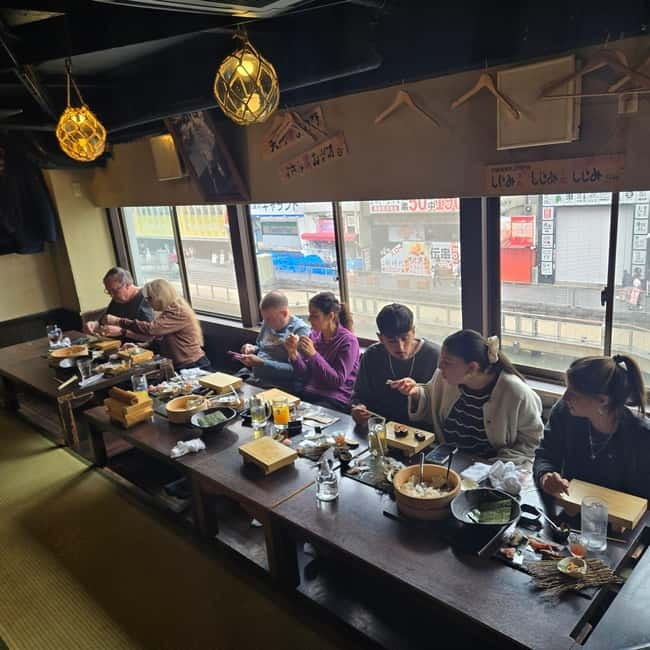
I would recommend it to first-time visitors who want an easy introduction to Japanese food culture. Families can also make good use of it, and a family of five has completed the activity together with help from the friendly assistant.
It suits couples, small groups, and solo visitors who prefer an activity with a clear structure. The two-hour length is long enough to feel worthwhile but short enough to fit beside other Osaka plans.
It is especially useful for people who want a break from sightseeing without giving up the central location. You can arrive from Dotonbori, sit down, and spend the next two hours doing something rather than simply moving from one shop or sign to the next.
You may want to choose another meal if you are highly selective about fish. The supplied information does not promise a fully customizable seafood menu. Likewise, anyone with allergies should ask about ingredients before booking.
Practical details for arriving and planning your day
The meeting point is Kaisen Monogatari Dotonbori, on the second floor of the Nico Building at 1-6-12 Dotonbori, Chuo-ku, Osaka. The activity ends at the same place.
Because the first floor is a game arcade and the entrance is on the main street, allow enough time to find the building and reach the second floor. Dotonbori is crowded and visually noisy, so having the address ready on your phone is sensible.
The two start times are 12 pm and 2 pm. If you choose noon, treat the class as lunch. If you choose 2 pm, eat lightly beforehand because the class includes plenty of food.
Wear comfortable clothes. A hat, camera, and water are listed as useful items to bring. You will be working with food, so practical clothing is more sensible than anything delicate or formal.
The booking terms allow you to reserve and pay later, and cancellation is available up to 24 hours in advance for a full refund. Those terms help if your Osaka schedule is still shifting, but check the final conditions attached to your booking.
My call: book it if you want to make lunch part of the memory
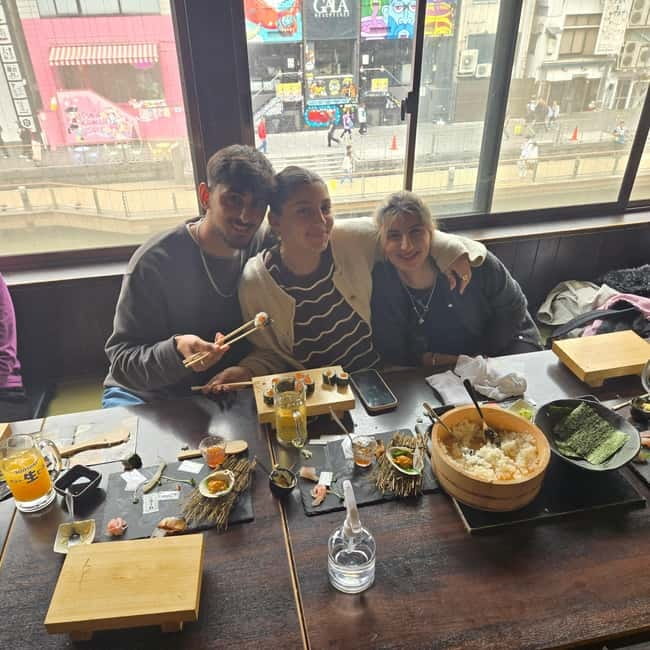
Book this class if you want a friendly, practical introduction to sushi in a central Osaka setting. The strongest reasons are the real wasabi tasting, the explanation of sushi rice, and the chance to make and eat your own rolls in a tatami room overlooking the Dotonbori River.
I would not book it solely for a perfect sushi presentation or complete control over every seafood choice. The meal is prepared and eaten during the class, and the ingredients may include fish you would not personally select.
For most curious eaters, families, and first-time visitors to Osaka, the combination of instruction, food, and location makes this a sensible two-hour activity. Bring an appetite, keep your expectations practical, and enjoy the fact that your lunch will be made by your own hands.
FAQ
Where does the hand-rolled sushi experience take place?
It takes place at Kaisen Monogatari Dotonbori on the second floor of the Nico Building, located at 1-6-12 Dotonbori, Chuo-ku, Osaka. The room has views of the Dotonbori River.
How long does the activity last?
Each session lasts two hours.
What time can I take the class?
The experience is offered twice a day, at 12 pm and 2 pm.
Is the class offered in English?
Yes. English is listed as the available language.
What is included in the price?
The price includes an introduction to sushi, a sushi rice-making session, a real wasabi tasting, hands-on hand-rolled sushi preparation, all materials and tools, and one soft drink.
Are meals and drinks included?
The sushi you prepare during the activity and one soft drink are included. Additional meals and drinks are not included unless specified.
How much does the experience cost?
The listed price is $54 per person. The additional pricing information states 8,000 yen per person, including tax.
Do I need to bring any equipment?
No special cooking equipment is required. Materials and tools are supplied. You may bring a hat, camera, water, and comfortable clothes.
Can I cancel for a full refund?
Yes, cancellation up to 24 hours in advance is listed as eligible for a full refund.
Just added around Osaka
- Nara Day Trip from Osaka with a Licensed Guide★ 5.0 · 3 reviews
- Osaka Early Morning Osaka Castle Tour Avoid Crowds★ 5.0 · 3 reviews
- Guided Tour of Some Attractions in Osaka by Private Car★ 5.0 · 3 reviews
- Shared Arrival Transfer: Osaka Itami Airport to Osaka City★ 5.0 · 3 reviews
- Private Transfer Between Kyoto and Kansai Airport KIX★ 5.0 · 3 reviews
- Osaka: Sushi Making Class and Dotonbori Food Tour★ 4.7 · 3 reviews
- Osaka Night Photography Workshop★ 5.0 · 3 reviews
- Kyoto Full day Tour Kinkakuji, Kiyomizu-dera and Fushimi Inari★ 4.5 · 3 reviews
Dotonbori & Namba Tours, compared.

Osaka Local Foodie Walking Tour in Dotonbori and Shinsekai
Read our review →
Dotonbori District River Cruise with Drink Discount
Read our review →
Ultimate Osaka Walking Tour: Castle, Dotonbori & Hidden Gems
Read our review →


Dotonbori River Cruise with Glico Sign & Neon Views
Read our review →
Browse the lists this tour appears in