
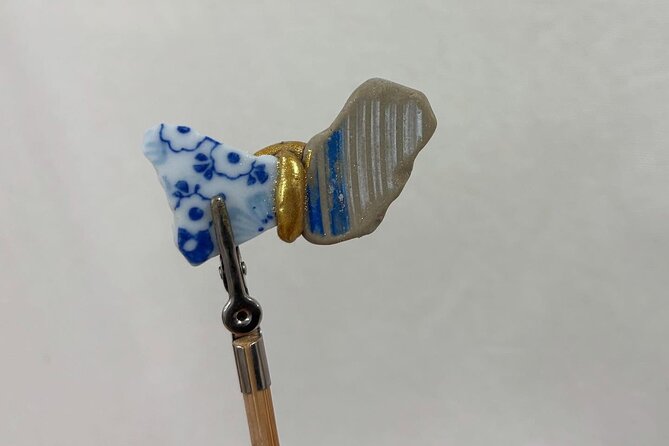
Reviewed · OSAKA CRAFT WORKSHOPS
Kintsugi Workshop: Beauty in Brokenness
Kintsugi turns a cracked cup into a record of survival. In this small Osaka workshop, you repair pottery with lacquer, resin, and shimmering powder while learning why Japanese craft treats flaws as part of an object’s life. Tomoko-san and her apprentice guide the work in a real artisan studio, not a polished souvenir shop.
I like the small group size, capped at eight, and the fact that you leave with a finished piece instead of only a demonstration. I also like the quiet, patient pace. The main consideration is that the choice of broken pottery may be limited, so bring your own broken dish if color or shape matters greatly to you.
In This Review
- Key points to know before you book
- Why kintsugi makes a better souvenir than another souvenir
- Arriving at Tomoko’s studio in Joto Ward
- Choosing a broken piece to repair
- Bonding the pottery with synthetic lacquer
- Filling gaps with resin
- Applying the silver-based gold powder
- The meaning behind the repaired lines
- How personal is the experience?
- Who will get the most from this Osaka activity?
- Price, timing, and practical value
- Should you book the kintsugi workshop?
- FAQ
- Where does the kintsugi workshop take place?
- What time does the workshop start?
- How long does the activity last?
- How many people can join the workshop?
- Is the workshop suitable for beginners?
- What materials and tools are provided?
- Do I get to choose the pottery I repair?
- Can I take my finished piece home?
- Is transportation included?
- What happens if I need to cancel?
Key points to know before you book
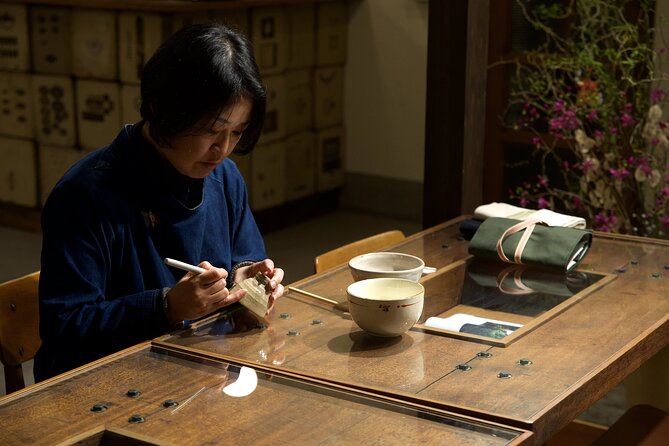
- A three-hour hands-on repair session: You do the work yourself, with step-by-step help from Tomoko-san and her apprentice.
- A real Osaka artisan studio: The setting gives the lesson a personal, working-studio feel.
- Modern materials for a traditional craft: You use synthetic lacquer, resin, and silver-based gold powder rather than handling traditional urushi lacquer.
- A small group of no more than eight: Some sessions may feel nearly private, depending on bookings.
- Your repaired pottery goes home with you: The finished piece is wrapped for safe transport.
- Convenient afternoon timing: The workshop starts at 3:00 p.m. at 102, 1-chōme-4-18 Shigita, Joto Ward.
Why kintsugi makes a better souvenir than another souvenir
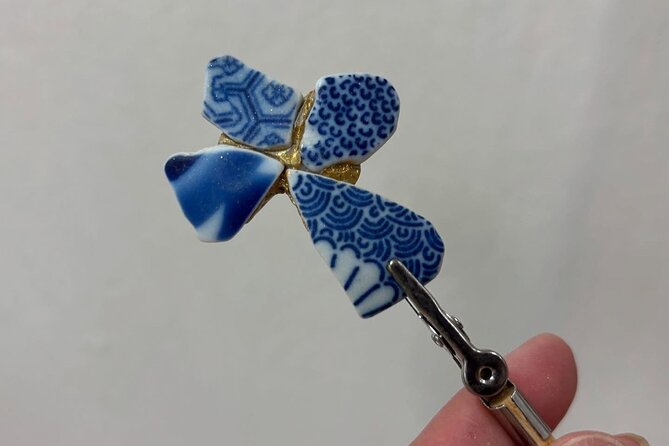
Kintsugi, meaning joined by gold, began in Japan in the 15th century. Instead of disguising a break, the method marks it with lacquer and powdered metal. The repaired lines become part of the object’s appearance and story.
That idea connects with wabi-sabi, a Japanese view that finds beauty in impermanence, age, and irregularity. You are not trying to make a cup look untouched. You are giving a damaged object a new life while allowing the damage to remain visible.
That makes this workshop different from a standard craft class. You are not simply making a decorative object from new materials. You are working with something already broken, then deciding how to treat its scars.
I find that distinction useful when judging the $97.73 price. The cost is not only for three hours of instruction or the materials on the table. It also covers access to an artisan’s studio, guided work with a real ceramic piece, and a finished keepsake that has a personal story. It is a fair value if you want a meaningful activity rather than a quick, inexpensive souvenir.
More traditional craft workshops:
- 1.5〜2 Hours Traditional Kintsugi Work Shop in Namba Osaka
★ 5.0 · 75 reviews - Osaka: Private Japanese Calligraphy Experience
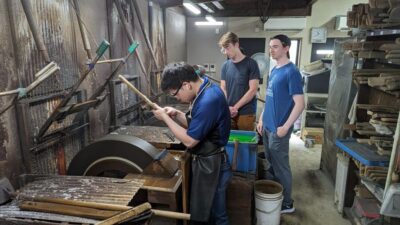
★ 5.0 · 66 reviews - From Osaka: Sakai Knife Maker or Blacksmith Walking Tour
★ 4.9 · 64 reviews
Arriving at Tomoko’s studio in Joto Ward
The workshop begins at 3:00 p.m. at 102, 1-chōme-4-18 Shigita in Osaka’s Joto Ward. The studio is near public transportation, and the location is described as an easy ride on the Osaka Loop train.
You are responsible for getting there, so allow enough time to find the exact address. The meeting point is also the end point, which keeps the afternoon simple. There is no separate drop-off across town and no need to arrange a ride after the class.
The afternoon start works well in an Osaka itinerary. You can spend the morning sightseeing, have lunch, then head to Shigita for a slower, more focused activity. Since the session lasts about three hours, you should expect it to finish around 6:00 p.m., though the precise end time can vary.
This is not a large commercial classroom. The studio has a work station set up for each participant, creating a practical space where you can concentrate on your own piece. The setting matters here. Kintsugi requires care and attention, and a quieter room is better suited to that than a crowded demonstration hall.
Choosing a broken piece to repair
Once you arrive, you choose from a selection of broken pottery pieces. The exact range may vary, and this is the one part of the experience where I would keep expectations flexible.
If you have a strong preference for a particular color, shape, or type of vessel, the available selection may not satisfy you. One useful option is to bring your own broken dish, especially if you want to restore an object with personal meaning. The supplied information specifically notes this as a good idea for anyone particular about appearance.
You should not assume that every personal item will be accepted, though. The workshop information confirms that participants have access to studio pottery, but it does not specify rules for outside pieces. If you plan to bring your own, ask the provider before booking.
For many people, choosing from the studio’s pieces will be part of the fun. A crack, missing fragment, or unusual shape gives you a starting point. The finished object will not be identical to a new cup from a shop, and that is exactly the point.
Bonding the pottery with synthetic lacquer
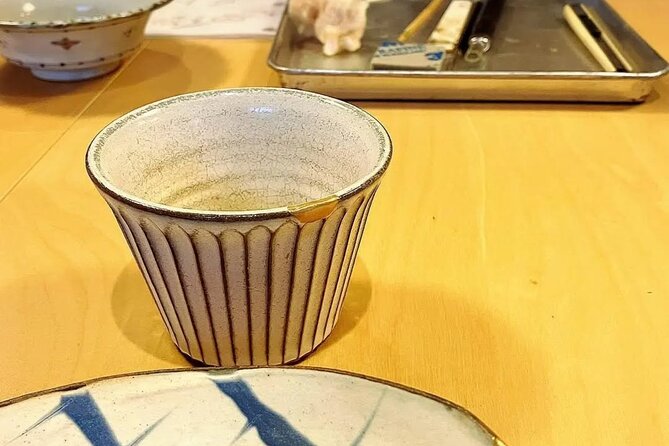
After choosing your piece, you learn how to join the broken sections. The workshop uses synthetic lacquer, which lets you practice the bonding process without the specialized handling associated with traditional lacquer materials.
You work under direct instruction rather than watching someone else complete the repair. The pace is meant for beginners, so you do not need previous pottery or craft experience. Brushes, lacquer, resin, powders, and other required equipment are supplied.
The bonding stage rewards patience. Broken ceramic rarely fits together like a clean jigsaw puzzle. You need to handle the pieces carefully and follow the instructor’s directions as the sections are joined.
Tomoko-san is repeatedly described as patient, friendly, and helpful. That is important in a class like this, since a rushed explanation could make a delicate repair feel stressful. Her apprentice also helps create the welcoming atmosphere, and the two instructors can give attention to the work in front of you.
The workshop is practical rather than theatrical. You should expect to spend much of the time handling tools and pottery, with explanations woven into the process.
A completely different way to spend a day in Osaka:
- Osaka Go Karting Tour with Funny Costume
★ 5.0 · 2,658 reviews - Osaka Castle: Museum and Tower Entry Ticket
★ 4.5 · 2,380 reviews - Osaka: Shinsekai Food Tour with 13-15 Dishes at 5 Eateries
★ 4.8 · 2,204 reviews - Osaka Food Tour: 13 Dishes at 5 Local Eateries
★ 5.0 · 2,149 reviews
Filling gaps with resin
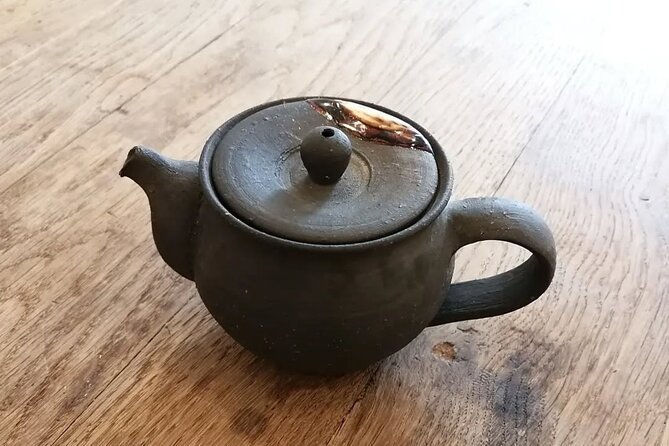
Kintsugi is not limited to joining two cleanly separated pieces. If part of the pottery is missing, you fill the gap with resin. This step changes the shape of the repair and gives you another chance to see how kintsugi accepts imperfection rather than hiding it.
The resin forms the missing area, helping restore the object’s outline. You then prepare the repaired surface for the final decorative stage. The work calls for a steady hand, but the class is designed for people who may not consider themselves crafty.
That point came through clearly in the feedback supplied for this experience. One participant who did not feel especially skilled with crafts still managed to create something beautiful with the help of the instructor. You should not expect a museum-quality restoration after one afternoon, but you can expect guidance that makes the process approachable.
The result will reflect your own work. Small irregularities are not failures here. They are part of the finished piece and fit the philosophy behind kintsugi.
Applying the silver-based gold powder
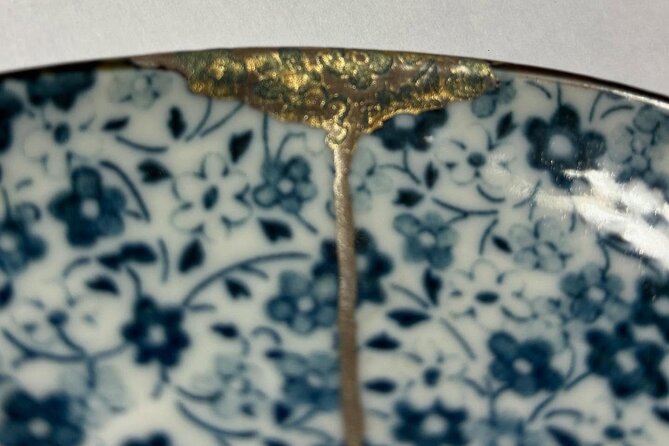
The final visual step is dusting the repaired lines with a silver-based golden powder. This is where the cracks become bright, visible paths across the pottery.
The material is described as silver-based gold powder, so you should not think of the finish as a solid gold restoration in the costly antique sense. It is a modern workshop material that gives the repaired lines their golden look while keeping the activity suitable for beginners.
This stage requires care. The powder settles along the repaired sections, turning the structural work into a design feature. A plain break becomes the strongest visual detail on the vessel.
The finished piece is yours to take home. One participant was able to carry a wrapped teacup home safely, and another received photographs of the workshop the following day. The photo service is not listed as a standard inclusion, so do not count on it, but safe wrapping for the finished piece is a useful detail for anyone continuing a Japan trip afterward.
The meaning behind the repaired lines
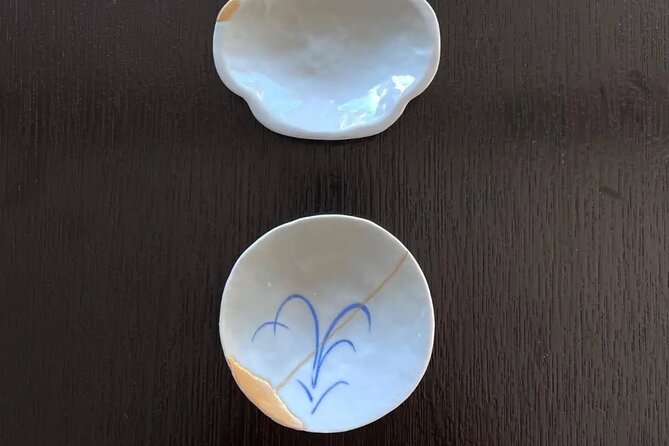
The historical and philosophical explanation gives the hands-on work more weight. Without it, you might leave with a repaired cup and a pleasant memory. With it, the cracks become a way to understand a Japanese approach to age and change.
Kintsugi does not pretend that damage never happened. The break remains visible, but it is treated as part of the object’s history. That makes the craft easy to connect with, even if you know little about ceramics.
I like that the workshop pairs the idea with physical work. You hear about resilience and renewal, then handle the broken pieces yourself. The lesson is not just a talk about Japanese culture. It is built into each stage of the repair.
The studio setting supports that connection. The workshop takes place in an authentic artisan space, with tools laid out and pottery in front of you. It feels more personal than a quick cultural activity built around watching an instructor perform a finished craft.
How personal is the experience?
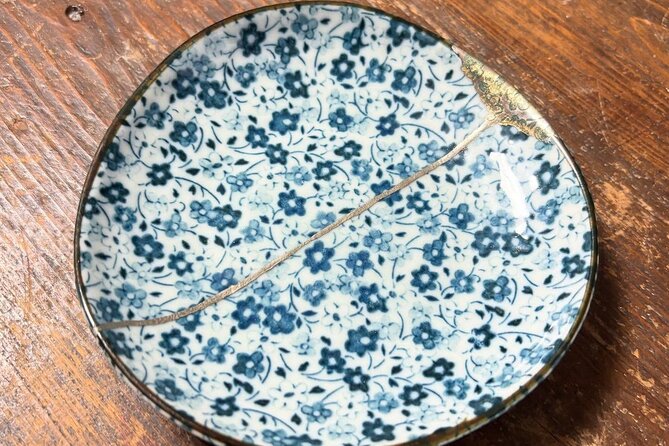
The maximum group size is eight, but the actual atmosphere may be much smaller. At least one session had only one participant and the instructors, while another had two participants working at separate stations.
That small scale is one of the strongest reasons to choose this activity. You can ask questions, receive corrections, and work at a sensible pace. Kintsugi is too detailed for a noisy, packed class where the instructor has to move quickly from table to table.
Tomoko-san and her apprentice are central to the experience. Their warm approach is especially useful for first-time crafters. You are given help without losing control of your own piece.
The group size also makes this a good choice for couples, friends, or families who want to work side by side. Group discounts are available, though the exact saving is not specified. Check the price for your party before booking.
Most people can participate, and no experience is required. The supplied details do not provide specific accessibility information for the studio or the techniques, so contact the provider directly if you need accommodations beyond general beginner participation.
Who will get the most from this Osaka activity?
I would choose this workshop for you if you want an activity that slows the pace of sightseeing. It suits visitors who enjoy making something with their hands, learning a cultural idea through practice, or taking home a souvenir that cannot be duplicated by a factory.
It is also a good break from temples, shopping streets, and busy city sights. The three-hour length gives the activity enough time to feel substantial without taking an entire day.
Couples and small groups should find the format especially appealing. You can share the process while each person creates a different result. Solo participants are also well suited to it, since the small group can provide a friendly setting without requiring you to arrive with companions.
This may not be the best choice if you want a fast, polished craft experience with a large selection of materials. The pottery selection can be limited, the work requires patience, and the final piece may show your beginner hand. Those are not problems if you value the process, but they matter if you are seeking a perfect decorative object.
Price, timing, and practical value
At $97.73 per person, this is not a bargain activity. You are paying more than you would for a short souvenir-making class, but you receive about three hours of instruction, all tools and materials, access to broken pottery, and the piece you repair.
The value improves if you care about the cultural explanation and the artisan setting. It is less compelling if you only want a cheap object to take home. In that case, buying a finished piece may be simpler.
The 3:00 p.m. start is convenient, but it does commit your late afternoon. Plan transportation carefully, since reaching the studio is your responsibility. A mobile ticket and confirmation at booking make the reservation side straightforward.
Free cancellation is available up to 24 hours before the 3:00 p.m. start for a full refund. Changes or cancellations inside that window are not accepted for a refund. The activity also requires good weather, and if poor weather causes cancellation, you are offered another date or a full refund.
Should you book the kintsugi workshop?
Book it if you want a thoughtful, hands-on Osaka experience with a real connection to Japanese craft. The small group format, careful instruction from Tomoko-san and her apprentice, and finished pottery make this more personal than a standard demonstration.
Before booking, decide how much you care about the exact shape and color of your piece. If that matters, ask about bringing a broken dish from home. If you are happy to choose from what the studio provides, the selection becomes part of the creative challenge.
I would especially recommend it for first-time crafters, couples, solo visitors, and anyone who prefers an authentic activity over another sightseeing stop. At nearly $100, it is a considered purchase, but the combination of instruction, cultural context, and a repaired object you made yourself gives the afternoon lasting value.
FAQ
Where does the kintsugi workshop take place?
The workshop takes place at 102, 1-chōme-4-18 Shigita, Joto Ward, Osaka, 536-0015, Japan.
What time does the workshop start?
The start time is 3:00 p.m.
How long does the activity last?
The workshop lasts approximately three hours.
How many people can join the workshop?
The maximum group size is eight participants.
Is the workshop suitable for beginners?
Yes. No previous experience is needed, and most people can participate.
What materials and tools are provided?
The workshop provides brushes, resin, synthetic lacquer, powders, and all other necessary tools and equipment.
Do I get to choose the pottery I repair?
You have access to a selection of broken pottery pieces to repair. The available choice may be limited, so you can ask about bringing your own broken dish if you need a particular color or shape.
Can I take my finished piece home?
Yes. Your completed kintsugi piece is included and can be taken home. Finished pottery is wrapped for safe transport.
Is transportation included?
No. You are responsible for arranging transportation to the studio. The location is near public transportation.
What happens if I need to cancel?
You can cancel at least 24 hours before the start time for a full refund. Cancellations or changes made less than 24 hours before the activity are not refunded. If poor weather causes cancellation, you are offered another date or a full refund.
Just added around Osaka
- Nara Day Trip from Osaka with a Licensed Guide★ 5.0 · 3 reviews
- Osaka Early Morning Osaka Castle Tour Avoid Crowds★ 5.0 · 3 reviews
- Guided Tour of Some Attractions in Osaka by Private Car★ 5.0 · 3 reviews
- Private Transfer Between Kyoto and Kansai Airport KIX★ 5.0 · 3 reviews
- Shared Arrival Transfer: Osaka Itami Airport to Osaka City★ 5.0 · 3 reviews
- Osaka: Sushi Making Class and Dotonbori Food Tour★ 4.7 · 3 reviews
- Osaka Night Photography Workshop★ 5.0 · 3 reviews
- Kyoto Full day Tour Kinkakuji, Kiyomizu-dera and Fushimi Inari★ 4.5 · 3 reviews
Osaka Craft Workshops, compared.
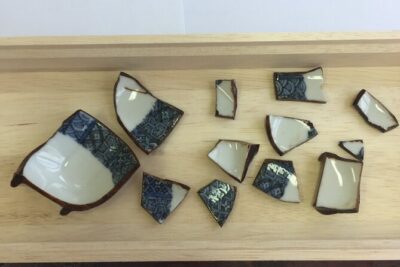
1.5〜2 Hours Traditional Kintsugi Work Shop in Namba Osaka
Read our review →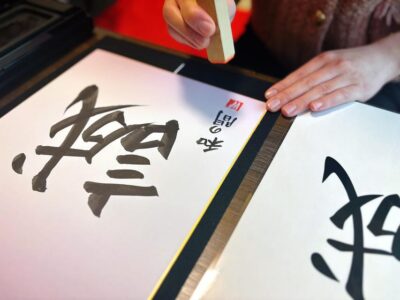
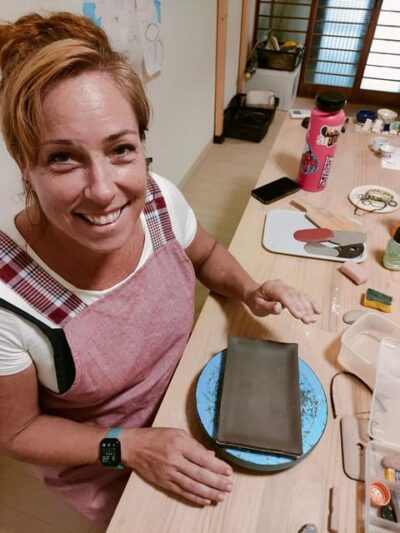
Traditional Japanese Ceramics Private Experience
Read our review →

Learning Zen of Japanese Calligraphy in kimono near Osaka Castle
Read our review →
Osaka Daruma Workshop — Paint Your Own Good-Luck Daruma
Read our review →Browse the lists this tour appears in