
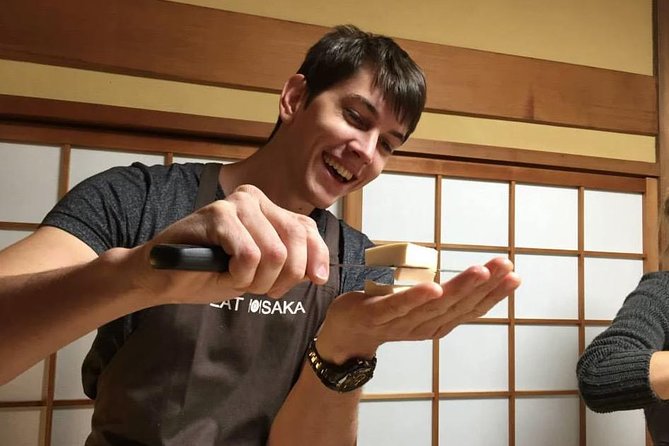
Reviewed · OSAKA COOKING CLASSES
Eat Osaka: Street Food Cooking in an Authentic Kitchen!
Osaka’s street food becomes much more memorable when you make it yourself. In this small-group class, you work in an old Japanese house and restaurant kitchen, using professional tools to prepare local dishes with help from a bilingual chef. Miki, Natalie, or Nathalie may lead the class, with the spelling of the guide’s name varying in the available details.
I especially like the maximum group size of eight, since cooking is far more useful when you can see the demonstrations and ask questions. I also like that you sit down to eat what you made, with beer, sake, or green tea included. The main thing to check before booking is the exact menu, since the published details list both an Osaka-style okonomiyaki and yakitori menu and another menu featuring udon, vegetable tempura, pickled cucumber, and mochi.
In This Review
- Key points at a glance
- Cooking Osaka food in an old Higashinari house
- What you may cook during the class
- Learning from Miki, Natalie, or Nathalie
- From preparation to the final meal
- Why the old kitchen setting matters
- Is $79.28 a fair price?
- Who will get the most from this class?
- Timing, transport, and booking details
- Should you book Eat Osaka?
- FAQ
- Where does the Eat Osaka cooking class meet?
- How long does the cooking class last?
- How many people can join the class?
- What food will I make?
- Are ingredients and instruction included?
- Are drinks included?
- Is the class taught in English?
- Is the class suitable for vegetarians?
- Can I cancel for a full refund?
Key points at a glance
- Cook in an old Japanese house: The setting gives the class a local feel rather than a polished restaurant-school atmosphere.
- Small group, up to eight people: You get more direct help with knives, batter, noodles, sauces, and cooking times.
- Menu details can vary: Listed dishes include okonomiyaki, yakitori, handmade udon, vegetable tempura, pickled cucumber, and mochi.
- A bilingual chef leads the class: Miki and Natalie or Nathalie are named in the supplied details, with patient instruction and room for questions.
- Your meal comes with a drink: Finish with local beer, sake, or green tea after the cooking is done.
- Good value for a hands-on meal: At $79.28 per person for about two and a half hours, you pay for instruction, ingredients, drinks, and a cultural activity.
Cooking Osaka food in an old Higashinari house
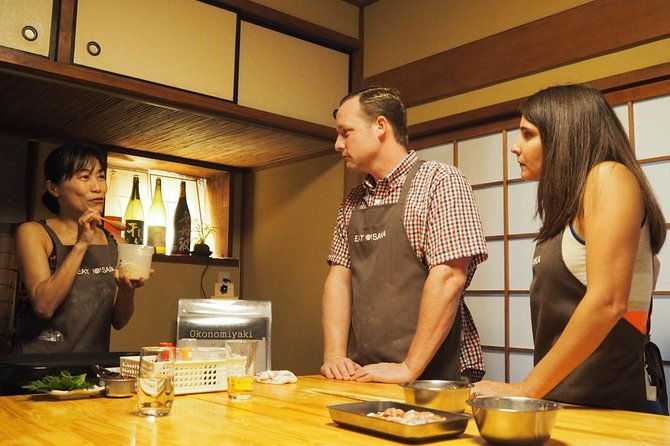
The class begins at Eat Osaka Higashinari, at 1-chome 2-10 Higashinaka, Higashinari Ward, Osaka. The experience starts and ends at this meeting point, which is near public transportation.
The old Japanese house is part of the appeal. You are not simply watching a chef prepare a plate in a modern demonstration kitchen. You work with ingredients and tools in a setting that connects the food to everyday Osaka cooking. That matters because Osaka’s food culture is built around casual dishes made for sharing, quick eating, and clever use of simple ingredients.
The class lasts about two hours and 30 minutes. That is enough time for instruction, preparation, cooking, sitting down to eat, and conversation without turning the outing into an all-day commitment. I would place it on a morning or afternoon when you want a break from sightseeing, rather than squeezing it between two tightly timed attractions.
The group limit is eight people. This is a useful size for a practical class. You should have a reasonable chance to see what the chef is doing and get help with your own work. It also leaves room for the social side of cooking, which can be part of the fun without making the class feel like a large workshop.
More Japanese home cooking classes:
- Osaka: Ramen and Gyoza Cooking Class in Dotonbori
★ 5.0 · 378 reviews - Osaka: Sumo Stage Show with Bento or Snack + Fight & Photo
★ 4.3 · 364 reviews - Osaka: Traditional Mochi Pounding Experience with Tasting
★ 4.9 · 306 reviews
What you may cook during the class
The published menu information is not fully consistent, so you should confirm the dishes offered for your date before booking if one particular food is the main reason you want to go.
One description focuses on Osaka-style okonomiyaki, a savory pancake prepared from scratch. The dish is closely tied to Osaka and is a good choice for a cooking lesson because the method involves mixing, shaping, managing heat, and adding toppings or sauce. You do not just learn a recipe. You get a feel for how a casual Japanese dish comes together.
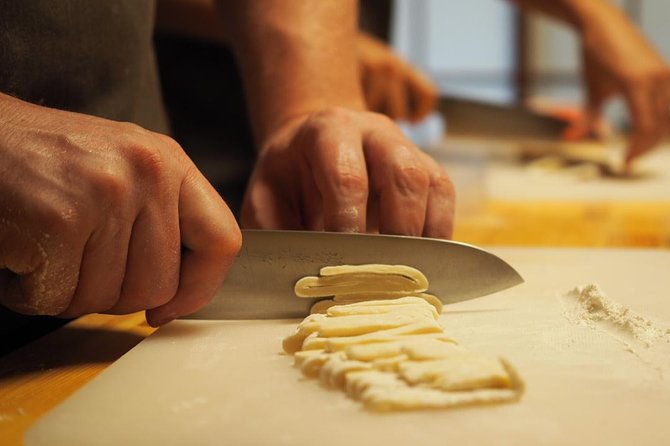
That same menu description also includes handmade udon noodles and yakitori skewers with a signature sauce. Making udon by hand gives the class a tactile part, since you work with the dough rather than opening a package. Yakitori adds another useful lesson in seasoning and sauce, with the skewers cooked and matched with a house-style flavor.
A second description lists Osaka-style tempura, handmade udon, pickled cucumber, and a sweet mochi dessert. Vegetable tempura is especially suited to a short class because you can learn about batter and frying without needing a long preparation period. Pickled cucumber gives the meal a sharp, fresh side, while mochi provides a simple sweet finish.
These menus are different enough that the class may use seasonal or session-specific variations, or the details may describe separate versions of the experience. The safest approach is to ask Eat Osaka what your booking includes. You should not assume that every dish listed will appear in one session.
Learning from Miki, Natalie, or Nathalie
The class is taught by a local bilingual chef. The names Miki and Natalie or Nathalie appear in the supplied details, with the spelling differing between entries. You may want to confirm who is teaching on your chosen date if that matters to you.
The teaching style is built around explaining both the steps and the reasons behind them. That is more useful than being handed a recipe and told to copy it. You can ask why a technique is used, how a sauce works, or what makes an Osaka version different from a dish found elsewhere in Japan.
The available feedback places strong emphasis on the instructors’ warmth, patience, and ability to create a relaxed setting. That is important for a hands-on class, especially if you are not comfortable cooking in front of other people. Family groups and first-time cooks should find the format approachable, while more experienced cooks can use the session to compare Japanese methods with their own.
One practical strength is the reported willingness to accommodate a vegetarian participant. That does not promise that every dietary request can be met, so you should contact the provider before booking if you have allergies, strict dietary rules, or other food concerns. Still, it suggests that discussing your needs in advance is worthwhile.
From preparation to the final meal
Expect the class to move through several stages rather than feeling like a single long demonstration.
First comes an introduction to the kitchen, ingredients, and tools. The chef then explains the dishes and shows the basic methods. Since all ingredients and instruction are included, you do not need to bring cooking supplies or shop for specialty items before arriving.
Next, you prepare the food under guidance. This is where the small group matters most. You can work at your own station or cooking area, follow the chef’s example, and ask for help as you go. Dishes such as udon and okonomiyaki are forgiving enough to be fun, but they still teach useful points about texture, mixing, shaping, and heat.
The tempura portion, when included, adds a different skill. Batter and frying require attention, and professional-level tools can help you understand how Japanese kitchens handle the process. You should still expect instruction rather than restaurant-level speed. The point is to learn and enjoy the work.
Finally, you sit down and eat the food you prepared. Beer, sake, and green tea are listed as drink options, along with welcome drinks at the start. The included beverage helps make the final meal feel like part of the experience rather than an extra purchase after class.
Eating your own work changes the way you notice the food. You remember how the udon dough felt, how the batter behaved, or how much sauce went into the dish. I find that this kind of meal gives you a better chance of repeating the recipe at home.
More street food walks and tastings:
- Osaka: Shinsekai Food Tour with 13-15 Dishes at 5 Eateries
★ 4.8 · 2,204 reviews - Osaka Food Tour: 13 Dishes at 5 Local Eateries
★ 5.0 · 2,149 reviews - Hungry Osaka Street Food Tour:15 Tastings & 3 Drinks with a Local
★ 5.0 · 1,727 reviews - Osaka Local Foodie Walking Tour in Dotonbori and Shinsekai
★ 5.0 · 985 reviews
Why the old kitchen setting matters
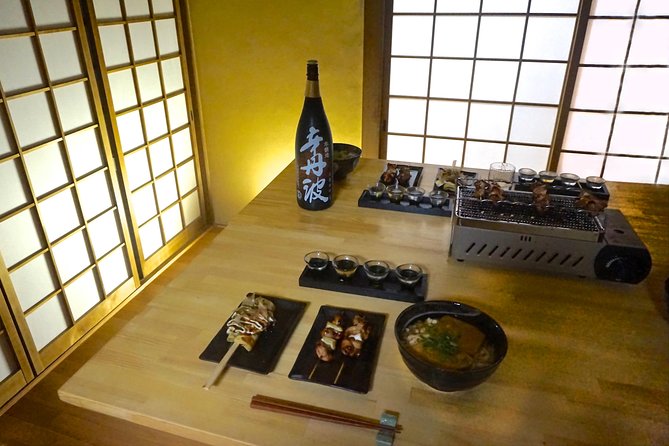
Osaka is often associated with easygoing food culture, and this class gives you a direct way to connect with that idea. Street food is not only something to photograph from a stall. It is also a set of methods, ingredients, sauces, and habits that you can understand better by making the food yourself.
The old house adds atmosphere without requiring a separate cultural tour. You are learning in a place that feels connected to Japanese domestic and restaurant traditions, rather than in a generic conference room. The setting also gives you a change of pace from Osaka’s major shopping streets and sightseeing areas.
You should keep your expectations realistic. This is a purpose-built cooking studio in an old Japanese house, not necessarily an actual operating street stall or a market tour. You will not be spending the session moving from vendor to vendor. The value comes from hands-on cooking and conversation, not from covering a large part of the city.
Is $79.28 a fair price?
At $79.28 per person, the price is reasonable if you want more than a meal. The fee covers the cooking class, ingredients, guidance, welcome drinks, and the food you prepare. It also includes about two and a half hours of structured activity, which is a useful block of time in an Osaka itinerary.
You are paying for personal attention as much as for ingredients. A larger class might offer similar dishes for less, but the maximum of eight gives this experience a more practical feel. You have a better chance of getting corrections and answers instead of standing behind a crowd.
The value is strongest for people who enjoy learning by doing. If you only want to taste okonomiyaki or udon, a restaurant will cost less and take less time. If you want a meal, a local setting, a bilingual instructor, and skills you can take home, the price makes more sense.
The included drinks are a pleasant extra, though I would not book the class for the sake of the alcohol alone. Green tea is available, so you can take part without choosing beer or sake.
Who will get the most from this class?
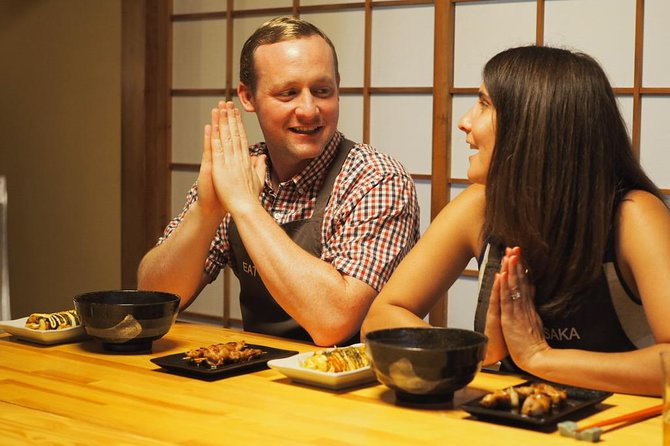
This is a strong fit for couples, families, and solo visitors who want a social activity with a clear focus. The class has enough structure for people who like practical instruction, but it also leaves room to talk with the chef and other participants.
Families should note that the available feedback specifically describes the hosts as patient and engaging with children and adults. The class can work well as a shared family activity, especially when everyone sits down to eat at the end.
Vegetarians may also find it suitable, provided arrangements are made ahead of time. The listed menu includes vegetable tempura and pickled cucumber, but other versions include yakitori, so do not rely on the standard menu without checking.
I would be less likely to recommend it to someone who dislikes group activities or wants a highly formal culinary course. The atmosphere sounds friendly and relaxed rather than strict or technical. It is a local food lesson with a meal, not professional chef training.
Timing, transport, and booking details
The class is near public transportation, but the provided information does not name the closest station or give a walking time. Use the full address in Higashinari Ward and allow enough time to find the old house, especially if you are unfamiliar with Osaka’s residential streets.
Your mobile ticket is accepted for the activity. Confirmation is provided at booking, and the experience returns to the same meeting point when it ends. That makes planning simpler, since you do not need to arrange a separate return location.
Free cancellation is available if you cancel at least 24 hours before the local start time. Cancellations made less than 24 hours ahead are not refunded, and late changes are not accepted. The class also requires a minimum number of participants. If Eat Osaka cancels because that minimum is not met, you will be offered another date or activity, or a full refund.
The 99 percent recommendation rate and five-star rating from 87 reviews indicate a very strong record, but the menu inconsistency is still worth checking. A quick message before booking can prevent disappointment if you have your heart set on mochi, yakitori, or okonomiyaki.
Should you book Eat Osaka?
Book this class if you want to make Osaka food rather than simply order it. The old house, small group, bilingual teaching, included drinks, and sit-down meal give the experience more substance than a quick cooking demonstration.
I would especially recommend it for a first visit to Osaka, families seeking a shared activity, and anyone who wants practical Japanese cooking skills. Ask about the exact menu and dietary options before paying. If you do that, the $79.28 price offers a fair mix of food, instruction, and local connection.
FAQ
Where does the Eat Osaka cooking class meet?
The class meets at Eat Osaka Higashinari, 1-chome 2-10 Higashinaka, Higashinari Ward, Osaka, Japan. The activity ends back at the same meeting point.
How long does the cooking class last?
The experience lasts approximately two hours and 30 minutes.
How many people can join the class?
The activity has a maximum of eight travelers, making it a small-group class.
What food will I make?
The supplied details list different menus. Possible dishes include Osaka-style okonomiyaki, handmade udon, yakitori with a signature sauce, vegetable tempura, pickled cucumber, and mochi dessert. Confirm the menu for your date before booking.
Are ingredients and instruction included?
Yes. The ingredients and cooking instruction are included in the experience.
Are drinks included?
Yes. Welcome drinks are included, and after cooking you can enjoy local beer, sake, or green tea with your meal.
Is the class taught in English?
A local bilingual chef leads the class. The available guide names include Miki and Natalie or Nathalie.
Is the class suitable for vegetarians?
A vegetarian participant was accommodated during one class, but you should contact Eat Osaka before booking to discuss your own dietary needs.
Can I cancel for a full refund?
Yes. You can cancel for a full refund up to 24 hours before the experience start time. Cancellations made less than 24 hours before the start are not refunded.
Just added around Osaka
- Nara Day Trip from Osaka with a Licensed Guide★ 5.0 · 3 reviews
- Osaka Early Morning Osaka Castle Tour Avoid Crowds★ 5.0 · 3 reviews
- Guided Tour of Some Attractions in Osaka by Private Car★ 5.0 · 3 reviews
- Private Transfer Between Kyoto and Kansai Airport KIX★ 5.0 · 3 reviews
- Shared Arrival Transfer: Osaka Itami Airport to Osaka City★ 5.0 · 3 reviews
- Osaka: Sushi Making Class and Dotonbori Food Tour★ 4.7 · 3 reviews
- Osaka Night Photography Workshop★ 5.0 · 3 reviews
- Kyoto Full day Tour Kinkakuji, Kiyomizu-dera and Fushimi Inari★ 4.5 · 3 reviews
Osaka Cooking Classes, compared.


Sumo Stage Show with Bento or Snack + Fight & Photo
Read our review →
Traditional Mochi Pounding Experience with Tasting
Read our review →
Osaka Cooking Class: Okonomiyaki &Japanese cuisines experience
Read our review →


Osaka Sake Tasting & Takoyaki Cooking Experience
Read our review →
Cooking Ramen&Gyoza/KatsuCurry/Bento/Okonomiyaki+Store Tour@Osaka
Read our review →Browse the lists this tour appears in