
Reviewed · OSAKA CRAFT WORKSHOPS
Seasonal Japanese Culture Osaka Paint and Wine Experience
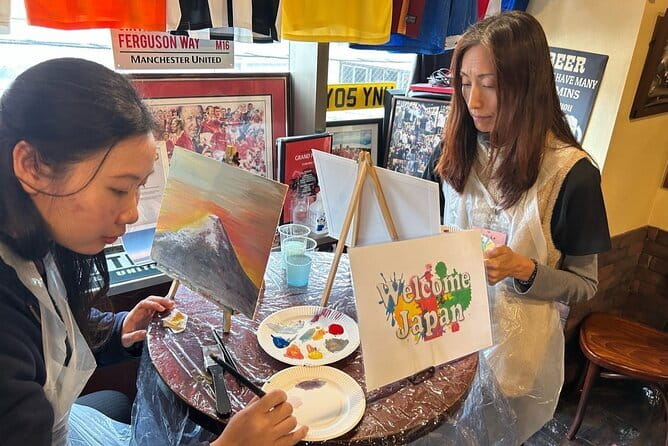
This Osaka paint-and-drink session turns Japanese seasonal scenes into a hands-on souvenir. You choose your brush, sip wine or a soft drink, and create an acrylic painting with help from instructor Miyuki, who is praised for clear English and practical advice. I like the easygoing social setting, and I like that you take home a real canvas rather than a disposable keepsake. One thing to know: this is not always a strict follow-along class, so you may have more creative freedom than expected.
I also like the simple format: two drinks, all art supplies, and about three hours at one location in Shinsaibashi. The tradeoff is that food is not included, and the venue’s exterior may look a little rough around the edges before you find the relaxed room inside.
In This Review
- Key points at a glance
- Why this paint session feels different from a standard art class
- Arriving in Shinsaibashi at 1:30 pm
- Getting started with acrylic paint
- Painting a Japanese season on canvas
- A gallery break and time to chat
- Two drinks, but no meal
- The monthly themes and what they add
- Who will get the most from this experience
- What to know before you book
- Should you book the Osaka paint and wine experience?
- FAQ
- Where does the painting experience take place?
- What time does the activity start?
- How long does the experience last?
- Where does the activity end?
- What drinks are included?
- Can people under 20 drink alcohol during the activity?
- Is food included?
- Do I need painting experience?
- Are painting materials supplied?
- Can I take my painting home?
- How many people can join the session?
- Can I cancel for a full refund?
Key points at a glance

- Seasonal Japanese themes: Paint cherry blossoms, fireworks, Halloween scenes, Christmas subjects, and other designs tied to the month.
- Miyuki’s beginner-friendly help: You receive advice on both drawing and painting techniques, with instruction available in English.
- Two drinks included: Choose wine or soft drinks while you work. Anyone under 20 receives non-alcoholic drinks.
- Your own artwork to take home: The finished painting becomes a personal Osaka souvenir.
- A social group of up to 20: The class leaves room for conversation with local people and international visitors.
- A three-hour afternoon activity: The 1:30 pm start fits well between lunch and an evening in Dotonbori or Shinsaibashi.
Why this paint session feels different from a standard art class
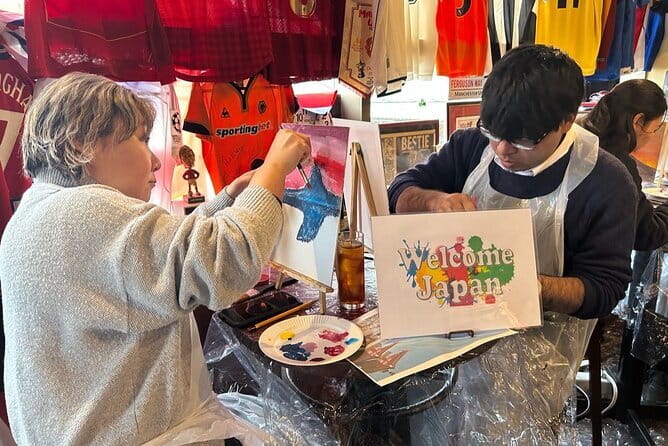
Many paint-and-sip events ask everyone to copy one finished picture step by step. This Osaka experience may work differently. The seasonal subject gives you a direction, but the format can allow you to make your own choices rather than produce twenty nearly identical canvases.
That distinction matters. If you want a polished result that follows an instructor’s brush stroke by brush stroke, ask for guidance early. If you prefer a loose art session where your painting can develop in its own way, this format gives you more space.
The themes connect the activity to Japan without turning it into a formal cultural lecture. In March, for example, the subject is cherry blossoms. Other months feature Hatsumode, sky lanterns, Easter, Osaka, Umbrella Street, fireworks, the ocean, autumn in Kyoto, Halloween, snow monkeys, and Christmas.
The result is a souvenir with a clear connection to the time of year. A March painting can recall spring in Japan, while a July fireworks scene or September Kyoto subject gives the activity a different mood. The monthly theme also means the experience changes during the year, so it is not quite the same class every month.
More traditional craft workshops:
- 1.5〜2 Hours Traditional Kintsugi Work Shop in Namba Osaka
★ 5.0 · 75 reviews - Osaka: Private Japanese Calligraphy Experience
★ 5.0 · 66 reviews - From Osaka: Sakai Knife Maker or Blacksmith Walking Tour
★ 4.9 · 64 reviews
Arriving in Shinsaibashi at 1:30 pm
The meeting point is Cafe&Bar go garageGallery Bldg. at 1-chōme-18-6 Higashishinsaibashi, Chuo Ward, Osaka, postal code 542-0083. The area is near public transportation, so you can reach it as part of a day in central Osaka.
The activity begins at 1:30 pm and ends at the same place after roughly three hours. That timing is useful. You can have lunch first, paint through the afternoon, then continue into the evening for shopping, dinner, or nightlife in the Shinsaibashi area.
Give yourself enough time to find the building. One piece of practical advice is worth noting: the outside may not look especially inviting. A past comment described the exterior as a little scary, while the interior atmosphere was relaxed and comfortable. Do not judge the room from the entrance alone.
There is no transfer between several stops. You settle in at one venue, which keeps the pace calm and avoids losing painting time to transport. The mobile ticket also makes it easy to keep your booking on your phone.
Getting started with acrylic paint
Beginners receive an introduction at the start, and the group begins painting together. The supplied materials include high-quality paints, canvas and other painting equipment, plus aprons and gloves. You do not need to pack brushes, paint, or protective clothing.
That all-in setup is a real benefit for a short Osaka visit. You can try acrylic painting without buying supplies or worrying about how to carry wet art through the city. The apron and gloves also make the activity less stressful if you are more interested in enjoying yourself than keeping your clothes spotless.
Miyuki is an important part of the experience. She is described as a trained artist who gives advice on drawing and painting techniques. She is also praised for speaking English well, which helps if you want more than a quick demonstration.
You can ask for help with basic choices such as composition, brushwork, or how to build up color. The instruction seems suited to first-time painters, but it can also give an experienced artist a few useful ideas. The session is not presented as a technical art course, so you should expect friendly guidance rather than a formal lesson in fine-art theory.
Painting a Japanese season on canvas
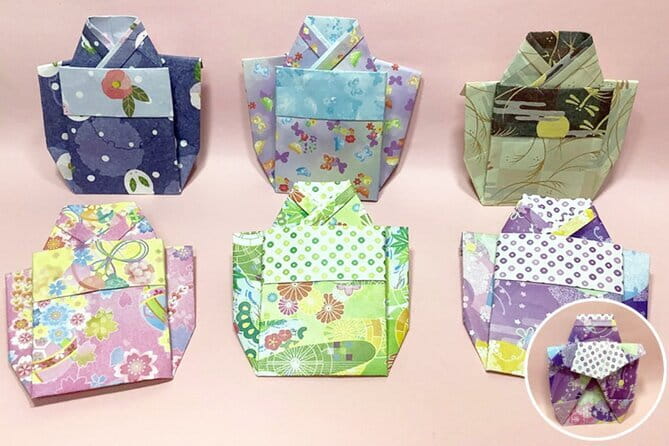
The central activity is the painting itself. You work with acrylic paint to capture a seasonal Japanese subject, perhaps cherry blossoms in full bloom, night sakura, wind bells, fireworks, or another monthly theme.
Acrylic is a sensible choice for this setting. It dries faster than many oil paints, gives beginners room to build color, and works well for bold seasonal images. You can create something simple and graphic or add more detail as your confidence grows.
The mood is meant to stay relaxed. You can paint while talking, pause to look at the gallery, and return to your canvas. Several people have described the class as calm, friendly, and easy to join even without art experience. That makes it a good break from Osaka’s crowded shopping streets and bright evening districts.
Still, keep your expectations realistic. Your finished work will be your own, but it may not look like a professional studio painting. The point is the process and the personal souvenir. If you are nervous about your skill, remember that the instructor’s role is to help you improve the painting you have, not judge it.
A few more Osaka tours and experiences worth a look
- Osaka Winery Tour with Wine Tasting & Vineyard Walk
★ 4.9 · 12 reviews
A gallery break and time to chat
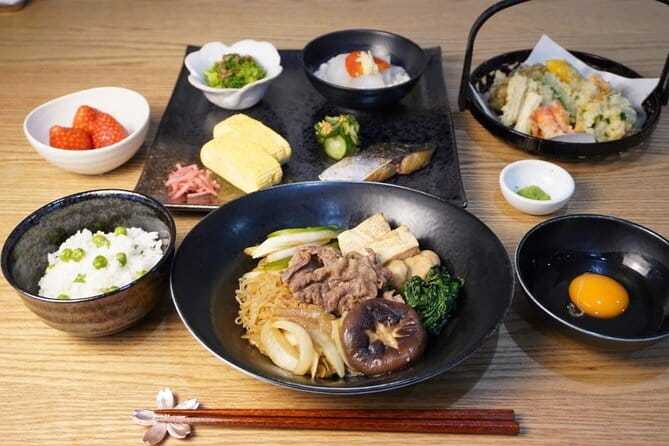
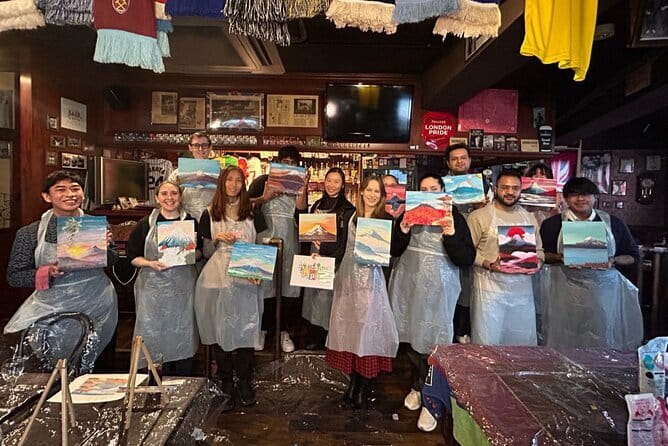
The session includes time to explore a gallery, talk with the group, and continue painting. This helps break up the three-hour period, especially if you are new to art and need a short pause from concentrating on the canvas.
The social side is one of the strongest reasons to book. You may meet people from different countries and chat with local participants while you work. The group size is capped at 20, so the room can feel social without being a huge workshop.
This setup suits solo visitors who want an activity with natural conversation. It also works for couples and friends, especially if one person is keen on art and the other is simply looking for something different to do. One especially useful detail is that you do not have to be an artist to fit in. First-time painters have been able to finish a picture and enjoy the event.
The social tone is not guaranteed to be identical each day. Some groups may chat often, while others may focus quietly on painting. Either way, the activity gives you an easy shared subject, which is often more comfortable than trying to start a conversation from nothing.
Two drinks, but no meal
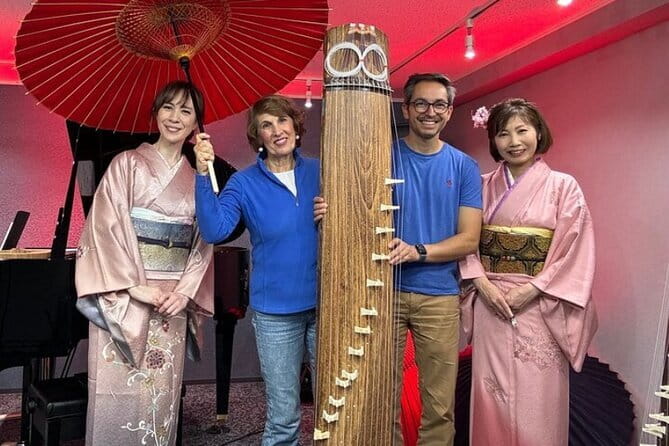
The price is $63.93 per person. That includes two drinks, either wine or soft drinks, along with instruction and all painting materials. You also keep the finished artwork.
I consider that fair value if you want a full afternoon activity rather than a quick craft stop. The price covers the main things that could otherwise add up: drinks, supplies, protective gear, instruction, and a canvas to take away. It also gives you three hours of structured time in central Osaka.
Food is not included. Plan to eat before arriving or after the session, especially since painting can make three hours pass quickly. The location in Shinsaibashi makes it easy to pair the class with a meal elsewhere, but you should not arrive expecting a full lunch with your wine.
The drink choice is flexible enough for mixed groups. Adults can choose wine or a soft drink, and Japanese law means anyone under 20 receives non-alcoholic drinks. The event is therefore not limited to people who want to drink alcohol.
The monthly themes and what they add
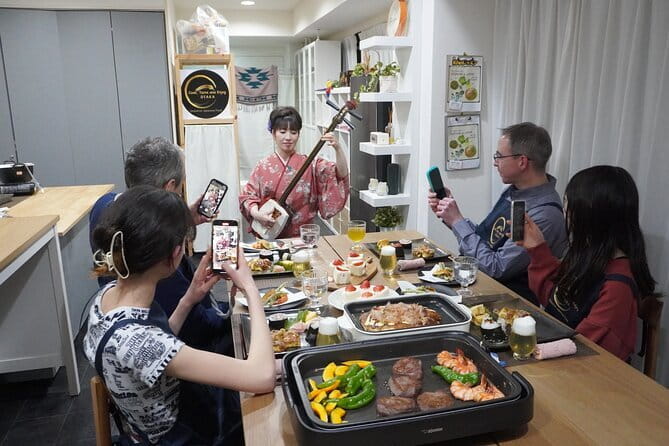
The seasonal schedule gives you a reason to consider the date carefully. The listed subjects are:
- January: Hatsumode, the first shrine visit of the year
- February: Sky lanterns
- March: Cherry blossoms
- April: Easter
- May: Osaka
- June: Umbrella Street
- July: Fireworks
- August: Ocean
- September: Autumn in Kyoto
- October: Halloween
- November: Snow monkeys
- December: Christmas
March is an obvious choice if you want a classic spring image. Cherry blossoms are one of Japan’s most recognizable seasonal symbols, and painting them lets you create a memento that is tied to your visit rather than simply buying a standard souvenir.
Other months offer a wider range. The Osaka theme may appeal if you want the city itself represented. Autumn in Kyoto gives you a traditional seasonal feel, while fireworks and Umbrella Street can produce more colorful, playful subjects.
The themes may be subject to change, so check the current subject when booking. That is especially important if you are choosing the experience for a particular painting, such as cherry blossoms or Halloween.
Who will get the most from this experience
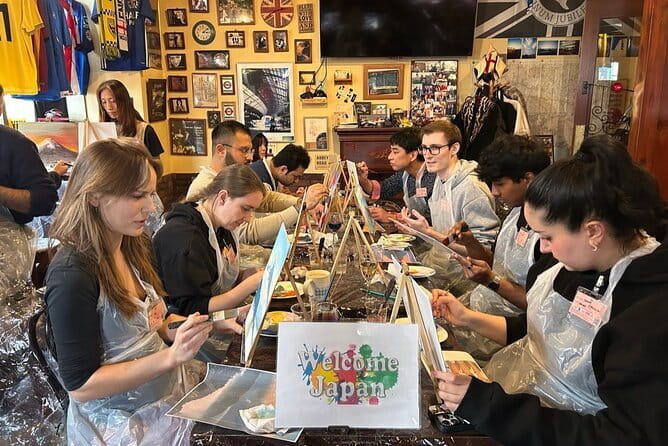
I would recommend this for first-time painters, creative couples, solo visitors, and anyone who wants a slower afternoon in Osaka. It is also a good birthday idea. One person booked it for a girlfriend’s birthday and found that it gave a non-artist a comfortable way to join an art-focused activity.
You do not need previous painting experience. The supplies are provided, the introduction is designed to help beginners, and Miyuki can offer individual advice. The group setting also removes some pressure because everyone is working on a personal piece.
Art lovers who want a more open format may enjoy it most. If you expect exact, synchronized instruction, clarify the style at the start. The class can involve painting freely within the seasonal idea, which is a strength for some people and a surprise for others.
Families with younger children should check age details before booking. The supplied information specifically explains the alcohol rule for people under 20, but it does not provide a minimum child age.
What to know before you book
Book at least a day ahead if you want the safety of a full refund. Free cancellation is available until 24 hours before the 1:30 pm start time. Changes or cancellations inside that window are not accepted for a refund.
The activity is near public transportation, begins and ends at the same meeting point, and accepts mobile tickets. Most people can participate, but the information does not give detailed guidance about wheelchair access or specific mobility needs. If that matters to you, contact the provider before paying.
Welcome Tokyo operates the experience, and the maximum group size is 20. That limit is useful because painting needs table space and personal attention. It also keeps the social side manageable.
Bring yourself, your booking on your phone, and clothes you do not mind wearing for an art activity. Aprons and gloves are included, but sensible clothing is still a good idea.
Should you book the Osaka paint and wine experience?
Book it if you want to make something personal, meet people in a relaxed setting, and take a break from sightseeing. The combination of two drinks, supplied materials, a seasonal Japanese theme, and a canvas to keep makes the $63.93 price reasonable for a three-hour activity.
I would be more cautious if you want a formal art lesson, a meal, or a tightly controlled copy-the-instructor format. You may have freedom to create your own version of the theme, and food is not included.
For most visitors, the best reason to choose this is simple: you leave with an object you made during your time in Osaka. The painting may not be perfect, but it will carry the date, the season, and the memory of an afternoon spent doing something rather than only looking at things.
FAQ
Where does the painting experience take place?
It takes place at Cafe&Bar go garageGallery Bldg., 1-chōme-18-6 Higashishinsaibashi, Chuo Ward, Osaka, 542-0083, Japan.
What time does the activity start?
The activity starts at 1:30 pm.
How long does the experience last?
It lasts approximately three hours.
Where does the activity end?
It ends back at the meeting point.
What drinks are included?
Two drinks are included. You can choose wine or a soft drink.
Can people under 20 drink alcohol during the activity?
No. Japanese law prohibits alcohol for people under 20, so non-alcoholic drinks are provided to minors.
Is food included?
No. Food is not included in the price.
Do I need painting experience?
No. The activity is suitable for beginners, and an introduction and painting guidance are provided.
Are painting materials supplied?
Yes. Paints and other painting supplies are provided, along with aprons and gloves.
Can I take my painting home?
Yes. You can take your finished artwork with you.
How many people can join the session?
The maximum group size is 20 people.
Can I cancel for a full refund?
Yes, if you cancel at least 24 hours before the experience start time. Cancellations made less than 24 hours before the start are not refunded.
Just added around Osaka
- Nara Day Trip from Osaka with a Licensed Guide★ 5.0 · 3 reviews
- Osaka Early Morning Osaka Castle Tour Avoid Crowds★ 5.0 · 3 reviews
- Guided Tour of Some Attractions in Osaka by Private Car★ 5.0 · 3 reviews
- Private Transfer Between Kyoto and Kansai Airport KIX★ 5.0 · 3 reviews
- Shared Arrival Transfer: Osaka Itami Airport to Osaka City★ 5.0 · 3 reviews
- Osaka: Sushi Making Class and Dotonbori Food Tour★ 4.7 · 3 reviews
- Osaka Night Photography Workshop★ 5.0 · 3 reviews
- Kyoto Full day Tour Kinkakuji, Kiyomizu-dera and Fushimi Inari★ 4.5 · 3 reviews
Osaka Craft Workshops, compared.
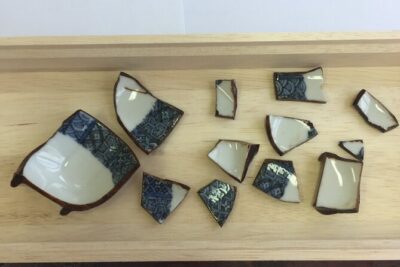
1.5〜2 Hours Traditional Kintsugi Work Shop in Namba Osaka
Read our review →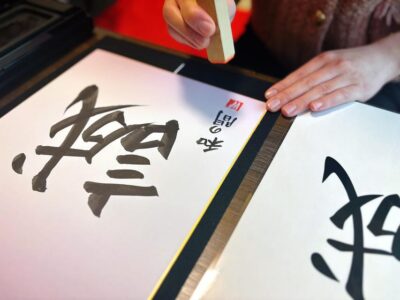
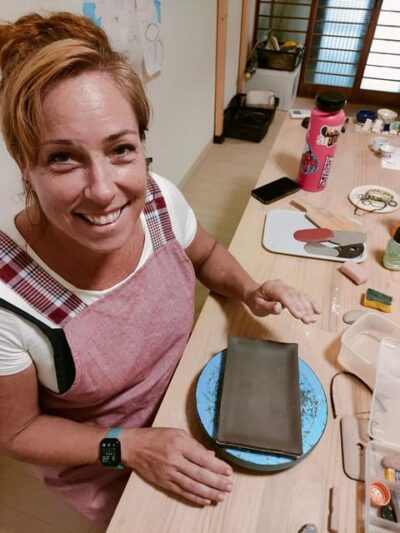
Traditional Japanese Ceramics Private Experience
Read our review →

Learning Zen of Japanese Calligraphy in kimono near Osaka Castle
Read our review →
Osaka Daruma Workshop — Paint Your Own Good-Luck Daruma
Read our review →Browse the lists this tour appears in