
Reviewed · OSAKA STREET FOOD TOURS
Osaka:SUMO BEATS SHOWCASE: Taiko Drum and Wagyu burger!
The most striking part of this Osaka night is the sudden change from quiet anticipation to the pounding force of taiko drums and a sumo clash. At PICCADILLY PREMIUM, a nightclub opened in Umeda in February 2025, sumo is presented alongside flute, shamisen, music, food, and audience participation.
I like two things here: you get a short lesson in sumo technique and history before seeing the action, and you are not kept at arm’s length from it. The chance to challenge a wrestler gives the evening a comic, physical edge. The Wagyu burger and drink also make the $67 price easier to accept.
The main consideration is tone. This is a polished entertainment show, not a formal tournament or a quiet cultural lecture. Most people will find that fun, but one poor reaction called it awkward and inauthentic, and the burger may arrive cold. The venue can also be tricky to find, so allow time.
In This Review
- Key points at a glance
- A sumo show with a nightclub setting
- Learning the basics before the match
- When taiko meets the dohyo
- The serious match and the weight of the clash
- Your turn in the sumo challenge
- The final meeting with the wrestlers
- The Wagyu burger and vegan choice
- Timing, arrival, and the Umeda location
- Who gets the best value for $67
- Booking flexibility and practical limits
- Should you book the SUMO BEATS SHOWCASE?
- FAQ
- Where is the SUMO BEATS SHOWCASE held?
- How much does the experience cost?
- What is included in the ticket?
- Is there a vegan food option?
- What happens during the show?
- Which traditional instruments are featured?
- Can I challenge a sumo wrestler?
- When should I arrive?
- Is smoking allowed at the venue?
- Can I reserve now and pay later?
- What is the cancellation policy?
Key points at a glance
- Sumo with live Japanese instruments: Taiko, flute, and shamisen shape the show’s sound, from a quiet opening to a full burst of energy.
- A real contest, not only a demonstration: The program presents a serious match close to the audience.
- Audience participation: You can learn sumo movements and possibly face a wrestler in the challenge portion.
- Food is part of the ticket: The $67 admission includes a SUMO Wagyu burger and one drink.
- Vegan option available: You can request a soy-meat burger instead of Wagyu.
- Arrive early: Reception begins 45 minutes before the performance, and you should be seated 15 minutes before showtime.
A sumo show with a nightclub setting
This is not a visit to a sumo stable or a day at a tournament hall. It is an evening entertainment program staged inside PICCADILLY PREMIUM, a nightclub in Umeda, Osaka. That setting tells you a lot about the mood: the performance is built for energy, laughs, music, and close-up action.
The opening is designed around contrast. The room begins in silence, then the sound expands with Japanese drums and other traditional instruments. I like that choice because it gives the show a theatrical start rather than simply placing wrestlers in front of you and asking them to begin.
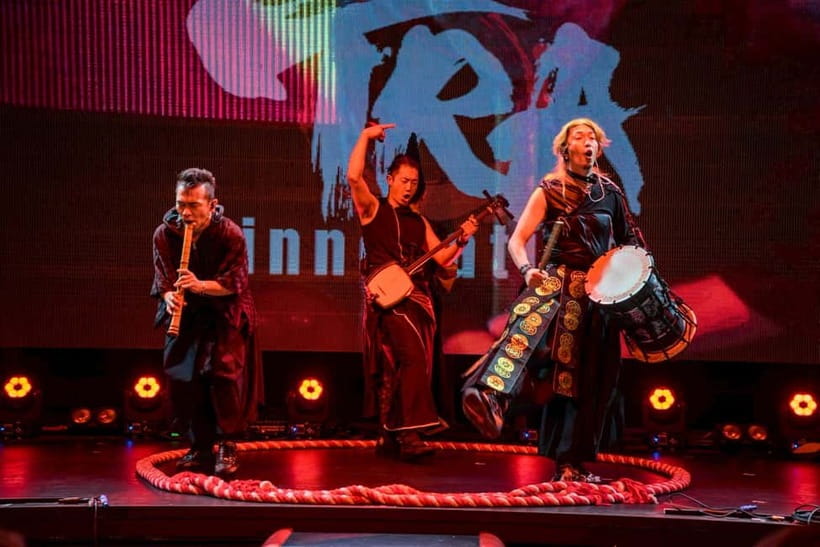
The mix includes taiko drums, flute, and shamisen. The instruments do more than fill pauses. They connect the sumo demonstration to a wider view of Japanese performance culture. The drumming received especially warm praise, and I can see why: taiko gives physical weight to the evening in much the same way that a sumo charge does.
The venue itself appears surprisingly attractive once you are inside, though the entrance can be hard to locate. One useful practical detail is that help is available through the booking chat if you get stuck. I would not wait until the last minute to search for the door.
More street food walks and tastings:
- Osaka: Shinsekai Food Tour with 13-15 Dishes at 5 Eateries
★ 4.8 · 2,204 reviews - Osaka Food Tour: 13 Dishes at 5 Local Eateries
★ 5.0 · 2,149 reviews - Hungry Osaka Street Food Tour:15 Tastings & 3 Drinks with a Local
★ 5.0 · 1,727 reviews
Learning the basics before the match
The program first introduces sumo movements and history. That matters because sumo can look simple if you only see two large wrestlers pushing at one another. The stance, balance, footwork, and ritual gestures give the action its meaning.
You will have a chance to understand what the wrestlers are doing before the contest begins. This makes the later clash easier to follow, especially if you know little about sumo. It also gives the show a useful cultural layer instead of reducing the sport to a quick comic routine.
I appreciate this teaching section because it gives you something to watch for. A sumo match is brief, and much of its drama comes from what happens before the decisive push. Once you know the basic movements, a shift in balance or a change in stance becomes more than a blur of bodies.
The presentation is intended to be accessible and light. The host helps keep the pace moving, and the evening includes humor as well as explanation. If you want a formal, detailed account of sumo rules, this will probably feel limited. If you want a friendly introduction before seeing the action at close range, it fits the bill.
When taiko meets the dohyo
The most unusual feature is the collision of two performance traditions: sumo and Japanese instrumental music. Taiko drums, flute, and shamisen create a live frame around the wrestling, giving the show a concert feel as well as a sporting one.
The instruments also help mark changes in mood. The opening moves from silence into a strong burst, and the music supports the sense of ceremony and confrontation. I would choose this show for someone who wants several pieces of Japanese culture in one sitting, rather than a single focused activity.
There is a risk in combining traditions this way. Some people will enjoy the creative pairing, while others may feel that the nightclub presentation turns a serious sport into a staged spectacle. That criticism is worth taking seriously. The show is clearly meant to entertain first, with education and cultural context built into the format.
Still, the live music appears to be one of the evening’s strongest elements. The drums, in particular, give the program a pulse that recorded background music could not provide. The band, host, and DJ all contribute to the sense that this is a produced night out, not simply a talk followed by a demonstration.
The serious match and the weight of the clash
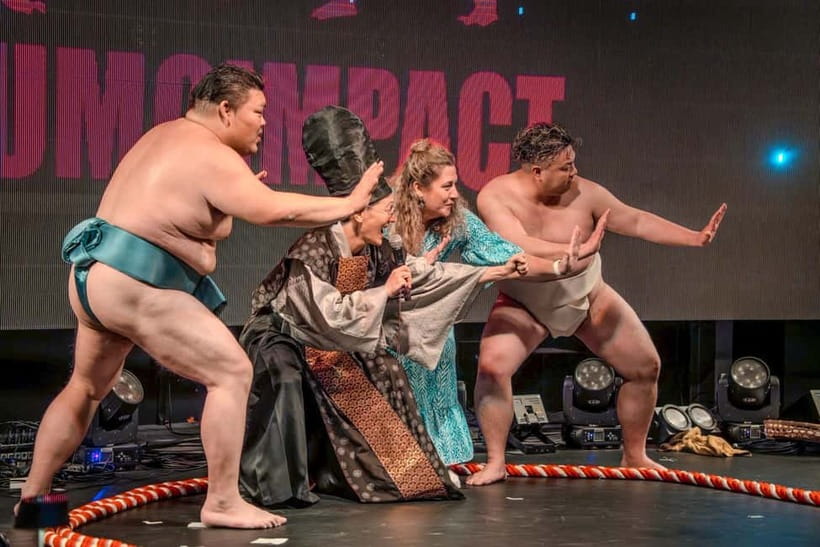
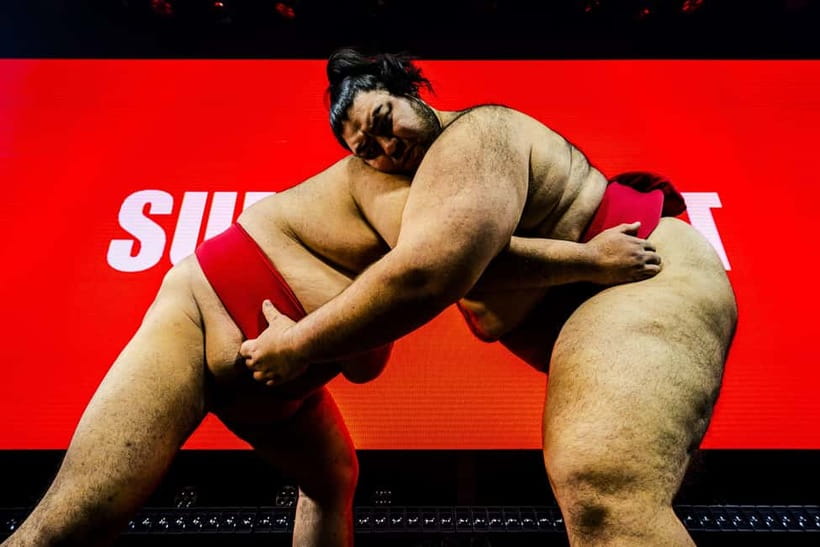
The central contest is presented as a genuine match rather than a purely scripted demonstration. That is important for the value of the experience. You are not only watching wrestlers explain a technique, you are seeing the force and timing of a direct clash at close range.
The program frames this as a battle of fighting spirit. Sumo can be over in seconds, but the buildup makes those seconds count. You see the wrestlers prepare, face one another, and commit their weight. The impact is easier to appreciate when you are close enough to sense how much power is involved.
I would keep your expectations measured. This is an entertainment showcase, so the surrounding music, hosting, and audience work are part of the package. It is not a replacement for attending a major professional sumo tournament, and it does not offer the broad competition, formal atmosphere, or long day of bouts that you would find there.
For a first introduction, though, the close-up scale works well. You get to focus on the wrestlers and the clash without needing to understand a full tournament schedule. The format also suits families and small groups looking for a shared evening activity.
More sumo, taiko and stage shows:
- Osaka: Sumo Show & Experience w/ Optional Kimono & Hot Pot
★ 4.5 · 609 reviews - Osaka: Sumo Stage Show with Bento or Snack + Fight & Photo
★ 4.3 · 364 reviews - Osaka: English Stand Up Comedy Show at Osaka Comedy Club
★ 4.7 · 203 reviews - Osaka: UTAGE Japanese Taiko Live Show
★ 4.9 · 167 reviews
Your turn in the sumo challenge
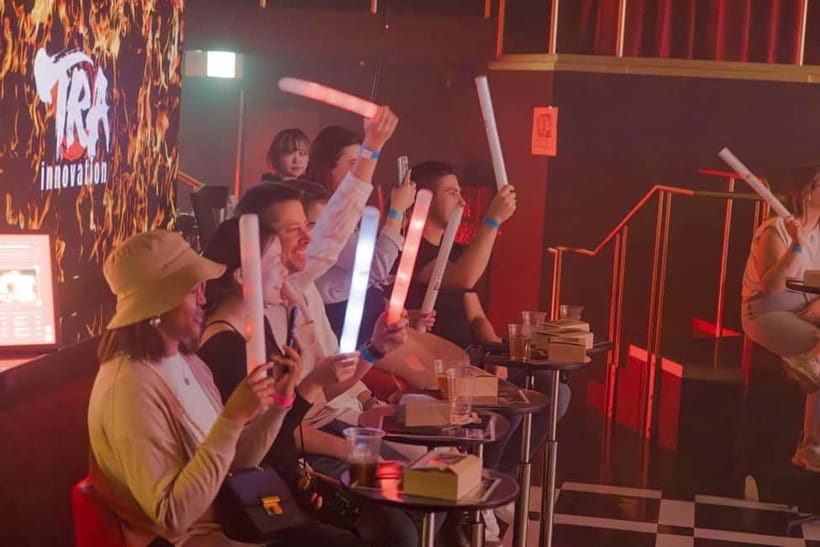
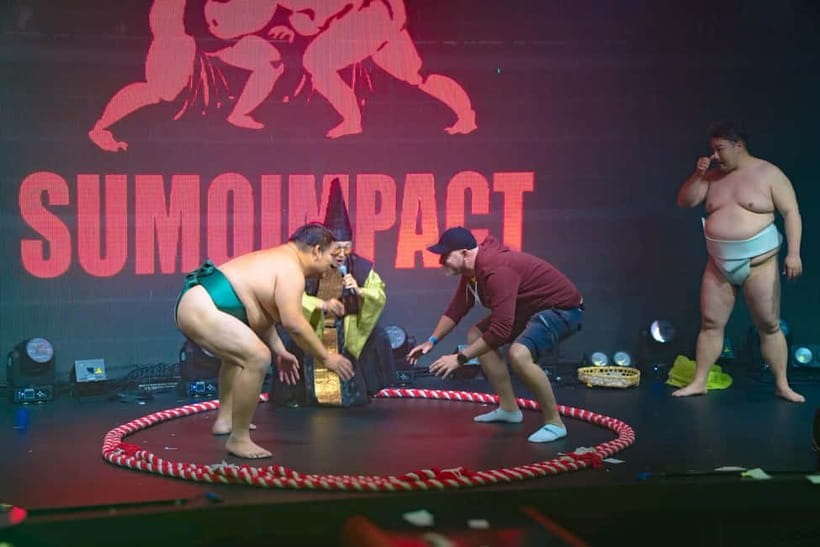
The participatory section is where the show shifts from watching to doing. Audience members can take part in a sumo challenge and may find themselves facing one of the wrestlers. This is the portion most likely to produce big laughs and memorable photos, though the supplied information does not promise that every person will participate.
You should expect this to be playful rather than a serious test of strength. The point is to feel, in a safe and comic way, just how difficult it is to move a trained sumo wrestler. Even a brief push against someone with that size and balance can make the lesson more convincing than a long explanation.
I like this part because it breaks down the barrier between performer and audience. You are not simply sitting in a nightclub watching a stage act. You may get a small physical taste of the sport and a better sense of why technique matters.
It is also the section that may not suit everyone. If you dislike being called on in front of a crowd, you may prefer to enjoy the challenge from your seat. The program includes audience participation, but you should not book it assuming you must go into the ring.
The final meeting with the wrestlers
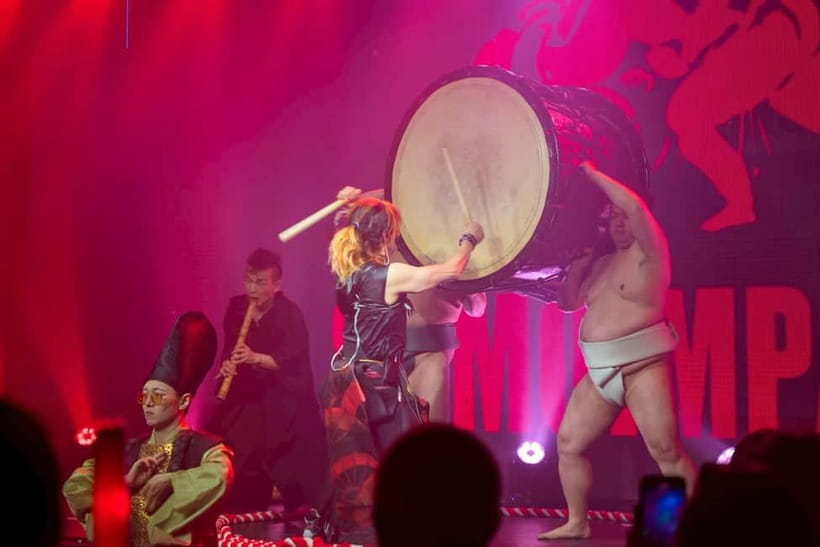
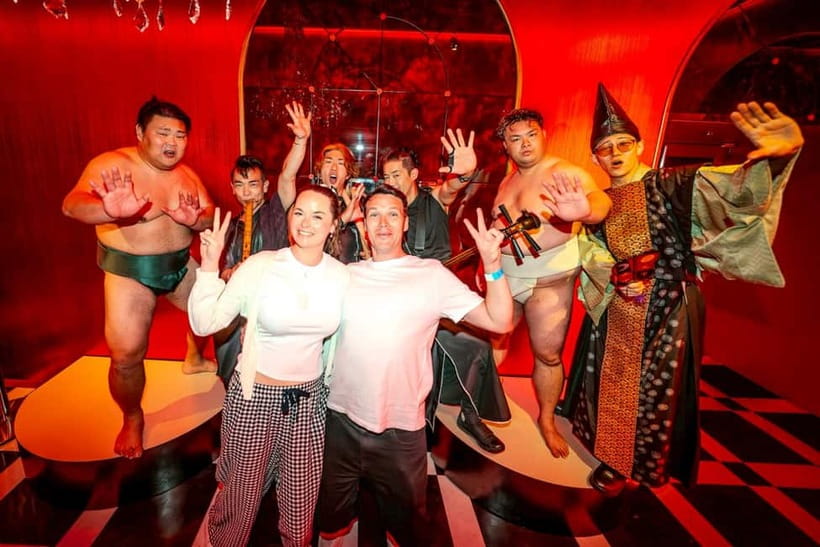
The show ends with interaction with the sumo wrestlers. That closing gives the evening a more personal finish after the music, lesson, and match. You have already seen the wrestlers perform, and the final contact lets you connect the people on stage with the cultural tradition being presented.
The host and DJ help keep the atmosphere loose, while the band supplies another important part of the night’s character. The combination makes the ending feel like a social event rather than a lecture that simply stops when the information is finished.
I would see this as especially useful for families and groups of friends. The format offers several points of interest: movement for children, music for people who enjoy performance, cultural explanation for first-time visitors, and food for anyone who wants a simple dinner included with the activity.
The tone is deliberately friendly and humorous. If you want solemn ceremony, choose a more formal sumo setting. If you want an approachable introduction with plenty of personality, this ending should suit you.
The Wagyu burger and vegan choice
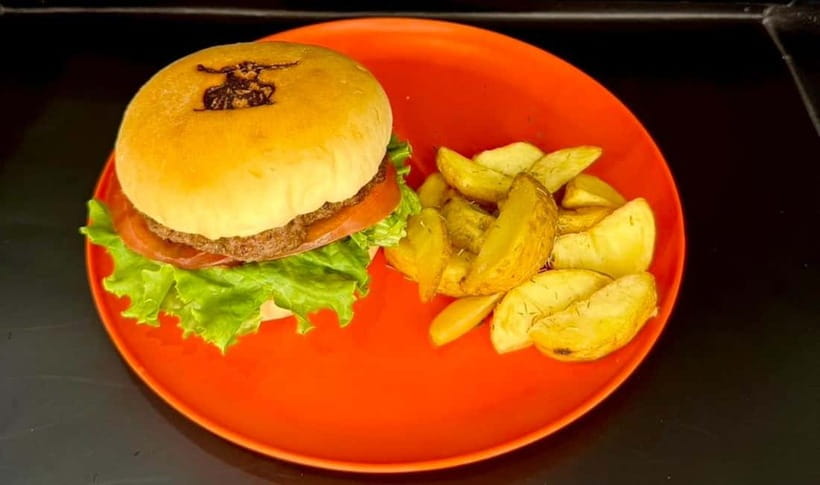
The ticket includes admission, one SUMO Wagyu burger, and one drink. At $67 per person, that combination matters. You are not paying only for a seat at a short performance, since part of the cost covers a meal and beverage as well.
The burger uses premium Wagyu beef, so the food is meant to echo the sumo theme while offering something familiar to international visitors. Several people found the burger good, and the meal helps make this an easy evening plan in Umeda. You can eat and drink before the performance begins, since you should be seated 15 minutes before the show.
One practical warning: the burger may be served cold. That was a specific complaint, and it is the clearest food-related weakness in the information available. If your meal arrives colder than expected, you may want to raise it with the venue rather than quietly assume that is the intended presentation.
Vegans are not left out. A soy-meat burger is available instead of the Wagyu option. The information does not specify other dietary choices or ingredient details, so you should not assume that further substitutions are included.
Timing, arrival, and the Umeda location
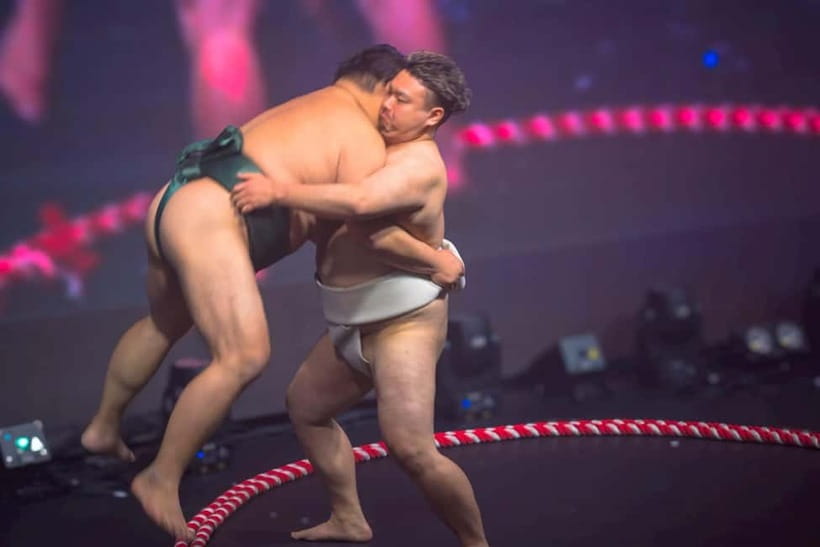
Reception begins 45 minutes before the performance. That sounds generous, but check-in and seating can take time, especially when several people arrive together. You should aim to be at the venue early enough to deal with the location and reception process without rushing.
The seating deadline is 15 minutes before the show starts. Until then, you can enjoy your burger and drink. This early arrival period is useful because it separates the practical business of getting seated from the opening performance.
The venue is non-smoking. A smoking booth is available at a separate location, so you need to leave the performance area if you want to smoke. That is a small point, but it matters for anyone planning a longer evening.
Finding PICCADILLY PREMIUM may take more effort than expected. I would keep the venue details ready and use the chat support if you cannot locate the entrance. The nightclub setting may feel slightly uncertain from the outside, but the performance area itself has been described as surprisingly attractive.
Who gets the best value for $67
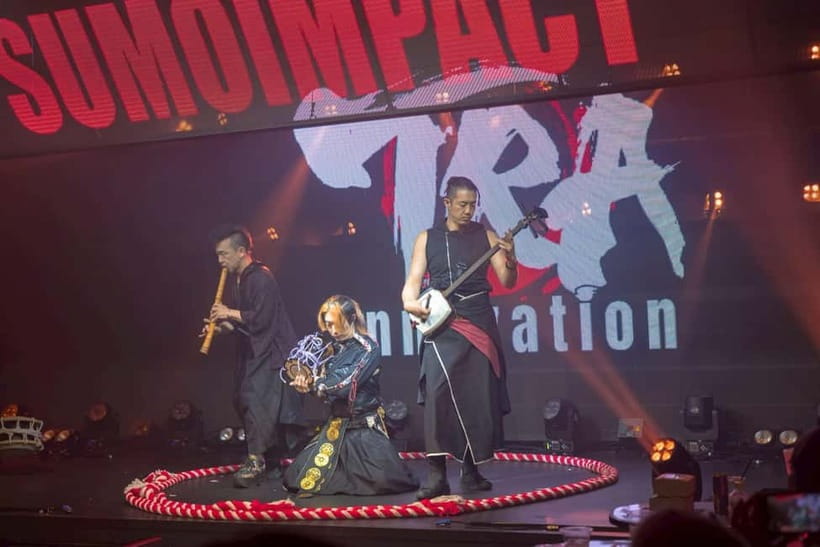
I think the price works best for someone who wants a complete night out rather than a single cultural demonstration. The ticket combines live music, sumo instruction, a match, audience participation, a burger, and a drink. Buying each element separately would not be practical, so the value comes from having everything bundled into one plan.
Families may find the varied format useful. A child who loses interest during the history section may enjoy the drums, while an adult who came for sumo may appreciate the music and food. The light humor also keeps the event from feeling too formal.
It suits first-time visitors to Japan who want a clear, easy introduction to sumo without committing to a tournament day. It also works for a group that wants something different from another restaurant meal or standard stage performance.
I would hesitate if you are seeking strict authenticity above all else. The nightclub venue, DJ, audience challenge, and staged structure make the show accessible, but they also make it a modern entertainment product. One person found it poor in taste and not authentic at all, so you should know the format is not designed for purists.
The price may also feel high if you mainly want to see one short match and do not care about the music or meal. The value improves when you take part in the full package.
Booking flexibility and practical limits
You can reserve now and pay later, which is helpful if your Osaka plans are still shifting. Cancellation is available up to 24 hours before the activity for a full refund, according to the supplied booking terms.
The exact performance length is not provided, so I would avoid planning another fixed appointment immediately afterward. Reception starts well before showtime, and the program includes several sections rather than a single bout.
No guide names are provided. The presentation does include a host, DJ, live instrumental performers, and sumo wrestlers, but you should not expect a named private guide leading you around Osaka. This is a venue-based show.
Should you book the SUMO BEATS SHOWCASE?
Book it if you want sumo, live Japanese music, food, and audience fun in one evening. The taiko performance, close-up match, and chance to challenge a wrestler are the strongest reasons to go. The included Wagyu burger and drink make the $67 cost more reasonable, and the soy-meat option gives vegans a clear alternative.
Skip it if you want a formal tournament atmosphere or a strictly traditional presentation. The nightclub setting and playful hosting are central to the format, not minor details. Also arrive early, expect some difficulty finding the venue, and keep your expectations flexible about the burger being served hot.
For most visitors seeking a lively introduction to sumo, I would consider it a good-value cultural night out, with the understanding that its main aim is entertainment.
FAQ
Where is the SUMO BEATS SHOWCASE held?
It is held at PICCADILLY PREMIUM in Umeda, Osaka, on Honshu, Japan.
How much does the experience cost?
The listed price is $67 per person.
What is included in the ticket?
Admission, one SUMO Wagyu burger, and one drink are included.
Is there a vegan food option?
Yes. Vegans can receive a soy-meat burger instead of the Wagyu burger.
What happens during the show?
The program includes an opening performance, instruction about sumo techniques and history, traditional Japanese instruments, a sumo match, an audience sumo challenge, and interaction with the wrestlers at the end.
Which traditional instruments are featured?
The performance includes taiko drums, flute, and shamisen.
Can I challenge a sumo wrestler?
The program includes a participatory sumo challenge, so audience members may have the opportunity to face a wrestler. Participation is not stated as guaranteed for every person.
When should I arrive?
Reception begins 45 minutes before the performance. You should be seated 15 minutes before the show starts.
Is smoking allowed at the venue?
The performance venue is non-smoking. A smoking booth is available at a separate location.
Can I reserve now and pay later?
Yes. You can reserve your place and pay later.
What is the cancellation policy?
You can cancel up to 24 hours in advance for a full refund.
Just added around Osaka
- Nara Day Trip from Osaka with a Licensed Guide★ 5.0 · 3 reviews
- Osaka Early Morning Osaka Castle Tour Avoid Crowds★ 5.0 · 3 reviews
- Guided Tour of Some Attractions in Osaka by Private Car★ 5.0 · 3 reviews
- Private Transfer Between Kyoto and Kansai Airport KIX★ 5.0 · 3 reviews
- Shared Arrival Transfer: Osaka Itami Airport to Osaka City★ 5.0 · 3 reviews
- Osaka: Sushi Making Class and Dotonbori Food Tour★ 4.7 · 3 reviews
- Osaka Night Photography Workshop★ 5.0 · 3 reviews
- Kyoto Full day Tour Kinkakuji, Kiyomizu-dera and Fushimi Inari★ 4.5 · 3 reviews
Osaka Street Food Tours, compared.

Shinsekai Food Tour with 13-15 Dishes at 5 Eateries
Read our review →
Osaka Food Tour: 13 Dishes at 5 Local Eateries
Read our review →
Hungry Osaka Street Food Tour:15 Tastings & 3 Drinks with a Local
Read our review →
Osaka Local Foodie Walking Tour in Dotonbori and Shinsekai
Read our review →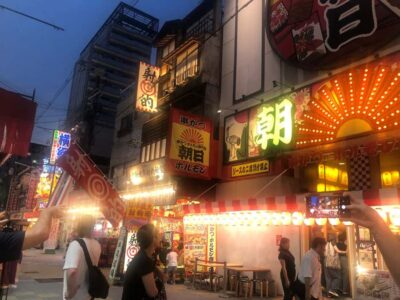
Hungry Osaka Street Food Tour: 15 Dishes & 3 Drinks
Read our review →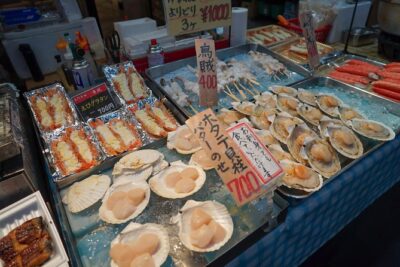
Kuromon Market Food Walking Tour in Osaka (6 stops, 6 tastes)
Read our review →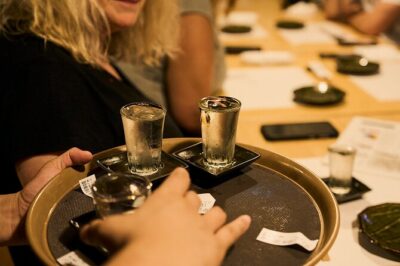
Guided Food Tour with 12 Dishes at 4 Local Eateries
Read our review →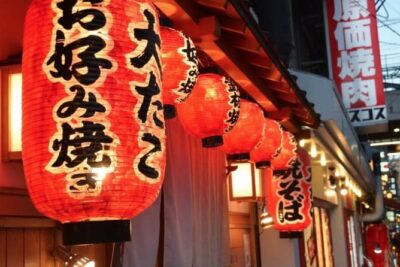
Browse the lists this tour appears in