
Reviewed · OSAKA SUMO & TRADITIONAL SHOWS
Osaka: UTAGE Japanese Taiko Live Show
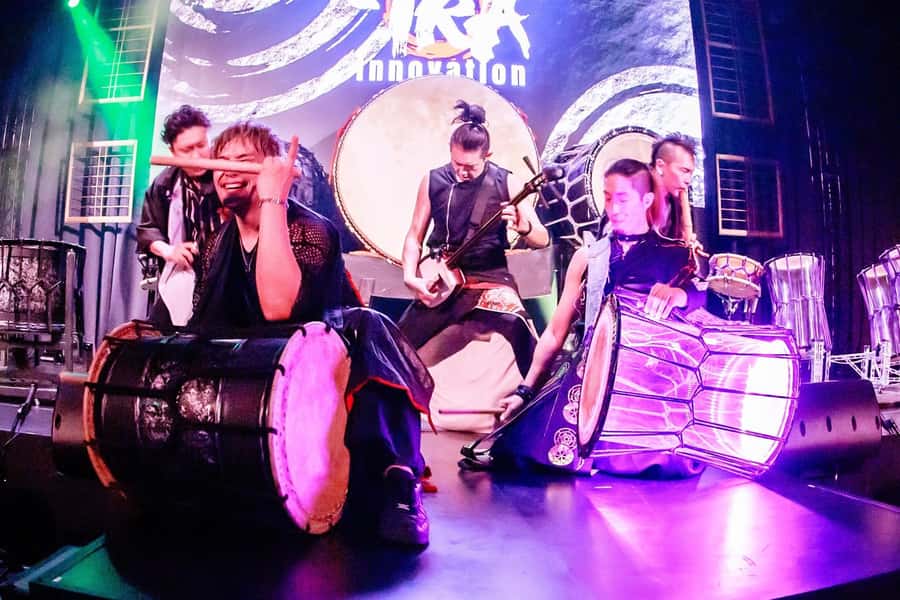
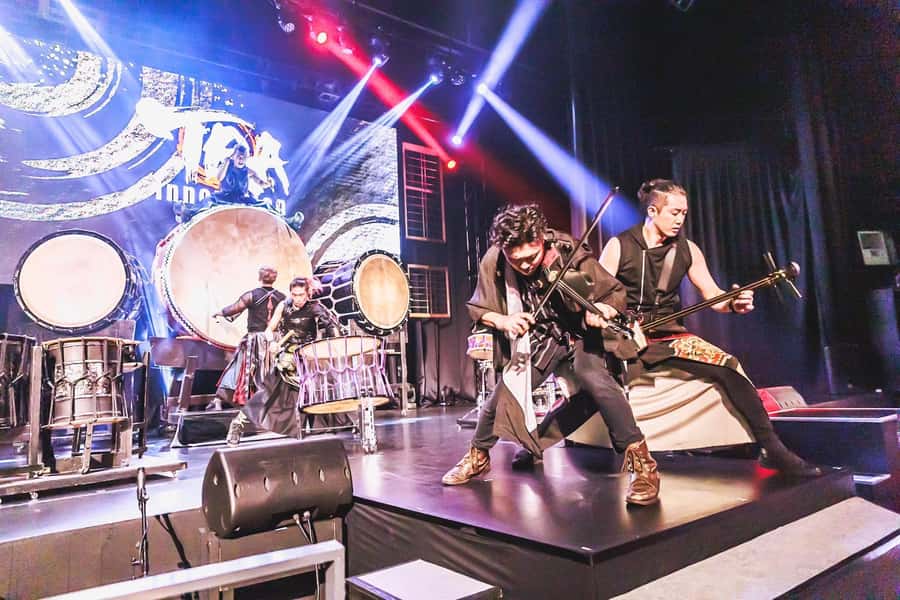
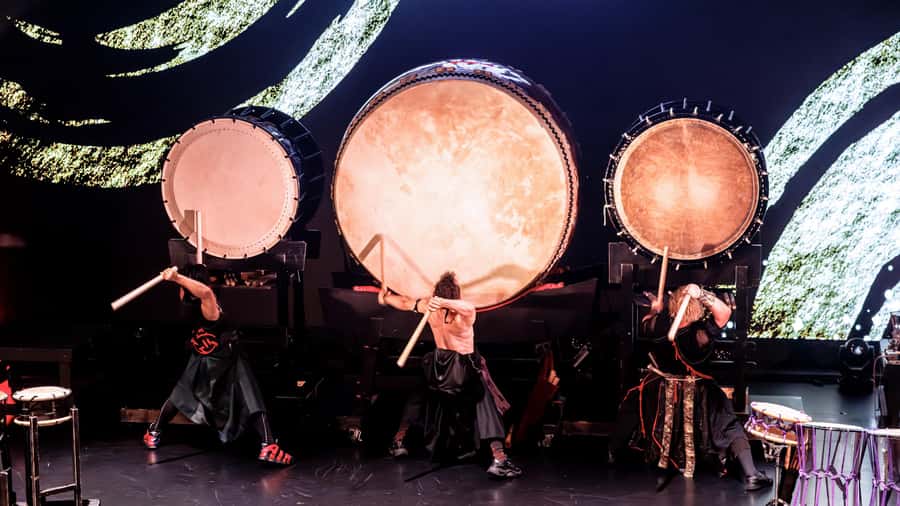
The biggest surprise here is the 180-centimeter taiko, one of the largest drums in Kansai. It is not a quiet cultural display. TRAinnovation, a band known for winning a world indie-band title, blends Japanese instruments with computer music, strong stage movement, humor, and visual effects. You may even be invited to play one song.
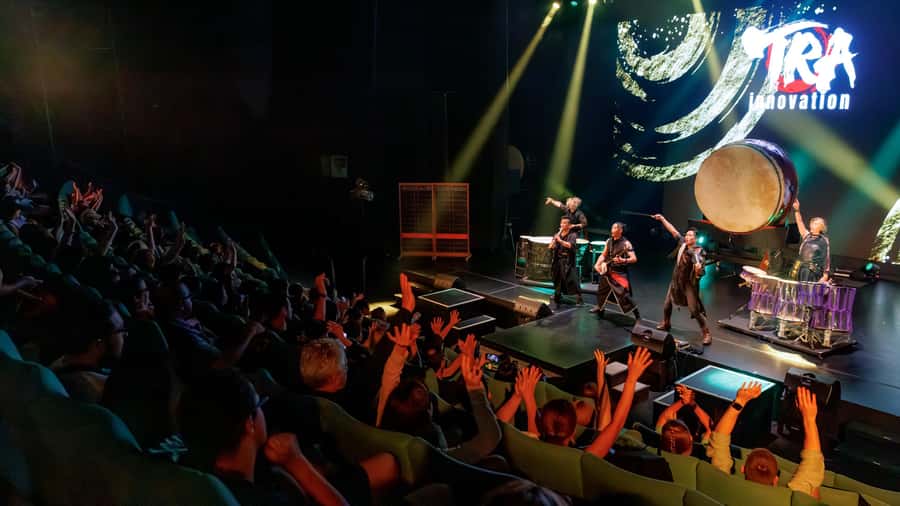
I like the close seating, with the musicians only a few meters away, and I like the show’s generous audience participation. You get traditional sounds without needing a background in Japanese music. The main thing to consider is that the performance is in Japanese, and late arrivals cannot enter once the show begins.
In This Review
- Key points to know before you book
- The 180-centimeter drum gets your attention first
- Traditional instruments meet computer music
- A close-up show rather than a distant concert
- Your chance to play one song
- Photos, performers, and the after-show experience
- How long the visit takes and where it fits
- Is $40 a fair price?
- Who will enjoy UTAGE most
- A few practical points before showtime
- Should you book the UTAGE Japanese Taiko Live Show?
- FAQ
- Where does the UTAGE Japanese Taiko Live Show take place?
- How much does the experience cost?
- How long does the show last?
- What instruments are used?
- Can I participate in the performance?
- Is the show available in English?
- Can I take photos?
- What happens if I arrive late?
Key points to know before you book
- The giant taiko measures 180 centimeters across, making it the visual and sonic centerpiece.
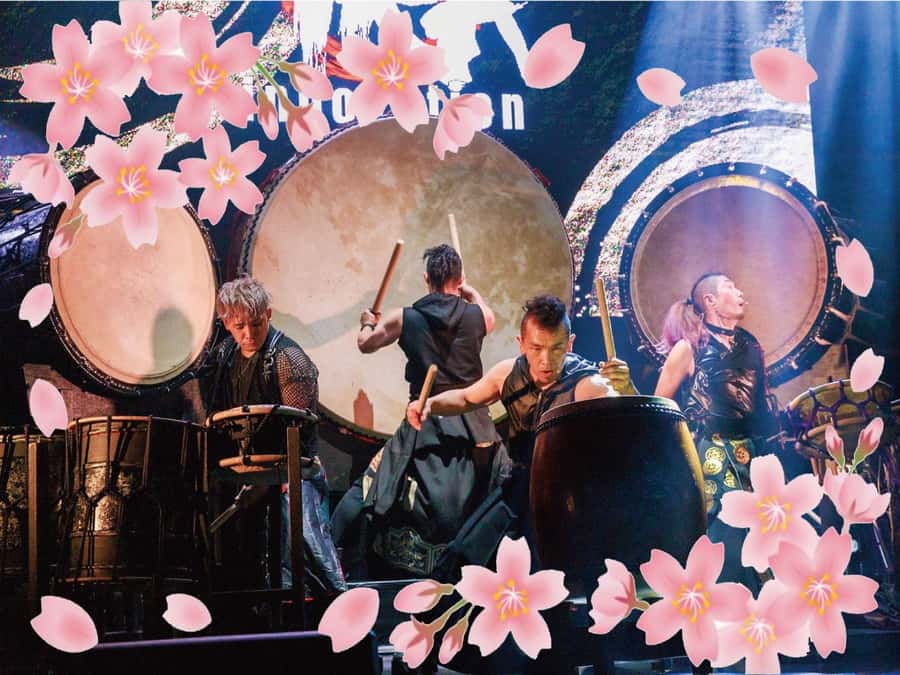
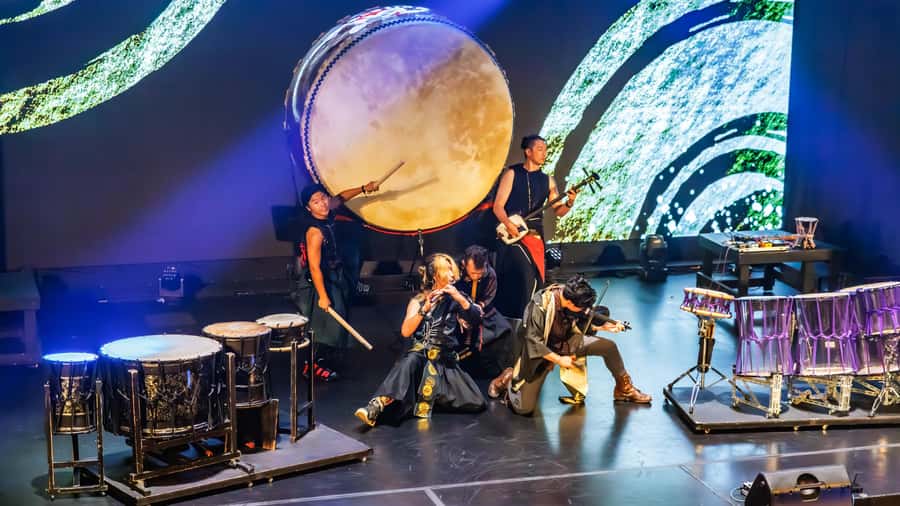
- TRAinnovation mixes old and new, using taiko, shamisen, shakuhachi, shinobue, and computer music.
- You may join the performers onstage for one song and try a Japanese drum.
- The small theater setting feels personal, with one audience member describing about thirty people seated in three rows.
- The show runs for roughly an hour, a useful length for fitting into an Osaka sightseeing day.
- Photos are allowed during the performance, and photo opportunities with the band are available afterward.
The 180-centimeter drum gets your attention first

At Osaka Cultural Center, UTAGE begins with the tools of Japanese music rather than a museum-style explanation of them. The instruments include Japanese drums, shamisen, shakuhachi, and shinobue. The enormous 180-centimeter drum gives the performance its physical scale, but the room keeps the experience close and direct.
That combination matters. A huge taiko can fill a large hall, yet this show places the action only a few meters from the audience. One account describes roughly thirty people sitting in three rows. If your show has a similar setup, you will have a clear view of hand movements, striking technique, facial expressions, and the effort behind each performance.
The scale also makes the experience easy to understand even if you know little about Japanese music. You do not need to identify every instrument. You can feel the low thump of the drum, hear the sharper attack of the shamisen, and notice how the bamboo flutes change the mood.
More sumo, taiko and stage shows:
- Osaka: Sumo Show & Experience w/ Optional Kimono & Hot Pot
★ 4.5 · 609 reviews - Osaka: Sumo Stage Show with Bento or Snack + Fight & Photo
★ 4.3 · 364 reviews - Osaka: English Stand Up Comedy Show at Osaka Comedy Club
★ 4.7 · 203 reviews
Traditional instruments meet computer music
UTAGE is not presented as a strictly traditional concert. The performers place Japanese instruments beside modern electronic sound and visual elements. That gives the show a quicker pace and a more familiar concert feel than a formal recital.
I like this approach for a first exposure to Japanese music. The shamisen, shakuhachi, and shinobue appear in a setting built for energy and entertainment, not for a lecture. If you already attend Japanese classical concerts, you may find the computer music and stage show less restrained than expected. That is also the point. This is a modern entertainment program built around traditional instruments.
The music has enough variety to hold attention for an hour. Powerful drum passages create the loudest moments, while the string and wind instruments add contrast. The band also uses visual elements to keep the presentation active. You are not simply sitting and listening to one long taiko demonstration.
The Japanese language is used for the show, but the performance itself carries much of the meaning through rhythm, movement, and visual action. That makes UTAGE workable for an international audience. You may miss some spoken jokes or explanations, but the central musical experience does not depend on translation.
A close-up show rather than a distant concert
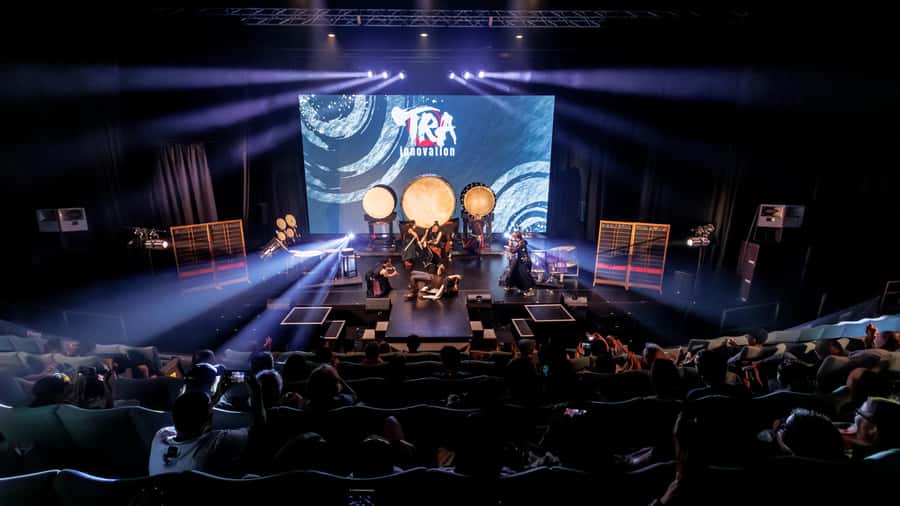
The size of the audience changes the mood. This is not a huge arena production where you watch performers through a screen. The musicians work near the front rows, and audience interaction is part of the design.
The performers make a clear effort to involve the room. That can mean inviting people toward the stage, encouraging movement, or bringing selected audience members into a one-song performance. The participation is a major part of the appeal, especially if you want more than passive sightseeing.
You should know that participation is optional in spirit, even though the show actively encourages it. If you prefer to watch, you can enjoy the music from your seat. If you like being part of a performance, stay alert when the performers begin engaging with the audience.
Some people find this kind of interaction exciting. Others prefer a quiet concert with no chance of being called forward. UTAGE leans toward fun and shared energy, so it suits an audience willing to respond, clap, move, or possibly take part.
Your chance to play one song
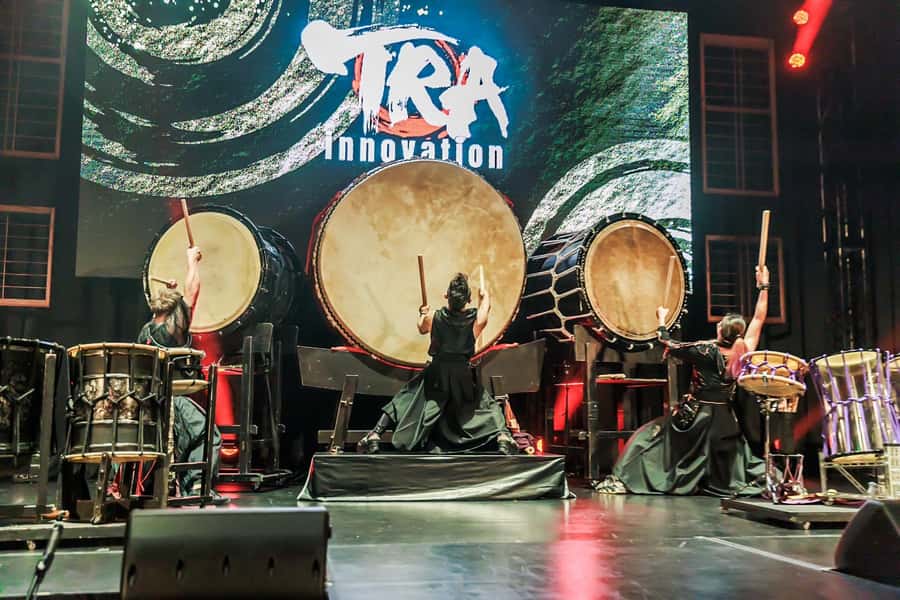
The most unusual feature is the invitation to become a performer for one song. The experience includes a chance for audience members to try Japanese instruments, including the large drums.
One participant described getting a turn on one of the big drums. That moment gives you a better sense of the instrument’s size and force than simply seeing it from your chair. You also gain a small taste of the coordination required to perform with the group.
The exact selection process and number of participants are not specified, so you should not assume everyone will play. Think of it as a limited opportunity rather than a guaranteed private lesson. The show promises audience participation, but the one-song performance depends on how the production handles that particular session.
For families, this can be the part children remember most. For adults, it breaks the usual boundary between stage and audience. It is also a good reason to choose UTAGE over a standard concert if you want an active cultural experience.
A completely different way to spend a day in Osaka:
- Osaka Go Karting Tour with Funny Costume
★ 5.0 · 2,658 reviews - Osaka Castle: Museum and Tower Entry Ticket
★ 4.5 · 2,380 reviews - Osaka: Shinsekai Food Tour with 13-15 Dishes at 5 Eateries
★ 4.8 · 2,204 reviews - Osaka Food Tour: 13 Dishes at 5 Local Eateries
★ 5.0 · 2,149 reviews
Photos, performers, and the after-show experience
Photography is permitted during the performance. That is useful if you want a record of the giant drum, the musicians, or the close theater arrangement. As always, keep your phone from blocking the view of people behind you, especially in a compact seating area.
Photo opportunities continue after the show. You may be able to take pictures with the performers, and the band has been available for photographs after the performance. A downstairs shop also offers complimentary photos with samurai swords and traditional Japanese umbrellas.
Those extra touches make the visit feel longer than the stage time alone. They are not the main reason to book, but they can be especially appealing for families and first-time visitors who want a few memorable Japanese images.
The staff are described as enthusiastic and helpful, which matters when the performance includes audience participation. Clear direction can make the difference between joining in comfortably and feeling unsure about what to do.
How long the visit takes and where it fits
The show is roughly an hour long, based on the experience descriptions. That makes it easier to add to a day in Osaka than a long evening production.
The meeting point and ending point are both Osaka Cultural Center. You do not need to arrange a separate transfer as part of the activity. The center is also near other attractions mentioned by attendees, including an aquarium and a Ferris wheel, so you could build a larger outing around the performance.
Because the production starts promptly, arrive at least five minutes early. Once the show begins, entry is not allowed for production reasons. This is more than a minor timing note. If you are coming from another Osaka attraction, allow enough time to find the cultural center, use the restroom, and take your seat before the start.
The fixed start is a good reason to avoid booking UTAGE too tightly between other plans. Osaka sightseeing can involve longer transfers than expected, and the no-late-entry rule means a short delay could cost you the entire show.
Is $40 a fair price?
At $40 per person, UTAGE is priced above a brief street performance but below many large-scale evening productions. The value depends on what you want from Japanese culture.
You are paying for a live band, close seating, several traditional instruments, modern sound production, audience interaction, and the chance to play for one song. The roughly one-hour length is not long, but it is long enough to deliver a focused experience without taking over your entire evening.
I see the strongest value in the combination of access and energy. You are not only looking at an instrument behind glass or sitting through a formal demonstration. You can see the musicians up close, hear the instruments in a modern setting, and possibly take part.
The price may feel less worthwhile if you want a long concert, detailed English explanations, or a strictly traditional performance. Since the listed language is Japanese, you should also weigh how much spoken content matters to you. The music and visuals do much of the work, but this is not an English-language cultural lecture.
The high overall score of 4.9 from 167 ratings supports the idea that the show delivers what it promises, particularly in energy, musical ability, and audience involvement. I would still choose it for the format, not simply for the rating.
Who will enjoy UTAGE most
UTAGE is a strong match for several kinds of visitors:
- First-time visitors to Japan who want a direct introduction to taiko and other Japanese instruments.
- Families looking for a short, lively activity with a chance to participate.
- Music lovers who enjoy hearing traditional instruments in a modern arrangement.
- Solo visitors who want a welcoming show where joining the dancing or audience activity is possible.
- Couples and small groups seeking an evening activity with photo opportunities.
- Visitors with limited time who want a complete experience lasting about an hour.
It may be less suitable if you want silence, a formal concert atmosphere, or extensive historical background. The show is designed to entertain. Its humor, movement, electronics, and crowd interaction are central features, not side details.
A few practical points before showtime
Book with the start time in mind, then arrive early. The five-minute rule is the minimum, not a target. Since late entry is refused, I would give yourself enough time to reach Osaka Cultural Center without rushing.
The activity is offered in Japanese. You can still follow the main performance as an international visitor, but do not expect every spoken comment or joke to be translated.
The booking terms are flexible: you can reserve now and pay later, and cancellation is allowed up to 24 hours before the start for a full refund. The listed price is $40 per person, and all elements described for the activity are included.
The experience returns to the same meeting point when it ends. That makes it simple to connect with nearby plans, though you should leave some breathing room if you are catching a train or making a timed reservation afterward.
Should you book the UTAGE Japanese Taiko Live Show?
Book it if you want Japanese music presented with force, humor, and a modern concert beat. The enormous drum, intimate seating, audience participation, and chance to play make this more memorable than a standard stage performance.
I would especially recommend it for families, first-time visitors, and anyone who enjoys being close to the action. If you prefer a quiet, formal concert or need substantial English narration, choose with care.
For $40 and about an hour, UTAGE offers a focused Osaka activity with real musical skill and a good chance of becoming one of your more personal Japan memories. Arrive early, keep an open mind, and be ready in case the performers invite you to join the rhythm.
FAQ
Where does the UTAGE Japanese Taiko Live Show take place?
The show takes place at Osaka Cultural Center in Osaka, on Honshu, Japan.
How much does the experience cost?
The listed price is $40 per person.
How long does the show last?
The performance is described as lasting about an hour.
What instruments are used?
The show includes Japanese drums, a large 180-centimeter drum, shamisen, shakuhachi, and shinobue, along with computer music.
Can I participate in the performance?
Yes. The program includes audience participation, and you may have the chance to perform one song with the musicians. Participation opportunities are limited.
Is the show available in English?
The listed language is Japanese. The musical and visual parts of the performance are designed for an international audience.
Can I take photos?
Yes. Photos are allowed during the performance. Photo opportunities with the performers are also available after the show.
What happens if I arrive late?
You must arrive at least five minutes before the start. Once the show begins, entry is not permitted for production reasons.
Just added around Osaka
- Nara Day Trip from Osaka with a Licensed Guide★ 5.0 · 3 reviews
- Osaka Early Morning Osaka Castle Tour Avoid Crowds★ 5.0 · 3 reviews
- Guided Tour of Some Attractions in Osaka by Private Car★ 5.0 · 3 reviews
- Private Transfer Between Kyoto and Kansai Airport KIX★ 5.0 · 3 reviews
- Shared Arrival Transfer: Osaka Itami Airport to Osaka City★ 5.0 · 3 reviews
- Osaka: Sushi Making Class and Dotonbori Food Tour★ 4.7 · 3 reviews
- Osaka Night Photography Workshop★ 5.0 · 3 reviews
- Kyoto Full day Tour Kinkakuji, Kiyomizu-dera and Fushimi Inari★ 4.5 · 3 reviews
Osaka Sumo & Traditional Shows, compared.
Sumo Show & Experience w/ Optional Kimono & Hot Pot
Read our review →
Sumo Stage Show with Bento or Snack + Fight & Photo
Read our review →
English Stand Up Comedy Show at Osaka Comedy Club
Read our review →
Osaka Sumo Experience with Live Show and Audience Challenge
Read our review →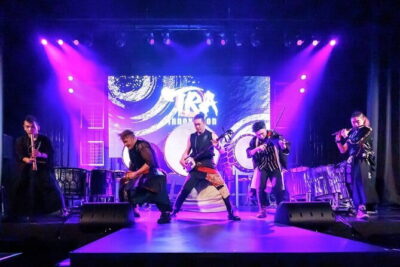


Osaka Umeda: PICCADILLY DINNER SHOW & NIGHTCLUB with Tasting
Read our review →
SUMO BEATS SHOWCASE: Taiko Drum and Wagyu burger!
Read our review →Browse the lists this tour appears in