
Reviewed · OSAKA HIGHLIGHTS & HIDDEN GEMS TOURS
Osaka: Walking Tour and Top Highlights
Osaka’s best introduction may be a four-hour route that moves from samurai-era walls to temple gardens, retro street scenes, food stalls, and the neon signs of Dotonbori. This tour covers a lot of ground, using the subway to connect sights that are too spread out for a practical walking loop.
I like the way Osaka Castle and Shitennoji Temple balance grand sightseeing with quieter historic spaces. I also like the food stops, especially Kuromon Ichiba Market, where you can pause for local snacks instead of simply looking at landmarks. The tradeoff is clear: the schedule is tight, and people who walk slowly or need frequent rest may find the pace demanding.
In This Review
- The route at a glance
- Why this four-hour Osaka tour works
- Starting underground at Namba Walk
- Osaka Castle and Hokoku Shrine
- Shinsekai, Tsutenkaku, and Osaka’s old New World
- Shitennoji Temple and its quiet gardens
- Kuromon Ichiba Market, Osaka’s kitchen
- Dotonbori as the final scene
- The subway makes the ambitious schedule possible
- What the guide adds
- Who should book it
- Final call
- FAQ
- How long does the Osaka walking tour last?
- What sights are included?
- Is the tour conducted in English?
- How much does the tour cost?
- Are subway fares included?
- Is Osaka Castle admission included?
- Is food included at Kuromon Ichiba Market?
- Is the matcha tea experience included?
- Where is the usual meeting point?
- Can cruise passengers request pickup?
- Does the tour run in rainy weather?
- Can I cancel the tour?
- Is the tour suitable for people with mobility impairments?
The route at a glance
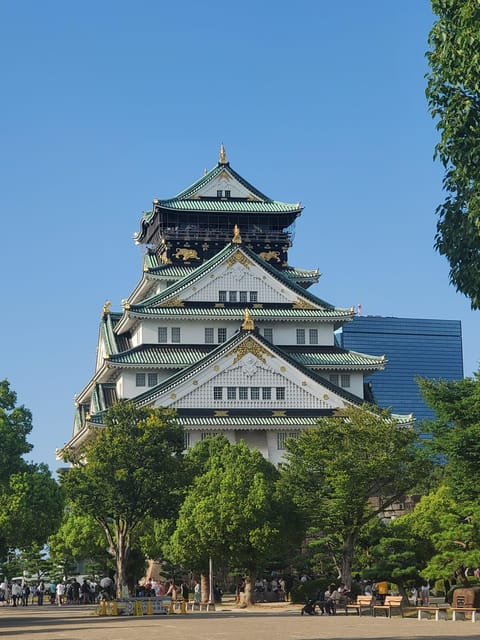
- Osaka Castle in 50 minutes: See the grounds, park, views, and nearby Hokoku Shrine, with castle entry available for an extra fee.
- Three subway rides: About 40 minutes of total subway travel helps you cover Osaka’s far-flung sights in one morning or afternoon.
- Shinsekai and Tsutenkaku: Spend time in Osaka’s old New World district, with a short stop for tea or a matcha experience if selected.
- Shitennoji Temple: Visit one of Japan’s oldest Buddhist temples and see its architecture and gardens.
- Kuromon Ichiba Market: Sample or buy seafood, street food, and local treats at Osaka’s famous food market.
- Dotonbori finish: End among the signs, shops, restaurants, and canal-side energy of Osaka’s best-known entertainment district.
Why this four-hour Osaka tour works
Osaka can be awkward to sightsee in a short visit. The castle is east of the central shopping districts, Shitennoji is south of it, and Shinsekai and Dotonbori each have a different feel. You can visit them independently, but you will spend time studying subway maps and deciding what to skip.
This route solves that problem. You pay $64 per person for a guide who handles the order of stops, points out what matters, helps with photographs, and leads you through the subway system. Subway fares, about ¥800, are extra, as is the ¥1,200 castle entry fee if you choose to go inside.
The strongest part of the experience is the human help. Guides including Minori, Buchi, Tony, Nagi, Kenji, Haruka, and Halu have been praised for clear explanations, friendly conversation, photo help, and useful restaurant suggestions. The guide roster changes, so you cannot assume you will receive a particular person, but the repeated praise for flexibility is encouraging.
The format can be private or small-group. A small group keeps the price sensible and adds company, while a private booking gives you more room to ask questions or adjust the emphasis. One solo participant had a private-style experience because no one else had booked, and the guide tailored the outing to personal interests.
More highlights and hidden gems tours:
- Osaka Kickstart: Hotspots & Hidden Gems Tour
★ 5.0 · 1,306 reviews - Ultimate Osaka Walking Tour: Castle, Dotonbori & Hidden Gems
★ 5.0 · 862 reviews - Osaka: Main Sights and Hidden Spots Guided Walking Tour
★ 4.9 · 702 reviews
Starting underground at Namba Walk
The usual meeting point is the operator’s base in Namba Walk, an underground shopping area. Find the store between exits B21 and B23, near the DOCOMO and MIZUNO shops. Namba Walk has two parallel walkways, so if you do not see the store between those shops, check the other side.
This detail matters. Namba is busy and its underground passages can be confusing, especially when you are watching signs, shops, and station entrances at the same time. Give yourself extra time rather than arriving at the last minute.
Hotel pickup may be available as an optional service, and cruise passengers can request pickup near the cruise terminal for ¥5,000 including tax. The request must be sent at least one day before the tour. For hotel pickup, wait in the lobby about 10 minutes early, and look for a guide holding an Osaka JOINER sign, though the sign may not always be displayed.
Wear comfortable shoes. You will walk through stations, streets, market lanes, temple grounds, and parks, with short subway rides between major sections. The tour runs in rain, so bring an umbrella or raincoat.
Osaka Castle and Hokoku Shrine
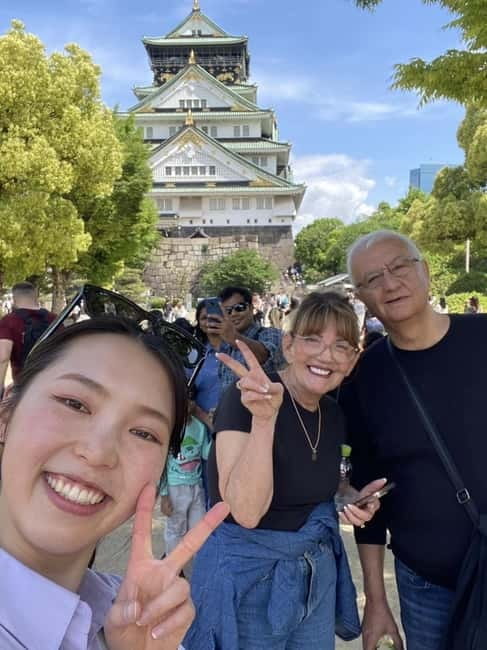
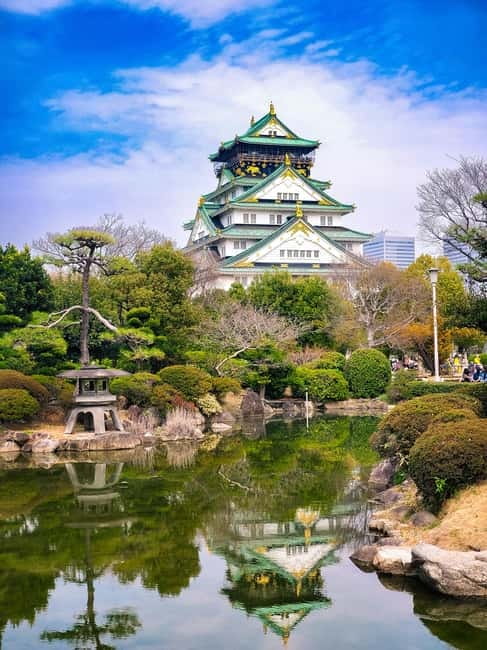
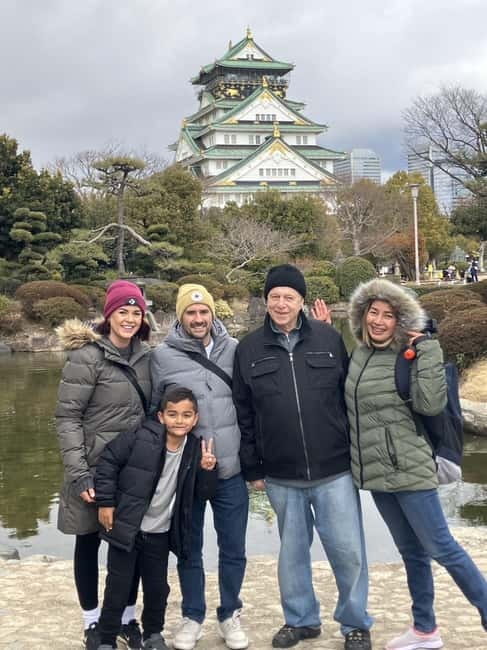
The first major stop is Osaka Castle, with about 50 minutes for the grounds, park, photographs, and general sightseeing. The castle is one of Osaka’s essential sights, but the value of a guided stop is not just the picture in front of the tower. Your guide can explain the castle’s place in Osaka’s past and help you decide how to use limited time.
The listed schedule focuses on the grounds and surrounding park. If you want to enter the castle museum, allow for the separate ¥1,200 admission charge. Four hours is not enough for a long museum visit, so treat the interior as an optional add-on rather than the main point of this outing.
The grounds offer open views and a welcome change from the dense shopping streets later in the day. You will have time for photographs, though not unlimited time to wander every path. That is typical of a city overview: you see the main setting, get context, and save a longer visit for another day if the castle catches your interest.
Nearby Hokoku Shrine receives a shorter 15-minute guided stop. It adds another layer to the castle area and gives your guide a chance to explain the connection between local religious sites and Osaka’s political past. The stop is brief, so expect an introduction and photographs rather than an extended temple visit.
Shinsekai, Tsutenkaku, and Osaka’s old New World
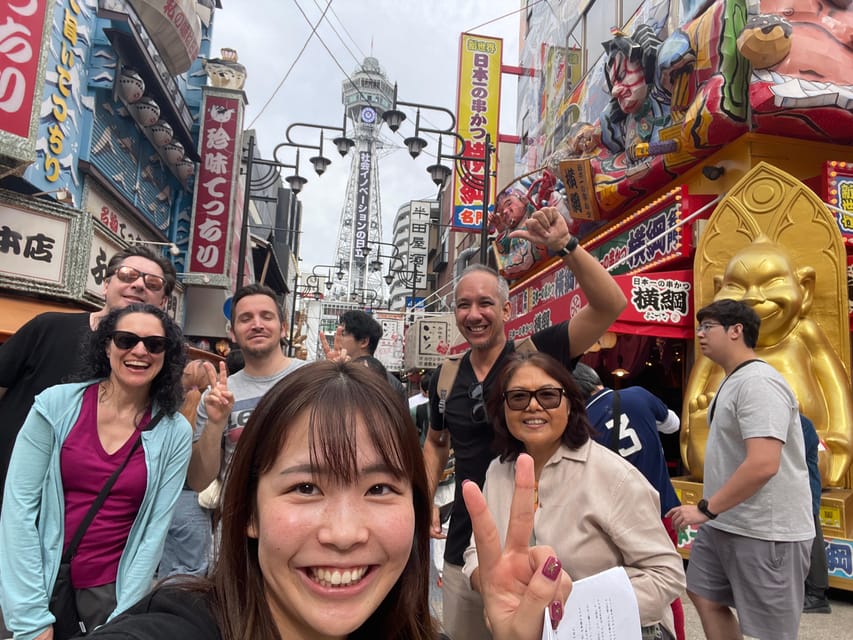
After another subway ride, the tour reaches Shinsekai, often translated as New World. This district has a retro look and a very different mood from the castle grounds. Its streets are associated with Tsutenkaku Tower, local food, old-style storefronts, and a more playful side of Osaka.
You receive about 20 minutes for sightseeing, photographs, shopping, and free time. That is enough to take in the atmosphere and capture the tower, but it is not enough for a leisurely meal or a careful look inside every shop.
The route also includes about 15 minutes at Shinsekai Market, with tea listed in the schedule. A matcha tea experience is included only if you select that option, so check the booking choice before assuming it is part of your day. Tea makes this stop more than a quick photo pause, but it remains a short cultural interlude.
Tsutenkaku itself gets about 10 minutes. This is mainly a photo and orientation stop rather than a full tower visit. If going up the tower is high on your list, ask the guide how the timing works, since the published schedule does not promise an extended interior visit.
Shinsekai is one of the tour’s most useful stops because it shows Osaka outside the polished image of castles and shopping arcades. You get a sense of the city’s older entertainment culture, then move on before the schedule loses momentum.
More guided walks on foot:
- Deep Backstreet Osaka Tours (Option to add Dinner)
★ 5.0 · 1,290 reviews - Osaka Local Foodie Walking Tour in Dotonbori and Shinsekai
★ 5.0 · 985 reviews - Osaka: Deep Backstreets Walking Tour with Dinner Option
★ 4.9 · 902 reviews - Private Osaka Walking Tour: Highlights & Hidden Gems
★ 5.0 · 569 reviews
Shitennoji Temple and its quiet gardens
The next subway ride leads to Shitennoji, with about 30 minutes for photographs and sightseeing. It is presented as one of Japan’s oldest Buddhist temples, and its historic architecture gives the tour a calmer pause after Shinsekai’s signs and street food.
The temple grounds and gardens are worth having a guide for, particularly if you want more than a quick photograph. Your guide can explain what you are seeing and answer questions about Japanese religious traditions and local history. Several guides have also used these stops to connect the sites with everyday life in Osaka.
Thirty minutes is enough for an introduction, not a slow spiritual retreat. You may find yourself wishing for more time in the gardens, especially if you enjoy architectural details or want to take photographs without hurrying. Still, the stop is well placed. It breaks up the food and shopping portions and gives the route a historical center.
Kuromon Ichiba Market, Osaka’s kitchen
Kuromon Ichiba Market is where the tour becomes especially practical. The market is known as Osaka’s kitchen, with fresh seafood, street food, snacks, and local treats. You have about 20 minutes for food tasting, shopping, and free time.
Food is not included, so bring cash and choose what interests you. Twenty minutes will not support a full market crawl, but it is enough to try something, look at the stalls, and ask your guide what to eat. Guides have offered restaurant and sushi suggestions during and after the tour, which can be useful when you want a proper meal later.
I would treat Kuromon as a sampler, not lunch. The short stop means you should avoid spending all your time comparing stalls. If you see something appealing, buy it, eat it, and keep moving.
This is also one of the places where local guidance has real value. A guide can help explain how locals shop, what certain foods are, and how to approach a market that may otherwise feel like a wall of unfamiliar dishes. Halu was specifically praised for showing how locals shop, and other guides have helped visitors make food choices and plan later meals.
Dotonbori as the final scene
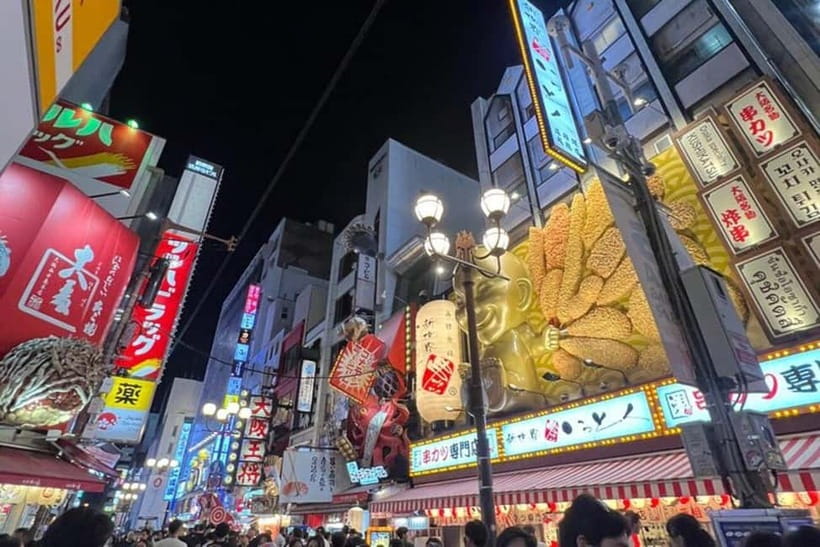
From Kuromon Market, you walk about 10 minutes to Dotonbori. The tour allows roughly 15 minutes here for sightseeing and photographs, ending in one of Osaka’s most famous entertainment areas.
Dotonbori is known for neon signs, restaurants, shopping, and food. It is the right place to finish because you can continue exploring after the formal tour ends. The listed drop-off locations are both in Dotonbori, so you are well placed to stay for dinner, revisit a shop, or walk along the canal area at your own pace.
Do not expect a full evening in Dotonbori during the tour itself. Fifteen minutes is enough for orientation and key photographs, but the district deserves more time if you want to eat, shop, or study the signs. The benefit is that your guide can point out where to return later, rather than trying to explain the area at the beginning of your day.
For many people, this ending is ideal. The tour gives you a first look, then leaves you in the part of Osaka where it is easiest to continue independently.
The subway makes the ambitious schedule possible
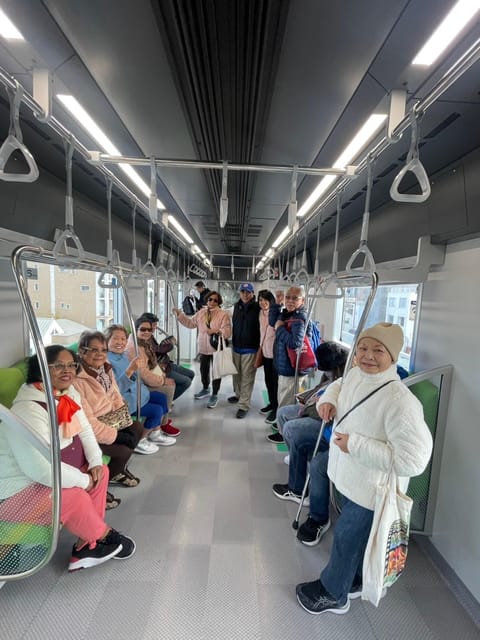
This is called a walking tour, but it is really a walking and subway tour. The listed subway segments add up to about 40 minutes, and you will also walk through stations and between the market and Dotonbori.
That arrangement is a strength. Without public transport, visiting Osaka Castle, Shinsekai, Shitennoji, Kuromon, and Dotonbori in four hours would be unrealistic. A guide also helps you learn how to use the subway, an especially useful skill if you plan to stay in Osaka for several days.
The subway fare is around ¥800 and is not included. One participant noted that an existing Suica card worked well, so you may not need to buy a separate all-day train ticket. Carry cash anyway, since the tour information specifically asks you to bring it and guide payment must be made in cash.
The pace is the main concern. You make frequent stops, but you do not linger long at each one. The route suits someone who wants a city orientation and a list of places to return to. It is less suitable for someone who prefers one or two sites explored in depth.
What the guide adds
The guides are the reason to choose this experience over following the same route with a map. The strongest pattern in the feedback is not a single landmark. It is the guides’ patience, flexibility, photo help, and ability to explain both history and present-day Osaka.
Minori has led groups through the subway while keeping everyone together, allowing free time for photographs and purchases. Kenji has been praised for site explanations and restaurant ideas. Tony has been described as easy to understand and good at taking photographs, while Nagi has tailored tours and offered strong food recommendations.
Other named guides include Buchi, Halu, Lily, Sergio, Victor, Kito, Kota, Satsuki, Haruka, Taisei, Risa, and Ojiro. The English-language service is the common thread, but the exact personality and depth of explanation will vary by guide.
The tour can also adapt in small ways. Guides have accommodated requests, adjusted parts of the route, offered water breaks on hot days, and continued sensibly in heavy rain. That flexibility is valuable in a private or small group, but it may be more limited when the group is larger.
Who should book it
I would recommend this tour to first-time visitors with only a day or two in Osaka. You will see the city’s major contrasts quickly: castle grounds, a shrine, temple architecture, an old entertainment district, a food market, and modern Dotonbori.
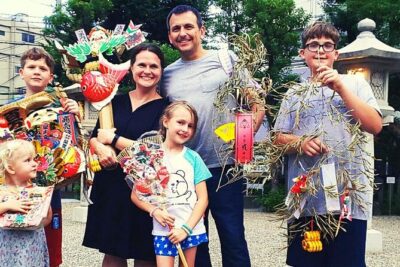
It also suits families and solo visitors who want help with navigation. A family group enjoyed having a child lead the pack, while solo participants benefited from being able to ask many questions. The photo help is another plus if you are traveling alone or want everyone in the picture.
You should think twice if you have mobility limits, are over 75, or have had recent surgery, since the tour is not designed for those needs. Comfortable shoes are essential, and hot or rainy weather can make the walking and station transfers harder.
The price is fair if you value time, orientation, and local advice. At $64, plus about ¥800 for transit and possible castle admission, you are paying more than you would for independent sightseeing. In return, you avoid much of the planning work and gain a guide who can explain what you are seeing and help shape the rest of your Osaka visit.
Final call
Book this Osaka walking tour if you want a fast, well-organized first look at the city and plan to explore Dotonbori or another area on your own afterward. Its greatest strengths are the wide route, useful subway practice, food guidance, and friendly guides who often help with photos and restaurant choices.
Skip it if your priority is spending half a day inside Osaka Castle, slowly exploring Shitennoji, or eating your way through Kuromon Market. The schedule is designed for breadth, not long stays. For a first visit, though, it gives you a strong map of Osaka and plenty of ideas for what to do next.
FAQ
How long does the Osaka walking tour last?
The tour lasts four hours.
What sights are included?
The route includes Osaka Castle, Hokoku Shrine, Shinsekai, Shinsekai Market, Tsutenkaku, Shitennoji Temple, Kuromon Ichiba Market, and Dotonbori.
Is the tour conducted in English?
Yes. The tour includes an English-speaking live guide.
How much does the tour cost?
The listed price is $64 per person.
Are subway fares included?
No. Subway fees cost around ¥800 and are paid separately.
Is Osaka Castle admission included?
No. Castle entry costs ¥1,200 separately if you choose to enter.
Is food included at Kuromon Ichiba Market?
No. Food and drinks are not included, so bring money if you want to buy street food or local snacks.
Is the matcha tea experience included?
The matcha tea experience is included only if you select the option that includes it.
Where is the usual meeting point?
The usual meeting point is the operator’s base in Namba Walk, between exits B21 and B23, near the DOCOMO and MIZUNO shops.
Can cruise passengers request pickup?
Yes. Optional pickup near the cruise terminal costs ¥5,000 including tax. Send the request at least one day before the tour.
Does the tour run in rainy weather?
Yes. The tour proceeds in rain, so bring an umbrella or raincoat.
Can I cancel the tour?
You can cancel up to 24 hours in advance for a full refund.
Is the tour suitable for people with mobility impairments?
No. The tour is not suitable for people with mobility impairments, people over 75, or people with recent surgeries.
Just added around Osaka
- Nara Day Trip from Osaka with a Licensed Guide★ 5.0 · 3 reviews
- Osaka Early Morning Osaka Castle Tour Avoid Crowds★ 5.0 · 3 reviews
- Guided Tour of Some Attractions in Osaka by Private Car★ 5.0 · 3 reviews
- Private Transfer Between Kyoto and Kansai Airport KIX★ 5.0 · 3 reviews
- Shared Arrival Transfer: Osaka Itami Airport to Osaka City★ 5.0 · 3 reviews
- Osaka: Sushi Making Class and Dotonbori Food Tour★ 4.7 · 3 reviews
- Osaka Night Photography Workshop★ 5.0 · 3 reviews
- Kyoto Full day Tour Kinkakuji, Kiyomizu-dera and Fushimi Inari★ 4.5 · 3 reviews
Osaka Highlights & Hidden Gems Tours, compared.

Ultimate Osaka Walking Tour: Castle, Dotonbori & Hidden Gems
Read our review →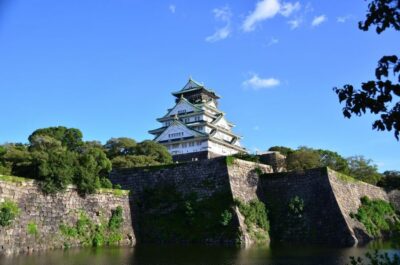
Main Sights and Hidden Spots Guided Walking Tour
Read our review →
Private Osaka Walking Tour: Highlights & Hidden Gems
Read our review →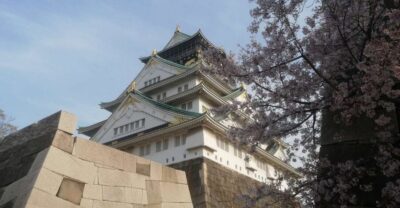
Five Must-See Highlights Walking Tour & Ramen Lunch
Read our review →
Ancient Capital Tour: Kyoto and Nara Highlights from Kyoto/Osaka
Read our review →
Walking Tour of Osaka’s 5 Must-See Sights, with Ramen for Lunch
Read our review →
Osaka Highlights: 4-Hour Walking Tour with Castle
Read our review →Browse the lists this tour appears in